On Grindelallee in Hamburg's Grindel district, BABORRITO - LOST IN MÉXICO occupies a niche that few casual-dining addresses in the city attempt: Mexican food served with enough conviction to stand apart from the Tex-Mex defaults that dominate northern Germany. The name alone signals an editorial position, and the address places it squarely in a neighbourhood that rewards the curious over the comfortable.
 Discover on Pearl
Pearl is the En Primeur Club membership app — saves, bookings, and concierge access live there. Same editors, same standards.
- Address
- Grindelallee 26, Grindelallee 83, 20146 Hamburg, Germany
- Phone
- +491728716816
- Website
- baborrito.eatbu.com
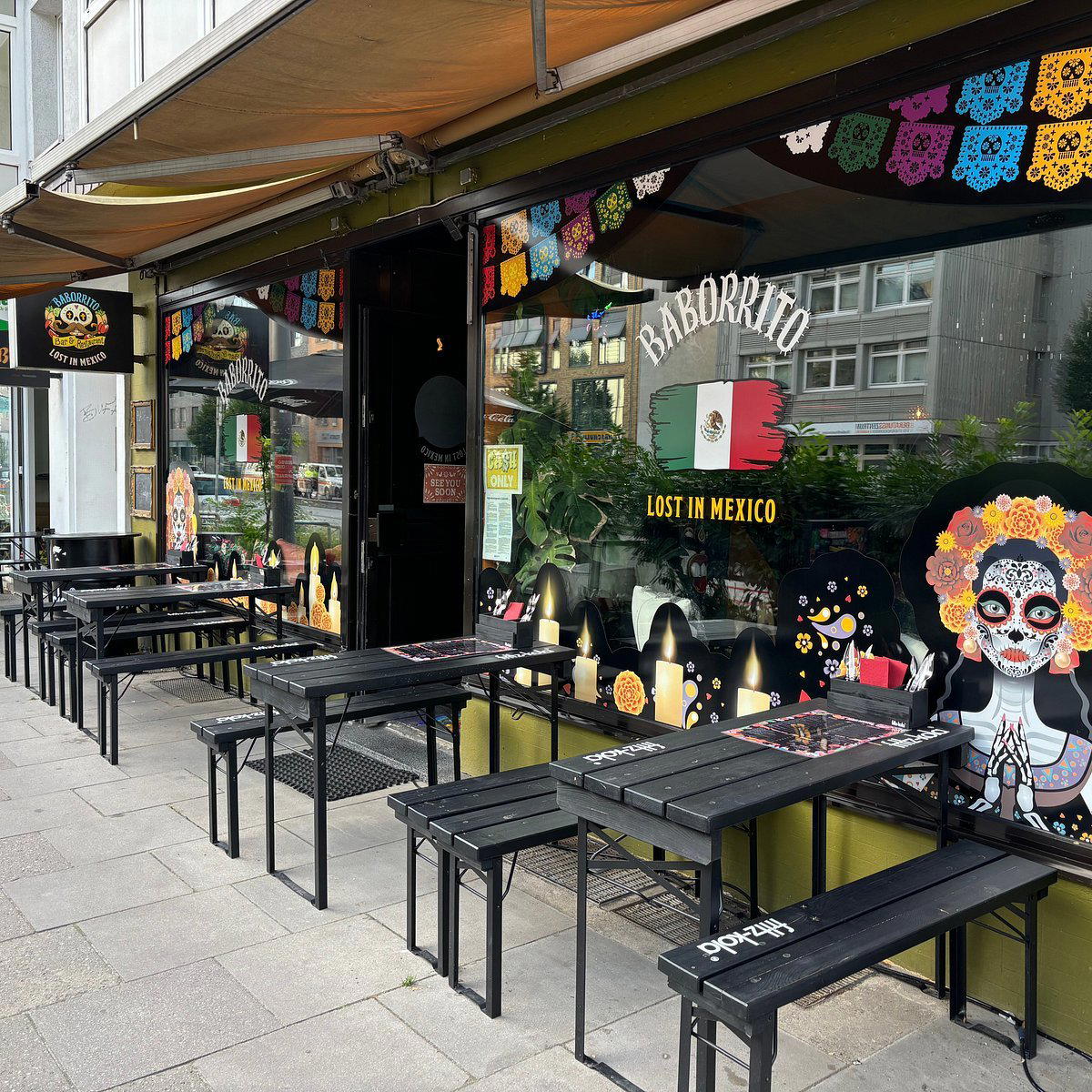
Where Grindel Meets the Gulf of Mexico
Hamburg's casual dining scene has long been weighted toward northern European defaults: schnitzel, fish sandwiches, and the kind of pan-Asian fusion that proliferated through the 2000s and never quite left. Mexican food, in particular, has struggled to find a foothold beyond Tex-Mex simplifications, a category dominated by sour cream-heavy burritos and predictable nachos platters. BABORRITO - LOST IN MÉXICO sits on Grindelallee, in the Grindel quarter near the university, and operates inside a different set of assumptions. The name is deliberate provocation: it signals that the kitchen is not interested in the genre's lowest common denominator.
Grindelallee is a useful address for this kind of restaurant. The street runs through a neighbourhood shaped by student density, independent retail, and a food culture that tolerates experimentation more readily than the Alster-side dining rooms frequented by Hamburg's financial class. It is the kind of block where a concept can build a following on word of mouth rather than corporate footfall, and where the regular clientele tends to care about flavour over formal presentation. That neighbourhood context matters when assessing what BABORRITO is doing: it is not playing to the fine-dining gallery, and it is not trying to. Its competitive frame is the mid-market casual segment, where the gap between good and mediocre is often widest and least discussed.
The Collaboration Behind the Counter
Mexican cooking at the casual end of the market lives or dies on team execution more than individual genius. A single burrito involves spiced protein, rice, beans, salsa, acid, fat, and heat, all assembled under pressure during a lunch rush. When that coordination works, the result is cohesive and fast; when it breaks down, the components taste like separate items on the same plate. The editorial angle on BABORRITO is whether the kitchen and front-of-house operate as a unit, because in counter-service formats, the handoff between preparation and service is visible in real time.
In a city where Hamburg's most-discussed restaurants, such as The Table Kevin Fehling and Restaurant Haerlin, operate at the €€€€ tier with extensive brigade structures and sommelier programs, the team dynamic at a neighbourhood burrito spot like BABORRITO represents the opposite end of the hospitality spectrum. But the underlying principle holds: the consistency of the food on the plate is a function of how well the people behind it communicate. Elsewhere in Germany, operations like Schwarzwaldstube in Baiersbronn and Aqua in Wolfsburg demonstrate what systematic kitchen discipline produces at the high end; the same discipline, applied to a simpler format, is what separates a memorable burrito from a forgettable one.
What Mexican Cuisine Looks Like in Northern Germany
The context for any Mexican restaurant in Hamburg is the relative scarcity of the category done with any seriousness. Germany's Mexican food culture has historically borrowed from American Tex-Mex conventions rather than from the regional traditions of Oaxaca, Yucatán, or Jalisco. Mole takes hours of preparation and requires ingredients that are expensive to import; tlayudas and tlacoyos have no brand recognition with a northern European audience. The result is that most Mexican addresses in Hamburg default to burritos, tacos, and quesadillas built around ground beef and shredded cheese, with chipotle arriving as the default heat signal.
BABORRITO leans into the burrito format directly, which is both a pragmatic and honest choice. The burrito is not a traditional Mexican form in the way that a Oaxacan mole negro or a Veracruz-style fish preparation is, but it is a legitimate expression of northern Mexican and Mexican-American cooking, and it is the format most likely to be executed well in a city where the supply chain for certain ingredients remains limited. What matters is whether the kitchen treats the format as a ceiling or a floor. In cities with more developed Mexican food scenes, such as New York, where Le Bernardin anchors one end of the dining spectrum while taqueria counters anchor the other, the burrito format has been pressure-tested against genuine competition. Hamburg has not yet reached that point, which means a restaurant that takes the format seriously occupies ground that few others contest.
Grindel's Dining Character and Where BABORRITO Fits
The Grindel neighbourhood supports a range of casual addresses, from falafel counters to ramen shops, and its dining character is defined by accessibility and informality rather than occasion dining. Hamburg's broader restaurant conversation tends to centre on the Hafencity, the Elbphilharmonie district, and the waterfront addresses where bianc and Lakeside operate at the premium end. Grindelallee does not compete with those corridors; it serves a different function in the city's food geography.
That positioning has practical implications for how BABORRITO should be approached. Grindelallee 26 is close to the university, which means lunch and early evening are the densest service windows. Readers comparing Hamburg's casual mid-market to what they might find in Berlin, where CODA Dessert Dining represents one extreme of the city's format diversity, will find Hamburg's equivalent tier less developed but increasingly self-aware. BABORRITO belongs to the category of addresses worth tracking in that development. For broader orientation across Hamburg's dining options, the full Hamburg restaurants guide maps venues across price tiers and neighbourhoods.
Germany's wider fine-dining conversation, encompassing addresses such as JAN in Munich, Vendôme in Bergisch Gladbach, Victor's Fine Dining by Christian Bau in Perl, ES:SENZ in Grassau, Schanz in Piesport, Waldhotel Sonnora in Dreis, and Bagatelle in Trier, proceeds at a remove from what happens on Grindelallee. But the same country contains both, and the gap between them is part of what makes the mid-market interesting to watch. Hamburg's 100/200 Kitchen occupies the creative casual segment with its own distinct format; BABORRITO sits in a parallel tier defined by different culinary reference points. Across the Atlantic, Lazy Bear in San Francisco shows what happens when a casual format is pushed toward its conceptual limits; BABORRITO operates closer to the accessible end of that spectrum, which is not a criticism but a description of what it is trying to do and for whom.
Planning Your Visit
BABORRITO - LOST IN MÉXICO is located at Grindelallee 26 in Hamburg's Grindel district, reachable by U-Bahn (Schlump or Grindelhof stations) and walkable from the university campus. As with most casual counter formats in the neighbourhood, walk-in traffic is the standard mode of entry, and peak hours around the university lunch window can create queues.
At-a-Glance Comparison
Comparable venues nearby, for context on price, style, and recognition.
| Venue | Cuisine | Price | Awards | Notes |
|---|---|---|---|---|
| BABORRITO - LOST IN MÉXICOThis venue — the venue you are viewing | Authentic Mexican Taqueria | $ | , | |
| La Casita | Authentic Mexican Taqueria | $$ | , | St. Pauli |
| Fischimbiss Schabi | Fresh Grilled Seafood Fischimbiss | $ | , | Sternschanze |
| The Ramen | Japanese Ramen | $ | , | Hamburg-Altstadt |
| Erfrischungsraum Brandshof GmbH | German Bistro Classics | $ | , | Elbbrucken |
| San Burrito | Mexican Street Food | $ | , | Neu Lokstedt |

At a Glance
- Trendy
- Cozy
- Casual Hangout
- Group Dining
- Terrace
- Craft Cocktails
- Local Sourcing
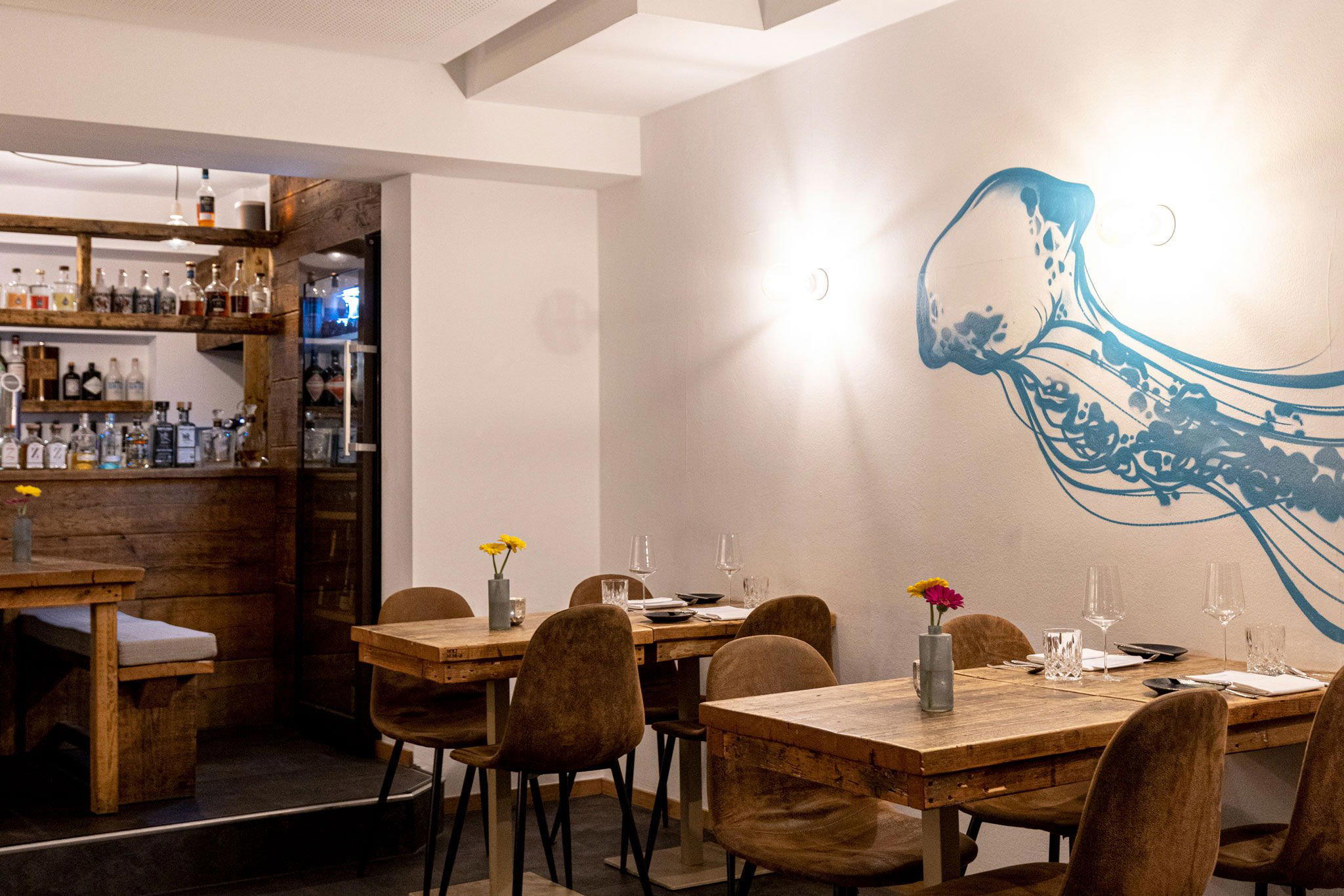
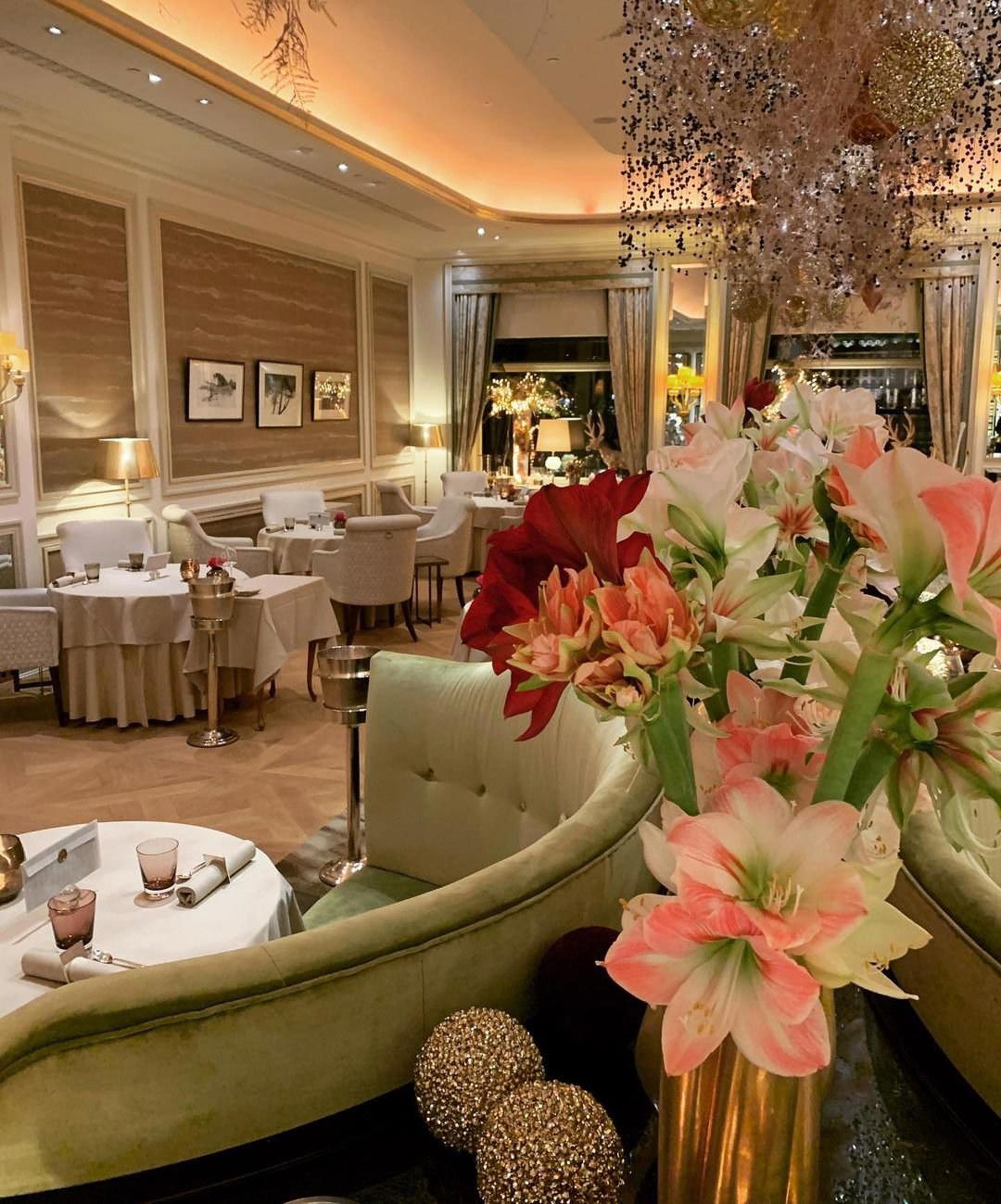
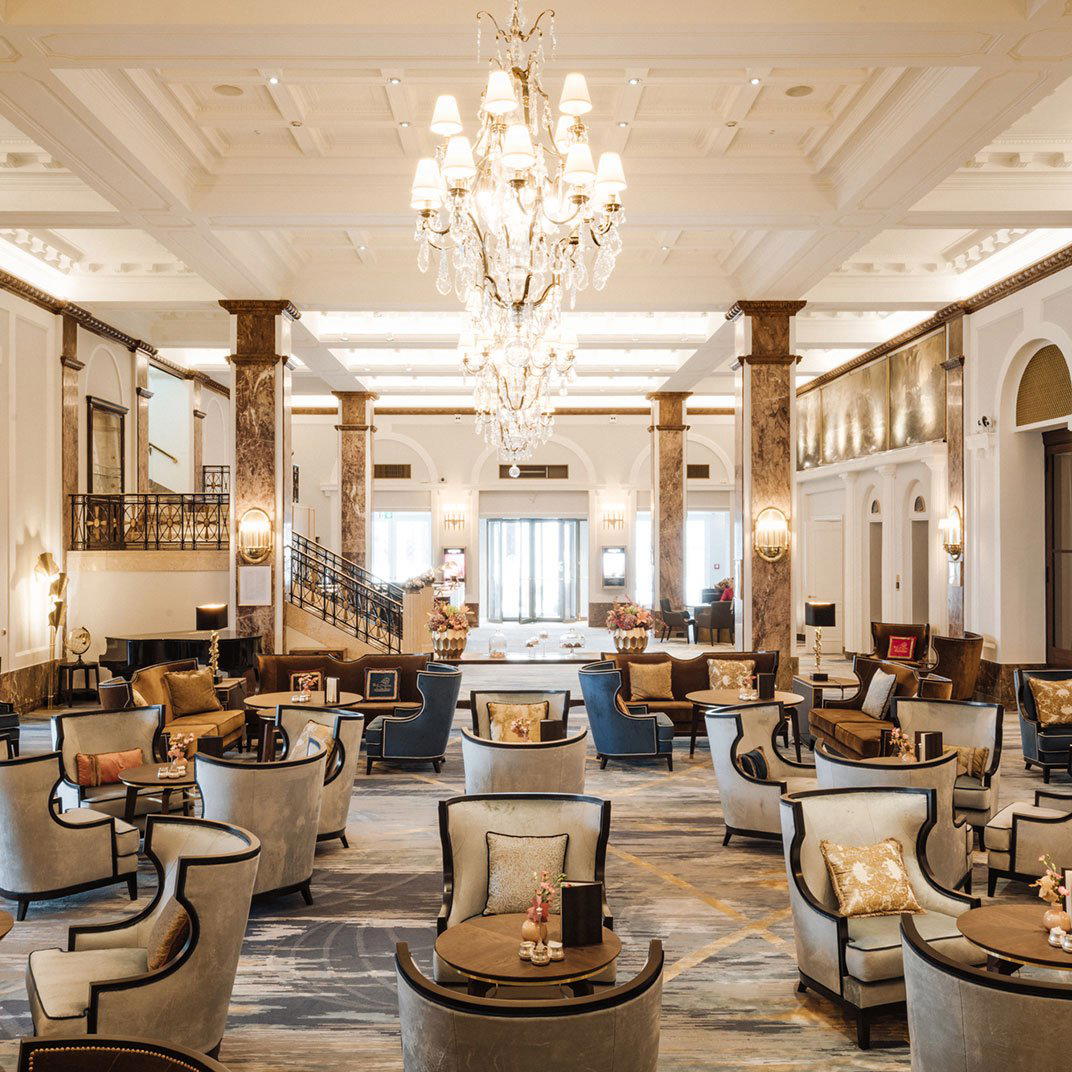
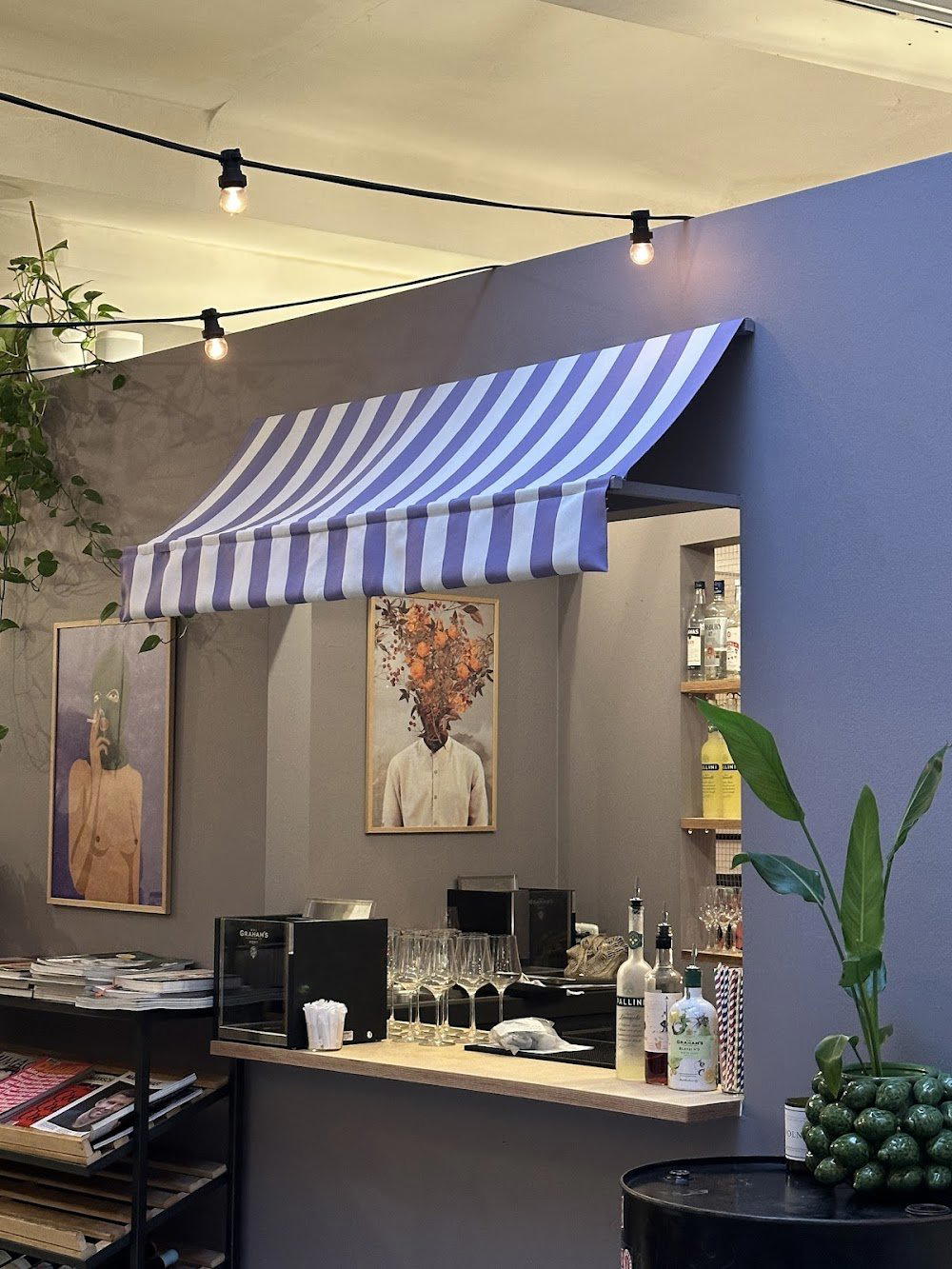
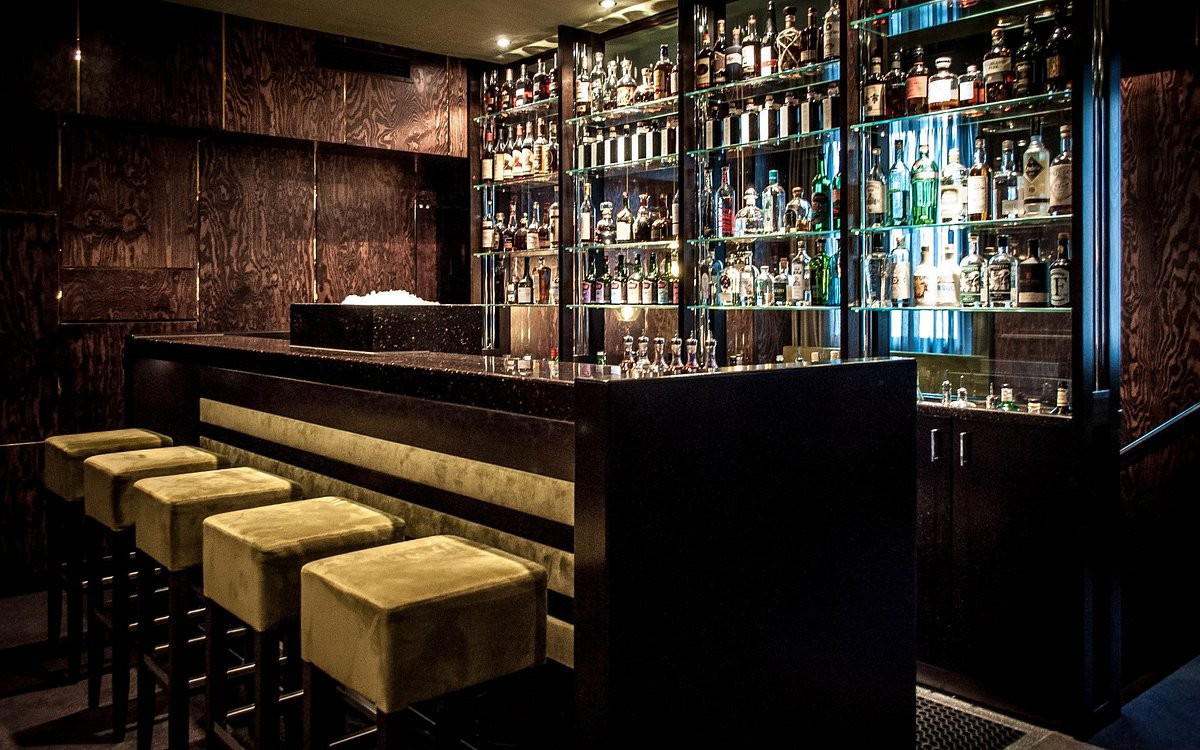
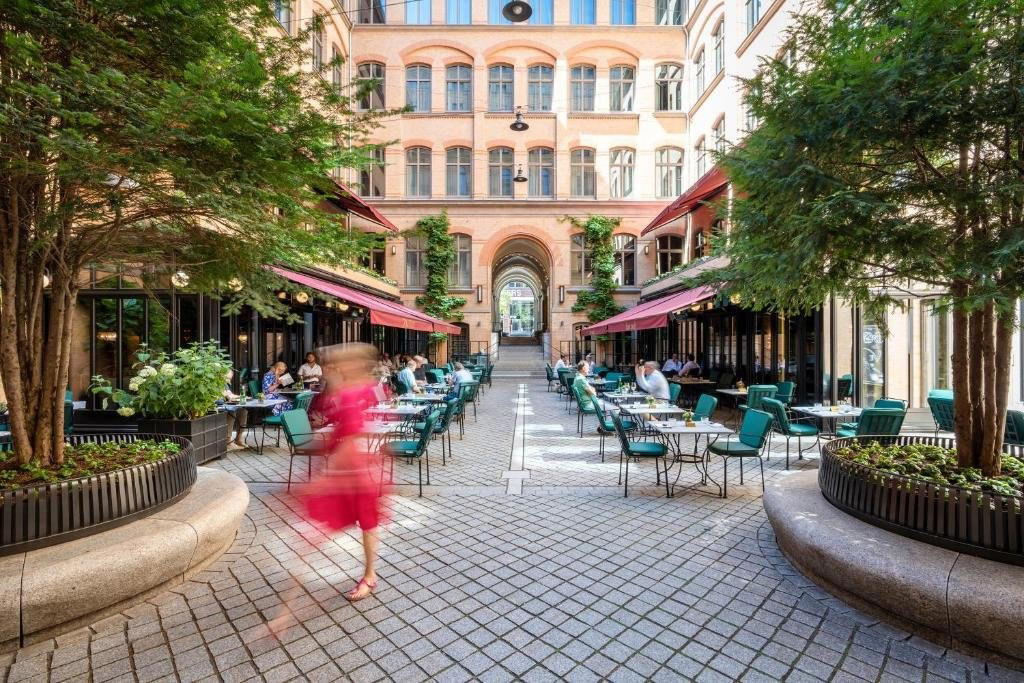
Warm, welcoming Mexican-inspired atmosphere that transports diners to Mexico, with cozy decor perfect for casual meals.