MESU
On Upper King Street, MESU operates in a register that Charleston's dining scene has only recently learned to sustain: tightly structured, menu-driven, and positioned well above the city's casual Southern baseline. Where peers like Vern's and FIG anchor the New American middle ground, MESU reads as a more architecturally ambitious proposition, the kind of restaurant that asks you to follow its logic rather than build your own meal from a à la carte list.
Pearl is the En Primeur Club membership app — saves, bookings, and concierge access live there. Same editors, same standards.
- Address
- 570 King St, Charleston, SC 29403
- Phone
- +18544291011
- Website
- mesuchs.com
- Directions
- Get directions
 Saves & bookings on Pearl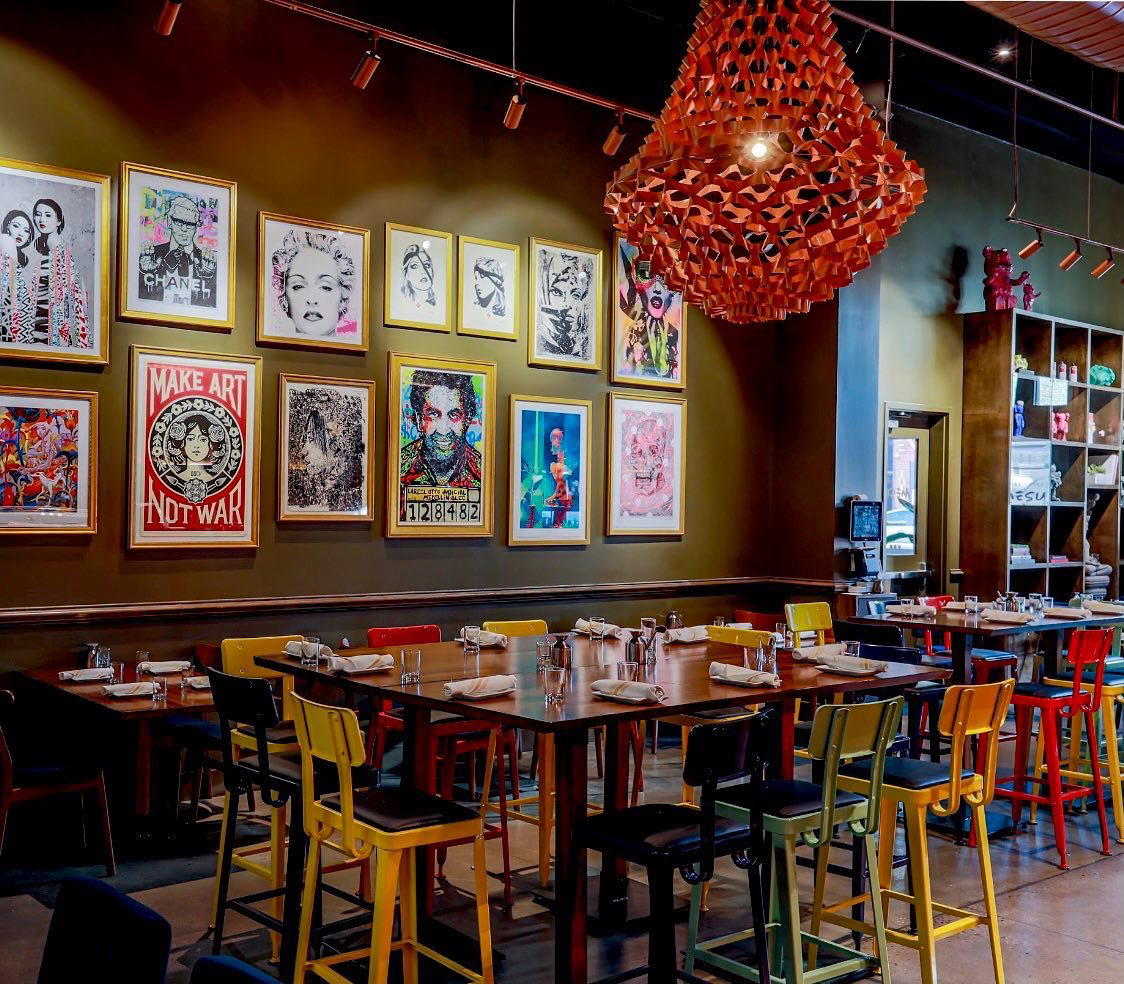
Upper King and the Question of Ambition
King Street above Calhoun has become the clearest indicator of where Charleston's restaurant ambitions are heading. The stretch from the old retail corridor northward now contains some of the city's most deliberate dining, places that compete less with the tourist-facing Peninsula institutions and more with the considered restaurants you'd find in any mid-sized American city. MESU, at 570 King St, sits inside that shift. The address alone signals intent: far enough from the historic core to draw a local crowd, close enough to remain accessible to visitors staying downtown.
Charleston's fine-dining conversation has traditionally been anchored by Southern cooking as a foundation, places like Husk built their reputations on ingredient provenance and regional identity, while Rodney Scott's BBQ represents the kind of craft-driven, tradition-rooted cooking that the city genuinely does at a high level. MESU operates in a different register, one where menu architecture rather than regional allegiance is the primary organizational principle.
How the Menu Thinks
One telling thing about any serious restaurant is not what it serves but how it structures what it serves. A menu is an argument, about what the kitchen values, what sequence the kitchen thinks matters, and how much the diner is expected to trust that sequence. At the more architecturally controlled end of American fine dining, that argument takes the form of tasting menus and chef-determined progression, the format used at places like Lazy Bear in San Francisco or Alinea in Chicago, where the structure is the experience. At the other end sits the à la carte model, which gives the diner control at the cost of compositional coherence.
MESU's position on that spectrum matters for what kind of evening you're buying into. Charleston has a small but growing cohort of restaurants that have moved toward tighter, more curated formats, Vern's, which operates with a compact, frequently rotating menu, and Lowland, which brings a more produce-forward structure to its coastal Southern approach, both represent this tendency. MESU reads as part of this same movement: restaurants that ask you to follow a culinary logic rather than assemble your own meal from a long list.
The city's restaurant culture has historically skewed toward generosity of choice, long menus, broad coverage, something for everyone at the table. The restaurants that have moved away from that model are the ones signaling that they have a point of view strong enough to carry the room without the safety net of volume.
Where MESU Sits in the City's comparable set
Positioning MESU against its Charleston peers clarifies what it is and is not trying to do. It is not a Southern comfort play in the mode of Rodney Scott's, nor a casual tapas-style spread like Malagón Mercado y Taperia or a neighborhood-adjacent spot like 1010 Bridge. The more useful comparisons are to the small tier of Charleston restaurants, and by extension, restaurants in similar-scale American cities, that have decided to compete on menu discipline and kitchen precision rather than on the breadth of what they offer.
At the national level, the reference points that help place MESU include places like Single Thread Farm in Healdsburg, which built its identity around a controlled, omakase-inflected approach to Northern California ingredients, and Blue Hill at Stone Barns, where the menu is entirely farm-dictated. Neither model directly maps onto MESU, but both illustrate the general direction: the kitchen leads, the diner follows, and the structure itself communicates seriousness. Other structurally ambitious American dining rooms, Le Bernardin in New York City, Providence in Los Angeles, Addison in San Diego, The French Laundry in Napa, and The Inn at Little Washington, all share this commitment to menu as argument, even if their cuisine types diverge sharply.
Internationally, the controlled-progression format has produced particularly celebrated restaurants in the world. Atomix in New York City, which draws on Korean fine dining traditions, and 8 1/2 Otto e Mezzo Bombana in Hong Kong both demonstrate how rigorous menu architecture can function as a primary identity even when the cuisine type is different from the host city's baseline. That MESU occupies this kind of territory in Charleston, a city whose culinary identity remains strongly tied to a regional cooking tradition, is itself an editorial statement.
Planning Your Visit
MESU is on Upper King Street, a walkable corridor from most downtown Charleston hotels and accessible from the main Peninsula dining clusters. MESU is open daily from 4 PM to 2 AM, welcomes walk-ins, and is priced at about $25 per person. What is clear from the address and market context is that MESU operates in the higher-intent tier of Charleston dining, the kind of restaurant where advance planning is rewarded and walk-in availability should not be assumed. Visitors planning a Charleston dinner will find MESU a strong option, with Vern's and Lowland as logical alternatives if the date doesn't align. Guests interested in Charleston's range might also consider Emeril's in New Orleans on any Gulf Coast extension, two cities with deep Southern food cultures that have simultaneously developed a fine-dining tier working in a different key.
At a Glance
Comparable venues nearby, for context on price, style, and recognition.
| Venue | Cuisine | Price | Notes |
|---|---|---|---|
| MESUThis venue — the venue you are viewing | Not listed | $$ | Not listed |
| Santi's Restaurante Mexicano | Not listed | $$ | North Morrison, Authentic Mexican Taqueria |
| Mario's Italian Ristorante | Not listed | $$ | Downtown Charleston, Authentic Italian Trattoria |
| Matador Charleston | Not listed | $$ | Downtown Charleston, Modern Mexican with Tequila & Mezcal Focus |
| Gaulart & Maliclet Fast and French Inc. | Not listed | $$ | Downtown Charleston, Authentic French Bistro |
| Bin 152 | French Quarter, Wine Bar & Cheese Bar | $$ | Not listed |
Continue exploring
More in Charleston
Restaurants in Charleston
Browse all →
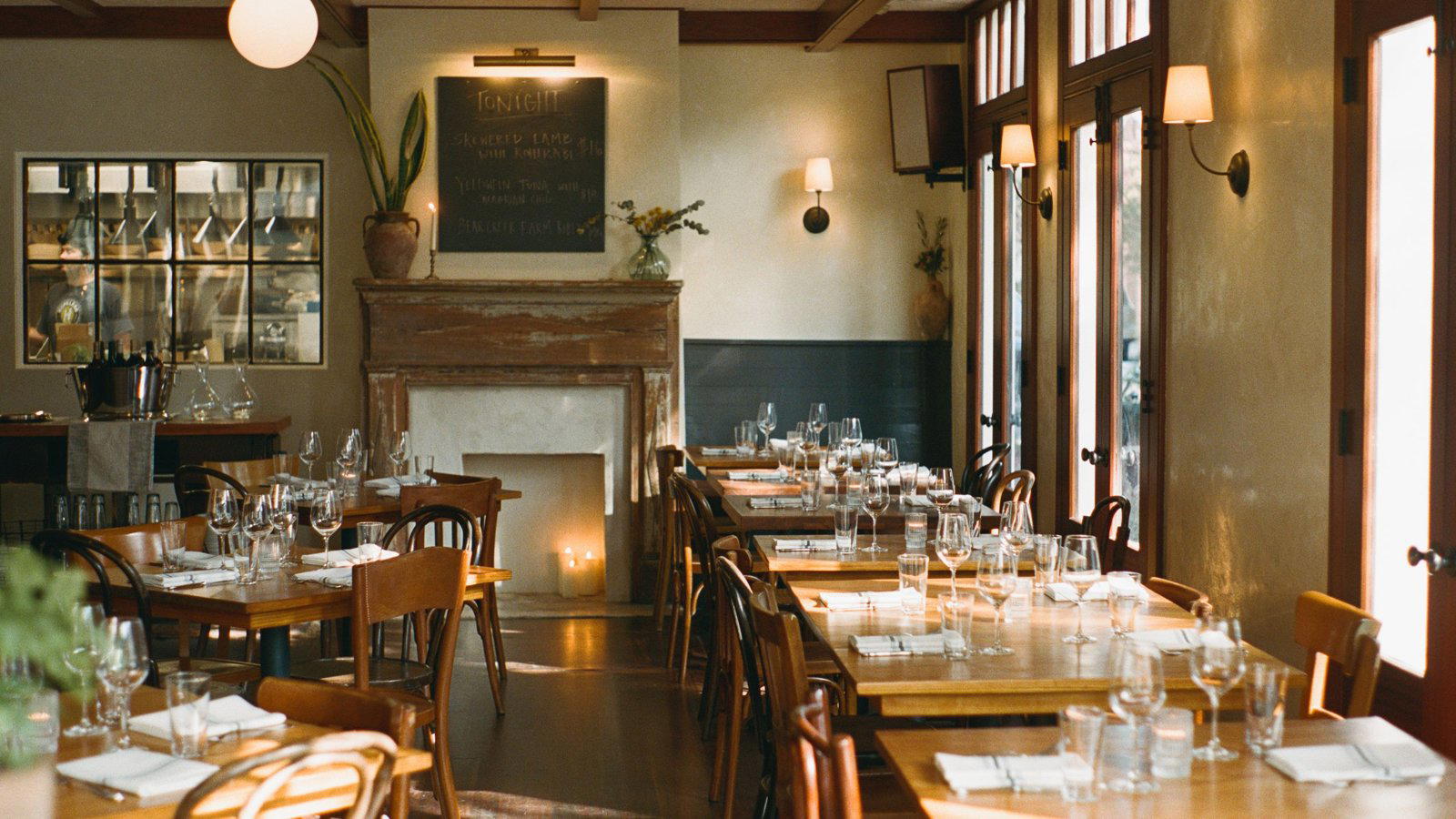
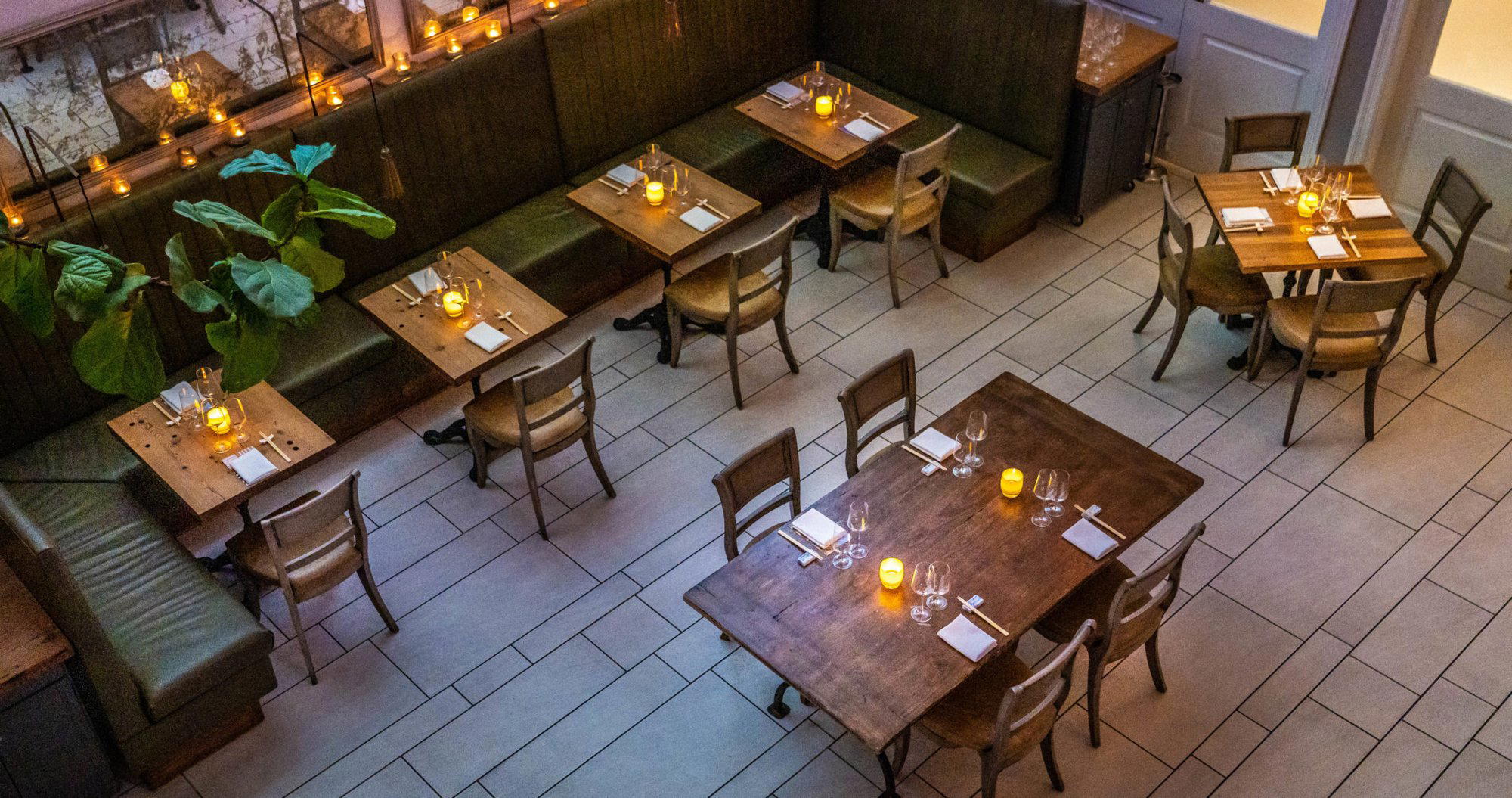
Bars in Charleston
Browse all →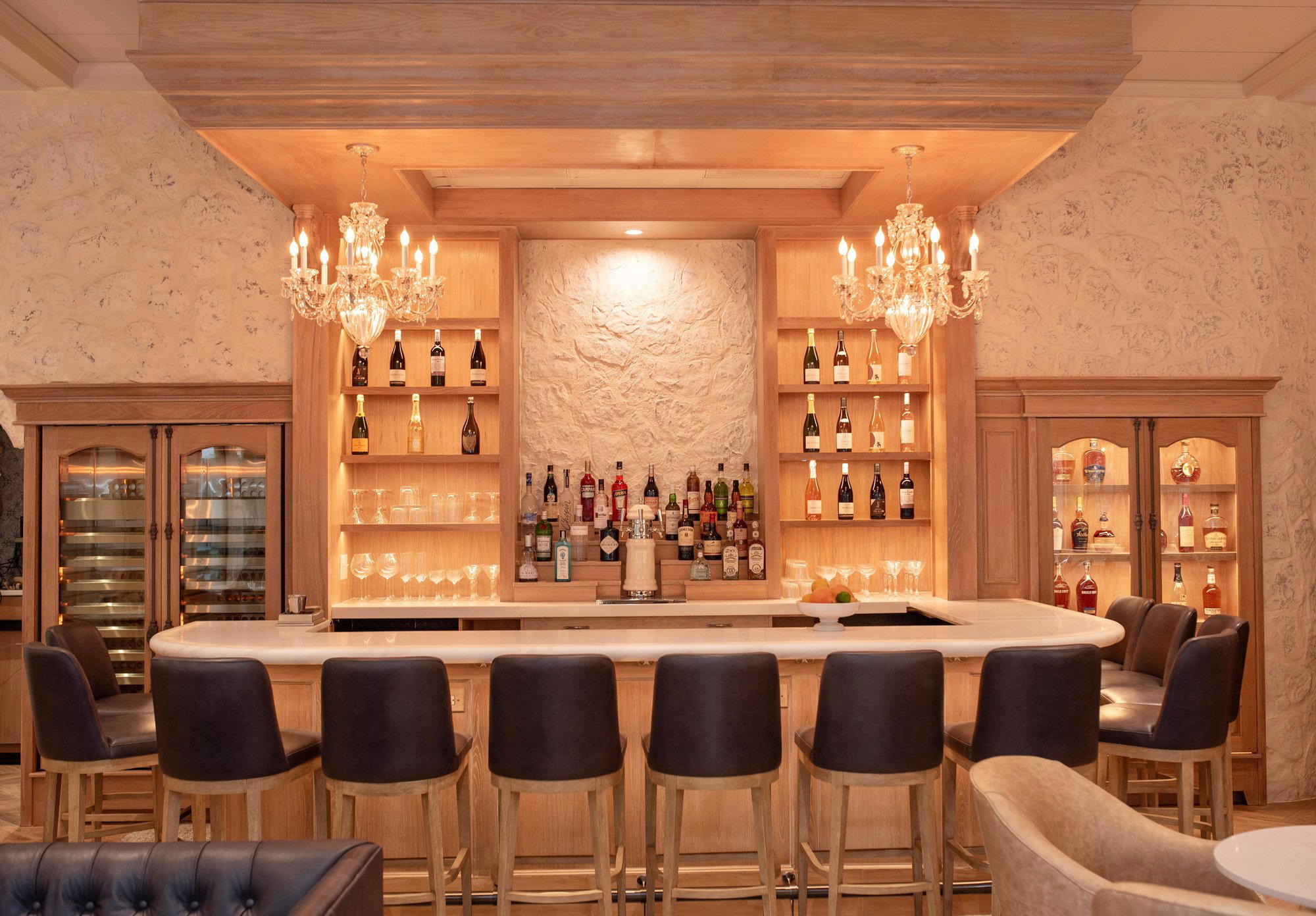
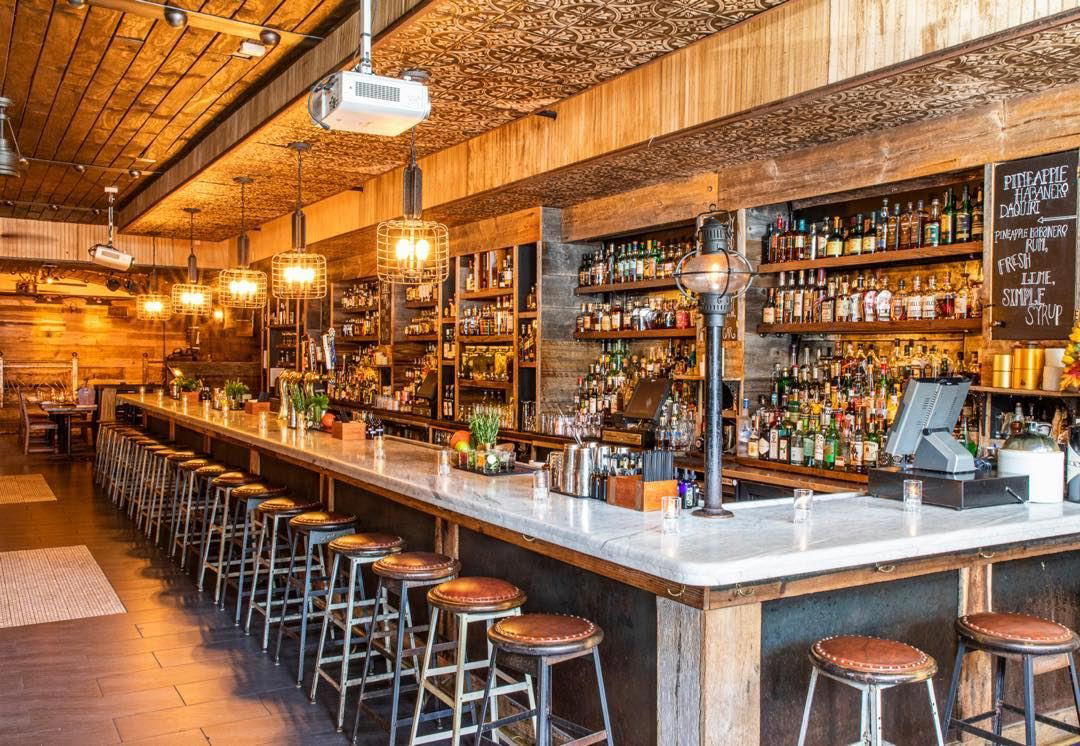
At a Glance
- Lively
- Trendy
- Energetic
- Casual Hangout
- Late Night
- Group Dining
- Open Kitchen
- Craft Cocktails
- Sake Program
Current opening hours
- Monday
- 4 PM–2 AM
- Tuesday
- 4 PM–2 AM
- Wednesday
- 4 PM–2 AM
- Thursday
- 4 PM–2 AM
- Friday
- 4 PM–2 AM
- Saturday
- 4 PM–2 AM
- Sunday
- 4 PM–2 AM
Hours can change for holidays and private events. Last verified .
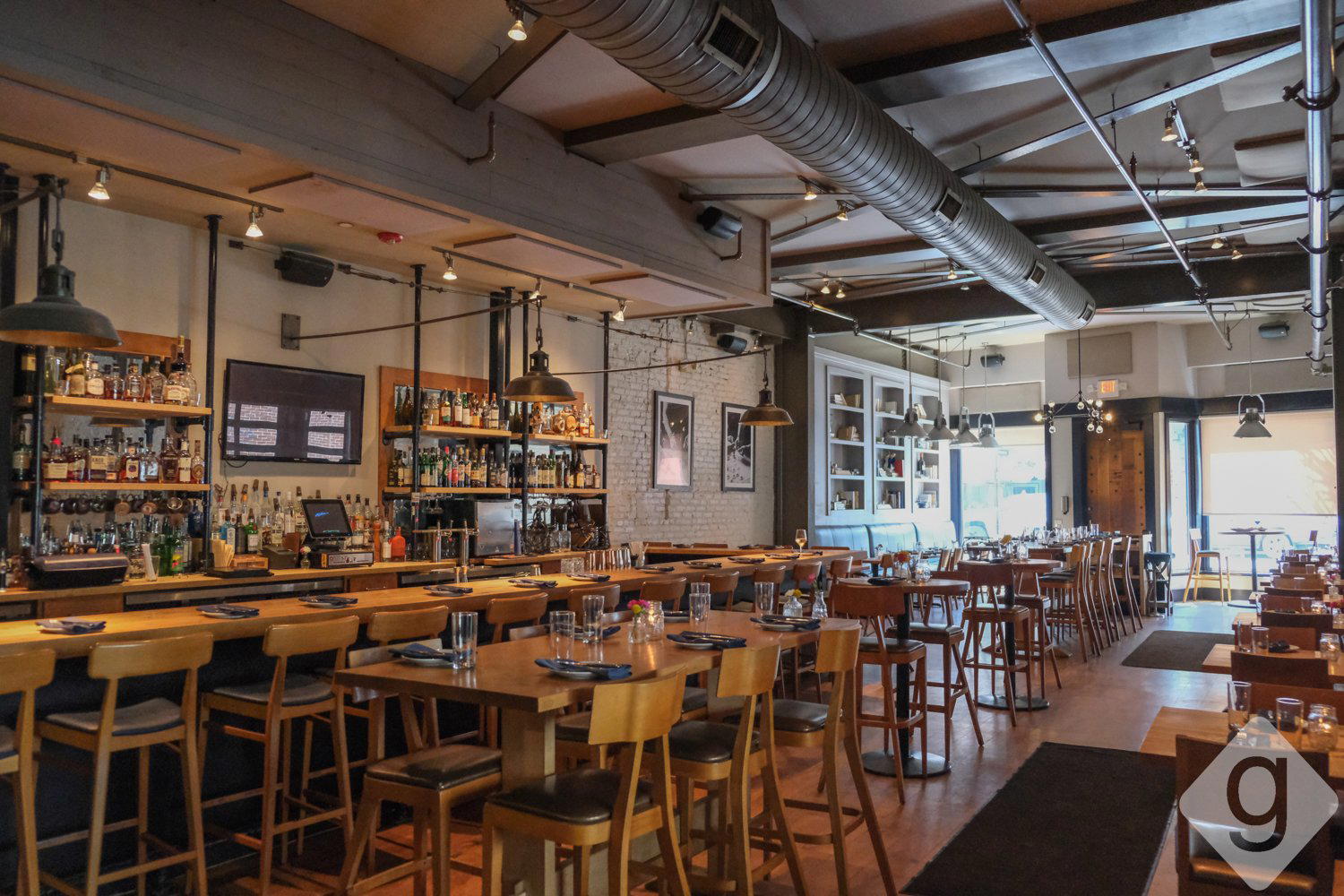
Energetic and artistic atmosphere featuring street art with lively bar and communal seating.