Matador Charleston
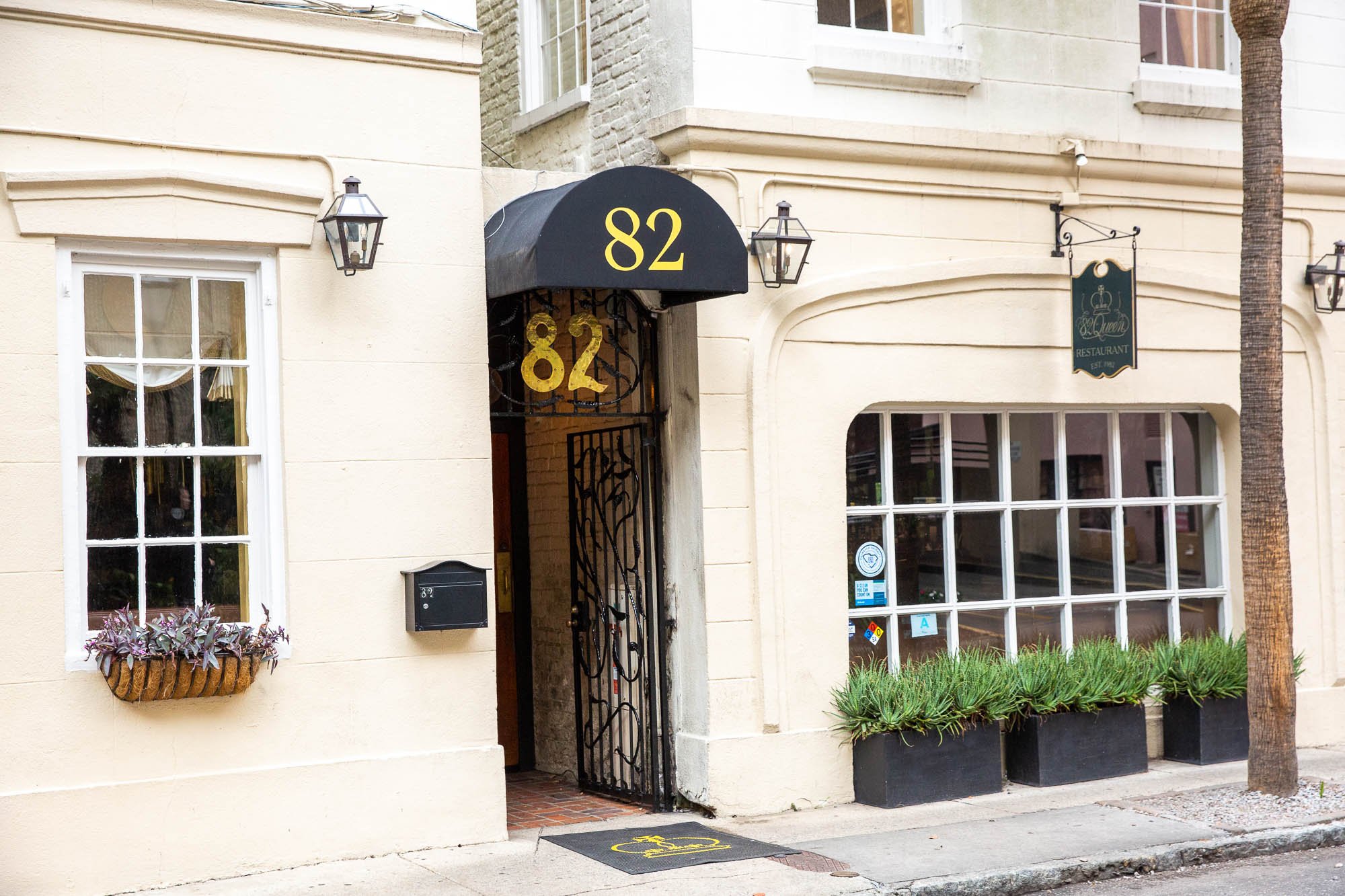
Matador Charleston occupies a prominent Meeting Street address in one of the South's most food-focused cities. The venue sits where Spanish-influenced technique meets the Lowcountry's indigenous ingredient larder, a pairing that mirrors a broader shift in Charleston dining toward imported methods applied to local produce. Reservations and walk-in policies vary seasonally; confirm directly before visiting.
Pearl is the En Primeur Club membership app — saves, bookings, and concierge access live there. Same editors, same standards.
- Address
- 235 Meeting St, Charleston, SC 29401
- Phone
- +18437894747
- Website
- matadorrestaurants.com
- Directions
- Get directions
 Saves & bookings on Pearl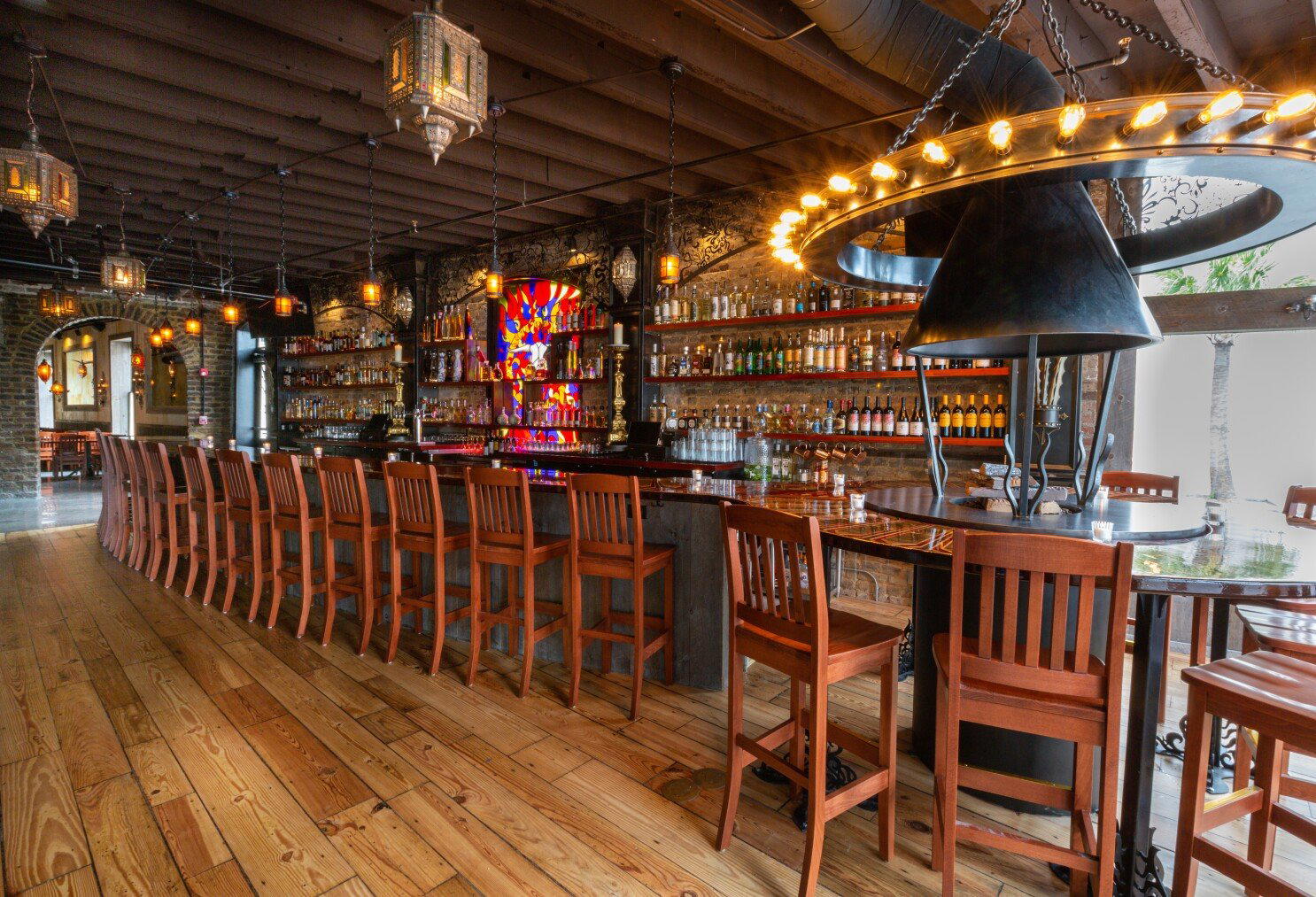
Where Meeting Street Meets the Lowcountry
Charleston's dining identity has always been shaped by its geography as much as its history. The city sits at the confluence of two rivers, within reach of barrier island farms, brackish tidal flats, and inland rice country, a larder that drew serious cooks long before the current national attention arrived. Meeting Street itself runs through the heart of the peninsula, and 235 Meeting St places Matador Charleston within easy reach of the French Quarter and the lower King Street corridor.
Spanish Technique in a Southern Kitchen
The intersection of imported culinary method and regional American produce has become one of the more productive tensions in contemporary restaurant cooking. Across the country, kitchens drawing on Spanish technique, Basque cookery, Catalan preparation, and Andalusian grilling have found fertile ground when applied to ingredients that were never part of that tradition. In Charleston, that conversation is particularly charged. The Lowcountry pantry includes white shrimp from the ACE Basin, Heritage breed pork from inland farms, Carolina Gold rice, sea island red peas, and blue crab pulled from local creeks. When those ingredients meet curing methods, emulsification techniques, or the open-hearth approach associated with northern Spanish cooking, the result tends to be more interesting than either tradition alone.
Matador Charleston operates within this editorial frame. The name signals a Spanish orientation, and the Meeting Street location puts it in direct conversation with the broader Charleston scene, a scene that now includes the anchored Lowcountry traditionalism of Rodney Scott's BBQ, the ingredient-led New American precision at Vern's, and the coastal-focused depth of Lowland. Charleston's Spanish-influenced tier is smaller than its Southern and New American contingent, which means venues working that angle compete less on overlap and more on how convincingly they situate imported technique within the local context.
At the national level, kitchens like Le Bernardin in New York City and Providence in Los Angeles have shown how European-rooted rigor applied to domestic seafood can anchor a serious restaurant program. In the Southeast, the analogue is finding its footing. The success of Malagón Mercado y Taperia, which operates in a more casual register on the Charleston scene, suggests real appetite for Spanish formats in the city, the question for any venue in that orbit is where it sits on the formality and price continuum relative to its immediate peers.
Charleston's Broader Dining Context
Charleston occupies a prominent position in American food culture. The city has attracted national attention partly through figures like Rodney Scott, whose whole-hog barbecue practice brought James Beard recognition to the region, and through the sustained editorial attention paid to the King Street and Upper Peninsula dining corridor. Kitchens that would have been considered ambitious a decade ago now operate in a more demanding environment, where diners arriving from New York, Chicago, or Los Angeles carry expectations shaped by restaurants like Alinea, Lazy Bear in San Francisco, or Blue Hill at Stone Barns in Tarrytown.
The relevant local comparison points extend beyond cuisine type. 1010 Bridge represents the kind of destination-format dining that now competes for the same reservation slot as any serious Charleston venue. FIG and Husk, both embedded in the New American and Southern traditions respectively, have set an editorial standard for ingredient sourcing that other Charleston kitchens are measured against regardless of their cuisine orientation. A Spanish-influenced kitchen in this environment cannot rely on novelty; it has to demonstrate that the technique adds something to the local ingredient conversation rather than simply importing a foreign format.
Planning Your Visit
Matador Charleston sits at 235 Meeting St in downtown Charleston, within the historic district that draws the bulk of the city's serious dining traffic. Meeting Street runs roughly north-south through the peninsula, making the address accessible whether you're coming from the hotels clustered near Waterfront Park or from the upper King Street bar and restaurant corridor. Charleston's dining season peaks in spring (March through May) and autumn (October through November), when temperatures are moderate and the city's festival calendar, including Charleston Wine + Food in late February and early March, draws a concentrated influx of food-focused visitors. Those windows tend to compress reservation availability across the better-regarded venues in the city, so planning ahead by several weeks is advisable for weekend evenings.
For those building a broader US itinerary, the national frame includes tasting-counter programs like Single Thread Farm in Healdsburg, The French Laundry in Napa, Addison in San Diego, and The Inn at Little Washington, all operating at a price and format tier above most Charleston options, but useful calibration points for understanding where the city's serious kitchens sit relative to national benchmarks. International reference points like Atomix in New York City and 8 1/2 Otto e Mezzo Bombana in Hong Kong add further context for readers whose dining reference set extends beyond the American market. And for Southern US comparison, Emeril's in New Orleans represents a longer-established model of how European technique, in that case, French Creole, has been absorbed into a regional American identity over decades.
Peers in This Market
Comparable venues nearby, for context on price, style, and recognition.
| Venue | Cuisine | Price | Notes |
|---|---|---|---|
| Matador CharlestonThis venue — the venue you are viewing | Modern Mexican with Tequila & Mezcal Focus | $$ | Not listed |
| Rancho Lewis | West Texas Tex-Mex Border Cuisine | $$ | Upper King Street |
| Taco Boy | Mexican Taqueria | $$ | East Central |
| Graft Wine Shop | Wine Bar with Small Plates | $$ | Uptown Charleston |
| Basic Kitchen | Modern American Farm-to-Table Fusion | $$ | Harleston Village |
| Fuel | Caribbean-Inspired | $$ | Cannonborough-Elliotborough |
Continue exploring
More in Charleston
Restaurants in Charleston
Browse all →
Bars in Charleston
Browse all →
At a Glance
- Lively
- Modern
- Sophisticated
- Trendy
- Casual Hangout
- Group Dining
- Celebration
- After Work
- Late Night
- Rooftop
- Private Dining
- Terrace
- Craft Cocktails
- Beer Program
- Local Sourcing
- Skyline
Current opening hours
- Monday
- 11 AM–12 AM
- Tuesday
- 11 AM–12 AM
- Wednesday
- 11 AM–12 AM
- Thursday
- 11 AM–12 AM
- Friday
- 11 AM–12 AM
- Saturday
- 10 AM–12 AM
- Sunday
- 10 AM–12 AM
Hours can change for holidays and private events. Last verified .
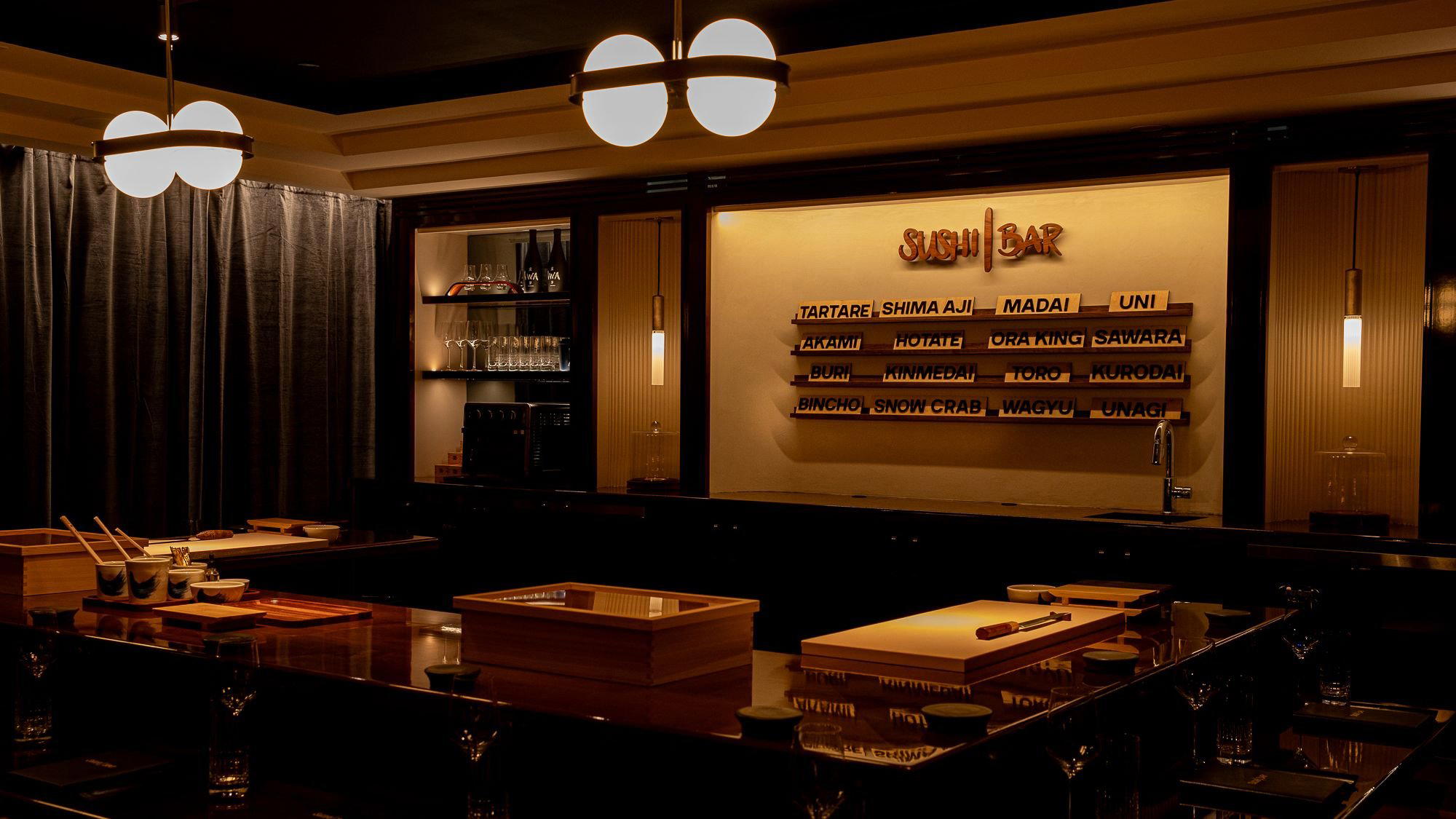
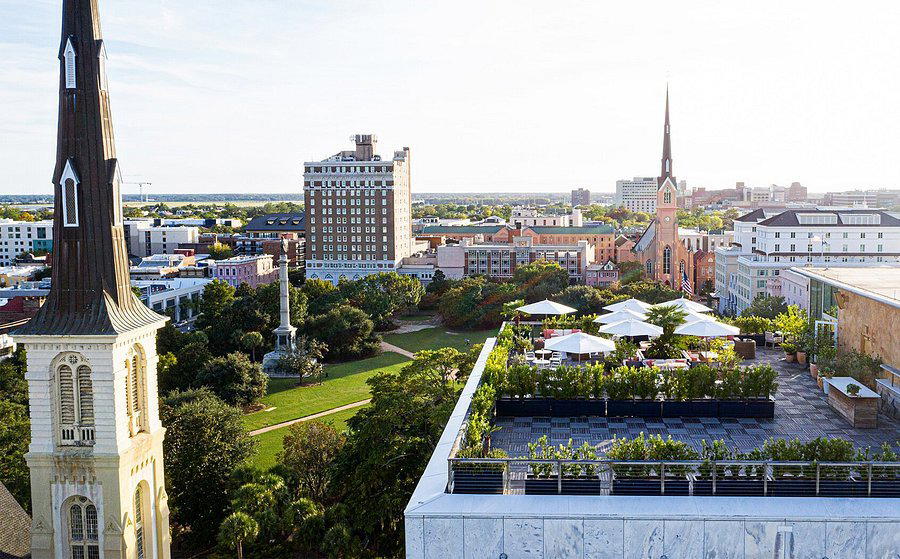
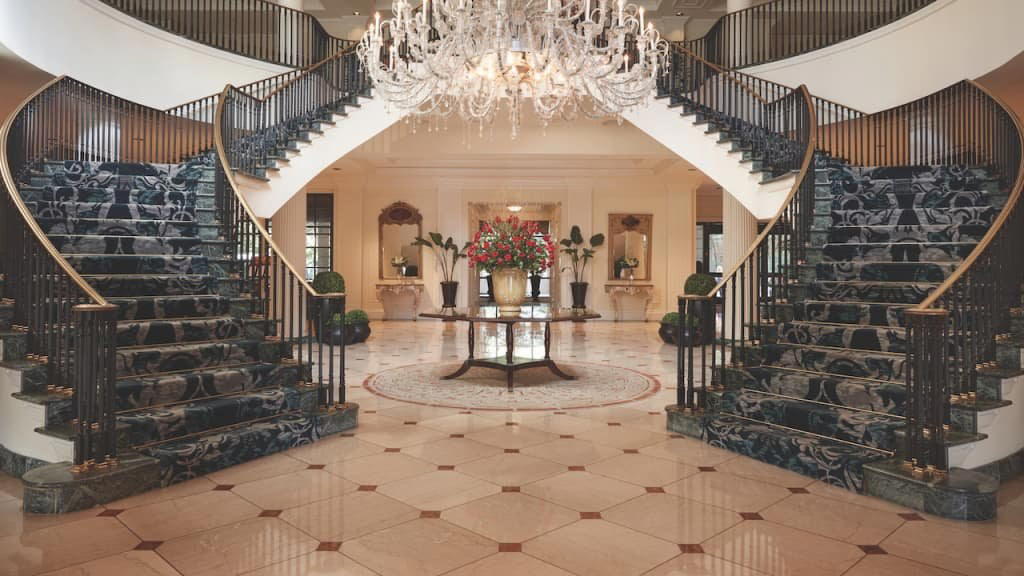
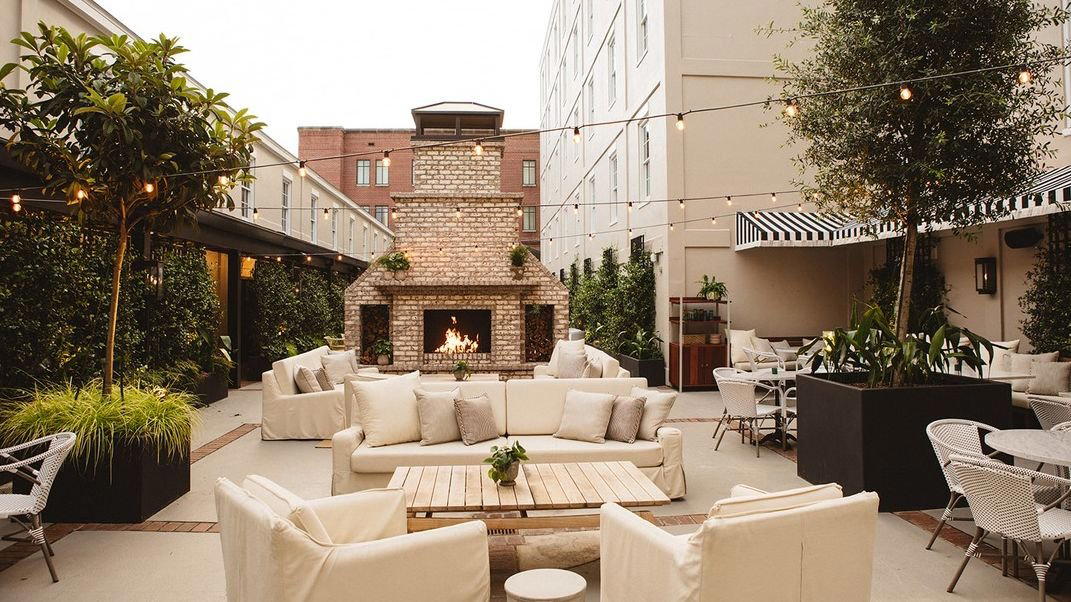
Lively and stylish interior with warm, inviting décor; rooftop patio with dramatic city views; open windows in dining room create lively atmosphere.