The Dewberry



1 Michelin Key · Virtuoso Luxury Hotel Partner · Mr & Mrs Smith Seal of Approval
A 2024 Michelin Key recipient occupying the former L. Mendel Rivers Federal Building on Meeting Street, The Dewberry translates Charleston's preservation instinct into 154 rooms of marble, brass, and hand-crafted furniture. Rates from $674 place it in the upper tier of downtown Charleston hotels, and the property earns that position through material specificity rather than amenity volume.

Pearl is the En Primeur Club membership app, where members save venues, book tables and use the concierge.
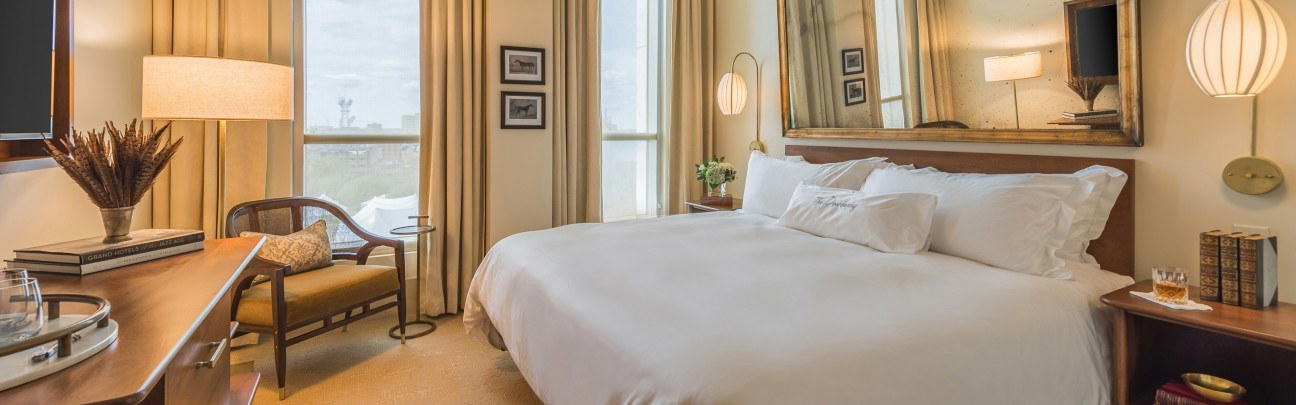
A Federal Building Reimagined for Contemporary Charleston
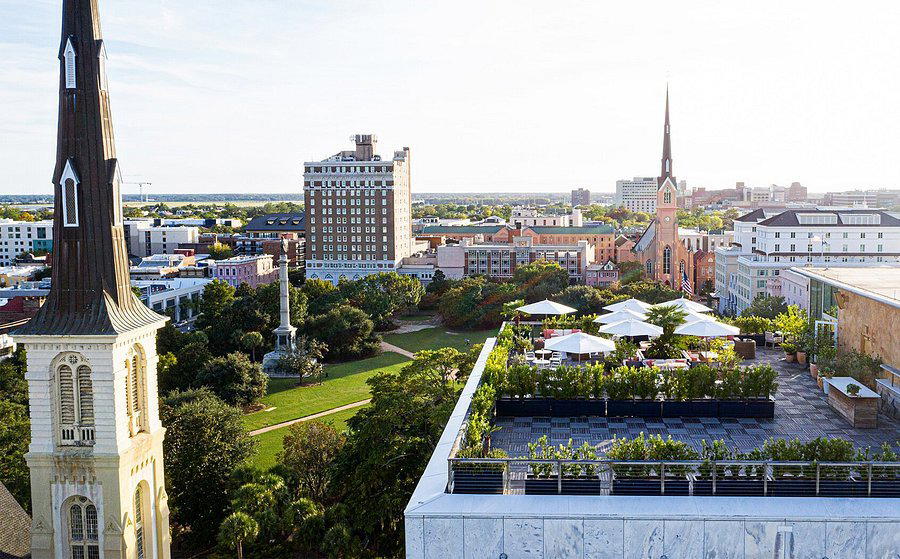
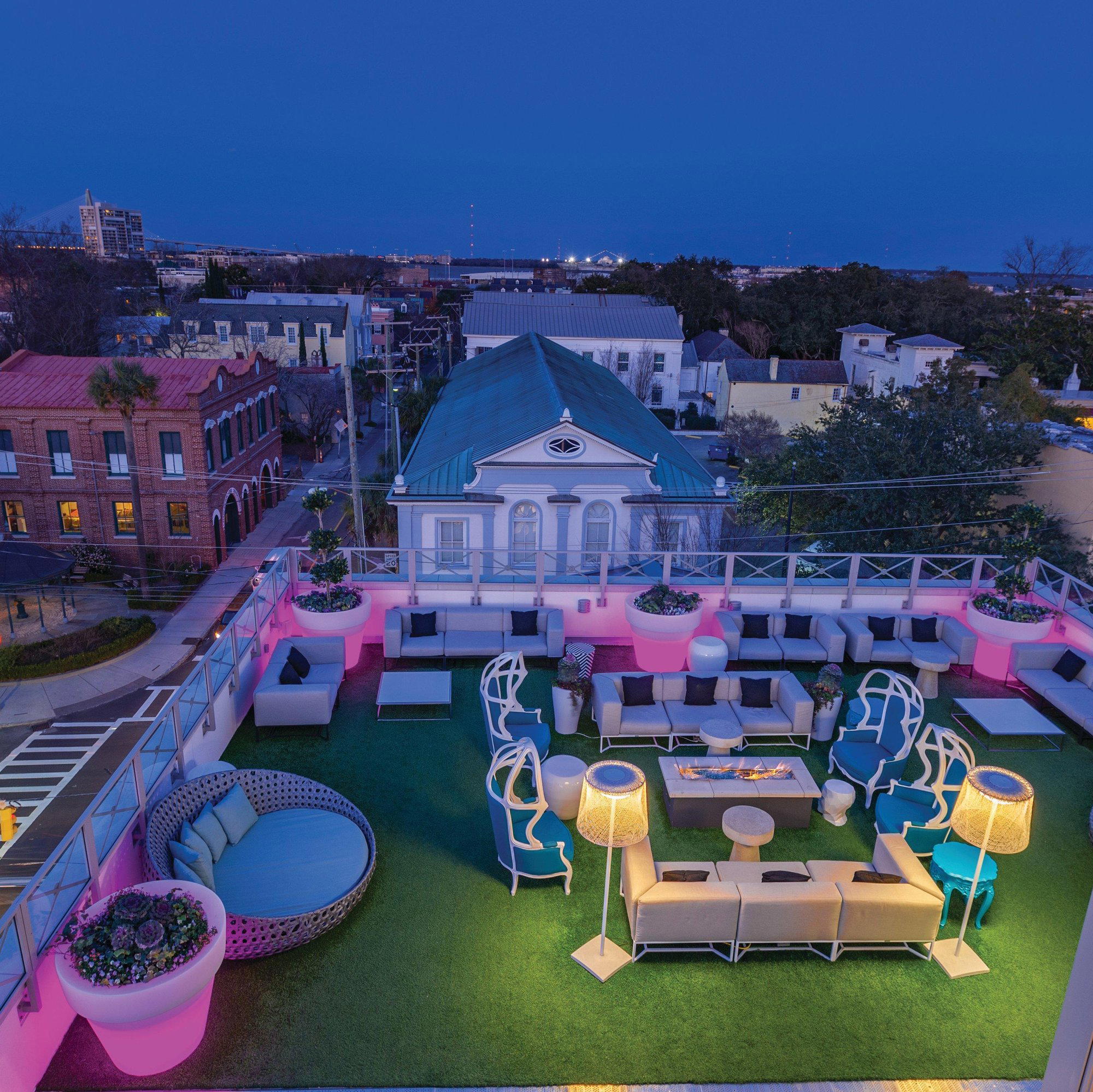
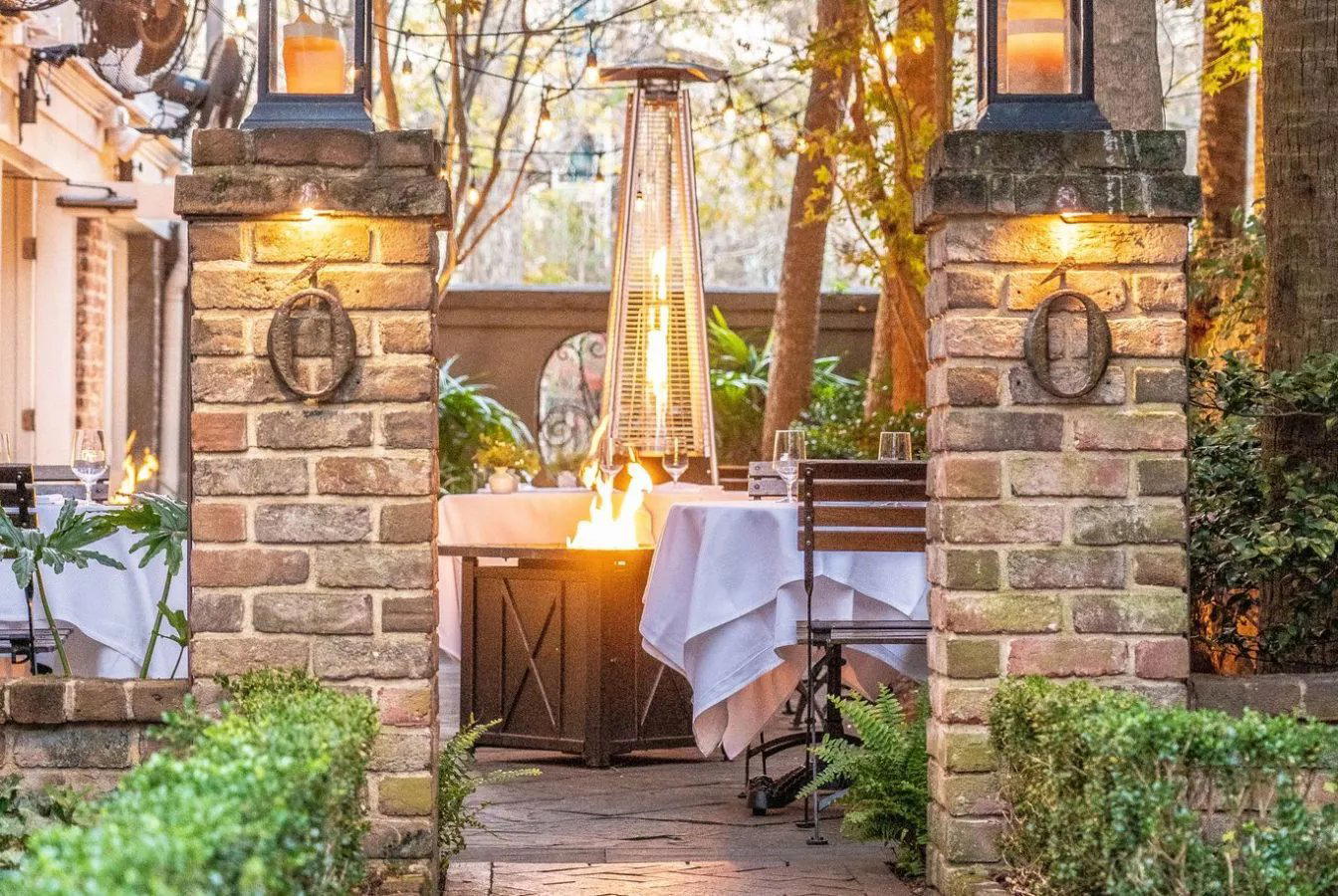
Meeting Street in downtown Charleston holds a particular density of civic and architectural history, and the block anchored by 334 Meeting St is no exception. The former L. Mendel Rivers Federal Building, completed in 1964, spent decades as institutional real estate before an eight-year transformation returned it to public life as The Dewberry. That timeline matters: boutique hotel conversions of mid-century federal buildings are uncommon in the American South, and the conversion here avoided the shortcuts that typically accompany faster turnarounds. The exterior received a custom gray limewash applied by local artisans rather than a standard refacing; the walled garden behind the property was designed to evoke old-world Charleston rather than generic hospitality landscaping. The result sits at the intersection of historic preservation and contemporary hotel programming, a combination that earned The Dewberry a Michelin Key in 2024, placing it in a select group of American hotels recognized for the quality of the stay experience itself, not merely the food and beverage offer.
What Material Restraint Looks Like at $674 a Night
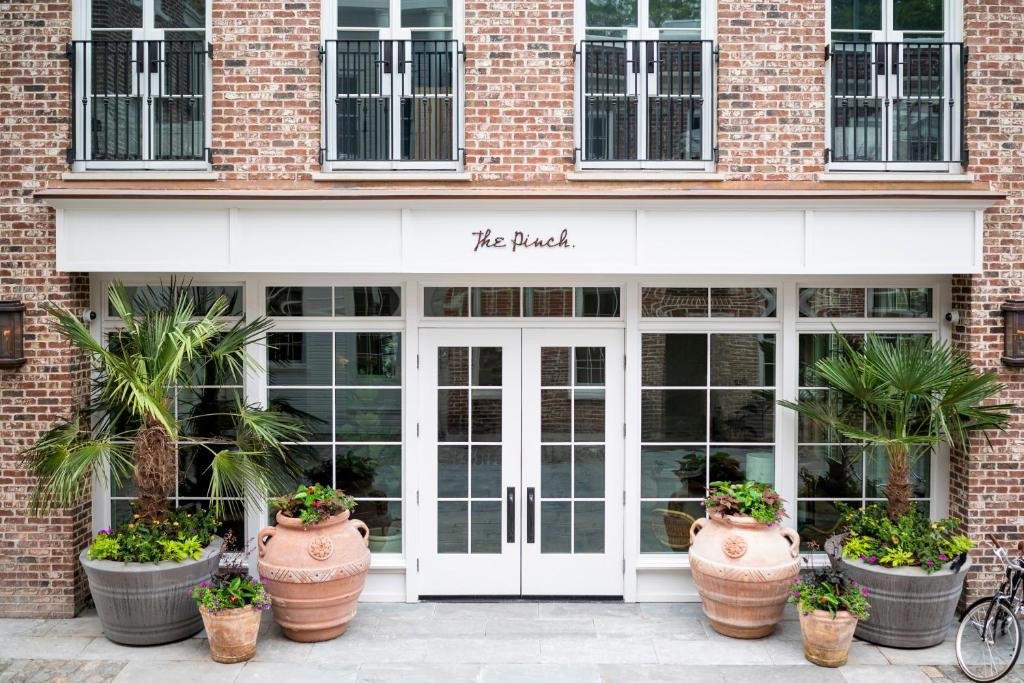
Charleston's premium hotel tier has grown considerably in the past decade. Properties like Hotel Bennett Charleston, Emeline, and The Spectator Hotel occupy the same general price bracket and draw guests who want something more considered than the national chain offer. What separates The Dewberry from that cohort is its insistence on material specificity throughout. Floors and surfaces run to cherry, oak, walnut, mahogany, travertine, and Danby marble. Furnishings are either vintage or bespoke and hand-crafted. High-end linens, towels, and mattresses were imported from Ireland. These are not decorative gestures; they are load-bearing decisions about what kind of hotel this is. At $674 per night as a baseline, the property prices against peers like The Loutrel and Post House, though its 154-room count puts it closer in scale to a mid-size boutique than a true small-property specialist. For comparison, ultra-intimate formats like The Pinch Charleston operate at significantly lower key counts, which creates a different texture of service.
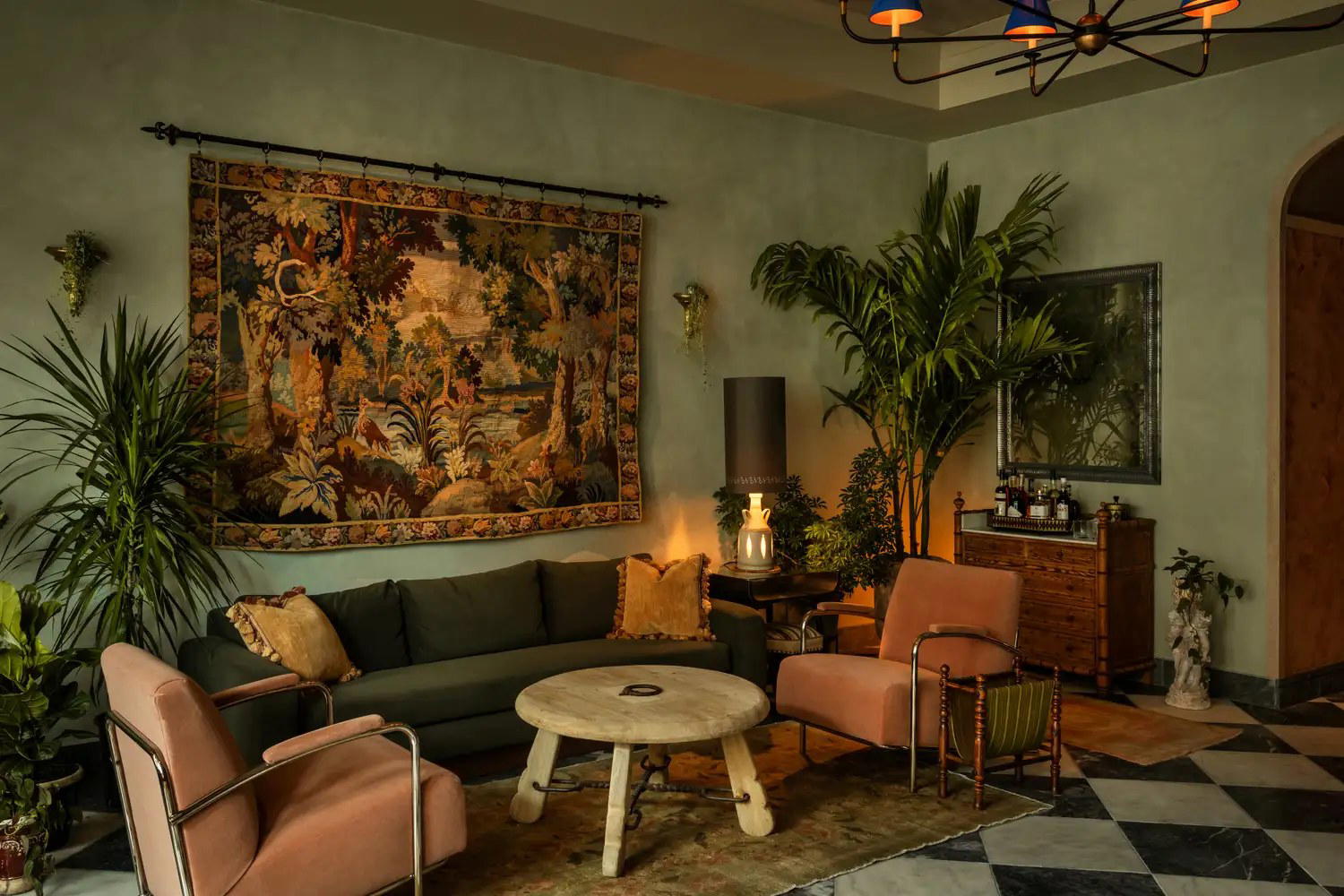
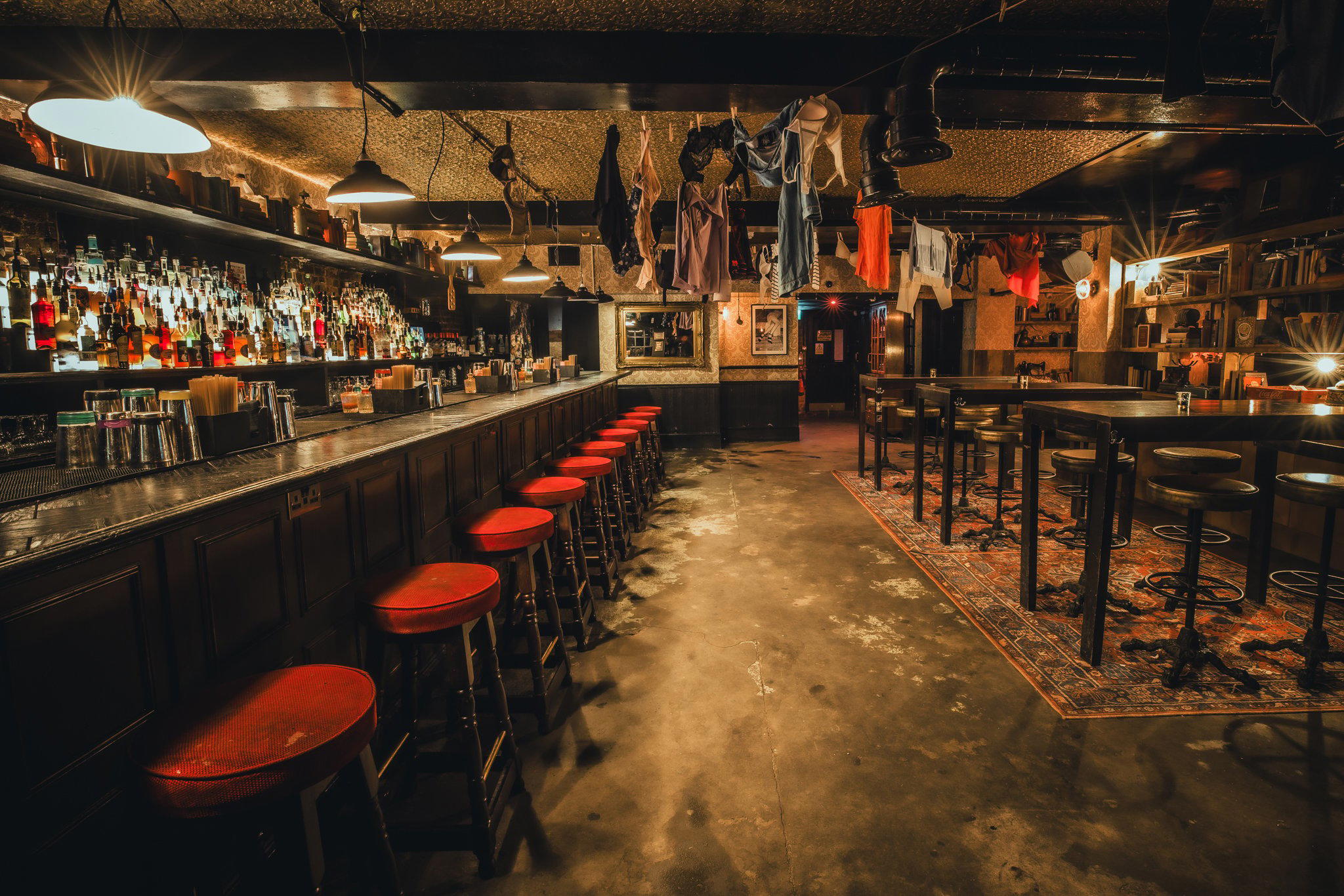
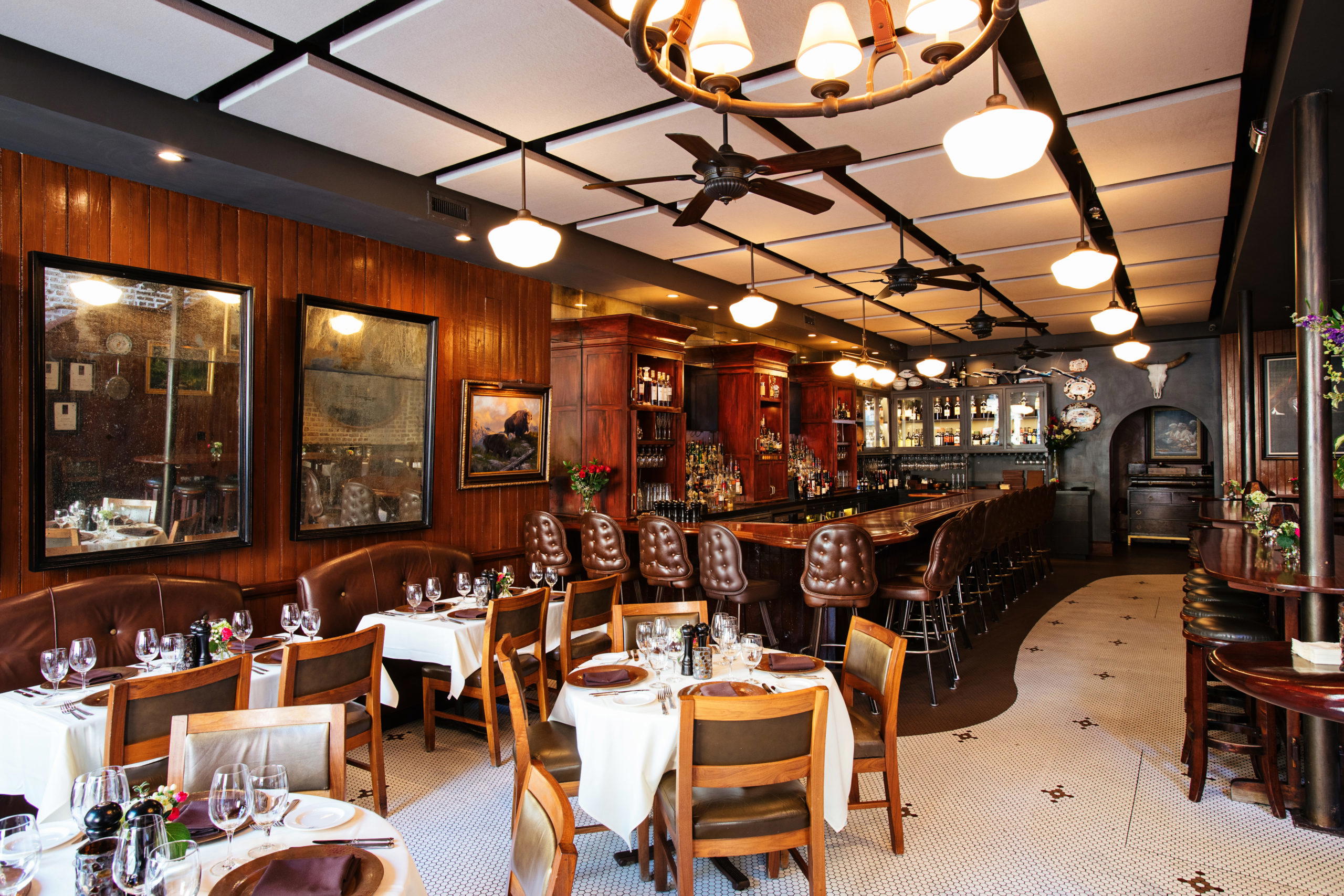
The living room downstairs is open to guests from noon until midnight, functioning as a genuine gathering space rather than a lobby holding area. A brass bar anchors afternoon cocktail service; afternoon tea is available before the evening transition. The spa was modeled on the founder's personal carriage house, a detail that sounds precious until you consider how well it maps to Charleston's courtyard and carriage house residential tradition. The design logic, in other words, is internally consistent.
Rooms, Views, and the Architecture of the Stay
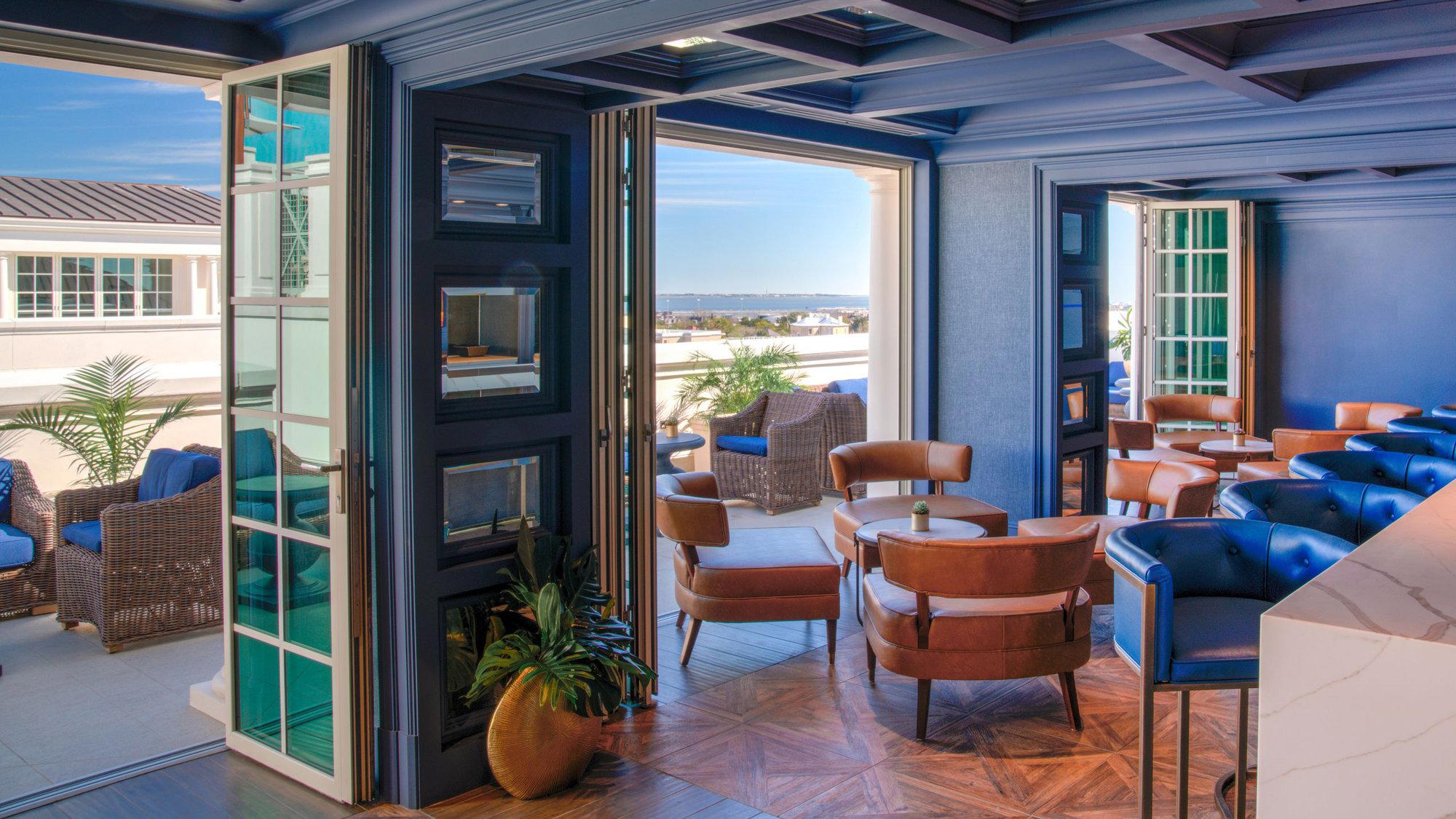
Of the 154 rooms, those with floor-to-ceiling windows overlooking Charleston Harbor represent the clearest argument for the property's room rate. Harbor views in downtown Charleston are not universally available at this price point; HarbourView Inn occupies a different position in the market and a different building typology. The Dewberry's harbor-facing rooms place guests inside the mid-century federal building's original window proportions, which were designed for government office use and happen to work exceptionally well for hotel rooms with long sight lines. Guest rooms also include original artwork and curated seasonal minibars, the latter a signal of how the property thinks about hospitality: not as a static year-round offer but as something that adjusts to context.
The seasonal minibar detail connects to a broader pattern visible at properties that take the stay architecture seriously. SingleThread Farm Inn in Healdsburg and Post Ranch Inn in Big Sur operate on similar principles: the room is not a neutral container but an active part of what you are paying for. The Dewberry applies that logic within a historic preservation framework, which adds a layer of constraint that tends to produce more interesting results than a blank-canvas build.
How The Dewberry Sits in the National Boutique Conversation
The Michelin Key program launched its American edition in 2024, and The Dewberry's inclusion in the inaugural cohort places it alongside properties that span a wide range of formats and price points. Within the domestic boutique hotel conversation, The Dewberry occupies a specific niche: mid-century civic building, Southern city, preservation-led conversion, material-first interiors. That niche has few direct peers. Troutbeck in Amenia operates in a comparable spirit of serious historic renovation, though in a very different geography and building typology. Raffles Boston works within a similar price tier but represents the international brand conversion model rather than an independent founding vision. The Fifth Avenue Hotel in New York City and Aman New York operate in markets where the competitive set and price ceilings are structurally different.
What The Dewberry is not is a resort property. It does not have the acreage of Amangiri in Canyon Point or the beach access of Four Seasons at The Surf Club in Surfside. It does not offer the programmatic depth of Canyon Ranch Tucson. Its argument is urban: a carefully made building on a historically significant street in a city that rewards pedestrian exploration. The Charleston dining and hotel scene has matured enough that a property at this price point needs to deliver on substance, not just setting, and the Michelin Key suggests it has cleared that bar.
Planning Your Stay
The Dewberry sits at 334 Meeting Street in downtown Charleston, within walking distance of the city's primary historic and dining districts. Rooms start at $674 per night. The property holds 154 rooms across its converted federal building footprint, with the brass bar and living room available noon to midnight. For those considering the Charleston boutique market more broadly, 86 Cannon Charleston and HarbourView Inn offer lower entry points, while The Dewberry's $674 floor aligns it with the upper band of the downtown independent hotel market. Given the property's 2024 Michelin Key recognition and the relative scarcity of its building typology in the Charleston market, advance booking is advisable, particularly for harbor-facing rooms.
Comparable Venues
Comparable venues nearby, for context on price, style, and recognition.
| Venue | Cuisine | Price | Awards | Notes |
|---|---|---|---|---|
| The DewberryThis venue (the venue you are viewing) | Historic Beaux Arts building with mid-century modern interiors | Not listed | 1 Michelin Key · Virtuoso Luxury Hotel Partner | Not listed |
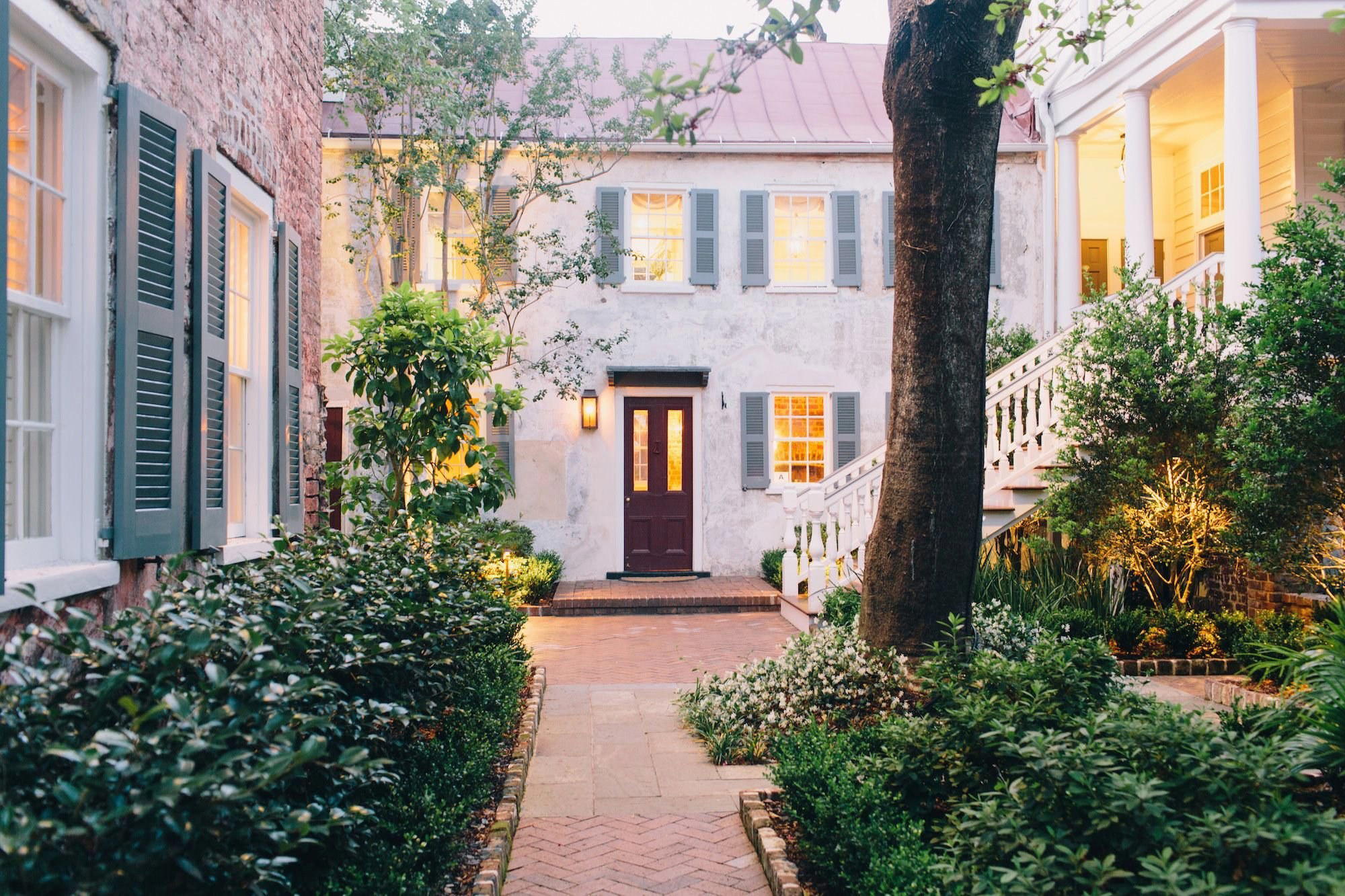
| 86 Cannon Charleston | Historic boutique inn restored to original glory with modern luxury touches | Not listed | 1 Michelin Key · World Travel Awards | Downtown Charleston |
| Hotel Bennett Charleston | European-inspired luxury hotel with Southern elegance | $300–500 | 1 Michelin Key · Star Wine List | Downtown Charleston |
| The Pinch Charleston | Luxury boutique in restored Victorian-era buildings blending heritage with contemporary luxury. | Not listed | 1 Michelin Key · La Liste Top Hotels | Downtown Charleston |
| The Spectator Hotel | Art Deco meets Southern charm boutique | $200–300 | 1 Michelin Key | Downtown Charleston |
| The Sanctuary at Kiawah Island Golf Resort | grand seaside mansion with Lowcountry luxury | Not listed | La Liste Top Hotels · Virtuoso Luxury Hotel Partner | Kiawah Island |
Recognition history
Dated appearances from independent guides and award organizations, with the underlying list record or original source where available.
Michelin 1 Key
Michelin
Mr & Mrs Smith Seal of Approval
Mr & Mrs Smith
Virtuoso Luxury Hotel Partner
Virtuoso
Full recognition history (5 entries)
Michelin 1 Key
Michelin
Michelin 1 Key
Michelin
Continue exploring
More in Charleston
Hotels in Charleston
All hotels in Charleston →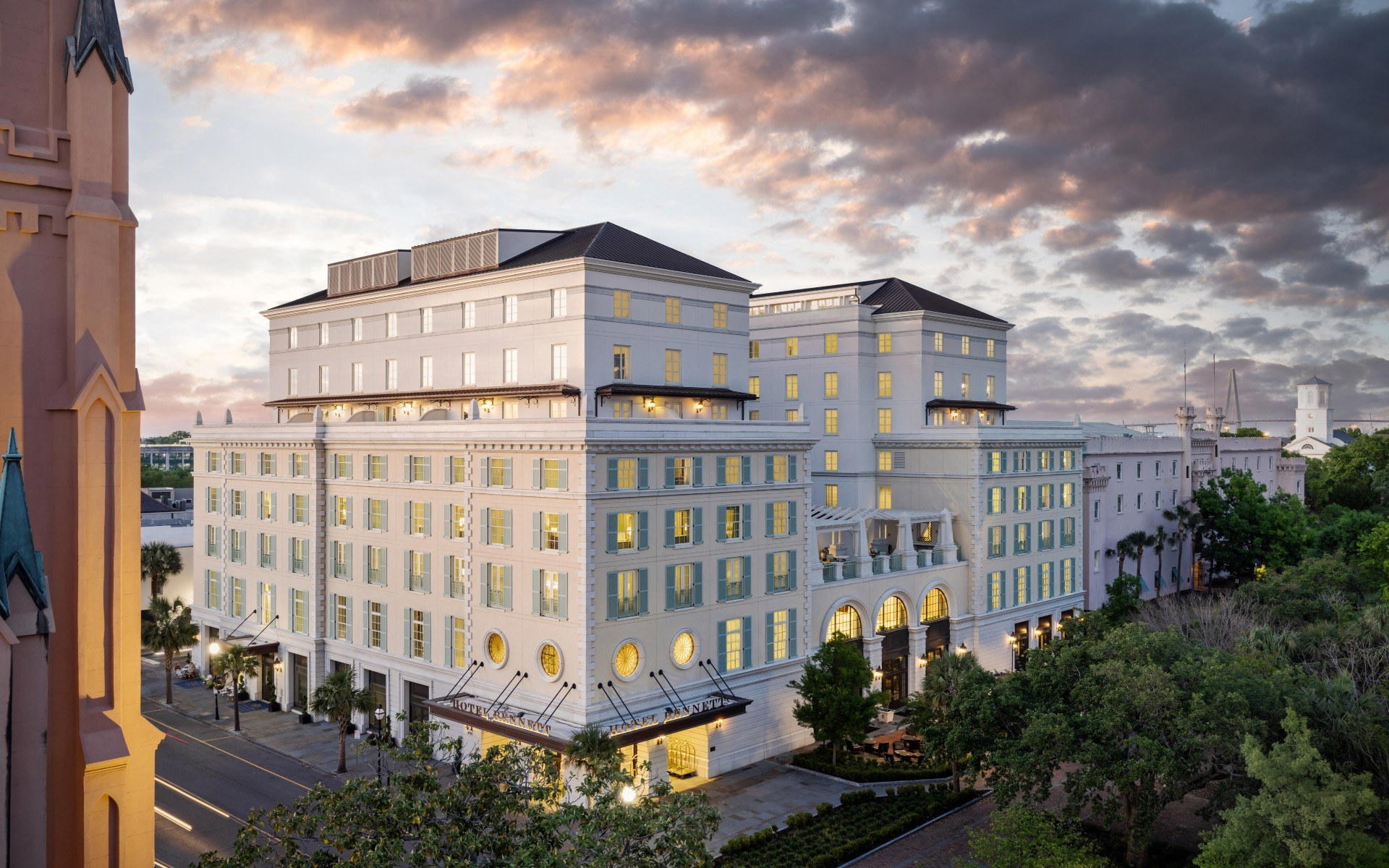
Details
- Elegant
- Sophisticated
- Modern
- Cozy
- Romantic Getaway
- Anniversary
- Business Trip
- Historic Building
- Design Destination
- Terrace
- Wi Fi
- Spa
- Fitness Center
- Room Service
- Concierge
- Valet Parking
- Wheelchair Accessible
- Elevator
- Step Free Entrance
- Accessible Parking
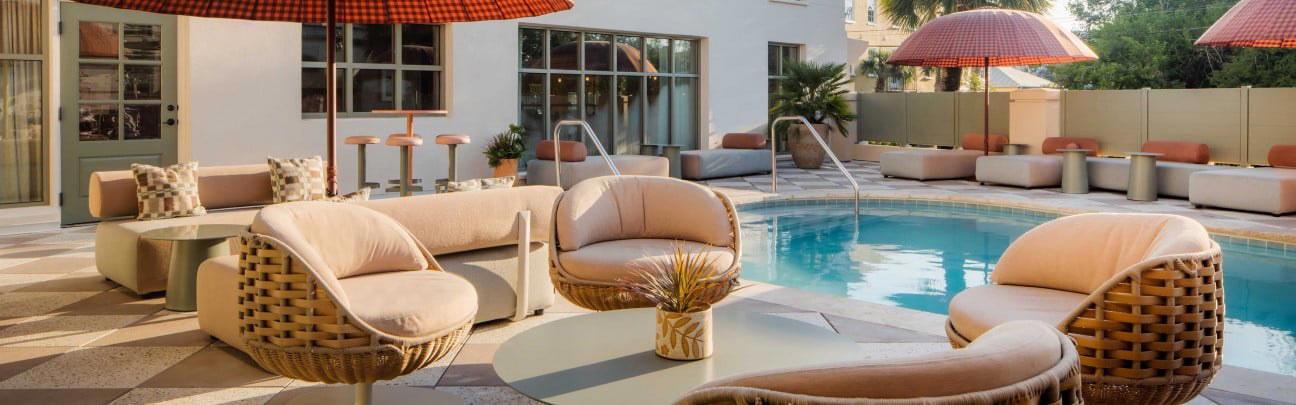
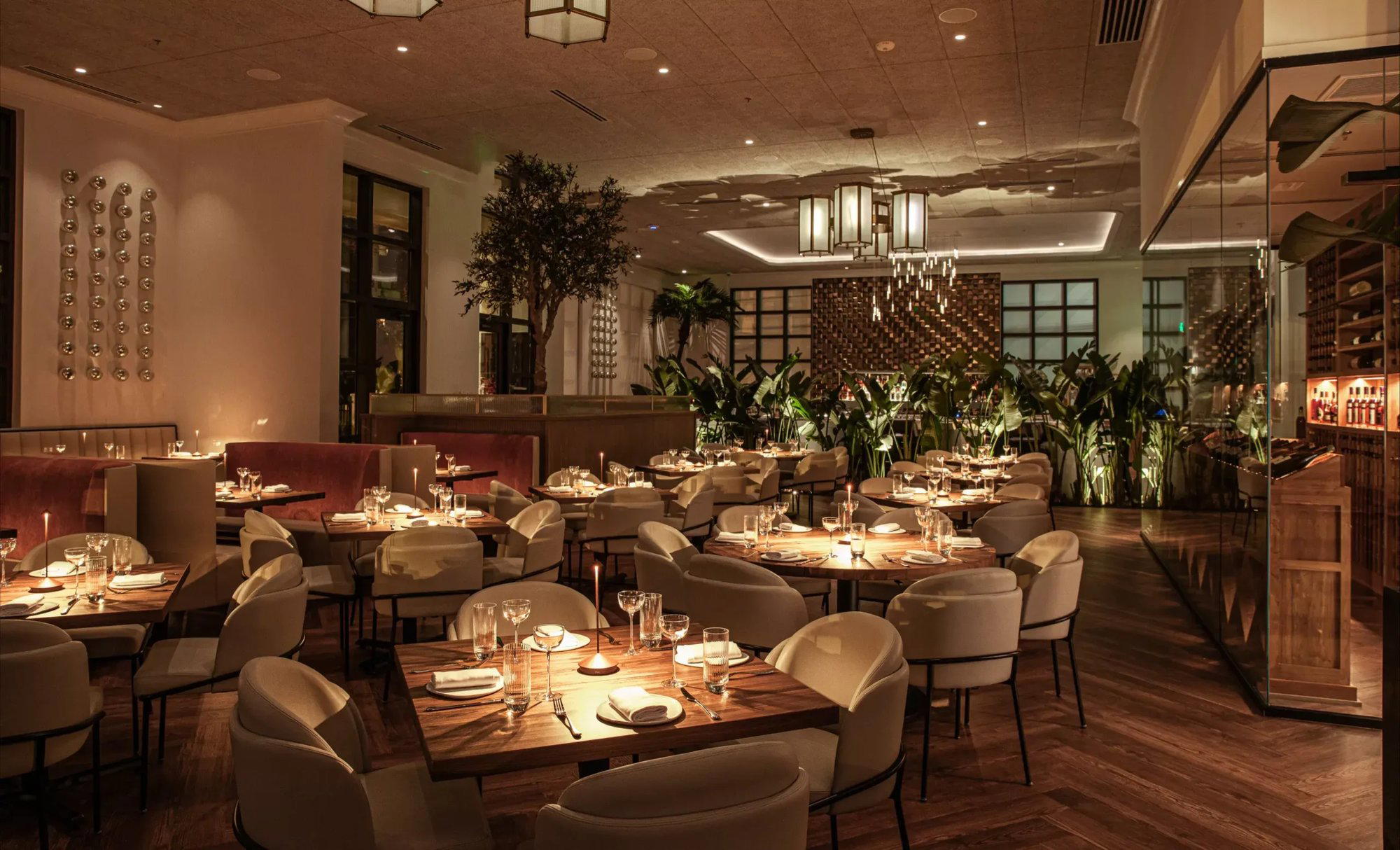
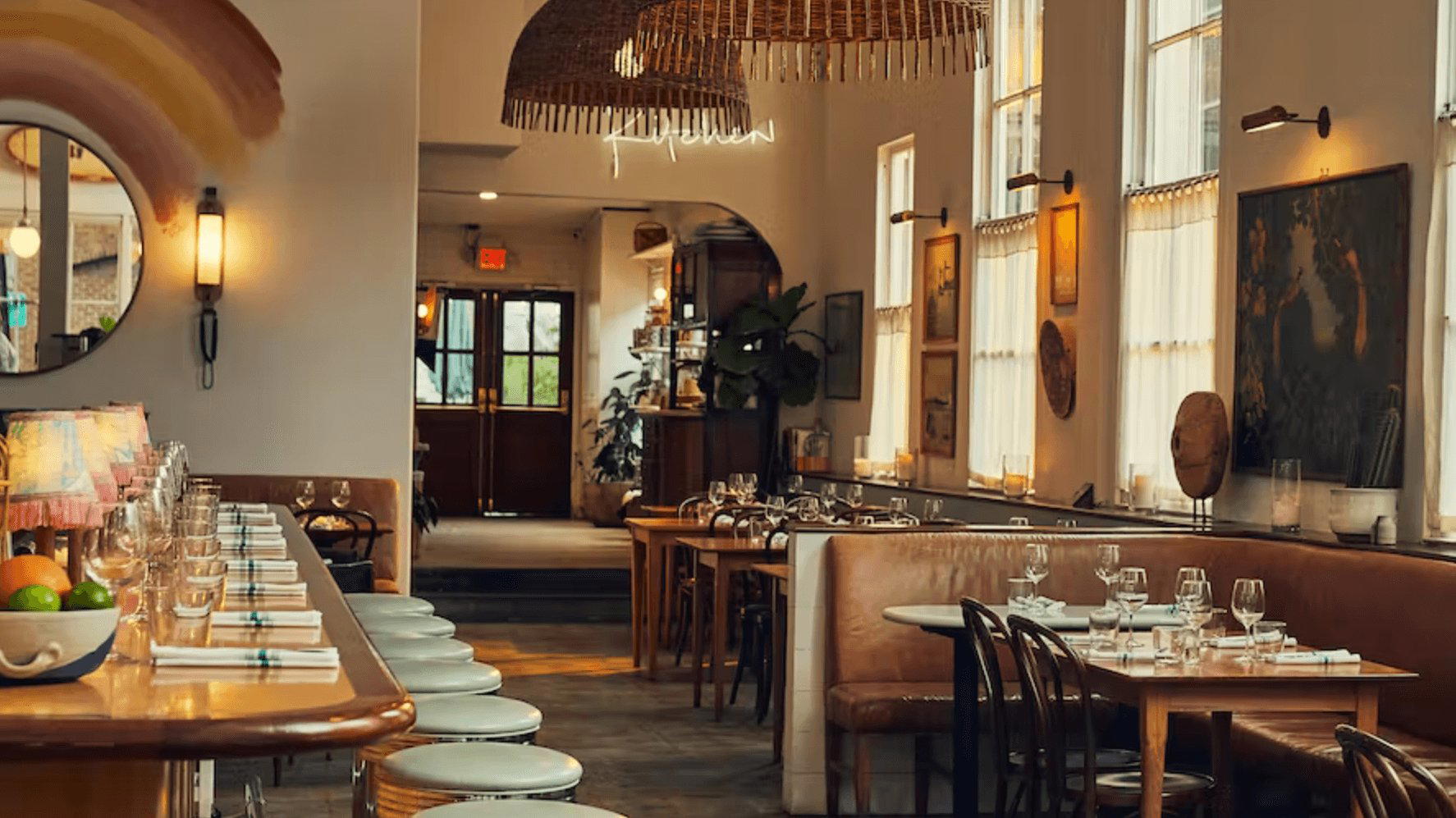
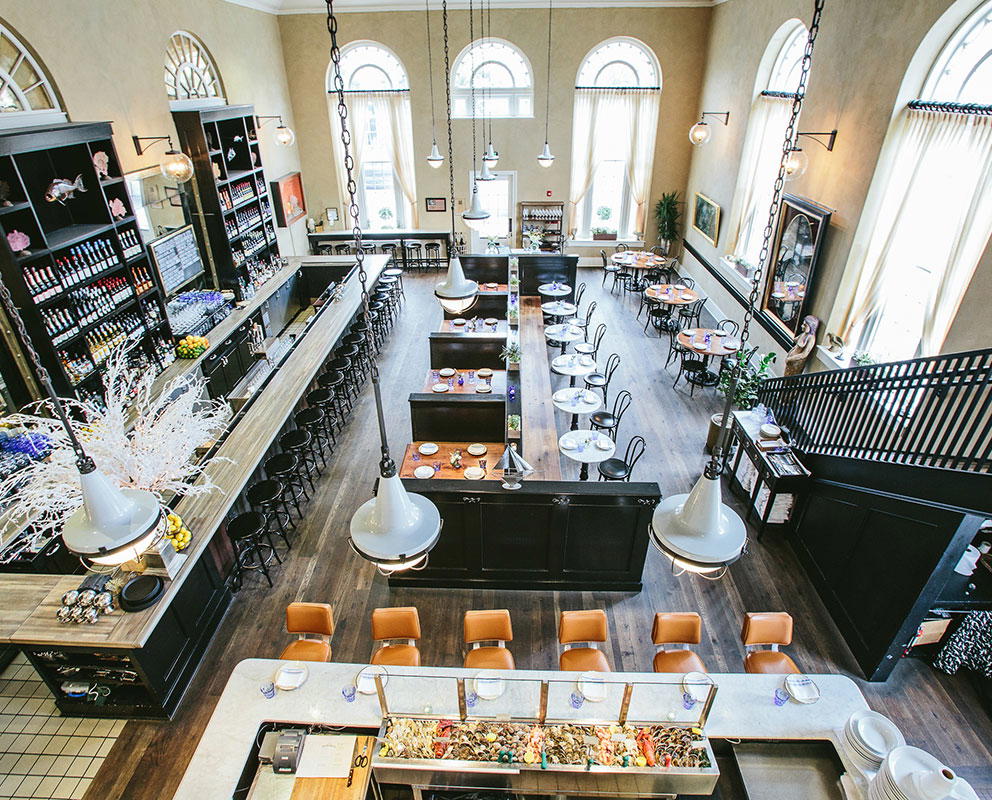
Cozy lounge with curated library, cushy sofas, warm lighting, and hand-crafted wooden elements creating an inviting home-like atmosphere.