Lowland


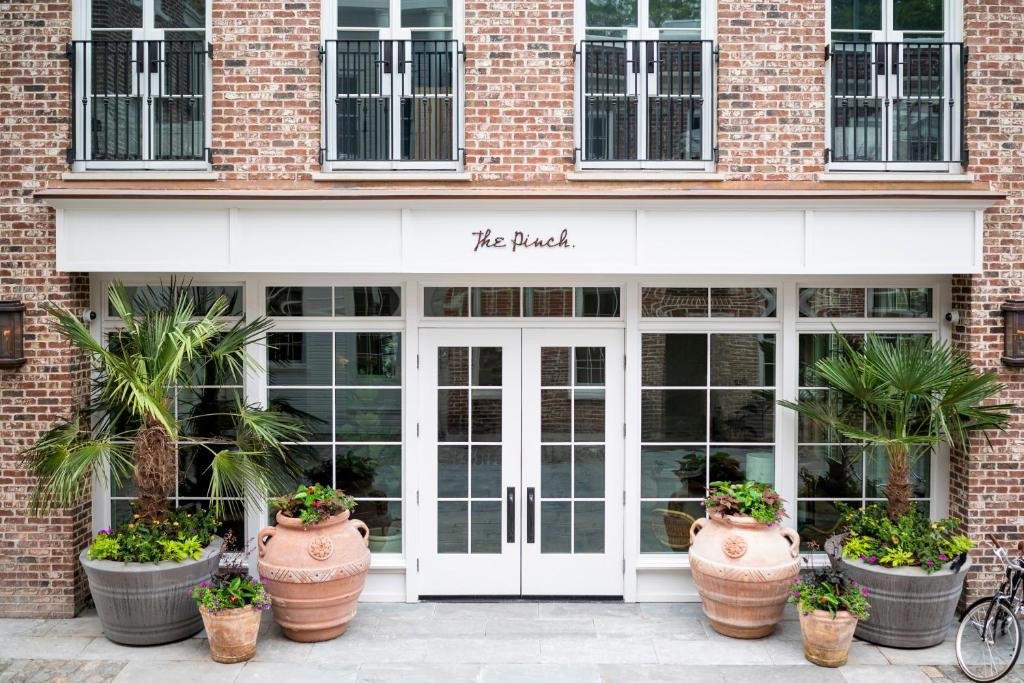
Lowland in Charleston serves Progressive American, Southern-inspired comfort food focused on Lowcountry ingredients. Signature plates include fresh local oysters, a farmer cheese biscuit, and a thick tavern burger. The restaurant offers polished comfort through carefully prepared seasonal small plates and a chef’s market fish, reflecting James Beard Award winner Jason Stanhope’s Lowcountry vision. Housed within The Pinch boutique hotel and adjacent to a historic 19th-century home, Lowland pairs warm brick, patterned wallpaper, fireplaces, and a mossy hand-painted mural to create a warm, two-story dining experience that highlights coastal flavors and refined hospitality.
Pearl is the En Primeur Club membership app — saves, bookings, and concierge access live there. Same editors, same standards.
- Address
- 36 George St, Charleston, SC 29401
- Phone
- (854) 895-4137
- Website
- lowlandcharleston.com
- Directions
- Get directions
 Saves & bookings on Pearl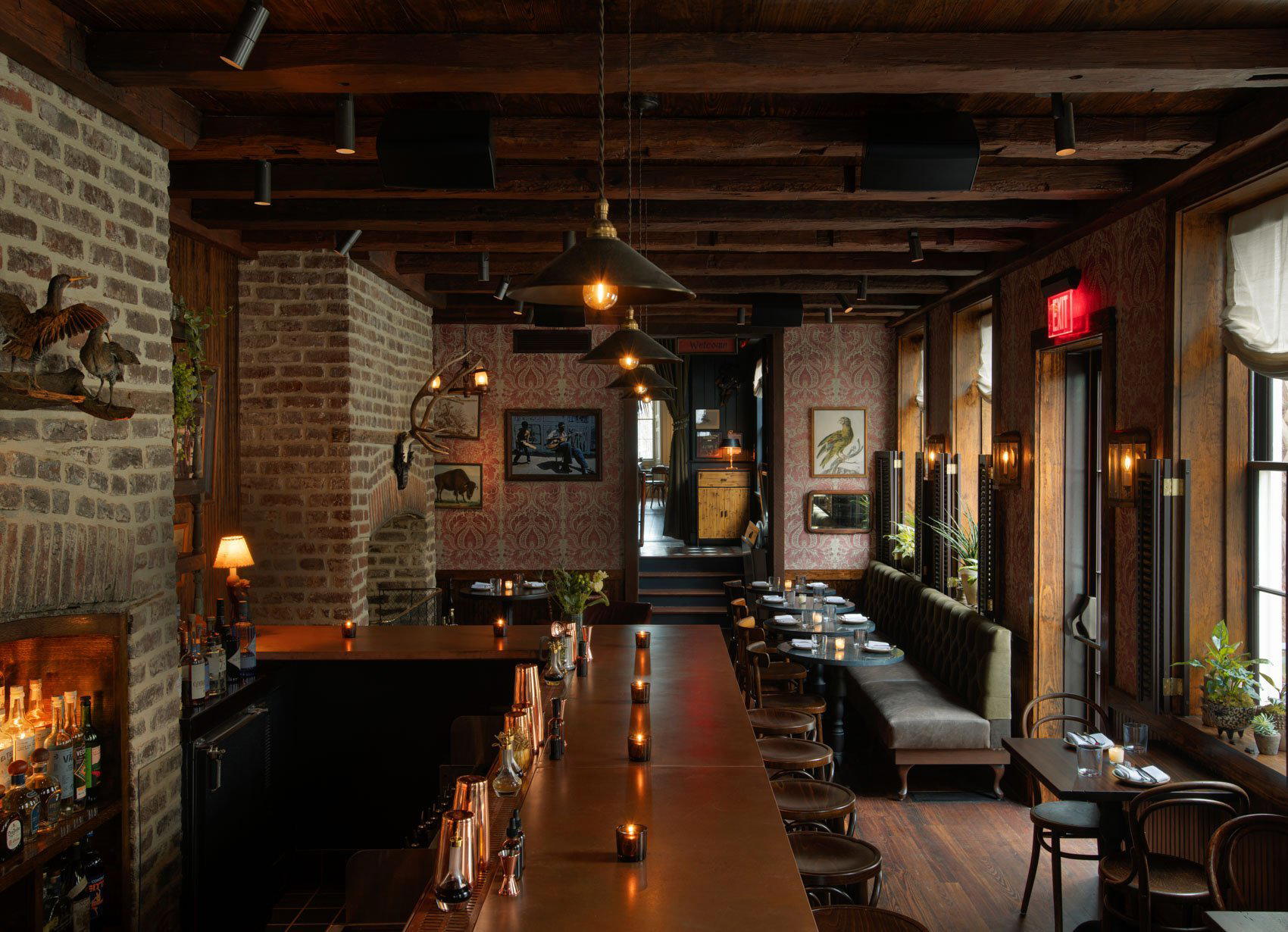
Lowcountry Cooking in a 19th-Century Setting
Lowland is a restaurant at 36 George St in Charleston, SC, serving Modern American Comfort Food at about $75 per person. Warm brick, handsome fireplaces, patterned wallpaper, and a mossy mural that climbs the full two-story interior give Lowland a physical character that most purpose-built hotel restaurants spend years trying to manufacture. The setting draws directly from Charleston's vernacular domestic architecture, the kind of antebellum townhouse interiors that define the lower peninsula, and the kitchen takes its cue from the same source material: Lowcountry cooking, the rice-culture cuisine that developed across the coastal plain of South Carolina and Georgia over more than three centuries.
What Lowcountry Cooking Actually Means
The term gets used loosely in Charleston dining, sometimes reduced to a shorthand for "Southern with shrimp." Lowcountry cooking is a more specific tradition: a cuisine shaped by the rice-cultivation economy of the Carolina coast, the culinary knowledge of enslaved West Africans who understood wetland agriculture, and the seasonal abundance of estuaries, barrier islands, and tidal marshes. Local oysters, field peas, stone-ground grains, and smoke-touched proteins are its backbone. The leading versions of this food are careful about provenance and honest about history.
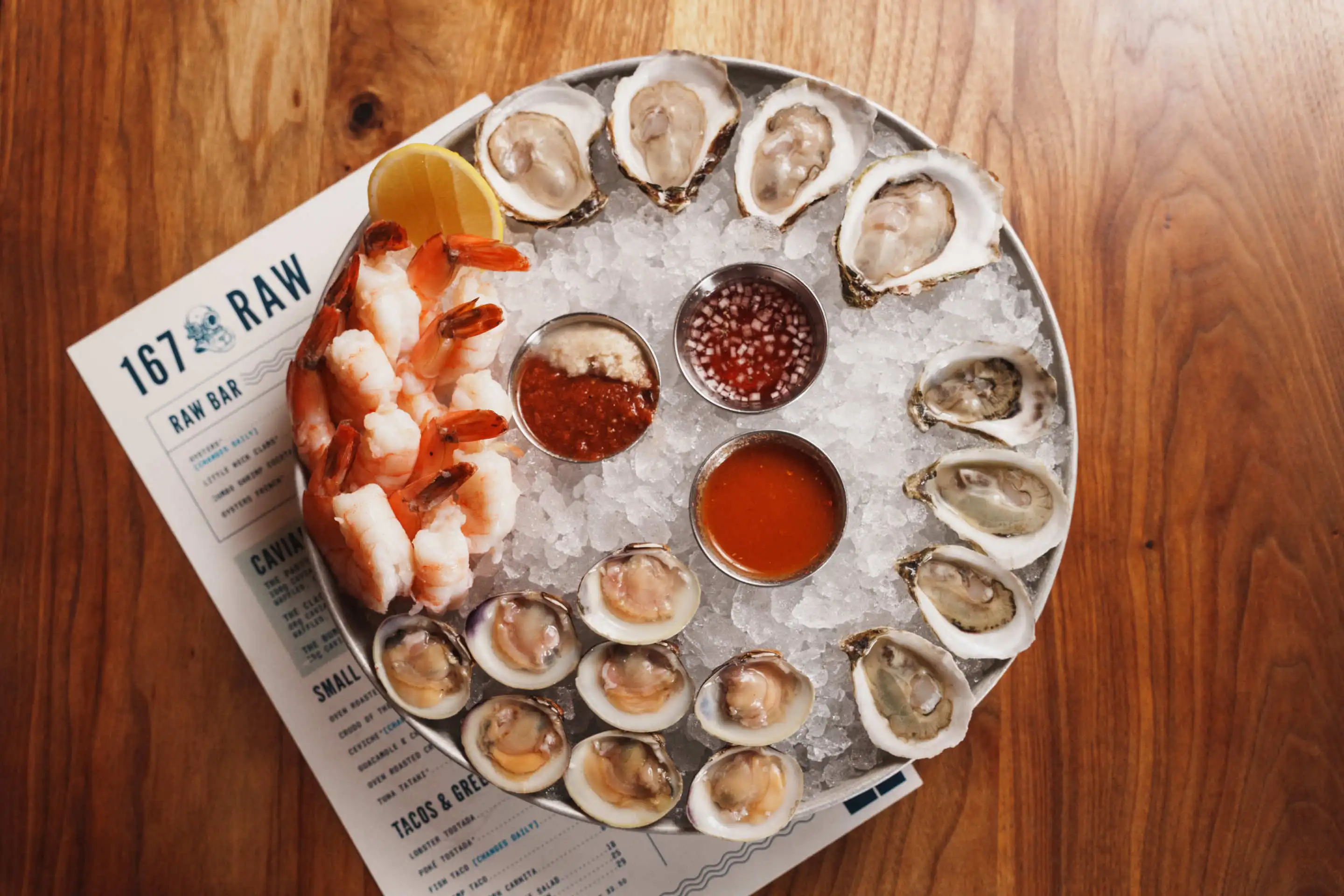
Charleston has several registers of this tradition operating simultaneously. Rodney Scott's BBQ works the whole-hog pit tradition that runs through the Pee Dee region. 167 Raw addresses the raw bar and oyster-counter dimension. Lowland operates in a third register: refined, architecturally composed, rooted in the same ingredients but run through a fine-dining sensibility. The 2025 Michelin Plate recognition positions it in the upper tier of Charleston's contemporary Southern dining set, alongside FIG and Husk as part of a cohort that treats Lowcountry cuisine as serious culinary subject matter rather than comfort-food backdrop.
James Beard Credentials and the Weight They Carry
The restaurant opened under chef Jason Stanhope, whose James Beard recognition carries real weight in this context. The James Beard Foundation's restaurant and chef awards remain among the more peer-reviewed recognitions in American cooking, and a winner operating in a cuisine as specific as Lowcountry signals genuine commitment rather than trend-chasing. Nationally, that places Lowland in a reference group that includes Le Bernardin in New York City, Emeril's in New Orleans, and Lazy Bear in San Francisco: restaurants where named culinary credentials inform the dining proposition rather than decorate it. The comparison is not about format or price tier but about the seriousness of the culinary commitment behind the room.
Lowland's recognition in 2025 confirms its position in the quality tier. This is polished, ingredient-led cooking with a strong regional identity.
The Menu's Point of View
Menu reads as an ode to familiar Lowcountry references interpreted through a refined lens. Local oysters anchor the raw end of the menu, drawing on the same estuarine sourcing that defines Charleston's oyster culture from fall through early spring. Farmer cheese biscuits sit in the Southern bread tradition, that category of enriched, leavened staples that runs from cornbread to beaten biscuits across the region. A thick tavern burger represents the kind of confident, unfussy inclusion that tells you the kitchen is not afraid of the vernacular, a choice that restaurants at this price tier sometimes avoid for appearing too casual. The decision to keep it on the menu is a curatorial statement about the range of Lowcountry eating.
Refined Southern cooking of this kind operates in a narrow space between reverence and reinvention. The risk of excessive refinement is a menu that loses its regional anchor; the risk of pure tradition is cooking that reads as museum exhibit. Particularly successful versions, and Lowland's approach as described by the awards data and editorial coverage, hold that tension by keeping ingredient identity clear while applying fine-dining technique to sourcing and preparation. Comparing approaches, Vern's (American Contemporary) and Malagón Mercado y Taperia (Spanish) demonstrate how Charleston's dining scene increasingly supports format and cultural diversity at the mid-to-upper tier; Lowland's decision to go deep on a single regional tradition rather than broaden is a deliberate positioning choice, and one that the Michelin and James Beard recognition suggests it executes well.
The Room Across Two Stories
The physical experience deserves its own analysis because at Lowland the interior is not decorative framing for the food; it is an argument about place. The mossy mural, the fireplaces, the warm brick, and the patterned wallpaper are not a designed approximation of Southern domesticity but a restoration and interpretation of it. The restaurant occupies a historic 19th-century home adjacent to The Pinch hotel, which means the bones of the space carry genuine period character. Two-story dining rooms are unusual in Charleston's restaurant stock; they create a vertical dynamic, with different seating atmospheres across the levels, that single-floor restaurants cannot replicate. For diners considering the Charleston dining scene broadly, the room at Lowland is worth factoring alongside the food when making a booking decision. Our full Charleston hotels guide covers The Pinch and the wider accommodation picture for visitors planning around a reservation here.
Where Lowland Sits in Charleston's Dining Scene
Charleston's restaurant market has matured considerably over the past decade. The city now supports a spread of serious independent restaurants across multiple cuisines and price tiers, from the live-fire African cooking at Bintü Atelier to the oyster-focused counter at 167 Raw to the whole-hog tradition at Rodney Scott's. Lowland occupies the intersection of heritage and formality: a Michelin-recognized room working a defined regional cuisine with James Beard-level culinary leadership. In a city where Southern cooking is both the dominant genre and the competitively scrutinized, that positioning requires genuine execution to hold.
For visitors building a Charleston itinerary, the relevant comparable set for Lowland is not the broader casual dining market but the handful of fine-dining-adjacent restaurants that treat Lowcountry cooking as a culinary argument. Our full Charleston restaurants guide maps that tier in detail. For the wider city picture, including bars and experiences, see our Charleston bars guide, our Charleston experiences guide, and our Charleston wineries guide.
Planning a Visit
Lowland is at 36 George St in the lower peninsula, within walking distance of the historic district's main concentration of restaurants and hotels. The restaurant is part of The Pinch hotel but operates independently, with its own entrance through the adjacent 19th-century building. Reservations are essential, and advance booking is advisable. Lowland's price point and format sit in a more accessible bracket than those comparisons imply. Dress is smart casual.
A Pricing-First Comparison
Comparable venues nearby, for context on price, style, and recognition.
| Venue | Price | Awards | Notes |
|---|---|---|---|
| LowlandThis venue — the venue you are viewing | $$$ | Michelin Plate | Not listed |
| The Grocery | $$$ | Not listed | Cannonborough - Elliottborough, New Southern Farm-to-Table |
| Husk | $$$$ | Not listed | historic downtown, Polished Southern Farm-to-Table |
| The Harbinger Cafe & Bakery | $$ | Not listed | North Central, Vegan-Friendly Bakery Cafe |
| Rudy Royale | $$$ | Not listed | downtown, Upscale Southern Chicken + Cocktails |
| Chef Daniel Humm x The Charleston Place, Presented by Resy, Charleston | $$$$ | Not listed | Downtown Charleston, Contemporary Fine Dining |
Recognition history
Dated appearances from independent guides and award organizations, with the underlying list record or original source where available.
Food & Wine Global Tastemakers Top Restaurants #4
Food & Wine
Michelin Plate
Michelin
Continue exploring
More in Charleston
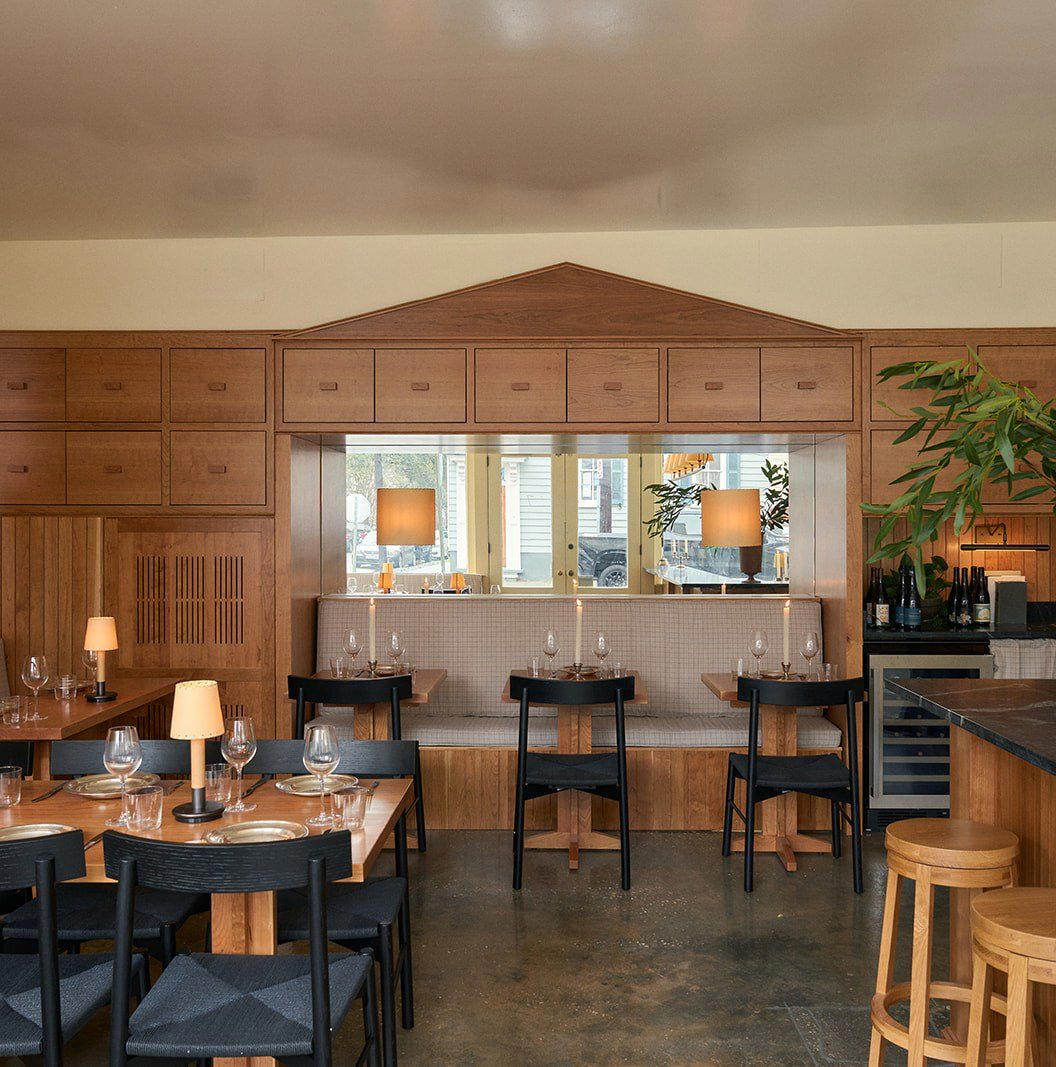
Restaurants in Charleston
Browse all →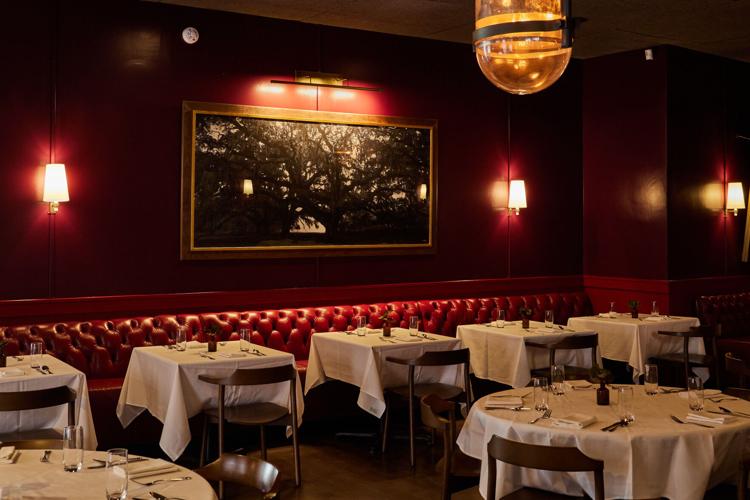
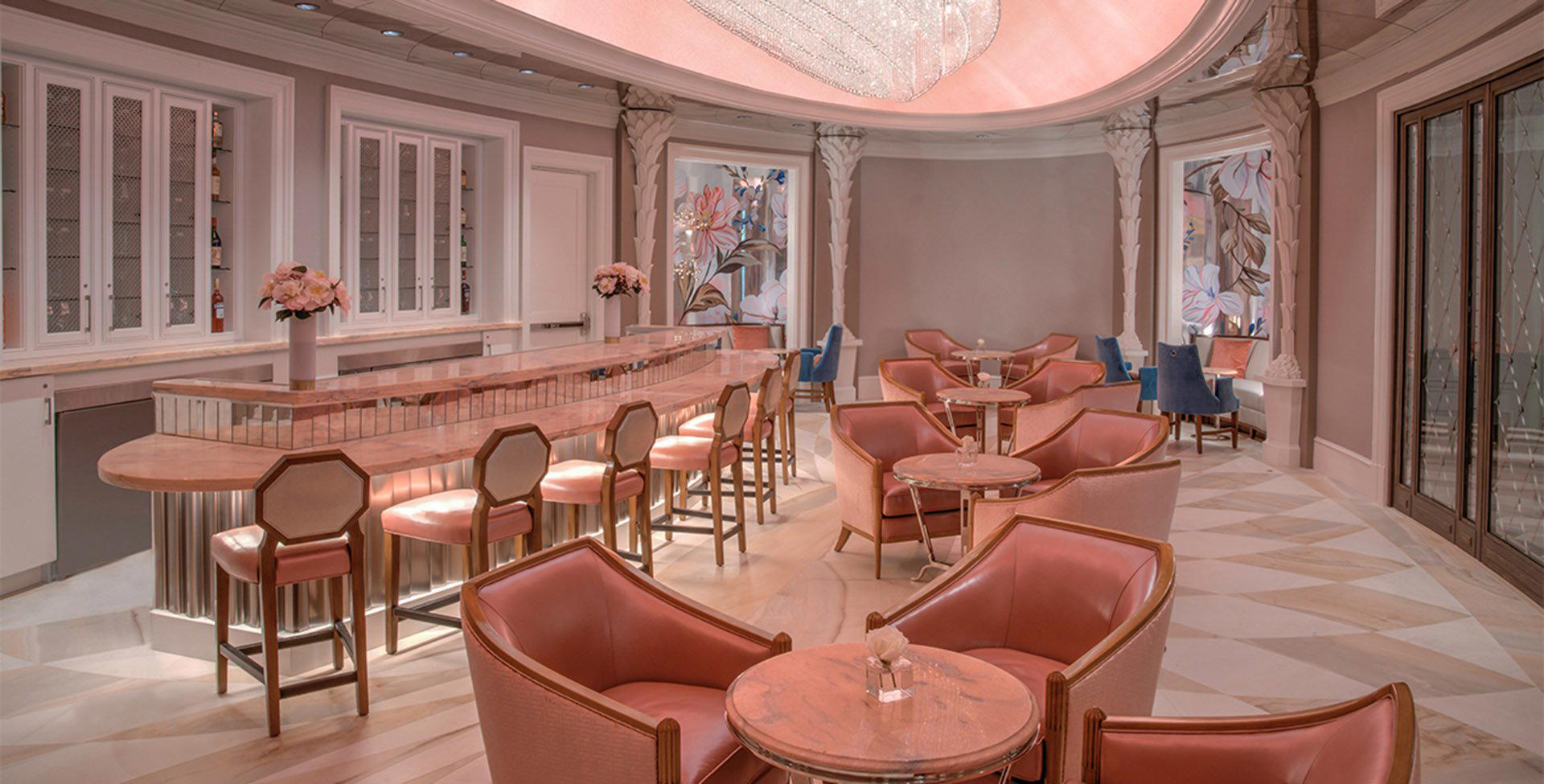
Bars in Charleston
Browse all →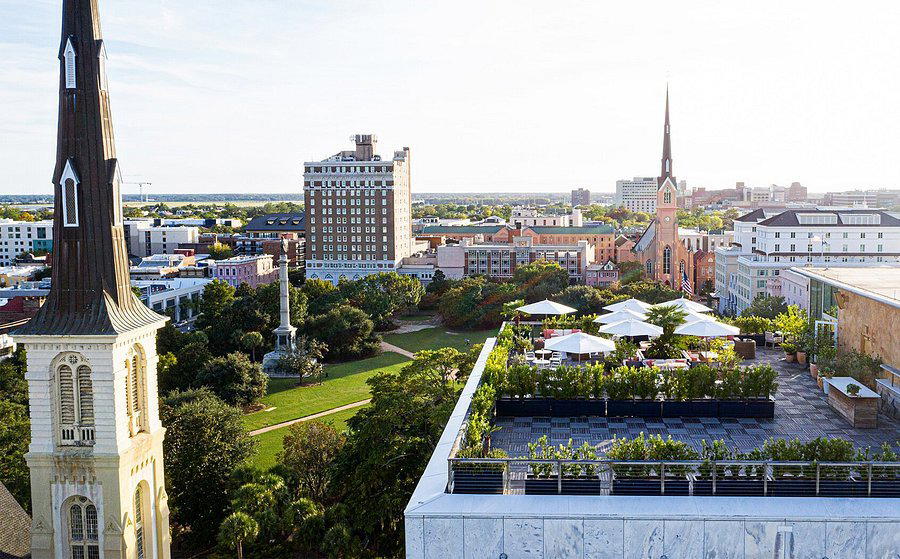
At a Glance
- Elegant
- Cozy
- Sophisticated
- Historic
- Date Night
- Special Occasion
- Celebration
- Group Dining
- Historic Building
- Open Kitchen
- Craft Cocktails
- Extensive Wine List
- Local Sourcing
- Farm To Table
Current opening hours
- Monday
- 5–10 PM
- Tuesday
- 5–10 PM
- Wednesday
- 5–10 PM
- Thursday
- 5–10 PM
- Friday
- 5–10 PM
- Saturday
- 5–10 PM
- Sunday
- 5–10 PM
Hours can change for holidays and private events. Last verified .
Warm and inviting with refined elegance; the historic two-story brick residence creates a home-like atmosphere with tasteful design, though the main dining room is notably loud.