Bin 152

World's Best Wine Lists Awards WBWL 1-Star
Our verdict
Bin 152 sits on King Street in the heart of Charleston's most active dining corridor, holding a 1-Star Accreditation from the World of Fine Wine & Lifestyle Awards. The format centers on wine, with a selection that positions it as a serious retail and by-the-glass destination in a city increasingly regarded for beverage programming alongside its kitchen credentials.

Pearl is the En Primeur Club membership app, where members save venues, book tables and use the concierge.
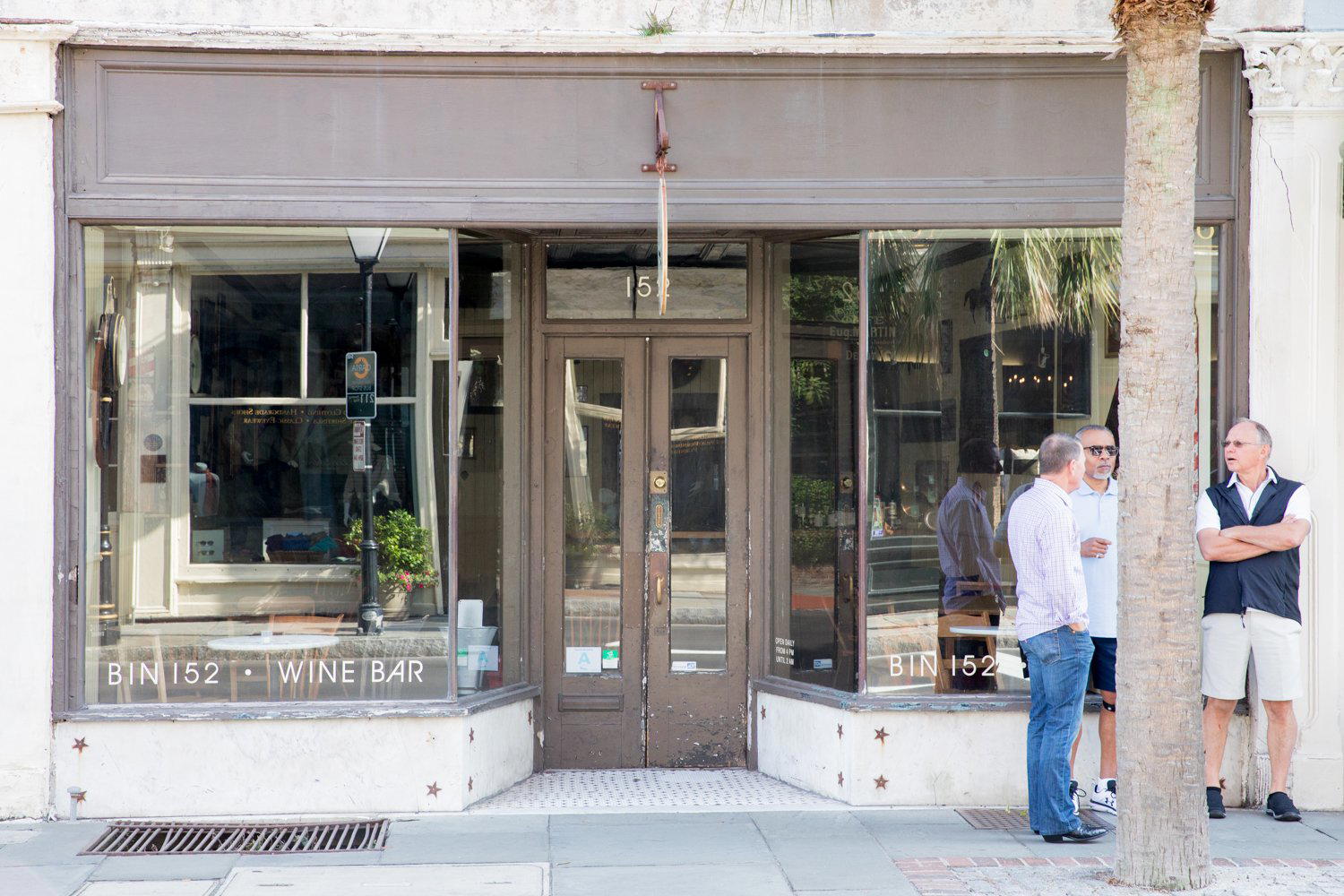
King Street's Wine-Forward Anchor
King Street in Charleston runs a long gradient from tourist-facing shops at the southern end to a denser, more serious concentration of bars, wine bars, and independent restaurants as you move north through the Upper King corridor. At 152 King, Bin 152 occupies a stretch of this street where the buildings are older, the storefronts narrower, and the foot traffic more local than transient. The physical setting matters: this is a wine bar in the retail mold, where bottles line the walls not as decoration but as inventory, and the distinction between buying a bottle to take home and opening one at a table is deliberately blurred. It is a format that has roots in European enoteca tradition, where the shop and the bar exist on the same floor plan and the same stock.
That model sits at an interesting position in Charleston's drinking scene, which has diversified considerably over the past decade. Craft cocktail programs at bars across the city have drawn significant attention, and the restaurant side of the ledger has produced kitchens of genuine national reach. But the wine bar, in the European retail-and-pour format, remains a smaller and more specialist category here. Bin 152's 1-Star Accreditation from the World of Fine Wine & Lifestyle Awards places it in a formally recognized tier within that niche, a credential that speaks to the seriousness of the selection rather than the spectacle of the room. You can browse our full Charleston bars guide for a wider picture of where this fits in the city's overall beverage map.
The Sourcing Logic Behind the List
Wine bars that operate a retail component live and die by the honesty of their sourcing. The selection on the wall is the argument the venue is making about value, provenance, and editorial taste, and it is legible to any customer who takes ten minutes to read the labels. At Bin 152, the format invites exactly that kind of reading. The retail-and-pour model requires that the buyer maintain a coherent list: too broad and the selection becomes a warehouse; too narrow and it fails the range of customers who walk in from King Street on a Tuesday evening looking for something between a Beaujolais and a Barolo.
Charleston sits in a broader American wine bar context where the most serious programs have moved away from the safe, globally distributed labels and toward grower producers, smaller appellations, and regional bottlings that require some explanation to sell. That shift has been visible in cities like San Francisco, where venues like Lazy Bear have built beverage programs that treat wine as a kitchen ingredient with lineage, and in New York, where Le Bernardin set an earlier standard for treating the cellar as inseparable from the sourcing ethos of the kitchen. In a wine bar format, the same logic applies but without the kitchen acting as a buffer: the wine selection has to carry the editorial weight on its own.
South Carolina has its own agricultural specificity that shapes what works on a Charleston list. The coastal lowcountry produces shellfish, rice, and produce with identifiable regional character, and the wine lists that work leading in this city tend to reflect that context rather than fight it. High-acid whites, skin-contact wines, and lighter reds that function at cellar temperature rather than warm room temperature suit the cuisine and the climate. Bin 152's retail format means customers can take bottles home and put that theory to the test against their own tables.
Where It Sits in Charleston's Dining Picture
Charleston's restaurant scene has accumulated enough credentialed venues to make peer comparisons meaningful. The kitchens that have drawn the most consistent attention, places like FIG on Meeting Street and Husk in its original location, built reputations on sourcing specificity: named farms, seasonal menus that changed with supply, and a visible commitment to lowcountry ingredients treated as the point rather than the backdrop. That ethos influenced the generation of restaurants that followed, and it is visible across the current roster of serious independent venues.
Vern's on King Street, which you can read about in our full Charleston restaurants guide, operates in the New American register with a beverage program that reflects the same sourcing rigor applied to the kitchen. Lowland brings a different version of ingredient-forward thinking to a larger format. Malagón Mercado y Taperia draws on Spanish pantry logic, where preserved, fermented, and cured ingredients do the heavy lifting. And Rodney Scott's BBQ represents a different kind of sourcing argument entirely: whole-hog barbecue as a form of agricultural honesty about what a pig actually is. These are not directly comparable to a wine bar, but they define the standard of specificity that Charleston's serious independent venues now hold themselves to.
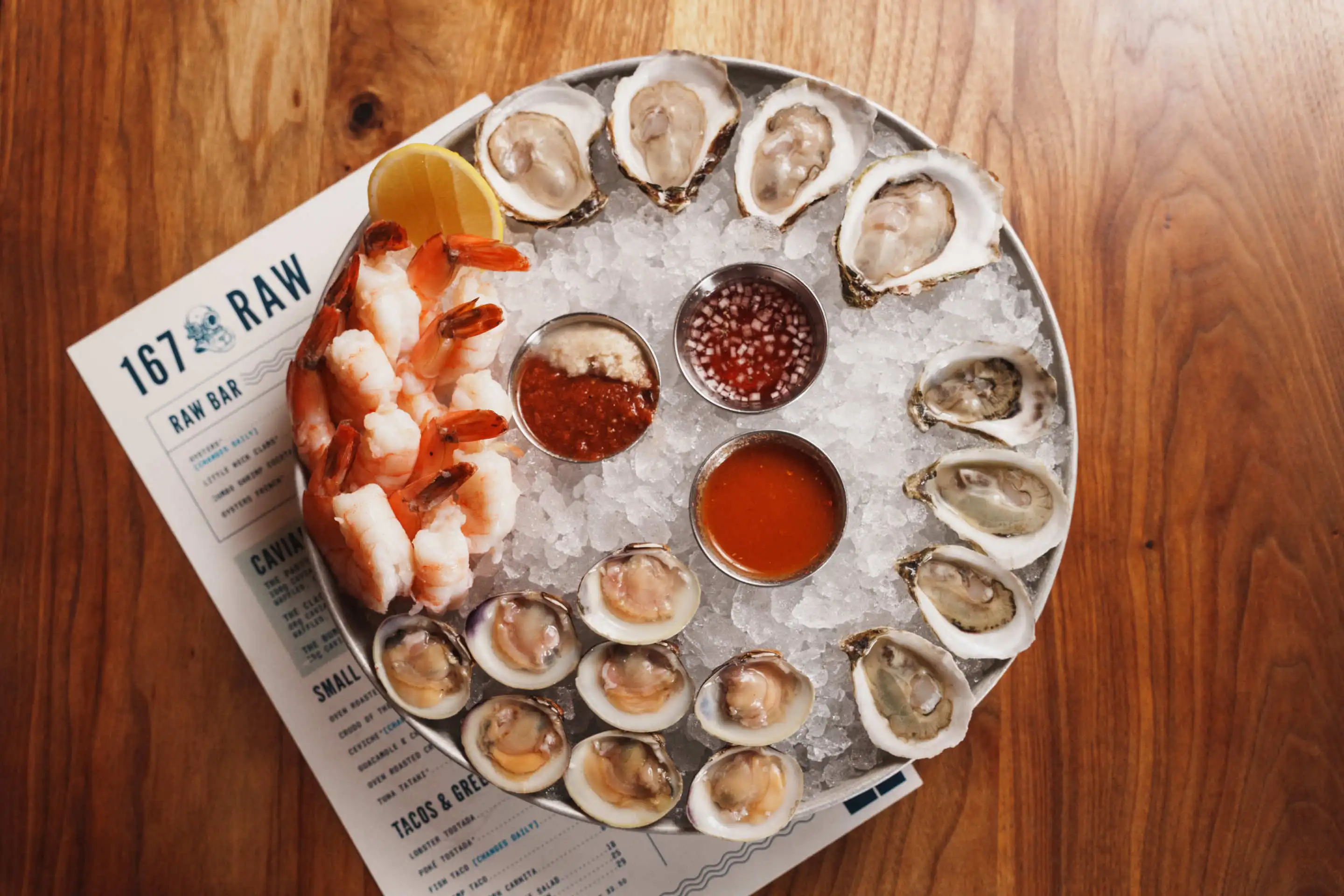
167 Raw, the oyster bar on King Street, is perhaps the closest analogue in terms of format logic: a small, focused operation where the sourcing chain from water to plate is short and the selection is editorially coherent. Bin 152 applies the same principle to bottles.
For context beyond Charleston, the wine-bar-as-enoteca format has been executed at significantly higher price points by venues like Alain Ducasse at Louis XV in Monte Carlo and 8½ Otto e Mezzo Bombana in Hong Kong, where the cellar is a destination in its own right. The retail-and-pour model Bin 152 uses democratizes that relationship with wine without abandoning the seriousness of selection that makes a good list worth reading.
Planning a Visit
Bin 152 sits at 152 King Street, which puts it within walking distance of the bulk of Charleston's Upper King dining concentration. For visitors building an evening around the neighborhood, the sequence that works well is typically drinks and a light pour at a wine bar before dinner at a nearby kitchen; the format at Bin 152 accommodates both a quick glass and a longer session with retail browsing. Phone and booking details are not listed publicly, so arriving in person or checking the venue's current hours through a direct channel is the most reliable approach. If you are planning a broader Charleston itinerary, our Charleston hotels guide, wineries guide, and experiences guide cover the wider picture. For restaurants operating in a comparable price bracket or with a similar sourcing emphasis, Vern's is worth considering alongside Bin 152 as part of the same evening.
Frequently asked questions
Is Bin 152 award-winning?
Bin 152 has received recognition including:
What's the address for Bin 152?
Bin 152 is located at 152 King St, Charleston, SC 29401, Charleston.
What's the signature dish at Bin 152?
Bin 152 operates primarily as a wine bar with a retail component, so the bottle list is the main event rather than a kitchen-driven menu. The venue's World of Fine Wine 1-Star Accreditation speaks to the depth of that list.
What's the best way to book Bin 152?
Stopping in directly or searching current reservation platforms for the venue by name is the most reliable approach. Given its position on Upper King Street alongside other credentialed bars, walk-in availability can vary significantly on weekend evenings.
Quick Comparison
Comparable venues nearby, for context on price, style, and recognition.
| Venue | Cuisine | Price | Awards | Notes |
|---|---|---|---|---|
| Bin 152This venue (the venue you are viewing) | Wine Bar & Cheese Bar | $20–30 | World's Best Wine Lists Awards WBWL 1-Star | Not listed |
| Harken Cafe | American Bakery Cafe | $10–20 | Not listed | French Quarter |
| Tutti Pizza | Pizza | $20–30 | Resy Best of the Hit List | Upper King Street |
| Renzo | Modern Italian Pizza | Not listed | Not listed | North Central |
| Mario's Italian Ristorante | Authentic Italian Trattoria | $20–30 | Not listed | Downtown Charleston |
| Kwei Fei | Sichuan Chinese | $30–50 | Not listed | James Island |
Recognition history
Dated appearances from independent guides and award organizations, with the underlying list record or original source where available.
World's Best Wine Lists Awards WBWL 1-Star
World's Best Wine Lists Awards
Continue exploring
More in Charleston
Restaurants in Charleston
All restaurants in Charleston →
Details
- Cozy
- Intimate
- Rustic
- Trendy
- Date Night
- Casual Hangout
- Late Night
- Standalone
- Extensive Wine List
- Local Sourcing
- A La Carte
- Small Plates
- Wine
Current opening hours
- Monday
- 2 PM–12 AM
- Tuesday
- 2 PM–12 AM
- Wednesday
- 2 PM–12 AM
- Thursday
- 2 PM–12 AM
- Friday
- 12 PM–12 AM
- Saturday
- 12 PM–12 AM
- Sunday
- 12 PM–12 AM
Hours can change for holidays and private events. Hours as of .
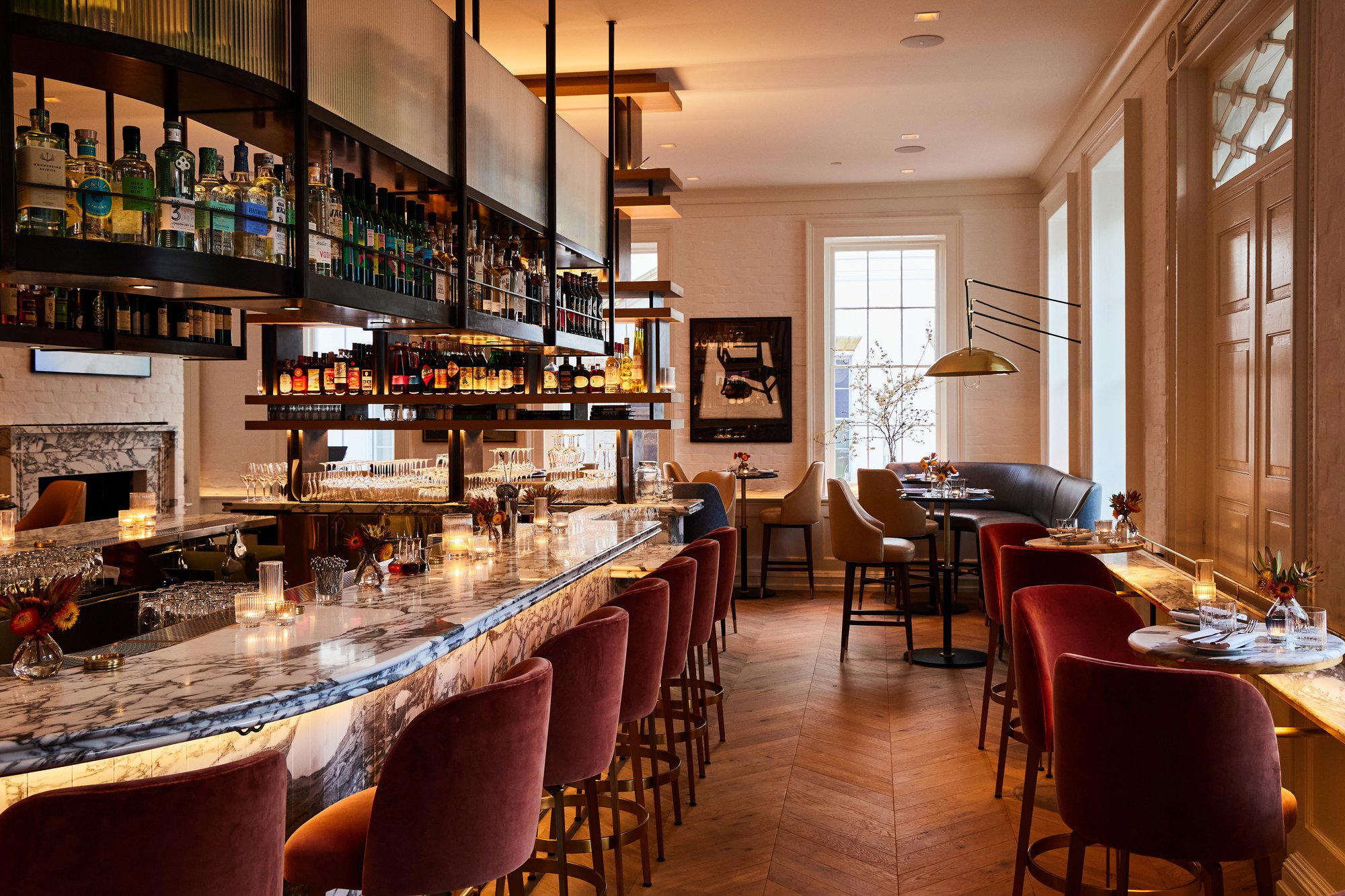
Rustic and quirky with antiques on walls, well-suited lighting, light music, and a laid-back European feel.