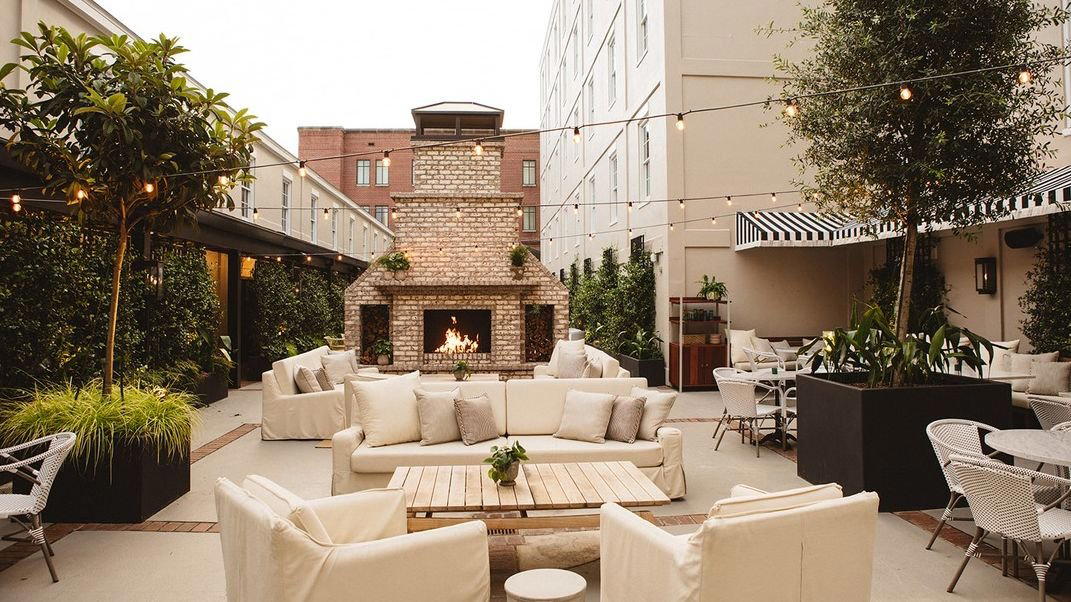
Wild Common



Wine Spectator Award of Excellence · Resy Best of the Hit List
Our verdict
Wild Common in Charleston delivers Contemporary American tasting menus that highlight Lowcountry seafood and seasonal produce. Must-try plates include Steamboat Creek Oyster, the inventive Fig Newton dessert and the 4–7 course tasting menu with optional additional courses. Led by Executive Chef Orlando Pagán, this Michelin-starred kitchen pairs exacting technique with approachable flavors in an intimate, chef-forward setting. The experience balances thoughtful wine and cocktail pairings, interactive Chef’s Table seating, and warm, attentive service. Expect layered textures, coastal brine, and clean, focused sauces that let local ingredients sing, a refined Charleston tasting experience that rewards advance reservations and curiosity for tasting-menu dining.

Pearl is the En Primeur Club membership app, where members save venues, book tables and use the concierge.
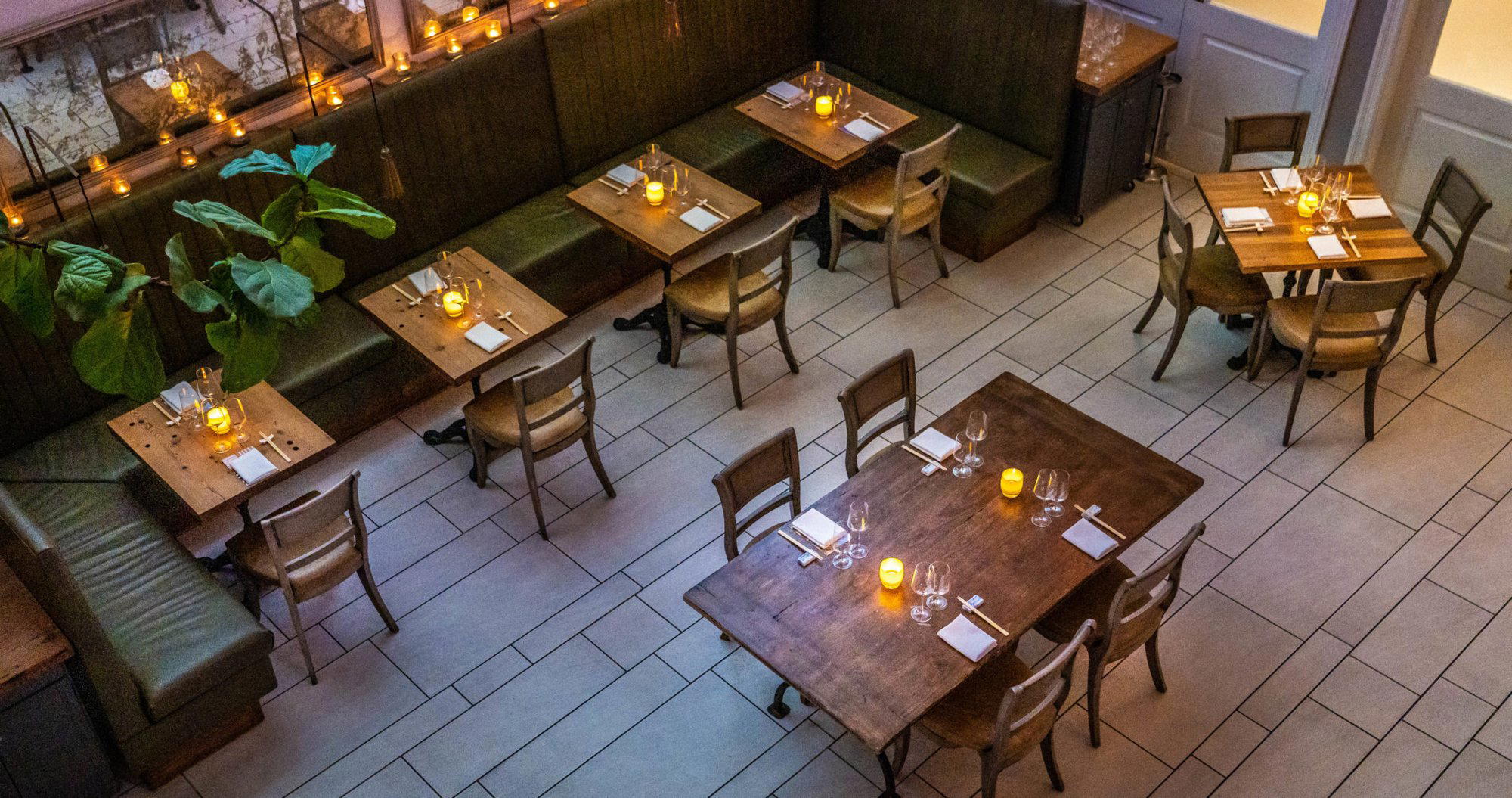
Spring Street and the Shift Toward Conscious Cooking in Charleston
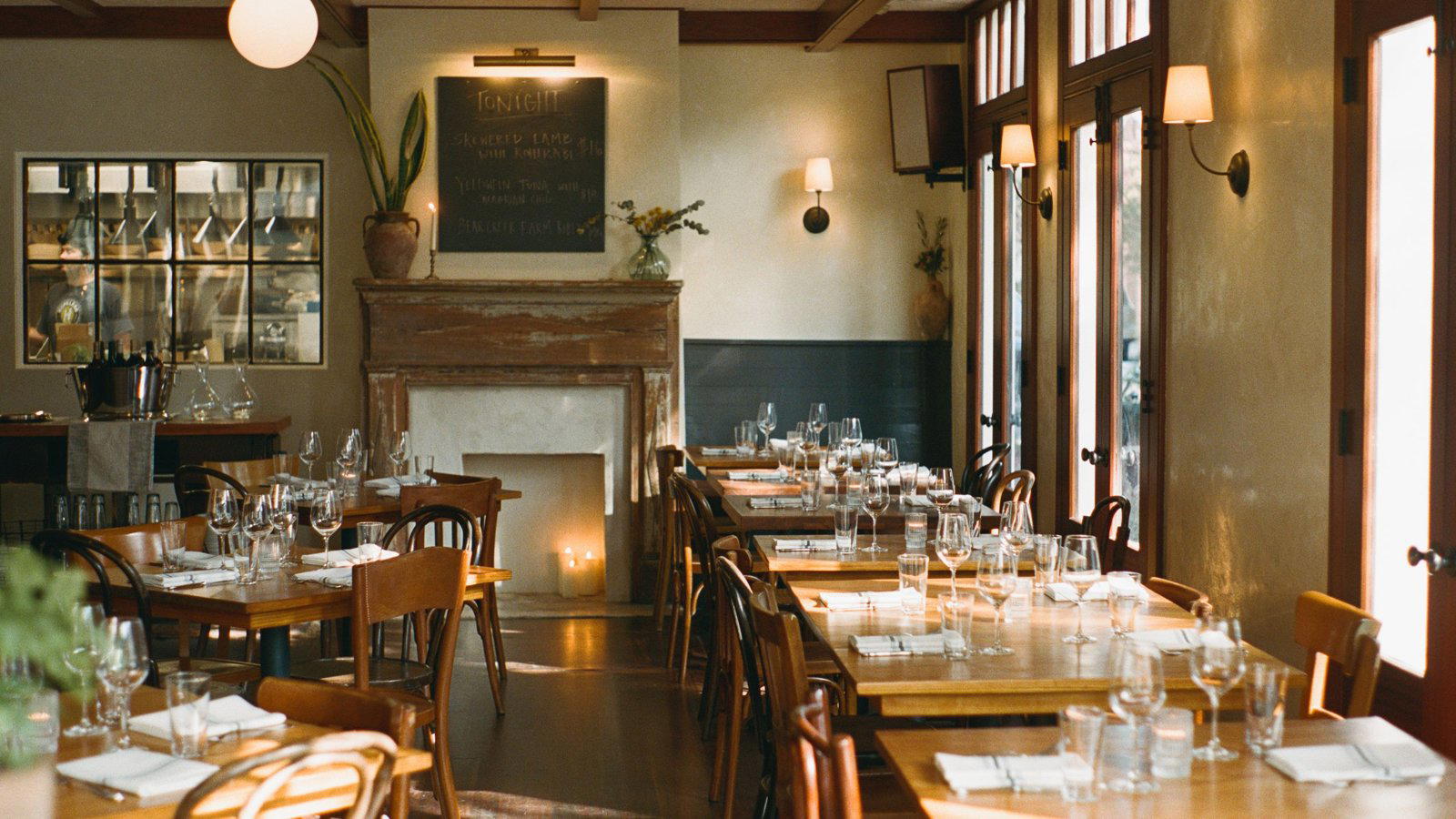
On Spring Street, just off the corridor where the peninsula's quieter residential blocks begin to assert themselves against the tourist drag, Wild Common occupies a position that says something about where serious Charleston dining has moved. The building sits on the left side of 103 Spring, and the approach carries the slightly unhurried quality of a neighborhood that hasn't been entirely remade for hospitality. That physical context matters: restaurants that end up here tend to be making a statement about priorities, and Wild Common's statement is legible before you step inside.
Charleston's dining scene has spent the better part of two decades operating under twin pressures: a national spotlight that rewards novelty and a local food culture with deep roots in specific ingredients and techniques. The most interesting addresses in the city right now are the ones resolving that tension through sourcing discipline rather than concept spectacle. Wild Common belongs to that cohort. Its 2025 Resy Best of the Hit List recognition places it in a tier of restaurants whose reputations have been built through consistent execution and editorial notice, not through a single viral moment.
Ethical Sourcing as Structural Logic, Not Marketing Copy
Across American fine dining, sustainability has fractured into two distinct postures. The first is performative: a paragraph on the menu about a named farm, a composting program that exists primarily as talking point. The second is structural: sourcing decisions that shape the menu itself, where what's available dictates what's cooked rather than the other way around. Wild Common operates in the second category, which is visible not just in the sourcing language but in the way the menu reads as a document of place rather than a showcase of technique.
The Lowcountry provides an unusually rich substrate for this approach. The coastal geography of South Carolina, brackish tidal creeks, barrier island ecosystems, and a growing network of small-scale farms inland, generates ingredients that don't travel well and therefore reward restaurants willing to organize their logistics around local supply chains. Oysters from nearby waters, heritage grains from Lowcountry producers, and fish from regional day-boat operations represent a supply chain that connects the kitchen directly to the ecosystem rather than routing through national distributors. Restaurants doing this kind of work sit in a different competitive tier from those importing luxury ingredients to signal ambition; their ambition is demonstrated through the integrity of what's on the plate, not its provenance from abroad.
Comparing the regional approach here to what drives similar commitments at Single Thread Farm in Healdsburg is instructive. Both properties treat the surrounding agricultural environment as the primary creative constraint. The difference is climate and ecology: what the Lowcountry offers is wilder, more humid, and more brine-inflected than Northern California's wine-country precision. Charleston cooking that takes this seriously tends to read less tidy on the plate, more insistent in flavor.
Charleston's current restaurant map distributes recognizable signatures across a relatively small geography. Rodney Scott's BBQ holds the city's most nationally recognized position in whole-hog tradition. 167 Raw controls the casual oyster-bar tier with consistent execution and a loyal repeat clientele. At the tighter, more considered end of the New American category, the conversation includes Vern's and, in a slightly different register, Lowland. Wild Common's Resy recognition positions it inside that upper-register cluster, competing on the same terms as the city's most editorially tracked tables.
The comparison set beyond Charleston is also worth naming. The kind of sourcing discipline and place-specific menu logic Wild Common practices puts it in conversation, philosophically if not in price point or scale, with properties like Le Bernardin in New York City (which has built an entire identity around the ethics and precision of seafood sourcing) or Lazy Bear in San Francisco, where the format is built around communal engagement with local ingredients. Even The French Laundry in Napa has spent recent years investing heavily in on-site growing programs that reduce supply-chain distance. The through-line across these otherwise very different restaurants is a shift from ingredient importation to ingredient relationship.
Wild Common represents that shift at the Charleston scale, which is a city where the distance between the kitchen and the farm or creek is often genuinely short, not just conceptually invoked. That proximity is an operational advantage the city's leading kitchens have increasingly learned to press.
The Spring Street Location and What It Signals
Address is editorial in the restaurant world. Spring Street places Wild Common adjacent to the Cannonborough-Elliotborough neighborhood, one of Charleston's more interesting residential-commercial hybrids, where independent retail and food operations have settled in spaces that don't carry the premium rents of the Market or King Street corridors. Restaurants that choose this geography tend to be prioritizing operational autonomy over foot traffic. That's a values signal as much as a real estate decision.
For guests arriving from outside the immediate area, the location is direct to reach on foot from King Street's northern stretch or by rideshare from the Old and Historic District. Given the address structure and Charleston's compact peninsula layout, the restaurant is within reasonable walking distance of several of the city's better hotel options; check our full Charleston hotels guide for properties that place you on the upper peninsula without adding unnecessary transit.
Charleston's broader dining scene, which you can map through our full Charleston restaurants guide, also includes strong options for Spanish-influenced cooking at Malagón Mercado y Taperia and a wider set of experiences tracked through our Charleston experiences guide. For drinking, our Charleston bars guide covers the cocktail and wine-bar tier separately.
Planning a Visit
Wild Common's 2025 Resy recognition suggests demand that runs ahead of casual walk-in availability, particularly on weekend evenings. The Resy platform is the booking infrastructure used by a large share of Charleston's more-tracked restaurants, and advance reservation is the reliable approach for a first visit. The Spring Street address puts the restaurant at the quieter northern edge of the dining district, which means the block operates without the Saturday-night foot-traffic chaos of King Street proper; arriving early in a service can offer a more relaxed experience of the room.
For broader context on what the city offers across food, drink, and accommodation, the EP Club Charleston guides provide mapped, editorially organized coverage: restaurants, hotels, bars, wineries, and experiences.
Frequently asked questions
What awards or recognition does Wild Common have?
Wild Common has received recognition including: Resy Best of the Hit List (2025).
What's Wild Common's location?
Wild Common is located at Left Side, 103 Spring St, Charleston, SC 29403, Charleston.
What should I eat at Wild Common?
Wild Common's menu is built around ethical sourcing as a structural principle, which means dishes reflect what responsible supply chains make available rather than a fixed signature lineup. The kitchen's Southern framework draws from the Lowcountry's producers and waterways. Because menu specifics shift with sourcing, the counter staff are the most reliable guide to what's performing on a given night.
Can I walk in to Wild Common?
Wild Common's 2025 placement on Resy's Hit List points to demand that runs ahead of casual availability, particularly on weekend evenings. Booking through Resy in advance is the practical approach. Walk-in seats, if available, are more likely mid-week or at the bar, though neither is guaranteed given current recognition.
What has Wild Common built its reputation on?
Wild Common earned its 2025 Resy Hit List recognition on the strength of sourcing treated as kitchen logic rather than menu copy, a posture that separates it from the performative sustainability common across American fine dining. Its Spring Street address, on the quieter residential edge of the Charleston peninsula, reinforces that positioning: the restaurant isn't chasing foot traffic, it's pulling guests with a specific point of view.
Accolades, Compared
A quick peer reference to anchor this venue in its category.
| Venue | Cuisine | Price | Awards | Notes |
|---|---|---|---|---|
| Wild CommonThis venue (the venue you are viewing) | Modern American Tasting Menu | $50–100 | Wine Spectator Award of Excellence · Resy Best of the Hit List | Not listed |
| Rodney Scott's BBQ | Whole-Hog South Carolina BBQ | $20–30 | Michelin Bib Gourmand · James Beard Award Best Chefs | Barbecue |
| 167 Raw | Modern Seafood Raw Bar | $50–100 | Not listed | Oyster Bar |
| Edmunds Oast | American Brewpub Gastropub | $30–50 | Not listed | New American |
| FIG | Southern Farm-to-Table Bistro | Not listed | Michelin Plate · James Beard Award Outstanding Wine Program | New American |
| Husk | Elevated Southern Farm-to-Table | Not listed | Wine Spectator Award of Excellence · Chef's Table Featured on Chef's Table | Southern |
Recognition history
Dated appearances from independent guides and award organizations, with the underlying list record or original source where available.
Conde Nast Selected for 2026 Condé Nast Traveler Best Restaurants in Charleston
Conde Nast
Wine Spectator Award of Excellence
Wine Spectator
Resy Best of the Hit List
Resy