Husk





Wine Spectator Award of Excellence · Chef's Table Featured on Chef's Table
Our verdict
Husk on Queen Street sits at the center of Charleston's farm-to-table tradition, applying a strict sourcing philosophy, if it doesn't come from the South, it doesn't come through the door.

Pearl is the En Primeur Club membership app, where members save venues, book tables and use the concierge.
The menu
What to order
- Cornbread
- Smoked pork chop
- Ben's chicken
Where Southern Sourcing Became a Critical Standard
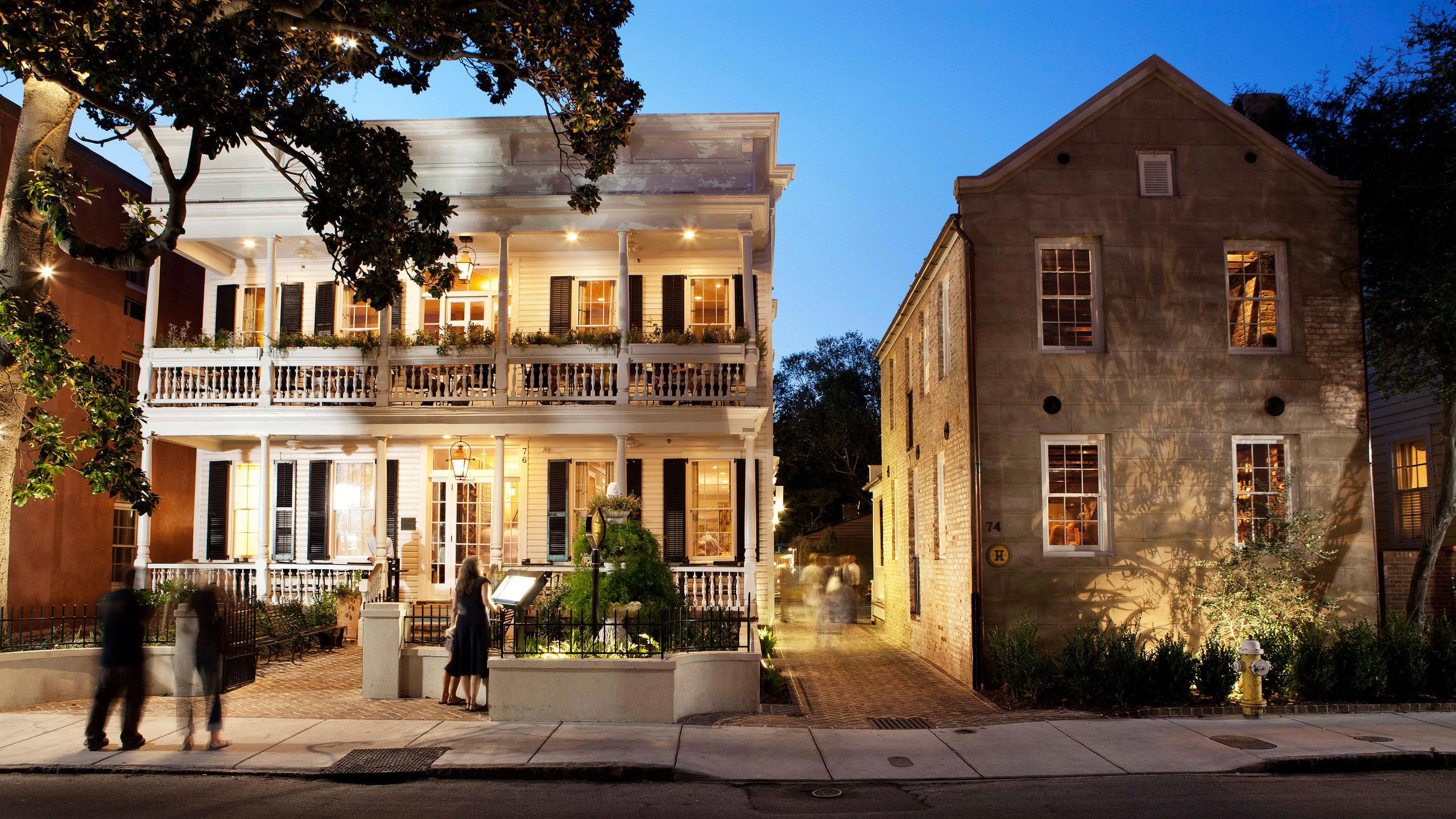
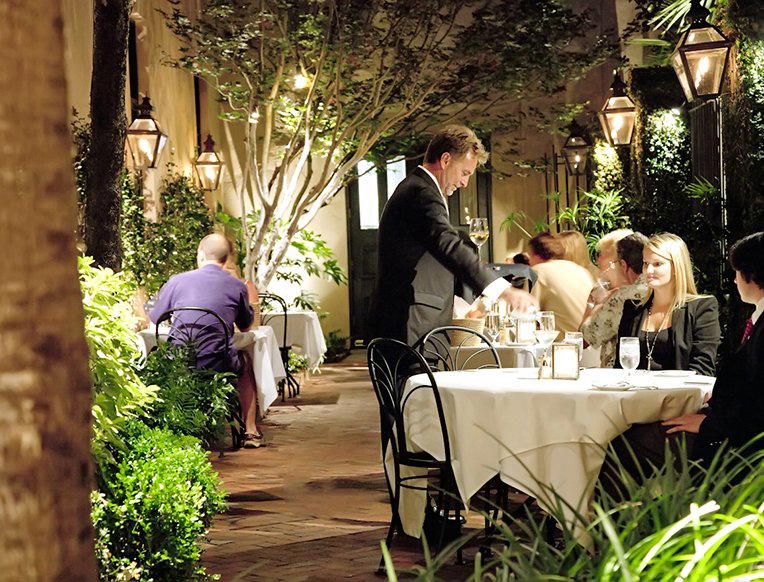
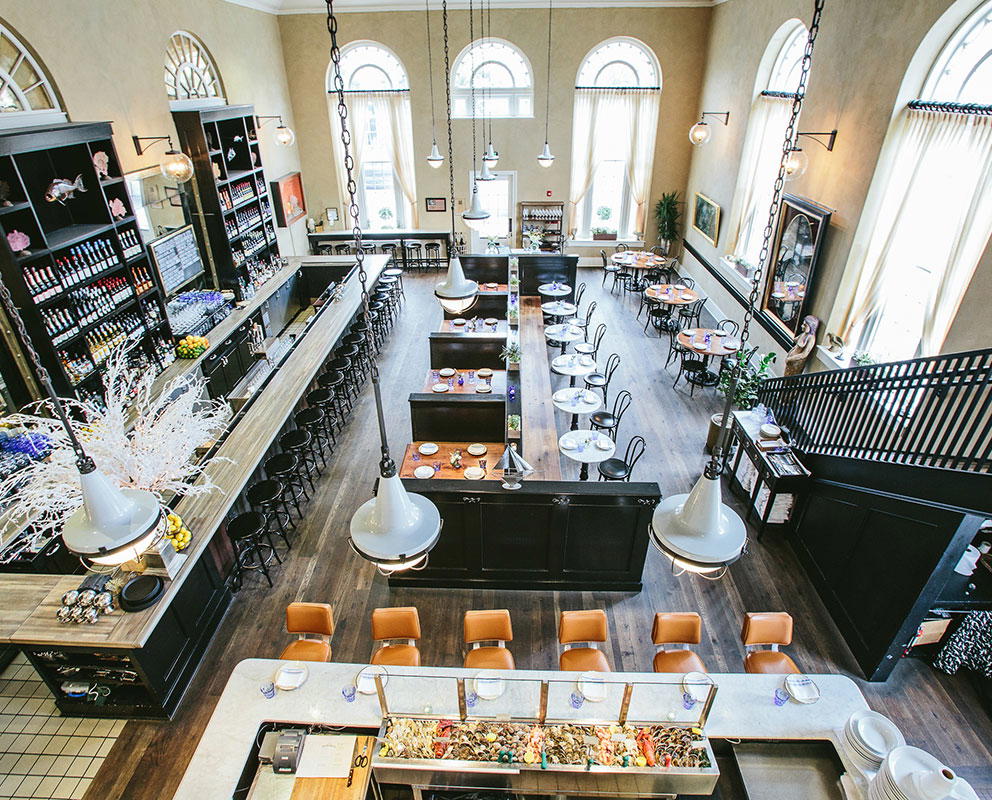
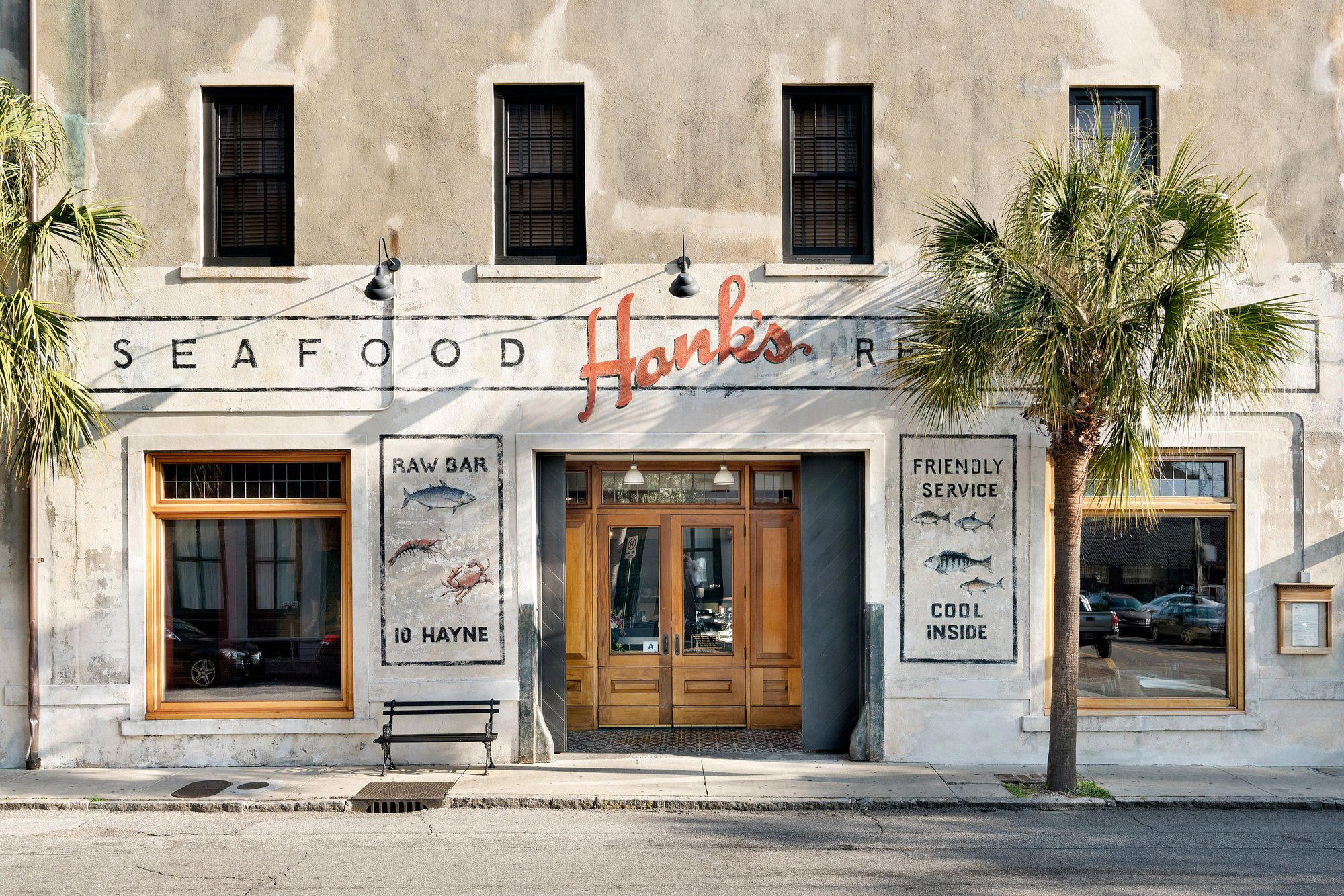
Queen Street in downtown Charleston is a block of antebellum architecture that has absorbed decades of restaurant openings, and Husk, inside a 19th-century building at number 76, sits at the point where the street's historic character and the city's contemporary dining ambitions most visibly intersect. The wrap-around porch, the worn wooden floors, the rooms that feel domestically scaled rather than purpose-built for volume: the physical environment signals something particular about how Southern cooking has been reframed in Charleston over the past fifteen years. It is not a modernist dining room trying to distance itself from its ingredients. The setting insists on continuity with the region it cooks from.
That continuity is the actual story. Charleston has become one of the most closely watched cities in American dining precisely because a cluster of restaurants here, including Rodney Scott's BBQ, 167 Raw, and Lowland, demonstrated that regional specificity could command national critical attention without conceding ground to tasting-menu formalism. Husk has been a reference point in that argument since it opened, and its continued presence in major critical rankings suggests the argument has held.
A Sourcing Rule That Shaped a Genre
The founding discipline at Husk was blunt and verifiable: if an ingredient does not come from the South, it does not enter the kitchen. That constraint, established when the restaurant opened under chef Sean Brock (who has since left the restaurant group), was less a marketing position than a research program. It pushed the kitchen toward heirloom crops, historically documented recipes, and supplier relationships that most American restaurants had long abandoned. The effect on how Southern cuisine gets discussed in editorial and critical circles has been substantial. What Husk established, a framework in which the South's agricultural and culinary history became primary creative material rather than nostalgic backdrop, is now legible as an influence across a wider tier of American regional cooking, from Olamaie in Austin to Virtue in Chicago.
Chef Travis Grimes and Chef Ray England lead the kitchen today, operating within that founding framework. The menu changes to reflect what local farmers deliver, which means the menu at any given dinner is partly determined by the agricultural calendar rather than a fixed print schedule.
Critical Reception and Where It Sits in the Rankings
Consistent recognition from Opinionated About Dining across multiple years (Highly Recommended in 2023, #262 Casual in 2024, #256 Casual in 2025) places Husk in a different conversation than Charleston's broader restaurant scene. OAD's methodology, which weights critic and informed-diner votes heavily, tends to surface restaurants that perform for people who eat widely and critically. Maintaining that visibility across three consecutive years, in a category where rankings shift significantly, suggests the kitchen is not coasting on the restaurant's founding reputation.
The comparison set implied by that ranking tier is instructive. At the national level, Husk sits in the company of American regional restaurants that have received sustained critical attention without migrating toward the multi-course tasting format that defines, say, Alinea in Chicago, The French Laundry in Napa, or Single Thread Farm in Healdsburg. The closest peer framing is restaurants like Lazy Bear in San Francisco, ambitious, regionally anchored, operating in an à la carte or loosely structured format with serious sourcing credentials. Within Charleston itself, Husk occupies a different register than Vern's (American Contemporary, $$$) or Malagón Mercado y Taperia (Spanish, $$), though all three represent the city's serious end. The cuisine pricing sits at $$, meaning a typical two-course dinner runs between $40 and $65 per person before wine, a price point that positions it as approachable for what the recognition tier implies.
The Wine Program
For a restaurant whose primary identity is rooted in Southern American ingredients, the wine list takes a different geographic reach: 200 selections, 1,500 bottles in inventory, with particular depth in California and France. The list prices at the $$ tier, indicating a range of entry and mid-level options alongside premium bottles, without the exclusively high-end composition that marks some comparably recognized programs. A $40 corkage fee applies for guests who bring their own bottle. Sommelier Megan Schneeberger manages the program, and the combination of list depth (1,500 inventory) with a moderate markup position suggests the list is intended to reward exploration rather than default to predictable by-the-glass pours.
Planning Your Visit
Husk serves dinner Tuesday through Friday from 5 to 10 pm, with Saturday and Sunday extending to include a brunch service from 10 am to 2 pm. The restaurant is closed Mondays. The address is 76 Queen St in downtown Charleston, within the historic district and walkable from most of the area's hotels. For planning the broader Charleston stay, the EP Club guides to Charleston restaurants, Charleston hotels, Charleston bars, Charleston wineries, and Charleston experiences cover the wider picture. Visitors interested in Southern food beyond Husk's register should note that Charleston supports a range of approaches to the same tradition, Rodney Scott's BBQ operates at the whole-hog, wood-fire end, while Lowland explores coastal Southern cooking in a different format.
The restaurant also appeared on Chef's Table, Volume 6, Episode 4, a reference point that brought the founding philosophy to a broader international audience and remains part of how many visitors first encounter the Husk story before arriving in Charleston.
Frequently asked questions
When can I go to Husk?
Hours at Husk: Hours: Monday 5–10 pm Tuesday 5–10 pm Wednesday 5–10 pm Thursday 5–10 pm Friday 5–10 pm Saturday 10 am–2 pm, 5–10 pm Sunday 10 am–2 pm, 5–10 pm.
At a Glance
| Venue | Cuisine | Price | Awards | Notes |
|---|---|---|---|---|
| HuskThis venue (the venue you are viewing) | Elevated Southern Farm-to-Table | Not listed | Wine Spectator Award of Excellence · Chef's Table Featured on Chef's Table | Not listed |
| Rodney Scott's BBQ | Whole-Hog South Carolina BBQ | $20–30 | Michelin Bib Gourmand · James Beard Award Best Chefs | Barbecue |
| 167 Raw | Modern Seafood Raw Bar | $50–100 | Not listed | Oyster Bar |
| Edmunds Oast | American Brewpub Gastropub | $30–50 | Not listed | New American |
| FIG | Southern Farm-to-Table Bistro | Not listed | Michelin Plate · James Beard Award Outstanding Wine Program | New American |
| Leon’s Oyster Shop | Lowcountry Seafood & Fried Chicken | $30–50 | Not listed | Seafood |
Recognition history
Dated appearances from independent guides and award organizations, with the underlying list record or original source where available.
Conde Nast Selected for 2026 Condé Nast Traveler Best Restaurants in Charleston
Conde Nast
Opinionated About Dining Casual in North America Recommended
Opinionated About Dining
Wine Spectator Award of Excellence
Wine Spectator
Chef's Table Featured on Chef's Table
Chef's Table
Robb Report 100 Greatest American Restaurants of the 21st Century #15
Robb Report
Full recognition history (11 entries)
Opinionated About Dining Casual in North America Ranked #52
Opinionated About Dining
Opinionated About Dining Casual in North America Ranked #256
Opinionated About Dining
Wine Spectator Award of Excellence
Wine Spectator
Opinionated About Dining Casual in North America Ranked #262
Opinionated About Dining
Opinionated About Dining Casual in North America Highly Recommended
Opinionated About Dining
Opinionated About Dining Gourmet Casual Dining in North America Ranked #36
Opinionated About Dining
Continue exploring
More in Charleston
Restaurants in Charleston
All restaurants in Charleston →
Bars in Charleston
All bars in Charleston →
Husk
The wine
Husk holds the Wine Spectator Award of Excellence, which Wine Spectator gives to lists of usually 90 or more selections.
- Wine Spectator
- Wine Spectator Award of Excellence
- Selections
- 200
- Bottles in cellar
- 1,500
- List strengths
- California, France
- Extensive wine list
- Craft cocktails
Details
- Elegant
- Rustic
- Cozy
- Sophisticated
- Intimate
- Date Night
- Special Occasion
- Celebration
- Historic Building
- Open Kitchen
- Extensive Wine List
- Craft Cocktails
- Farm To Table
- Local Sourcing
- A La Carte
- Vegetarian Friendly
- Gluten Free Options
Current opening hours
- Monday
- 5–10 PM
- Tuesday
- 5–10 PM
- Wednesday
- 5–10 PM
- Thursday
- 5–10 PM
- Friday
- 5–11 PM
- Saturday
- 10 AM–2 PM, 5–11 PM
- Sunday
- 10 AM–2 PM, 5–10 PM
Hours can change for holidays and private events. Last verified .
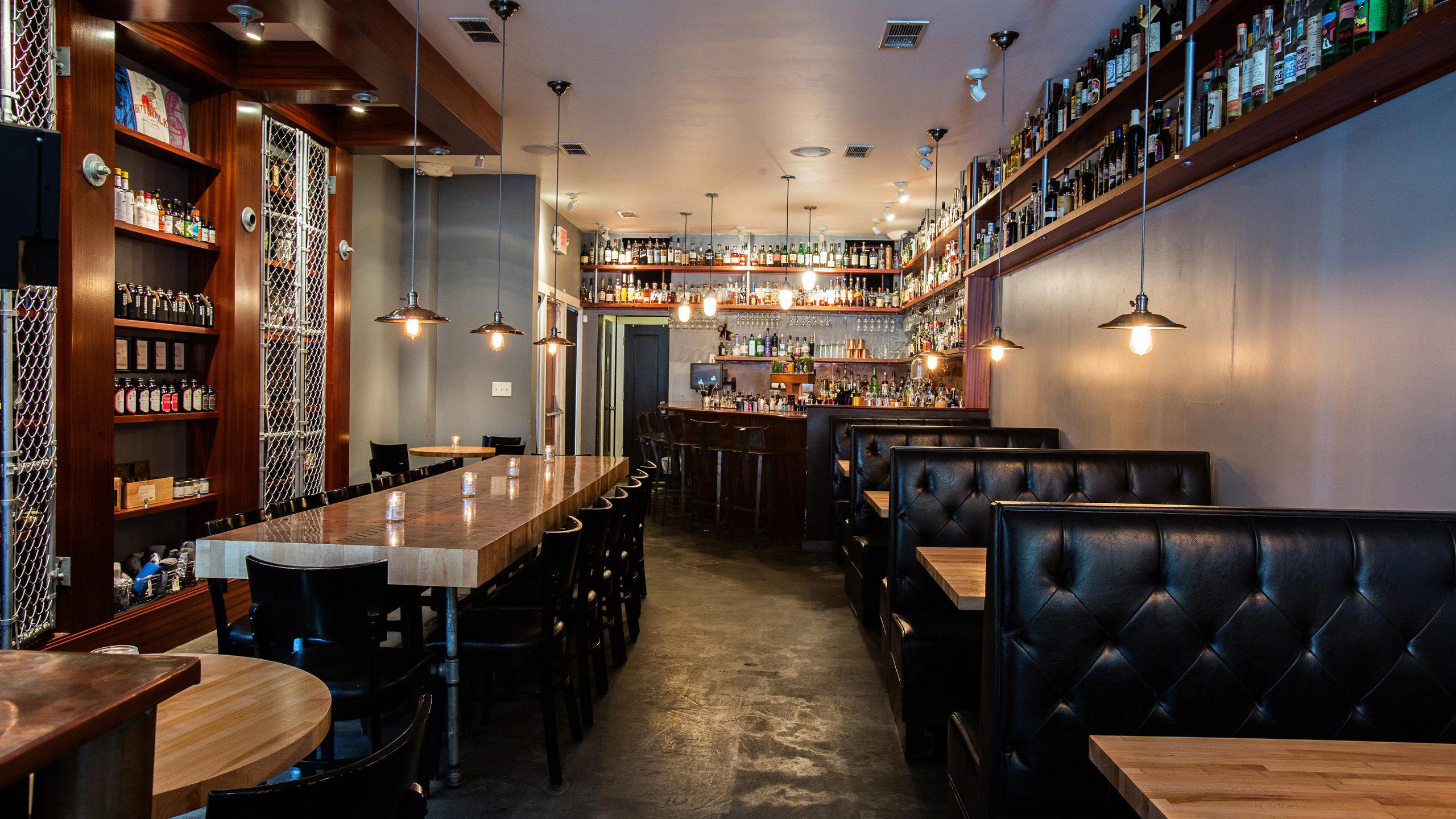
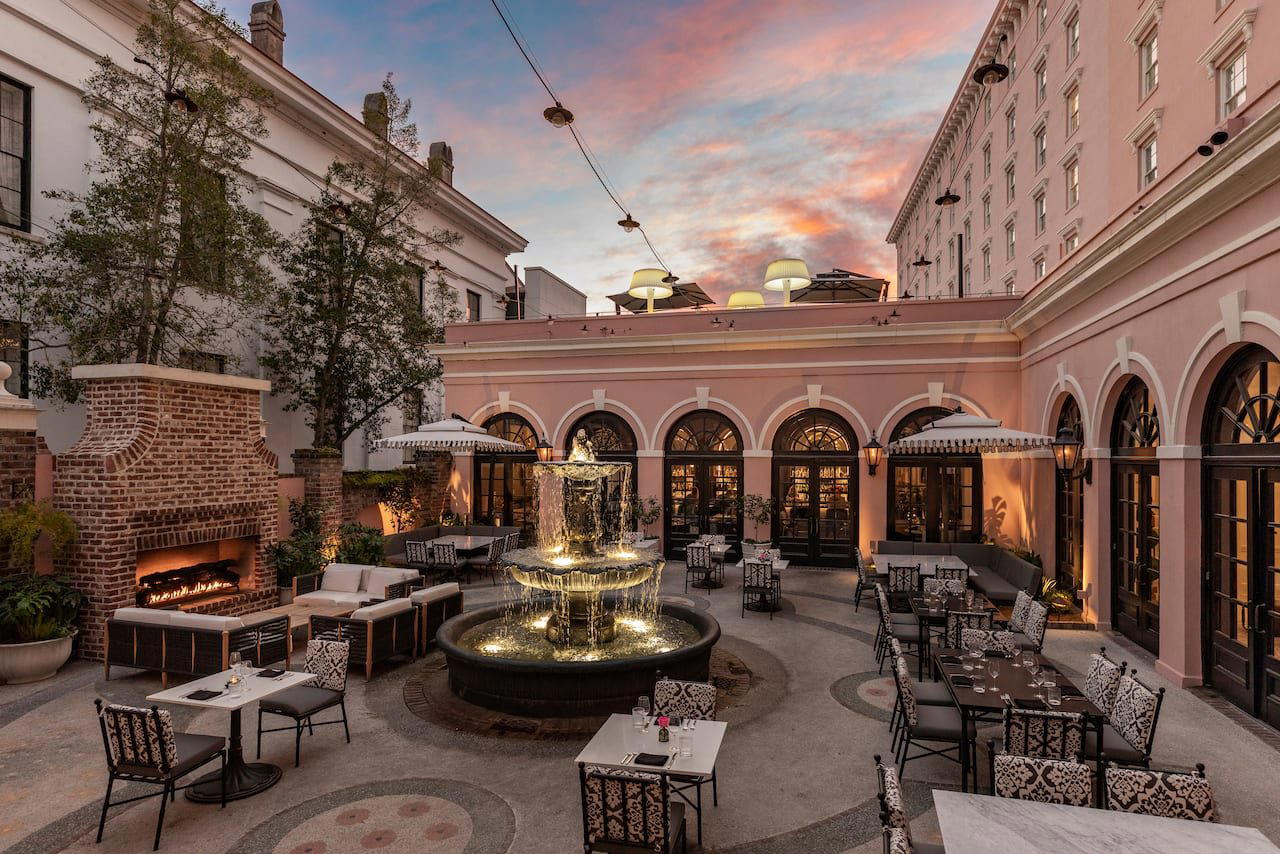
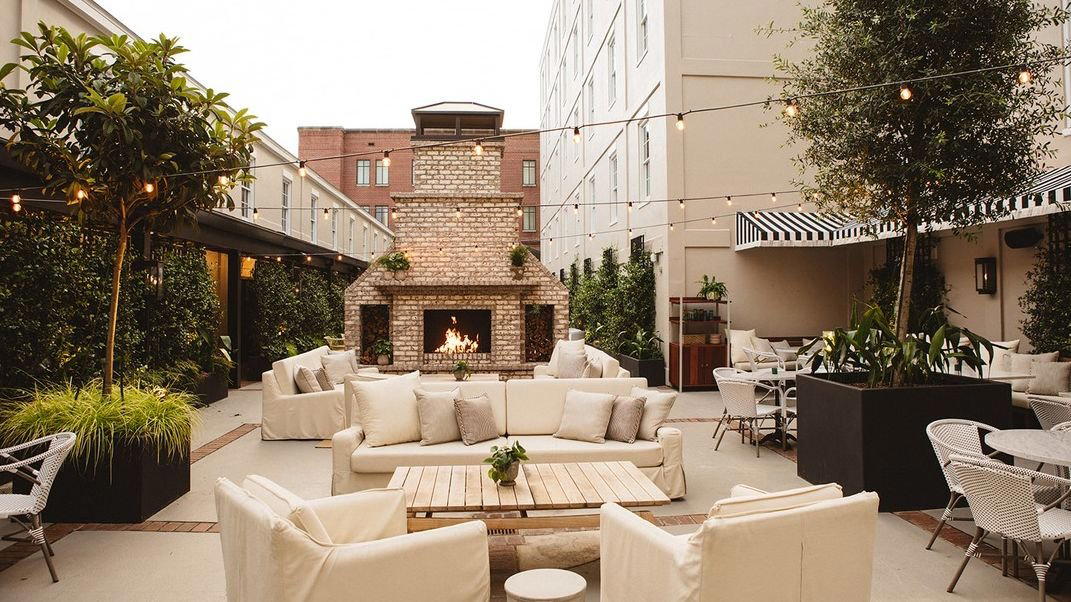
Serene and beautiful with relaxing light, contemporary dining rooms in a historic 1800s home, busy yet quiet enough for table conversation.