babas on cannon

Babas on Cannon occupies a modest address on the lower peninsula at 11 Cannon St, operating within Charleston's tightly contested craft bar scene. The program leans into spirits curation and considered pours rather than spectacle, positioning it closer to the serious back-bar tradition than the city's more tourist-facing cocktail rooms. A focused visit rewards drinkers who arrive with curiosity rather than a checklist.

Pearl is the En Primeur Club membership app, where members save venues, book tables and use the concierge.
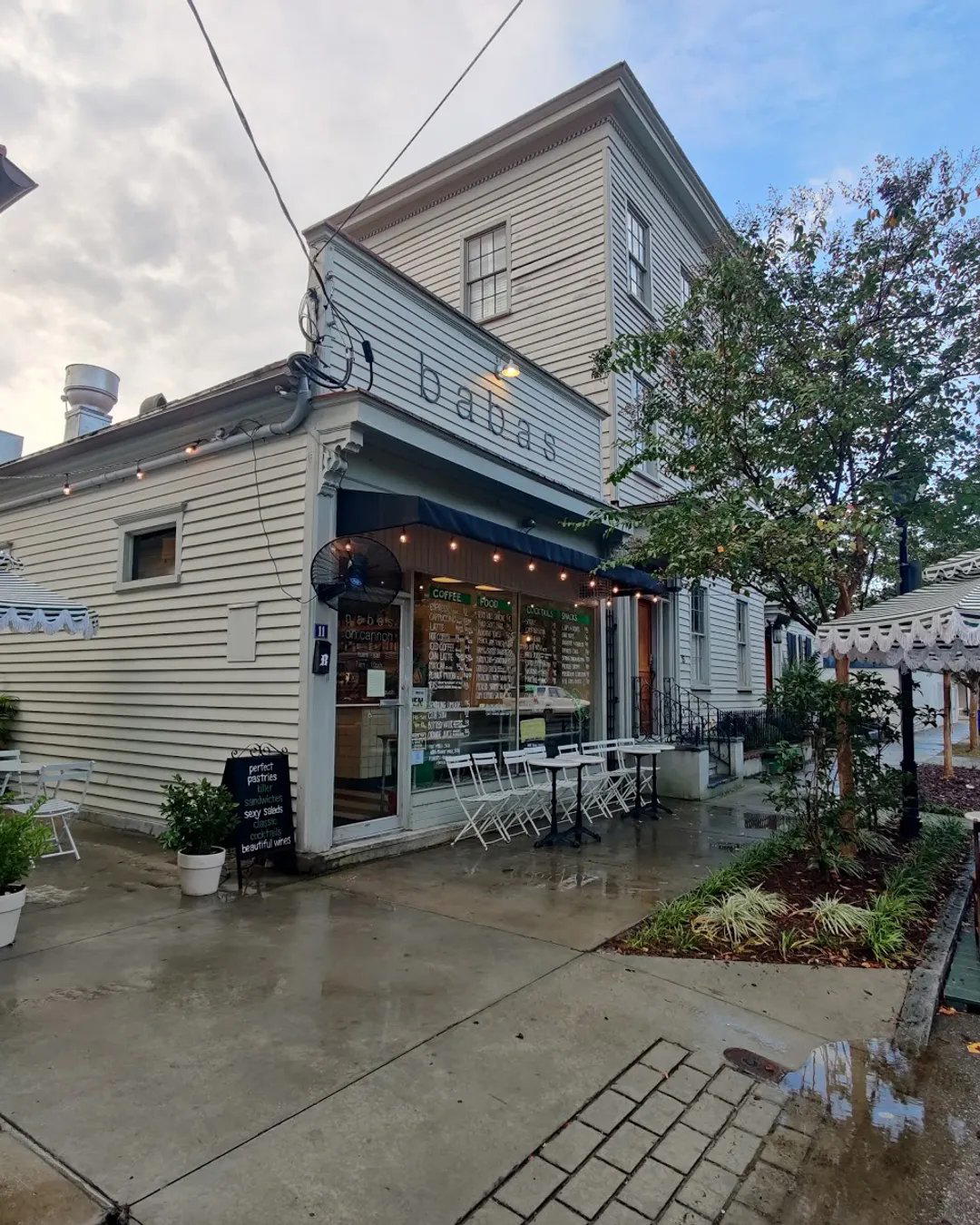
Cannon Street and the Charleston Bar Tier
Charleston's drinking culture has matured considerably over the past decade, splitting into two recognizable camps: the high-volume, tourism-adjacent cocktail bars anchored around the French Quarter and King Street corridors, and a smaller, quieter cohort of spirits-led rooms that attract a more local, repeat-visit crowd. Babas on Cannon, at 11 Cannon St in the lower peninsula, belongs to the second category. The address alone signals something: Cannon Street sits one block removed from the denser tourist flow, which tends to filter the clientele before the door even opens.
That geographic remove matters more than it might seem. In cities where bar real estate correlates directly with foot traffic, choosing a quieter block is an editorial statement about what kind of experience the room is building toward. The bars that plant themselves slightly off the main drag in Charleston, and there are several worth tracking, tend to be the ones investing in the back bar rather than the front-of-house spectacle. Babas fits that pattern.
The Back Bar as Curatorial Argument
The serious bar programs in Charleston's current generation share a common trait: the spirits selection functions as a point of view, not just an inventory. At its better operators, what sits on the shelves communicates the room's priorities more directly than any menu copy. The question for any spirits-led bar is always whether the curation reflects genuine knowledge and sourcing discipline, or whether it defaults to the same premium-brand lineup found at every hotel lobby bar from here to Houston.
Babas on Cannon occupies the lower peninsula at a moment when Charleston drinkers have more reference points than ever. The Cocktail Club has long anchored the technical cocktail conversation in the city, while 39 Rue de Jean plays to a French bistro register that blends food and drink more fluidly. 82 Queen and Bar Marti (cocktails and light poolside fare) operate at different points on the hospitality spectrum. Against that backdrop, a room that positions itself through spirits depth rather than format novelty is making a considered bet on a specific drinker: one who reads the back bar before reading the menu.
That approach has precedent in other American cities. ABV in San Francisco built its reputation on an amaro and spirits list that functions almost as a reference library. Kumiko in Chicago uses Japanese whisky and liqueur curation as structural scaffolding for the whole program. Bar Leather Apron in Honolulu demonstrates that serious whisky focus can sustain a room in a market dominated by tropical drinks. Babas on Cannon draws from this tradition of American bars where the bottle selection carries as much argumentative weight as the cocktail list.
What the Format Communicates
Bars that operate in a lower-key register, away from the DJ booth and the Instagram-optimized neon signage, typically succeed or fail on the quality of the conversation between the drinker and the program. This is the format Babas appears to be working within. Rooms like this depend on staff who can translate the back bar into usable guidance: explaining the difference between an agricole and a molasses rum isn't optional here, it's the service model.
Nationally, the bars that have sustained this approach over multiple years share certain structural features: they book or fill through word-of-mouth more than marketing, they develop a regular clientele faster than high-turnover venues, and they tend to attract drinkers who return specifically to work through the spirits list rather than to repeat a cocktail order. Jewel of the South in New Orleans built exactly this kind of loyal return audience through its commitment to historic cocktail research and spirits sourcing. Julep in Houston demonstrated that a Southern spirits focus, whiskey, particularly, can anchor an entire program with enough specificity to create genuine authority. Superbueno in New York City and The Parlour in Frankfurt on the Main each show how a focused spirits argument translates across different markets and drinking cultures.
Babas on Cannon is working within this broader shift in American bar culture: away from concept-driven theatrical formats and toward programs where the quality of what's in the glass justifies the visit on its own terms.
Planning a Visit
The bar sits at 11 Cannon St, Charleston, SC 29403, within walking distance of the lower peninsula's main accommodation and dining cluster. For visitors already cross-referencing Charleston's bar scene, pairing Babas with one of the King Street rooms makes geographic sense, the walk between them is short enough to allow a considered evening across two different program styles. Hours, booking policy, and pricing are best confirmed directly before visiting, as operational details at this scale of operation can shift without broad publication. Our full Charleston restaurants guide maps the wider scene for context on where Babas fits relative to the city's other serious drinking rooms.
The lower peninsula remains Charleston's most walkable zone for bar-hopping, which means a visit to Babas rarely needs to be the only stop of the evening, but it rewards being the deliberate one, the stop where the order is driven by curiosity about what's on the shelf rather than defaulting to a familiar name.
Cost and Credentials
A small set of peers for context, based on recorded venue fields.
| Venue | Price | Awards |
|---|---|---|
| babas on cannonThis venue (the venue you are viewing) | $20–30 | Not listed |
| The Cocktail Club | $30–50 | World's 50 Best #12 · Top 500 Bars Best Bars #459 |
| Doar Bros | $30–50 | Not listed |
| Graft Wine Shop & Wine Bar | $20–30 | James Beard Award Semi Finalist |
| The Gin Joint | $20–30 | Not listed |
Recognition history
Dated appearances from independent guides and award organizations, with the underlying list record or original source where available.
Conde Nast Selected for 2026 Condé Nast Traveler Best Restaurants in Charleston
Conde Nast
Continue exploring
More in Charleston
Bars in Charleston
All bars in Charleston →
babas on cannon
The drinks
- Craft cocktails
Signature drinks: Jack Rose Fizz, Babas Gin and Tonic, Caffè Corretto.
Details
- Cozy
- Elegant
- Classic
- Rustic
- After Work
- Casual Hangout
- Date Night
- Historic Building
- Standalone
- Design Destination
- Seated Bar
- Outdoor Terrace
- Counter Only
- Craft Cocktails
- Conventional Wine
- Low Abv
- Street Scene
Current opening hours
- Monday
- Closed
- Tuesday
- 7 AM–8 PM
- Wednesday
- 7 AM–8 PM
- Thursday
- 7 AM–8 PM
- Friday
- 7 AM–10 PM
- Saturday
- 7 AM–10 PM
- Sunday
- 7 AM–6 PM
Hours can change for holidays and private events. Last verified .
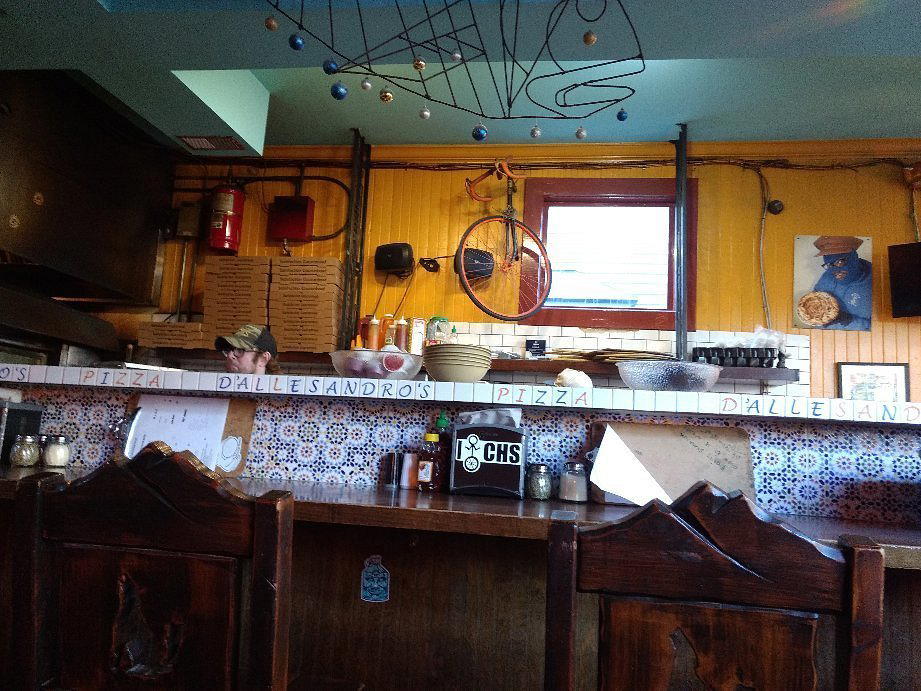
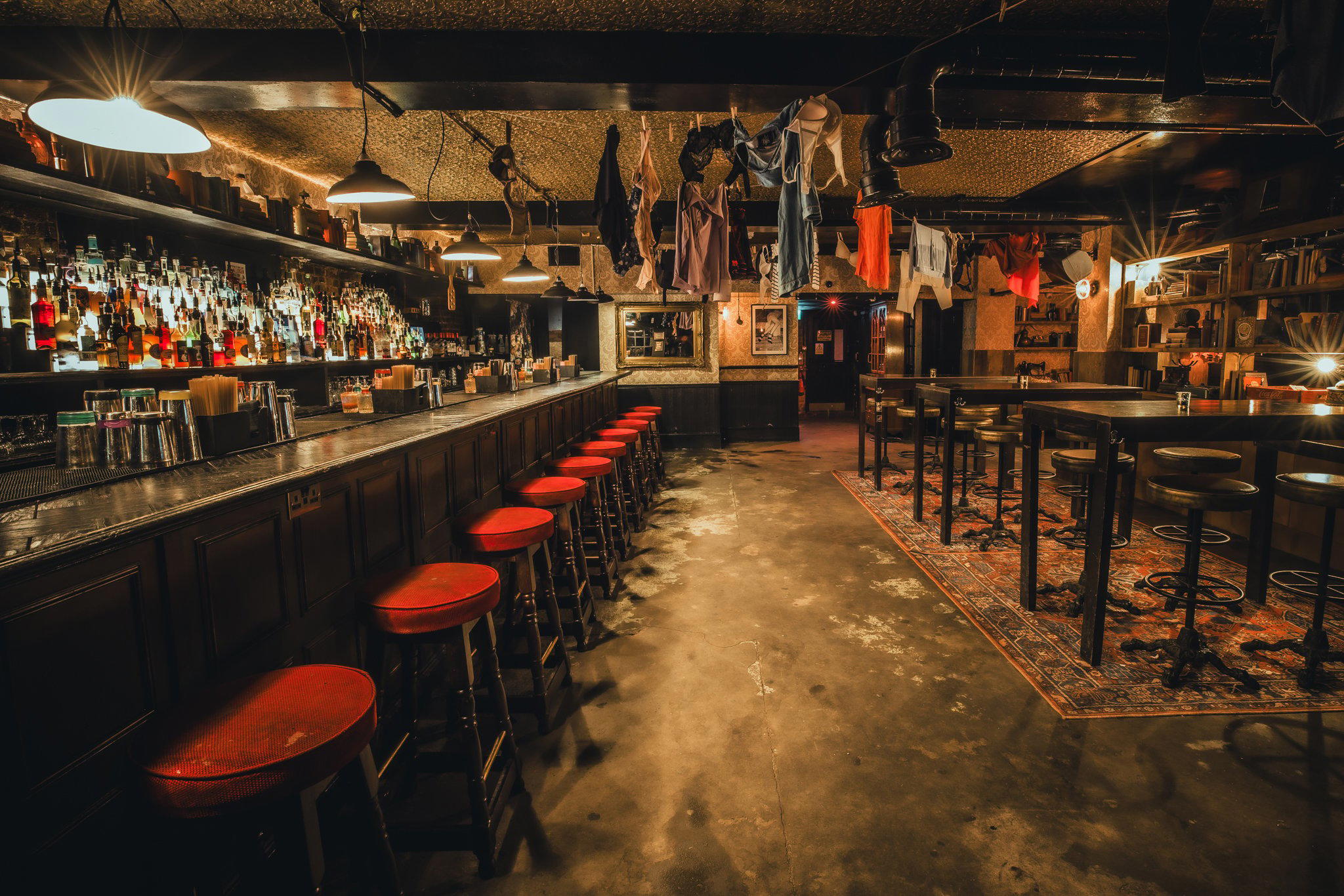
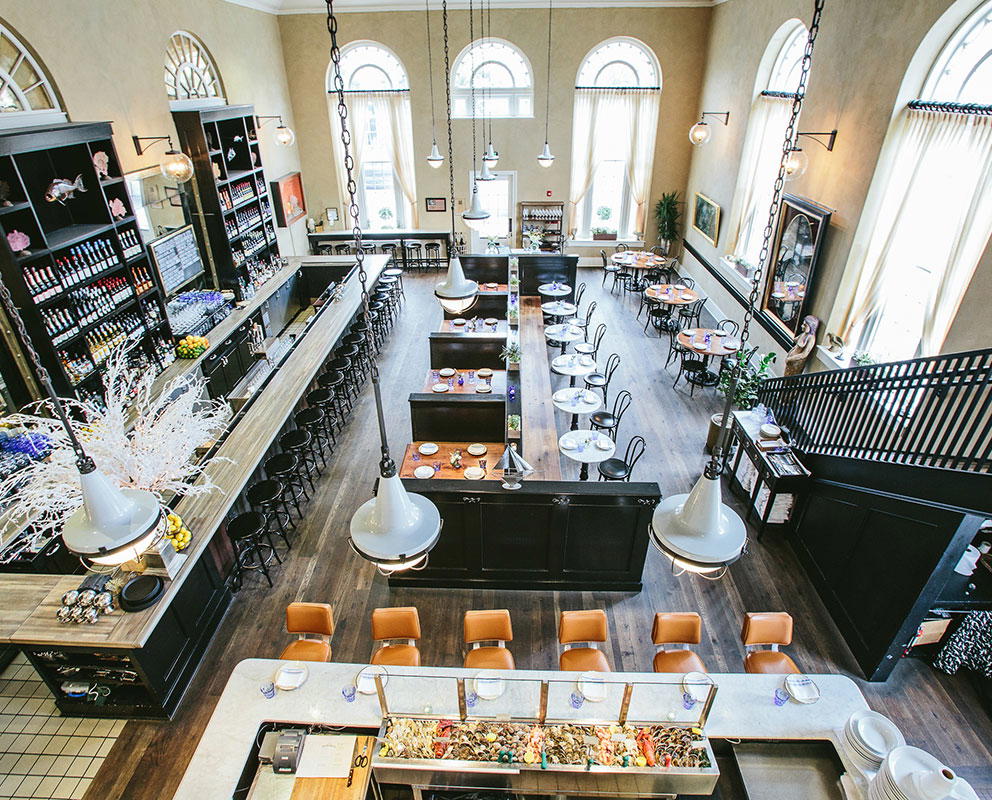
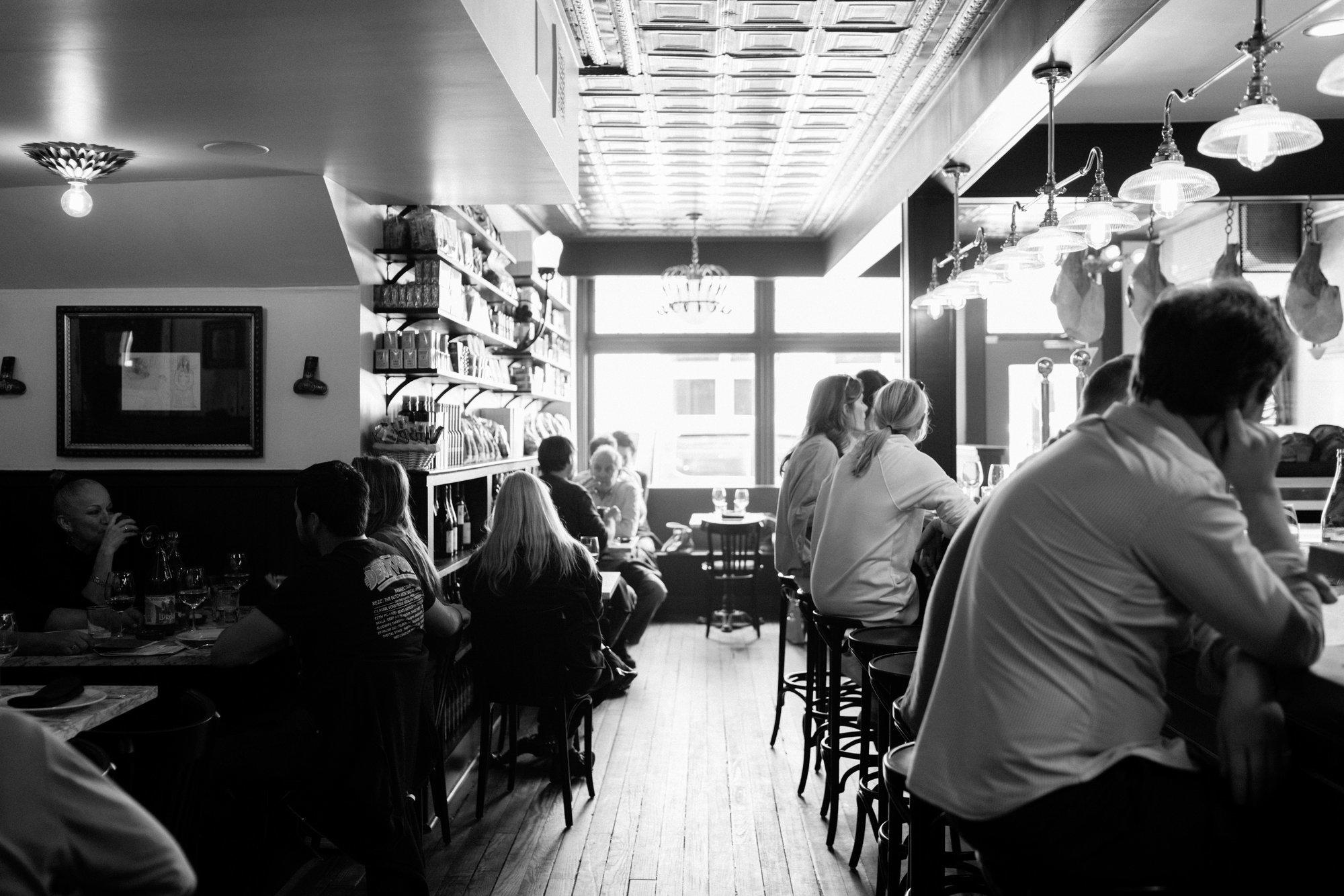
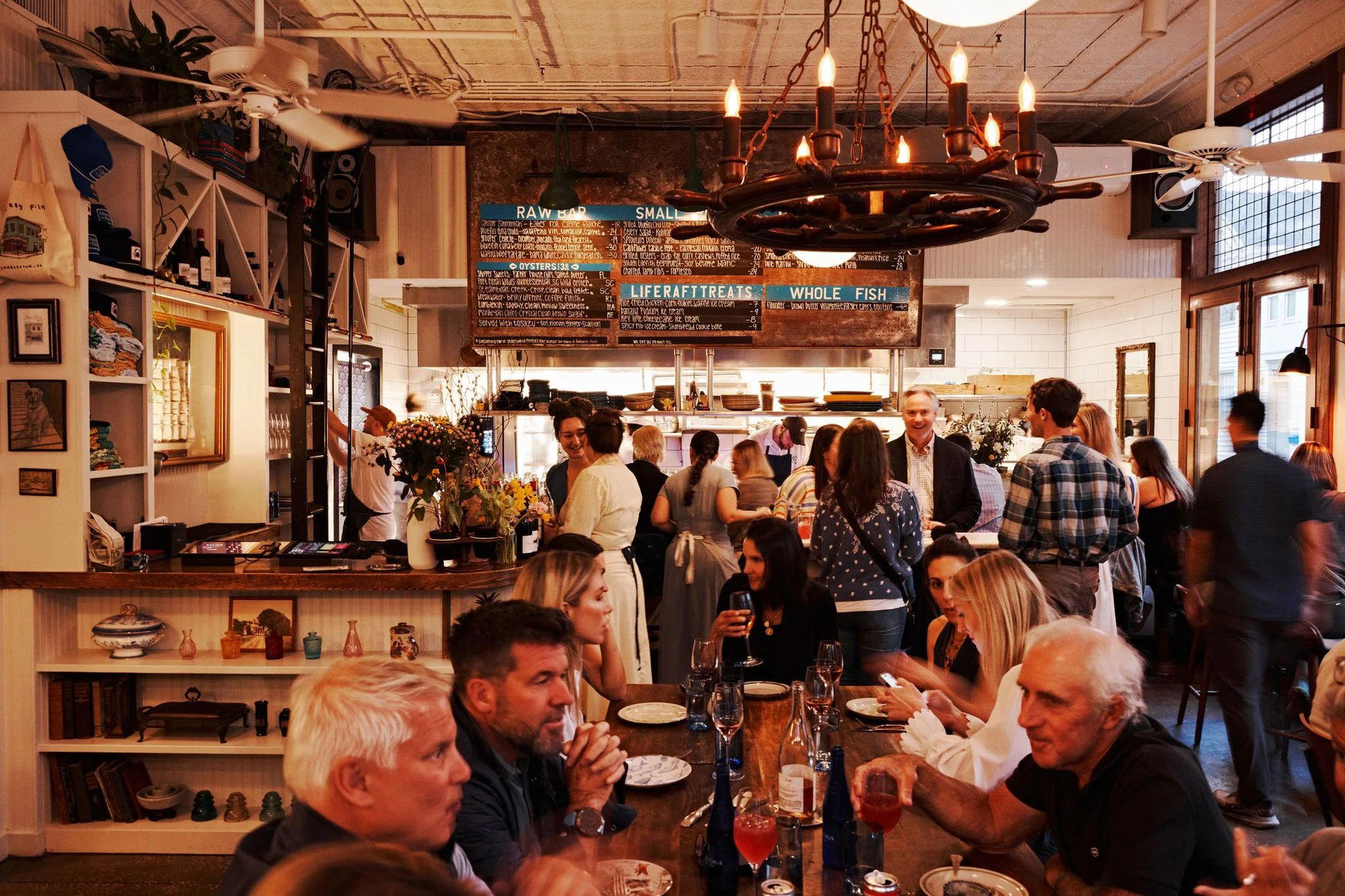
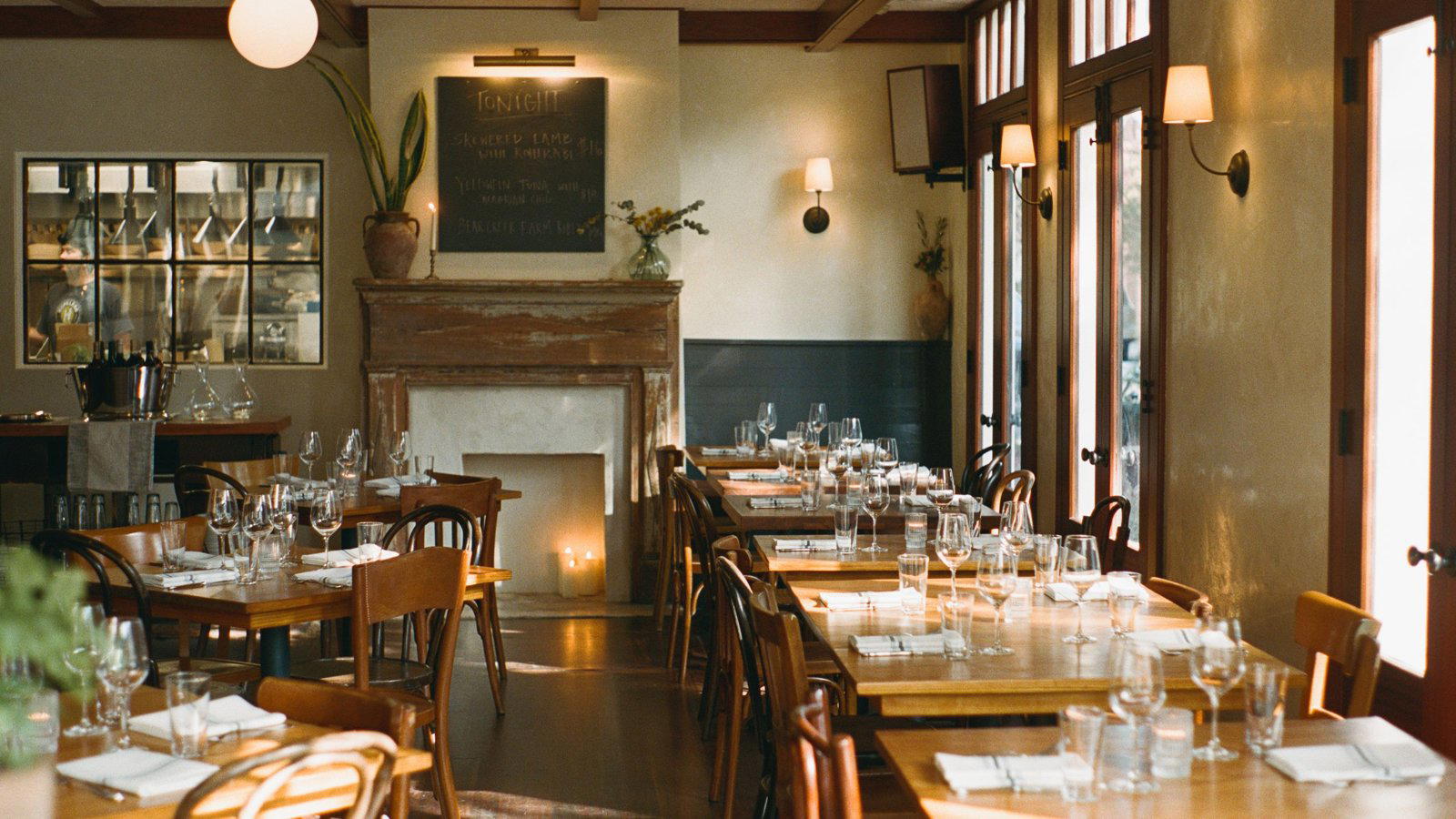
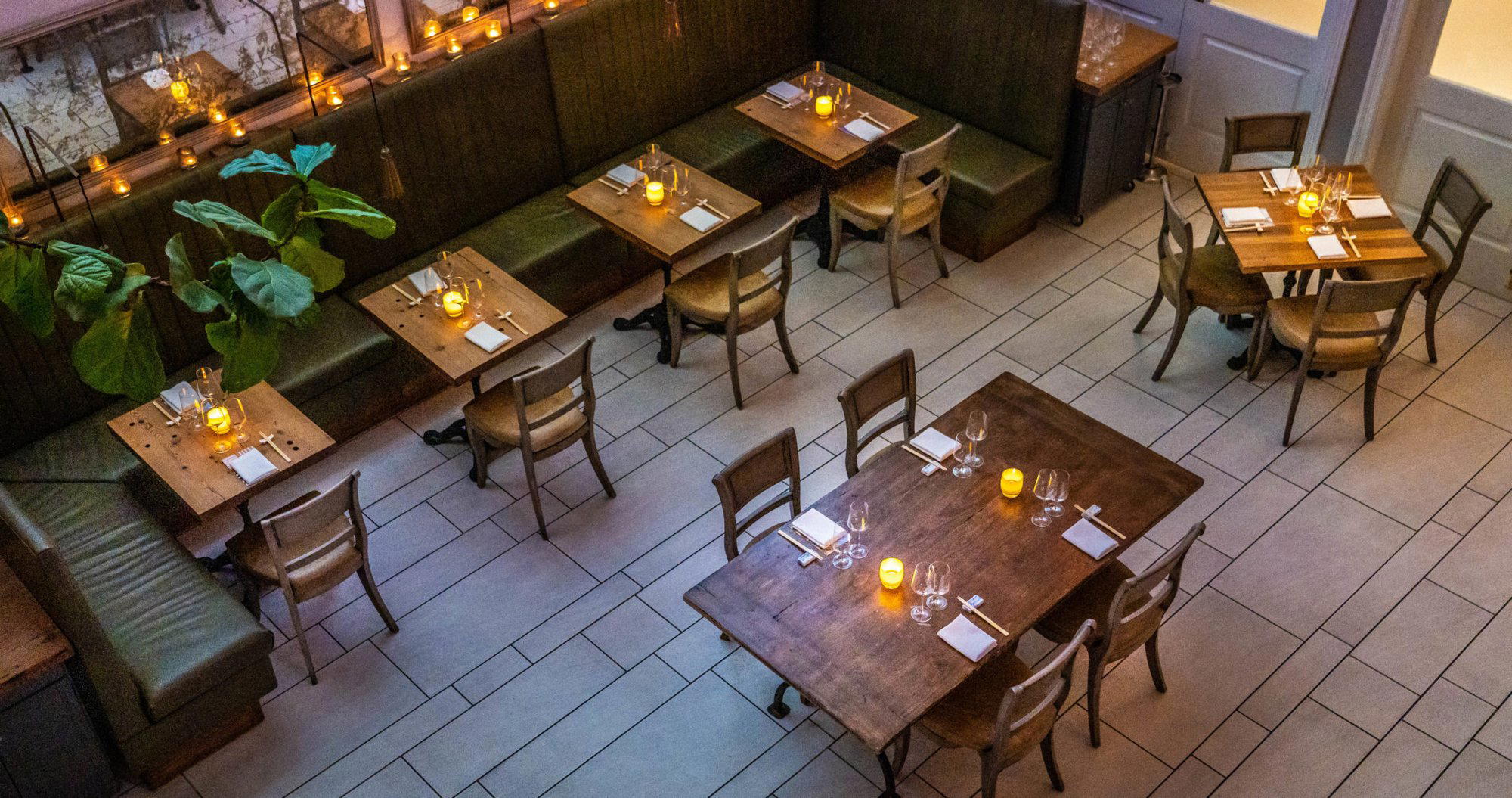
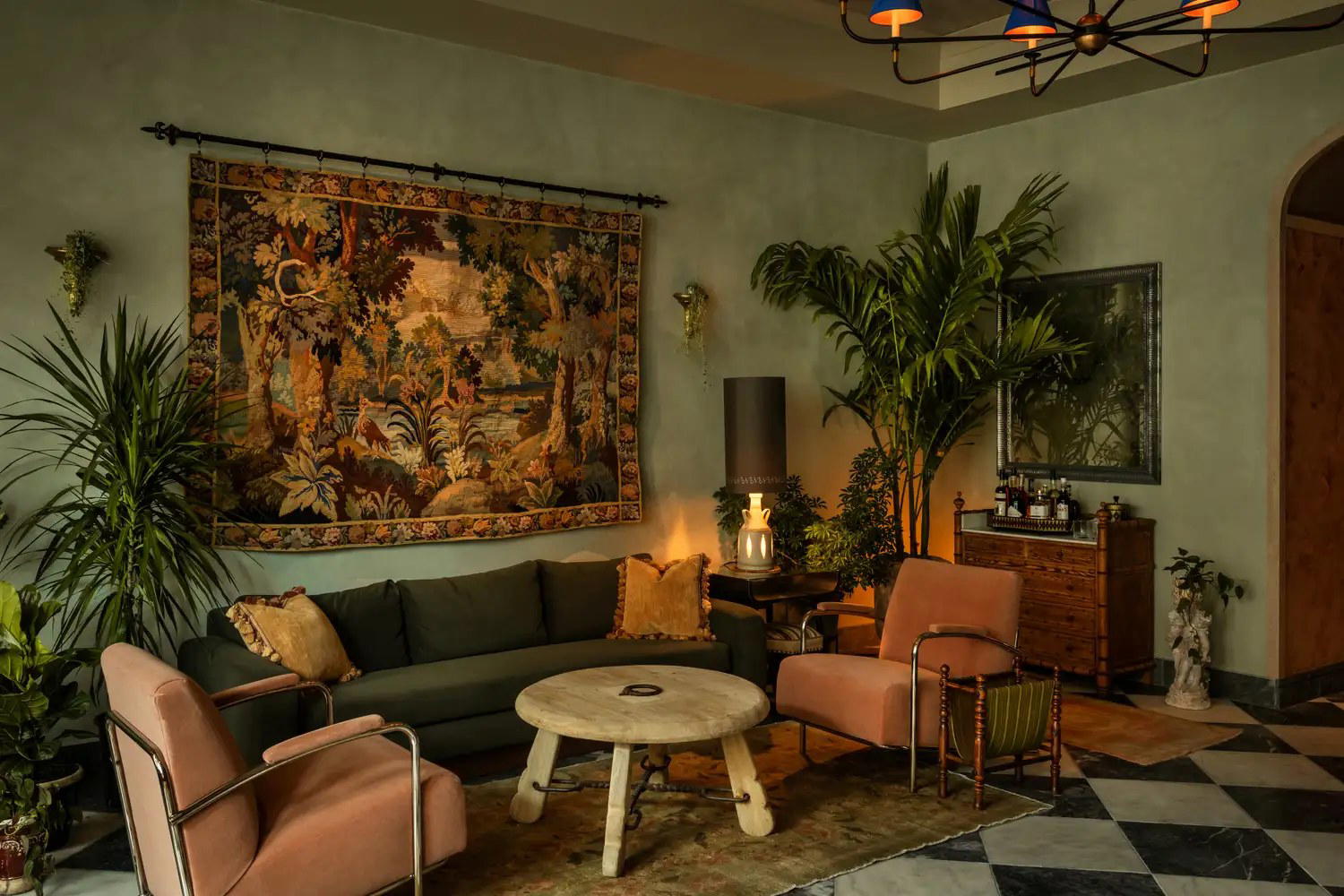
Rustic Continental charm with white-tiled walls, limited intimate seating, and a distinctly old-world European café aesthetic that evokes daily rituals of respite.