1010 Bridge
Our verdict
1010 Bridge sits on Bridge Road in Charleston, West Virginia, occupying a dining tier where regional American cooking meets considered service. The venue's address and name share a certain literalism that signals something deliberate about its positioning. For context on where it fits within Charleston's wider dining scene, the full EP Club guide covers the city's restaurant spectrum in detail.

Pearl is the En Primeur Club membership app, where members save venues, book tables and use the concierge.
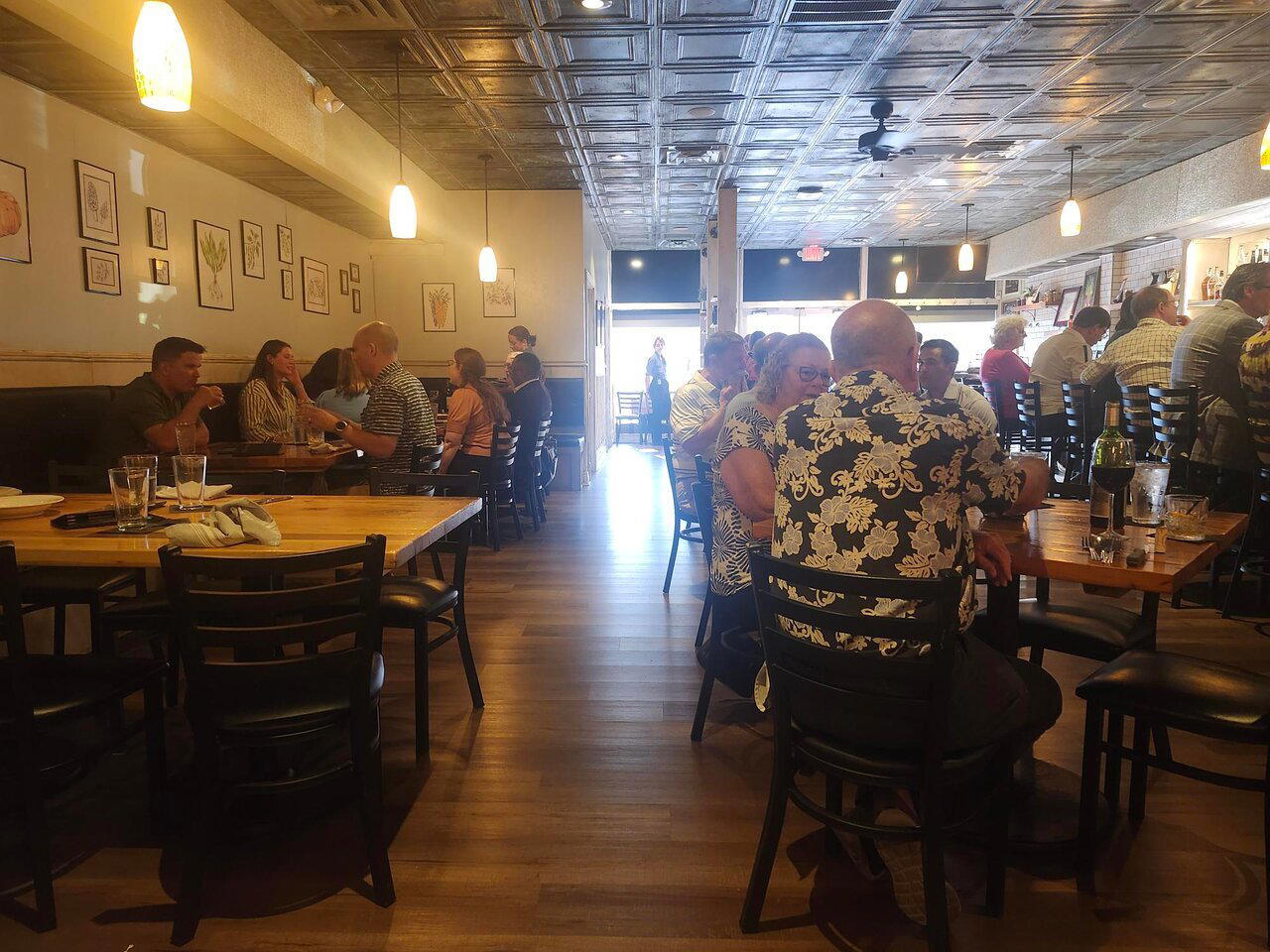
A Particular Kind of Address
Charleston, West Virginia operates on a different register than its South Carolina namesake. The dining culture here has historically tracked the rhythms of the Kanawha Valley rather than coastal tourism, which shapes what restaurants can be and who they serve. On Bridge Road, at the number that gives 1010 Bridge its name, that civic context is part of the frame before you even open a door. The address is not decorative, it places this restaurant squarely within a mid-city corridor that has seen incremental but genuine investment in food and hospitality over the past decade.
That kind of specificity matters when reading a menu. Restaurants that name themselves after a street number and a road are typically making a statement about rootedness: the implication is that the place belongs to its coordinates, not to a broader trend or a travelling concept. Whether that promise holds depends on what arrives at the table, and the structure of the menu is usually the first signal.
Reading the Menu as Architecture
The way a menu is built tells you nearly as much as what it contains. At the tier 1010 Bridge occupies on Bridge Road, the structural choices, how many courses, whether the kitchen offers a fixed progression or a wide à la carte spread, whether proteins anchor or vegetables lead, reveal the kitchen's priorities and its read of the local diner. In the American interior, where dining rooms still tend to reward familiar formats over experimentation, menus that push too far from legible categories can lose rooms quickly. The question for a restaurant like this is how much architecture sits beneath a surface that reads as approachable.
Regional American kitchens at this level generally operate in one of two modes. The first is the ingredient-led, seasonally adjusted approach that has defined serious New American cooking since the early 2000s, a lineage that runs from Blue Hill at Stone Barns in Tarrytown through Single Thread Farm in Healdsburg and finds its most technically exacting expression at places like The French Laundry in Napa. The second is the comfort-anchored regional format, where the menu's architecture exists to make the diner feel at home rather than educated. Both are legitimate, and neither is easier to execute well.
What separates good versions of either approach from routine ones is coherence: whether the menu's sections speak to each other, whether the pricing logic holds across courses, and whether the kitchen is doing the same thing at the end of service that it was doing at the beginning. These are the standards against which any serious dining room is measured, regardless of city or format.
Where 1010 Bridge Sits in the Regional Picture
West Virginia's dining scene has not received the same editorial attention as South Carolina's Charleston, where restaurants like Vern's and Lowland operate in a nationally competitive context, and where the oyster bar tradition at 167 Raw or the whole-hog legacy of Rodney Scott's BBQ give local dining a legible identity with national reach. Charleston, WV exists outside that frame, which means its restaurants are evaluated on different terms, primarily by a local audience with consistent expectations rather than an itinerant one with comparative notes from coastal cities.
That insulation can be a strength. Restaurants in secondary markets that are not competing for the attention of out-of-town critics often develop a tighter relationship with their actual communities. The risk is that the absence of external pressure reduces the incentive for precision. For a sense of how that tension plays out at the highest level of American fine dining, the range from Alinea in Chicago and Atomix in New York City to Providence in Los Angeles and Addison in San Diego illustrates how differently that ambition can be expressed by geography and format.
1010 Bridge operates well below that tier in terms of public profile, but the structural logic of menu-building and service sequence that defines those rooms applies at every level of the category. The question of what a kitchen chooses to put on a menu, and in what order, and at what price, is never trivial.
The Wider Charleston, WV Dining Context
Bridge Road's dining options sit within a city that has historically centered its food culture on steakhouses, casual American dining, and the kind of comfort-driven menus that follow industrial and political economies rather than coastal food trends. That context does not preclude serious cooking, some of the most technically capable regional American kitchens operate in exactly this kind of city, away from the noise of major food media markets. For comparison across different registers of the American dining tradition, rooms like Le Bernardin in New York City, Emeril's in New Orleans, and The Inn at Little Washington each demonstrate how regional identity and technical ambition can coexist at different scales and in different markets. Lazy Bear in San Francisco and 8 1/2 Otto e Mezzo Bombana in Hong Kong extend that spectrum internationally, as does the Spanish small-plates format at Malagón Mercado y Taperia in South Carolina's Charleston, where menu architecture follows a sharing logic rather than a linear course progression.
For anyone building a picture of how 1010 Bridge positions itself within its own city's options, the most useful frame is not the national one but the local one: what else is available on Bridge Road and the corridors adjacent to it, and what gap does this restaurant's menu and format address. That is the relevant competitive set, and it is the one that determines whether a restaurant like this builds a durable following or remains a single-visit curiosity.
Planning a Visit
For a broader orientation to the city's dining options and neighbourhood character, our full Charleston restaurants guide covers the spectrum from casual to considered across the city's main dining corridors.
Frequently asked questions
What part of town is 1010 Bridge in?
1010 Bridge is located at 1010 Bridge Rd, Charleston, WV 25314, Charleston.
Is 1010 Bridge on Bridge Road in Charleston, WV suitable for a business dinner?
1010 Bridge sits on Bridge Road in Charleston, West Virginia's capital city, which historically supports a dining culture built around steakhouses and American sit-down formats, settings that have long served the city's professional and business community.
What's the best thing to order at 1010 Bridge?
At American regional rooms in mid-size Appalachian cities, the most reliable ordering strategy is to anchor on whatever the kitchen names first on the menu, those items tend to reflect house identity rather than filler. check the venue's official channels for current menu details before visiting.
How hard is it to get a table at 1010 Bridge?
Reservation demand at 1010 Bridge hasn't been publicly documented in a way that allows a reliable assessment. Charleston, WV operates as a smaller regional market than coastal dining cities, which typically means less competition for tables at most address tiers. Calling ahead remains the most practical approach given the absence of a verified online booking presence for this location.
Recognition Snapshot
Comparable venues nearby, for context on price, style, and recognition.
| Venue | Cuisine | Price | Notes |
|---|---|---|---|
| 1010 BridgeThis venue (the venue you are viewing) | Appalachian New Americana | Not listed | Not listed |
| Laury's Restaurant | Contemporary American Steakhouse with French Infusion and Seafood | $50–100 | Downtown |
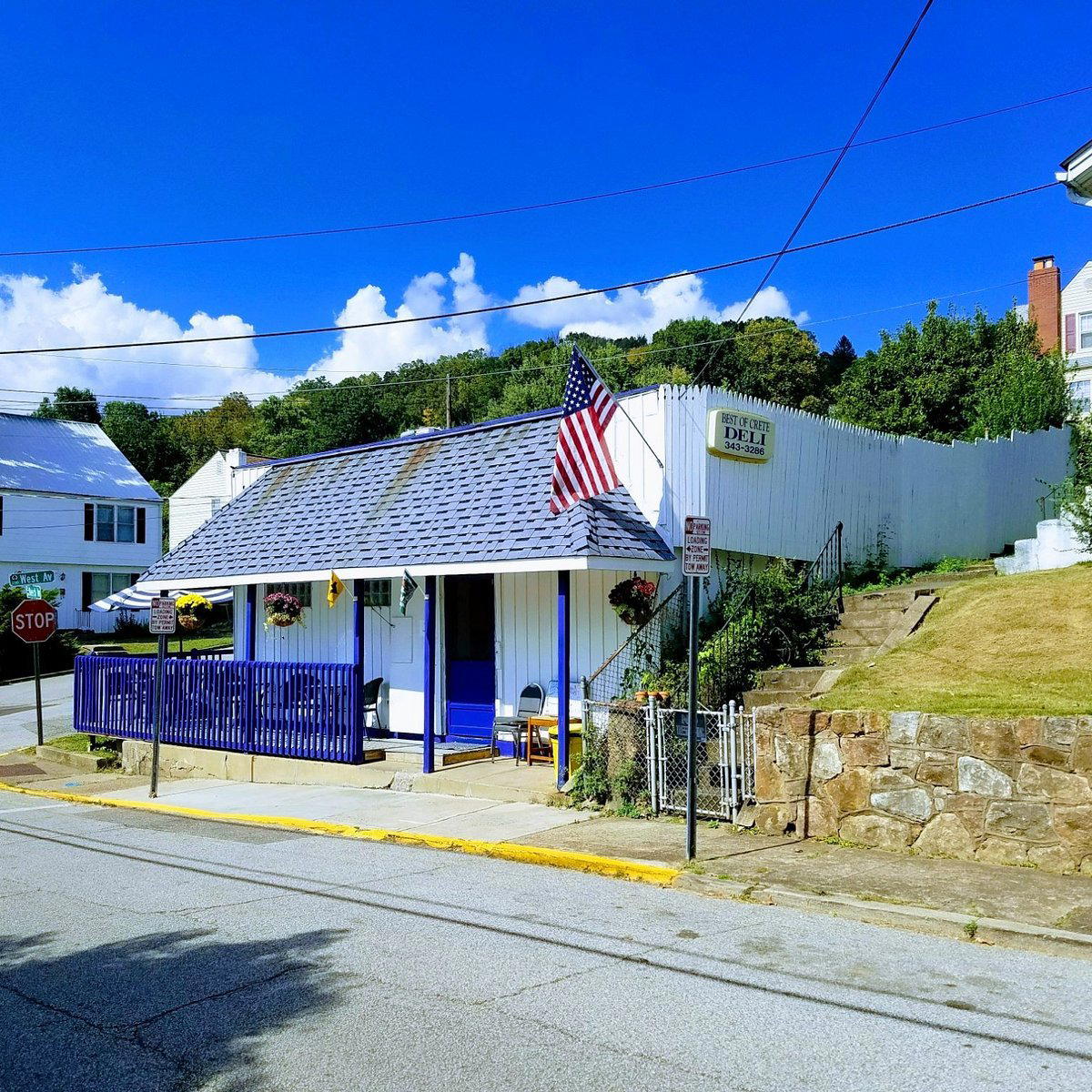
| Best of Crete Deli | Greek Deli | $10–20 | Downtown Charleston |
| Brooks Run Mining Co | American Mining Canteen | Not listed | Cucumber |
| Lot 12 Public House | Seasonal Upscale Comfort American | $50–100 | Downtown Berkeley Springs |
| Appalachia Kitchen | Farm-to-Table Modern American | $30–50 | Snowshoe Mountain Resort |
Continue exploring
More in Charleston
Restaurants in Charleston
All restaurants in Charleston →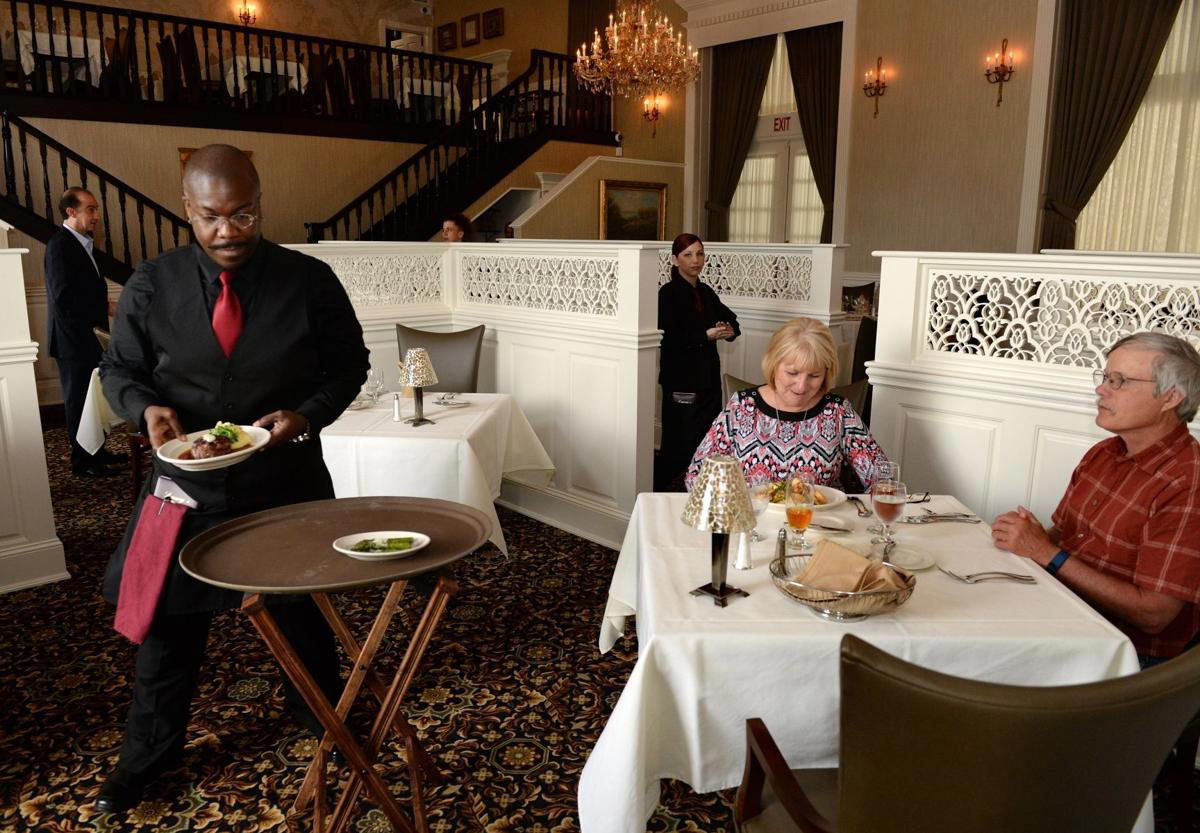
Details
- Elegant
- Cozy
- Sophisticated
- Date Night
- Special Occasion
- Open Kitchen
- Craft Cocktails
- Local Sourcing
- Farm To Table
- A La Carte
- Craft Cocktails
- Allergy Accommodating
Current opening hours
- Monday
- 4–10 PM
- Tuesday
- 4–10 PM
- Wednesday
- 4–10 PM
- Thursday
- 4–10 PM
- Friday
- 4–10 PM
- Saturday
- 4–10 PM
- Sunday
- Closed
Hours can change for holidays and private events. Hours as of .
Comfortable fine dining atmosphere that is fancy yet approachable, with a warm welcoming experience and a bit of lively energy.