Vern's



Vern's earned a Michelin star and a Resy Best of the Hit List nod in 2025, placing it among the more closely watched contemporary American tables in Charleston. Located on Bogard Street in the Upper Peninsula, it represents a strand of Charleston dining that leans into the set-menu format as an editorial statement rather than a hospitality convenience. For a city that built its reputation on coastal abundance, Vern's argues that structure and restraint can be just as defining.
Pearl is the En Primeur Club membership app — saves, bookings, and concierge access live there. Same editors, same standards.
- Address
- 41 Bogard St A, Charleston, SC 29403
- Website
- vernschs.com
- Directions
- Get directions
 Saves & bookings on Pearl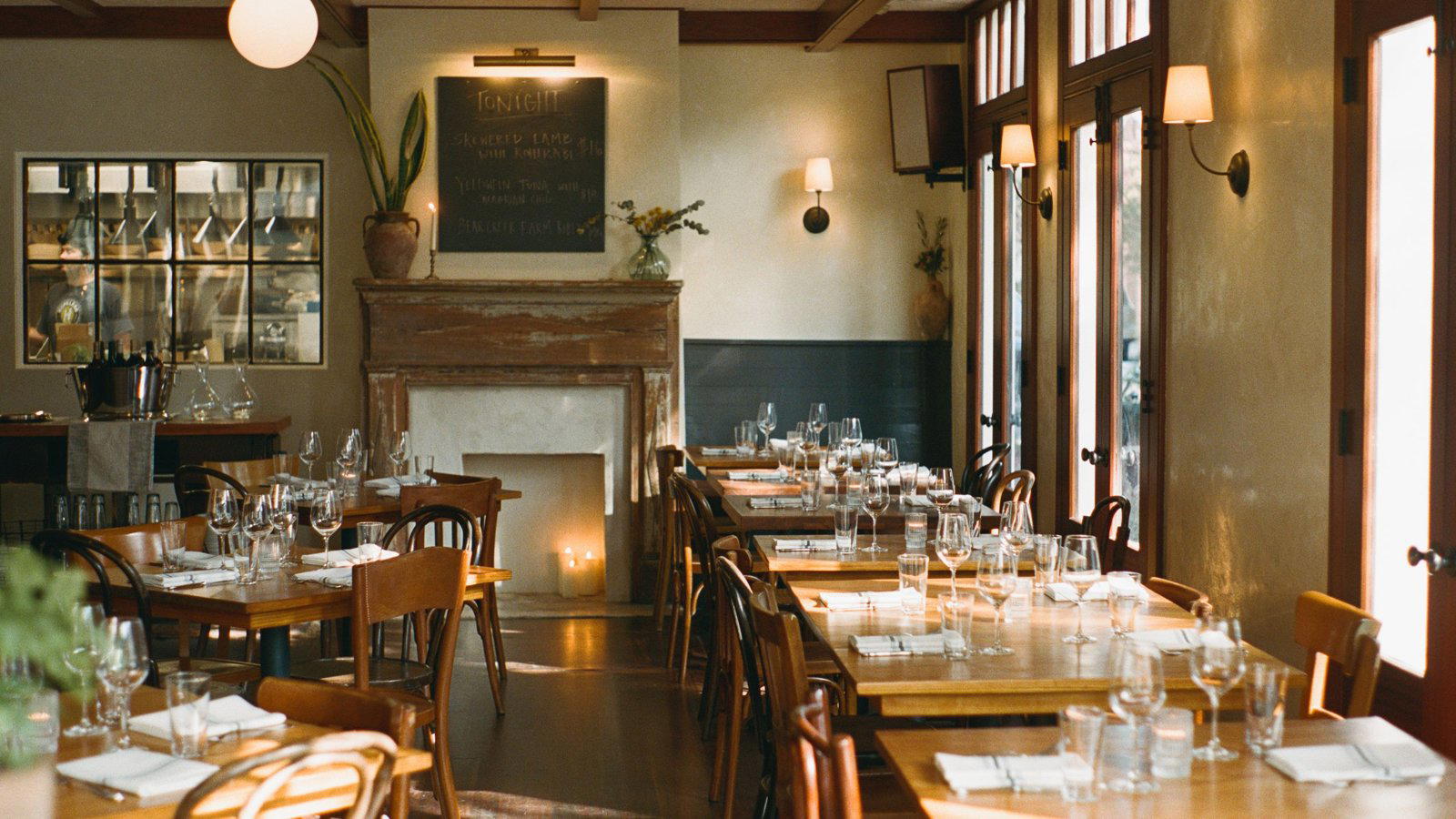
A Street Corner in the Upper Peninsula, and What It Says About Charleston Now
Bogard Street sits in the Upper Peninsula, a neighbourhood that has quietly absorbed much of Charleston's serious restaurant energy as the historic peninsula grew more expensive and more tourist-facing. The dining rooms here tend to be smaller, the design quieter, and the ambitions less dependent on waterfront views or antebellum grandeur. Vern's, at 41 Bogard St, fits that character: a room that does not announce itself, in a part of the city where the food is expected to do the talking. It is a one-Michelin-star restaurant in Charleston serving New American Seasonal Bistro at the $$$ tier. Arriving here, you are already in a different conversation than the one happening at the larger productions on East Bay or King Street.
The Prix Fixe Question, and Why Charleston Is Having It Now
The set-menu format has always carried philosophical weight in American fine dining. At its most considered, it is an argument that the kitchen, not the guest, is best placed to sequence a meal. At its least considered, it is a revenue mechanism dressed in the language of curation. The leading American prix fixe rooms, from The French Laundry in Napa to Alinea in Chicago, justify the constraint through absolute coherence: each course exists because the one before it demanded it. Lazy Bear in San Francisco takes that logic further by staging the meal communally, collapsing the boundary between kitchen and table entirely.
Vern's is operating in that broader national conversation about format and philosophy, but from a specifically Southern vantage point. Charleston's dining culture has historically been structured around hospitality generosity, around tables that offer rather than dictate. The pivot toward tighter, more chef-directed formats represents a genuine tension in the city's restaurant identity, and Vern's is one of the rooms where that tension is being worked through seriously. Its 2025 Michelin star, awarded in the same cycle that saw Michelin expand its South Carolina coverage, signals that the format is being executed at a level that warrants critical attention beyond the local market.
For comparison, the set-menu economics of a one-star room in a Southern city occupy a different tier than those of a two- or three-star operation. Le Bernardin in New York City operates at a price point that reflects decades of accumulated reputation and a Manhattan cost structure. Emeril's in New Orleans built its identity on the opposite principle, a broad menu and high volume. Vern's sits in neither of those positions: it is a newer room in a mid-sized Southern city, making a case for the chef-directed format on the strength of the cooking itself rather than inherited prestige or scale.
Where Vern's Sits in Charleston's Current Dining Hierarchy
Charleston's serious restaurant tier now runs from well-established New American rooms like FIG and Edmunds Oast through to a newer generation of tighter, more format-conscious operations. Vern's 2025 Michelin recognition places it in the upper bracket of that newer generation, alongside the city's other starred or recognition-tracked tables. Its Resy Best of the Hit List placement in the same year reinforces that positioning.
The contemporary American category at the $$$ price tier, which is where Vern's operates, is a competitive designation in any American city. In Charleston specifically, it means positioning against rooms that have already built loyal local followings while simultaneously attracting visitors who plan meals around reservation availability. For context on what that category looks like in comparable Southern markets, Zasu in New Orleans and Automatic Seafood and Oysters in Birmingham occupy analogous positions in their respective cities: chef-led, format-intentional, and priced for the guest who is choosing deliberately rather than conveniently.
Within Charleston, the contrast is instructive. Rodney Scott's BBQ represents one pole of the city's food identity: a whole-hog tradition with deep regional roots and no ambiguity about what the meal will involve. 167 Raw operates as a precision oyster bar, its format dictated by product rather than by tasting-menu logic. Lowland works the coastal Southern register with a broader menu. Malagón Mercado y Taperia brings a Spanish small-plates structure to the Upper Peninsula. The Establishment anchors a different end of the contemporary spectrum. Each of these rooms is having a different conversation about format and identity. Vern's is the one arguing most directly that the set menu, executed with enough conviction, can stand as the defining characteristic of a room rather than simply its service model.
The Case for Structure in a City That Prefers Ease
The prix fixe format asks something of the guest that à la carte does not: a degree of surrender. You are agreeing, in advance, to eat what the kitchen has decided matters that evening, in the order the kitchen has decided it should arrive. In cities with long fine-dining cultures, this is an established contract. In Charleston, where the dominant hospitality register has always leaned toward accommodation and abundance, it carries a slightly different charge.
The rooms that make this format work without friction tend to do so by building enough trust into every element of the experience that the constraint disappears as a felt thing. The quality of the cooking, the pacing of service, the internal logic of the progression: when these align, the set menu stops feeling like a restriction and starts feeling like the only way the meal could have been structured. The Michelin inspectors, who awarded Vern's its star, are assessing precisely that alignment. A star at this level in a Southern city, where the guide has been selective about which rooms it recognises in the contemporary American register, is a specific editorial statement about coherence and execution.
For the guest deciding whether the format suits them, the honest question is whether they are prepared to place that trust in the kitchen. Vern's Michelin recognition suggests the kitchen has earned it.
Planning Your Visit
Vern's is at 41 Bogard St A, in the Upper Peninsula neighbourhood of Charleston, a part of the city that rewards guests who are willing to travel slightly beyond the historic core. The Upper Peninsula has developed enough restaurant density in recent years that a meal at Vern's can anchor a broader evening in the area rather than requiring a pivot back downtown afterward. Reservations are essential, and booking ahead is the practical approach for any table at this level.
For further context on where Vern's sits in the wider Charleston dining picture, the EP Club Charleston restaurants guide covers the full range of the city's current tables.
- Charred Sourdough with Allium Butter
- Campanelli with Rabbit and Vacche Rosse Cheese
- Raw Yellowfin Tuna Tartare with Calabrian Chili
- Roast Spring Chicken
- Lamb Steak
- Strawberry Vanilla Crème Fraîche Dessert
The Essentials
Comparable venues nearby, for context on price, style, and recognition.
| Venue | Cuisine | Price | Notes |
|---|---|---|---|
| Vern'sThis venue — the venue you are viewing | New American Seasonal Bistro | $$$ | Not listed |
| Rodney Scott's BBQ | Not listed | $$ | Upper King Street, Whole-Hog South Carolina BBQ |
| Husk | Not listed | $$$$ | historic downtown, Polished Southern Farm-to-Table |
| Malagón Mercado y Taperia | Not listed | $$$ | Cannonborough, Elliotborough, Authentic Spanish Tapas |
| Well Hung Vineyard | Not listed | $$$ | French Quarter, American with Southern Twists |
| Edmunds Oast | East Central, American Brewpub Gastropub | $$ | Not listed |
Recognition history
Dated appearances from independent guides and award organizations, with the underlying list record or original source where available.
Conde Nast Selected for 2026 Condé Nast Traveler Best Restaurants in Charleston
Conde Nast
Michelin 1 Star
Michelin
Resy Best of the Hit List
Resy
Continue exploring
More in Charleston
Restaurants in Charleston
Browse all →
Bars in Charleston
Browse all →
At a Glance
- Lively
- Cozy
- Energetic
- Intimate
- Date Night
- Special Occasion
- Celebration
- Open Kitchen
- Standalone
- Extensive Wine List
- Corkage Allowed
- Sommelier Led
- Farm To Table
- Local Sourcing
Current opening hours
- Monday
- 5–10 PM
- Tuesday
- Closed
- Wednesday
- Closed
- Thursday
- 5–10 PM
- Friday
- 5–10 PM
- Saturday
- 5–10 PM
- Sunday
- 5–10 PM
Hours can change for holidays and private events. Last verified .
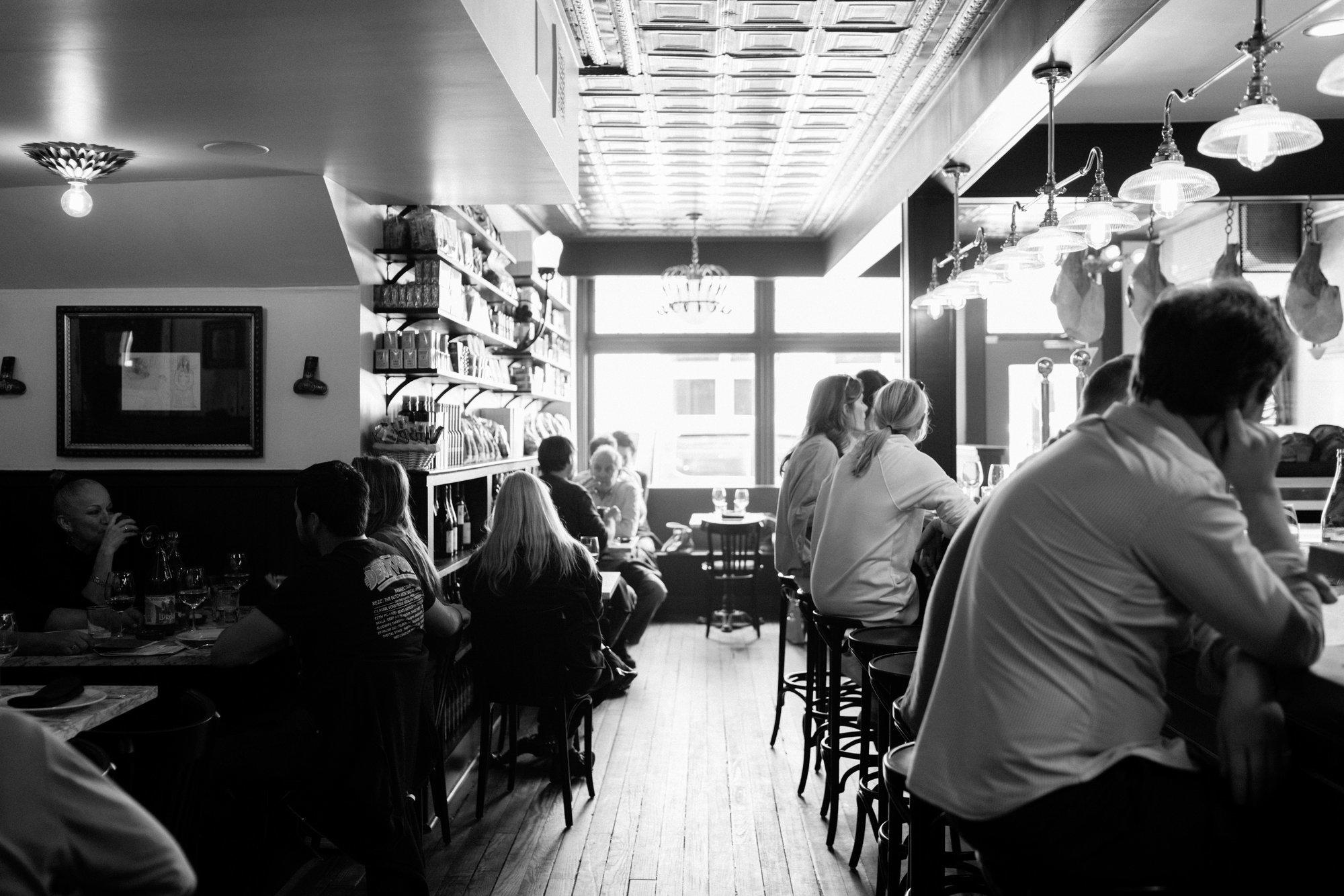
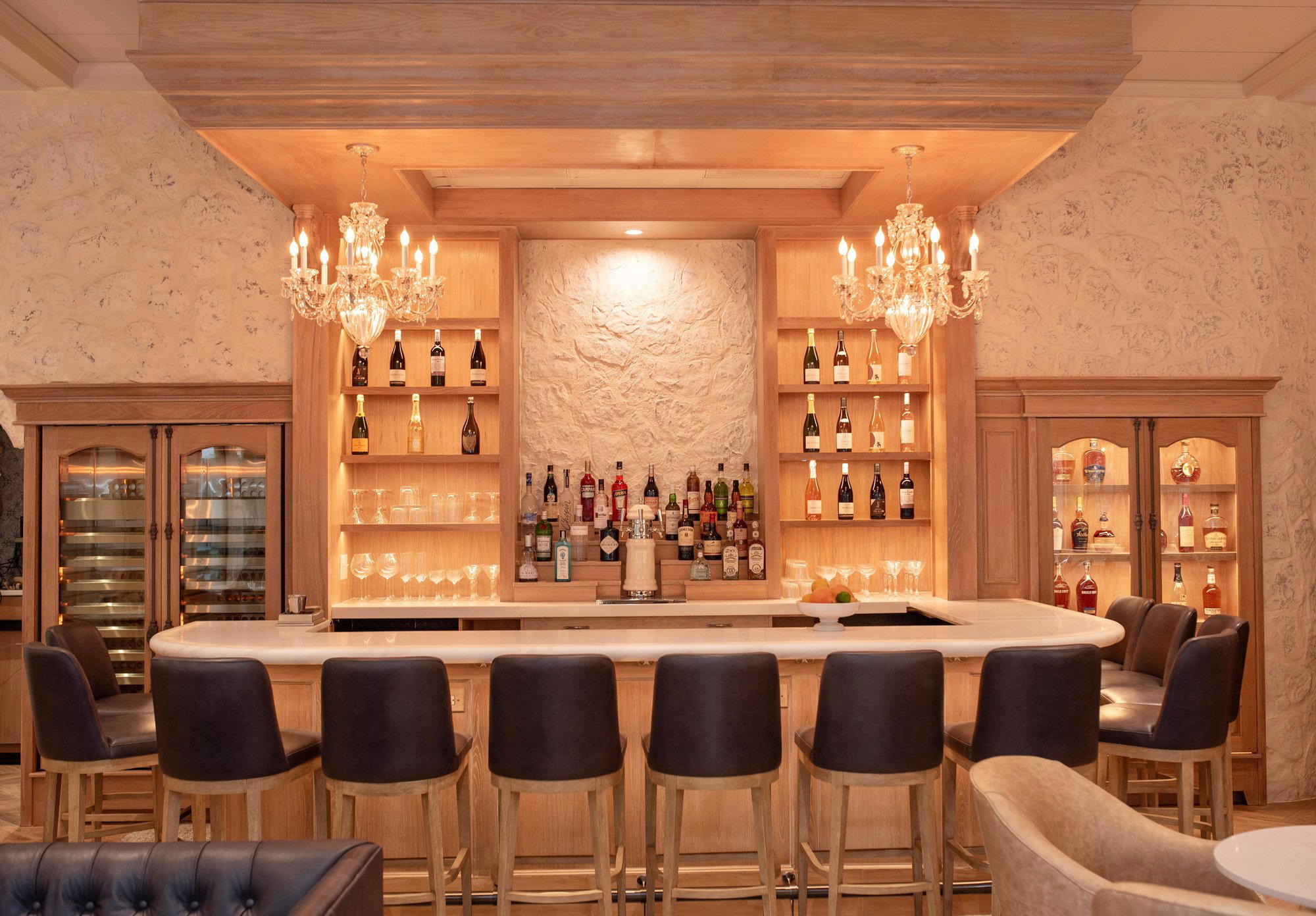
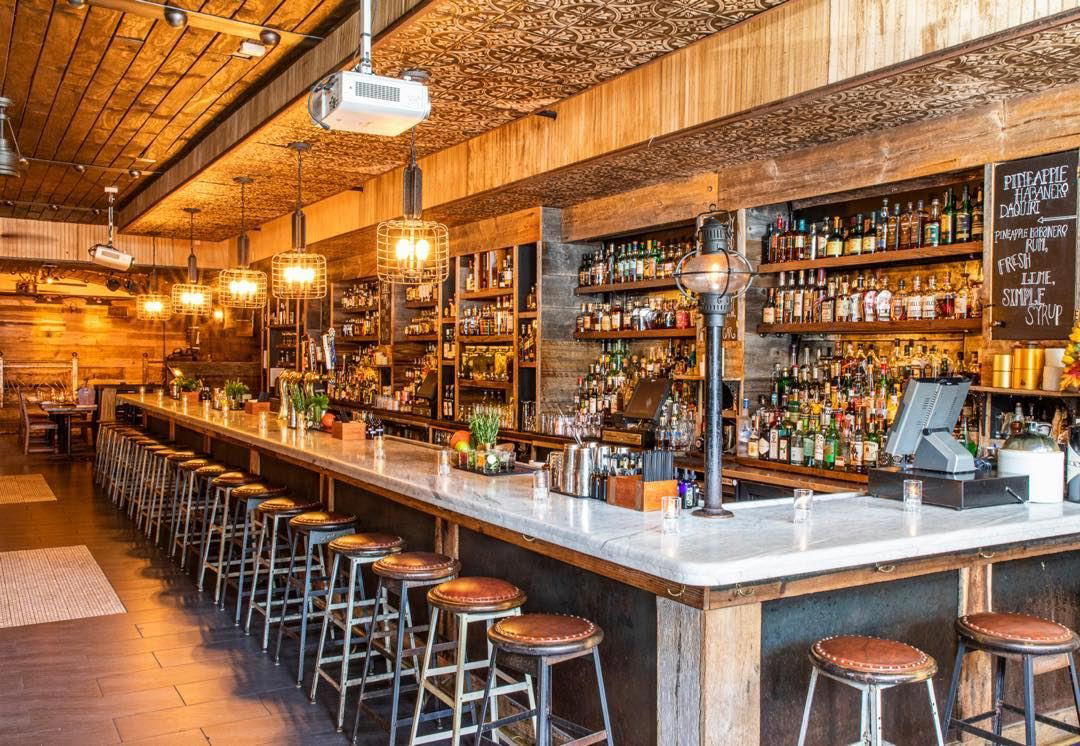
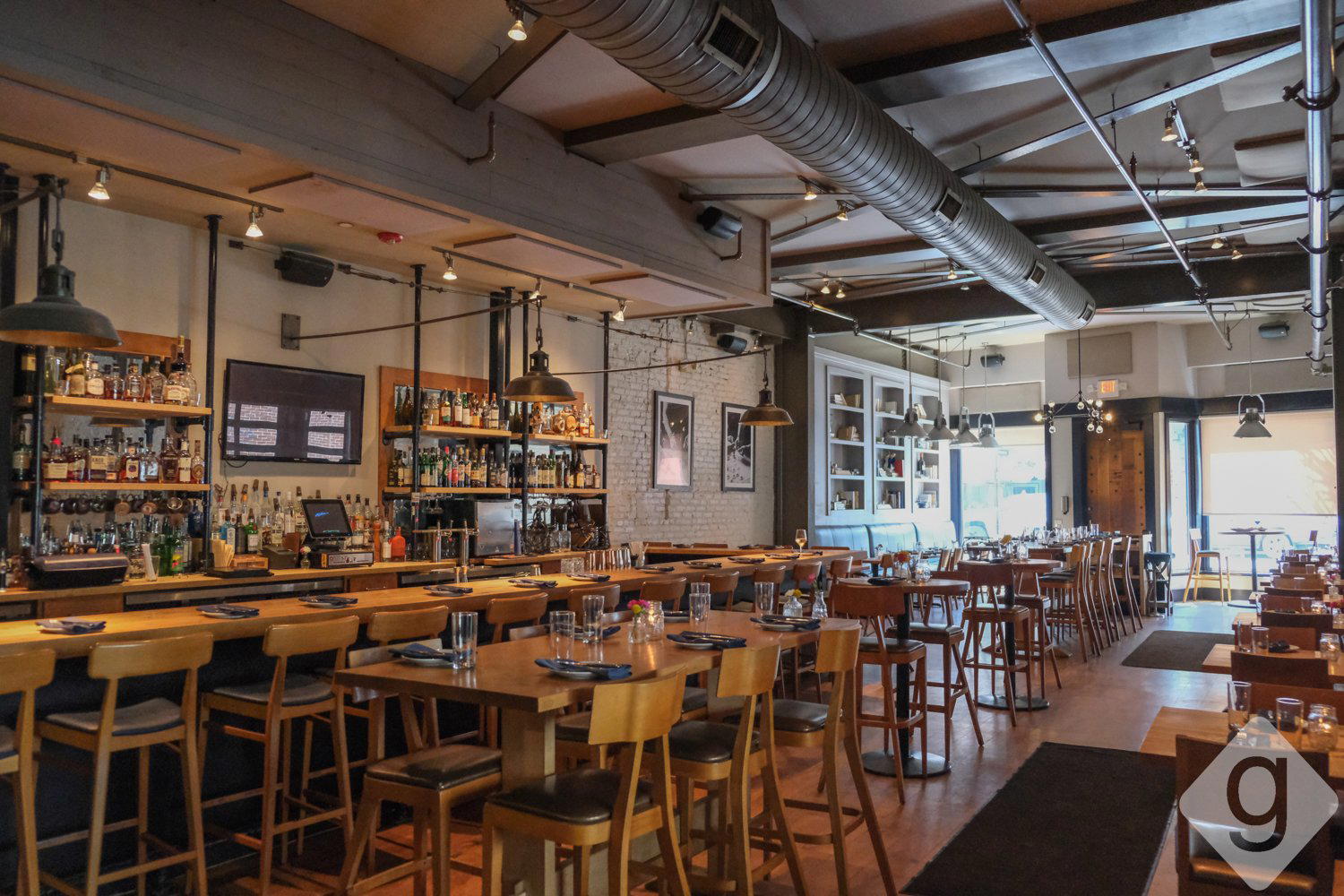
Warm, unpretentious neighborhood bistro with rich wood floors, flickering candles, and lively high-energy atmosphere; described as feeling like a New York neighborhood restaurant rather than formal fine dining.