
Menroku menroku belongs to Osaka’s serious everyday ramen tier: inexpensive, compact, and validated by repeated Tabelog Ramen OSAKA 100 selections from 2023 through 2025. The Hirakata address puts it outside the city-centre dining circuit, which makes the planning less about ceremony and more about timing, cash, transit, and appetite.
Pearl is the En Primeur Club membership app — saves, bookings, and concierge access live there. Same editors, same standards.
- Address
- 1 Chome-6-30 Omine Motomachi, Hirakata, Osaka 573-0146, Japan
- Phone
- +81 72-396-6749
- Website
- ueiq.co.jp
 Saves & bookings on Pearl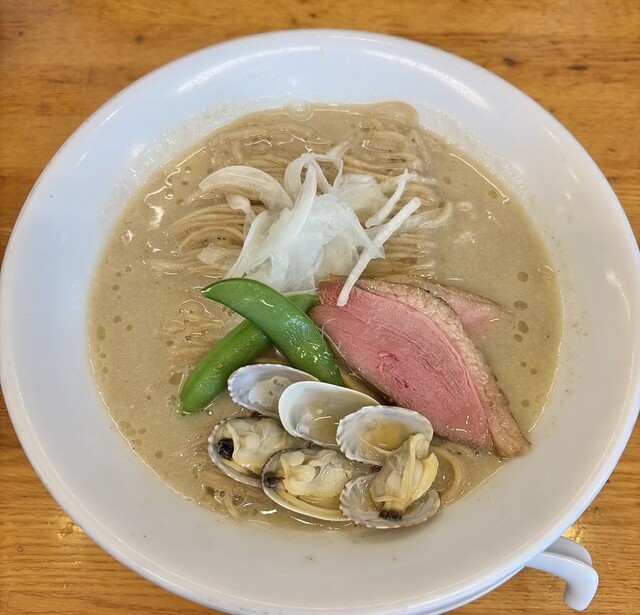
Hirakata ramen does not announce itself with the theatre of central Osaka dining. The rhythm is smaller: a suburban approach, a practical room, and the quick turn of bowls rather than a long tasting-menu arc. Menroku menroku sits inside that Osaka pattern, where a shop can be serious without becoming ceremonial, and where the reward is measured in focus, repeat recognition, and the discipline of a short-format meal.
That matters in a city often reduced to Dotonbori neon and snack-led abundance. Osaka’s noodle culture has another register, one built around neighbourhood regulars, solo diners, families, and low-friction meals that still carry critical weight. Selection for Tabelog Ramen OSAKA 100 in 2023, 2024, and 2025 places this Hirakata shop in a documented ramen conversation rather than a casual convenience category.
Suburban Osaka ramen, judged by precision rather than spectacle
Ramen in Osaka spans glossy central counters, late-night bowls, station-adjacent chains, and specialist shops where the format is intentionally narrow. The useful comparison is not with high-spend kaiseki or sushi counters, but with other noodle addresses at the same accessible price level. Teuchi Soba Noda, Teuchi Udon Danpei, Soba Kiri Tensho, and Ue o Muite all sit in the same broad low-cost noodle bracket, showing how much of Kansai’s serious casual dining happens at prices that leave little room for cosmetic luxury.
Within that bracket, recognition carries more weight than décor language. A Tabelog score of 3.69 and inclusion in the 2025 Ramen OSAKA 100 list signal a shop that has moved beyond local convenience. The category listing covers ramen and tsukemen, so the point here is not a sprawling menu but the familiar Japanese noodle-house split between soup-based bowls and dipping noodles. That split also makes the room legible for different appetites: quick lunch, solo dinner, or a table-led family meal.
The seating tells the same story. A 20-seat room, with five counter seats and four four-person tables, is small enough to keep service focused but not so counter-dominated that it excludes groups. In Osaka ramen terms, that balance is useful. The counter suits the solitary bowl, while the tables make the shop less austere than the tighter urban formats that can feel built only for fast individual turnover.
The access question is part of the meal
The booking experience is defined less by securing a table than by accepting the shop’s walk-in logic. Reservations are unavailable, which moves the planning burden to timing and patience. That is common in high-demand ramen, but the Hirakata location changes the calculation: this is not a table to tack casually onto a Namba bar crawl. It needs a deliberate detour, especially for travellers building a day around central Osaka hotels, bars, and late-night eating.
Practical upside is clarity. The address is in Omine Motomachi, and the listed transport route points to Yotsuji bus stop, a short walk away. Parking is listed for eight vehicles, which matters in a suburban district where car access can be more realistic than a rail-only plan. Payment is another planning detail with consequences: credit cards, electronic money, and QR code payments are not accepted. For international visitors, that single fact can decide whether the stop works smoothly or becomes an avoidable problem.
Room is also non-smoking, with take-out listed, and the occasion notes are unusually useful for a ramen shop: solo dining and family use are both flagged, children are welcome, and strollers are accepted. That puts the experience closer to a working neighbourhood restaurant than a hushed destination counter. It also explains why the shop belongs in a broader Osaka itinerary alongside casual specialists and quick-service institutions rather than only formal dining rooms.
Where it fits in an Osaka itinerary
For travellers, Menroku menroku makes the strongest sense as a noodle-focused stop in northern Osaka Prefecture rather than a replacement for the city’s central food circuit. A day built around Hirakata or nearby transit can absorb the detour; a tightly packed Umeda-to-Shinsaibashi schedule may not. The editorial question is not whether the bowl is cheap enough, since the price band is plainly accessible. The question is whether the routing supports the meal.
That routing logic is how to read Osaka well. The city’s serious eating is not confined to famous entertainment districts. It spreads through bakeries, counters, casual chains, and regional specialists, from .cafe and 52CHO-ME BAKERY to 551 Horai (551蓬莱), 99 Pizza Napoletana Gourmet, and a canto (Italian). For broader planning, use Our full Osaka restaurants guide, then cross-check the city through Our full Osaka hotels guide, Our full Osaka bars guide, Our full Osaka wineries guide, and Our full Osaka experiences guide.
Readers comparing Japan’s casual specialists beyond Osaka can also look at -Grilled beef Sukiyaki- KAMAKURA TANUKIAN 鎌倉 たぬき庵 in Kamakura. 鮪と炭火焼き うお炭 秋葉原店 in Tokyo.know in Kumamoto, (Shoku) Vietnam in Kawasaki, [Curry Senmon Ten] Maruyama Kyoju. in Sapporo, [ki:] in Kyoto, Jōdo Saké Bar in Los Angeles, and Onigiri Time in Pasadena. The common thread is not category sameness, but the way modest formats can carry serious editorial interest when logistics, pricing, and local demand align.
The verdict is practical and firm: this is a ramen stop for travellers who are willing to plan around place rather than expecting central-city convenience. The repeated Tabelog Ramen OSAKA 100 selections give it a clear trust signal; the small room, no-reservation format, cash-only payment profile, and suburban access define the real experience. Treat it as a targeted Hirakata meal, not a casual afterthought.
At a Glance
Comparable venues for context, by category and price tier.
| Venue | Cuisine | Price | Notes |
|---|---|---|---|
| Menroku menrokuThis venue — the venue you are viewing | Omine Motomachi, Duck Ramen | $$ | Not listed |
| Moeyo Mensuke (燃えよ麺助) | Fukushima, Duck Ramen Specialist | $$ | Not listed |
| Soba Kiri Tensho | Not listed | $$ | Hirakata, Traditional Japanese soba noodle shop |
| Sangourmand | Not listed | $$ | Kita, A5 Wagyu Hamburger Steak & Omurice Yoshoku |
| Kyu Yam Tei Karahori ten | Not listed | $$ | Chūō, Spice Curry & Café in a Retro Townhouse |
| Akira Curry | Nishi, Japanese curry & spice izakaya | $$ | Not listed |
Recognition history
Dated appearances from independent guides and award organizations, with the underlying list record or original source where available.
Tabelog 100 #60 · No. 60
Tabelog · Tabelog 100 - Ramen - OSAKA - 2025
Continue exploring
More in Osaka
Restaurants in Osaka
Browse all →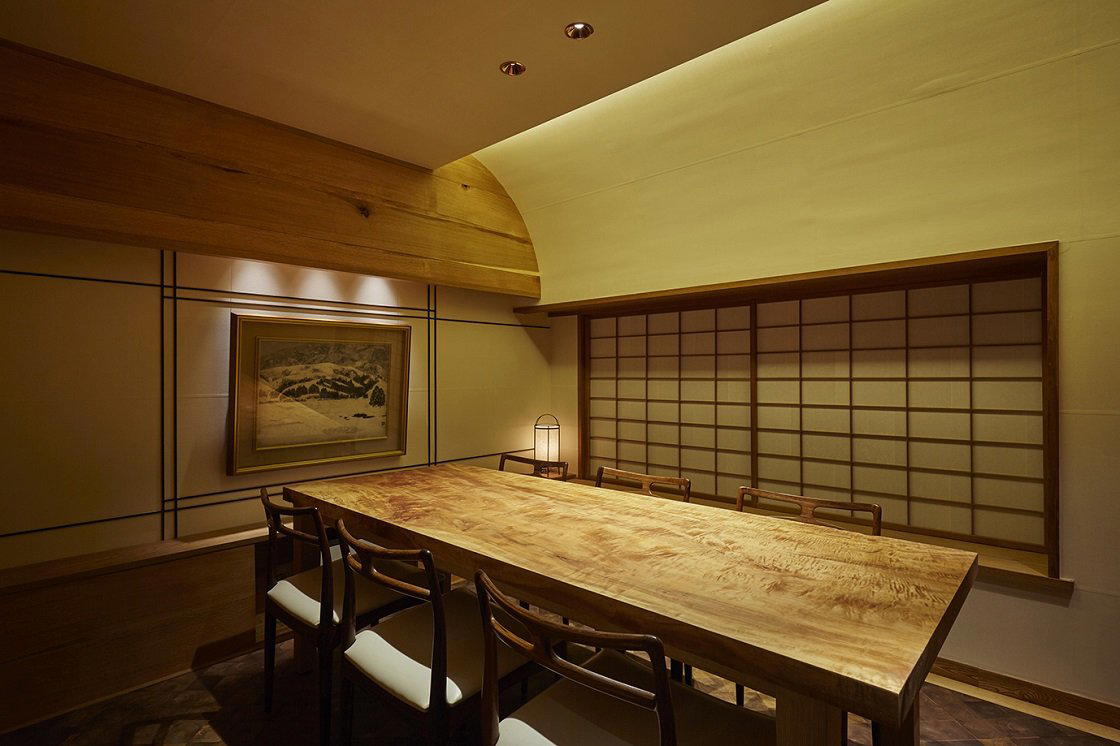
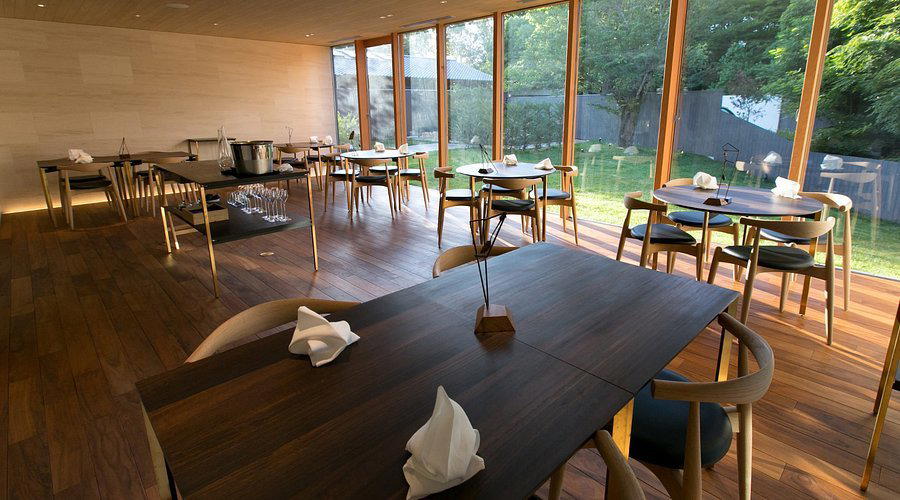





Hotels in Osaka
Browse all →

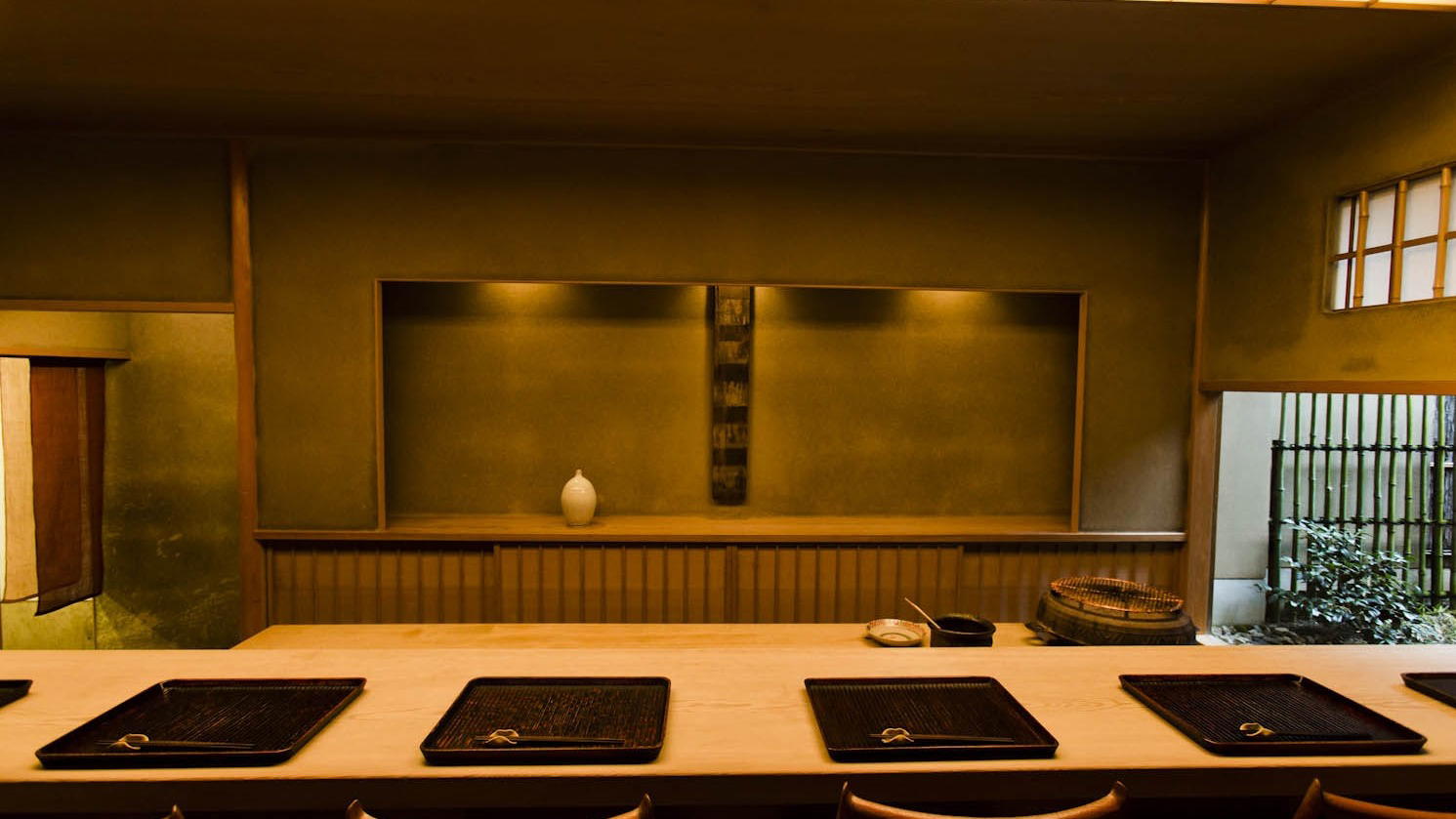
Wineries in Osaka
Browse all →
At a Glance
- Cozy
- Modern
- Intimate
- Solo
- Casual Hangout
- Family
- Group Dining
- Standalone
- Open Kitchen
- Beer Program
Current opening hours
- Monday
- 11 AM–3 PM, 5:30–9:30 PM
- Tuesday
- 11 AM–3 PM, 5:30–9:30 PM
- Wednesday
- 11 AM–3 PM, 5:30–9:30 PM
- Thursday
- 11 AM–3 PM, 5:30–9:30 PM
- Friday
- 11 AM–3 PM, 5:30–9:30 PM
- Saturday
- 11 AM–3 PM, 5:30–9:30 PM
- Sunday
- 11 AM–3 PM, 5:30–9:30 PM
Hours can change for holidays and private events. Last verified .
Compact, counter-led ramen shop atmosphere with a direct, casual feel and a specialty-shop focus rather than a lounge-like setting.