
Soba Kiri Tensho places Hirakata’s lunch-only soba culture in the same conversation as Osaka’s more central noodle rooms. Its Tabelog 100 Soba WEST selections in 2022, 2024, and 2025 give it a clear credibility signal, while the modest JPY 1,000–1,999 range keeps the experience rooted in everyday Kansai dining rather than luxury theatre.
Pearl is the En Primeur Club membership app — saves, bookings, and concierge access live there. Same editors, same standards.
- Address
- 10-30 Okaminamicho, Hirakata, Osaka 573-0033, Japan
- Phone
- +81 72-846-7166
- Website
- s.tabelog.com
 Saves & bookings on Pearl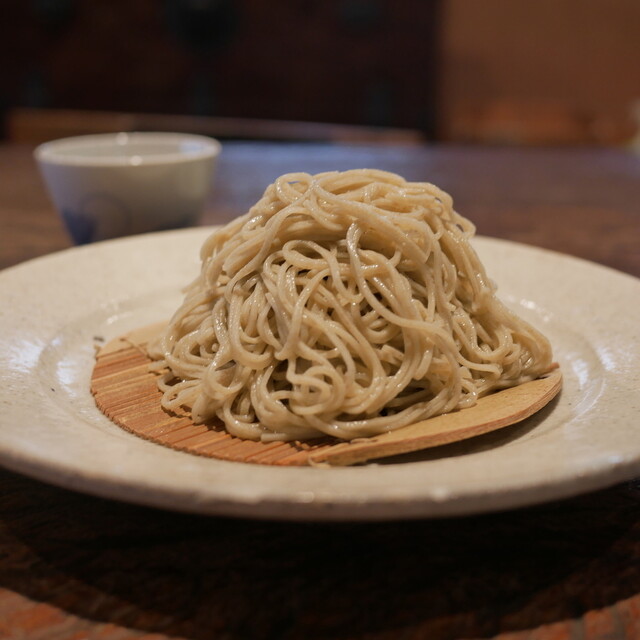
Approaching a serious soba room in Osaka rarely feels theatrical. The pleasure is quieter: a short walk from the station, a compact room, and the knowledge that buckwheat noodles reward timing more than ceremony. Soba Kiri Tensho belongs to that school. It is not trying to compete with the city’s high-gloss tasting-menu restaurants; it sits in the narrower, more exacting world of hand-cut soba, where flour, water, cutting, boiling, and pace carry the meal.
Osaka is better known outside Japan for takoyaki, okonomiyaki, kushikatsu, and the great appetite of Dotonbori. Soba asks for a different register. Compared with udon, which Kansai has long treated as a comfort form, soba is leaner, more austere, and less forgiving. The noodle’s buckwheat base puts local grain character at the centre, while the craft behind it has moved across regions and generations with the precision of a technical discipline. That intersection, indigenous product and codified technique, is where this address earns attention.
Hirakata soba with a Kansai sense of restraint
The interesting part of the current Osaka noodle scene is its range. A visitor can build a day around urban convenience at 551 Horai (551蓬莱), coffee and pastry stops such as .cafe or 52CHO-ME BAKERY, and then shift into a far more disciplined noodle format without leaving the metropolitan orbit. Soba Kiri Tensho gives that shift a clear form: buckwheat noodles rather than wheat noodles, a concise lunch format rather than a long dinner, and a room scaled for focus rather than spectacle.
Its recognition matters because soba rankings are crowded with small shops whose appeal can be hard to parse for travellers. Selection for Tabelog 100 Soba WEST in 2022, 2024, and 2025 places it inside a vetted western Japan group, not just among neighbourhood favourites. That does not turn soba into fine dining, and it should not. The point is the opposite: the craft remains attached to a low-key, affordable meal, but the competitive set is serious.
Within Osaka, that puts it alongside noodle specialists rather than general Japanese restaurants. Teuchi Soba Noda, Menroku menroku, Ue o Muite, and Teuchi Udon Danpei occupy related price territory, while Tezukuri Udon Rakuraku points to the broader Kansai appetite for handmade noodles beyond the city core. The comparison is useful because soba and udon solve different problems. Udon often leans on chew, warmth, and broth comfort; soba is more exposed, with the noodle itself carrying greater scrutiny.
Buckwheat, technique, and the quiet economics of a serious lunch
Hand-cut soba has always had a technical austerity that makes inflated language feel misplaced. Buckwheat behaves differently from wheat: less gluten, less elasticity, a greater dependence on timing and touch. The diner may only see a bowl or a bamboo tray, but the craft is upstream. Grinding, hydration, rolling, cutting, boiling, rinsing, and serving speed all affect the result. In this category, technique is not decorative; it is the meal.
That is why a modest budget band can still signal ambition. A JPY 1,000–1,999 soba lunch in this tier is not inexpensive because it lacks labour. It is inexpensive because Japan’s noodle culture has preserved a model where specialist craft can remain part of regular eating. The same traveller who studies Osaka’s Italian cooking at a canto (Italian) or Neapolitan technique at 99 Pizza Napoletana Gourmet should read this soba shop through the same lens: imported or codified technique only matters when it respects the core ingredient.
Japan’s wider dining map reinforces that point. Regional specialisation is not confined to luxury restaurants: curry in Sapporo at [Curry Senmon Ten] Maruyama Kyoju. Kyoto’s contemporary cooking at [ki:], and Kumamoto’s compact dining rooms such as.know all show how format and locality shape expectation. Soba belongs to that same logic. It is not a side note to sushi and kaiseki; it is a separate discipline with its own hierarchy.
How to place it in an Osaka itinerary
For travellers based in central Osaka, Hirakata changes the rhythm of the day. This is not the same decision as dropping into a counter near Namba between shopping stops. It suits a diner willing to treat a single noodle lunch as the reason for a suburban detour, then fold the meal into a wider Kansai plan. The city rewards that approach: consult Our full Osaka restaurants guide for dining context, then pair the day with Our full Osaka hotels guide, Our full Osaka bars guide, Our full Osaka wineries guide, and Our full Osaka experiences guide if the trip is built around more than eating.
The broader Japanese and Japanese-influenced dining world also makes the case for specificity. Sukiyaki in Kamakura at -Grilled beef Sukiyaki- KAMAKURA TANUKIAN 鎌倉 たぬき庵 in Kamakura, charcoal tuna in Tokyo at. 鮪と炭火焼き うお炭 秋葉原店, Vietnamese cooking in Kawasaki at (Shoku) Vietnam, sake-led Los Angeles dining at Jōdo Saké Bar, and rice-focused Pasadena casual eating at Onigiri Time all underline the same editorial rule: narrow formats often reveal more than broad menus.
The verdict is simple without needing grand claims. Soba Kiri Tensho is for travellers who care about noodle craft, regional recognition, and the discipline of a short-format Japanese lunch. It will make less sense for anyone seeking late-night Osaka energy or a many-course restaurant performance. In a city often reduced to appetite and noise, this is a quieter argument for precision.
Cost and Credentials
Comparable venues for context, by category and price tier.
| Venue | Cuisine | Price | Notes |
|---|---|---|---|
| Soba Kiri TenshoThis venue — the venue you are viewing | Not listed | $$ | Not listed |
| Mensho Yashima | Moriguchi, Traditional Osaka Udon Shop | $$ | Not listed |
| Kissa Ichi | Senri Chuo, Japanese Kissaten | $$ | Not listed |
| Atari Ya | Yodogawa, Traditional Japanese Soba | $$ | Not listed |
| Naminino Curry | Kita, Japanese Curry | $$ | Not listed |
| Watanabe Curry Umeda honten | Not listed | $$ | Kita, Japanese–Sri Lankan Curry House |
Recognition history
Dated appearances from independent guides and award organizations, with the underlying list record or original source where available.
Tabelog 100 #55 · No. 55
Tabelog · Tabelog 100 - Soba - WEST - 2025
Continue exploring
More in Osaka
Restaurants in Osaka
Browse all →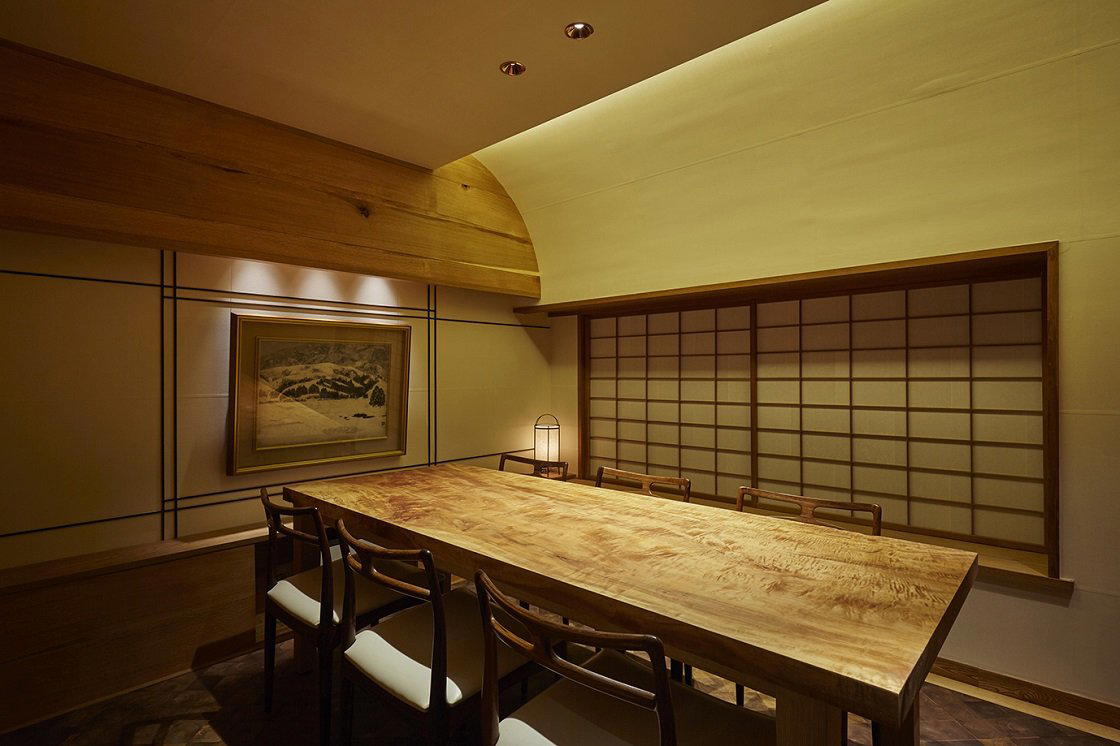




Bars in Osaka
Browse all →




Hotels in Osaka
Browse all →



Wineries in Osaka
Browse all →
At a Glance
- Quiet
- Cozy
- Classic
- Solo
- Casual Hangout
- Standalone
- Sake Program
- Local Sourcing
Current opening hours
- Monday
- 11 AM–2:30 PM
- Tuesday
- 11 AM–2:30 PM
- Wednesday
- Closed
- Thursday
- Closed
- Friday
- 11 AM–2:30 PM
- Saturday
- 11 AM–2:30 PM
- Sunday
- 11 AM–2:30 PM
Hours can change for holidays and private events. Last verified .
Small, traditional soba shop with a calm, understated atmosphere and simple counter/table seating, focused on the craft of noodles rather than decor; typically quiet and suited to guests who appreciate a serene, no-frills setting.