Torafuguga

Michelin Plate
Our verdict
Torafuguga brings one of Japan's most tightly regulated seafood traditions to Busan's Haeundae district, earning a Michelin Plate in 2025 for its fugu-focused kitchen. At the ₩₩ price point, it sits in a relatively accessible tier for a cuisine that demands specialist licensing and preparation.

Pearl is the En Primeur Club membership app, where members save venues, book tables and use the concierge.
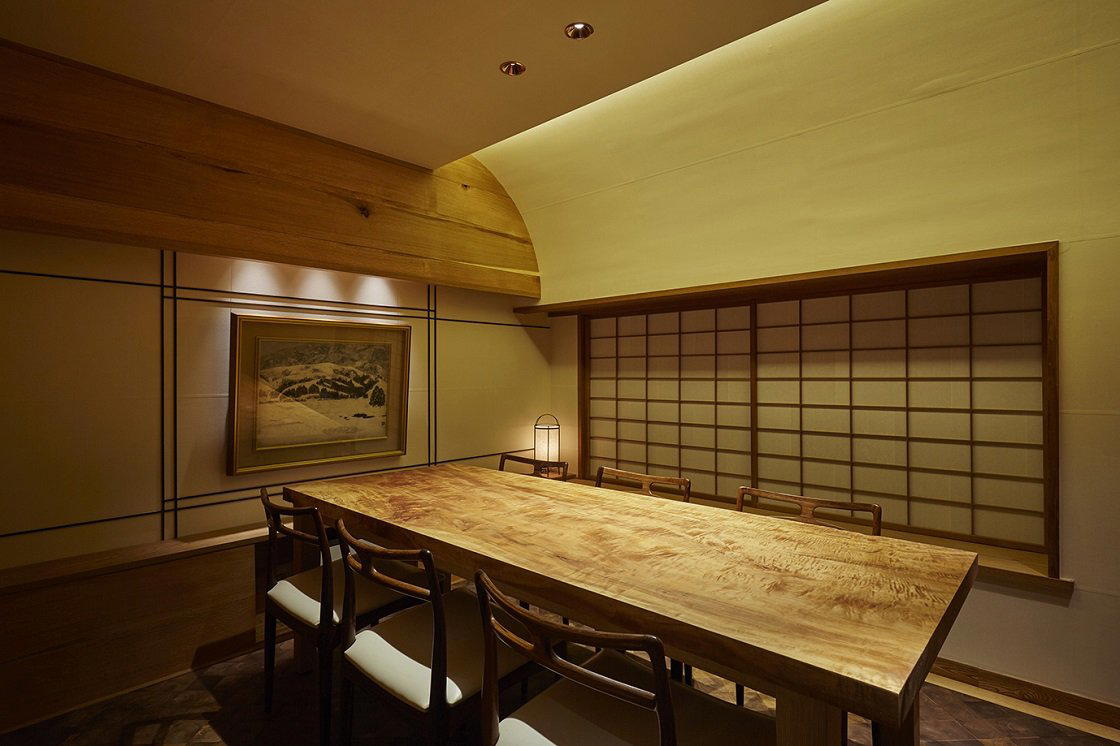
The menu
What to order
- Tessa_sashimi
- Fugu_nabe
- Zosui
Fugu in Haeundae: A Japanese Tradition Finds a Korean Address
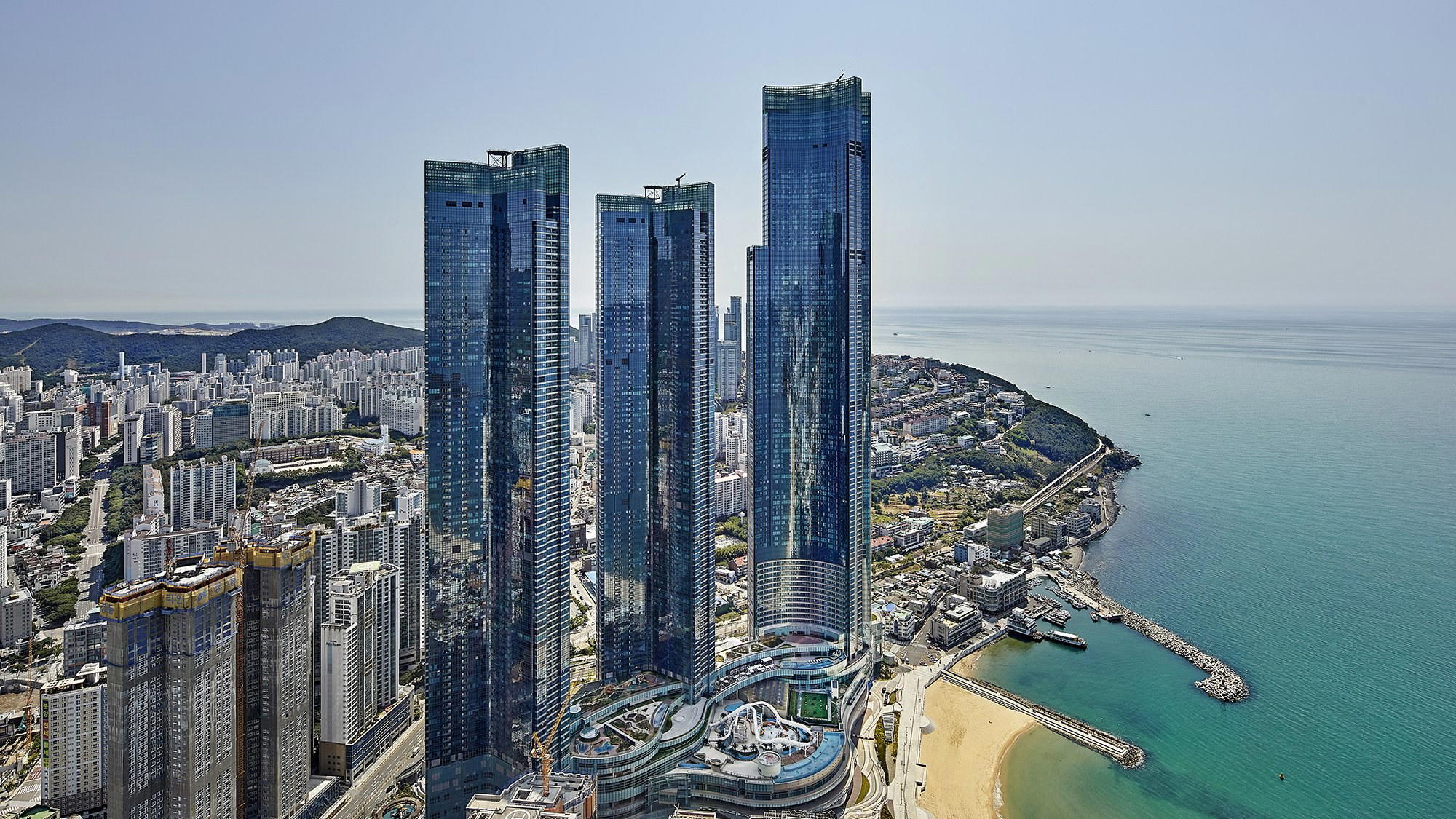
Haeundae is where Busan shows its coastal confidence. The beachfront district draws the city's most concentrated cluster of upscale dining, a natural outcome of its geography: international hotel corridors, the Centum City commercial spine, and the kind of foot traffic that rewards ambition. Within this setting, specialised cuisine, dishes that require technical investment well beyond a standard kitchen, tends to find its audience. Torafuguga occupies this niche, operating as a fugu restaurant at a time when the preparation of pufferfish remains one of the most licence-restricted culinary traditions in East Asia.
Fugu as a cuisine carries a dual weight: it is simultaneously ordinary and serious. In Japan, tiger puffer, torafugu, the most prized species, is prepared in licensed establishments that train cooks for years before granting certification. The toxin present in certain organs is lethal in small quantities, which means the credential behind the knife is not incidental. For Busan diners, the presence of a dedicated fugu kitchen in Haeundae signals a level of specialist investment that places this restaurant outside the general Japanese food category entirely. It is a narrower, more exacting tradition.
Where Haeundae Places You
The address on Jwadongsunhwan-ro, within the Geumho Eoullim commercial complex, positions Torafuguga inside the residential and mixed-use fabric of eastern Haeundae rather than on the tourist-facing beachfront strip. This matters for the kind of dining experience it creates. Commercial podium restaurants in this part of the district tend to draw a local, repeat-customer base rather than a transient visitor crowd, a pattern that rewards consistent kitchen performance over spectacle.
Haeundae sits at a remove from Busan's older culinary districts: the pork bone soup kitchens of Seomyeon, the dense market-adjacent eating of Nampo-dong, the port-facing seafood of Jagalchi. Haeundae's dining identity is shaped instead by its resort-era development and its proximity to a visitor economy that has, over two decades, attracted premium restaurant investment. For cuisine requiring specialist licensing and dedicated supply chains, as fugu does, the district's relative affluence and international orientation provides the operating conditions a kitchen like this needs.
A Cuisine That Demands Context
Internationally, the benchmark fugu kitchens are concentrated in Japan, where establishments like Fugu Club Miyawaki Bettei in Tokyo and Yoshiko in Osaka represent the premium end of a tradition deeply embedded in Japanese food culture. In Korea, the regulatory framework has historically been stricter about who can prepare and serve fugu, which means dedicated fugu restaurants represent a more deliberate presence in the market than they would in, say, Osaka. Torafuguga's Michelin Plate recognition in 2025 is the formal signal that its kitchen has cleared the bar for consistent technical quality. The Plate designation in the Michelin system does not carry stars but does indicate that inspectors found the cooking worth directing readers toward, a meaningful distinction in a city where the guide's coverage is selective.
For comparison within the broader Korean fine dining and specialist restaurant circuit, the Michelin-starred restaurants in Seoul, Mingles, Gaon, and Kwon Sook Soo, define what formal recognition looks like at the top of the market. A Plate in Busan, in a specialist category as narrow as fugu, indicates the kitchen is operating with the kind of discipline that merits attention beyond the local dining scene.
At the ₩₩ tier, Torafuguga occupies a mid-range price bracket for Busan dining, comparable to Palate, which also sits at ₩₩ in the contemporary category, and priced below the ₩₩₩ range where Mori operates as a Japanese restaurant in the city. For cuisine requiring the regulatory overhead and ingredient sourcing that fugu demands, this pricing is closer to accessible than it might initially read. The ingredient cost alone for torafugu positions it above casual dining by default; the ₩₩ designation suggests a kitchen that has structured its offer to keep the cuisine within reach of a broader dining audience than the top-end tasting menus that dominate similar conversations in Seoul. At the further end of the price range, Born and Bred at ₩₩₩₩ demonstrates how wide the spread runs in Haeundae's dining market.
Busan's Seafood Depth as Context
Fugu sits within a much older relationship between Busan and its waters. The city's seafood identity runs from the wholesale market culture of Jagalchi through the specialised restaurants that have built reputations around single-species focus. Bokguk, fugu soup, has a documented presence in Busan's food culture for decades, with restaurants like Kumsu Bokguk representing the more traditional, democratised end of the same tradition. What Torafuguga appears to do is position fugu within a register that sits between the old-town institution and the formal tasting counter: Michelin-noticed, mid-range priced, and geographically anchored in Haeundae's premium dining corridor.
This is a relevant distinction. Busan has long served fugu to locals as a weekday protein rather than a luxury event. The question for a restaurant earning Plate recognition is how it handles that cultural context, whether it preserves the everyday familiarity of the dish while demonstrating the technical mastery the Michelin process rewards.
Planning Your Visit
Torafuguga is located within the Geumho Eoullim commercial complex in eastern Haeundae, accessible by subway via the Haeundae line or by taxi from the beach district. As a specialist restaurant with Michelin Plate recognition and a concentrated following, booking ahead is advisable, particularly for weekend evenings. The ₩₩ price point makes it approachable for a standalone dinner or a longer itinerary through Haeundae's dining options. For those building a wider Busan dining programme, our full Busan restaurants guide maps the city's full range, and our guides to Busan hotels, bars, wineries, and experiences cover the rest of the city.
Those who want to compare fugu experiences across the region can benchmark against Fugu Club Miyawaki Bettei in Tokyo or Yoshiko in Osaka for the Japanese originals. For exceptional seafood technique in a different register, Le Bernardin in New York City remains the reference point for what formal seafood cooking looks like at the highest level. Within Korea, Kumsu Bokguk offers the same ingredient in a more traditional, soup-forward format, and is worth visiting as a contrast study. For other Busan dining, 100.1. Pyeongnaeng represents the city's naengmyeon tradition at the accessible end of the range.
What should I order at Torafuguga?
Torafuguga's focus is fugu, tiger pufferfish, which is the defining ingredient across its menu. Within a dedicated fugu kitchen, the standard preparations include thinly sliced sashimi (fugu sashi or fugusashi), often presented as transparent petals arranged on a platter; hot pot (fugu chiri or jecheop-tang in its Korean form); and deep-fried pieces (fugu karaage). Given the restaurant's Michelin Plate recognition and its positioning within Busan's fugu tradition alongside establishments like Kumsu Bokguk, the kitchen's strength is likely in the technical handling of the fish rather than supplementary ingredients. For those unfamiliar with the cuisine, the sashimi course is the most direct way to assess the kitchen's skill, the cut, temperature, and arrangement are where a fugu specialist earns its credentials.
Frequently asked questions
How do I find Torafuguga?
Torafuguga is located at South Korea, Busan, Haeundae, Jwadongsunhwan-ro, 480 금호어울림상가, Busan.
Is Torafuguga award-winning?
Torafuguga has received recognition including: Michelin Plate (2025).
What should I order at Torafuguga?
The menu centres on tiger pufferfish, and that focus is the point. In a dedicated fugu kitchen at the ₩₩ price tier, the standard preparations to expect are tessa (thinly sliced raw fugu sashimi) and tecchiri (fugu hot pot), the two formats through which most specialist kitchens express the ingredient. Torafuguga holds a Michelin Plate recognition for 2025, which signals consistent kitchen discipline, the kind of baseline that matters when the primary ingredient requires licensed preparation.
What kind of cuisine does Torafuguga serve?
Is Torafuguga more mid-range or high-end?
Pricing at Torafuguga is listed as ₩₩.
At-a-Glance Comparison
Comparable venues nearby, for context on price, style, and recognition.
| Venue | Cuisine | Price | Awards | Notes |
|---|---|---|---|---|
| TorafugugaThis venue (the venue you are viewing) | Japanese Fugu (Pufferfish) Fine Dining | $100–150 | Michelin Plate | Not listed |
| Matsuzaki | Authentic Japanese Kaiseki Omakase | Not listed | Michelin Plate | Gwangan 2(i)-dong |
| Zero Base | Modern Japanese Omakase | $100–150 | Michelin Plate | Millak-dong |
| Sogonggan | Korean Contemporary Fine Dining | $100–150 | Michelin Plate | Jung 1(il)-dong |
| 코르 파스타바 | Modern Italian Pasta Bar | $10–20 | Michelin Bib Gourmand | Jeonpo 1(il)-dong |
| Yulling | Contemporary French with Local Busan Ingredients | $150–200 | Star Wine List · Wine Spectator Best of Award of Excellence | Jung 1(il)-dong |
Recognition history
Dated appearances from independent guides and award organizations, with the underlying list record or original source where available.
Michelin Plate
Michelin