Eutteum Iroribata

Michelin Plate
Our verdict
A Michelin Plate-recognised Japanese restaurant in Busan's Suyeong-gu district, Eutteum Iroribata brings irori-style hearth cooking to the mid-range tier of a city increasingly serious about Japanese cuisine. It earned consecutive Michelin Plate recognition in 2024 and 2025, placing it among the more decorated Japanese tables at the ₩₩ price point in Busan.

Pearl is the En Primeur Club membership app, where members save venues, book tables and use the concierge.
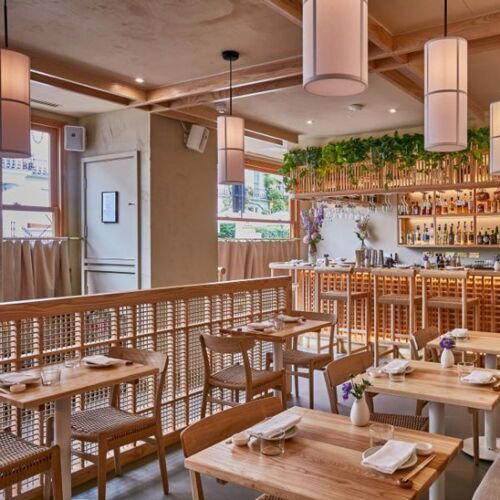
Hearth Cooking in a Port City: Japanese Irori Tradition in Busan
The irori, a sunken charcoal hearth built into the floor of traditional Japanese homes and rural inns, is one of the more architecturally specific organising ideas in Japanese cooking. Food is suspended over live coals, smoke rises through the room, and the meal is structured around that central fire rather than around a conventional kitchen line. In Japan, the format is associated with regional ryokan cooking and the mountain inns of Gifu or Nagano. Encountering it in Busan, a Korean port city with deep historical ties to Japan, says something about how far Japanese dining formats have travelled and how seriously this city has begun to take them. Eutteum Iroribata, located in the Namcheon-dong neighbourhood of Suyeong-gu, is one of the more deliberate expressions of that transplant: a restaurant built around irori-style cooking rather than around the more common Japanese formats, sushi counter, ramen shop, or izakaya, that dominate the city's Japanese dining tier.
The Menu as Architecture
When a restaurant's identity is built around a cooking method rather than a particular ingredient category or regional cuisine, the menu tends to function differently from a conventional à la carte list. The irori format implies sequence: items cooked directly over coals, others suspended above them at varying heights and temperatures, simmered preparations that absorb smoke slowly over longer periods. That physical sequence becomes the meal's architecture. At restaurants operating in this tradition, the progression from lighter, quickly-cooked preparations toward heavier, longer-cooked items tracks both the fire's heat curve and the diner's appetite. The menu at Eutteum Iroribata is Japanese in its framework, which means the structure likely draws on the same logic: raw or lightly prepared dishes first, grilled and hearth-cooked items through the middle, and something warming and broth-based toward the close. The ₩₩ price positioning places it in the accessible-but-considered bracket of Busan's dining scene, below the ₩₩₩ tier occupied by Michelin-starred Japanese venues like Mori, and aimed at a diner who wants something more structured than a casual Japanese grill without committing to a full kaiseki price point.
That positioning matters. At the ₩₩ level in Busan's Japanese segment, a restaurant carrying consecutive Michelin Plate recognition in 2024 and 2025 is operating with more third-party validation than most of its price-tier peers. The Michelin Plate designation signals that the Guide's inspectors found the food worth eating, a meaningful distinction even if it sits below the star threshold. For comparison, Palate (Contemporary) holds a full Michelin star in the same ₩₩ bracket, making both venues part of a small cohort of Busan restaurants where the pricing is restrained relative to the recognition received.
Suyeong-gu and the Neighbourhood Context
Suyeong-gu sits on Busan's southeastern coast, separated from the tourist density of Haeundae to the north and the older commercial core of Jung-gu to the west. Namcheon-dong, the specific neighbourhood where Eutteum Iroribata operates, is residential in character, the kind of district where restaurants succeed on repeat local custom rather than on visitor footfall. A Japanese restaurant with an irori-specific identity choosing to operate here rather than in a higher-traffic zone like Gwangalli or Haeundae suggests a certain confidence in its concept: the food and format are expected to carry the destination, not the address. That is a different commercial bet than most mid-range Japanese venues in the city make. It also places the restaurant closer to the dining habits of local Busan residents than to the international visitor circuit, which tends to concentrate further north along the coast.
Busan's relationship with Japanese cuisine is historically layered. The city's proximity to Japan, a ferry connection to Fukuoka runs in a few hours, has historically made it one of the more receptive Korean cities to Japanese culinary influence, and its Japanese restaurant density reflects that. The range runs from single-dish specialists to serious kaiseki operations. For a broader sense of what the city's Japanese dining tier looks like across price points, see Iwa and Haemok, both operating in the same city and representing different formal registers of Japanese cooking in Busan. The irori format that defines Eutteum Iroribata sits in a niche that neither of those venues occupies, which gives it a distinct position in the category even without comparing star counts.
What the Michelin Recognition Implies
Two consecutive Michelin Plate listings, in 2024 and 2025, establish a baseline of consistency rather than novelty. A single Plate can sometimes reflect a restaurant caught at the right moment by an inspector. Two consecutive years suggests the kitchen is holding a standard rather than peaking occasionally. For a Japanese restaurant at the ₩₩ price point, where margins are tighter and the temptation to drift toward easier, lower-cost cooking is constant, that consistency carries weight. In the context of Korea's Michelin-recognised Japanese dining, the Plate puts Eutteum Iroribata in a different register from the starred operations found in Seoul, such as Mingles or Gaon, but signals a seriousness of intent that separates it from the bulk of the city's Japanese mid-market.
For reference, the irori cooking tradition in Japan has its own Michelin-tracked venues. In Tokyo, restaurants like Myojaku and Azabu Kadowaki occupy the upper end of Japanese culinary recognition; in Kyoto, Isshisoden Nakamura represents the deeper formal tradition. Eutteum Iroribata is not competing in that tier, but it draws on the same culinary lineage and applies it at a price point accessible to a broader diner, which is a coherent editorial position for a restaurant to occupy.
Planning a Visit
Eutteum Iroribata operates in Namcheon-dong, Suyeong-gu, a residential address that is most easily reached by taxi from central Busan or from Gwangalli, which sits a short distance to the west. The restaurant's ₩₩ pricing places an average meal in the moderate range by Korean standards, making it accessible without the advance financial planning that Busan's higher-end Japanese counters require. Booking ahead is advisable for a Michelin Plate venue in a residential neighbourhood where seating capacity is likely limited; the format and location do not suggest a large-volume operation. For a broader map of where this restaurant sits within Busan's dining options, see our full Busan restaurants guide, as well as our full Busan bars guide, our full Busan hotels guide, our full Busan wineries guide, and our full Busan experiences guide. Diners who want to build a longer Busan itinerary around Japanese cooking should also consider Zero Base for a different register of the category.
Frequently asked questions
What part of town is Eutteum Iroribata in?
Eutteum Iroribata is located at South Korea, Busan, Suyeong-gu, Namcheon-dong, 번지 1층 20-57, Busan.
Is Eutteum Iroribata Michelin-listed?
Eutteum Iroribata has received recognition including: Michelin Plate (2025); Michelin Plate (2024).
What should I order at Eutteum Iroribata?
The menu is structured around irori-style hearth cooking, a Japanese format in which ingredients are grilled, roasted, or slow-cooked over a sunken charcoal hearth. That technique drives the selection rather than a single protein category, so the strongest choices will be whatever the kitchen is preparing directly over the coals. At a ₩₩ price point, portions and variety tend to be accessible rather than tasting-menu formal.
What's the price range at Eutteum Iroribata?
Pricing at Eutteum Iroribata is listed as ₩₩.
Do they take walk-ins at Eutteum Iroribata?
Eutteum Iroribata holds consecutive Michelin Plate listings for 2024 and 2025, which typically compresses walk-in availability, particularly on weekends. The Namcheon-dong address is a residential pocket of Suyeong-gu with limited foot traffic, meaning spontaneous visits are more plausible mid-week than at a high-visibility tourist location. A reservation, even a same-day call ahead, reduces risk considerably.
The Short List
| Venue | Cuisine | Price | Awards | Notes |
|---|---|---|---|---|
| Eutteum IroribataThis venue (the venue you are viewing) | Japanese Irori Omakase | $50–100 | Michelin Plate | Not listed |
| Palate | Contemporary French with Korean Fusion | $150–200 | 1 Michelin Star · La Liste Top Restaurants | Contemporary |
| Mori | Japanese Kaiseki | $200–300 | 1 Michelin Star | Japanese |
| Born and Bred | Modern Hanwoo Beef Omakase Steakhouse | $100–150 | Michelin Plate · World's 50 Best #51 | Steakhouse |
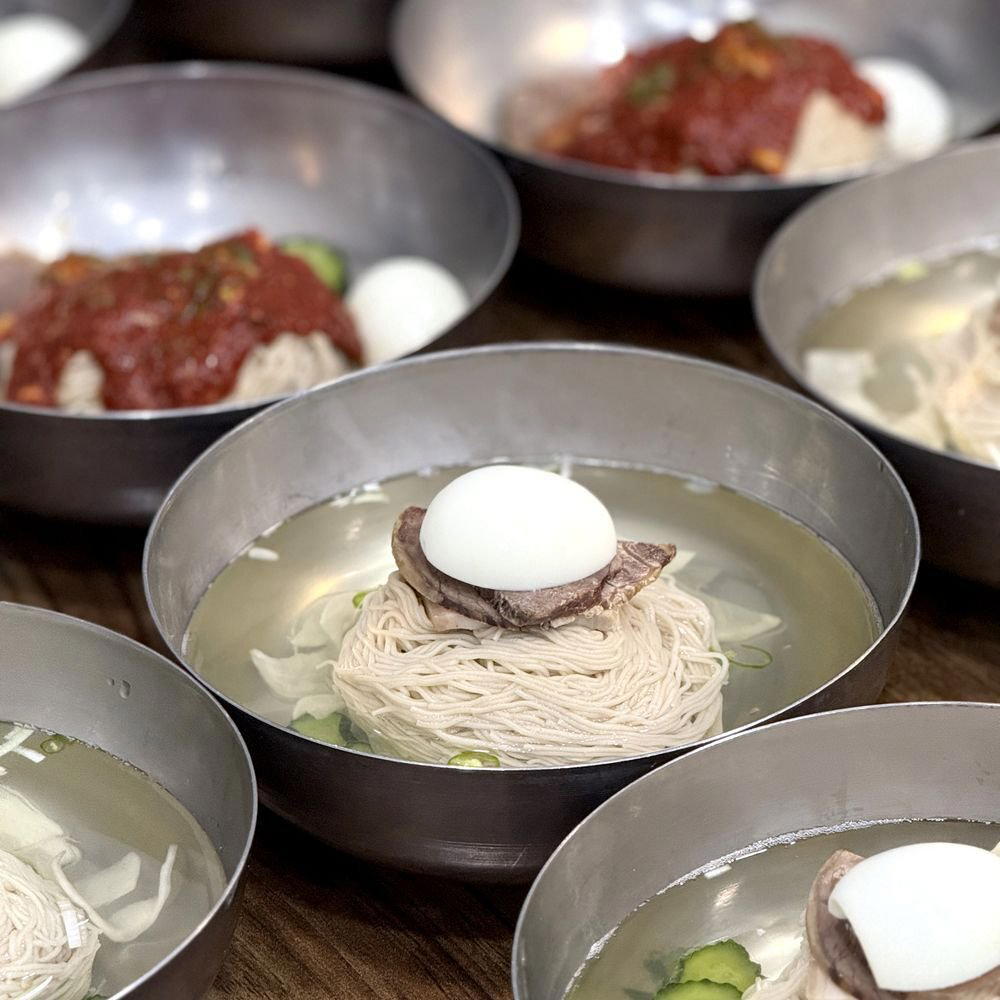
| 100.1. Pyeongnaeng | Pyongyang-style Naengmyeon | $10–20 | Michelin Bib Gourmand | Naengmyeon |
| Anmok | Modern Korean Dwaeji-Gukbap | $10–20 | Michelin Bib Gourmand | Dwaeji-gukbap |
Recognition history
Dated appearances from independent guides and award organizations, with the underlying list record or original source where available.
Michelin Plate
Michelin
Full recognition history (2 entries)
Michelin Plate
Michelin
Continue exploring
More in Busan
Restaurants in Busan
All restaurants in Busan →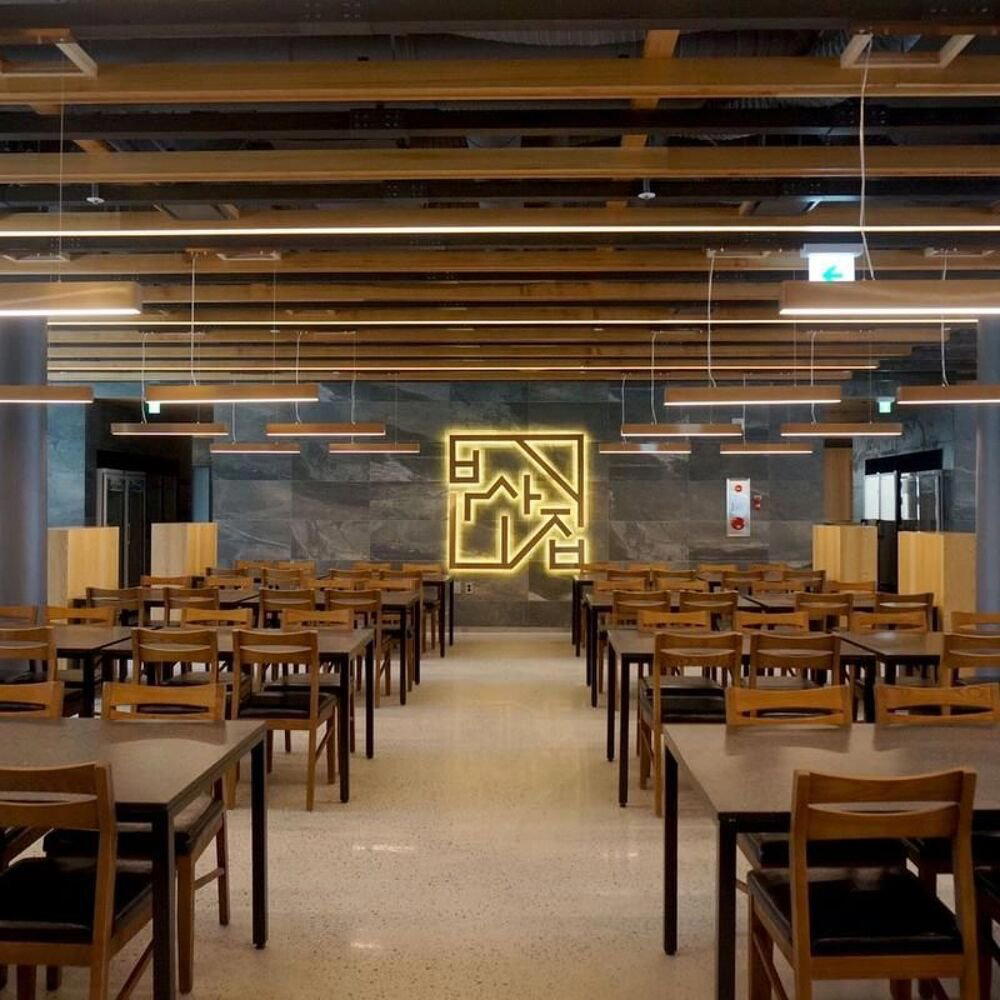
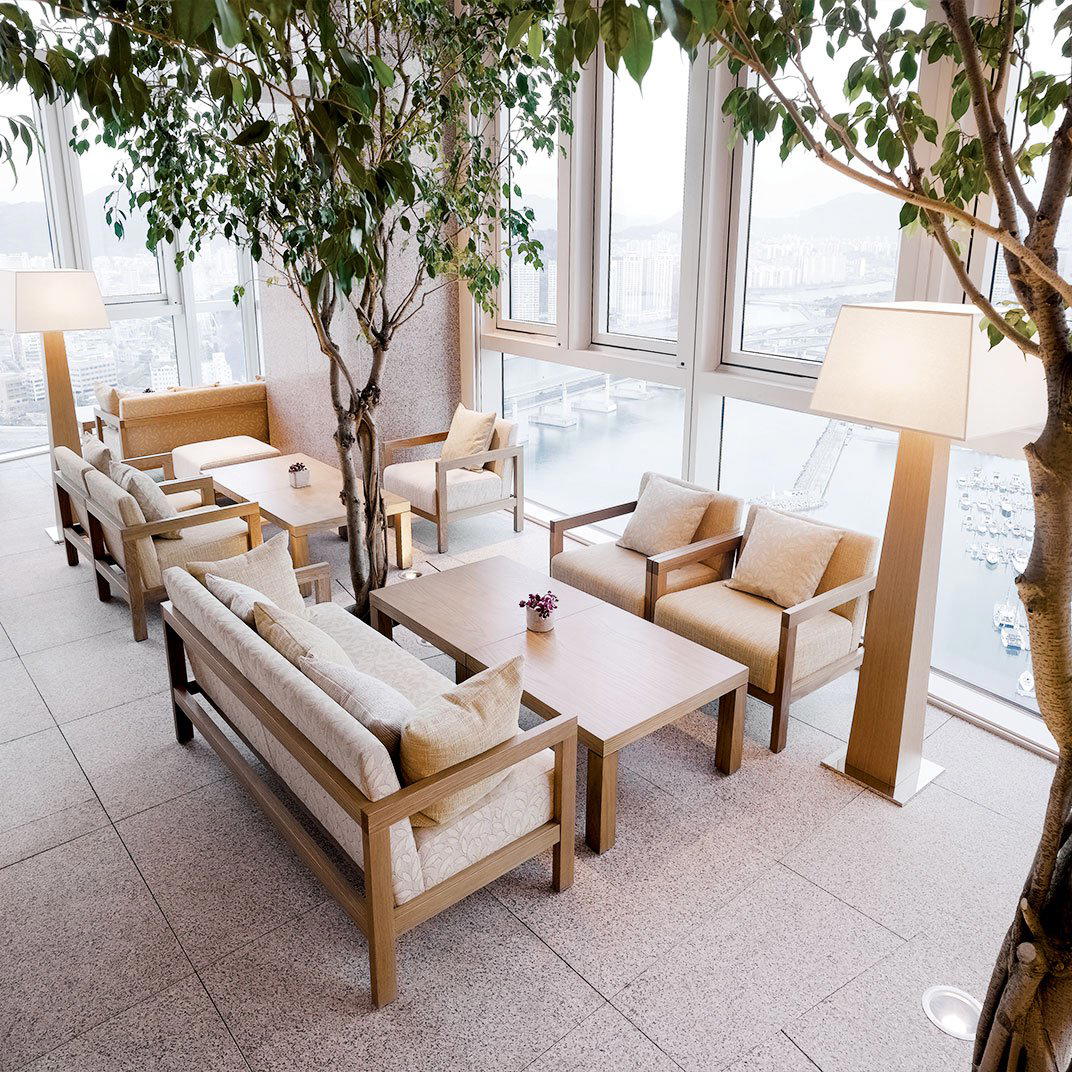
Bars in Busan
All bars in Busan →
Details
- Intimate
- Elegant
- Minimalist
- Date Night
- Special Occasion
- Open Kitchen
- Sake Program
- Local Sourcing
- Omakase
- Counter Dining
- Sake
Intentionally restrained space free of unnecessary ornamentation, with refined tableware and the visual, aromatic appeal of fish grilling on the irori.