On Calle de Zurbano in Chamberí, Monster Sushi sits within a neighbourhood better known for its bodegas and Spanish tapas bars than Japanese rice. That contrast is part of its appeal. The restaurant draws Madrid's working-lunch crowd and weekend sushi enthusiasts alike, occupying a mid-market position in a city where Japanese dining ranges from conveyor-belt casual to the Nikkei-inflected extravagance of spots like DiverXO.
Pearl is the En Primeur Club membership app — saves, bookings, and concierge access live there. Same editors, same standards.
- Address
- Calle de Zurbano, 26, Chamberí, 28010 Madrid, Spain
- Phone
- +34919075679
- Website
- monstersushi.es
- Directions
- Get directions
 Saves & bookings on Pearl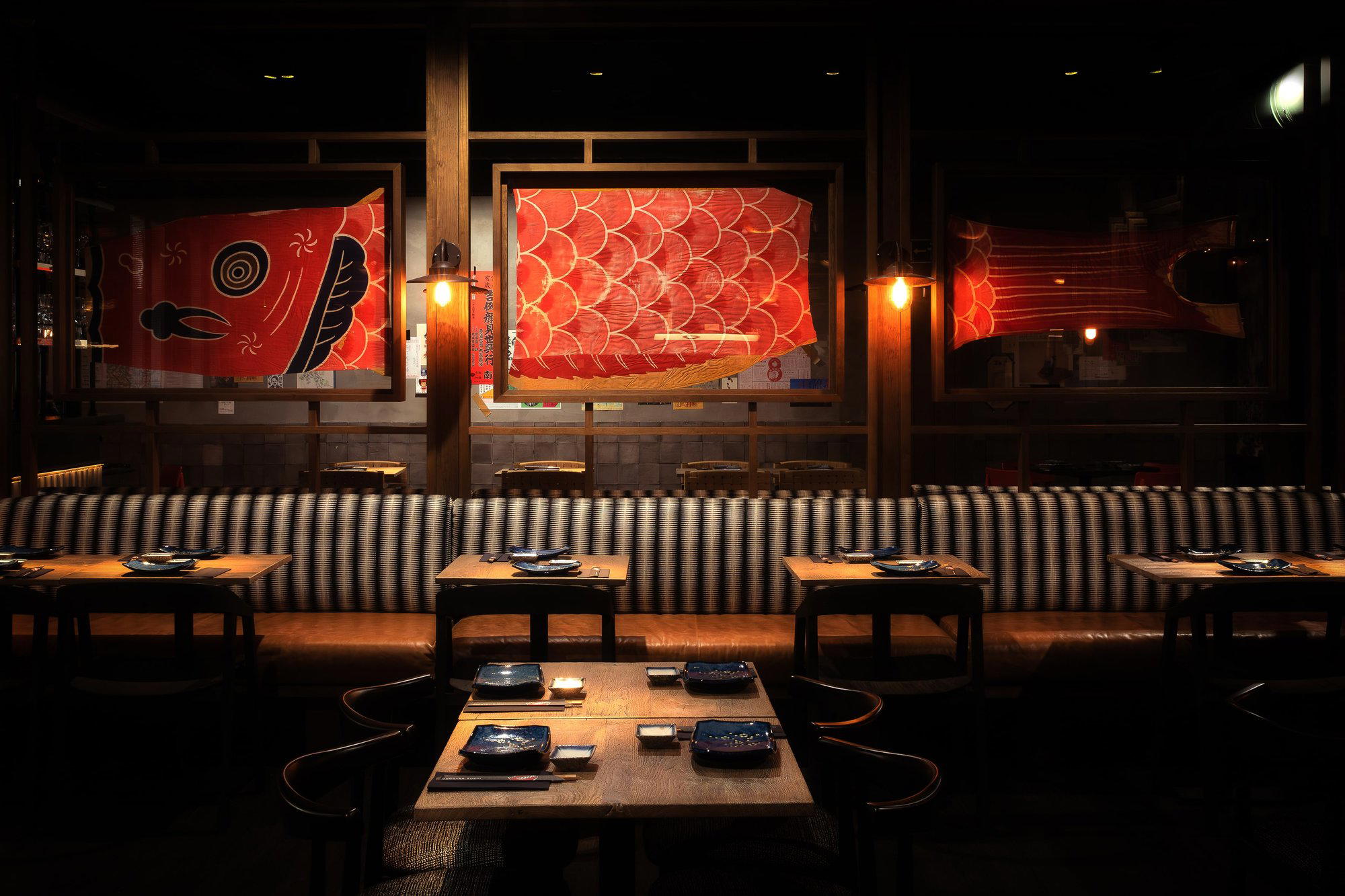
Chamberí's Sushi Counter in Context
Walk along Calle de Zurbano on any weekday afternoon and the dominant register is Spanish: bars, wine merchants, and café terraces. Monster Sushi Zurbano sits within this environment as a Japanese restaurant in Madrid's Chamberí district, at Calle de Zurbano, 26. That positioning matters. Madrid's Japanese dining scene has grown considerably over the past decade, but it remains concentrated in specific pockets: the high-end Nikkei corridor around Ponzano, the fast-casual operations near Gran Vía, and a handful of omakase-style counters scattered across the city's wealthier districts. A sushi restaurant on Zurbano, in the quieter residential belt of Chamberí, is making a different kind of argument about where Japanese food fits into everyday Madrid life.
For context, the highest tier of Japanese dining in Madrid clusters around venues willing to operate at €€€€ price points, competing for the same reservation-hungry audience as DiverXO and Coque. Monster Sushi Zurbano does not occupy that bracket. Its value to the neighbourhood is different: accessible frequency, a menu format that suits a working lunch or a relaxed dinner without the commitment of a tasting menu, and a Japanese kitchen operating in a zone where the competition is largely Spanish.
What Sourcing Means in a Landlocked Capital
The ingredient question is one interesting one to ask of any sushi operation in Madrid. Spain is not short of excellent seafood: the Atlantic coasts of Galicia and the Basque Country, the Mediterranean shelves of the Levant, and the deep waters off Cádiz collectively produce some of Europe's most respected fish. The challenge for a Madrid sushi restaurant is logistical. The city sits roughly 350 kilometres from the nearest coast in any direction, which means that fish quality is determined almost entirely by supply chain discipline rather than geography.
Japan's own high-end sushi culture is built on the idea that fish condition at the moment of cutting is everything, a principle that demands either proximity to the source or extraordinary cold-chain management. Spain's major fish markets, including Mercamadrid, one of the largest fish wholesale operations in Europe, give Madrid restaurants access to a broad range, but the question of how quickly product moves from landing to kitchen remains the variable that separates serious raw-fish operations from merely adequate ones. The better sushi venues in Madrid have learned to work closely with suppliers who prioritise speed and temperature consistency over volume. Monster Sushi Zurbano's position suggests a mid-market sourcing approach rather than the artisan single-supplier model favoured by premium omakase counters.
Spain's own seafood traditions offer a parallel worth noting. The kind of ingredient-first discipline practised at Aponiente in El Puerto de Santa María or Quique Dacosta in Dénia reflects a coastal access that a Madrid sushi restaurant simply cannot replicate. The comparison is not intended as criticism; it is a structural reality that shapes what any landlocked fish restaurant can achieve.
Where This Fits in Madrid's Japanese Scene
Madrid's appetite for Japanese food has diversified substantially. The city now sustains everything from ramen specialists in Lavapiés to high-ticket omakase formats, and the middle ground, accessible sushi restaurants operating with consistent quality at non-occasion prices, has grown to fill the gap between the two extremes. Monster Sushi, as a chain with multiple Madrid locations, belongs to that middle band. The Zurbano branch serves a Chamberí catchment that is demographically affluent but not necessarily destination-dining oriented; residents here are as likely to want a reliable neighbourhood sushi dinner as they are to queue for a six-month-ahead reservation.
That positions the restaurant differently from the high-end Spanish creative restaurants that dominate Madrid's international dining conversation. Deessa, DSTAgE, and Paco Roncero are all operating at price points and formats where a single dinner is an event. The restaurant is not competing in that space, and does not try to. The comparison set is other accessible Japanese operations in the city, measured by consistency, throughput, and the specific quality of rice-to-fish ratio that separates competent sushi from forgettable sushi.
For readers interested in the broader Madrid dining picture, our full Madrid restaurants guide maps the city's dining tiers from neighbourhood staples through to the multi-Michelin operations. Spain's wider range of serious restaurants, from El Celler de Can Roca in Girona to Arzak in San Sebastián and Azurmendi in Larrabetzu, provides the broader national context against which even a neighbourhood sushi restaurant in Chamberí can be understood.
Planning Your Visit
The restaurant is on Calle de Zurbano, 26, in the Chamberí district of Madrid (postcode 28010). Chamberí rewards visitors who are willing to arrive without a fixed agenda; the streets around Zurbano have a density of wine bars and neighbourhood restaurants that make a pre- or post-dinner wander productive.
Fast Comparison
Comparable venues nearby, for context on price, style, and recognition.
| Venue | Cuisine | Price | Notes |
|---|---|---|---|
| Monster Sushi ZurbanoThis venue — the venue you are viewing | Japanese Nikkei Fusion Sushi | $$ | Not listed |
| HEMU SUSHI BUFFET LIBRE | Japanese Sushi Buffet | $$ | Chueca |
| El Japo Carranza | Japanese Sushi Fusion | $$ | Trafalgar |
| Ikigai | Contemporary Japanese Sushi | $$$ | Salamanca |
| SLVJ | Japanese Fusion with Live Shows | $$$ | Sol |
| Nonetta | Modern Italian Trattoria | $$ | Almagro |
Continue exploring
More in Madrid
Restaurants in Madrid
Browse all →
Bars in Madrid
Browse all →
Hotels in Madrid
Browse all →

At a Glance
- Trendy
- Cozy
- Lively
- Date Night
- Group Dining
- Casual Hangout
- Open Kitchen
- Terrace
- Sake Program
- Craft Cocktails
Current opening hours
- Monday
- 1:30–5 PM, 8 PM–12 AM
- Tuesday
- 1:30–5 PM, 8 PM–12 AM
- Wednesday
- 1:30–5 PM, 8 PM–12 AM
- Thursday
- 1:30–5 PM, 8 PM–12 AM
- Friday
- 1:30–5 PM, 8 PM–1 AM
- Saturday
- 1:30–5 PM, 8 PM–1 AM
- Sunday
- 1:30–5 PM, 8 PM–12 AM
Hours can change for holidays and private events. Last verified .
Cozy yet daring corners with urban, informal, cool, and alternative vibe full of color.