Our verdict
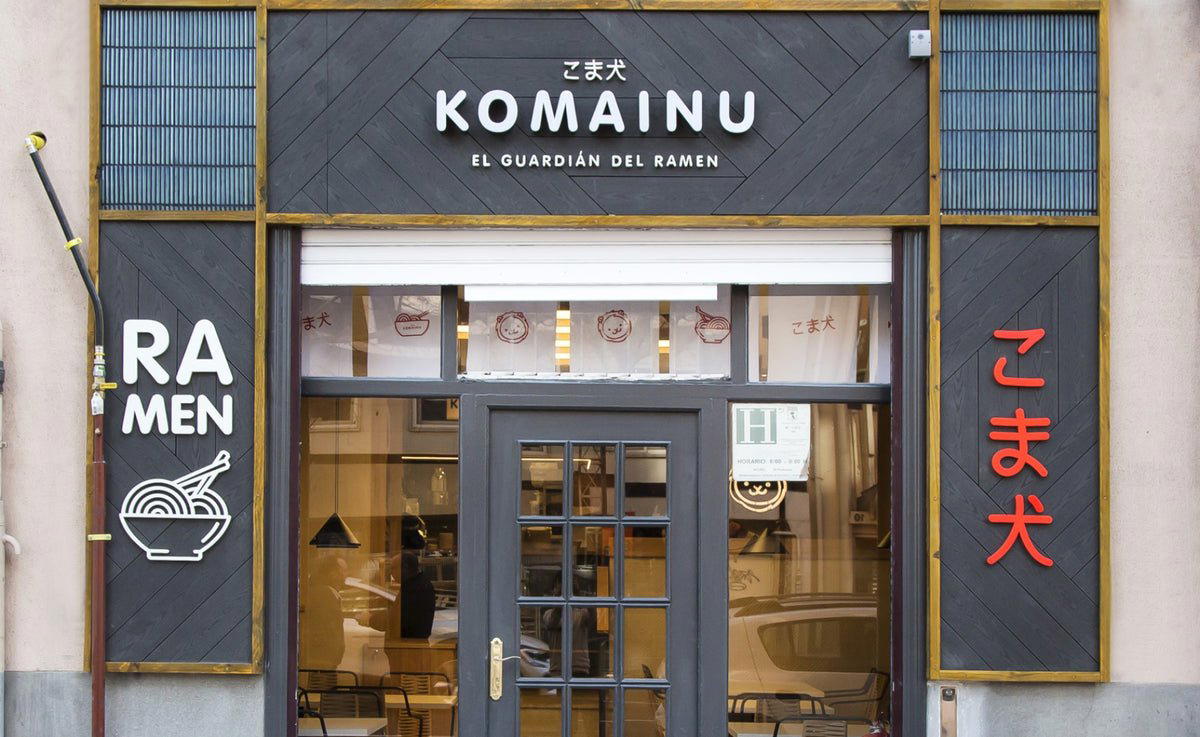
Ramen Komainu brings a focused Japanese noodle format to Chamberí, one of Madrid's more residentially grounded neighbourhoods, at a price point well below the city's Michelin-starred creative Spanish circuit. Where venues like DiverXO or Coque anchor the top of Madrid's dining hierarchy, Komainu operates in the mid-register specialist tier — a category Madrid has historically underserved — making it a reference point for Japanese comfort food in the capital.

Pearl is the En Primeur Club membership app — saves, bookings, and concierge access live there. Same editors, same standards.
The menu
What to order
- Tonkotsu Shoyu
- Tori Paitan
- Yuzu Cheesecake
A Japanese Counter in a Neighbourhood That Doesn't Usually Have One
Chamberí is not where Madrid's headline restaurant openings tend to land. The neighbourhood runs on quiet residential streets, corner bars serving vermut before lunch, and a local clientele that doesn't particularly want to be seen at the table next to a food journalist. Calle de José Abascal cuts through the district at a slightly more commercial register, but the surrounding blocks remain resolutely non-touristy. That context matters when you're reading Ramen Komainu: a Japanese ramen specialist in this postcode is not chasing the fine-dining circuit concentrated further south near Cibeles, or the international crowd orbiting the Gran Vía corridor. It is, by placement alone, pitching to people who live nearby and to those who seek it out deliberately.
Ramen in Madrid sits in a different competitive tier than the city's celebrated creative restaurants. DiverXO, Coque, Deessa, DSTAgE, and Paco Roncero define the upper register of what Madrid's restaurant scene exports to the world. Ramen Komainu is not in conversation with those addresses on price or format. It occupies the specialist mid-tier, where the comparison set is other Asian noodle houses across European capitals rather than the Michelin-starred Spanish creative circuit. That is not a lesser position — it is simply a different one, and in Madrid specifically, the category remains thin enough that a competent ramen operation draws a disproportionate following.
Why Sourcing Matters in a Bowl of Broth
The editorial case for Japanese ramen in Spain turns largely on ingredients, because the gap between a credible bowl and a generic one is almost entirely a sourcing question. Broth construction in the tonkotsu or shoyu traditions requires pork bones with a specific fat-to-collagen ratio, koji-fermented tare, and alkaline noodles whose texture degrades fast if the wheat specification is wrong. European producers have begun supplying some of these inputs domestically — Spanish Ibérico byproducts, for instance, are occasionally used in Japanese-influenced pork preparations across the continent, but the category still depends substantially on imported components for the foundational flavour architecture.
Spain's position in this equation is unusual. The country produces some of the most precisely reared pork in the world, and the overlap between Ibérico production culture and Japanese ingredient obsession has generated genuine culinary interest. Madrid's broader restaurant scene has explored this tension across multiple formats, from the Asian-inflected creativity of DiverXO to the more technique-driven work at addresses like Atomix in New York City, a Korean fine-dining reference that has helped reframe how Western audiences read Asian precision cooking. Ramen Komainu operates at a more grounded register, but the sourcing logic applies equally: the quality of fat, bone, and fermented components determines the ceiling of what's achievable in the bowl.
Where Ramen Komainu Sits in the Madrid Picture
Madrid's dining scene is one of Europe's more stratified, with a compressed upper tier of creative tasting-menu restaurants and a broad mid-market of traditional Spanish cooking. The specialist Asian-format mid-tier, credible Japanese, Korean, or Vietnamese operations that would hold their own in London or Paris, remains relatively underdeveloped relative to Madrid's population size and dining sophistication. Ramen Komainu addresses that gap in one specific format. It is not attempting the full-spectrum Japanese restaurant approach; ramen as a focused discipline is the frame, and within that frame the question is execution consistency.
For context on what specialist format discipline looks like at a higher price tier elsewhere in Spain, Aponiente in El Puerto de Santa María and Mugaritz in Errenteria represent what happens when a single-minded approach to sourcing and technique is sustained over years. Arzak in San Sebastián, Azurmendi in Larrabetzu, and El Celler de Can Roca in Girona reflect the broader strength of Spain's restaurant culture at the leading. Ramen Komainu operates nowhere near those price points or ambition levels, but understanding how Spain's leading kitchens think about ingredient integrity gives useful framing for why a ramen house that takes sourcing seriously earns its position in a city already crowded with places that don't.
The contrast is equally instructive when looking beyond Spain. Le Bernardin in New York City built its reputation on sourcing specificity applied to a single ingredient category, fish, over decades. The parallel for a ramen specialist is broth: it is the primary expression of the kitchen's sourcing decisions, and it either signals seriousness or it doesn't. Other strong Spanish regional references worth knowing include Martin Berasategui in Lasarte-Oria, Cocina Hermanos Torres in Barcelona, Quique Dacosta in Dénia, Ricard Camarena in València, and Atrio in Cáceres, all part of a national dining culture in which ingredient sourcing is treated as a foundational discipline rather than a marketing claim.
Planning Your Visit
Ramen Komainu is located at Calle de José Abascal, 13, in Chamberí, Madrid 28003. The neighbourhood is accessible by metro and sits north of the city centre, roughly between Alonso Martínez and Ríos Rosas stations. Reservations: booking details are not currently published through major platforms, so direct contact via the venue's own channels is the recommended approach. Budget: ramen specialists in Madrid's mid-tier typically run between €15 and €25 per person for a main bowl with sides, well below the city's tasting-menu addresses. Timing: Madrid's lunch service runs later than most European norms, 2pm to 4pm is the core window, but ramen houses often see demand across both lunch and early dinner, so arriving at opening is the safest strategy if you're visiting without a confirmed booking.
For a fuller map of Madrid's dining scene from the creative Spanish tasting-menu tier down to neighbourhood specialists, see our full Madrid restaurants guide.
Frequently asked questions
Does Ramen Komainu work for a family meal?
Ramen counters in general are better suited to pairs or small groups than large family gatherings. Komainu sits on Calle de José Abascal in Chamberí, a neighbourhood built around everyday dining rather than event restaurants, which gives it a lower-key register than Madrid's destination spots. Families with older children who eat well should find it comfortable enough; it is not a place oriented around high chairs or extended multi-course pacing.
What's the overall feel of Ramen Komainu?
The address in Chamberí — a primarily residential district north of central Madrid — sets the register: this is a neighbourhood ramen spot rather than a showpiece venue. Expect a focused, relatively compact space where the bowl takes centre stage and the surrounding noise level stays closer to a local bar than a buzzy city-centre opening.
Is Ramen Komainu one of the few dedicated ramen spots in Madrid's Chamberí district?
Chamberí's dining infrastructure is built around traditional Spanish corner bars and mid-market Spanish restaurants, making a venue with the Japanese ramen counter format relatively rare in the district. Ramen Komainu at Calle de José Abascal, 13 occupies that gap in a neighbourhood that has not attracted many dedicated Japanese noodle operations. Madrid's broader Japanese dining offer has historically clustered further south toward Lavapiés or in the city centre, which makes the Chamberí placement editorially notable.
What dish is Ramen Komainu famous for?
What the Chamberí location signals is a commitment to Japanese ramen as a primary format rather than a side offer inside a broader Asian menu — the broth and noodle work is the editorial reason to visit.
What's the address for Ramen Komainu?
Ramen Komainu is located at Calle de José Abascal, 13, Chamberí, 28003 Madrid, Spain, Madrid.
How far ahead should I plan for Ramen Komainu?
For a ramen counter in a residential Madrid neighbourhood, demand tends to spike at lunch on weekends and early dinner on weekdays. Checking directly via the venue before visiting is the practical step, particularly if you are coordinating a group.
What's the standout thing about Ramen Komainu?
Location is the clearest differentiator: Chamberí is not where Madrid's Japanese dining has historically concentrated, making Komainu one of the few ramen-focused operations in a district that otherwise runs on Spanish tapas bars and neighbourhood restaurants. That positioning — serious Japanese broth work in a non-tourist, non-gastro-district address — is what separates it from the city-centre ramen options.
A Tight Comparison
Comparable venues nearby, for context on price, style, and recognition.
| Venue | Cuisine | Price | Awards | Notes |
|---|---|---|---|---|
| Ramen KomainuThis venue — the venue you are viewing | Authentic Japanese Ramen | $20–30 | Not listed | Not listed |
| KIPPU | Modern Japanese with Chinese Influences | $30–50 | Macarfi 6.5 Food Rating | Lista, Modern Japanese with Chinese Influences |
| El Japo Carranza | Japanese Sushi Fusion | $20–30 | Not listed | Trafalgar, Japanese Sushi Fusion |
| Monster Sushi Zurbano | Japanese Nikkei Fusion Sushi | $20–30 | Not listed | Almagro, Japanese Nikkei Fusion Sushi |
| Nomo Braganza | Modern Japanese-Mediterranean Fusion | $50–100 | Macarfi 7.1 Food Rating | Justicia, Modern Japanese-Mediterranean Fusion |
| Robata | Contemporary Japanese Robata | $50–100 | Macarfi 7.3 Food Rating | Recoletos, Contemporary Japanese Robata |
Continue exploring
More in Madrid
Restaurants in Madrid
All restaurants in Madrid →
Bars in Madrid
All bars in Madrid →




Details
- Cozy
- Modern
- Trendy
- Casual Hangout
- Date Night
- Open Kitchen
- Sake Program
- A La Carte
- Beer Program
- Vegetarian Friendly
Current opening hours
- Monday
- Closed
- Tuesday
- 1:30–3:15 PM, 8:30–10:15 PM
- Wednesday
- 1:30–3:15 PM, 8:30–10:15 PM
- Thursday
- 1:30–3:15 PM, 8:30–10:15 PM
- Friday
- 1:30–3:15 PM, 8:30–10:30 PM
- Saturday
- 1:30–3:30 PM, 8:30–10:30 PM
- Sunday
- 1:30–3:30 PM, 8:30–10:15 PM
Hours can change for holidays and private events. Last verified .
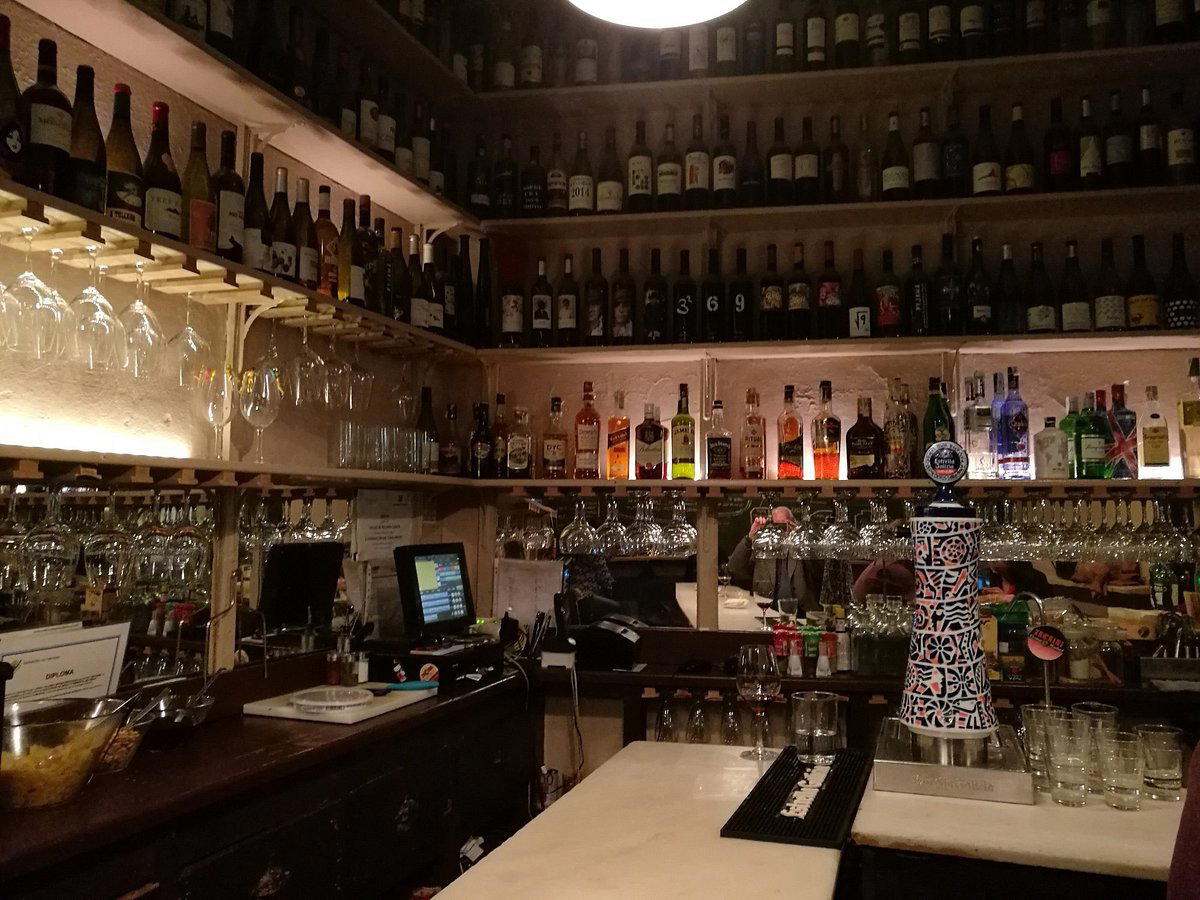
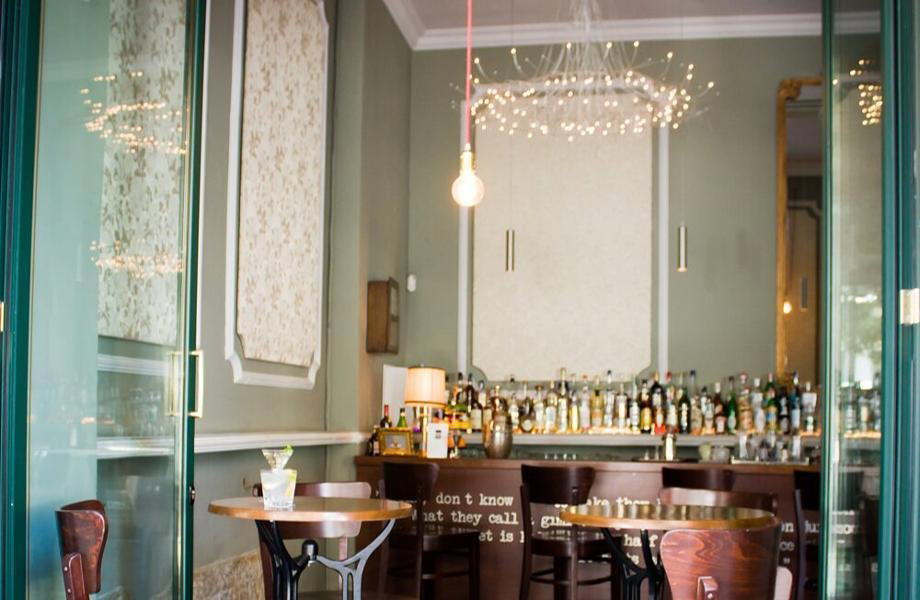
Cozy atmosphere with modern décor.