Master Low Key occupies a specific position in Hong Kong's dining conversation, a name that circulates among locals who track the city's less-publicised eating culture. Detailed venue information remains limited in public records, but its reputation points toward the kind of understated, occasion-worthy dining that Hong Kong does particularly well across its neighbourhood restaurant scene.
Pearl is the En Primeur Club membership app — saves, bookings, and concierge access live there. Same editors, same standards.
- Address
- Hong Kong, Hong Kong
- Directions
- Get directions
 Saves & bookings on Pearl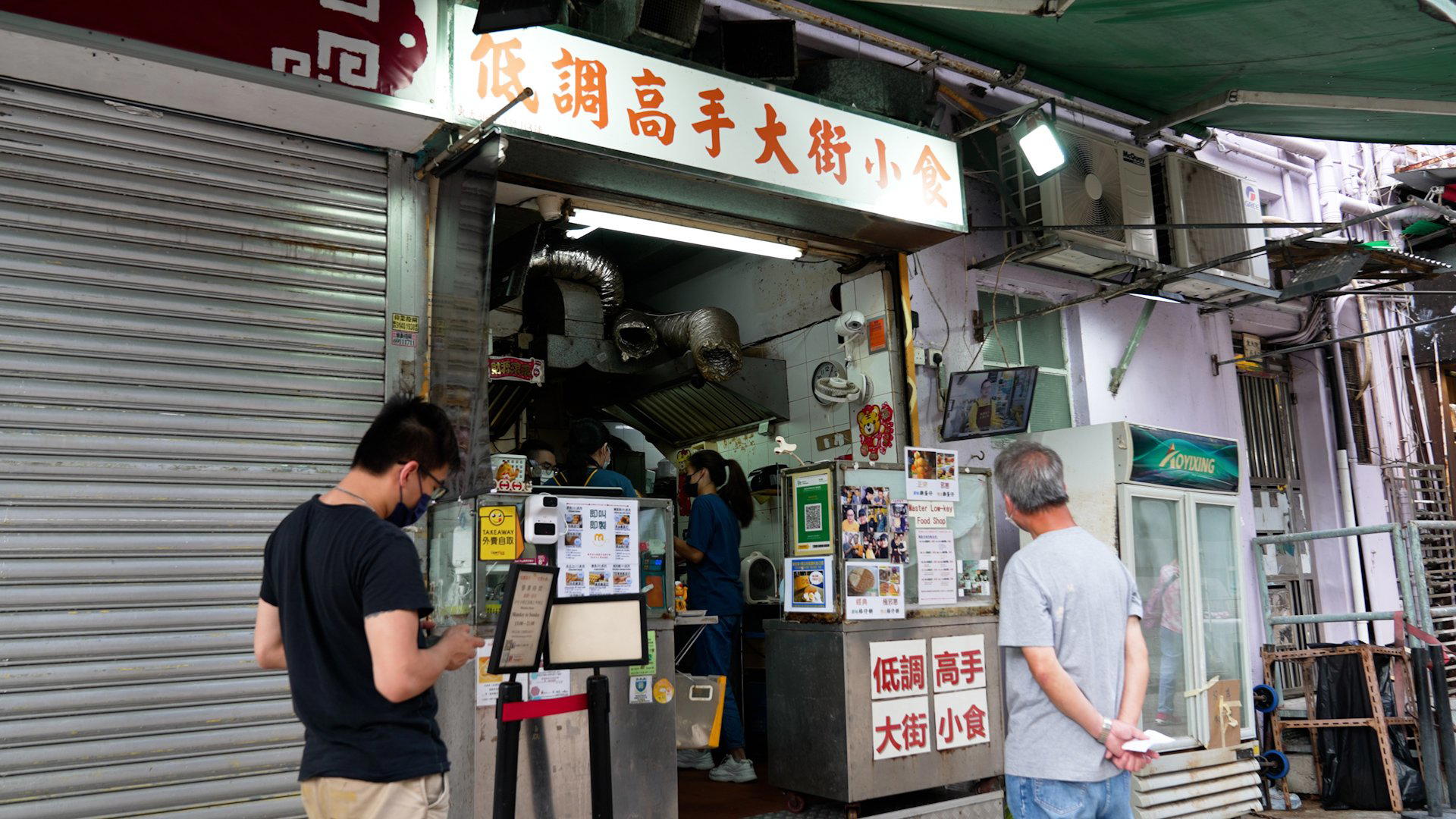
Hong Kong's Understated Dining Register
Master Low Key is a Hong Kong restaurant serving Hong Kong Street Food - Egg Waffles & Puffs, with an approximate price of US$5 per person. There is a particular tier of Hong Kong restaurant that operates almost entirely by word of mouth. It does not appear in hotel concierge binders and does not seek the kind of validation that comes from international press coverage. Master Low Key belongs to that register, its name alone signals an intent to remain beneath the noise of the city's more conspicuously marketed dining scene. In a city where three-Michelin-star rooms like 8 1/2 Otto e Mezzo Bombana and Amber command attention, the restaurants that survive and build loyalty without that apparatus tend to do so on the strength of consistency and a clearly defined reason for being.
Hong Kong's dining culture is densely stratified. At the leading, hotel-anchored fine dining rooms such as Caprice and the Japanese-French precision of Ta Vie compete for critical recognition and corporate expense accounts. Further down the price register, the city's Cantonese heritage institutions, typified by Forum, hold a different kind of authority, one built over decades and rooted in technique rather than trend. Between and around these poles sits a large, varied middle field of restaurants that local residents actually organise their lives around, and it is in that field that names like Master Low Key earn their standing.
The Case for Occasion Dining Away from the Spotlight
Hong Kong has long understood that particularly meaningful meals do not always happen under chandelier light. The city's long tradition of milestone dining spans private rooms in Cantonese establishments, family-style tables in neighbourhood dim sum houses, and celebratory seafood banquets that bear no resemblance to tourism-facing menus. What connects those formats is an assumption that the occasion itself matters as much as the food, and that the restaurant's job is to hold that occasion with enough care that it does not get in the way.
The restaurant appears to operate within that tradition of purposeful restraint. The name is not accidental, in a city where competition for attention is relentless, a deliberate embrace of low-key positioning is itself a signal about where the priorities lie. For diners looking to mark a birthday, an anniversary, or a quieter professional celebration, that positioning is often exactly what is wanted. The contrast with more visible rooms is part of the appeal: you are not competing with the restaurant's own brand for the evening's attention.
This dynamic plays out across Hong Kong's broader dining geography. Across the harbour and into districts less frequented by visitors, restaurants with local followings serve the city's actual celebratory occasions with far less fanfare than their Central counterparts. Establishments like Lei Garden in Sha Tin and Hoi Tin Garden in Tuen Mun represent that neighbourhood-anchored occasion dining culture, where the restaurant's longevity and repeat clientele are the trust signal rather than a plaque on the door. One-ThirtyOne in Tai Po takes a different approach again, pairing dining with a garden setting that makes the environment itself part of the occasion logic.
Reading the Hong Kong Scene for Celebration
When local diners in Hong Kong plan a significant meal, the decision matrix is more nuanced than price tier alone. Cantonese cuisine carries particular weight for family milestones, partly because the dishes themselves carry ceremonial meaning, roast meats, whole fish, and specific soups are tied to occasions by convention rather than menu description. That tradition means a well-executed Cantonese kitchen provides occasion dining that a French or Italian room, however technically accomplished, cannot fully replicate for many Hong Kong families.
The city also supports a parallel track of eclectic neighbourhood restaurants that have built occasion credibility through personality and repeat patronage rather than culinary heritage. In Kwun Tong, Habib's Indian and Middle Eastern Food serves a community that has built genuine loyalty over time. In Yau Tsim Mong, Coconut Soup occupies its own specific niche. These are not restaurants that compete with fine dining on its own terms; they compete on familiarity, reliability, and the sense that you are known there, which is often the important variable when the occasion is personal.
For those whose occasion dining extends to more offbeat settings, the Former Jumbo Floating Restaurant in Aberdeen represents a chapter of Hong Kong's dining history that illustrated how location and spectacle can temporarily substitute for food quality in occasion logic, until they cannot. That story is a useful reminder that particularly durable occasion restaurants tend to be the ones where the food is not subordinate to the setting or the concept.
Planning a Meal at Master Low Key
Public information on the restaurant is limited. That degree of public-facing opacity is not unusual for Hong Kong establishments that operate primarily through direct referral and repeat clientele.
For milestone occasions requiring more confirmed infrastructure, Hong Kong's broader fine dining circuit offers well-documented alternatives at multiple price points. Gaia in Central and Western provides a long-established Italian option, while King of Soybeans in Wong Tai Sin and Gangstas in Islands illustrate the breadth of the city's neighbourhood eating options for those willing to travel beyond the core districts. Internationally, the occasion dining category is exemplified by rooms like Le Bernardin in New York City and the tasting-menu precision of Atomix, which set a reference point for what structured celebration dining can achieve when the format is fully committed.
For those whose preference is I Love Istanbul in Tsuen Wan-style neighbourhood specificity or something entirely outside the fine dining frame, Hong Kong's eating culture is deep enough to accommodate almost any occasion format.
Price and Recognition
Comparable venues nearby, for context on price, style, and recognition.
| Venue | Cuisine | Price | Notes |
|---|---|---|---|
| Master Low KeyThis venue — the venue you are viewing | Not listed | $ | Not listed |
| Ap Lei Chau Market | Ap Lei Chau, Hong Kong Cantonese Seafood | $ | Not listed |
| Yue Hing (裕興大排檔) | Not listed | $ | Central, Hong Kong Dai Pai Dong Sandwiches |
| On Lee Noodle Soup | Not listed | $ | Hong Wan, Hong Kong Beef Brisket Noodle Soup |
| Tak Yu Restaurant (德如茶餐廳) | Wan Chai, Hong Kong Cha Chaan Teng | $ | Not listed |
| Kung Wo Dou Ban Chong | Not listed | $ | Sham Shui Po, Traditional Hong Kong Tofu Specialty |
Continue exploring
More in Hong Kong
Restaurants in Hong Kong
Browse all →
Bars in Hong Kong
Browse all →
At a Glance
- Trendy
- Lively
- Casual Hangout
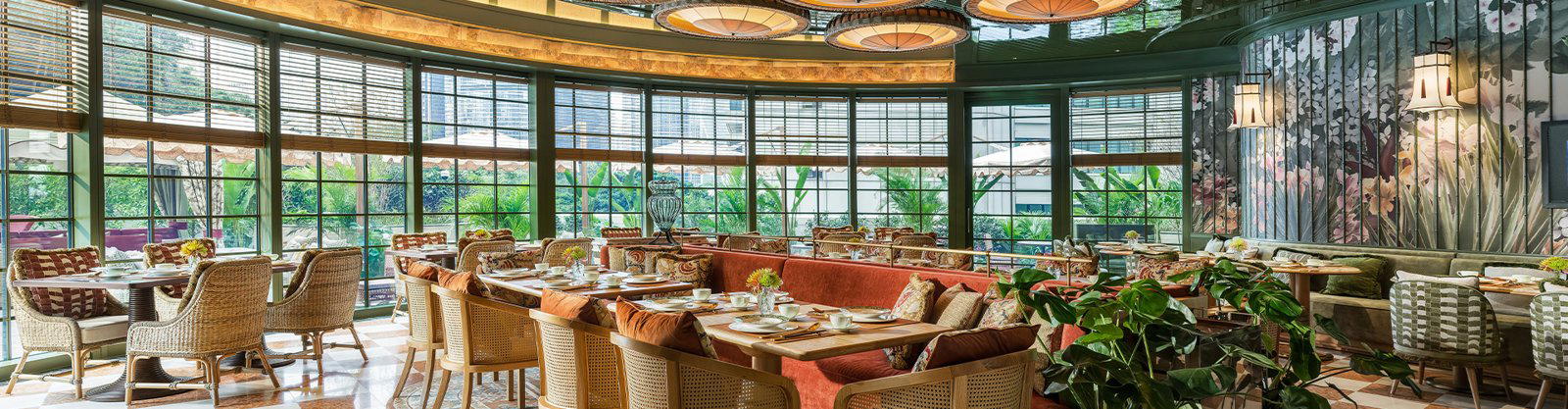
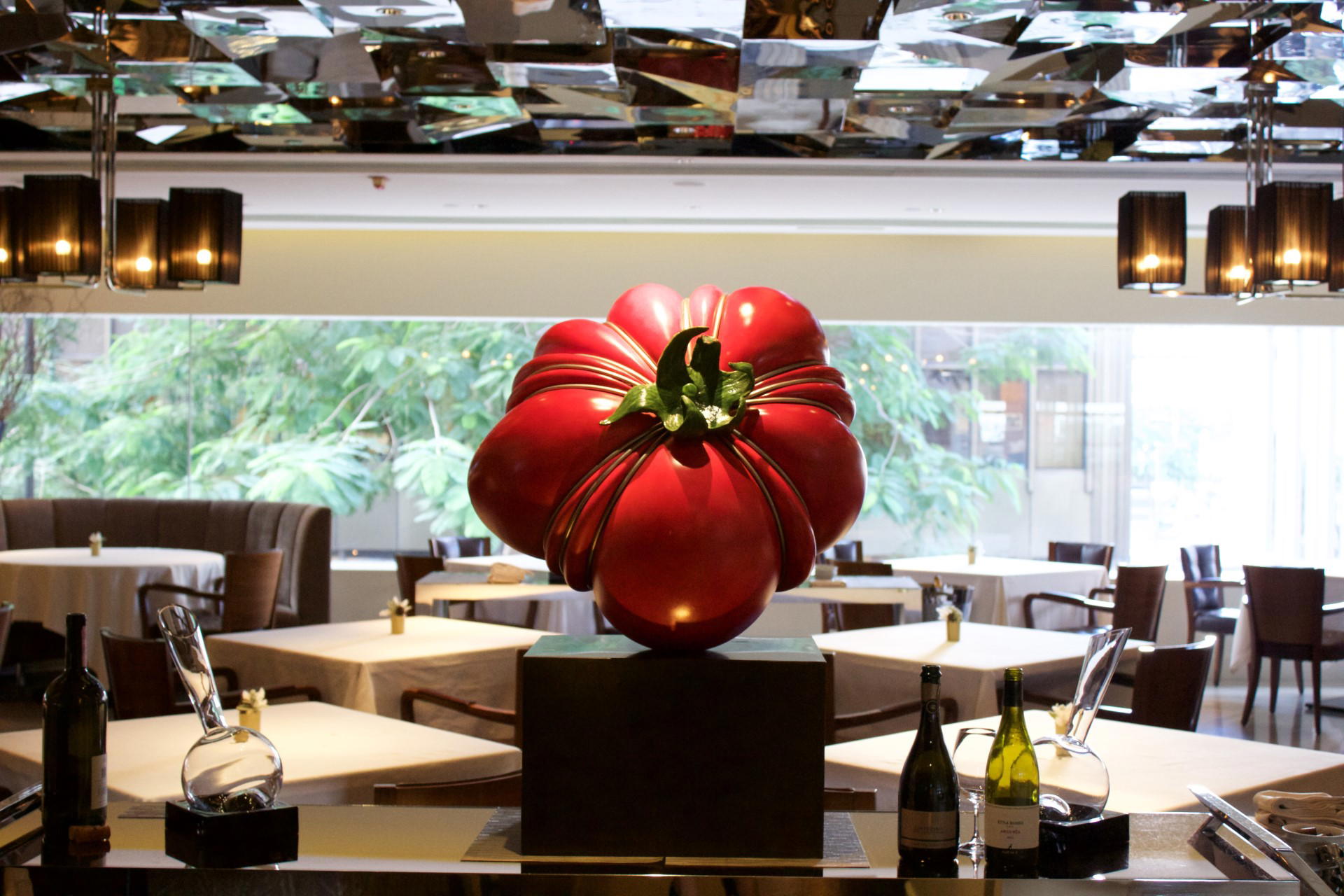
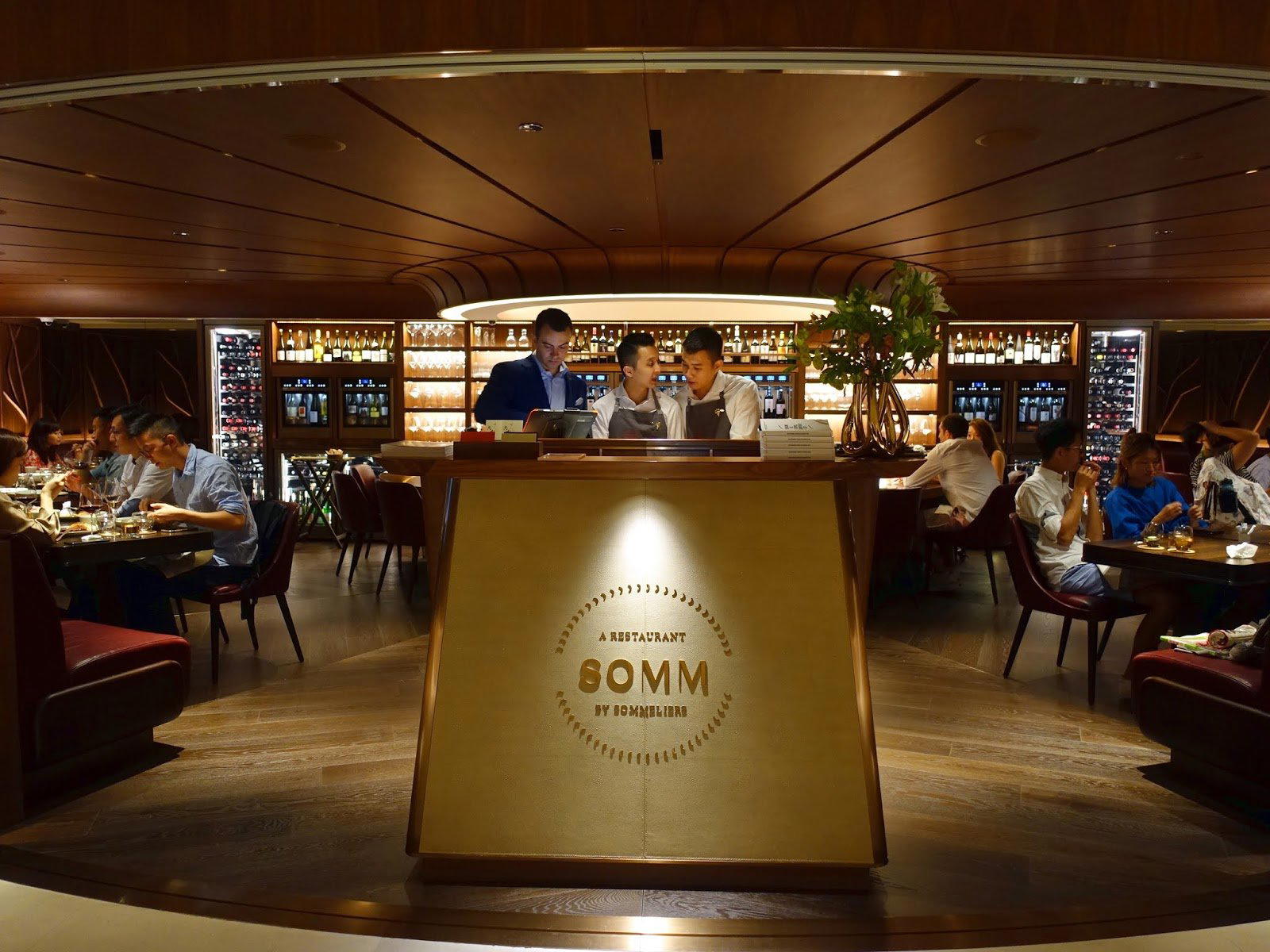
Casual street food stall with bustling crowds and queues, offering a lively, unpretentious snack atmosphere.