
Kamata’s working-station dining culture is the frame at Maruyama Shokudo, a 20-seat counter-led shokudo recognized in Tabelog 100 - Diner - 2026. The appeal is not ceremony but compression: cafeteria, tonkatsu and curry in a room where the kitchen presence is part of the experience, and where Tokyo’s everyday restaurant form earns serious critical attention.
Pearl is the En Primeur Club membership app — saves, bookings, and concierge access live there. Same editors, same standards.
- Address
- Japan, 〒144-0052 Tokyo, Ota City, Kamata, 5 Chome−2−7 ムーンシャイニー弐番館
- Website
- instagram.com
 Saves & bookings on Pearl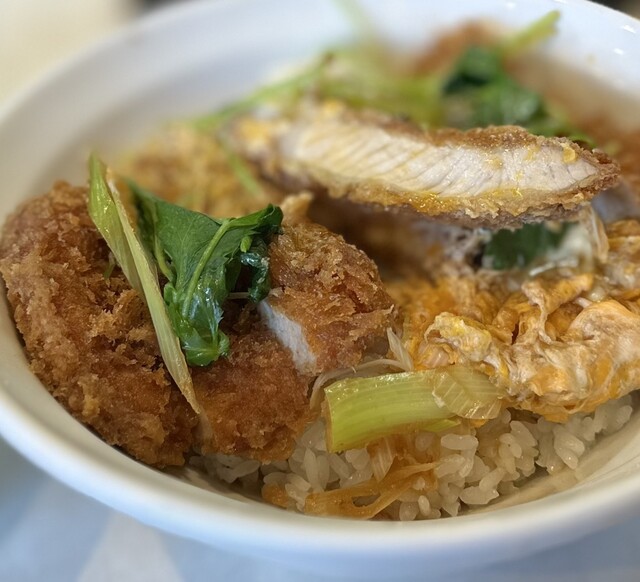
Kamata moves at a different tempo from central Tokyo’s polished dining corridors. Around the station, the grammar is practical: counters, quick decisions, compact rooms, fried food, curry, beer pulled from a case, and regulars who know when to call out an order. Maruyama Shokudo belongs to that tradition, not the reservation-led theatre of Ginza or Aoyama. Its importance is how much Tokyo dining culture fits into a modest shokudo format: tonkatsu, cafeteria cooking and curry, held together by speed, heat and close-quarters service.
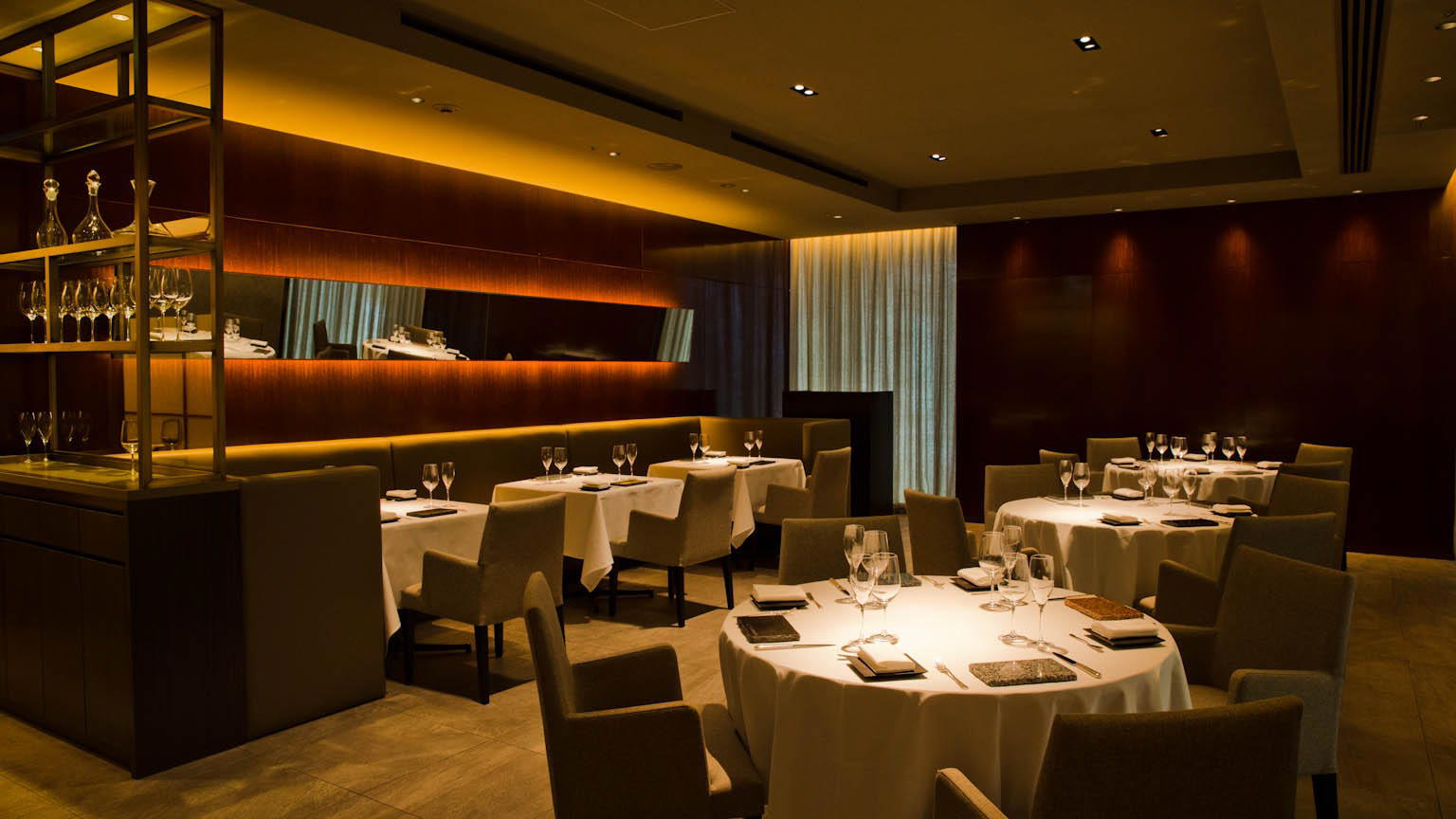
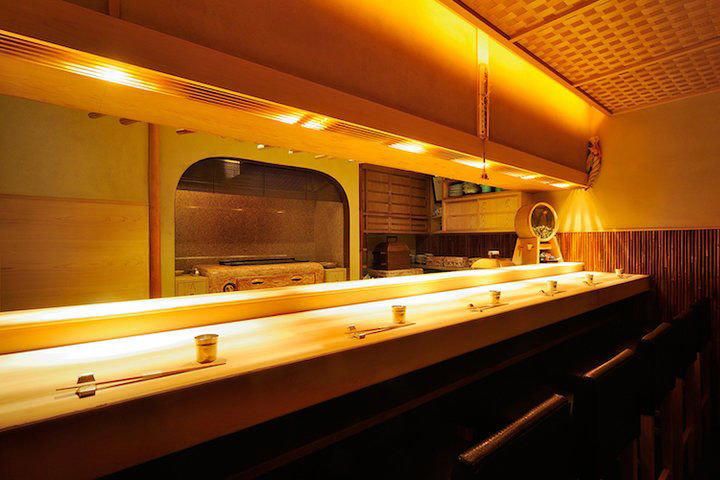
The room is built around proximity: 20 seats, 16 at the counter and one four-seat table, placing the kitchen in the same field of attention as the meal. This is not the detached quiet of a tasting counter. The format makes cooking visible and physical, and the house notes are unusually candid about the fried-food smell from the kitchen. That detail matters: this is Tokyo unfiltered, not softened for hotel-district dining, rooted in the station-side shokudo where appetite and efficiency share a narrow room.
Kamata shokudo culture, treated with award-list seriousness
Tokyo’s restaurant hierarchy often pushes visitors toward sushi counters, kappo rooms and French-Japanese tasting menus, but everyday food culture is just as revealing. Shokudo dining is built for repeat use: rice, cutlet, curry, seasonal cold drinks on tables, and service rhythm for diners who can read the room. The Tabelog 100 - Diner - 2026 selection places Maruyama Shokudo in a selective conversation about ordinary formats executed with national-level consistency. It also appeared in Tabelog’s Diner selections for 2024 and Tonkatsu selection for 2021, giving the recognition a pattern rather than a single-year spike.
The category mix explains the draw. Cafeteria, tonkatsu and curry are overlapping Tokyo habits: pork cutlet can be a set meal, curry topping, lunch anchor or after-work order with sake or shochu. Here, the pork cutlet is described as rare and slightly reddish, with animal lard fragrance and two salts on the table, Himalayan rock salt and white salt, while sauce is brought by staff. Those details place the cooking closer to tonkatsu culture than generic cafeteria fare, while the shokudo setting keeps it grounded.
That balance makes the Kamata context useful. In central neighborhoods, a cutlet specialist often becomes a destination format, stripped to a counter and narrow product promise. In Kamata, the same seriousness can sit beside curry and a neighborhood meal structure. Compared with nearby low-price peers such as HIIKI and Grill Suzukou, the appeal is not luxury premium but sharper identity within the same everyday budget band; compared with Mi Rei, in a higher spend bracket, it reads as a different kind of value judgement. For a broader city view, Our full Tokyo restaurants guide maps how these neighborhood rooms sit alongside the capital’s higher-profile dining circuits.
The counter is the point, not a decorative detail
Counter-heavy dining changes the contract. It shortens the distance between decision, cooking and eating, and rewards diners who need no elaborate explanation. The note that guests call out when someone has decided on an order is not a quirk; it is part of the shokudo operating system. So is the self-directed approach to bottled beer and other drinks in the display case, with sake and shochu also in the drinks picture. The room expects participation without turning it into performance.
This matters for travelers because Tokyo’s small restaurants can look similar outside while functioning differently once seated. Some are chef-led temples to one ingredient. Others are neighborhood engines, built to feed people quickly while keeping a standard high enough to build loyalty. Maruyama Shokudo sits in the second group, and the Tabelog score of 3.65 confirms this is not merely a convenient Kamata address, but a modest-format room with measurable recognition.
Kamata gives the meal a specific urban logic. Its station traffic, local workers and access to Haneda make it a practical eating district, not a ceremonial dining destination. That is why Tokyo’s broader restaurant map helps. A visitor might pair this meal with other casual or category-specific addresses such as 3 Chome no Curry Ya San, 12/10 Shinjuku ten, 124. KAGURAZAKA (Yakitori) or . 鮪と炭火焼き うお炭 秋葉原店, not because they are interchangeable, but because Tokyo rewards eating by format and neighborhood, not prestige alone.
How to read the experience before choosing it
The right diner values precision inside informality. The setting is non-smoking, compact and counter-led, with no private rooms and a family-friendly listing that also notes limits for infants and small children because of bench seating and the lack of a menu. Payment is cash-oriented in practice: credit cards, electronic money and QR payments are not accepted. These are not just inconveniences but signals: a local shokudo operating on its own terms.
Tokyo dining planning often over-indexes on trophy reservations. The restaurant argues for award-recognized everyday food, served in a working neighborhood, without the insulation premium travelers often expect. It belongs on an itinerary when the point is to understand how Tokyo eats between appointments, commutes and airport transfers. For readers building a wider trip, restaurant context pairs naturally with Our full Tokyo hotels guide, Our full Tokyo bars guide, Our full Tokyo wineries guide and Our full Tokyo experiences guide.
Further afield, EP Club’s Japan and overseas listings show how compact formats travel across cities: 2D Cafe, -Grilled beef Sukiyaki- KAMAKURA TANUKIAN 鎌倉 たぬき庵 in Kamakura.cafe in Osaka.know in Kumamoto, (Shoku) Vietnam in Kawasaki, [Curry Senmon Ten] Maruyama Kyoju. in Sapporo, [ki:] in Kyoto, Jōdo Saké Bar in Los Angeles and Onigiri Time in Pasadena.
Where the Accolades Land
Comparable venues by cuisine and category.
| Venue | Cuisine | Price | Notes |
|---|---|---|---|
| Maruyama ShokudoThis venue — the venue you are viewing | Tonkatsu and Japanese Shokudo | $ | Not listed |
| Oniyanma Gotanda honten | Standing Sanuki Udon Shop | $ | Shinagawa |
| Taiyaki Hiiragi | Traditional Japanese Taiyaki Shop | $ | Shibuya |
| Murghee | Classic Japanese curry house | $ | Shibuya |
| Oiwake Dango Honpo Shinjuku honten | Traditional Japanese dango & wagashi cafe | $ | Shinjuku |
| Suikou Dou Honten | Traditional Japanese Wagashi & Daifuku | $ | Chūō |
Recognition history
Dated appearances from independent guides and award organizations, with the underlying list record or original source where available.
Tabelog 100 #37 · No. 37
Tabelog · Tabelog 100 - Diner - 2026










At a Glance
- Classic
- Cozy
- Solo
- Casual Hangout
- After Work
- Family
- Standalone
Current opening hours
- Monday
- 11 AM–3 PM, 4–9 PM
- Tuesday
- 11 AM–3 PM, 4–9 PM
- Wednesday
- 11 AM–3 PM, 4–9 PM
- Thursday
- 11 AM–3 PM, 4–9 PM
- Friday
- 11 AM–3 PM, 4–9 PM
- Saturday
- 11 AM–3 PM, 4–9 PM
- Sunday
- Closed
Hours can change for holidays and private events. Last verified .
A small, old-school Japanese shokudo with counter seating and simple decor, focused on quick, efficient service and generous, comforting plates of fried pork and other homestyle dishes in a lively local atmosphere.