
Oniyanma Gotanda honten sits in Tokyo’s fast-service udon tradition rather than the city’s reservation-led dining tier: a standing-counter Sanuki udon shop by Gotanda Station, selected for Tabelog’s Udon EAST “Tabelog 100” in 2024 and priced under JPY 999. Its reputation rests on speed, repetition, and a format that treats everyday noodles with unusual seriousness.
Pearl is the En Primeur Club membership app — saves, bookings, and concierge access live there. Same editors, same standards.
- Address
- 東京都品川区西五反田1-6-3
- Website
- tabelog.com
 Saves & bookings on Pearl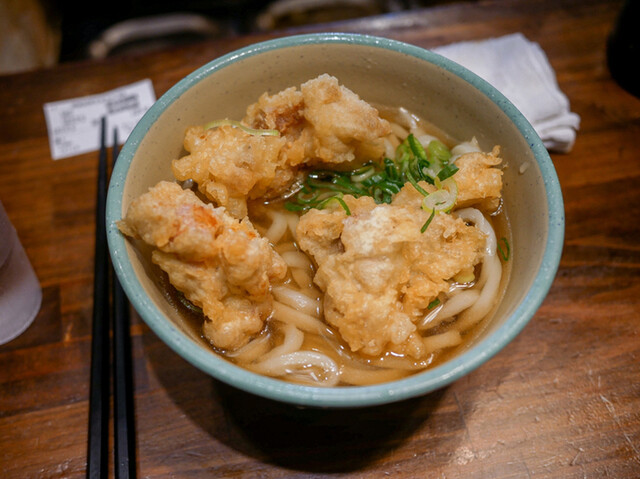
The approach to Gotanda’s west side is not theatrical Tokyo. It is station traffic, office movement, late trains, and the compact rhythm of a neighbourhood built for people in transit. That setting matters. Tokyo’s udon culture has always had a practical streak, and the strongest standing-counter shops turn constraint into discipline: short dwell time, narrow counters, quick turnover, and a kitchen rhythm that makes the meal feel engineered rather than hurried.
Oniyanma Gotanda honten belongs to that category. The useful frame is not luxury dining, but Tokyo’s high-function everyday food culture, where a bowl of wheat noodles can carry the same seriousness that elsewhere is reserved for tasting-menu technique. Tabelog selected it for the Udon EAST “Tabelog 100” in 2024, with prior selections listed across 2017, 2018, 2019, 2020, and 2022. That repeated recognition is the point: this is reputation built through consistency in a format that leaves little room for performance.
Sanuki udon, stripped to speed and repetition
Sanuki udon has a different center of gravity from Tokyo’s soba culture. The noodles are thicker, more elastic, and more about chew than delicacy; the format rewards temperature control, broth clarity, and precise handling over decorative plating. In a standing-counter shop, that pressure increases. There is no long table conversation to soften a misstep, no wine list to shift attention, no room design to carry the experience. The bowl has to do the work quickly.
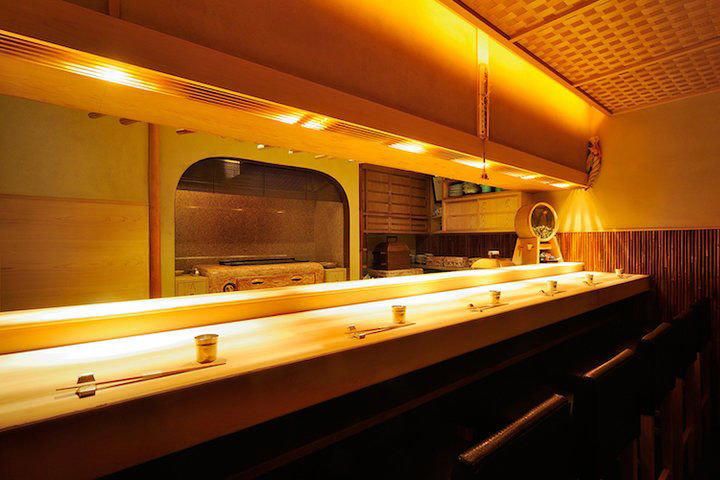
That is why the Gotanda shop’s standing-only counter format is more than a logistical detail. It places the restaurant in Tokyo’s utilitarian noodle lineage, closer to commuter infrastructure than occasion dining. The category has its own standards: pace, repeatability, portion value, and the ability to serve both breakfast traffic and late-night demand without turning into an anonymous chain experience. A 12-seat standing counter creates a tight operating loop, and that small capacity helps explain why the room functions as part of the cooking system rather than just the place where the food is eaten.
Price also changes the critical lens. At under JPY 999 for lunch and dinner, the restaurant is judged against Tokyo’s most exacting low-cost meals, not against chef-led counters with long booking cycles. That makes its Tabelog 100 selection more telling. Recognition in this category signals that everyday dining can carry serious scrutiny; the achievement is not excess, but execution at volume and price discipline.
Why the reputation carries beyond Gotanda
Tokyo’s restaurant hierarchy can distort attention toward omakase counters, French-influenced tasting rooms, and hard-to-book izakaya. Around Gotanda, the dining map is more mixed: salaryman drinking rooms, specialist counters, long-lived grills, and quick meals built around station access. Comparison clarifies the position. Tachinomi Todaka and Shokudo Todaka occupy a much higher spend bracket, while Grill F and Nichinan sit in different casual-dining lanes. Oniyanma Gotanda honten operates at the opposite end of the price spectrum, yet recognition places it inside a serious conversation about craft rather than convenience alone.
The repeated Tabelog selections matter because udon is a category where reputation is often local, habitual, and resistant to tourist shorthand. A shop can be crowded because it is near a station; sustained critical recognition suggests a different kind of durability. In Tokyo, that distinction is useful. Many travellers chase famous sushi or ramen names and miss the city’s quieter proof of standards: the places where a sub-JPY 1,000 meal is held to a demanding technical baseline.
The restaurant’s opening date in 2010 also gives the reputation a time span. This is not a recent social-media discovery, nor a nostalgia address trading only on age. It sits in the middle ground: established enough to have accumulated regulars and award history, contemporary enough to reflect the modern Tokyo appetite for fast specialist dining. That is a strong position in a city where quick-service formats can either sharpen into expertise or flatten into routine.
How to read it within a Tokyo itinerary
For a visitor building a Tokyo food schedule, this is a corrective to over-planned dining. The city’s range is not only measured by reservations and menu length; it is also measured by how seriously it treats breakfast noodles, station meals, and late-hour bowls. A stop here works well as part of a broader study of Tokyo’s everyday precision, especially for travellers already moving through the Yamanote Line corridor rather than crossing the city for spectacle.
That context also keeps expectations aligned. This is not a long-form dining room and it is not designed for lingering. The value is in the compression: Sanuki udon, standing counter, fast pace, low spend, and award-recognised consistency. In a city where premium travellers often over-index on rarity, the more revealing move is sometimes to watch how Tokyo handles the ordinary at scale.
Readers mapping a wider route can pair this kind of specialist stop with other Tokyo entries such as . 鮪と炭火焼き うお炭 秋葉原店, 12/10 Shinjuku ten, 124. KAGURAZAKA (Yakitori), 2D Cafe, and 3 Chome no Curry Ya San. For broader planning, use Our full Tokyo restaurants guide, with adjacent city resources in Our full Tokyo hotels guide, Our full Tokyo bars guide, Our full Tokyo wineries guide, and Our full Tokyo experiences guide.
For readers comparing Japan and Japanese-influenced casual dining beyond Tokyo, the wider EP Club map includes -Grilled beef Sukiyaki- KAMAKURA TANUKIAN 鎌倉 たぬき庵 in Kamakura.cafe in Osaka.know in Kumamoto, (Shoku) Vietnam in Kawasaki, [Curry Senmon Ten] Maruyama Kyoju. in Sapporo, [ki:] in Kyoto, Jōdo Saké Bar in Los Angeles, and Onigiri Time in Pasadena.
Price and Recognition
Comparable venues to anchor price and recognition.
| Venue | Cuisine | Price | Notes |
|---|---|---|---|
| Oniyanma Gotanda hontenThis venue — the venue you are viewing | Shinagawa, Standing Sanuki Udon Shop | $ | Not listed |
| Mendokoro Bigiya Gakugei daigaku honten | Meguro, Classic Tokyo shoyu ramen shop | $ | Not listed |
| Sabouru 2 | Not listed | $ | Chiyoda, Yoshoku & Napolitan Pasta Kissaten |
| Curry & Wine Bistro Beppinsha Ochanomizu ten | Chiyoda, Japanese Curry | $ | Not listed |
| Caligari Akihabara | Not listed | $ | Chiyoda, Japanese curry house specializing in coconut curry |
| Hot Spoon Gotanda ten | Not listed | $ | Shinagawa, Japanese beef tendon curry house |
Recognition history
Dated appearances from independent guides and award organizations, with the underlying list record or original source where available.
Tabelog 100 #27 · No. 27
Tabelog · Tabelog 100 - Udon - EAST - 2024










At a Glance
- Lively
- Well Known
- Energetic
- Minimalist
- Solo
- Family
- Casual Hangout
- After Work
- Late Night
- Standalone
- Open Kitchen
- Street Scene
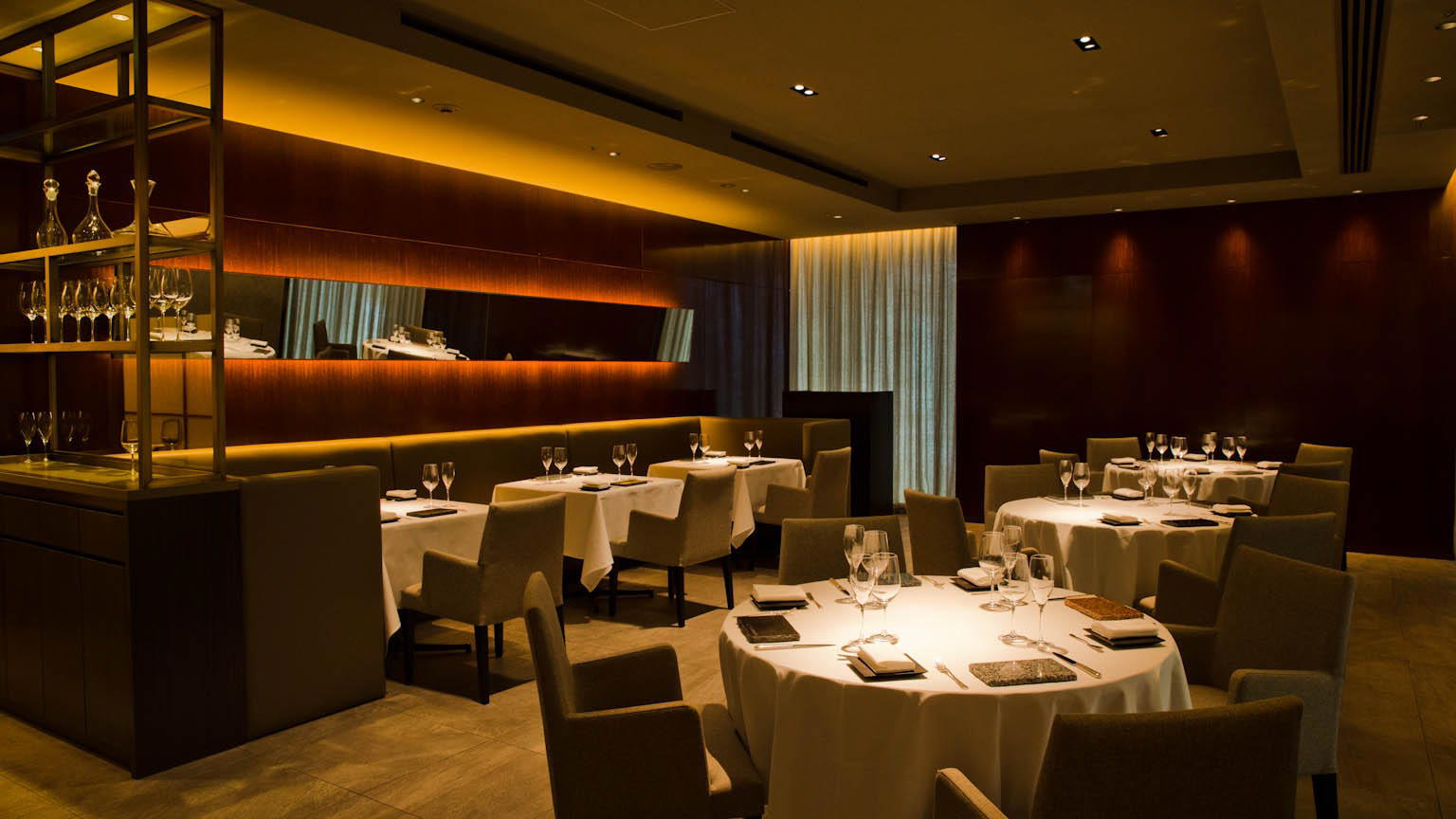
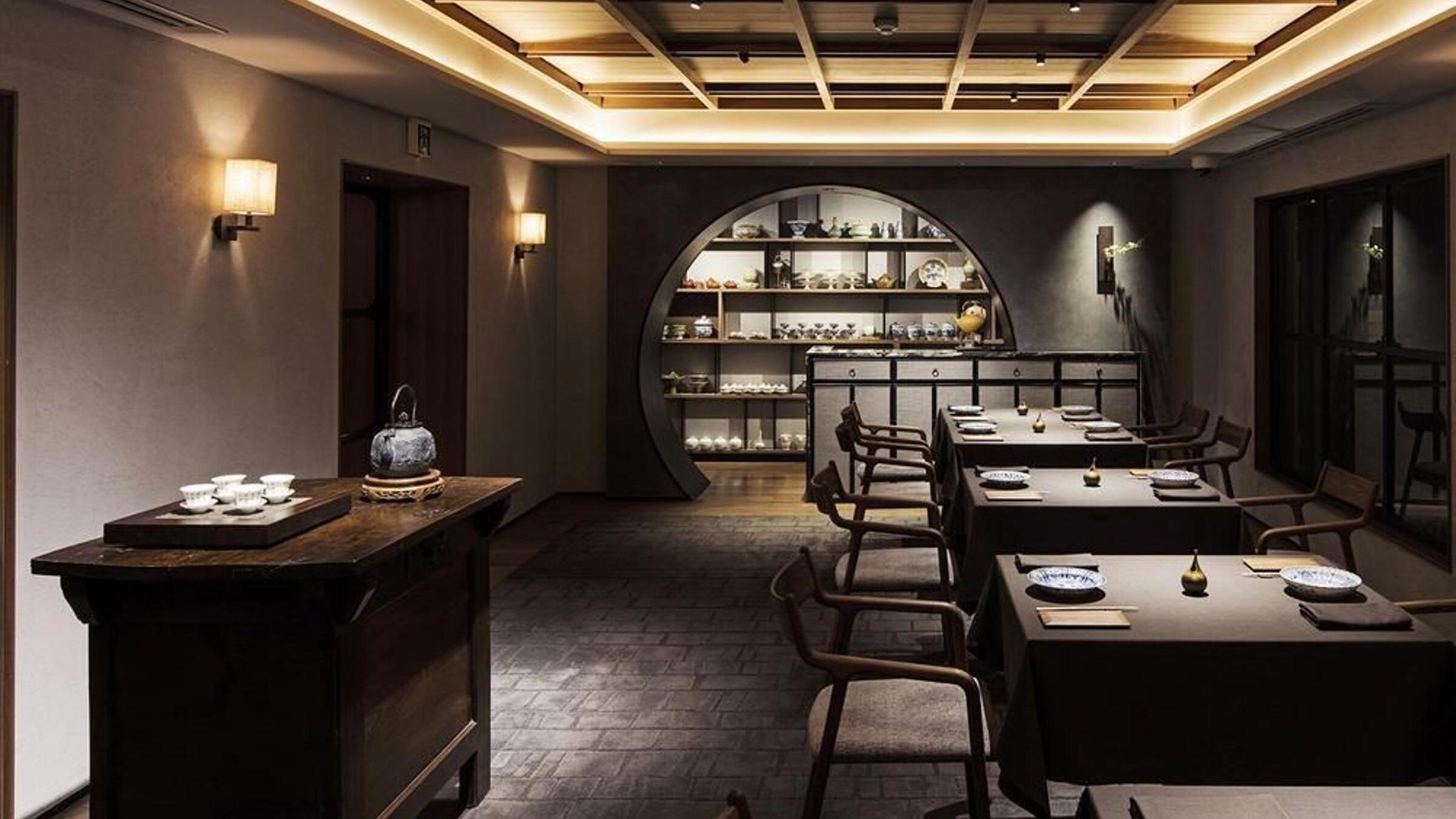
A no-frills, standing-counter udon shop with bright functional lighting, constant movement from the open kitchen, and a bustling, energetic atmosphere shaped by commuters and solo diners lining up at nearly all hours.