Our verdict
Marumba occupies a compact address on Holló utca in Budapest's seventh district, a neighbourhood where the city's most adventurous dining addresses sit alongside surviving ruin bars and Jewish heritage architecture. Positioned below the upper tier of Michelin-recognised Budapest restaurants, it offers an alternative entry point into the district's dining conversation for those tracking the city's mid-market scene.

Pearl is the En Primeur Club membership app, where members save venues, book tables and use the concierge.

The Seventh District and What It Asks of a Restaurant
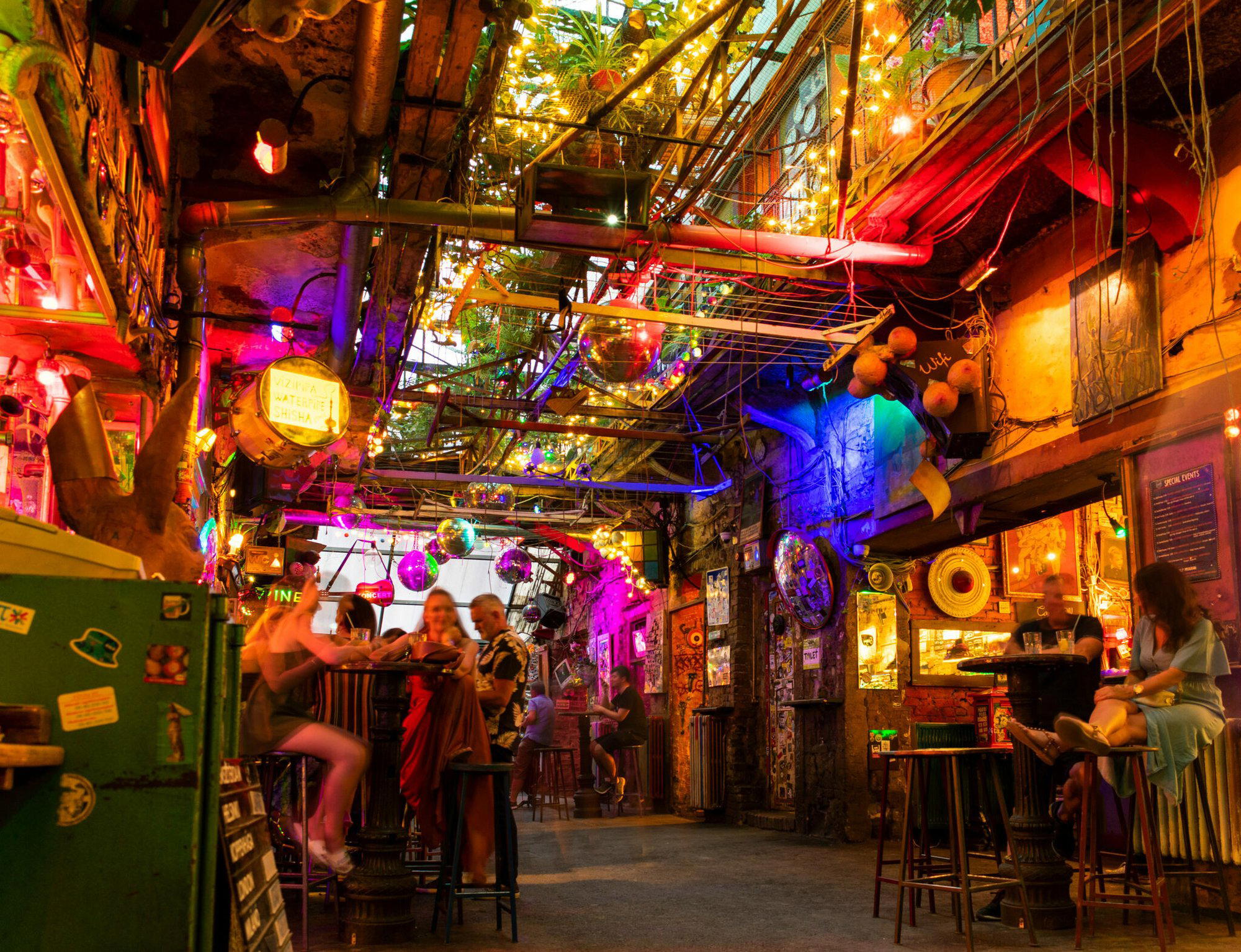
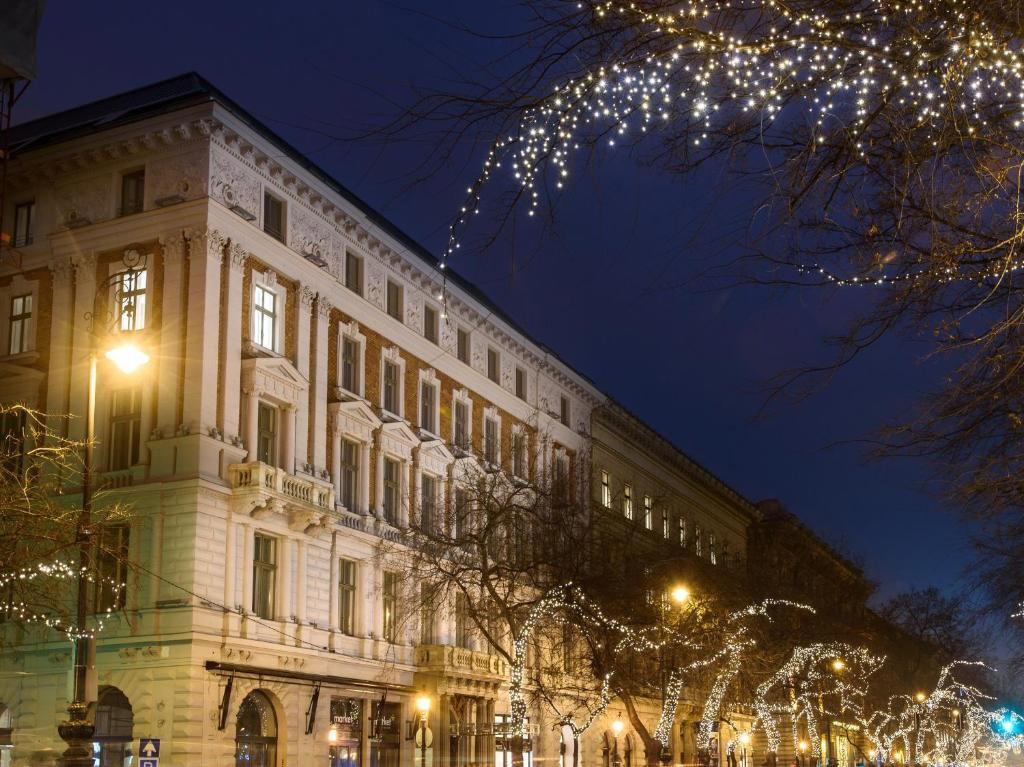
Budapest's seventh district operates at a different frequency from the polished hotel-adjacent dining rooms on the Buda side. Holló utca, where Marumba sits at number one, runs through the Erzsébetváros quarter, a neighbourhood whose physical texture is defined by ornate but worn Habsburg-era apartment facades, corrugated iron gates leading into hidden courtyards, and the competing noise of street-level hospitality fighting for attention with every footfall. Arriving here, you read the street before you read any menu. The district has carried the ruin bar identity since the early 2000s, but that label has grown complicated: what was once a squatter-aesthetic movement has matured into a neighbourhood with genuine dining ambition, where independent restaurants now share blocks with the nightlife venues that put the area on tourist maps in the first place.
That context matters when placing Marumba. A restaurant on Holló utca is not making the same statement as one in the Castle District or on Andrássy út. It is operating in a district where the visual and acoustic environment is specific, where the clientele mixes international visitors with locals who have been using these streets for decades, and where the competition includes everything from standing kebab counters to some of the city's more serious neighbourhood dining rooms. The scene rewards restaurants that read their surroundings honestly rather than performing a register that belongs somewhere else.
Sound, Light, and the Architecture of the Seventh
The sensory grammar of Erzsébetváros is worth understanding before walking into any of its restaurants. The district is dense. Street-level noise carries differently here than in more open parts of the city: tram lines are close, the pedestrian footprint is high on weekends, and the ambient energy of the neighbourhood shifts noticeably between a Tuesday afternoon and a Friday evening. Restaurants that work in this environment typically develop a clear interior acoustic identity, something that lets a dining room feel bounded and composed even when the street outside is busy.
Holló utca itself is narrower and less trafficked than the main Kazinczy or Dob utca corridors, which gives it a slightly different character: more residential at the upper floors, calmer on the pavement. This is the kind of street where a small restaurant can develop a local following without being overrun by the heavier tourist flows that move through the area's more photographed addresses. The light in this part of the district, especially in the earlier part of the evening, comes at the low angles that central European cities produce in the transitional seasons, a quality that Budapest's longer-established restaurants have learned to work with through their choices of warm interior lighting and materials.
Where Marumba Sits in the Budapest Dining Conversation
Budapest's restaurant scene in 2024 is more stratified than it was a decade ago. At the upper end, a cluster of Michelin-recognised addresses, Stand, Babel, Costes, and Borkonyha Winekitchen, have established what fine dining looks like in the Hungarian capital, generally built around modern interpretations of Central European ingredients with European technique. Below that tier, a more crowded middle range competes on neighbourhood identity, format, and value. essência and other addresses in this bracket are doing interesting work in that space.
Its Holló utca address places it in a district that has proved it can sustain serious independent restaurants, but which also makes no promises about what any given address will deliver. For visitors building a Budapest dining itinerary, this means Marumba is leading approached as a neighbourhood discovery rather than a destination dining commitment, the kind of address that rewards curiosity and local recommendation more than pre-trip research from abroad.
Those planning a wider Hungarian dining circuit beyond the capital will find the country's regional scene increasingly worth attention. Platán Gourmet in Tata and Pajta in Őriszentpéter represent the kind of serious cooking that has moved well beyond Budapest's city limits. In wine-producing regions, Halasi Pince Panzió in Villány and BoriMami in Gyöngyös pair regional viticulture with local food in a format that works differently from anything in the capital. Further afield, Aranysárkány Vendéglő in Szentendre, Forst-Ház Étterem és Kávézó in Eger, and Classic Grill Serbian Restaurant Underground in Szeged show how much Hungary's provincial dining has developed its own distinct character. Astro Tea & Kávéház in Gyor, La Pizza Del Lupo in Onga, and Almalomb in Hosszúhetény add further depth to a national scene that no longer requires Budapest as its only reference point.
Planning a Visit
Holló utca 1 is accessible on foot from Deák Ferenc tér or Blaha Lujza tér, both well-served by metro and tram lines. The seventh district is compact enough that Marumba can be combined with broader neighbourhood exploration, the Kazinczy Street synagogue, the covered market halls, and the district's remaining architecturally significant courtyards are all within walking range. Because verified booking details, hours, and pricing for Marumba are not available through current channels, visitors are advised to confirm arrangements directly before arriving. This is not unusual for smaller independent addresses in the district, which tend toward walk-in formats or informal reservation systems rather than the online booking infrastructure common at Budapest's larger recognised restaurants. For a fuller picture of where Marumba sits relative to the broader dining offer across the city, the EP Club Budapest restaurants guide maps the scene across neighbourhoods and price tiers. Those whose interest runs to comparisons with serious dining at the international level will find useful context in how committed programmes like Le Bernardin in New York City and Atomix in New York City have built their identities, a reminder that what distinguishes a serious restaurant from a neighbourhood one is usually accumulated over years, not announced at opening.
Frequently asked questions
Is Marumba a family-friendly restaurant?How would you describe the vibe at Marumba?
What's the signature dish at Marumba?
Is Marumba connected to a particular cuisine tradition or chef background that sets it apart in Budapest's seventh district?
The Essentials
Comparable venues nearby, for context on price, style, and recognition.
| Venue | Cuisine | Price | Awards | Notes |
|---|---|---|---|---|
| MarumbaThis venue (the venue you are viewing) | Modern Vegetarian Hungarian | $30–50 | Not listed | Not listed |
| Mezzo Music Restaurant | Modern European with Hungarian Classics | $50–100 | Not listed | Buda, Modern European with Hungarian Classics |
| Carmel Étterem | Kosher Hungarian-Jewish | $30–50 | Not listed | Belvaros, Kosher Hungarian-Jewish |
| Horizont | Modern Brunch Cafe | $10–20 | Not listed | Terézváros, Modern Brunch Cafe |
| Belvárosi Disznótoros - Király utca | Traditional Hungarian Grilled Meats and Sausages | $10–20 | Not listed | Belvaros, Traditional Hungarian Grilled Meats and Sausages |
| Mák | Modern Hungarian Fine Dining | $50–100 | Michelin Plate | Varhegy, Modern Hungarian Fine Dining |
Continue exploring
More in Budapest
Restaurants in Budapest
All restaurants in Budapest →
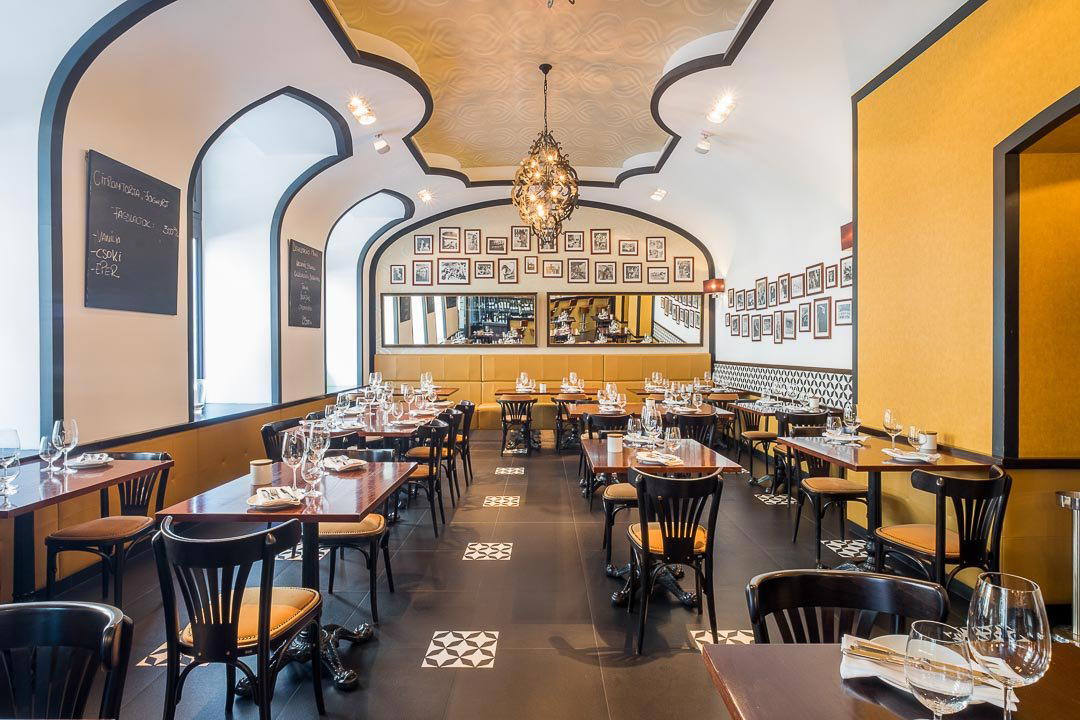
Bars in Budapest
All bars in Budapest →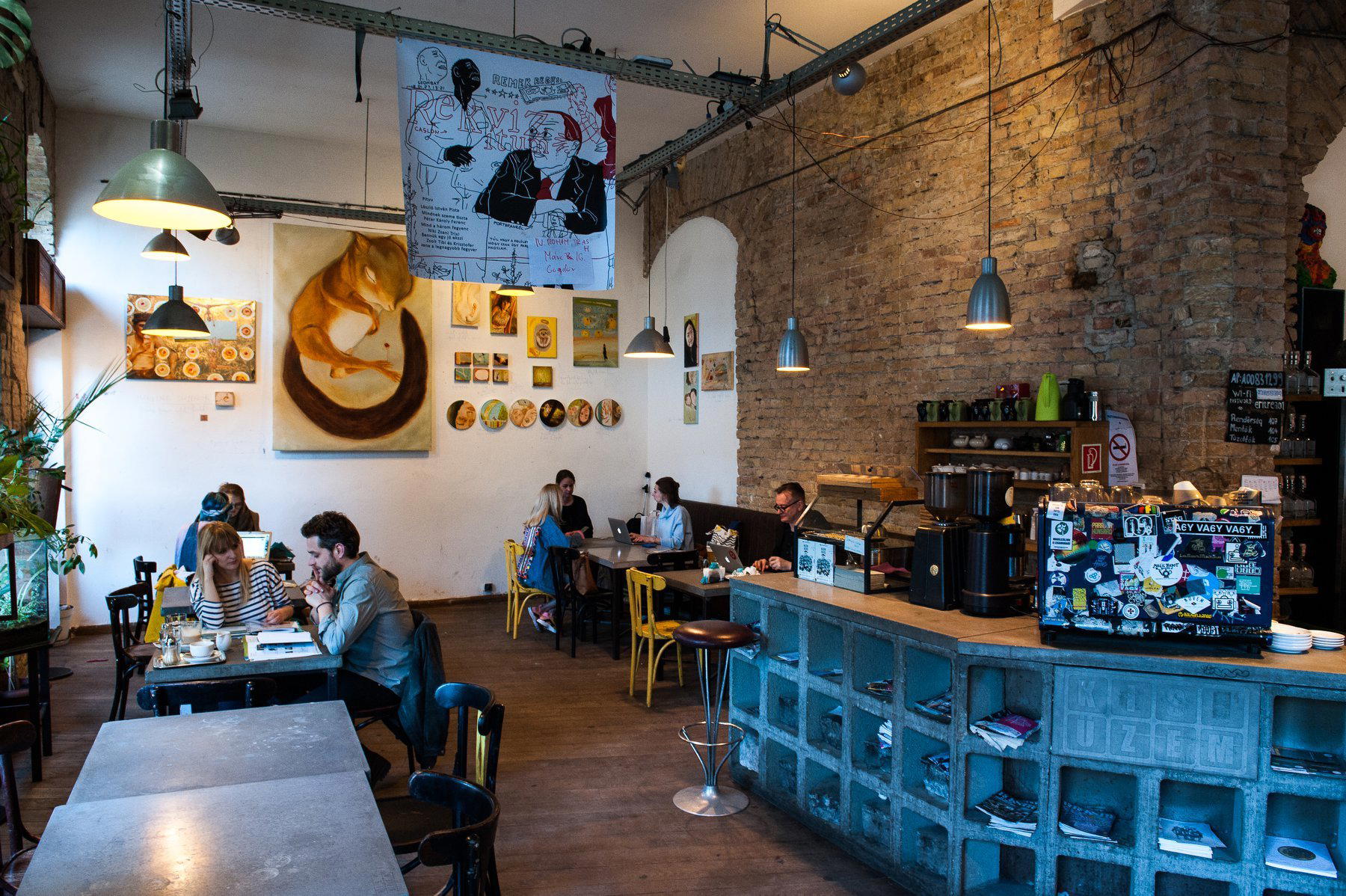
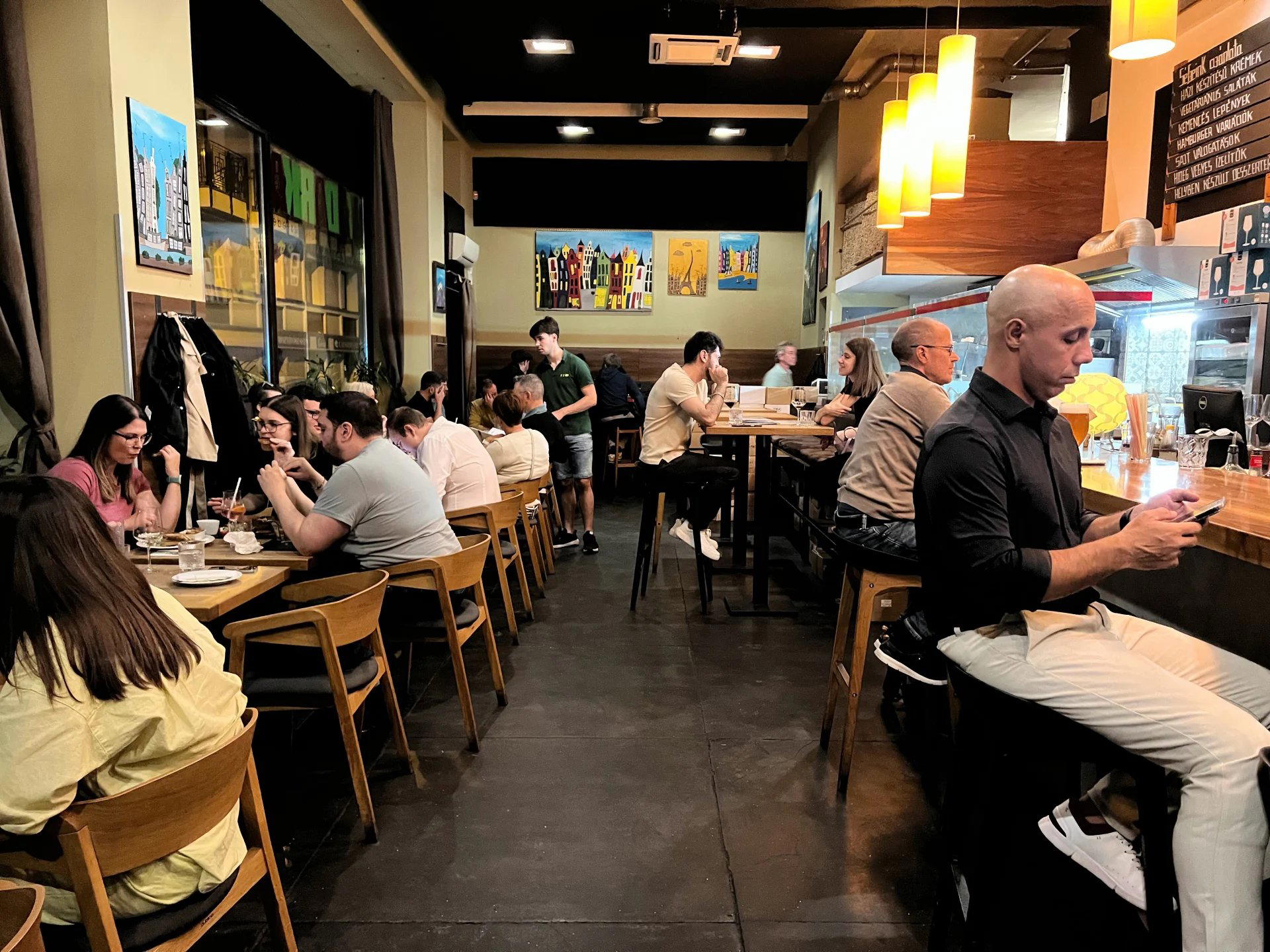
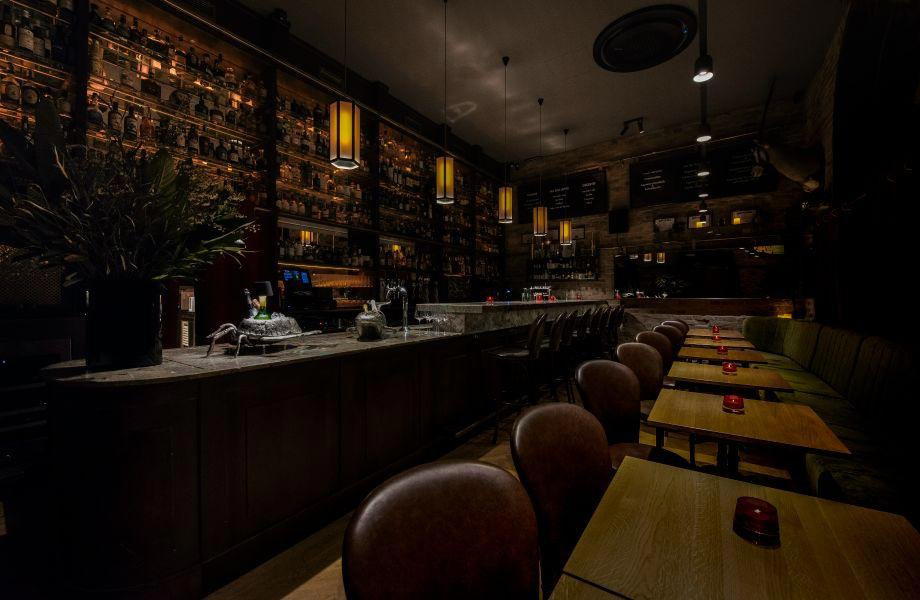

Details
- Cozy
- Elegant
- Modern
- Date Night
- Group Dining
- Special Occasion
- Open Kitchen
- Natural Wine
- Local Sourcing
- Organic
- Small Plates
- A La Carte
- Natural Wine
- Vegetarian Friendly
- Vegan Options
- Gluten Free Options
Current opening hours
- Monday
- Closed
- Tuesday
- 5–11 PM
- Wednesday
- 5–11 PM
- Thursday
- 11 AM–11 PM
- Friday
- 11 AM–11 PM
- Saturday
- 11 AM–11 PM
- Sunday
- 11 AM–11 PM
Hours can change for holidays and private events. Hours as of .
Bright, cozy space with lush plants, art, warm wooden accents, high ceilings, airy and elegant design.