On Kazinczy utca, at the heart of Budapest's VII. district Jewish quarter, Carmel Étterem occupies a position where the neighbourhood's layered history and its current role as the city's most concentrated dining corridor intersect. The address places it among a dense cluster of restaurants ranging from casual to Michelin-recognised, making it a reference point for anyone reading the ruin-bar district's dining shift.
Pearl is the En Primeur Club membership app — saves, bookings, and concierge access live there. Same editors, same standards.
- Address
- Budapest, Kazinczy u. 31, 1075 Hungary
- Phone
- +36302597022
- Website
- carmel.hu
- Directions
- Get directions
 Saves & bookings on Pearl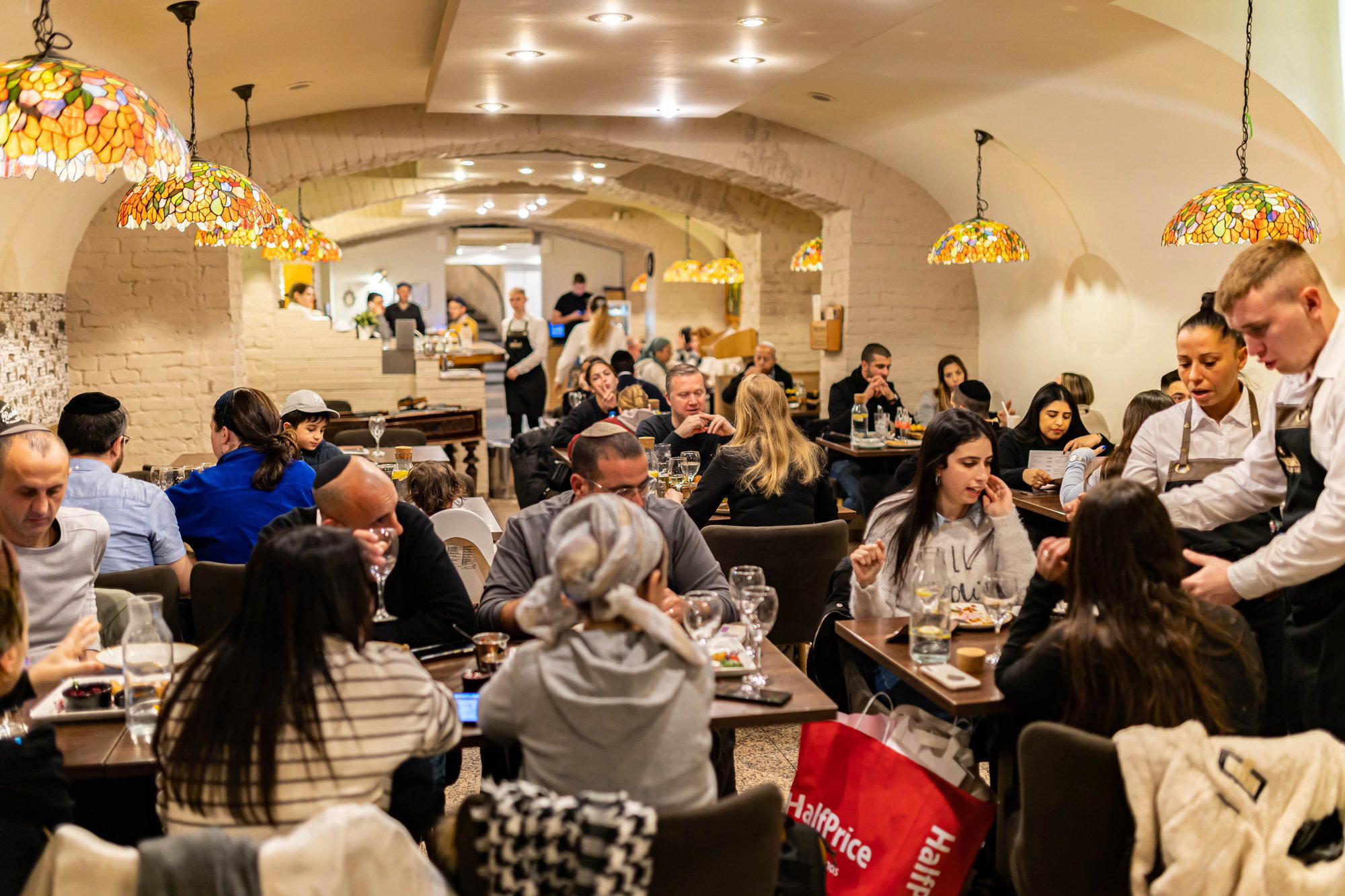
Kazinczy Street and the Architecture of the VII. District's Dining Scene
Budapest's VII. district has undergone one of Central Europe's more pronounced neighbourhood transformations over the past two decades. What was once the city's historic Jewish quarter, centred on the Great Synagogue on Dohány utca and its surrounding streets, has become the engine room of Budapest's contemporary hospitality identity. Kazinczy utca sits at the district's core, and the density of eating and drinking options along a single short street illustrates how completely the area has repositioned itself. Carmel Étterem, at number 31, occupies a spot that is as much about location logic as it is about the specific food on the table.
The VII. district's appeal to restaurateurs follows a pattern familiar in European cities where historic residential fabric meets post-industrial vacancy: relatively affordable ground-floor space, high pedestrian flow from cultural tourism, and a resident base curious enough to support independent operators. That combination has drawn everything from neighbourhood bakeries to wine bars with serious cellar programs. Carmel sits inside that mix, on a street that rewards slow exploration on foot rather than targeted destination dining.
The Wine Question in Budapest's Mid-Range Bracket
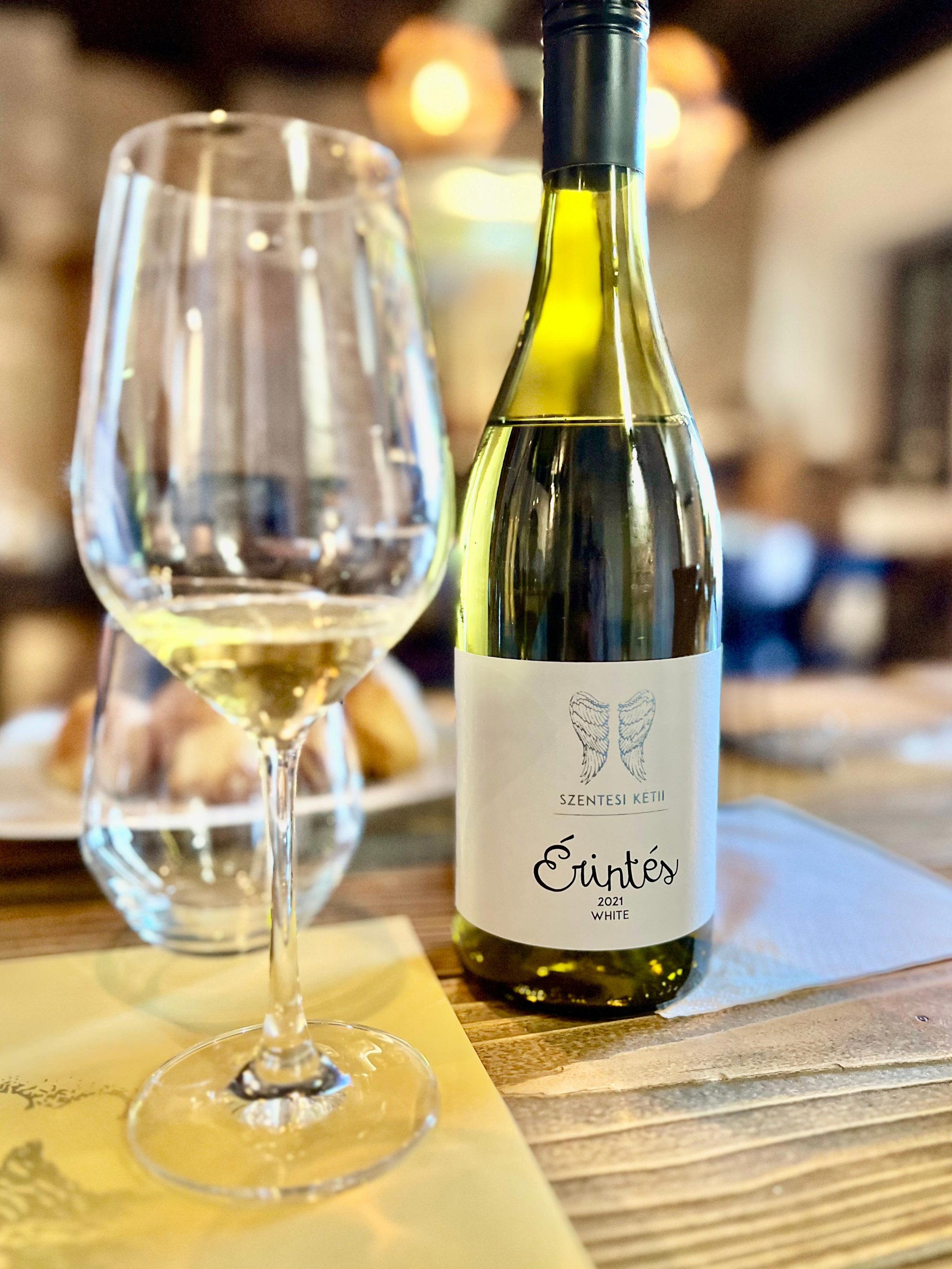
Hungary's wine regions have attracted serious international attention over the past decade, and that shift is visible in Budapest's restaurant culture. Tokaj remains the dominant reference point internationally, but sommeliers working in the city's independent restaurants have moved well beyond that single region. Eger, Villány, Szekszárd, and the Balaton uplands all produce wines that now appear on Budapest lists with the kind of contextual annotation that signals genuine curatorial intent rather than default patriotic stocking.
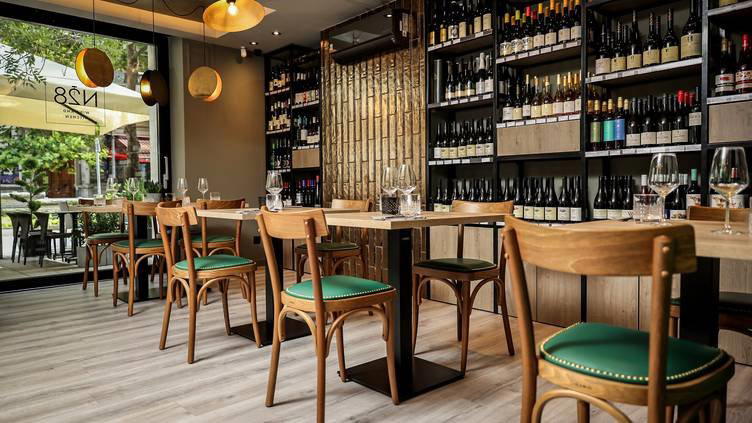
The wine program at any Budapest restaurant operating in the VII. district faces a specific challenge: the neighbourhood attracts visitors who may know Hungarian wine only by reputation, alongside locals who follow producers closely. A list that functions for both audiences requires depth across familiar categories and some willingness to champion lesser-known appellations. For comparisons across the city's wine-forward dining tier, Borkonyha Winekitchen (€€€ · Modern Cuisine) sets a particularly high benchmark, having built its entire identity around a Hungarian wine list that functions as a serious document of the country's regions.
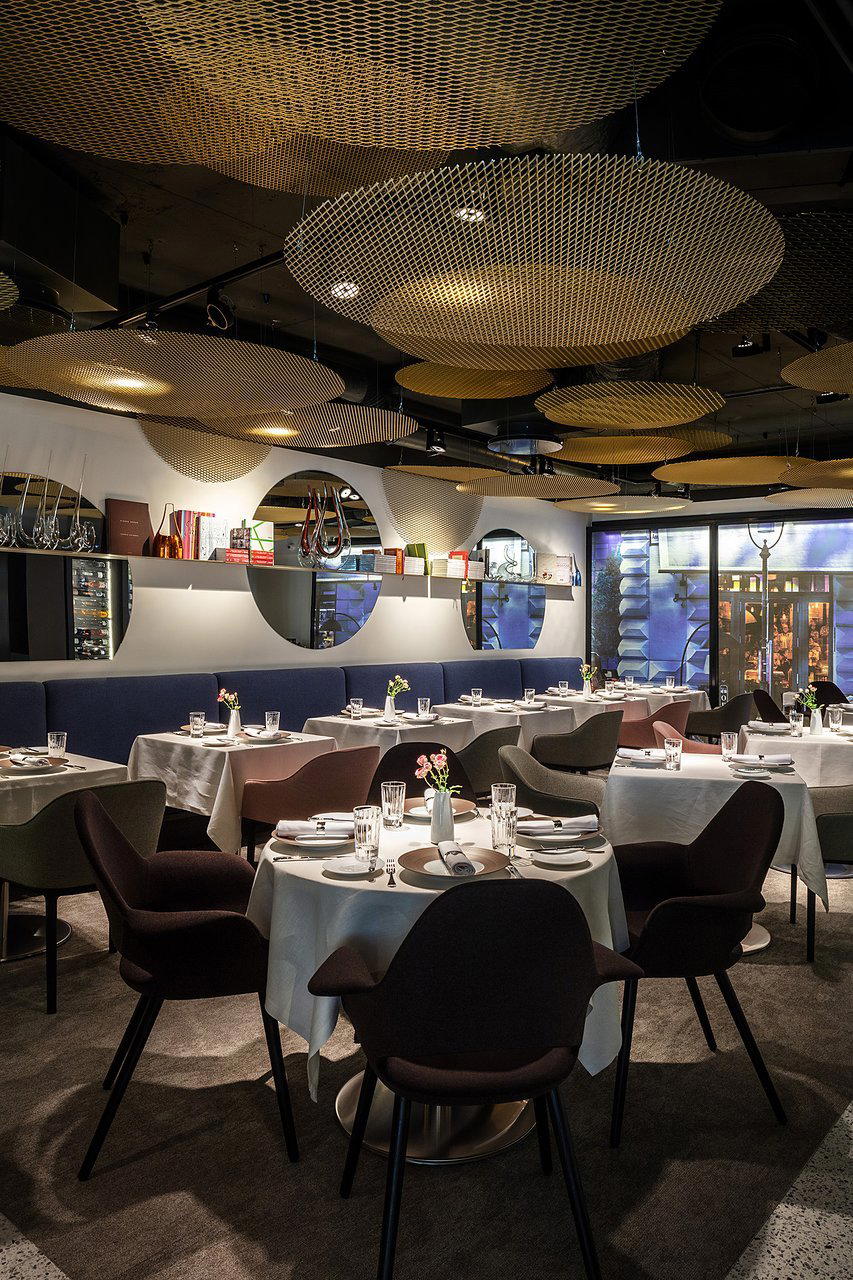
At the higher price points, Babel (€€€€ · Modern Cuisine) and Stand (€€€€ · Modern Cuisine) demonstrate how wine curation can anchor a tasting-menu format, while Costes (€€€€ · Modern Cuisine) and essência (€€€€ · Modern Cuisine) represent the city's most formally structured end of the dining spectrum. Carmel operates in a distinct register from that Michelin-adjacent tier, speaking more directly to the district's character as a place for eating well without the formality of a tasting-menu commitment.
The Ruin-Bar District as a Dining Context
The VII. district's reputation was built initially on its ruin bars, the large repurposed courtyards and derelict buildings that became the template for a particular style of Budapest nightlife from the mid-2000s onward. That format has since diversified considerably. The streets around Kazinczy now include wine bars with serious programs, sit-down restaurants with genuine kitchen ambition, and a handful of casual spots that exist largely to serve the tourist corridor. Reading the street correctly means distinguishing between operators who belong to the neighbourhood's longer hospitality conversation and those positioned primarily for transient custom.
Carmel's address places it in a section of Kazinczy where the foot traffic includes both residents of the district and visitors using the area as a base. That dual audience shapes what a restaurant on this street needs to deliver: enough consistency to become a repeat venue for locals, and enough legibility for first-time visitors who may be navigating the neighbourhood's dense option set for the first time.
Seasonal Timing and the VII. District's Rhythm
The VII. district's hospitality character shifts noticeably with the seasons. Summer brings the city's largest volume of international visitors, and the outdoor terrace culture that runs across Budapest's restaurant scene becomes particularly pronounced in the streets around Kazinczy. Late spring and early autumn represent the period when the neighbourhood functions at what might be described as its most considered pace: visitor numbers remain substantial, but the intensity of peak summer has eased, and the outdoor dining options that define the district's warmer-months atmosphere are still viable. Winter on Kazinczy is quieter but not dormant; the indoor venues that have built local followings tend to show their character most clearly when the pedestrian volume drops and the tourist-facing operations thin out.
For anyone planning a trip around Hungary's dining scene more broadly, the country beyond Budapest holds significant interest. Sauska 48 in Villány anchors the southern wine region that produces Hungary's most serious reds, while Petrányi Csopak in Csopak sits on the northern shore of Lake Balaton in territory increasingly associated with precise, terroir-driven whites. Further afield, Platán Gourmet in Tata and Pajta in Őriszentpéter represent the kind of destination dining that has developed outside the capital over the past several years. Hosszú Tányér in Hosszúhetény, Kővirág in Köveskál, Teyföl in Szentendre, Öreg Prés in Mór, Botanica in Dánszentmiklós, and Old Kőrössy Fish Restaurant in Szegedin together map a country whose regional food and wine identity has developed considerably beyond what Budapest's own restaurant scene can represent.
Planning a Visit
Carmel Étterem is located at Kazinczy utca 31 in Budapest's VII. district, walkable from the Astoria metro station and well within the core of the area most visitors use as a base for the neighbourhood's dining and nightlife. The street itself is leading approached on foot; the VII. district's grid makes it direct to combine a meal here with the neighbourhood's wine bars and other independent operators. For a fuller picture of where Carmel sits within Budapest's restaurant ecosystem, the EP Club Budapest restaurants guide maps the city's key venues by price tier, cuisine type, and neighbourhood. Those seeking a broader frame of reference for serious wine-focused dining in global terms might also consider how programs like those at Le Bernardin in New York City or Lazy Bear in San Francisco approach list curation as a core editorial statement, rather than an auxiliary function.
Peers You’d Cross-Shop
Comparable venues nearby, for context on price, style, and recognition.
| Venue | Cuisine | Price | Notes |
|---|---|---|---|
| Carmel ÉtteremThis venue — the venue you are viewing | Kosher Hungarian-Jewish | $$$ | Not listed |
| Fat Mama | Hungarian BBQ Gastropub | $$ | Belvaros |
| Franziska Pest | Healthy Brunch Cafe | $$ | Belvaros |
| Jardinette | Traditional Hungarian | $$ | Martonhegy |
| Gettó Gulyás | Authentic Hungarian Stews | $$ | Belvaros |
| HILDA Budapest | Modern Hungarian Bistro | $$ | Varhegy |
Continue exploring
More in Budapest
Restaurants in Budapest
Browse all →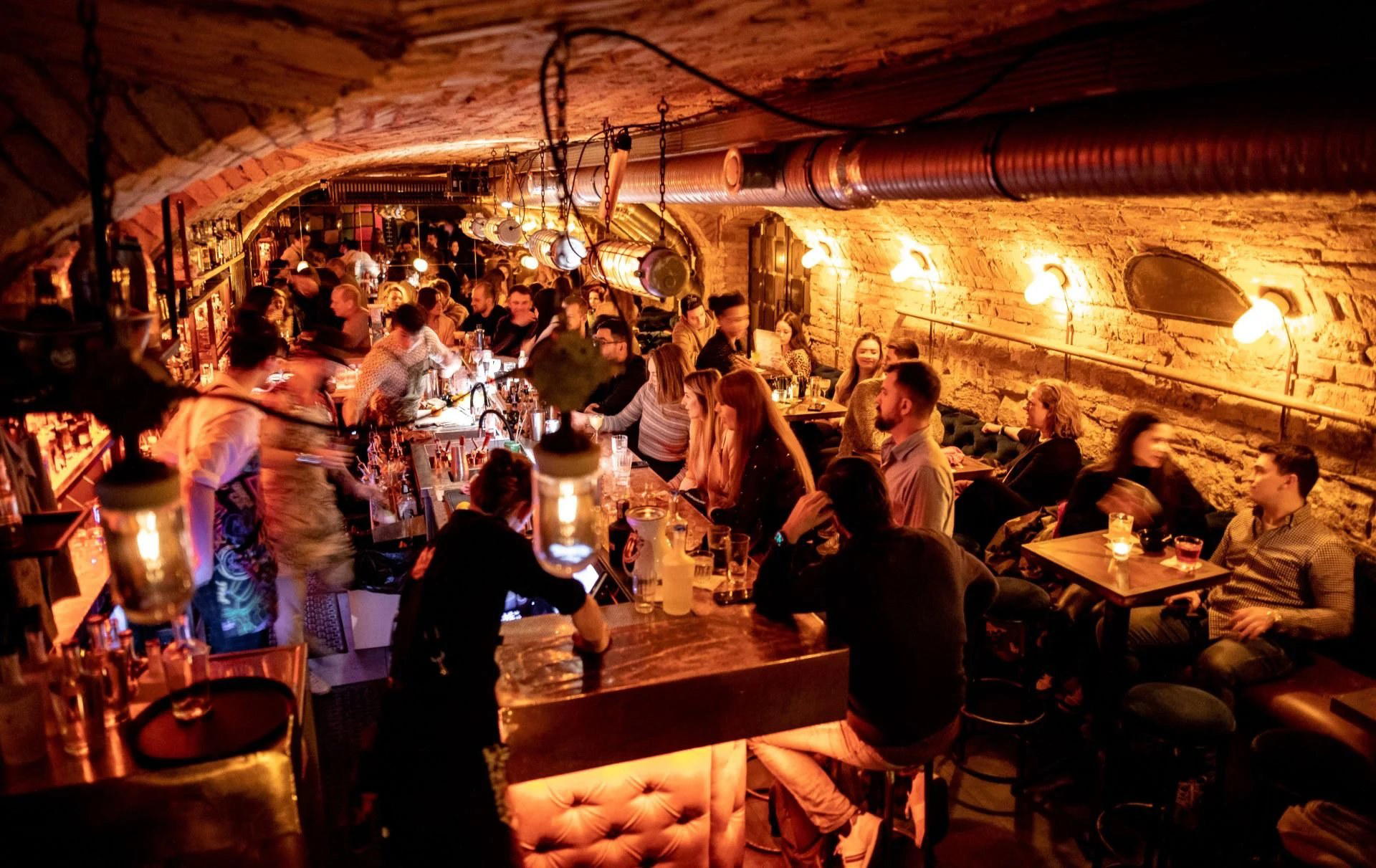
Bars in Budapest
Browse all →
Hotels in Budapest
Browse all →

At a Glance
- Classic
- Elegant
- Cozy
- Intimate
- Special Occasion
- Family
- Historic Building
- Live Music
Current opening hours
- Monday
- 12–10:30 PM
- Tuesday
- 12–10:30 PM
- Wednesday
- 12–10:30 PM
- Thursday
- 12–10:30 PM
- Friday
- 12–2 PM
- Saturday
- Closed
- Sunday
- 12–10:30 PM
Hours can change for holidays and private events. Last verified .
Timeless elegance with warm, cozy atmosphere enhanced by live music.