Marulićeva ul. 1 sits on one of Split's quieter streets, positioning it at a remove from the Diocletian's Palace circuit that dominates the city's dining conversation. The address places it within walking distance of the old town while drawing a crowd that skews local rather than transient. For visitors willing to step off the main tourist corridor, the location alone signals a different kind of meal.
Pearl is the En Primeur Club membership app — saves, bookings, and concierge access live there. Same editors, same standards.
- Address
- Marulićeva ul. 1, 21000, Split, Croatia
- Directions
- Get directions
 Saves & bookings on Pearl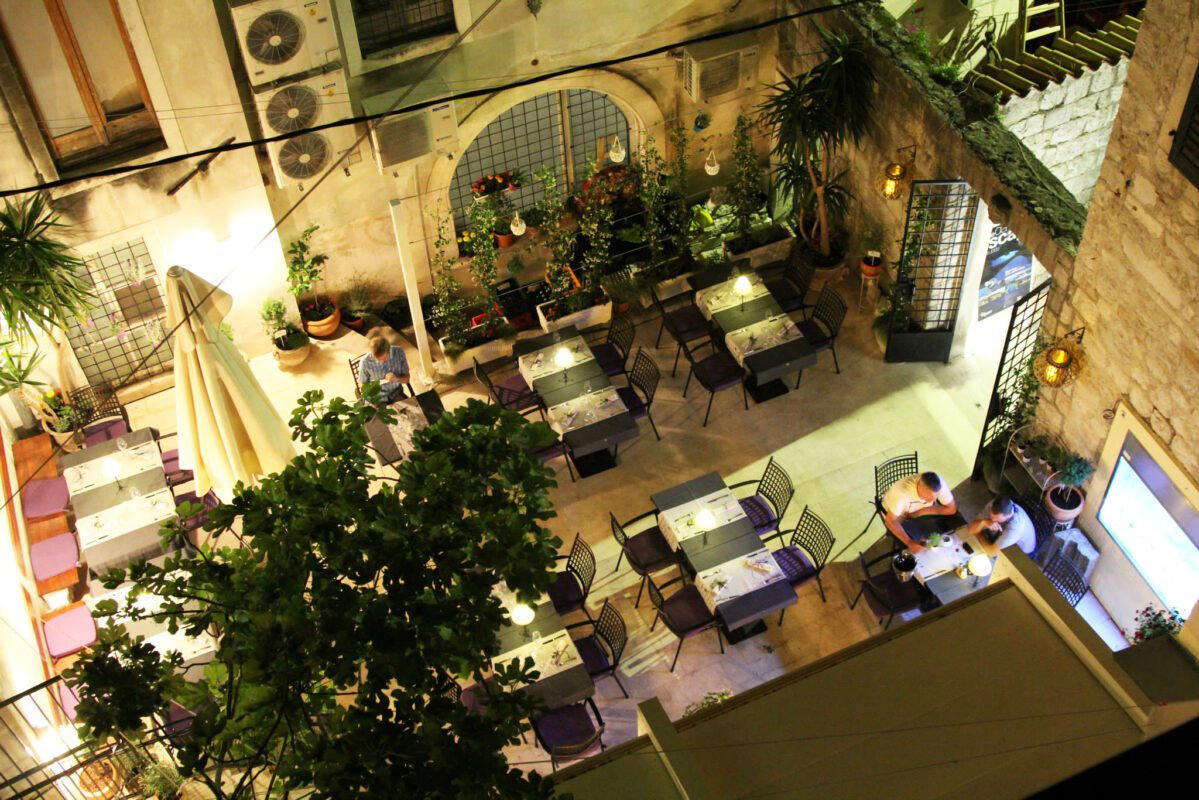
A Street Address That Tells You Something
Marulićeva ul. 1 is a restaurant in Split, Croatia, in the Varoš quarter. It is a Modern Dalmatian Bistro with a price tier of 2, roughly $30 per person. A few streets away, the calculus changes. Marulićeva ulica, a quieter residential artery in the Varoš district, sits at that remove, and an address at number one places a venue at the point where the tourist circuit thins and the local city begins. That distinction matters more in Split than in many comparable Adriatic cities, because the gap between the two dining cultures here is wider than it first appears.
Croatia's Dalmatian coast has developed a recognisable fine-casual register over the past decade, one that draws on local seafood, island-grown produce, and a slow-paced meal structure inherited from both Venetian and Ottoman influences. You can trace this tradition across the region: at LD Restaurant in Korčula, at Pelegrini in Sibenik, and further north at Agli Amici Rovinj in Rovinj. What these venues share is a meal format built around arrival, unhurried pacing, and a sequence that the kitchen controls rather than the guest. The address at Marulićeva ul. 1 places it in a part of Split where that kind of pacing is still possible, where the street outside is quiet enough that a meal can last as long as it needs to.
How Dalmatian Dining Moves
The ritual of eating well on the Dalmatian coast follows a consistent grammar, whether you are in a family-run konoba or a more polished room. It begins with an aperitivo moment, often a glass of local prošek or a Pošip from the islands, and moves through shared cold plates before anything warm arrives. Bread comes early and is refilled without asking. The fish course, when it appears, is typically whole or in large cuts, served with minimal intervention: olive oil pressed locally, herbs that grow on the karst hillsides above the coast, a wedge of lemon. Dessert is not the point. The conversation is.
This structure is not distinctive to any single venue, it is the underlying architecture of the Dalmatian table, and understanding it reframes how a visitor should approach any meal in this part of Croatia. Rushing it, or treating it as a transaction rather than a sequence, misses most of what the tradition offers. Split's better restaurants, including those in the city's own competitive set, such as Krug, Adriatic, and Bistro Noir, operate within this tradition to varying degrees. The question for any address in the city is how faithfully it honours that grammar, and how much it has been adjusted to accommodate the pace at which visitors tend to eat.
The Varoš Position
The Varoš quarter, where Marulićeva ulica runs, is one of Split's oldest residential districts, predating even the structured expansion that followed Venetian administration of the city. Its narrow lanes and low stone buildings sit immediately west of the palace walls, and the neighbourhood has historically housed the city's fishing families. That heritage has culinary implications: produce and fish sourced at short range, a local clientele with generational opinions about what a plate of prstaci or a grilled brancin should taste like, and little tolerance for imprecision. Restaurants that survive in Varoš over multiple seasons do so because they satisfy that local standard rather than because they catch tourist overflow.
This is the broader pattern across Croatia's coastal cities. The venues that develop genuine reputations, that appear in conversations alongside Nebo by Deni Srdoč in Rijeka, Alfred Keller in Mali Lošinj, or Boskinac in Novalja, tend to be anchored in local demand rather than seasonal visitor traffic. The Varoš address provides that anchor almost structurally: it is not a location you arrive at accidentally.
Split in the Croatian Dining Picture
Croatia's fine dining geography has shifted considerably since Michelin began covering the country in 2020. Recognition has spread from Zagreb, where venues like Dubravkin Put hold established positions, out to the coast and the islands. Split has lagged slightly behind Dubrovnik, where Restaurant 360 has held consistent recognition, and behind smaller Istrian addresses like San Rocco in Brtonigla and Korak in Jastrebarsko. But the city's dining scene has matured, and the range now runs from fast-casual Adriatic formats like Bajamonti POP and Bokamorra through to more considered rooms.
At the higher end of the international reference frame, the service rhythm and meal architecture of Dalmatian dining has distant relatives: the multi-course pacing of Le Bernardin in New York City or the communal-table format at Lazy Bear in San Francisco both reflect a similar conviction that the meal is a sequence with its own time signature, not a series of individual transactions. The Dalmatian version is less formal, more wine-forward, and built around ingredients that travel short distances to the table.
Planning Your Visit
Marulićeva ulica runs through a part of Split leading approached on foot from the old town, roughly five to ten minutes west of the Golden Gate. The street is residential in character, so arriving by vehicle is impractical; the surrounding lanes are narrow and parking in central Split is consistently difficult. Summer months, June through August, compress bookings across all of Split's better addresses, and a venue at this location, drawing a local as well as visitor crowd, is likely to fill earlier in the evening than restaurants reliant purely on walk-in tourism. Arriving before 8pm in high season is the more reliable strategy across the city as a whole.
Where It Fits
Comparable venues nearby, for context on price, style, and recognition.
| Venue | Cuisine | Price | Notes |
|---|---|---|---|
| Marulićeva ul. 1This venue — the venue you are viewing | Modern Dalmatian Bistro | $$ | Not listed |
| Konoba Matejuska | Authentic Dalmatian Seafood | $$ | Varoš |
| Villa Spiza | Dalmatian Home Cooking | $$ | Old Town |
| Matoni | Modern Dalmatian Mediterranean | $$ | Bacvice |
| Makarun | Dalmatian Mediterranean Seafood | $$$ | Diocletian's Palace |
| Konoba Laganini | Modern Dalmatian Seafood | $$$ | Diocletian's Palace |
Continue exploring
More in Split
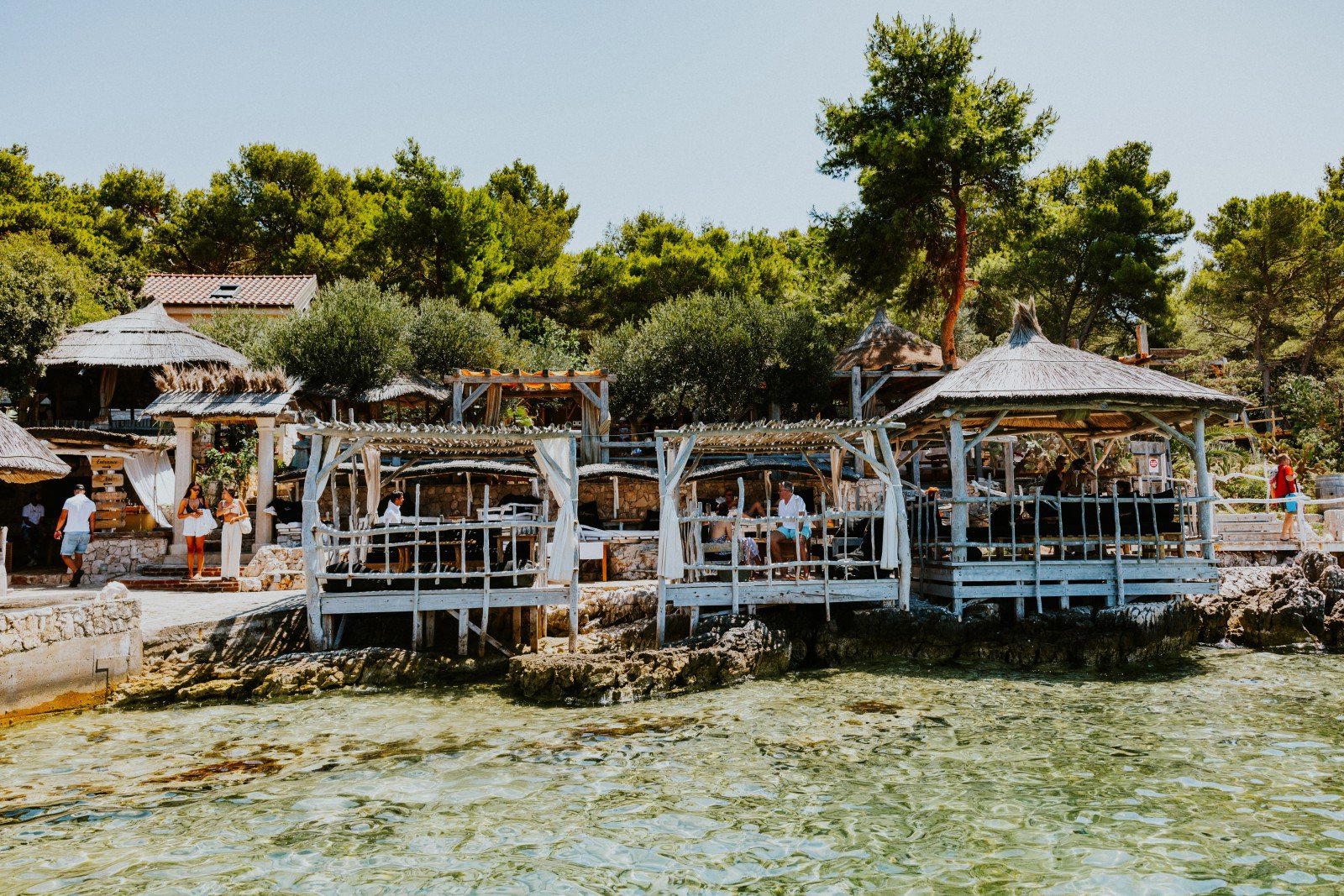
Restaurants in Split
Browse all →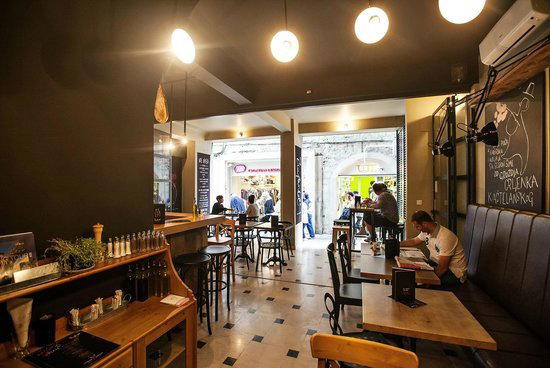
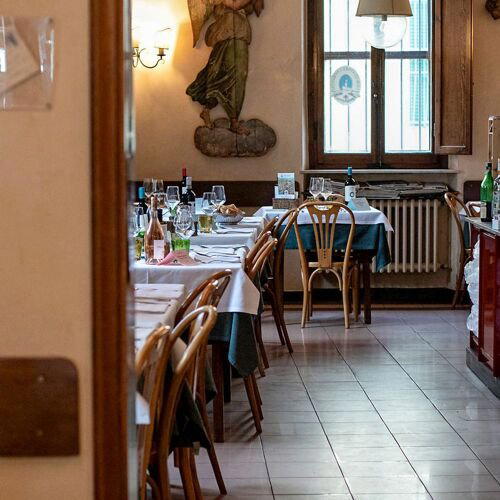
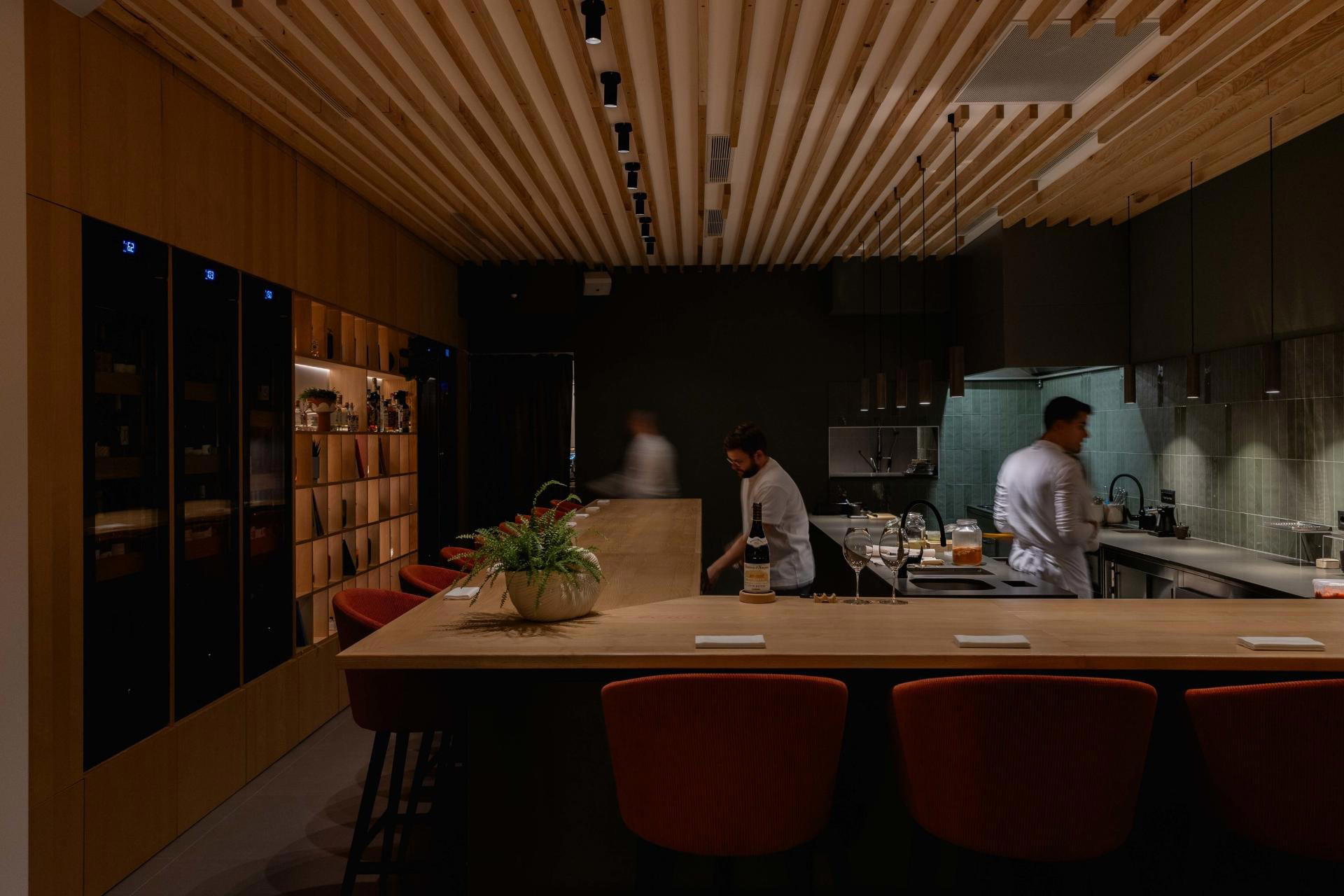
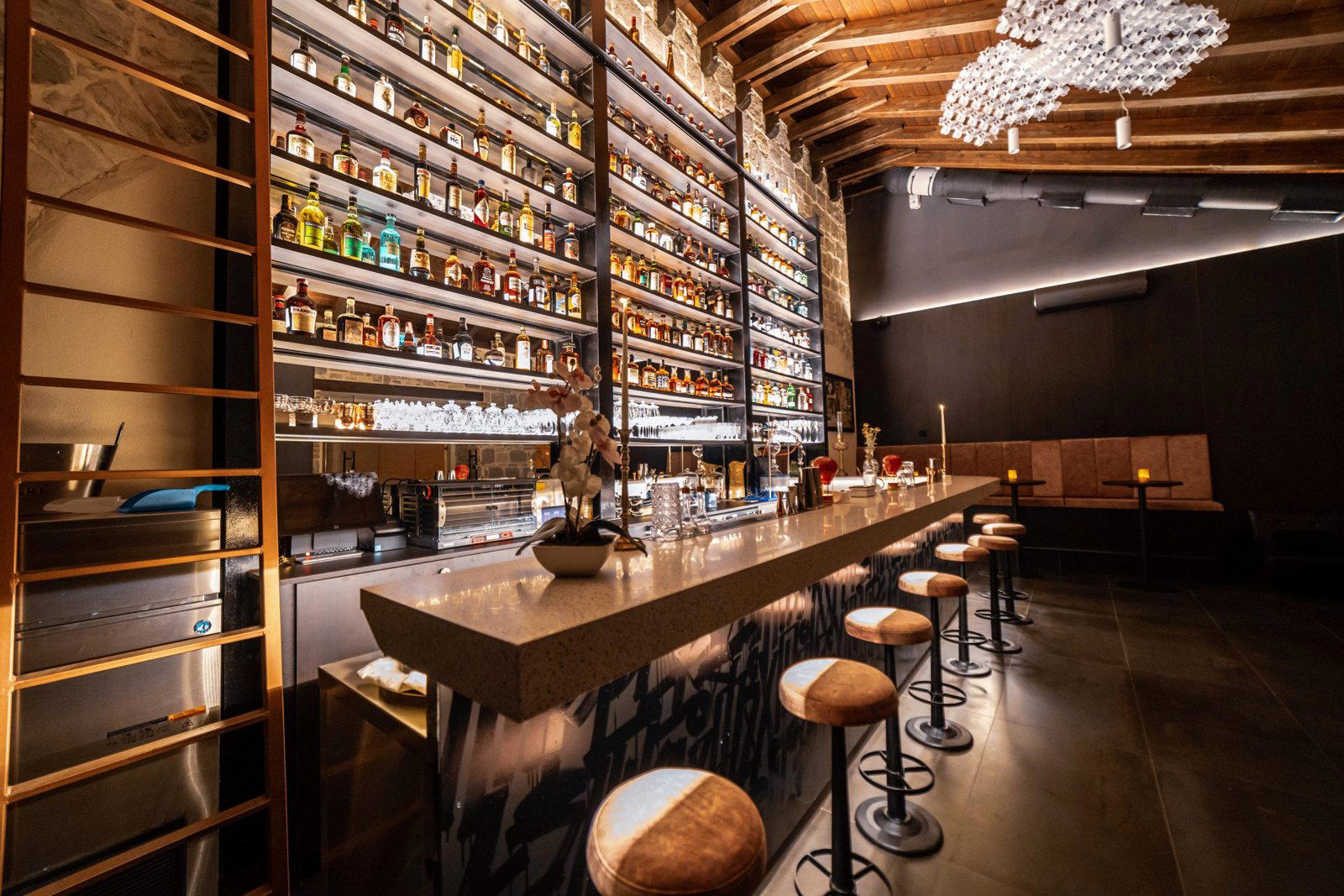
Bars in Split
Browse all →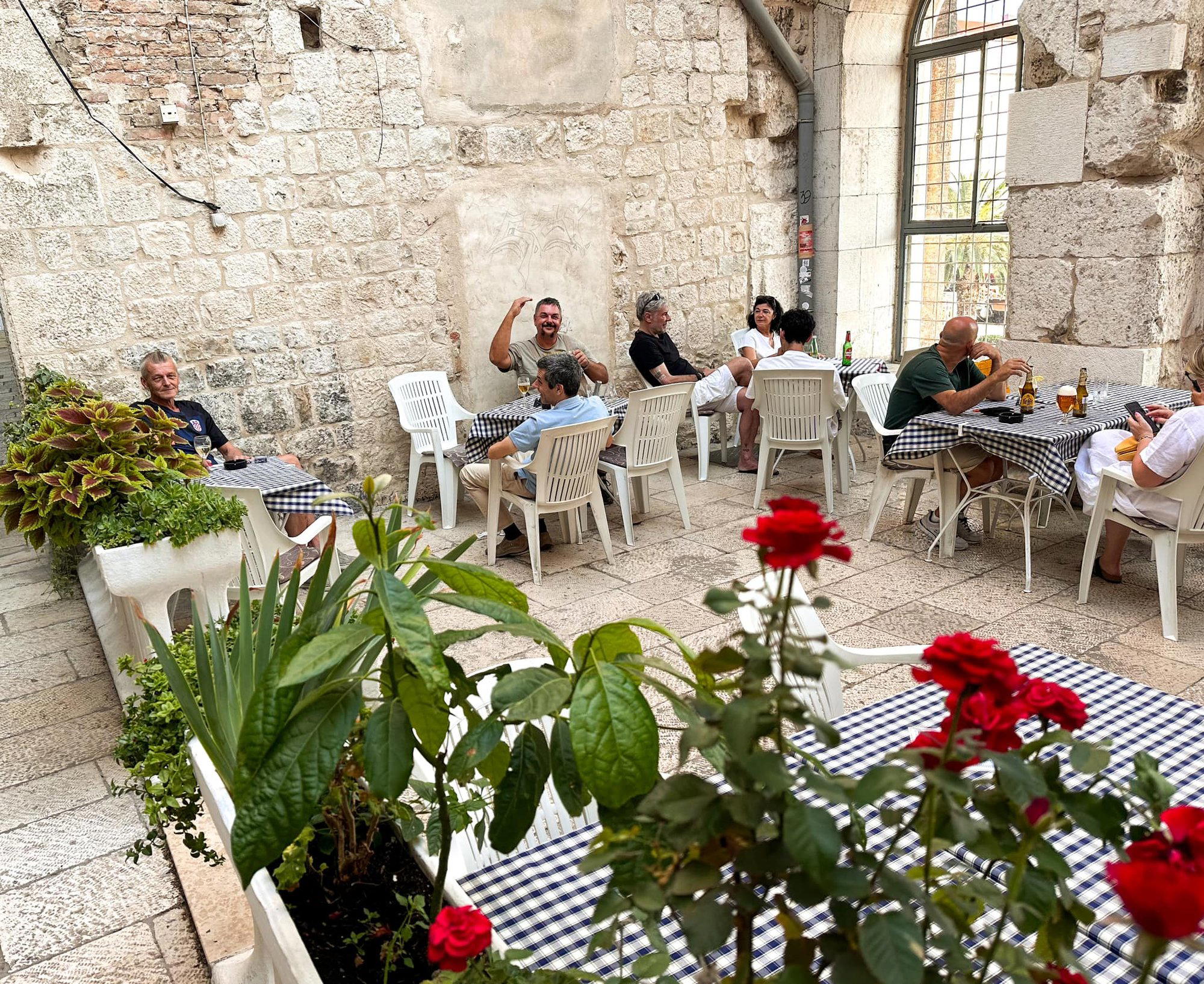
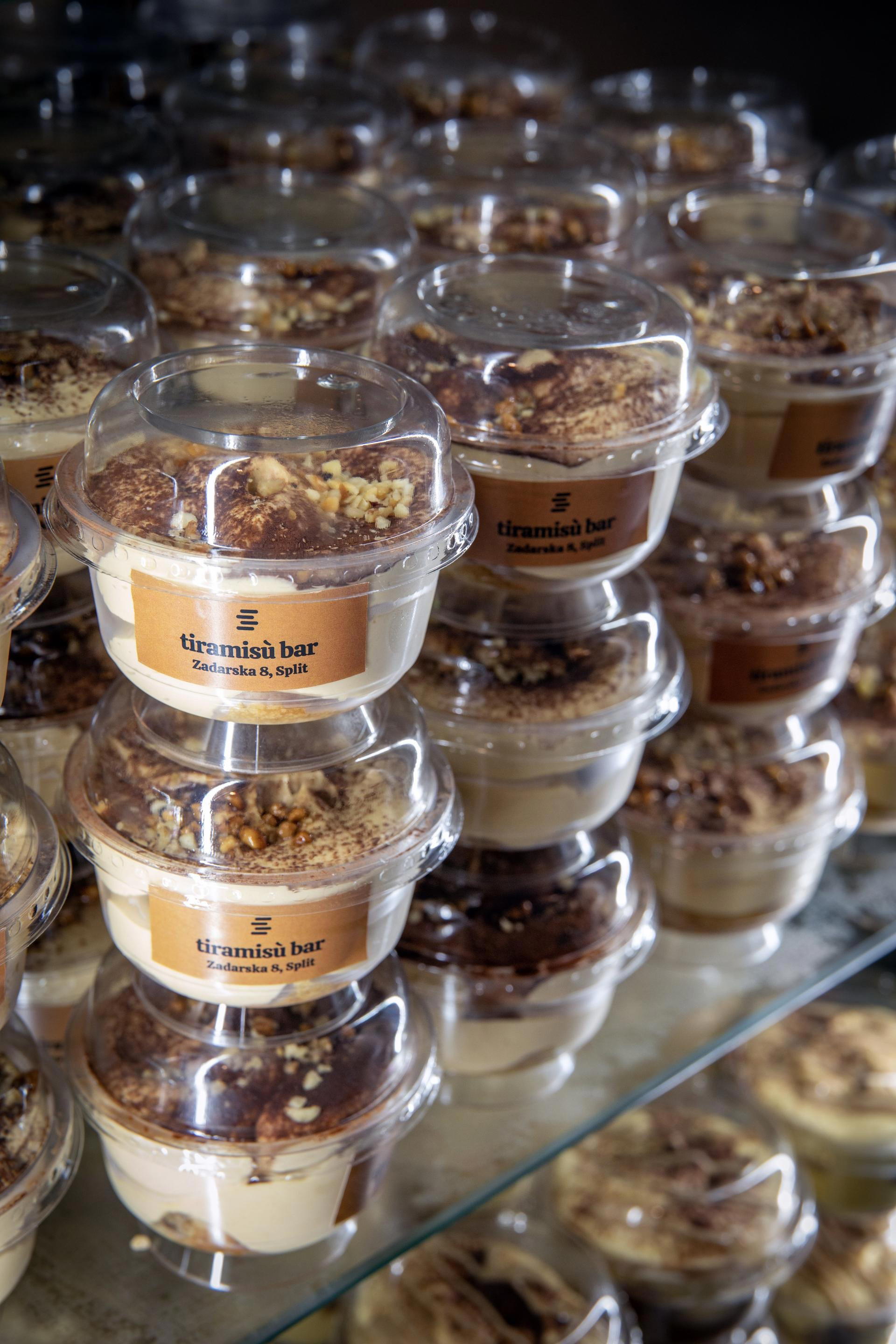
Hotels in Split
Browse all →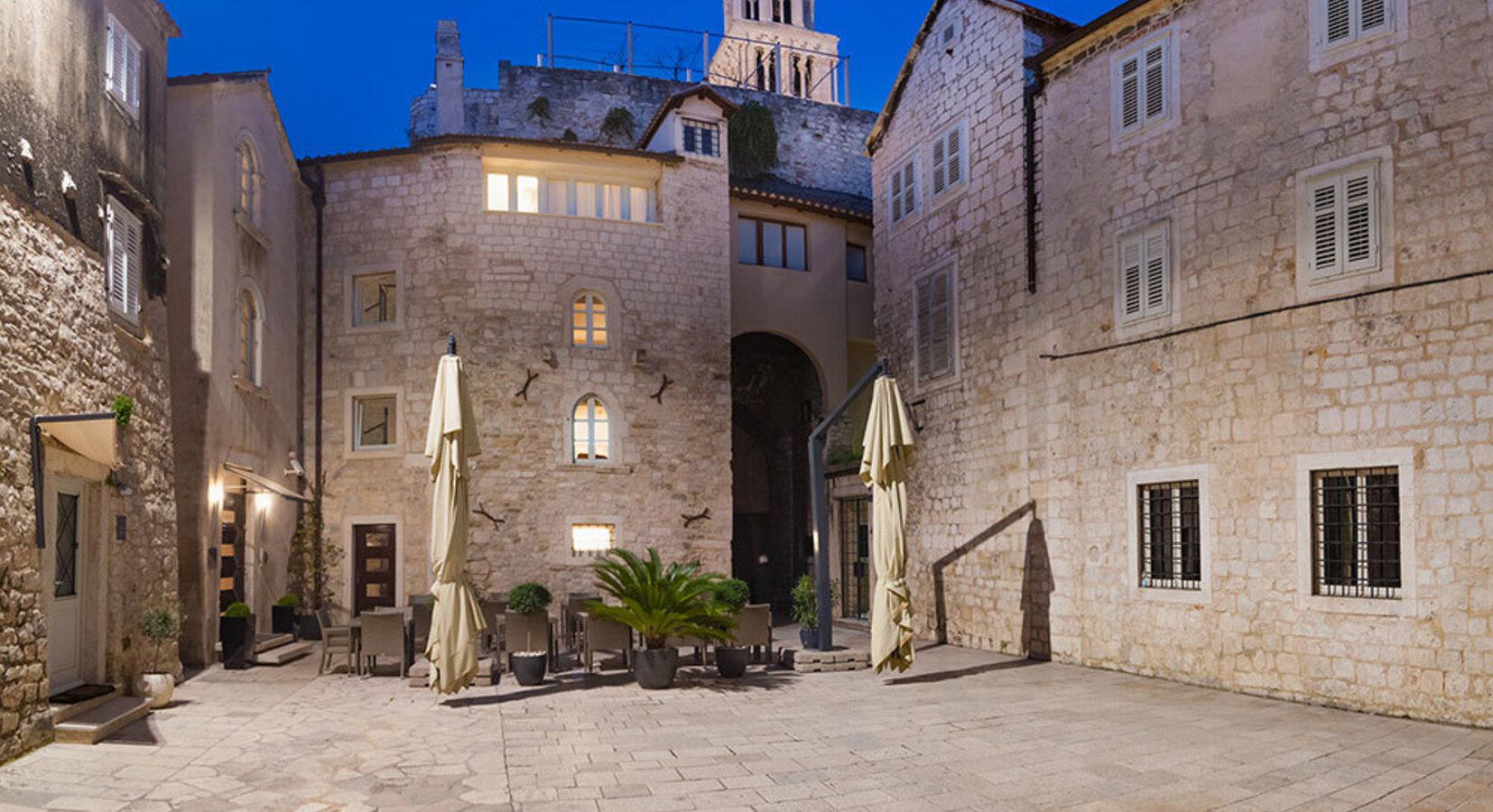
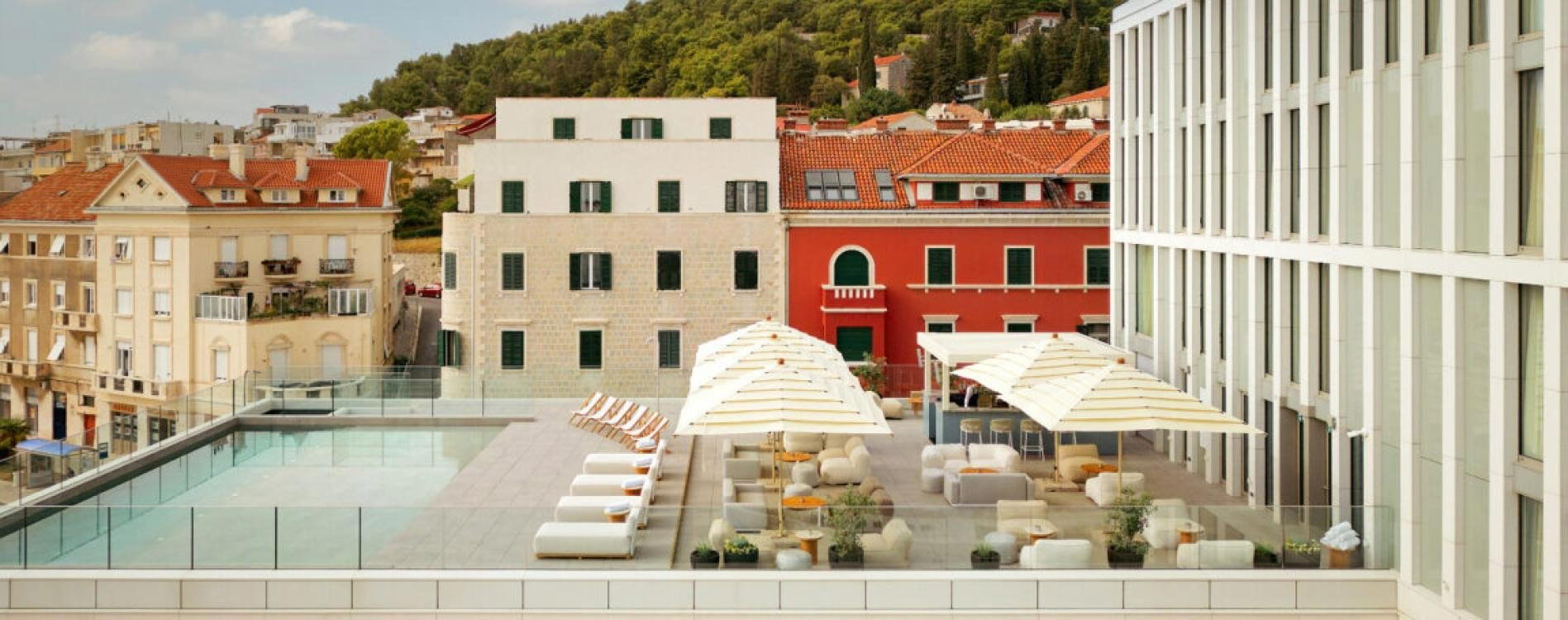
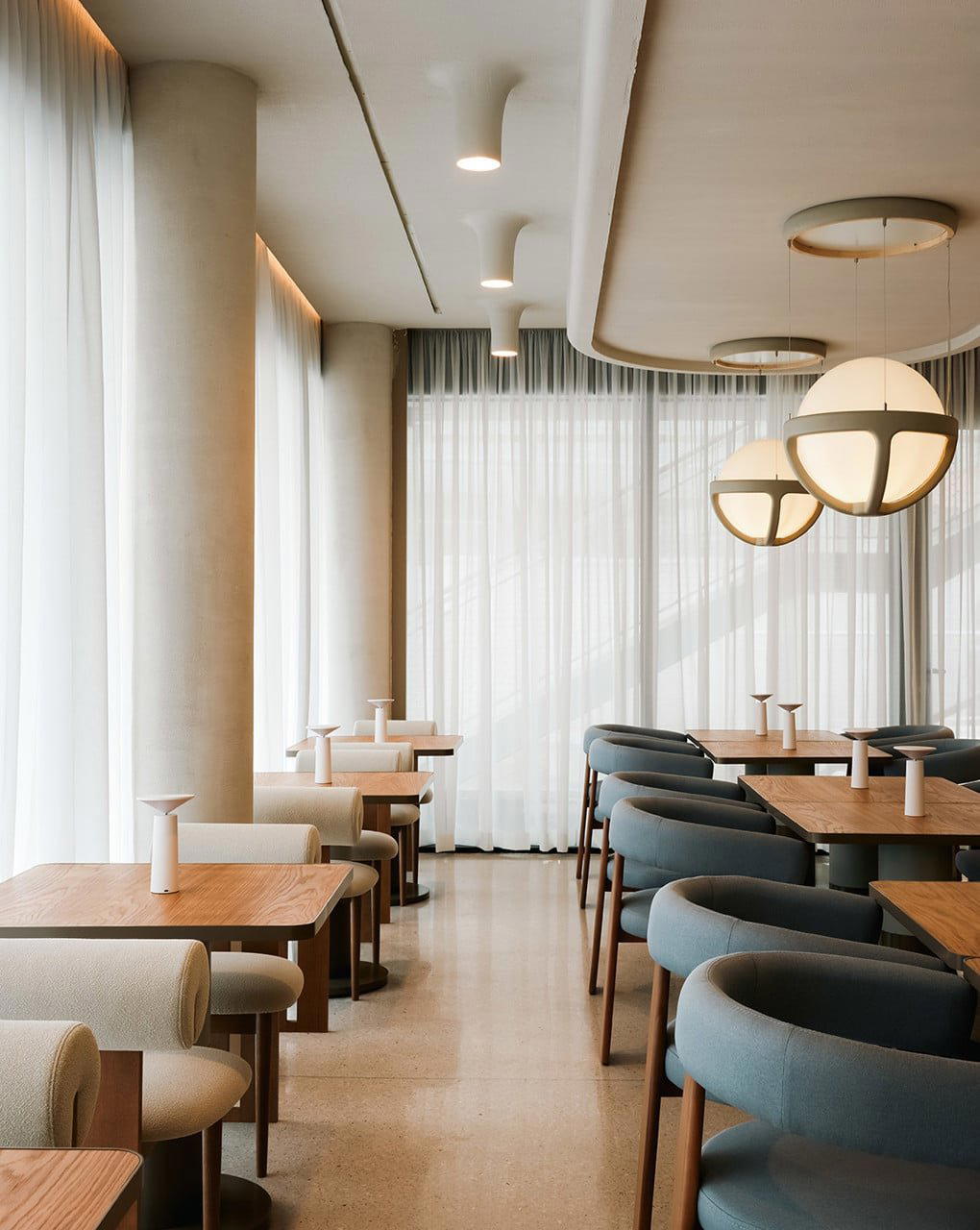
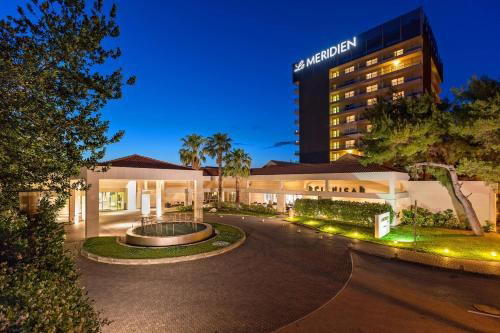

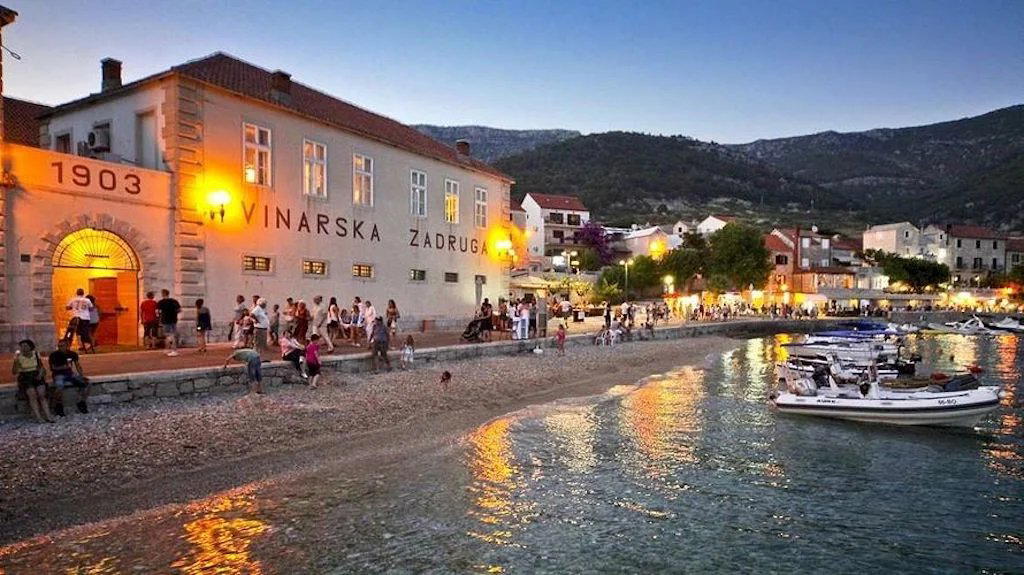
At a Glance
- Lively
- Cozy
- Trendy
- Date Night
- Casual Hangout
- Live Music
- Wine Cellar
- Extensive Wine List
- Local Sourcing
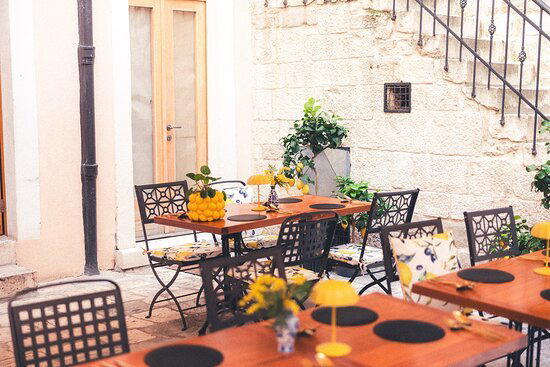
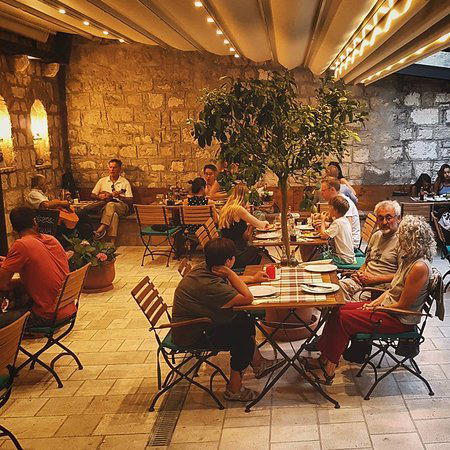
Welcoming atmosphere in a narrow old town street with live music in the evenings.