Our verdict
On a narrow street in Split's old town, Makarun draws a loyal local crowd with cooking rooted in Dalmatian tradition. The address on Marulićeva puts it within the historic core, where the city's most honest dining tends to happen quietly, without fanfare. It sits in the mid-range of Split's restaurant scene, operating as a counterpoint to the tourist-facing trattorias that dominate the waterfront.

Pearl is the En Primeur Club membership app, where members save venues, book tables and use the concierge.

The menu
What to order
- Sea Makaruni
- Macaroni with fish sauce
- Macaroni with meat sauce
How Dalmatia Eats: The Ritual Before the Food
There is a particular rhythm to eating well in Split. You do not rush to a table. You orient yourself first: walk the perimeter of Diocletian's Palace, let the mid-afternoon heat drive you off the Riva, then find your way into the quieter streets of the old town where the restaurants worth sitting at tend not to advertise heavily. Marulićeva is one of those streets. Makarun sits at number three, in a setting that belongs more to the texture of the neighbourhood than to any designed dining concept. The approach matters here, because in Dalmatian dining culture, the meal is a function of where and how you arrive at it.
This is a city where the serious locals rarely eat on the waterfront. The Riva fills with visitors; the parallel streets fill with residents, and the distinction between the two dining populations is legible within minutes of sitting down. Makarun occupies that second category, the kind of address that persists in a neighbourhood because it is useful to the people who live there, not because it has been packaged for discovery.
The Dalmatian Table: Pacing, Sequence, and What It Signals
Across the Adriatic coast, the traditional meal sequence is a slow one. A konoba-style table moves through small plates before anything with weight arrives: olives, bread, perhaps a smoked ham from the Dalmatian hinterland, or a plate of sheep's cheese. The pacing is deliberate. Ordering everything at once is considered a tourist habit; eating in stages, with conversation threading between courses, is the local standard. Split's more grounded restaurants still operate on this timing, and Makarun fits within that tradition.
The broader Croatian dining scene has bifurcated sharply in recent years. On one side, a cluster of ambitious tasting-menu restaurants has emerged, with places like Pelegrini in Sibenik and Agli Amici Rovinj in Rovinj attracting international recognition for reinterpreted regional cooking at a high technical level. On the other, the more traditional konoba format has held its ground in towns and villages along the coast, where the cooking is less architectural but often more honest about what Dalmatian food actually is day to day. Boskinac in Novalja and LD Restaurant in Korčula each navigate a middle position between these poles. Makarun reads closer to the traditional end of that spectrum, which in Split's current market is a specific editorial choice, whether conscious or not.
Split's Mid-Market: Where Makarun Sits in the Scene
Split's restaurant options have expanded considerably as the city's tourism volume has grown. The waterfront and immediate surrounds now carry a range of price points from casual to premium, with venues like Krug operating at the €€€ Mediterranean end and Adriatic anchoring a different part of the dining map. Bajamonti POP and Bokamorra represent the more casual, drop-in end of the city's current offer, while Bistro Noir occupies a more considered bistro register. Makarun works in a quieter lane than most of these, drawing on the kind of neighbourhood regularity that sustains a restaurant outside peak season, when the tourist flow recedes and the city eats as it normally does.
The comparison point worth making here is structural rather than culinary: in any Adriatic city of Split's size and visitor volume, the restaurants that survive across multiple seasons without pivoting to tourist pricing or simplified menus tend to do so because they have built a local constituency. That is a harder metric to track than awards or press coverage, but it is often a more reliable signal of quality and consistency.
For broader context on how Split's dining culture sits within Croatia's evolving restaurant scene, Nebo by Deni Srdoč in Rijeka, Dubravkin Put in Zagreb, and Alfred Keller in Mali Losinj each show how different Croatian cities are framing their culinary identities at this moment. Korak in Jastrebarsko offers a further reference point from the continental interior. The Dalmatian coast, of which Split is the commercial and cultural centre, operates on a different seasonal logic to all of them.
Planning Your Visit to Makarun
Makarun's address at Marulićeva ul. 3 places it inside the old town, accessible on foot from the Palace gates in a matter of minutes. This part of Split rewards arriving without a strict schedule; the neighbourhood is compact enough to walk thoroughly before deciding where to eat. Visiting outside the July-August peak narrows the competition for tables and tends to produce a quieter, more local-feeling dining room. Spring and early autumn are the periods when Split's restaurants operate closer to their natural rhythm, with fewer walk-in crowds pressing against the available seats. For the full picture of where Makarun fits within Split's dining options, see our full Split restaurants guide.
Frequently asked questions
Where is Makarun in Split?
Makarun is located at Marulićeva ul. 3, 21000, Split, Croatia, Split.
Where exactly is Makarun located in Split, and how do I get there on foot?
Makarun's address is Marulićeva ul. 3, 21000 Split, which places it within the old town and reachable on foot from Diocletian's Palace gates in a few minutes. This part of Split is pedestrianised, so arriving by car requires parking outside the historic core and walking in. The surrounding streets are dense with restaurants, so using the street address rather than a general area search will save time locating it.
What should I eat at Makarun?
Makarun sits inside Split's old town at Marulićeva ul. 3, which puts it squarely in Dalmatian coastal territory. The region's table typically moves through cold small plates and cured fish before heavier mains built around grilled catch or slow-braised meat. Ordering along that sequence rather than consolidating into a single course gives a clearer read on what the kitchen does well.
How hard is it to get a table at Makarun?
The address on Marulićeva ul. 3 is inside the old town, where foot traffic from the Palace gates is heavy through the summer months. Walk-in availability tightens from June through August in this part of Split, so contacting ahead during peak season is practical rather than optional. Shoulder months in spring and autumn tend to give more flexibility.
What's the signature at Makarun?
Makarun operates in the Dalmatian konoba tradition, where the defining logic is restraint: local ingredients prepared with minimal intervention rather than technique-forward plating. In Split's old town context, that typically centres on the day's catch and regional standards rather than a single showpiece dish. The signature is less one item and more a commitment to that unhurried coastal sequence.
Is Makarun good for vegetarians?
Dalmatian menus lean heavily on seafood and grilled meat, and Makarun's position in that tradition means vegetable dishes tend to appear as accompaniments or starters rather than main-event plates. Seasonal vegetables, legumes, and cheese-based preparations are common across the region's tables, but a fully plant-based appetite may find the options at the heavier end of the menu limited. Checking current availability before visiting is the practical approach.
Category Peers
Comparable venues nearby, for context on price, style, and recognition.
| Venue | Cuisine | Price | Notes |
|---|---|---|---|
| MakarunThis venue (the venue you are viewing) | Dalmatian Mediterranean Seafood | $30–50 | Not listed |
| Restoran PERIVOJ | Modern Mediterranean | $30–50 | near Diocletian Palace |
| Štorija | Modern Dalmatian Fine Dining | $50–100 | Old Town |
| Zora Bila | Modern Dalmatian Mediterranean | $50–100 | Bačvice |
| Bokeria Kitchen & Wine | Modern Mediterranean Dalmatian | $30–50 | Old Town |
| Matoni | Modern Dalmatian Mediterranean | $20–30 | Bacvice |
Continue exploring
More in Split
Restaurants in Split
All restaurants in Split →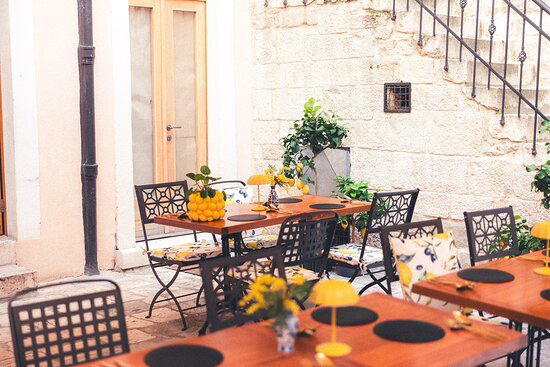
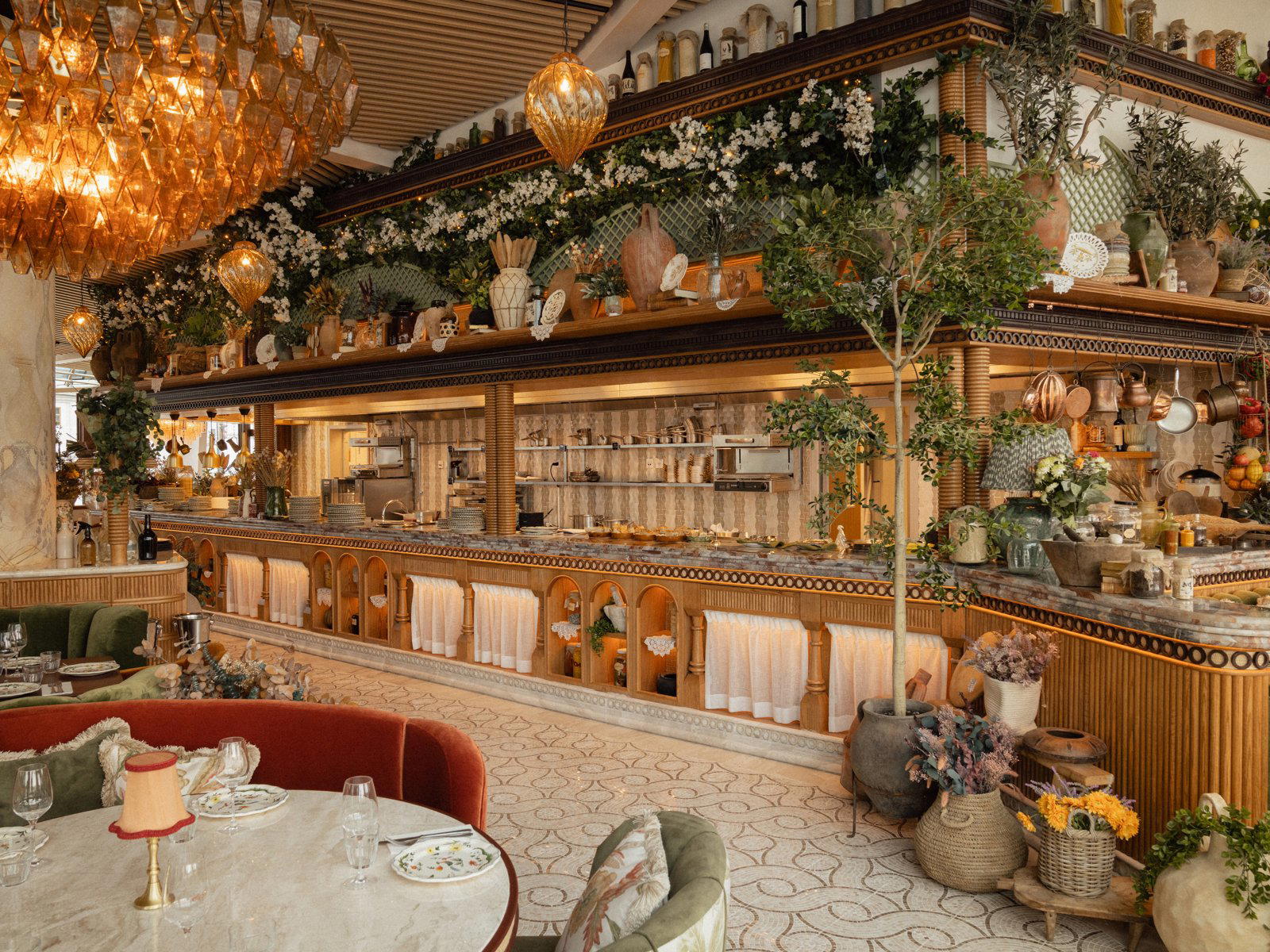
Bars in Split
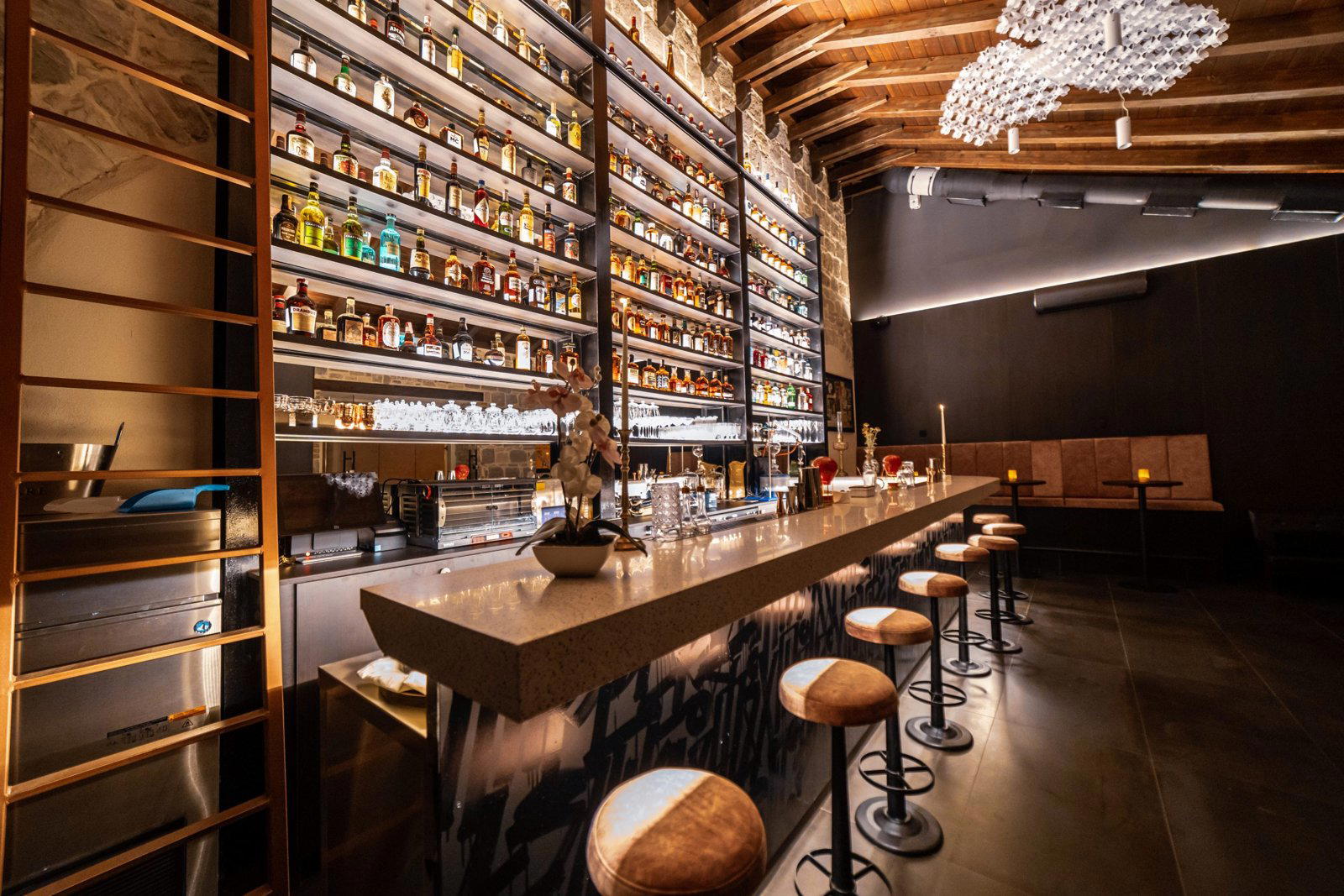
All bars in Split →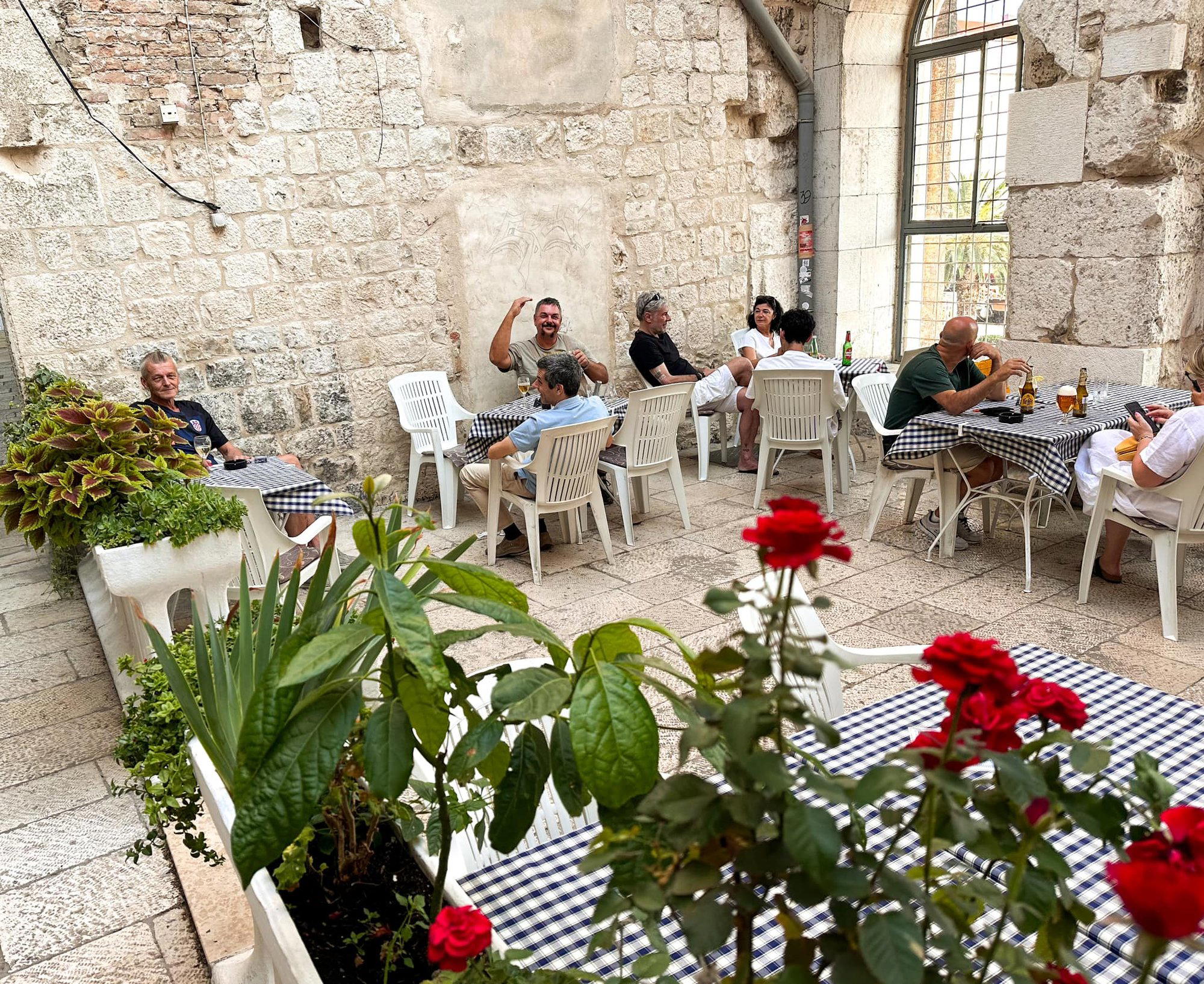
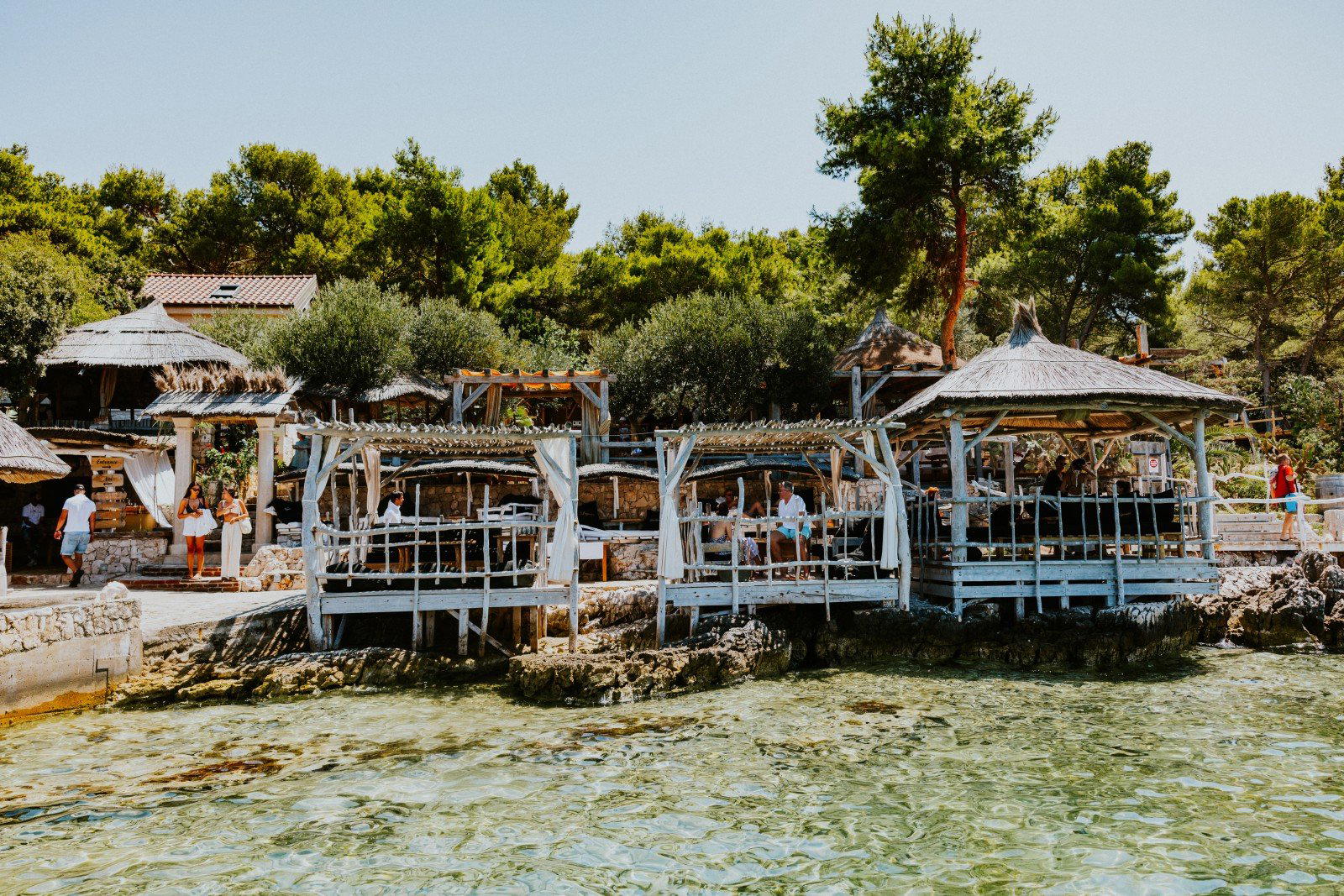

Details
- Cozy
- Intimate
- Rustic
- Date Night
- Special Occasion
- Terrace
- Open Kitchen
- Private Dining
- Extensive Wine List
- Farm To Table
- Local Sourcing
- Street Scene
- A La Carte
- Small Plates
- Wine Pairings
- Vegetarian Friendly
- Vegan Options
- Gluten Free Options
Current opening hours
- Monday
- Closed
- Tuesday
- 12 PM–12 AM
- Wednesday
- 12 PM–12 AM
- Thursday
- 12 PM–12 AM
- Friday
- 12 PM–12 AM
- Saturday
- 12 PM–12 AM
- Sunday
- 12 PM–12 AM
Hours can change for holidays and private events. Hours as of .
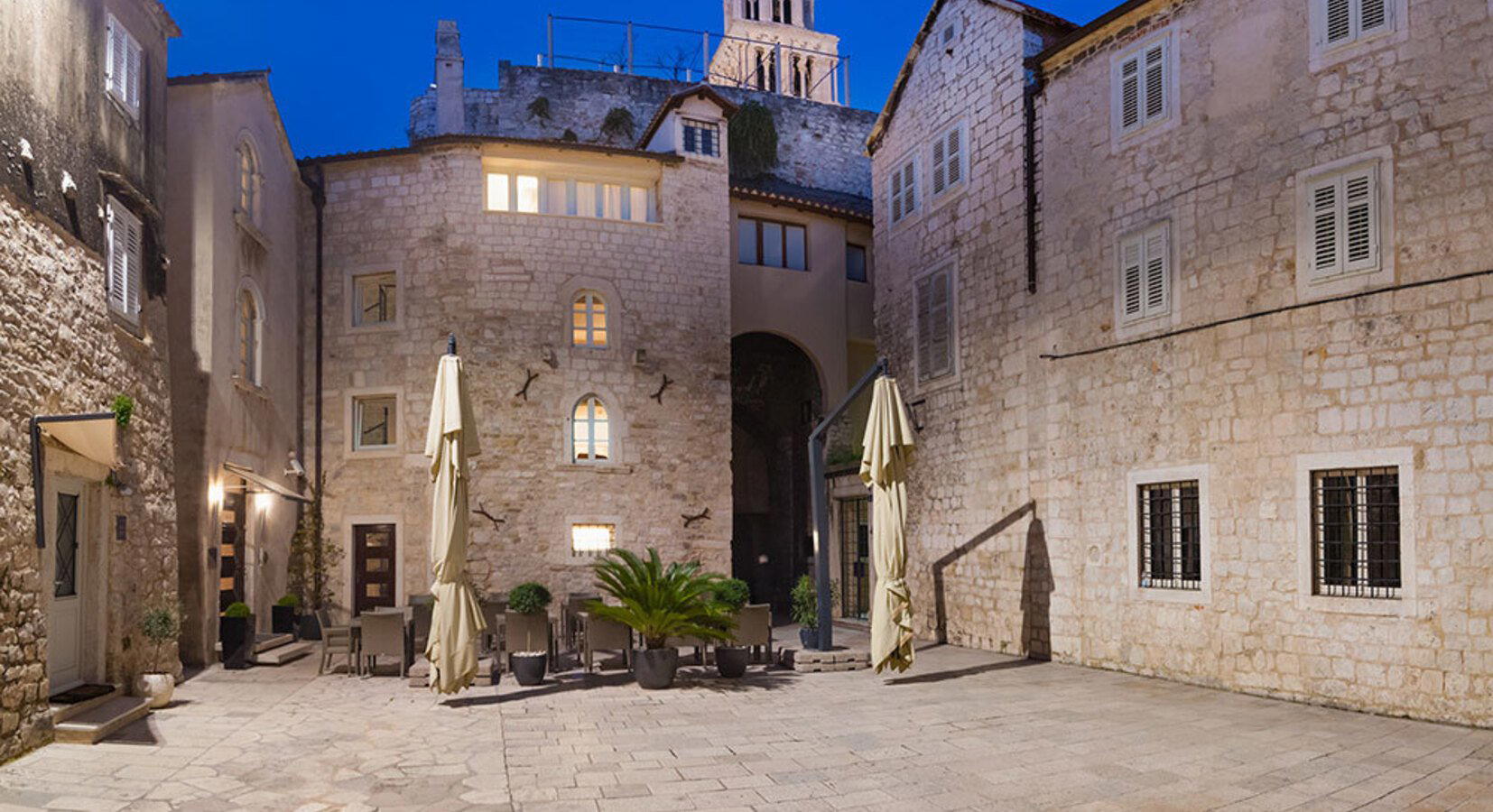
Enchanted private terrace tucked away from hustle, serene escape under stars with open kitchen views.