Konoba Matejuska sits at Ul. Tomića stine 3 in Split's harbour quarter, where the konoba tradition of simple, sea-sourced cooking has held its ground against the city's growing restaurant scene. The address places it close to the working waterfront, positioning it within a comparable set of Dalmatian taverns that treat ingredient provenance as the entire point. For visitors tracing Croatian coastal cooking back to its source, this is a logical starting place.
Pearl is the En Primeur Club membership app — saves, bookings, and concierge access live there. Same editors, same standards.
- Address
- Ul. Tomića stine 3, 21000, Split, Croatia
- Phone
- +385 91 623 1914
- Website
- konobamatejuska.hr
- Directions
- Get directions
 Saves & bookings on Pearl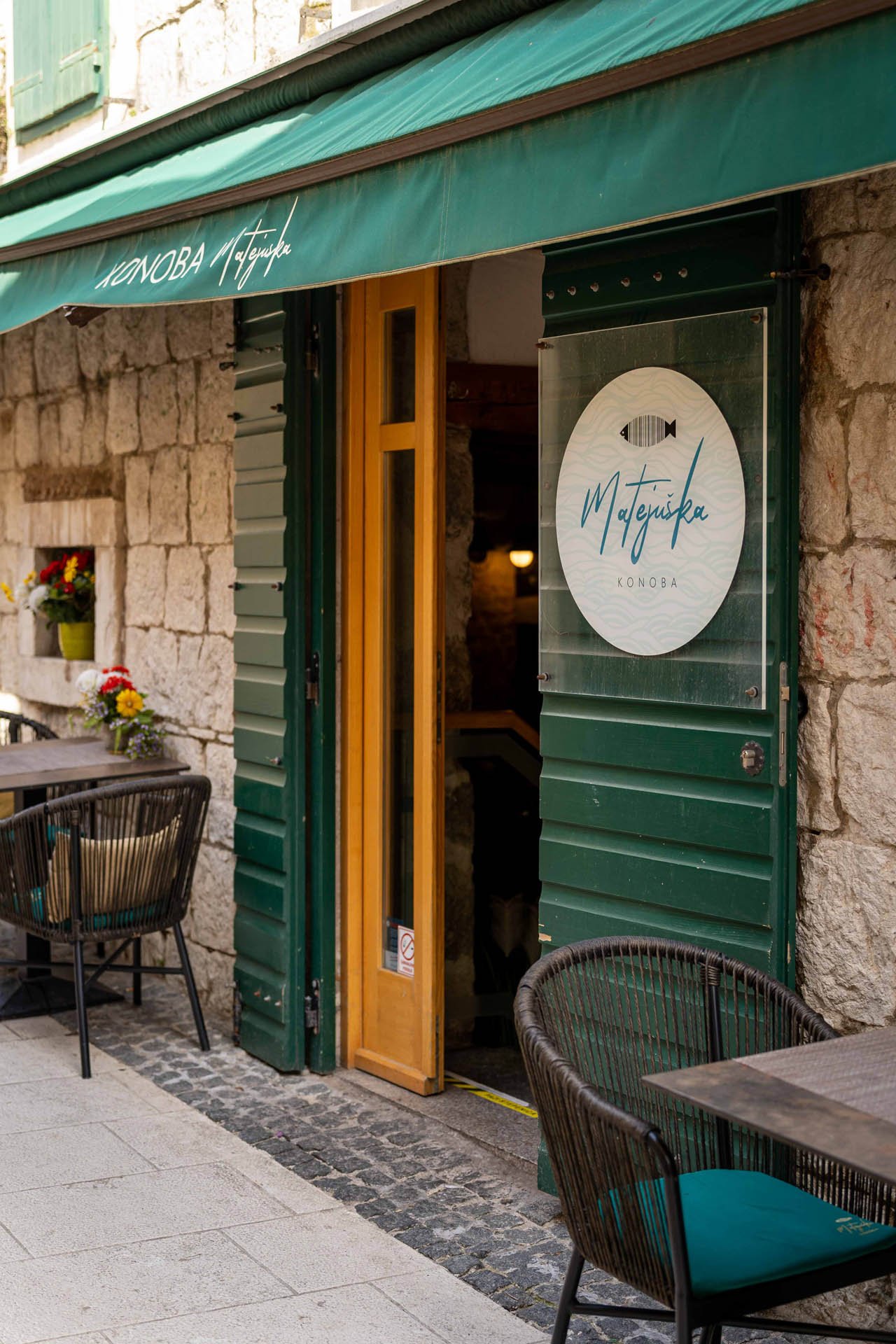
Where the Harbour Dictates the Menu
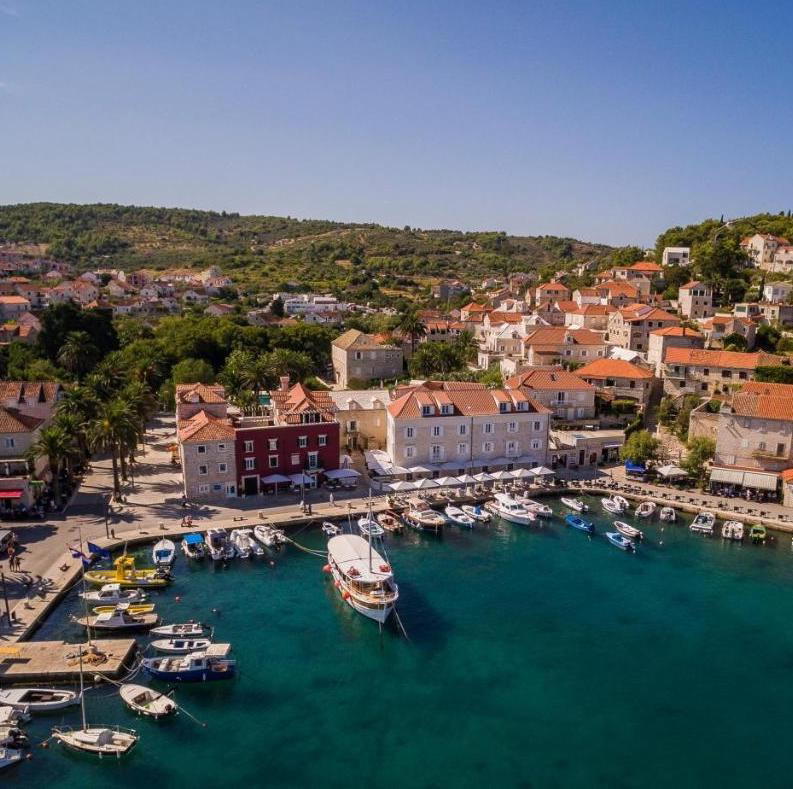
Split's lower town, pressed between Diocletian's Palace and the Riva waterfront, has seen its restaurant tier split sharply over the past decade. On one side sit the ambition-driven addresses, Krug at the Mediterranean-modern end, Adriatic drawing a more international crowd, and on the other, the konoba format. Konoba Matejuska, addressed at Ul. Tomića stine 3, belongs to the older tradition: a Dalmatian tavern model in which the proximity of the catch, the season of the sea, and the simplicity of preparation are the editorial statement. The building sits close enough to the harbour that the logic of the menu follows directly from what comes off the boats.
The konoba category in Croatia is sometimes misread by visitors arriving from food cultures where informality signals lower ambition. In Dalmatia, the opposite is often true. One rigorous approach to ingredient quality tends to live inside formats with the fewest moving parts: a short menu, a wood-fire preparation, a wine list weighted toward local varieties. Konoba Matejuska sits inside that tradition, where the sourcing decision is the cooking decision.
Dalmatian Sourcing as the Kitchen's Organizing Principle
Along the Adriatic coast, from Agli Amici Rovinj in Rovinj at the refined end down through Pelegrini in Sibenik and into Split's own market-driven kitchens, a shared logic runs through coastal Croatian cooking: the sea defines the season, and the season defines the plate. In the konoba format specifically, this is less a philosophy than a structural condition. Small kitchens with limited cold storage and a direct relationship with local fishermen produce menus that shift daily, sometimes within the same service, based on what was landed that morning.
The waters around Split's islands, Brač, Hvar, Šolta, produce a specific set of species that appear repeatedly on konoba menus in the city: dentex, sea bass, bream, john dory, and in colder months, various shellfish from Ston and the Pelješac peninsula. Preparation across this tradition tends toward restraint: grilled over wood, dressed with local olive oil, finished with Adriatic sea salt. The technique is not minimalism for its own sake; it reflects both the quality of the raw ingredient and the practical reality of kitchens that have not changed their core method in generations. At Konoba Matejuska, the address on Tomića stine places it within walking distance of the Pazar market and the fish market at the eastern end of the Riva, both of which function as the actual supply chain for Split's konoba kitchens.
The Split Konoba in Its Competitive Context
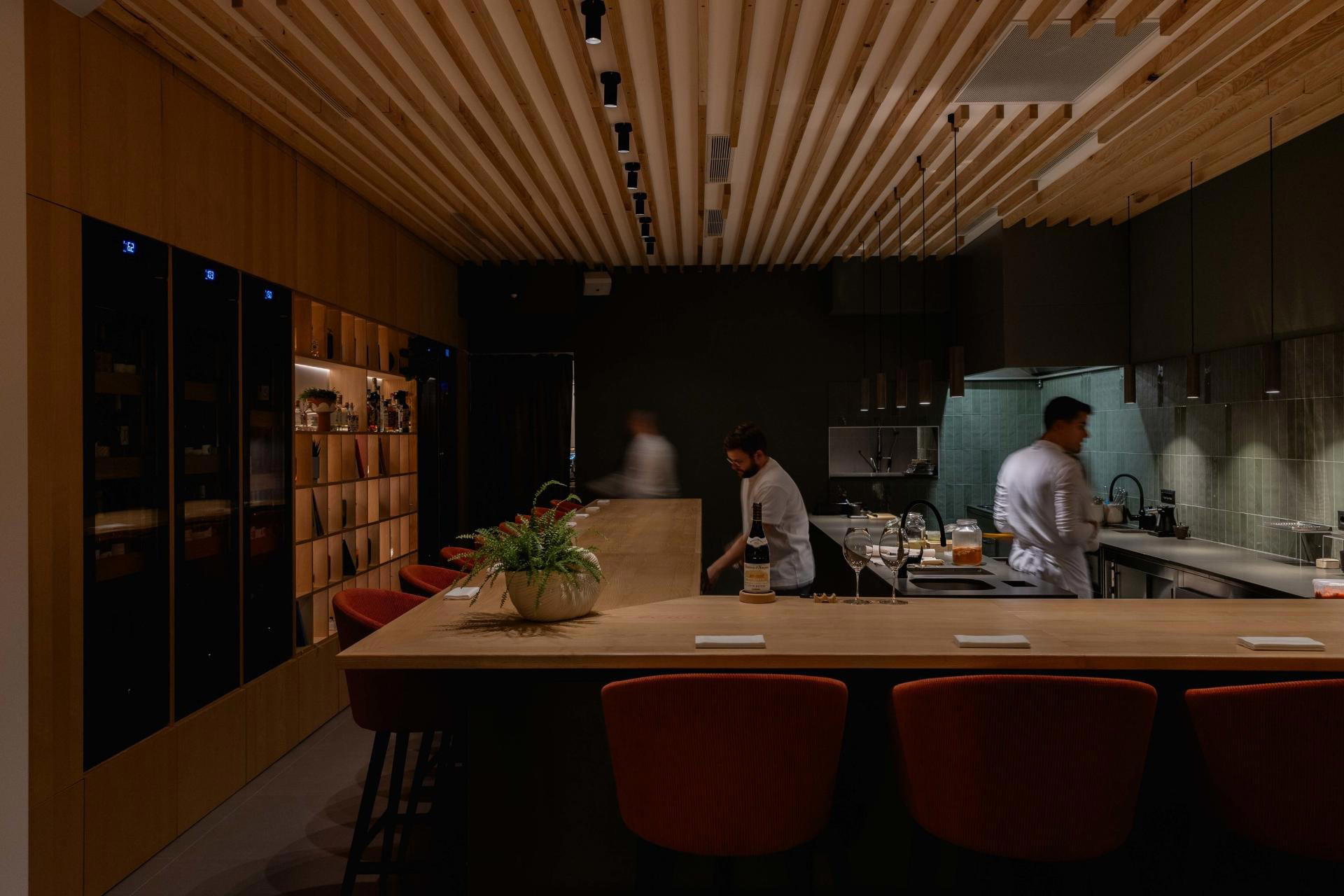
Split's mid-tier dining in 2024 runs from approachable modern addresses like Bajamonti POP and Bistro Noir through to the pizza-and-wine format of Bokamorra. The restaurant operates in a different register entirely, occupying the traditional tavern category alongside Konoba Fetivi, where the price point and format signal a different priority: less curation, more directness. The comparison venues at the €€€ tier, Krug, Kadena, PiNKU fish and wine, all involve a degree of concept and presentation that the konoba format sidesteps. That is not a criticism of either approach; it is a structural difference in what each format is trying to do.
For a reader mapping Croatia's coastal dining more broadly, the comparison is instructive. LD Restaurant in Korčula and Boskinac in Novalja both work with Dalmatian and Kvarner ingredients but through a more composed, wine-program-led frame. Nebo by Deni Srdoč in Rijeka and Alfred Keller in Mali Lošinj represent the northern Adriatic's more technically driven approach. The konoba tradition that restaurant represents is, by contrast, the foundation that all of those formats are in some way responding to or departing from. Understanding it is a prerequisite for reading the rest of Croatian coastal cooking accurately.
The Zagreb contingent, Dubravkin Put and Korak in Jastrebarsko, operates in a continental register that contrasts with what a harbour-adjacent konoba is doing. Even further afield, Restaurant 360 in Dubrovnik and San Rocco in Brtonigla each bring their own coastal or Istrian logic, but neither operates within the stripped-down konoba framework that defines the Split waterfront category. For visitors who have arrived via Le Bernardin in New York City or Lazy Bear in San Francisco, the tonal shift to a Dalmatian konoba is significant and worth calibrating for: the signals of quality here are provenance and freshness, not precision or invention.
Planning a Visit
The restaurant is located at Ul. Tomića stine 3, a short walk from the Riva and the Palace district. The address places it in a part of the city that draws both locals and visitors, and given the konoba format's typically limited seat count and walk-in culture, arriving early in the evening service is advisable during the high summer months of July and August, when Split's population swells significantly with regional and international tourism. The konoba category does not generally operate a formal advance reservations system, though this varies by establishment.
Quick Comparison
Comparable venues nearby, for context on price, style, and recognition.
| Venue | Cuisine | Price | Notes |
|---|---|---|---|
| Konoba MatejuskaThis venue — the venue you are viewing | Authentic Dalmatian Seafood | $$ | Not listed |
| Pimpinella | Croatian Mediterranean Seafood | $$ | Firule |
| Bajamonti POP | Dalmatian Coastal | $$$ | Trg Republike |
| Villa Spiza | Dalmatian Home Cooking | $$ | Old Town |
| Štorija | Modern Dalmatian Fine Dining | $$$ | Old Town |
| Portofino | Modern Mediterranean Seafood & Grill | $$$ | Diocletian's Palace |
Continue exploring
More in Split
Restaurants in Split
Browse all →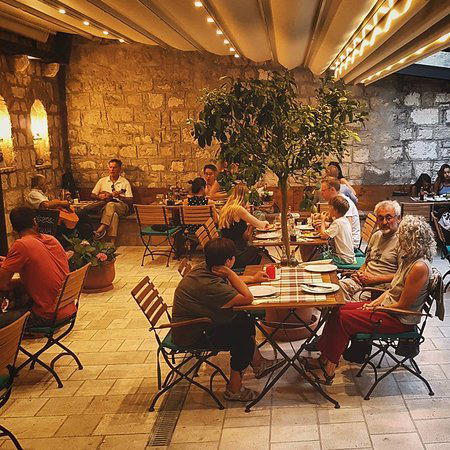
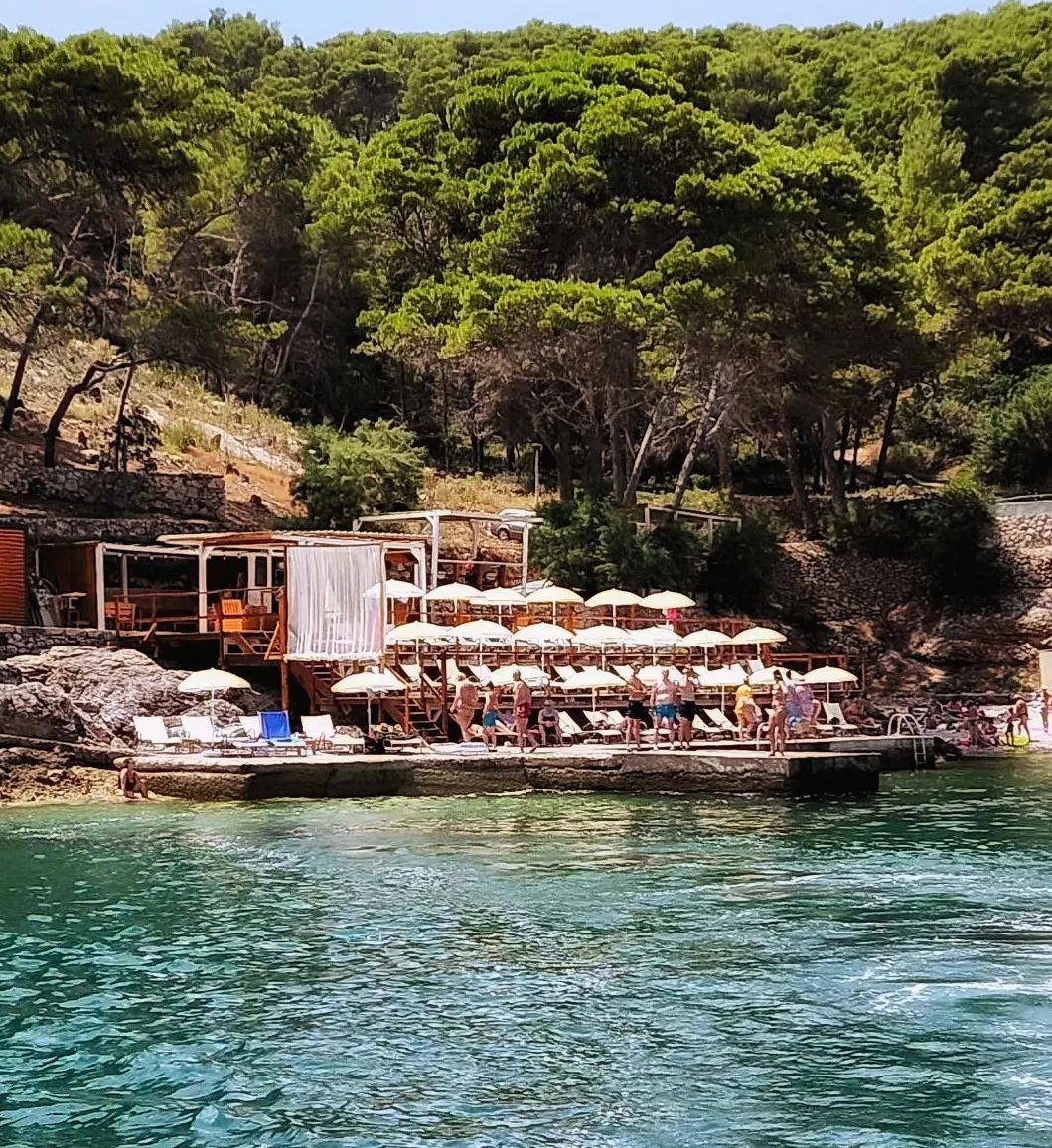
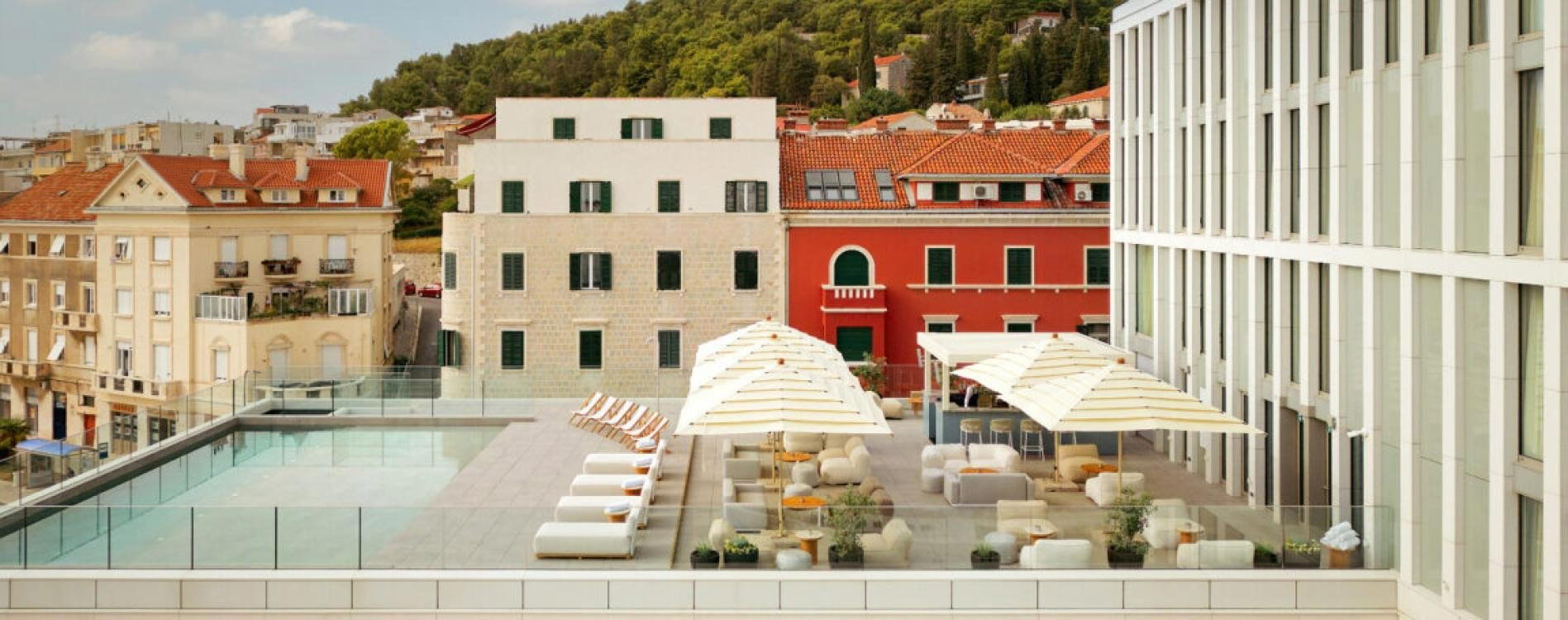
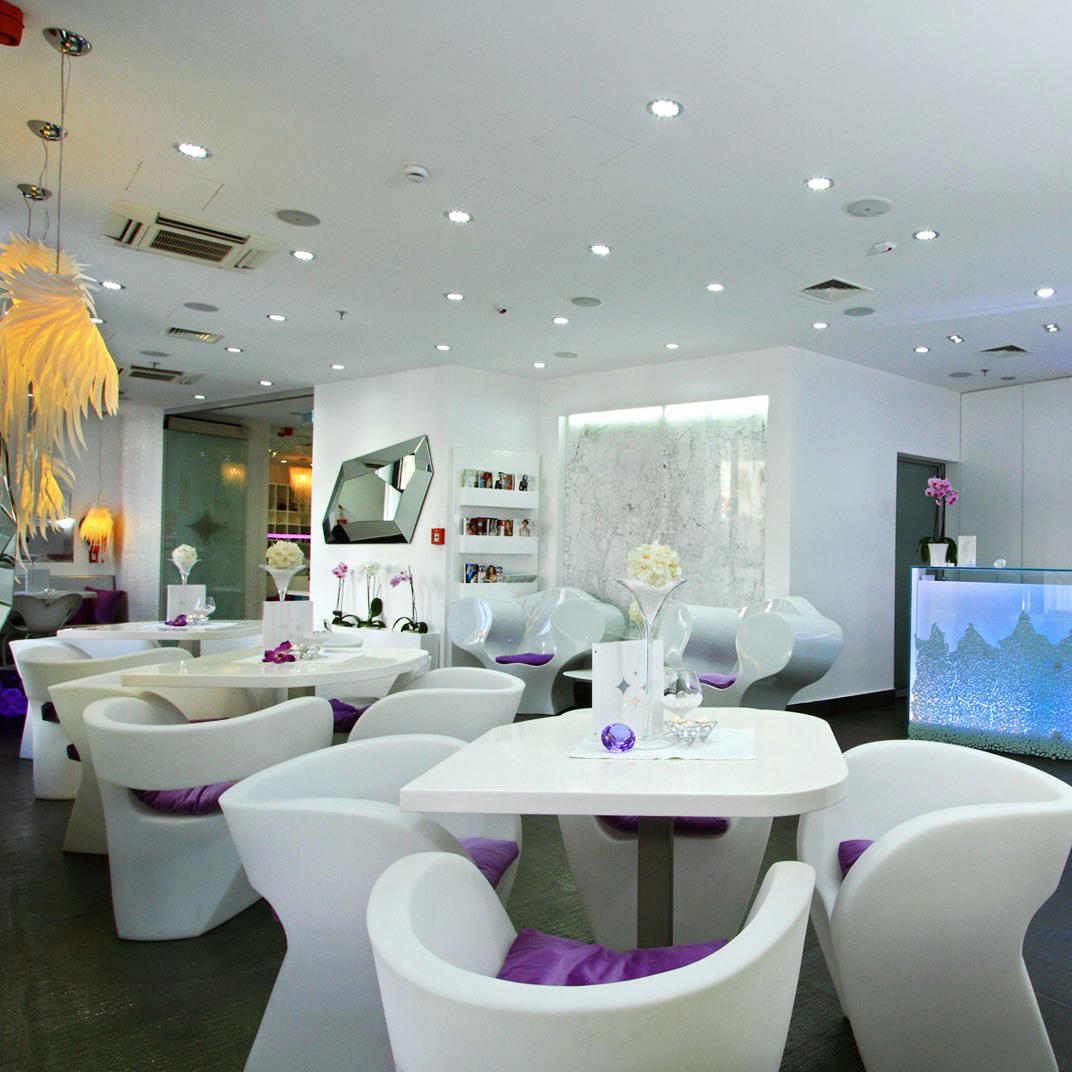

At a Glance
- Rustic
- Cozy
- Intimate
- Date Night
- Casual Hangout
- Special Occasion
- Historic Building
- Local Sourcing
Current opening hours
- Monday
- 11 AM–11 PM
- Tuesday
- 11 AM–11 PM
- Wednesday
- 11 AM–11 PM
- Thursday
- 11 AM–11 PM
- Friday
- 11 AM–11 PM
- Saturday
- 11 AM–11 PM
- Sunday
- 11 AM–11 PM
Hours can change for holidays and private events. Last verified .
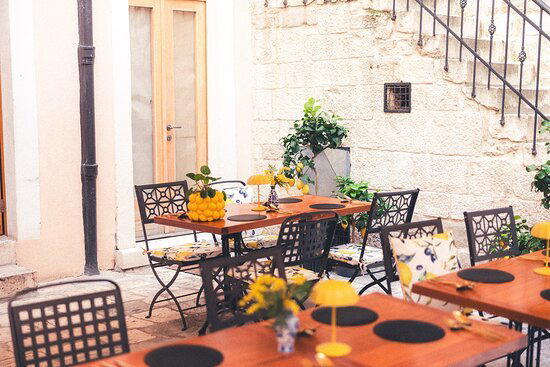
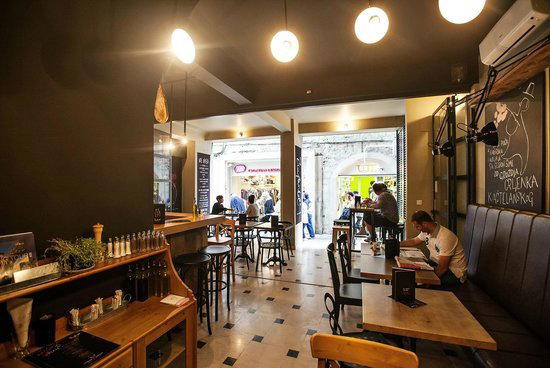
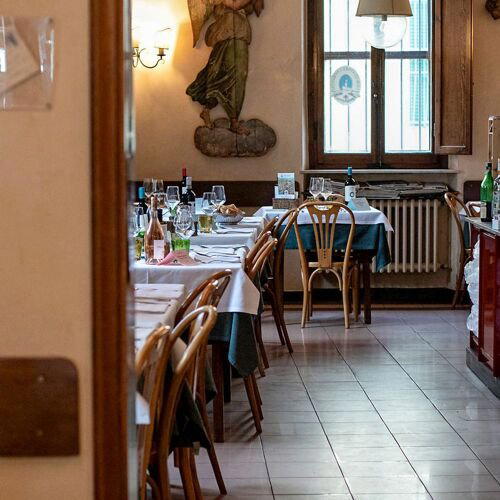
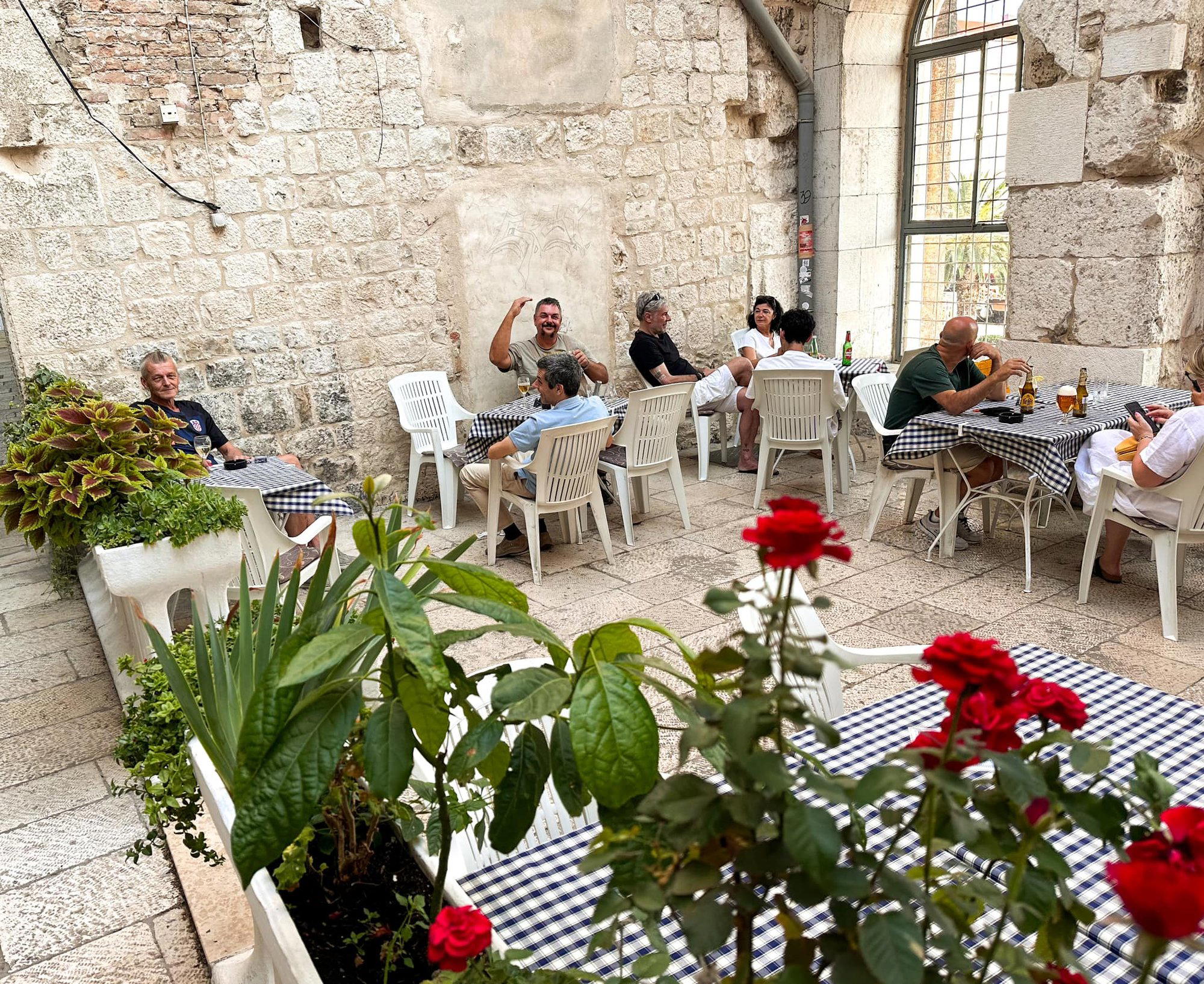
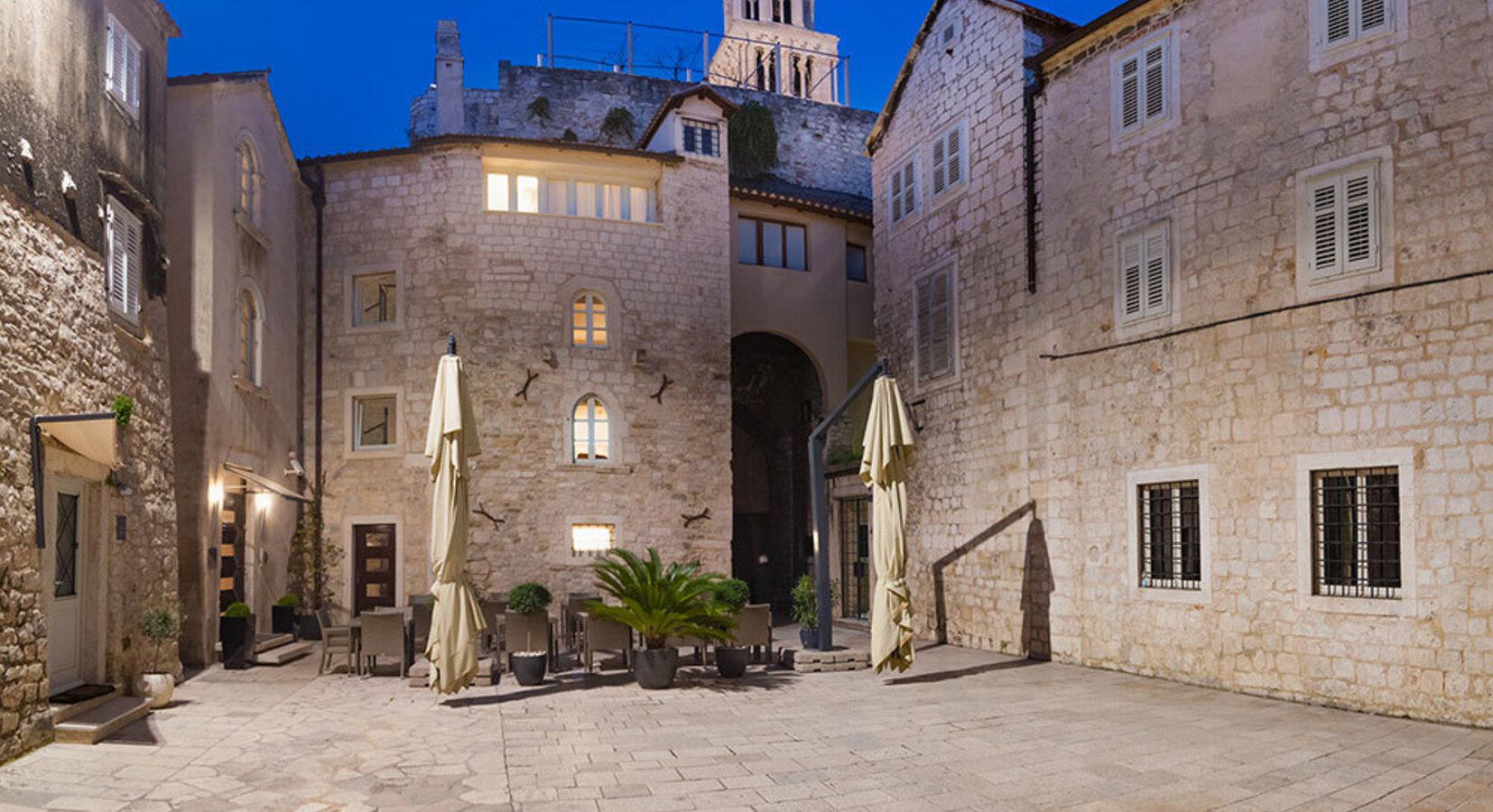
Rustic and cozy atmosphere in an original stone house with a welcoming, traditional feel.