On a quiet lane just off Split's Diocletian Palace walls, Matoni occupies a position in the city's mid-to-upper dining tier that rewards those who look past the more obvious waterfront options. The menu architecture here speaks to a kitchen working with Dalmatian ingredients in a considered rather than theatrical register. For visitors to Split with one serious dinner to spend, it merits attention alongside peers like Krug and Bistro Noir.
Pearl is the En Primeur Club membership app — saves, bookings, and concierge access live there. Same editors, same standards.
- Address
- prilaz braće Kaliterna 6, 21000, Split, Croatia
- Phone
- +385916088333
- Website
- bookmeatable.com
- Directions
- Get directions
 Saves & bookings on Pearl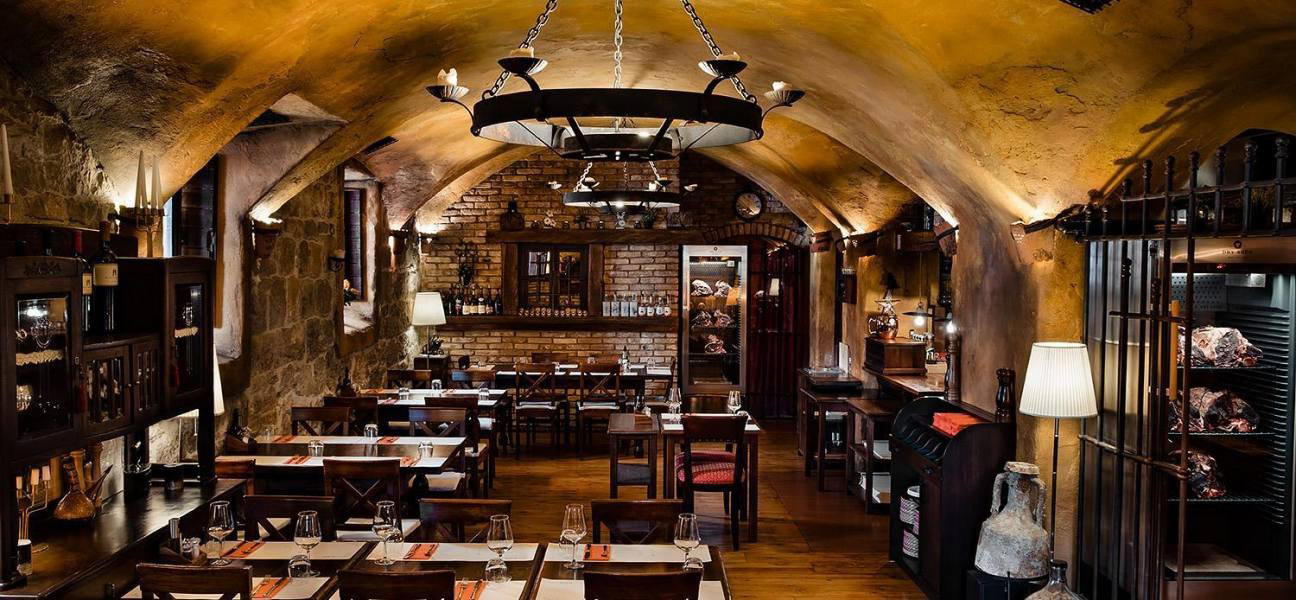
A Street Away from the Palace, a Different Kind of Dining
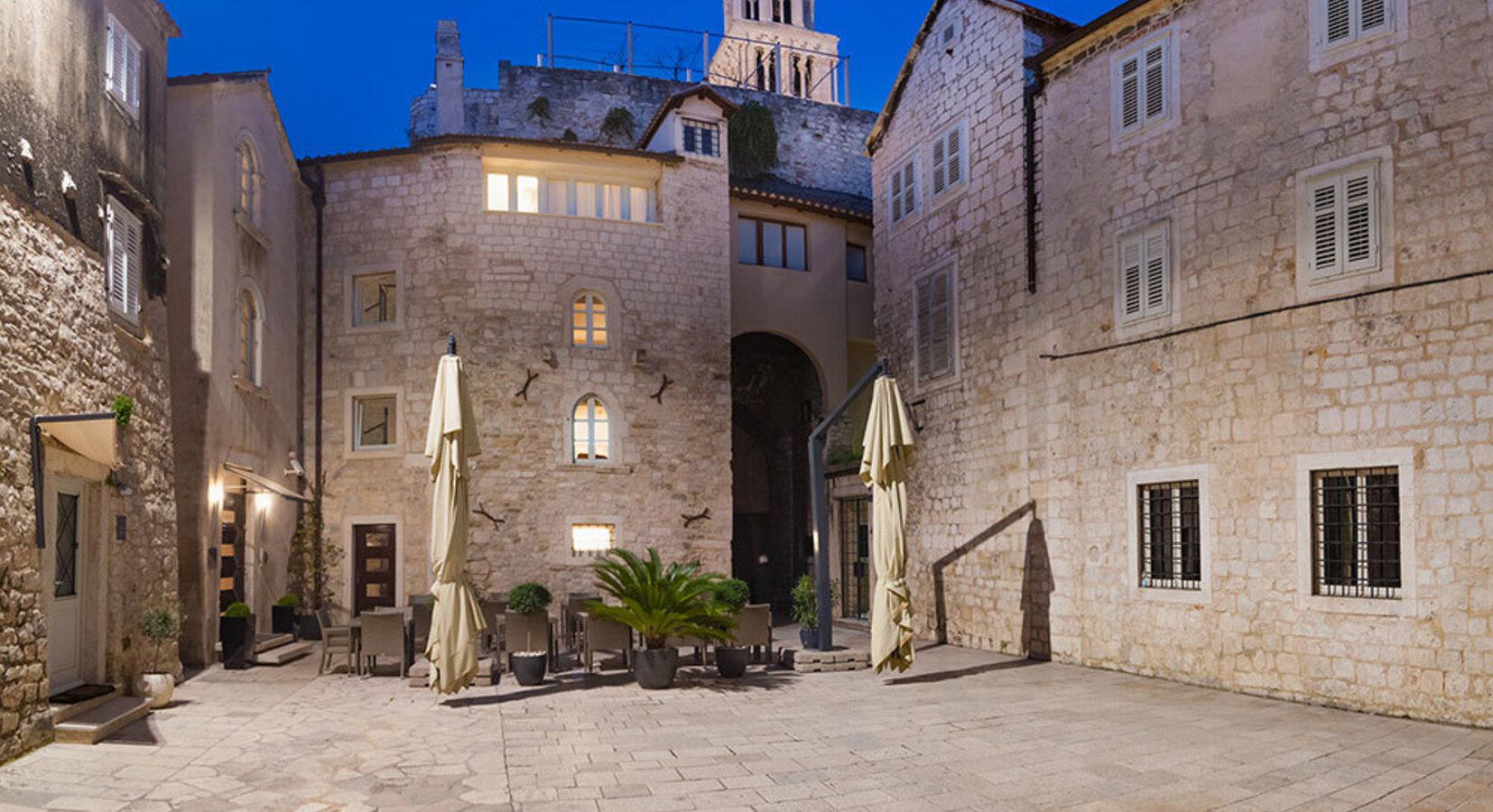
Split's dining scene divides fairly cleanly between two modes: the waterfront-facing restaurants that run on tourist volume and the quieter addresses on side streets and residential lanes where the kitchen has room to do something more considered. Matoni, at Prilaz braće Kaliterna 6, sits in the second category. The address alone signals something about the restaurant's positioning: this is not a place trading on proximity to Diocletian's Palace forecourt or a prime Riva table. The approach is calmer, the sightlines less dramatic, and the implied deal between kitchen and diner is accordingly different.
That shift in register matters in Split, a city where the pressure of high summer tourism has historically pushed many central restaurants toward safe, high-turnover formats. The handful of addresses that resist that logic tend to attract a more locally anchored clientele even during peak season, and Matoni appears to operate within that smaller tier.
What the Menu Architecture Tells You
In Dalmatian restaurants that take their cooking seriously, the menu tends to function as a kind of editorial argument: which local ingredients are worth celebrating, in what sequence, and with how much intervention. Particularly telling menus in this tradition treat seafood not as a backdrop for sauce work but as the point itself, with preparation methods chosen to clarify rather than complicate. Grilling over wood, slow braising with local olive oil, and the restrained use of herbs from the Dalmatian hinterland are the grammar of this approach.
Across the comparable set that Matoni occupies in Split, the range runs from the €€ neighbourhood konoba format through to the €€€ tier occupied by restaurants like Krug (Mediterranean Cuisine) and Bokamorra. Matoni appears to position somewhere in that middle ground, where the cooking takes on more ambition than a simple fish-and-salad format without crossing into the fully tasting-menu territory that defines the upper end of Croatia's fine dining circuit. That bracket includes addresses like Pelegrini in Sibenik and Restaurant 360 in Dubrovnik, both of which operate with Michelin recognition and a more formally structured progression.
A menu that separates local catch from farmed or imported protein, that acknowledges specific fishing grounds or growing regions, and that names preparation methods rather than defaulting to vague descriptors is usually one where the kitchen has made real decisions rather than assembling from a standard distributor list.
Split's Dalmatian Context
Understanding where Matoni sits requires understanding what Split's dining culture is built on. The city's food identity is inseparable from the Adriatic: prstaci clams when they were still legally harvested, salted anchovies from the islands, octopus slow-cooked in a peka under embers, and the local olive oils that range from grassy to peppery depending on the estate and the harvest. These are not tourist inventions; they are the actual ingredients of domestic Dalmatian cooking, and the leading restaurants in the city draw on them without turning them into performance.
The regional context also includes a growing number of serious wine programs, as Croatian producers from Hvar, Pelješac, and the Dalmatian interior have raised their profile over the past decade. Plavac Mali and Pošip in particular now appear on wine lists across Split's better restaurants, and a menu that engages thoughtfully with these varieties rather than defaulting to generic international imports is another indicator of kitchen and front-of-house alignment. Comparable ambition at the Croatian restaurant level can be tracked through addresses like Boskinac in Novalja and Agli Amici Rovinj in Rovinj, both of which have built reputations on precisely this kind of ingredient-led seriousness.
Other restaurants in Split's mid-to-upper tier worth benchmarking against Matoni include Adriatic, Bajamonti POP, and Bistro Noir. Each takes a different angle on what contemporary Dalmatian cooking looks like: Bajamonti POP leans into a more casual, accessible format; Bistro Noir applies a European bistro sensibility to local product; Adriatic works closer to the waterfront tradition. Matoni's lane-side address suggests a fourth position in that set, one that prioritises the plate over the postcard view.
Nationally, the restaurants that have most clearly defined what ambitious Croatian cooking looks like at present include Dubravkin Put in Zagreb, Nebo by Deni Srdoč in Rijeka, Alfred Keller in Mali Lošinj, LD Restaurant in Korčula, and Korak in Jastrebarsko. These restaurants collectively show that Croatian fine dining is no longer defined entirely by the Dubrovnik-Istria axis; Split is increasingly part of that conversation.
For comparison at the global level of ingredient-led seafood cooking, the standard-bearing reference remains Le Bernardin in New York City, while the kind of precise, course-by-course progression built around a single culinary argument has its contemporary expression in places like Atomix in New York City. Neither is a direct peer to a Dalmatian restaurant, but they represent the broader international direction that menu architecture thinking is travelling in, and the leading Croatian kitchens are aware of it.
Island-based cooking within easy reach of Split adds further texture to the regional picture. BioMania Bistro Bol in Bol, on Brač, demonstrates how organic sourcing and lighter formats are taking hold even in small coastal communities, a shift that is slowly influencing how mainland Split restaurants think about their own supply chains.
Planning a Visit
Matoni is at Prilaz braće Kaliterna 6 in Split. The address is a short walk from the eastern edge of Diocletian's Palace, in a quieter residential lane that sees significantly less foot traffic than the Riva or the Old Town core. For Split's better restaurants across all tiers, booking ahead is advisable from June through September, when the city's population swells with Adriatic summer visitors and competition for tables at serious addresses increases considerably. Outside peak summer, last-minute tables become more realistic.
Standing Among Peers
Comparable venues nearby, for context on price, style, and recognition.
| Venue | Cuisine | Price | Notes |
|---|---|---|---|
| MatoniThis venue — the venue you are viewing | Modern Dalmatian Mediterranean | $$ | Not listed |
| Konoba Korta | Traditional Dalmatian Seafood | $$ | Diocletian's Palace |
| OliveTree by boiler™ | Mediterranean Pizza & Croatian | $$ | Riva |
| Brasserie on 7 | Mediterranean Brasserie | $$$ | Riva |
| Oš Kolač - Artisan Cakes and Pastries | Artisan Pastries & Modern Desserts | $$ | Old Town Split |
| Bajamonti POP | Dalmatian Coastal | $$$ | Trg Republike |
Continue exploring
More in Split
Restaurants in Split
Browse all →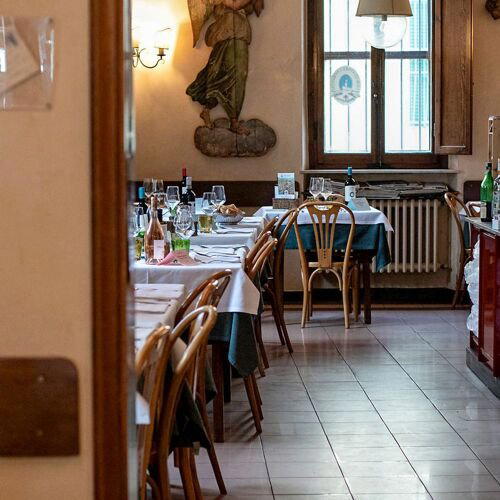
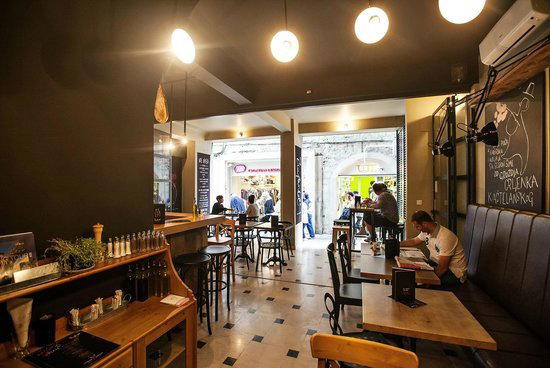
Bars in Split
Browse all →
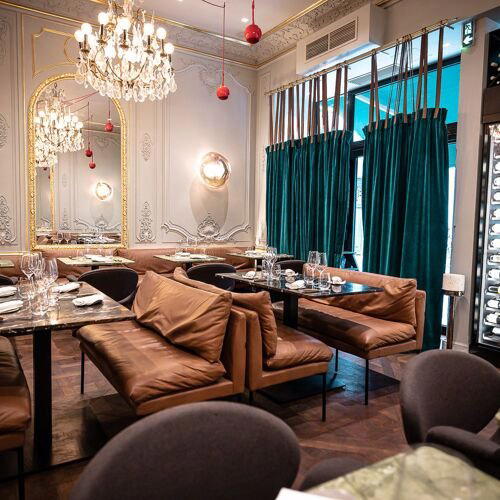
Hotels in Split
Browse all →


At a Glance
- Cozy
- Intimate
- Elegant
- Date Night
- Special Occasion
- Wine Cellar
- Extensive Wine List
- Local Sourcing
Current opening hours
- Monday
- Closed
- Tuesday
- 12–11 PM
- Wednesday
- 12–11 PM
- Thursday
- 12–11 PM
- Friday
- 12–11:30 PM
- Saturday
- 12–11:30 PM
- Sunday
- 12–5 PM
Hours can change for holidays and private events. Last verified .
Cozy wine cellar atmosphere with arched stone ceilings, brick walls, and warm lighting.