MARIO

MARIO brings Michelin Plate-recognised Italian cooking to Wijdewormer, a polder village that sits well outside the Netherlands' established fine-dining circuit. For Italian at this standard, the drive north from Amsterdam rewards the effort.
Pearl is the En Primeur Club membership app — saves, bookings, and concierge access live there. Same editors, same standards.
- Address
- Neck 15, 1456 AA Wijdewormer, Netherlands
- Phone
- +31 299 423 949
- Website
- restaurantmario.nl
- Directions
- Get directions
 Saves & bookings on Pearl
Italian Fine Dining in an Unlikely Polder Address
MARIO is a Modern Italian Fine Dining restaurant in Wijdewormer, Netherlands, with a Michelin Plate in 2024 and 2025 and a €€€ price tier. The approach to Neck 15 tells you something useful before you reach the door. Wijdewormer sits in the flat agricultural belt north of Amsterdam, a polder village of narrow roads and wide skies where the built environment is low and quietly functional. There are no restaurant rows here, no clusters of illuminated signage competing for attention. When a serious Italian kitchen sets up in this kind of location, it is operating on reputation alone, proximity to a major city thoroughfare and word of mouth doing the work that a fashionable postcode would otherwise provide. That context matters when reading MARIO's sustained Michelin Plate recognition across both 2024 and 2025, and its. Those numbers reflect a dining room that has built a following independent of the foot traffic that urban venues rely on.
Where Italian Regional Cooking Sits in the Dutch Fine-Dining Framework
The Netherlands has a well-documented fine-dining circuit anchored by starred Modern European addresses. Venues such as De Librije in Zwolle, Aan de Poel in Amstelveen, and Ciel Bleu in Amsterdam define the upper register of that circuit. Further along the spectrum sit kitchens like De Bokkedoorns in Overveen, Inter Scaldes in Kruiningen, and Brut172 in Reijmerstok, each working within distinctly Dutch or French-rooted idioms. Italian cuisine, by contrast, occupies a narrower niche in the country's serious-dining conversation. The two closest urban comparators at the €€€ tier are Il Gattopardo in Rotterdam and Testamatta Ristorante Enoteca in Amsterdam. MARIO, positioned outside the city entirely, competes against that comparable set on cooking quality rather than location convenience, which is a harder argument to win and, when it works, a more credible one.
The Plate marks MARIO as a restaurant worth knowing. It names MARIO as a kitchen worth knowing, not a destination in the starred sense, and at the €€€ price point that alignment is appropriate. The other Michelin-recognised venues scattered across the Dutch provinces, addresses like De Groene Lantaarn in Staphorst, De Lindehof in Nuenen, De Lindenhof in Giethoorn, and Fred in Rotterdam, each demonstrate that Michelin engagement in the Netherlands extends well beyond Amsterdam, and that provincial addresses can sustain recognition year over year. MARIO fits that pattern.
The Italian Tradition Behind the Kitchen
Italian regional cooking is among the more misrepresented cuisines in northern Europe. The generic shorthand, pasta, risotto, tiramisu, flattens distinctions that, within Italy, are treated as almost non-negotiable. Roman cooking runs on cured pork fat, pecorino, and bold acid. The Milanese tradition is built around butter, slow braises, and saffron-stained rice. Neapolitan plates prioritise fire, simplicity, and San Marzano tomatoes grown in specific volcanic soil. Tuscan kitchens treat the quality of the base ingredient as the argument itself, intervening minimally and charging accordingly for the sourcing. Each tradition has its own pacing, its own temperature logic, and its own relationship to richness.
Chef Astrit Memetaj leads the kitchen at MARIO. What the Michelin Plate and the volume of positive reviews do confirm is that the execution reads as competent and consistent to the guides and to a repeat audience. For the visitor making the trip from Amsterdam or further afield, that is the operative data point: this is not a casual interpretation of Italian food, but a kitchen that has held a recognised quality standard across two consecutive Michelin cycles.
Italy's cooking traditions inform different guest expectations at the table. A kitchen working in a Roman register will typically serve dishes with more textural contrast and savoury intensity; a Tuscan-influenced kitchen will lean on premium proteins handled with deliberate restraint. At €€€ pricing in the Dutch market, that restraint usually appears in the sourcing decisions rather than the portion logic, smaller plates built around better inputs, priced to reflect the supply chain rather than the volume. MARIO sits at that tier, which places it above the mid-market Italian offer available in most Dutch towns and below the multi-starred houses where the experience architecture becomes as much of the proposition as the food itself. It is the tier that rewards the guest who goes specifically for cooking rather than spectacle.
The Drive and What It Implies
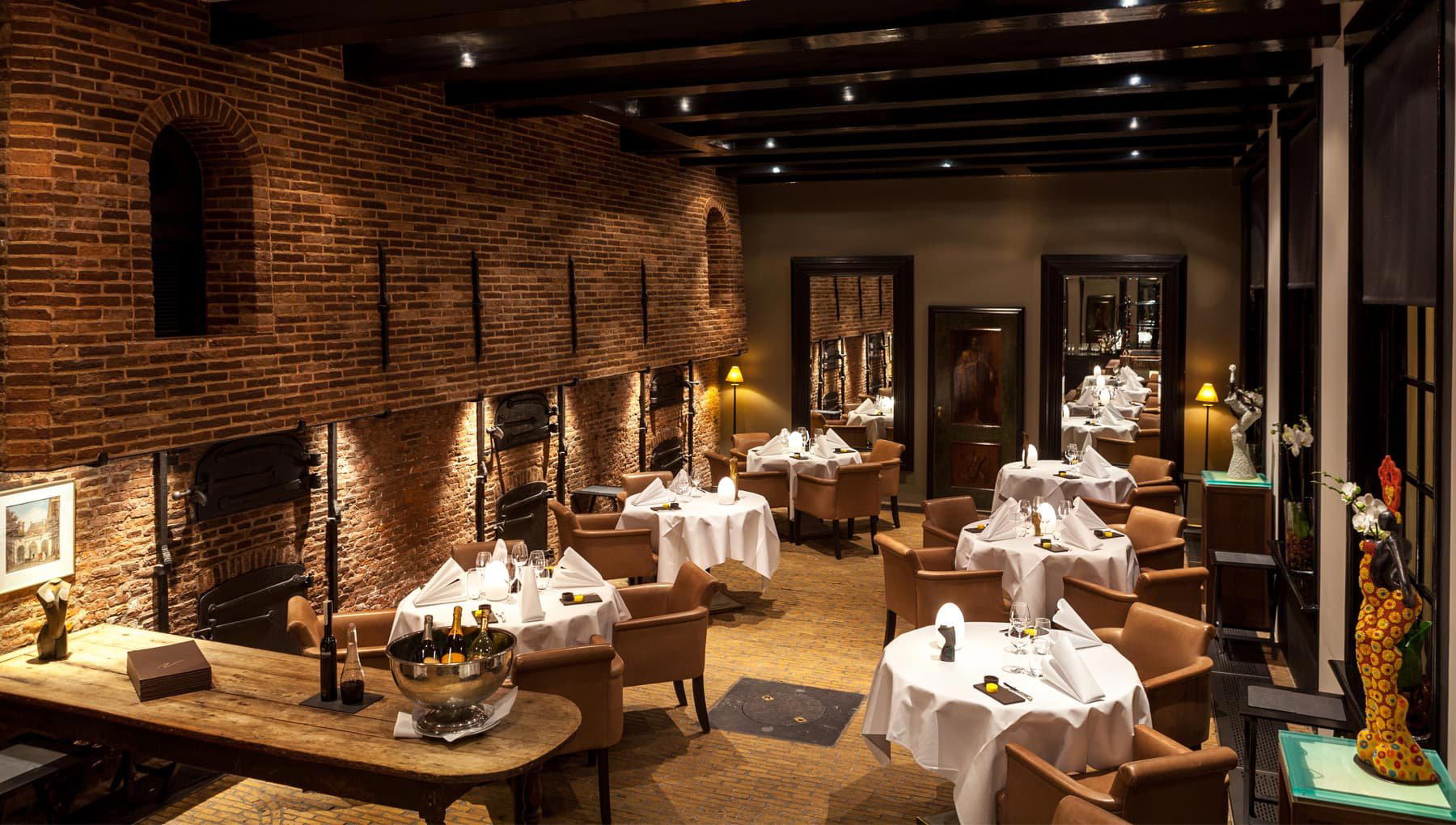
Getting to Wijdewormer requires intention. The village is not on a casual restaurant-hopping route, and there is no ambient foot traffic to sustain a dining room. Guests arrive because they have chosen to. That dynamic tends to shape dining rooms in specific ways: the crowd skews local and loyal, the atmosphere is quieter than urban venues at the same price point, and the kitchen operates without the pressure of turning tables against a backdrop of street-level visibility. For a certain kind of dinner, a longer meal in unhurried surroundings, that is an argument in favour of the location rather than a drawback.
The address at Neck 15 is specific enough to navigate directly. Reservations are recommended. Planning around the journey, dinner rather than lunch, if the drive is significant, is the direct approach for first-time visitors. For comparison points elsewhere in the Dutch fine-dining circuit, De Nieuwe Winkel in Nijmegen offers a contrasting organic-led approach at the same upper tier.
A Quick Peer Check
Comparable venues nearby, for context on price, style, and recognition.
| Venue | Cuisine | Price | Awards | Notes |
|---|---|---|---|---|
| MARIOThis venue — the venue you are viewing | Modern Italian Fine Dining | $$$ | Michelin Plate | Not listed |
| Diga | Modern Italian | $$$ | Michelin Plate | Centrum |
| Testamatta Ristorante Enoteca | Modern Italian Enoteca | $$$ | Michelin Plate | Vondelparkbuurt Midden |
| Pirandello | Modern Italian Fine Dining | $$$ | Michelin Plate | Landgraaf |
| Ristorante 51 | Authentic Italian Trattoria | $$$ | Not listed | Amstel III deel A/B Noord |
| Concours | Modern French Fine Dining with Global Spices | $$$ | Michelin Plate | Biltstraat |
Recognition history
Dated appearances from independent guides and award organizations, with the underlying list record or original source where available.
Michelin Plate
Michelin
Michelin Plate
Michelin
Continue exploring
More in Wijdewormer
Restaurants in Wijdewormer
Browse all →
Bars in Wijdewormer
Browse all →
Hotels in Wijdewormer
Browse all →
Wineries in Wijdewormer
Browse all →
At a Glance
- Elegant
- Romantic
- Cozy
- Sophisticated
- Date Night
- Special Occasion
- Private Dining
- Extensive Wine List
Current opening hours
- Monday
- Closed
- Tuesday
- Closed
- Wednesday
- 5:30–10 PM
- Thursday
- 5:30–10 PM
- Friday
- 5:30–10 PM
- Saturday
- 5:30–10 PM
- Sunday
- 12–5:30 PM
Hours can change for holidays and private events. Last verified .
Stijlvolle, comfortable family restaurant with a relaxed yet elegant atmosphere praised for its cozy setting and attentive service.