Testamatta Ristorante Enoteca

On the Overtoom, Testamatta Ristorante Enoteca earns its following through the kind of warmth that Amsterdam's more formal dining rooms rarely attempt: an open kitchen at full throttle, a service team that reads the room, and Italian cooking grounded in hand-made pasta and bold, traditional flavours. Chef Roberto Borelli folds in occasional Dutch and Japanese touches without losing the thread of what makes a neighbourhood trattoria worth returning to.
Pearl is the En Primeur Club membership app — saves, bookings, and concierge access live there. Same editors, same standards.
- Address
- Overtoom 125, 1054 HE Amsterdam, Netherlands
- Phone
- +31 20 786 4424
- Website
- testamatta.nl
- Directions
- Get directions
 Saves & bookings on Pearl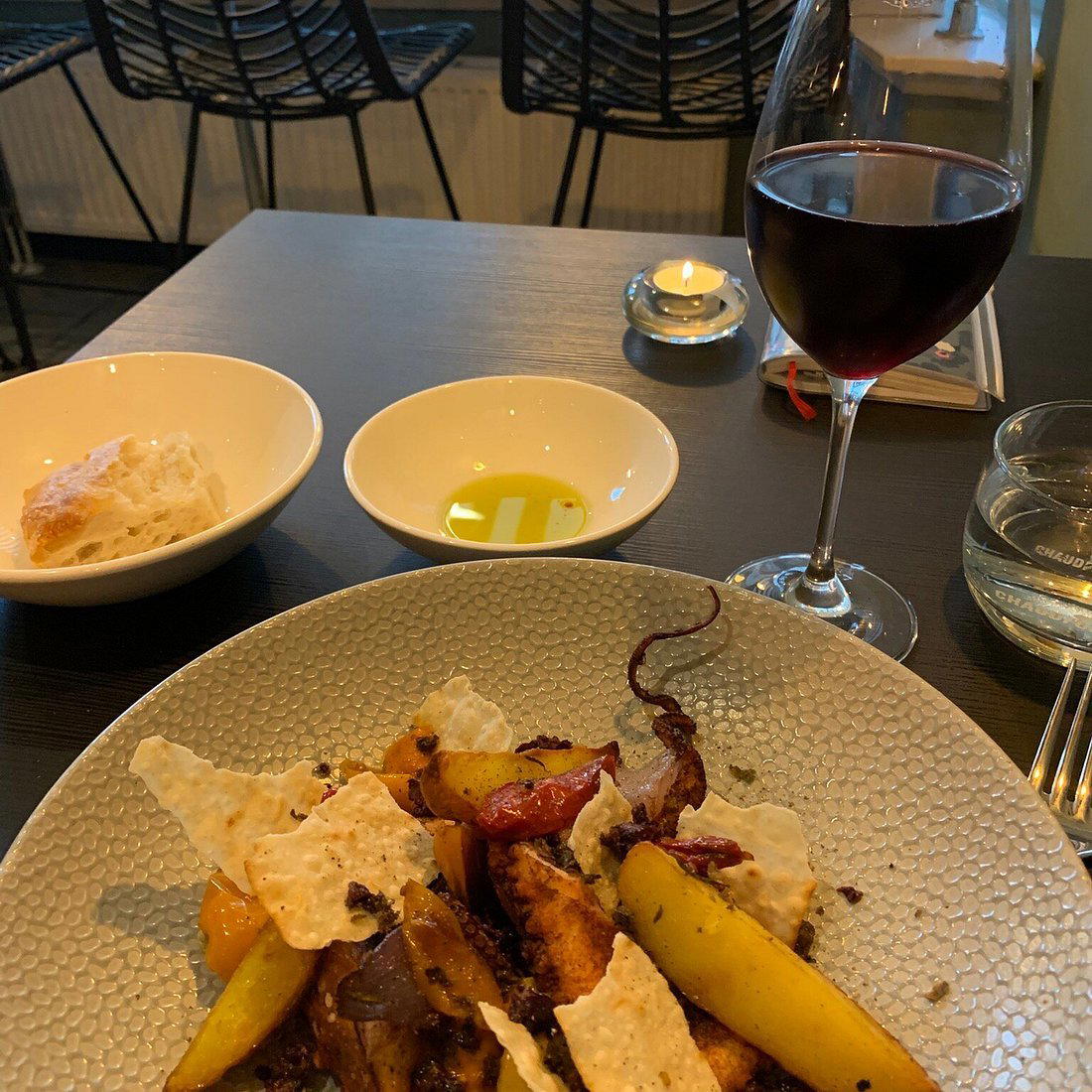
A Corner of the Overtoom That Pulls You In
Testamatta Ristorante Enoteca is a modern Italian enoteca in Amsterdam, rated 4.8 on Google and set at a €€€ price tier. Approach Testamatta on the Overtoom and the restaurant announces itself before you reach the door. The energy from inside, the sound of a working kitchen, the movement visible through the window, is the kind of signal that the leading neighbourhood Italian restaurants have always used in place of a sign. In an Amsterdam dining scene where the higher-end conversation is dominated by tasting-menu formats at places like Ciel Bleu, Flore, Spectrum, and Vinkeles, Testamatta occupies a different register entirely: the trattoria tradition, where the measure of a meal is atmosphere, generosity, and technical honesty rather than ceremony.
That tradition has a long history of being misread by kitchens that confuse informality with carelessness. Here the distinction holds. The decor is atmospheric without being theatrical, the open kitchen at the rear of the room functions as both operational engine and social anchor, and the service team, described by critics as congenial rather than performative, reinforces the sense that you have walked into a room that is genuinely pleased to have you.
The Trattoria Ethos, Applied with Precision
The neighbourhood Italian restaurant has survived every culinary trend of the past three decades because its contract with the diner is clear: seasonal ingredients, hand-made pasta, and flavours that taste like someone made a decision. Testamatta keeps that contract. House-made pasta with a bold lamb ragù is the kind of dish that gets the trattoria tradition right, the pasta is the point, the ragù earns its intensity, and the whole thing tastes like it was built for this room rather than imported from a style guide.
A fresh interpretation of tiramisu signals that the kitchen understands when to leave a classic alone and when to push it. The approach here is to maintain the flavour memory of the dish, the familiar richness, the contrast of bitter and sweet, while adjusting the texture or presentation enough to make it feel current. It is a narrow line to walk, and the fact that critics single it out as a success is the relevant data point.
Where Testamatta earns its own identity is in the moments where Italian tradition absorbs other influences without announcing them loudly. Dutch cheese and katsuobushi, a dried, fermented tuna used as a seasoning in Japanese cooking, appear in the kitchen's vocabulary as tools rather than talking points. This is the modern Italian restaurant's most demanding challenge: how to absorb outside influence without becoming a concept. At the €€€ price tier, where diners expect to recognise what they are eating, the balance matters. For a broader picture of how Italian cooking sits within Amsterdam's mid-range dining conversation, Bistro de la Mer offers a useful comparison point from the classic French side of the same tier.
Roberto Borelli and the Question of Authorship
Chef Roberto Borelli's name appears in critical assessments as the source of a recognisable stamp on the cooking, a phrase that, in the context of Italian restaurant criticism, carries specific weight. Italian cuisine in Amsterdam has a credibility problem at the edges of the market: too many rooms serve food that could have been produced anywhere. When a critic reaches for the language of personal authorship, it usually means the food is traceable to a set of decisions that belong to this kitchen specifically.
That is the meaningful credential here. Borelli's training background is not detailed in the public record, but the critical consensus on the cooking, confident with tradition, curious about extension, disciplined about not over-explaining the curiosity, reads like the profile of a cook who has thought carefully about what Italian food means outside Italy. For comparison, the Dutch restaurant scene's most awarded kitchens, from De Librije in Zwolle to Aan de Poel in Amstelveen and De Bokkedoorns in Overveen, operate through a different set of ambitions. Testamatta is not competing in that conversation. It is doing something more specific and, in some ways, harder: making a neighbourhood restaurant that a neighbourhood returns to.
Where Testamatta Sits in Amsterdam's Italian Dining
Premium Italian cooking in the Netherlands is a smaller category than the country's broader fine-dining circuit. Outside Amsterdam, MARIO in Wijdewormer represents one approach to Italian ambition at a regional level. In Rotterdam, Il Gattopardo operates at a comparable price tier with a different urban context. Within Amsterdam at the €€€ level, Testamatta's position is defined by its neighbourhood address on the Overtoom, a street that runs through the Oud-West district, west of Vondelpark, and attracts a residential rather than tourist-heavy crowd, and by the consistent critical attention the kitchen has received for its cooking rather than its setting or concept.
That positioning matters for the reader deciding between Testamatta and the city's more formal rooms. This is not the place to take a client dinner that requires tablecloth formality or a tasting menu that can be discussed in a presentation. It is the right choice for a table where the food is supposed to be the leading thing that happens, without the choreography that surrounds it.
Planning Your Visit
Testamatta is at Overtoom 125, in Amsterdam's Oud-West district.
Peers Worth Knowing
Comparable venues nearby, for context on price, style, and recognition.
| Venue | Cuisine | Price | Notes |
|---|---|---|---|
| Testamatta Ristorante EnotecaThis venue — the venue you are viewing | Modern Italian Enoteca | $$$ | Not listed |
| Bussia | Modern Italian | $$$ | Felix Meritisbuurt |
| nNea | Neapolitan Pizza | $$$ | Da Costabuurt Noord |
| La Fiorita | Modern Italian | $$$ | Anjeliersbuurt Zuid |
| Fa. Pekelhaaring | Creative Italian with Dutch Influences | $$$ | Willibrordusbuurt |
| Toscanini | Authentic Seasonal Italian | $$$ | Anjeliersbuurt Noord |
Recognition history
Dated appearances from independent guides and award organizations, with the underlying list record or original source where available.
Michelin Plate
Michelin
Continue exploring
More in Amsterdam
Restaurants in Amsterdam
Browse all →
Bars in Amsterdam
Browse all →
Hotels in Amsterdam
Browse all →
Wineries in Amsterdam
Browse all →
At a Glance
- Cozy
- Intimate
- Elegant
- Date Night
- Special Occasion
- Open Kitchen
- Extensive Wine List
- Sommelier Led
Current opening hours
- Monday
- Closed
- Tuesday
- 6–11 PM
- Wednesday
- 6–11 PM
- Thursday
- 6–11 PM
- Friday
- 6 PM–12 AM
- Saturday
- 6 PM–12 AM
- Sunday
- Closed
Hours can change for holidays and private events. Last verified .
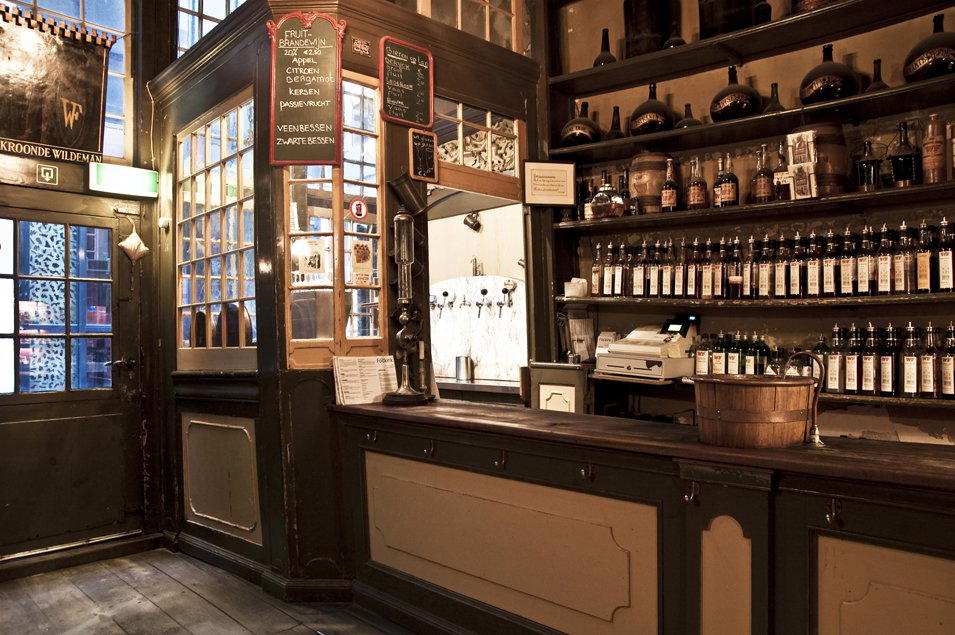
Homely, intimate, and cozy atmosphere with warm lighting, open kitchen bustle, and welcoming informality well-suited for romantic dinners or special occasions.