Ristorante 51
Ristorante 51 sits at Hoogoorddreef 1 in Amsterdam's southeast business district, operating in a part of the city that sees less dining traffic than the canal belt but has developed a quiet reputation among corporate diners and local regulars. Specific menu and pricing details are limited in public records, making it worth contacting the venue directly before visiting.
 Discover on Pearl
Pearl is the En Primeur Club membership app — saves, bookings, and concierge access live there. Same editors, same standards.
- Address
- Hoogoorddreef 1, 1101 BA Amsterdam, Netherlands
- Phone
- +31202415002
- Website
- ristorante51.com
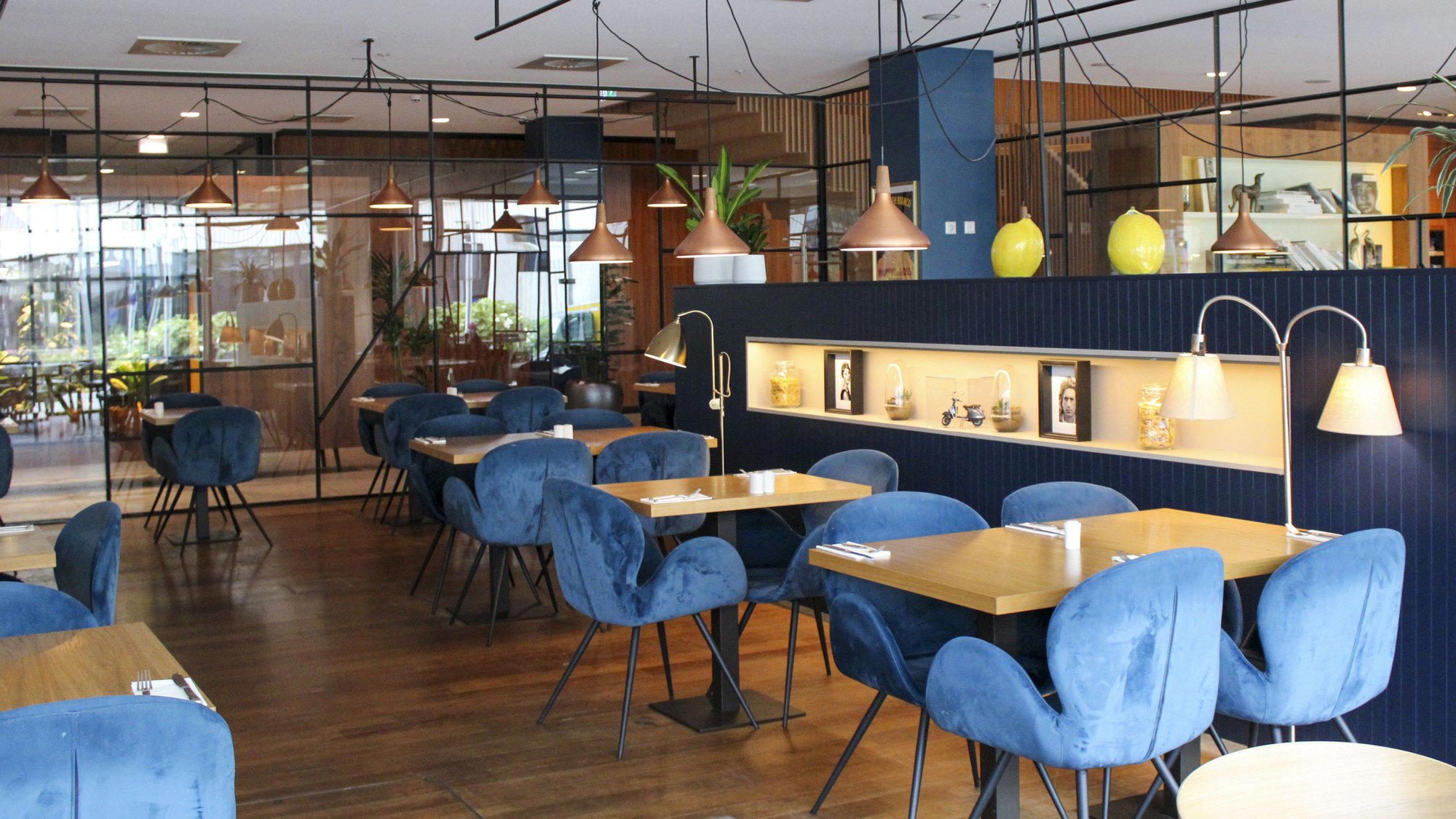
Southeast Amsterdam and the Question of Where Fine Dining Goes Next
Amsterdam's fine dining conversation has historically orbited the canal belt and the Museum Quarter. The Michelin-starred counters most travellers reference, among them Ciel Bleu, Flore, and Spectrum, occupy hotel dining rooms and listed buildings within a few kilometres of one another in the city's dense historic core. What happens further east, in the business and logistics districts that Dutch urban planning scattered across the A10 ring, is a different question. Ristorante 51 is an Authentic Italian Trattoria in Amsterdam, Netherlands, at Hoogoorddreef 1, with a price tier of 3 and an average Google rating of 4.1.
That geography matters for understanding what a restaurant in this location is actually doing. Restaurants in corporate districts evolve differently from those in tourist-dense neighbourhoods. Their clientele is often more local and repeat-based, their rhythms shaped by business calendars rather than weekend covers, and their longevity tied to building genuine relationships with a defined community rather than rotating visitor traffic. This is not an observation unique to Amsterdam. The same structural logic applies to the business-district dining rooms of Frankfurt's Sachsenhausen edge, London's Canary Wharf, or the La Défense corridor outside Paris.
How the Italian Restaurant Category Has Shifted in the Netherlands
Italian cuisine in the Netherlands has undergone a slow but measurable evolution over the past two decades. The category once operated almost entirely in a mid-market register: familiar red-sauce formats, generous portions, wine lists anchored to approachable Chianti. That format still dominates in volume terms, but a smaller cohort of Italian-branded restaurants has moved toward more precise, regionally specific cooking, better sourcing, and tighter wine programs that reference producer names rather than just DOC zones.
The Dutch dining public has shown appetite for this shift, partly because Netherlands-based Italian communities have maintained strong food knowledge, and partly because the broader Dutch fine dining scene, with its emphasis on Dutch produce and Nordic-influenced technique visible at places like Vinkeles and Bolenius, has raised general expectations for kitchen discipline. A restaurant operating under an Italian identity in this environment is benchmarked against both its own cuisine's standards and a national dining culture that has grown more technically demanding.
The restaurants that anchor a community, that regulars return to across years and across life events, often do more durable work than the spots that collect press attention for eighteen months and then pivot.
The Evolution of a Neighbourhood Restaurant
The editorial angle that applies to Ristorante 51 most accurately is one of evolution through context rather than through documented reinvention. A restaurant at Hoogoorddreef 1 in Amsterdam Southeast has watched the district change materially since the Arena Boulevard development took shape in the 1990s and 2000s. The area has attracted international company headquarters, a large ArenA hotel cluster, and a steadily growing residential population in adjacent areas like Bijlmermeer. Each of those shifts changes the diner profile, the competition, and the expectations a neighbourhood restaurant has to meet.
Across the Netherlands, the restaurants that have demonstrated real staying power outside the country's major fine dining corridors have done so by reading those local shifts accurately. Aan de Poel in Amstelveen built its reputation serving a prosperous suburban clientele that wanted serious cooking without commuting to the canal belt. De Bokkedoorns in Overveen has operated in a similar structural position relative to Haarlem. The pattern is consistent: restaurants that understand the economic and social character of their specific district can build something more durable than those chasing a metropolitan dining identity that doesn't match their actual location.
The broader Dutch fine dining circuit is extensive and geographically distributed. De Librije in Zwolle, 't Nonnetje in Harderwijk, De Nieuwe Winkel in Nijmegen, De Lindehof in Nuenen, De Lindenhof in Giethoorn, Brut172 in Reijmerstok, De Groene Lantaarn in Staphorst, and De Treeswijkhoeve in Waalre are among the restaurants that have built credible reputations well outside the Randstad core. That distribution matters because it contextualises what neighbourhood restaurants outside Amsterdam's tourist belt are working alongside, and working against, for attention and covers.
Planning a Visit
For diners making a specific trip to Southeast Amsterdam, Bistro de la Mer offers a useful classic-cuisine comparison point within the city's wider dining options, while
Price and Recognition
Comparable venues nearby, for context on price, style, and recognition.
| Venue | Cuisine | Price | Awards | Notes |
|---|---|---|---|---|
| Ristorante 51This venue — the venue you are viewing | $$$ | , | ||
| Segugio | $$$ | , | Amstelveldbuurt, Authentic Northern & Central Italian | |
| Euro Pizza | $$$ | , | Bedrijventerrein Hamerstraat, Modern Italian Wood-Fired Pizza with Natural Wines | |
| A Tavola | Kadijken, Traditional Italian | $$ | 1 recognition | |
| tHUIS aan de AMSTEL | $$$ | , | Amstelkwartier Noord, Dutch European Café | |
| Fuku Ramen | $$$ | , | Transvaalbuurt Oost, Modern Japanese Omakase Ramen |
Continue exploring
More in Amsterdam
Restaurants in Amsterdam
Browse all →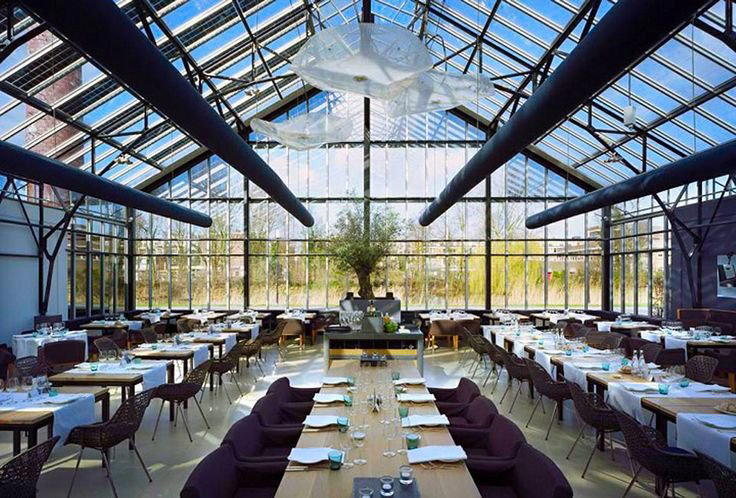
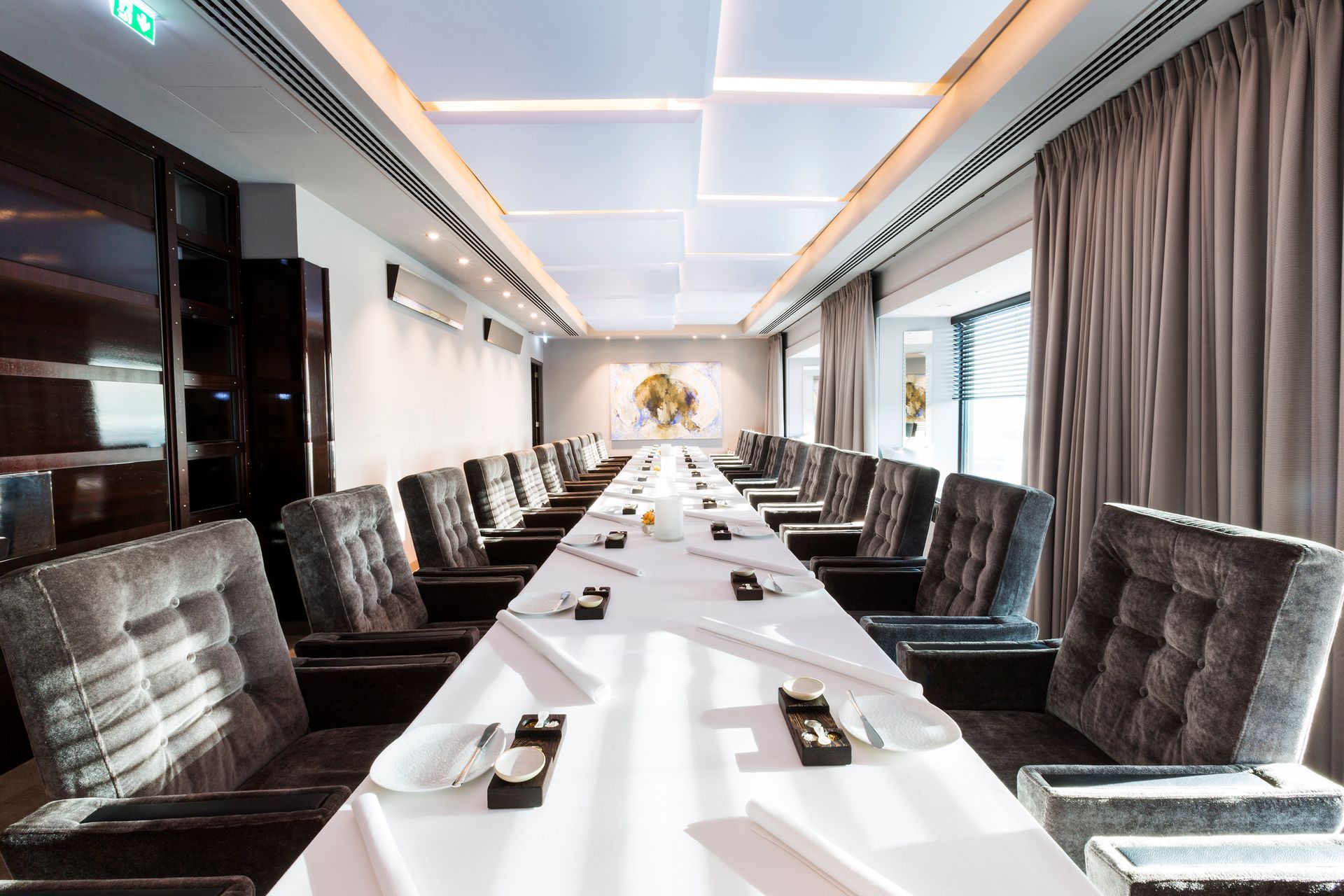
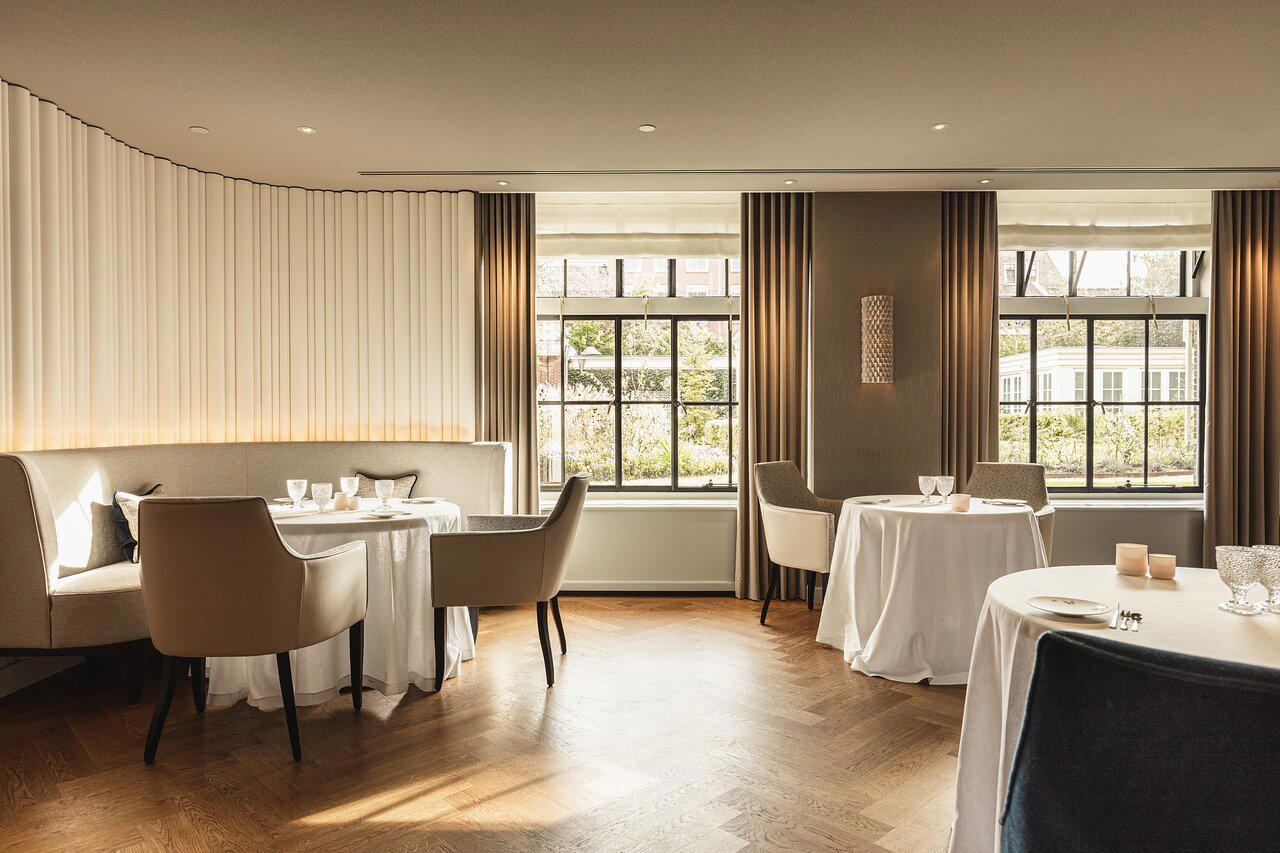
Bars in Amsterdam
Browse all →
Hotels in Amsterdam
Browse all →
Wineries in Amsterdam
Browse all →
At a Glance
- Elegant
- Cozy
- Sophisticated
- Date Night
- Business Dinner
- Casual Hangout
- Terrace
- Hotel Restaurant
- Street Scene
Elegant yet informal setting with casual ambiance, warm hospitality, and relaxing atmosphere ideal for post-concert dining.