Google: 4.1 · 165 reviews

A Tabelog Bronze Award winner since 2022 and a consistent entry in the Tabelog Chinese EAST Top 100, Manzan brings serious Sichuan cooking to the Makuhari Hongo district of Chiba. The ten-seat dining room operates on a reservation-only basis, with dinner averaging JPY 10,000–14,999 per person. It opens Thursday through Monday from 17:00, closed Tuesday and Wednesday.
 Discover on Pearl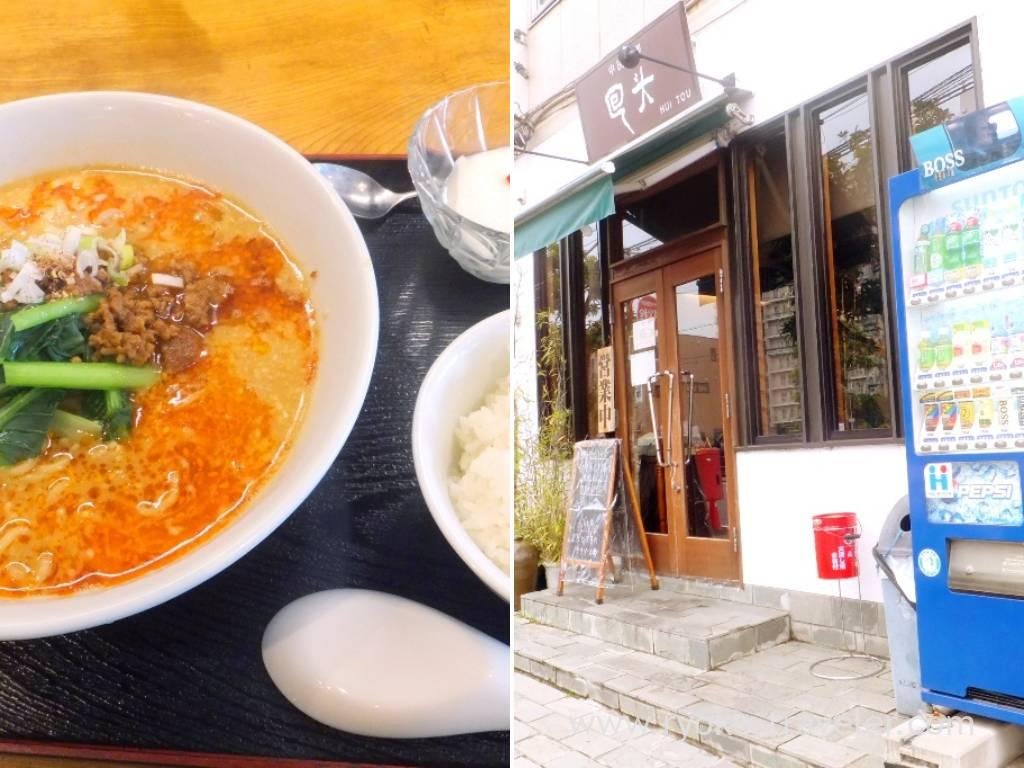
Sichuan Cooking Outside the Capital
Japan's most decorated Chinese restaurants tend to cluster in Tokyo, where Ginza and Shinjuku have long supported a tier of Sichuan specialists drawing on Chengdu and Chongqing lineages. Chiba operates differently. The prefecture's dining scene rewards consistency over spectacle, and the handful of venues that have built sustained reputations here tend to do so through repeat custom rather than tourist traffic. That context matters when reading Manzan's record: four Tabelog Bronze Awards across 2022, 2024, 2025, and 2026, plus three consecutive selections for the Tabelog Chinese EAST Top 100 in 2021, 2023, and 2024. A Tabelog score of 4.08 in 2026 places it well above the threshold that separates competent neighbourhood restaurants from the category's recognised tier. For a ten-seat room in the Makuhari Hongo district, that accumulation of recognition over more than a decade is a meaningful signal.
The Room and the Setting
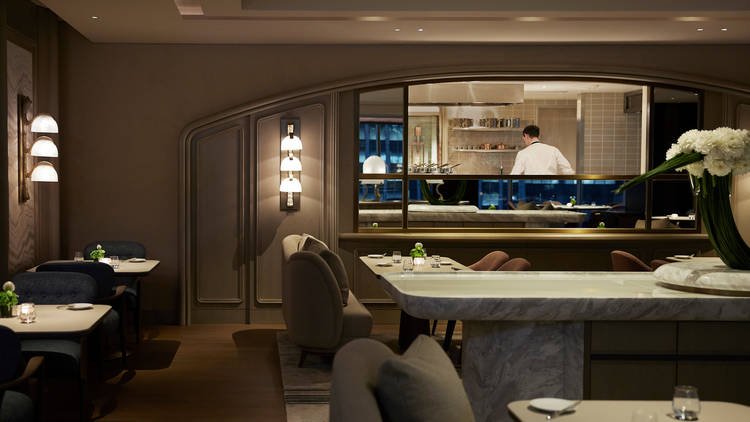
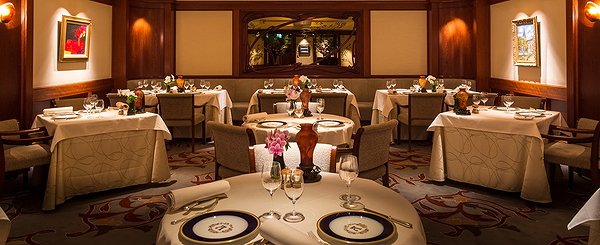
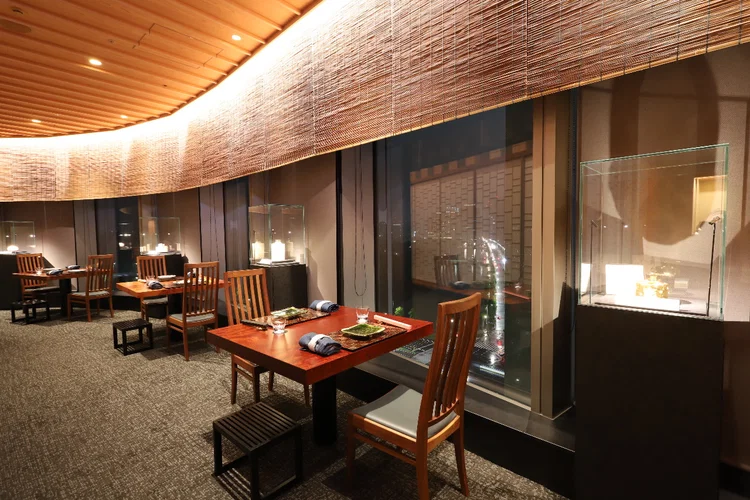
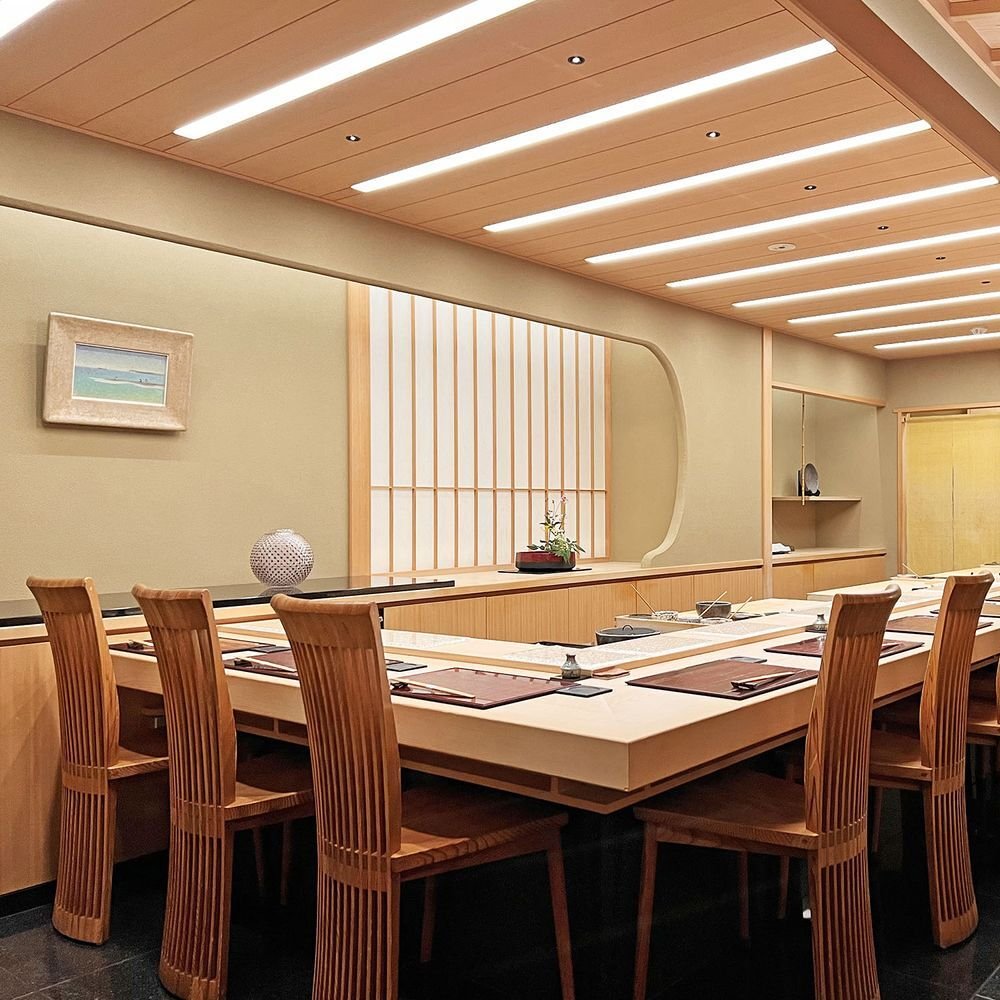
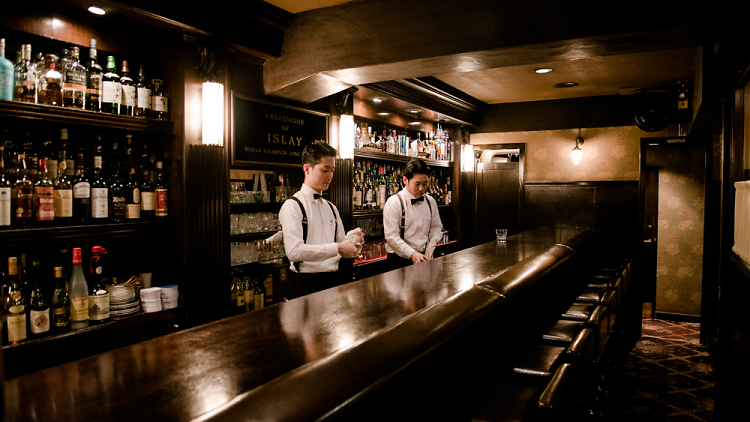
Sichuan restaurants at this price point in Japan tend to occupy one of two formats: larger, more theatrical spaces in city centres designed to absorb corporate dining, or compact, reservation-driven rooms where the cooking takes priority over production. Manzan belongs to the second category. Ten seats, no private rooms, a setting that Tabelog's own location descriptor categorises as a "hideout" — which, given the address inside a residential building in Makuhari Hongo, is accurate rather than promotional. The space offers free Wi-Fi and is described as a relaxing environment, non-smoking throughout. Coin parking is available nearby, though the five-minute walk from Makuhari Hongo Station makes train access the more practical approach for most guests. The room accommodates a maximum of ten for seated dining but can be taken over for private use by groups of up to twenty.
The Cultural Weight of Sichuan Cuisine in Japan
Sichuan food arrived in Japan in recognisable form through the mid-twentieth century, but the version that took hold domestically was significantly adapted — less numbing spice, softer aromatics, the mala (numbing-hot) character of authentic Sichuan mahua and doubanjiang dialled back for local palates. Over the past two decades, a smaller set of Japanese Sichuan restaurants has moved in the opposite direction, restoring the cuisine's structural logic: the interplay of málà (the combination of Sichuan pepper's numbing quality and chilli heat), the complexity of fermented black bean pastes, and the precision required for dishes like mapo tofu and twice-cooked pork to land correctly. These restaurants are harder to categorise using the standard Japanese dining framework, which is built around kaiseki progression and the omakase model. Sichuan cooking is not primarily about seasonal delicacy or chef-as-curator narratives; it is about layered aromatic intensity, the controlled application of heat in multiple registers, and a grammar of flavour that diverges entirely from Japanese culinary tradition.
Manzan's Tabelog categories , Sichuan, Chinese, and tantan-men (the Japanese adaptation of Chengdu's dan dan noodles) , trace that lineage directly. The mention of tantan-men alongside Sichuan and Chinese designations is not incidental: it signals a restaurant that takes the soup noodle tradition seriously enough for it to register as a defining category, not a secondary item. In Japan, tantan-men has developed its own distinct character, often richer and more sesame-forward than the Chengdu original, and venues recognised at the Tabelog level for this dish have typically developed a precise, consistent version.
Credentials and Peer Context
The Tabelog Award operates on a peer-reviewed aggregate model, where Bronze designation requires sustained scores above a threshold across a large reviewer base. The consistent presence in Tabelog Chinese EAST Top 100 lists across three separate years reinforces that the recognition is not a single-year anomaly. Across Chiba's broader restaurant scene, venues with comparable Tabelog standing include sushi specialists such as Takaoka (operating at JPY 30,000–39,999 per person) and Sushiei, alongside more eclectic options like BAMBOU, Tenhaku, and Ushimaru. What distinguishes Manzan within that set is the specific cuisine category: it is the only venue in Chiba's recognised dining tier holding multiple Tabelog Bronze Awards for Sichuan cooking.
Nationally, the conversation around serious Chinese cooking in Japan tends to start in Tokyo, and for broader reference points across Japan's awarded restaurant scene, venues such as Harutaka in Tokyo, HAJIME in Osaka, Gion Sasaki in Kyoto, akordu in Nara, Goh in Fukuoka, and 1000 in Yokohama illustrate how Tabelog's Bronze and higher tiers map across Japanese prefectures. Internationally, the level of food-critical attention given to the JPY 10,000–15,000 dinner bracket in Japan has few equivalents; for comparison, a similarly priced evening at Le Bernardin in New York City or Atomix in New York City positions very differently in its local peer set.
Planning Your Visit
Manzan operates Thursday through Monday, and on public holidays, the day before, and the day after public holidays, from 17:00 to 22:00, with a last arrival time of 20:00. It is closed Tuesday and Wednesday, and may close on irregular additional days. The restaurant is reservation-only; walk-ins are not accommodated. The reservation policy includes specific conditions worth noting before booking: the kitchen cannot accommodate guests who dislike spring onions (green onions), and the cooking is built around Sichuan spice levels. Those with spice sensitivity should flag this at arrival, as only a limited number of dishes may be adjustable. Allergy and dietary information for all guests in a party should be included in the reservation request at the time of booking.
Dinner averages JPY 10,000–14,999 per person. A seating charge of JPY 600 per person (tax included) applies, transitioning from November 1st to a service charge of 10% with no separate seating fee. The restaurant accepts major credit cards (Visa, Mastercard, JCB, American Express, Diners, UnionPay) and QR code payment methods including PayPay, Rakuten Pay, au PAY, Alipay, and WeChat Pay; electronic money (IC card) is not accepted. Cancellation policy is strict: reductions in party size or cancellations on the day before or day of the reservation incur the full course price regardless of reason.
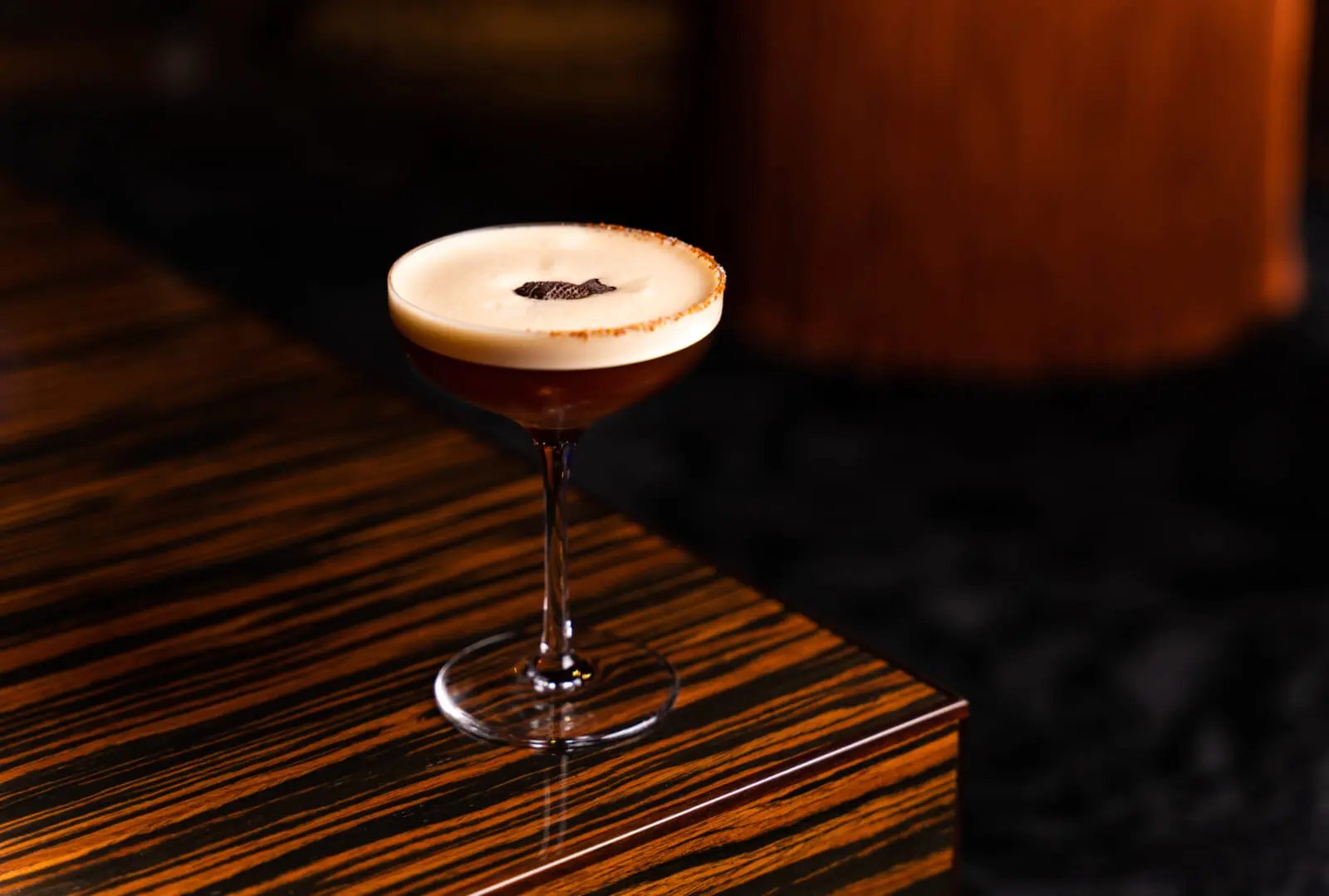
The drinks programme signals more care than is typical at this price point: the restaurant is noted for particular attention to both nihonshu (sake) and wine, alongside shochu. Children of elementary school age and above are welcome provided they can participate in the same course as adults; spiciness may be adjusted on request, though this is subject to availability. Guests wearing strong perfume are asked to refrain from visiting, a request that reflects the aromatic sensitivity of the Sichuan cooking style as much as general courtesy.
For a fuller picture of what Chiba offers across price tiers and categories, see our full Chiba restaurants guide, our full Chiba hotels guide, our full Chiba bars guide, our full Chiba wineries guide, and our full Chiba experiences guide.
At a Glance
- Intimate
- Hidden Gem
- Special Occasion
- Sake Program
Relaxing hideout space with 10 seats, focusing on intimate dining.