
BAMBOU in Ichikawa, Chiba, specializes in refined tonkatsu and fried classics served with seasonal sides. Notable dishes include the Rosu Katsu Set with house-panko, Katsu Sando with soft milk bread, and Seasonal Vegetable Katsu featuring crisp, tempura-style batter. The kitchen emphasizes precise frying, daily-made panko, and balanced sauces that highlight meat texture and natural sweetness. A Tabelog Bronze Award 2025 recipient with a 3.94 score, BAMBOU pairs straightforward service with clean plating and rice-steamed accompaniments. Expect the satisfying crunch of perfectly fried cutlets, warm miso aroma, and shredded cabbage dressed in citrusy vinaigrette—an approachable yet elevated tonkatsu experience for lunches and early dinners.
 Discover on Pearl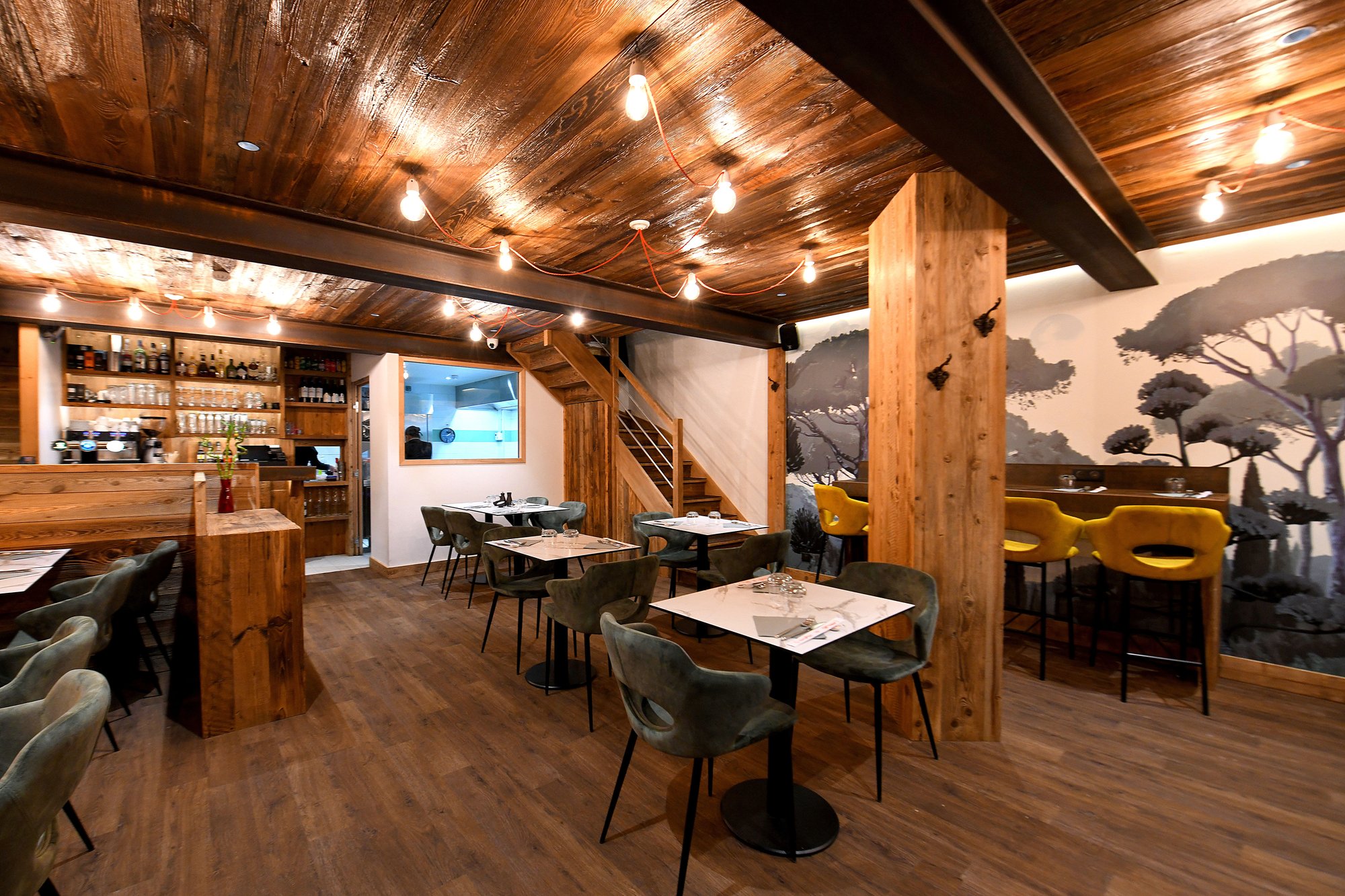
Tonkatsu in the Suburbs: How Ichikawa City Produces Serious Fried Pork
The tonkatsu tradition in Greater Tokyo's satellite cities tends to get overlooked in favour of the well-documented counters inside the Yamanote loop. Ichikawa City, sitting just across the Edogawa River in Chiba Prefecture, has quietly developed a cluster of neighbourhood restaurants where the craft of frying pork cutlets is treated with the same seriousness applied to sushi or ramen in higher-profile postcodes. BAMBOU operates within that context: a tonkatsu specialist earning a Tabelog Bronze Award in 2025 with a score of 3.94 from 285 Google reviewers, numbers that place it meaningfully above the residential-neighbourhood average for its category.
The physical approach tells you something about what kind of operation this is. Minami-Yawata is a quiet residential district, removed from the transit-node density of central Ichikawa or the commercial bustle closer to the Sobu Line. A tonkatsu restaurant earning formal recognition in this kind of setting does so on repeat local custom and word-of-mouth, not foot traffic from passing tourists. That pattern is common in Japan's prize-winning suburban dining culture, where Tabelog scores accumulate through hundreds of careful return visits rather than algorithmic gaming or influencer surges.
The Logic of Tonkatsu: Why Sourcing Determines Everything
Of all Japan's deep-fried traditions, tonkatsu is the one where ingredient sourcing leaves nowhere to hide. The dish is structurally simple: a pork loin or fillet, breaded in panko, fried in oil. There is no sauce complexity or long preparation window to compensate for mediocre pork. The fat distribution in the cut, the breed of pig, the feed regime, and the age at slaughter translate directly into whether the finished cutlet has sweetness, depth, and clean fat, or is merely competent. Serious tonkatsu houses across Japan have responded to this by building sourcing relationships with named farms and specific regional breeds, a practice that has migrated from high-end Tokyo counters down to dedicated suburban specialists.
Japan's premium pork supply chain now includes a range of branded regional products. Iberico-cross pigs, Kagoshima Berkshire strains, and various prefectural brands have created a tiered market where a neighbourhood specialist can signal quality through the pork it selects rather than through decor or price alone. This framing matters at BAMBOU: Ichikawa City's position in Chiba Prefecture puts the restaurant within reasonable supply distance of several Kanto-region pork producers, and the category recognition it has received suggests the kitchen is working with material above the commodity baseline. The specifics of BAMBOU's sourcing are not publicly documented, but the Tabelog score places it in company with tonkatsu restaurants that have built reputations on pork quality rather than volume.
Fried Foods as a Category: Where Tonkatsu Sits in Japan's Dining Hierarchy
Tabelog classifies BAMBOU under tonkatsu and fried foods, a category that spans everything from department-store food-hall counters to reservation-only counters in central Tokyo charging above JPY 10,000 per head. The category's upper tier has attracted serious critical attention over the past decade: a handful of Tokyo tonkatsu specialists hold Michelin recognition, and the Tabelog rankings for the category in the Kanto region are contested seriously. A Bronze Award at 3.94 positions BAMBOU in a credible mid-to-upper tier for its geography, comparable in signal terms to the recognition earned by other Chiba-area specialists across adjacent dining categories.
For context on the wider Chiba dining scene, other recognised restaurants in the area approach their respective categories with similar specificity. Sushiei and Takaoka work the upper end of Chiba sushi, while Tenhaku, Ushimaru, and Manzan each hold positions across other recognised categories. The pattern across all of them is the same: formal recognition in a suburban prefecture accrues to restaurants that apply capital-city standards of ingredient discipline in a local, neighbourhood-scale format.
This contrasts with the scale and international framing of Michelin-table destinations elsewhere in Japan. HAJIME in Osaka, Gion Sasaki in Kyoto, and Harutaka in Tokyo operate in a different register entirely. BAMBOU's appeal is not that register. It is a neighbourhood specialist where the value lies in accessing a high-execution version of an everyday Japanese food form, in a setting that does not price or present itself as an event.
Reading the Hours: How BAMBOU Structures Its Service
The operating schedule reveals operational thinking. BAMBOU runs lunch from 11:00 with last food order at 14:00, then closes before reopening for dinner at 17:00 with last food order at 19:30. The restaurant operates Thursday through Saturday plus Monday only, a four-day week that points toward a kitchen managing oil quality and protein sourcing carefully rather than running at maximum volume. In tonkatsu specifically, frying oil management is a technical variable: oil that has been used too many times or not filtered correctly affects the cleanness of the crust and the neutrality of the fat flavour. Shorter service windows and limited operating days are consistent with a kitchen that treats oil discipline as part of its quality standard.
Lunch service opens at 11:00, which is early enough to be the first full meal of the day for visitors arriving from central Tokyo via the Sobu Line to Yawata or Ichikawa stations. The dinner window closing at 19:30 for last orders means this is not a late-night destination. Planning around the Thursday-to-Saturday plus Monday schedule is the most important logistical variable for anyone visiting from outside the immediate neighbourhood.
Placing BAMBOU Against the Wider Kanto Scene
The Kanto region contains some of the most closely watched tonkatsu counters in Japan, several of which carry Michelin Bib Gourmand or star recognition. BAMBOU's Tabelog Bronze at 3.94 is a meaningful credential within that competitive environment, where scores in the 3.8 to 4.0 range for the tonkatsu category typically reflect sustained kitchen consistency rather than a single exceptional visit. For comparison, the broader Tabelog system awards Bronze starting at 3.5, Silver from 3.8, and Gold from 4.2, which situates a 3.94 score close to the Silver threshold and above the large majority of restaurants in any given category or region.
For travellers building a wider itinerary around Japan's serious dining culture, the progression from a destination like akordu in Nara or Goh in Fukuoka to a neighbourhood tonkatsu specialist in suburban Chiba represents one of the more instructive contrasts available: the same national culture of ingredient sourcing and technique discipline expressed at radically different price points and in radically different social registers. For international visitors arriving via Tokyo, BAMBOU is reachable as a side trip, functioning as a counterweight to the destination-restaurant circuit. Those also exploring the broader Kanto area may want to combine it with 1000 in Yokohama for a cross-section of the region's serious neighbourhood dining.
Planning Your Visit
BAMBOU is located at Minami-Yawata 4-14-13 in Ichikawa City, Chiba Prefecture. The restaurant can be reached by phone at 047-376-2000. Service runs Thursday, Friday, Saturday, and Monday only: lunch from 11:00 (last food order 14:00) and dinner from 17:00 (last food order 19:30). Given the limited operating days and the recognition the restaurant carries, arriving at opening for lunch or booking ahead by phone is the practical approach. There is no website listed in the public record. Payment methods and reservation policy are leading confirmed by phone before making the trip from Tokyo or central Chiba.
For a fuller picture of what the prefecture offers across food, drink, and accommodation, see our full Chiba restaurants guide, our full Chiba hotels guide, our full Chiba bars guide, our full Chiba wineries guide, and our full Chiba experiences guide.
In Context: Similar Options
A fast peer set for context, pulled from similar venues in our database.
At a Glance
- Classic
- Cozy
- Intimate
- Casual Hangout
- Solo
- Business Dinner
- Open Kitchen
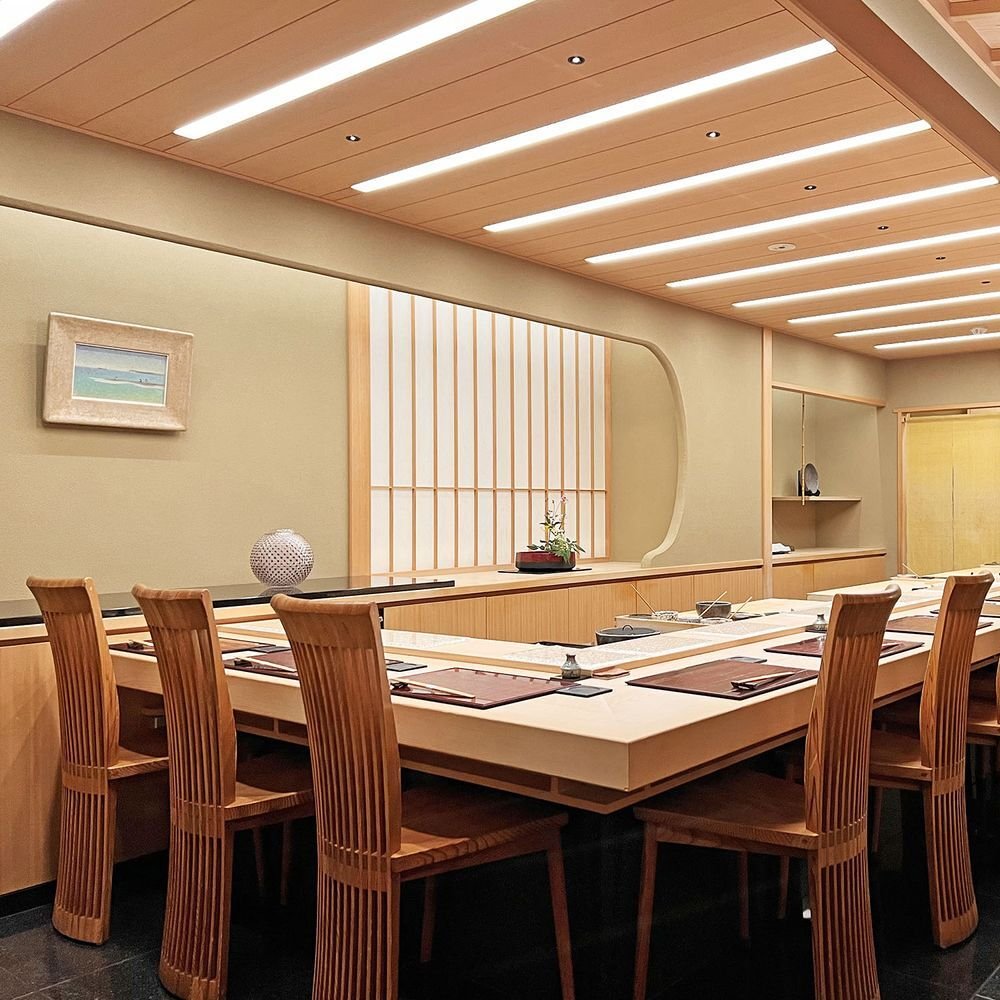
Stylish counter-focused space with intimate seating for 10, featuring a refined yet approachable atmosphere for tonkatsu enthusiasts.