Our verdict
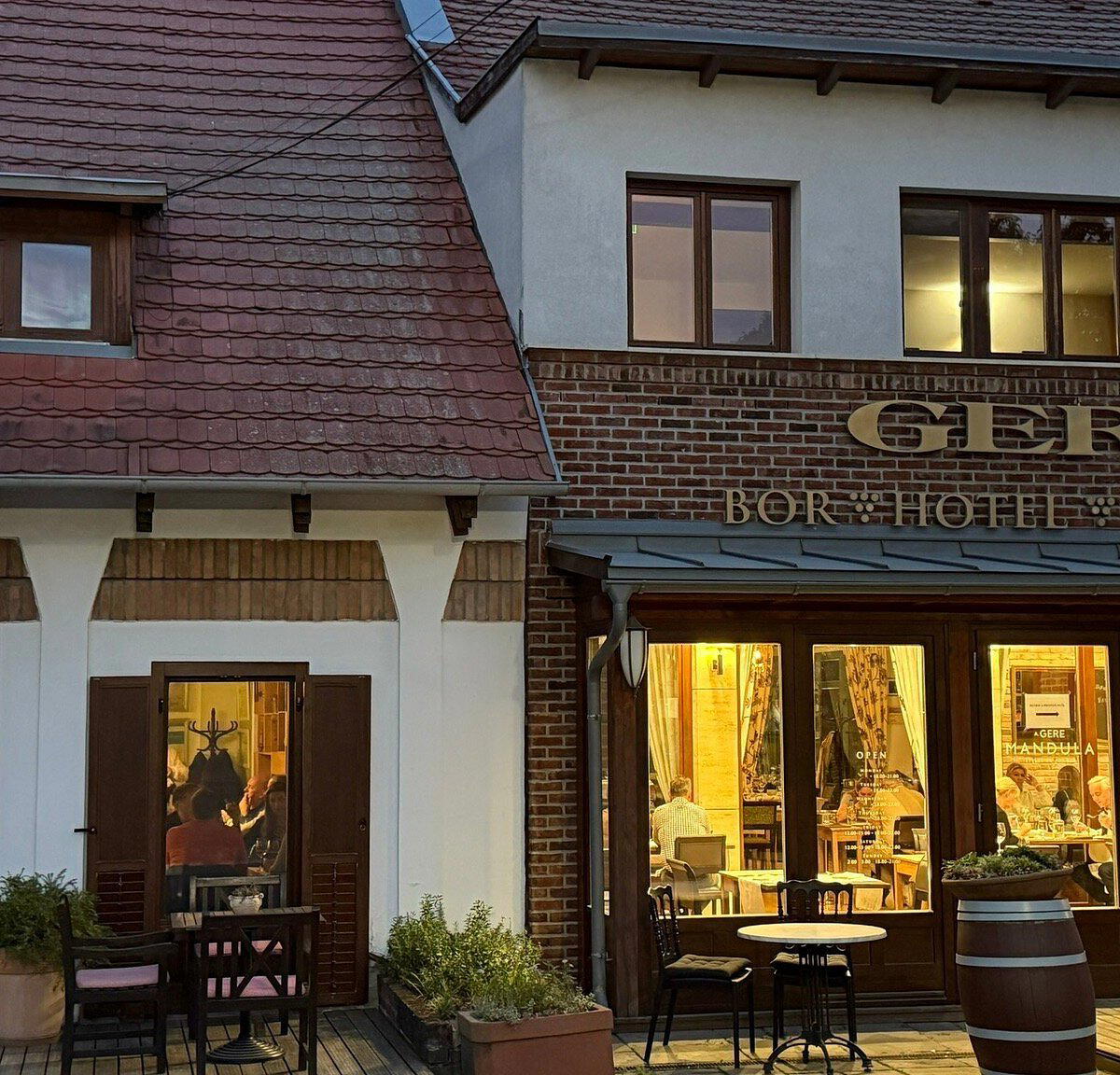
Mandula Étterem sits on a quiet residential street in Villány, the southern Hungarian wine town that produces some of the country's most serious red wines. The restaurant operates within a dining scene shaped by the surrounding vineyards, where producers such as Bock and Sauska have built reputations that draw visitors from Budapest and beyond. It represents the local, neighbourhood-scale end of Villány's restaurant spectrum.
- Address
- Villány, Diófás u. 4-12, 7773 Hungary
- Phone
- +3672492952
- Website
- mandula-etterem.gere.hu
- Directions
- Get directions
The menu
What to order
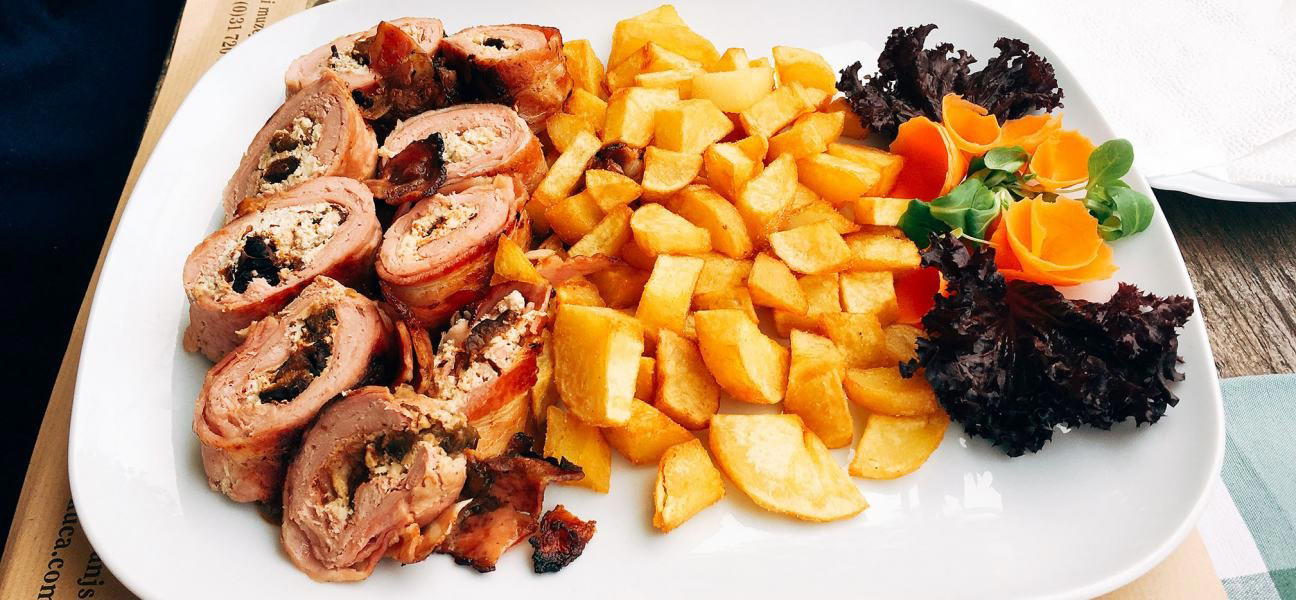
- Duck_breast
- Kobe_steak
- Goose_liver
A Wine Town's Quieter Table
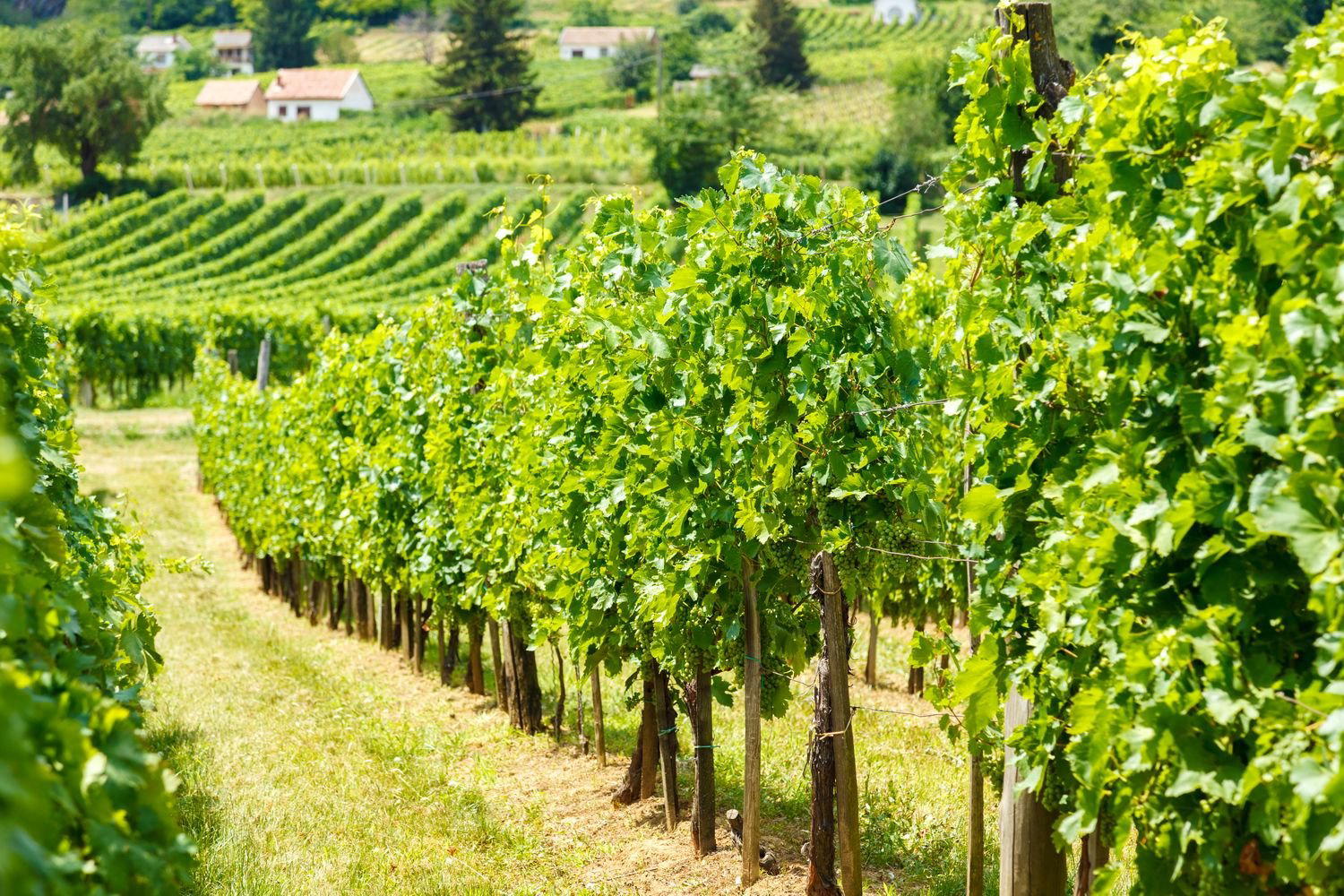
Villány is primarily known as a wine destination. The town sits at Hungary's southernmost wine region, where the climate and soil conditions have long supported Cabernet Franc, Merlot, and Portugieser grapes to a standard that places the appellation in a different category from most Central European red wine production. The restaurants that have grown up around this wine culture broadly split into two groups: those that have built reputations as destination dining rooms attached to or associated with major producers, and smaller, neighbourhood-rooted establishments that serve the local community alongside visiting wine tourists. Mandula Étterem, at Diófás utca 4–12, sits in the latter category.
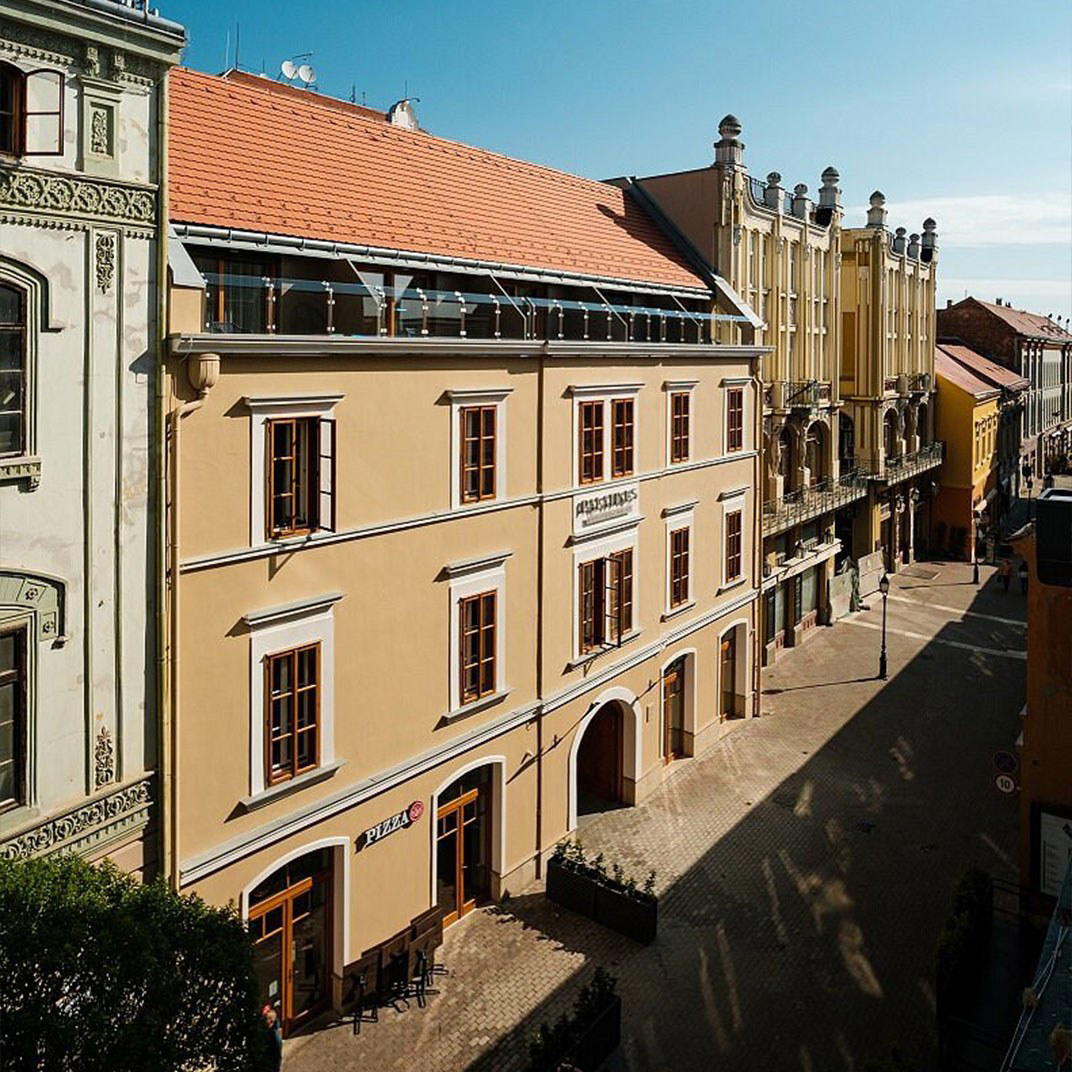
That address, on a side street away from the main wine-tasting trail, tells you something about the kind of experience the place is oriented toward. Villány's better-known dining addresses, such as Sauska 48 with its modern cuisine positioning at the higher price bracket, or Bock Óbor Étterem connected to one of the region's flagship producers, are built around a visitor proposition. A restaurant on a residential lane is built around something different: the daily rhythm of a town where wine is an industry, not a spectacle.
The Cultural Weight of Hungarian Wine Country Cooking
Southern Transdanubia, the region that encompasses Villány and the broader Pécs area, has a culinary tradition shaped by Hungarian, German, and Balkan influences in roughly equal measure. The Swabian settlers who moved into the area in the eighteenth century left a mark on local cooking that persists in preparations emphasising preserved meats, hearty stews, and a preference for dishes that can stand up to the region's structured red wines. This is not the paprika-and-lard cooking of the Great Plain; it is a subtler, more central European register.
In a wine town context, that culinary tradition matters more than it might elsewhere. Visitors arriving in Villány after touring cellars along the wine route are not necessarily looking for fine dining innovation. They are looking for food that makes sense alongside the Kadarka or the oak-aged Cabernet Franc they have just tasted. The restaurants that understand this dynamic, where the wine is the protagonist and the food is its counterpart, tend to serve the town's visitors better than those chasing a separate culinary agenda. Smaller establishments like Mandula operate in this space, where the relationship between table and vine is more convivial than competitive.
For a broader view of how Villány's dining scene is structured, our full Villány restaurants guide maps the range from producer-attached dining rooms to neighbourhood tables.
Where Mandula Fits in Villány's Dining Spectrum
Villány is a small town, and its restaurant options reflect that scale. Halasi Pince Panzió combines accommodation with dining in the wine-estate tradition, while Oportó Étterem occupies another position in the local mix. Each of these places serves a slightly different version of the wine-town visitor: the cellar-door tourist, the weekend escapee from Budapest, the cyclist on the Villány wine route, the local family marking an occasion.
Mandula, on a residential street and without the visible infrastructure of a wine estate, is likely drawing the most local of those audiences alongside whatever overflow from the wider visitor trade finds its way to a quieter address. That positioning is not a weakness. In wine regions across Europe, from Burgundy's village restaurants to the agriturismo circuit in Chianti, the neighbourhood table that serves the people who actually live with the wine is often where the most grounded cooking is found. The food does not need to perform for a room full of first-time visitors; it needs to be good enough that locals return.
Getting There and Planning Around It
Villány is approximately 30 kilometres south of Pécs, which is the nearest city with regular rail connections from Budapest. The train journey from Budapest Keleti to Pécs takes around three hours on direct services, after which Villány is accessible by local bus or taxi. Most visitors arriving specifically for the wine region tend to drive, which allows movement between producers along the Villány–Siklós wine route. Mandula's address on Diófás utca places it within easy walking distance of the town centre.
Visitors using Villány as a base for broader exploration of Hungarian regional dining might find useful comparisons in how other wine-adjacent towns handle this dynamic. BoriMami in Gyöngyös, in the Mátra wine region, and Forst-Ház Étterem és Kávézó in Eger both operate in the same territory: smaller-city or town restaurants where the local wine culture sets the context for what ends up on the table.
For those with more distance to travel within Hungary's provincial dining scene, Platán Gourmet in Tata, Pajta in Őriszentpéter, and Aranysárkány Vendéglő in Szentendre each illustrate how regional Hungarian cooking operates at different scales and registers. At the Budapest end of the spectrum, Stand represents the capital's contemporary take on Hungarian produce-led cooking. Further afield, Classic Grill Serbian Restaurant Underground in Szeged points to the Balkan culinary influences that also shape the cooking in Hungary's southern border regions, the same cultural geography that informs Villány's kitchen traditions. For contrast at an international scale, Le Bernardin in New York City and Atomix in New York City show how different the proposition becomes when a restaurant is built primarily around culinary ambition rather than regional rootedness. Other Hungarian dining worth noting includes Almalomb in Hosszúhetény, a short distance north of Villány in the Mecsek hills, and Astro Tea & Kávéház in Győr and La Pizza Del Lupo in Onga for reference points across the country's broader hospitality range. Fiume Étterem in the Békéscsaba District adds another data point from Hungary's eastern plain tradition.
Frequently asked questions
Is Mandula Étterem a family-friendly restaurant?
Villány is a destination that draws both wine-focused visitors and leisure travellers, and Mandula Étterem sits within that community context on Diófás utca. The town's scale and pace generally support unhurried, relaxed dining.
What kind of setting is Mandula Étterem?
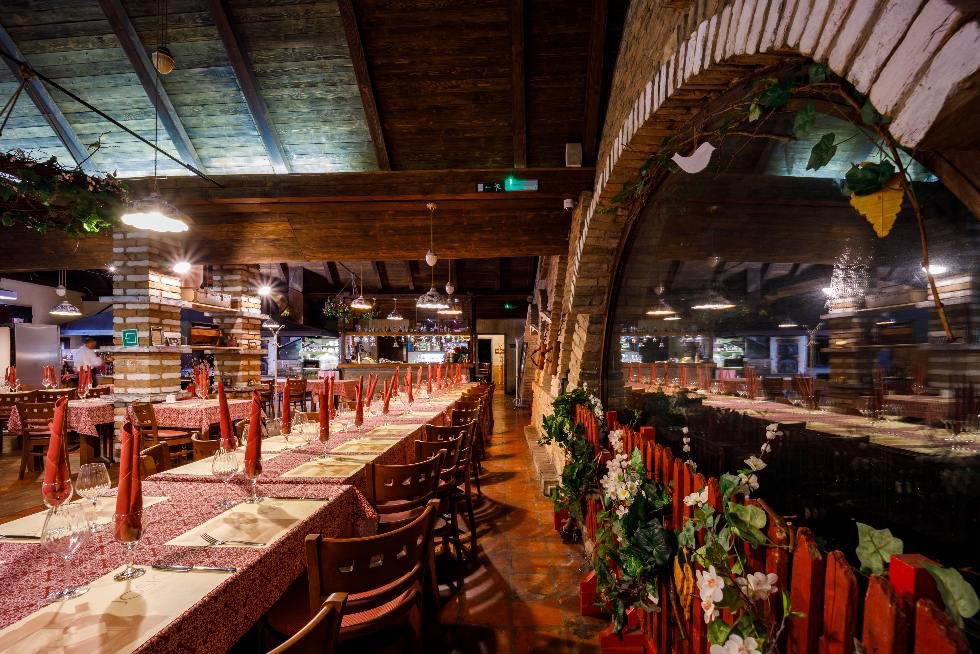
Mandula Étterem is located in Villány, Hungary's southernmost wine town, at Diófás u. 4-12. The address places it within a quiet residential-meets-wine-estate streetscape typical of small Hungarian wine villages. Expect the kind of setting where the surroundings carry as much weight as the interior.
Is Mandula Étterem a good option for lunch between winery visits in Villány?
Villány's wine road is concentrated enough that a meal at Mandula Étterem, located at Diófás u. 4-12, can sit comfortably between estate visits without significant travel. Southern Transdanubia's regional cooking, shaped by Hungarian, German, and Balkan traditions, pairs practically with the Villány wine region's predominantly red-focused producers. For visitors structuring a full day across the appellation, a mid-day stop in town makes logistical sense.
What's the best thing to order at Mandula Étterem?
What is clear is the regional context: Southern Transdanubia cooking draws on Hungarian, German, and Balkan influences, which typically means hearty meat preparations, paprika-forward sauces, and locally sourced produce. Asking the kitchen for their current recommendation is the most reliable approach.
What part of town is Mandula Étterem in?
Mandula Étterem is located at Villány, Diófás u. 4-12, 7773 Hungary, Villány.
Should I book Mandula Étterem in advance?
Villány is a compact wine town with limited restaurant capacity across its dining options, and visitor numbers spike during harvest season and long weekends. Booking ahead is a practical measure regardless of the venue, especially if your visit coincides with a winery tour schedule. No online booking link or phone number is currently confirmed for Mandula Étterem, so reaching out through local accommodation or tourist information in Villány is a reasonable route.
What's the standout thing about Mandula Étterem?
Mandula Étterem occupies a specific position in Villány: it is a sit-down dining option in a town where most visitors arrive primarily for the wine estates. That positioning, a restaurant functioning alongside rather than attached to a winery, gives it a different role in how a day in Villány can be structured. Its address on Diófás utca places it within easy reach of the town's wine road.
Budget Reality Check
| Venue | Cuisine | Price |
|---|---|---|
| Mandula ÉtteremThis venue — the venue you are viewing | Hungarian / European Wine Bar | $30–50 |
| Halasi Pince Panzió | Hungarian Wine Bar | $20–30 |
| Bock Óbor Étterem | Traditional Hungarian with Villány Wines | $20–30 |
| Oportó Étterem | Modern Hungarian | $20–30 |

Details
- Elegant
- Cozy
- Scenic
- Sophisticated
- Rustic
- Date Night
- Celebration
- Special Occasion
- Wine Cellar
- Standalone
- Extensive Wine List
- Sommelier Led
- Local Sourcing
- Sustainable
- Vineyard
- Street Scene
- A La Carte
- Tasting Menu
- Wine
- Vegetarian Friendly
- Vegan Options
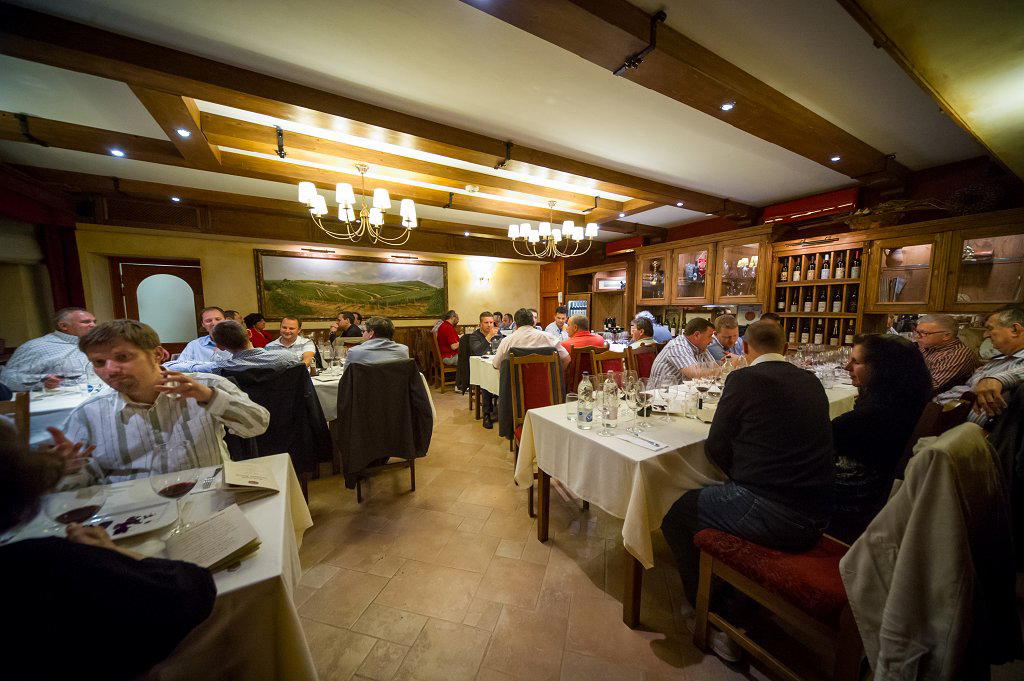
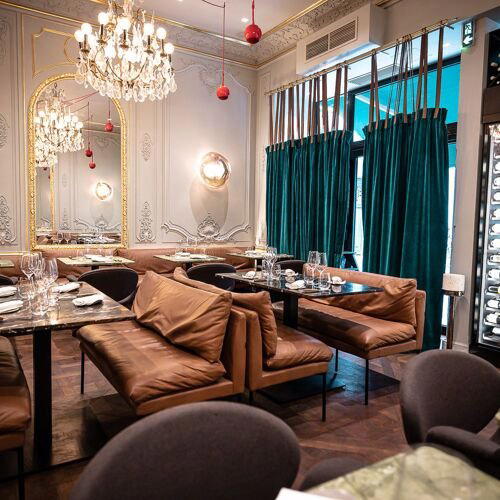
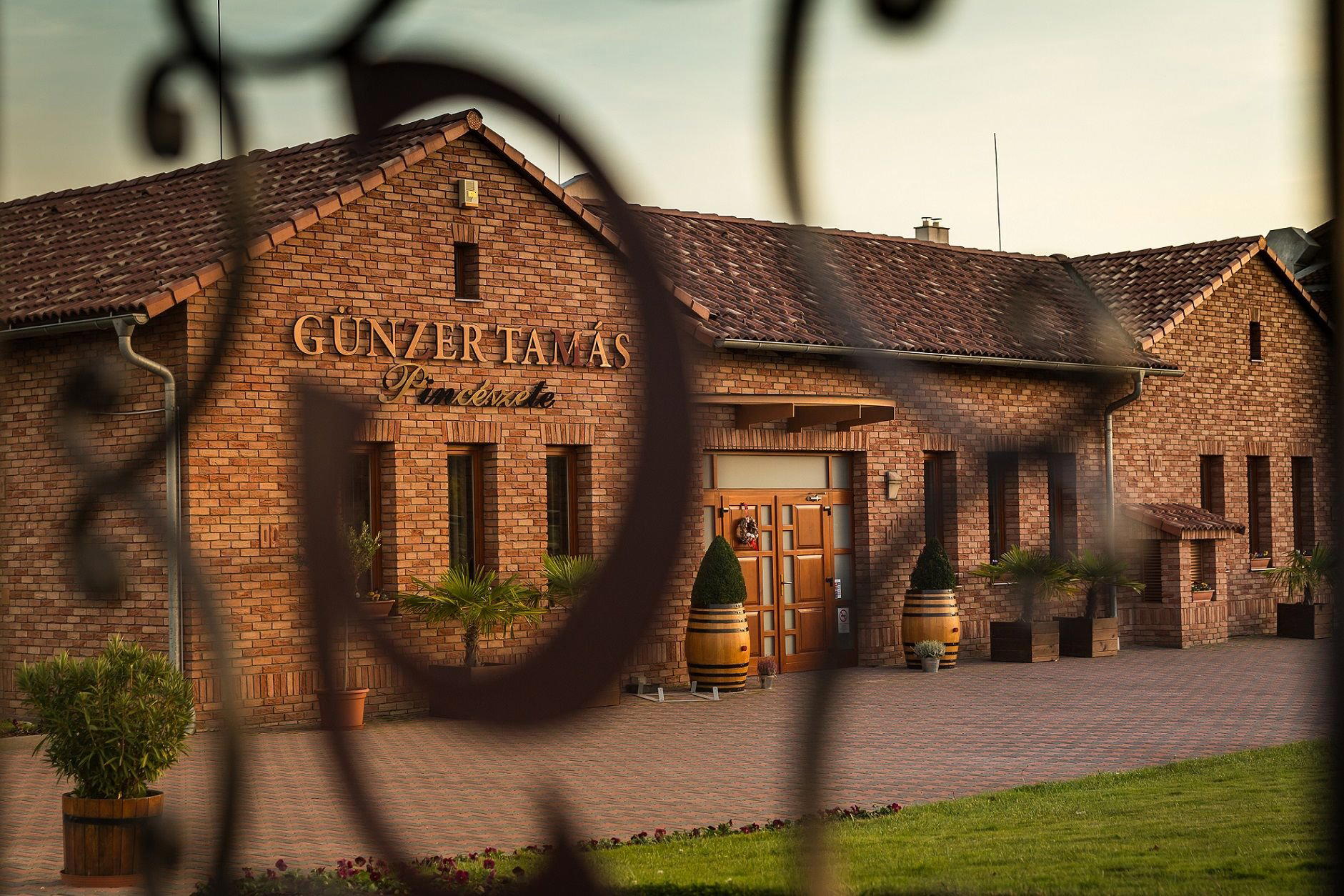
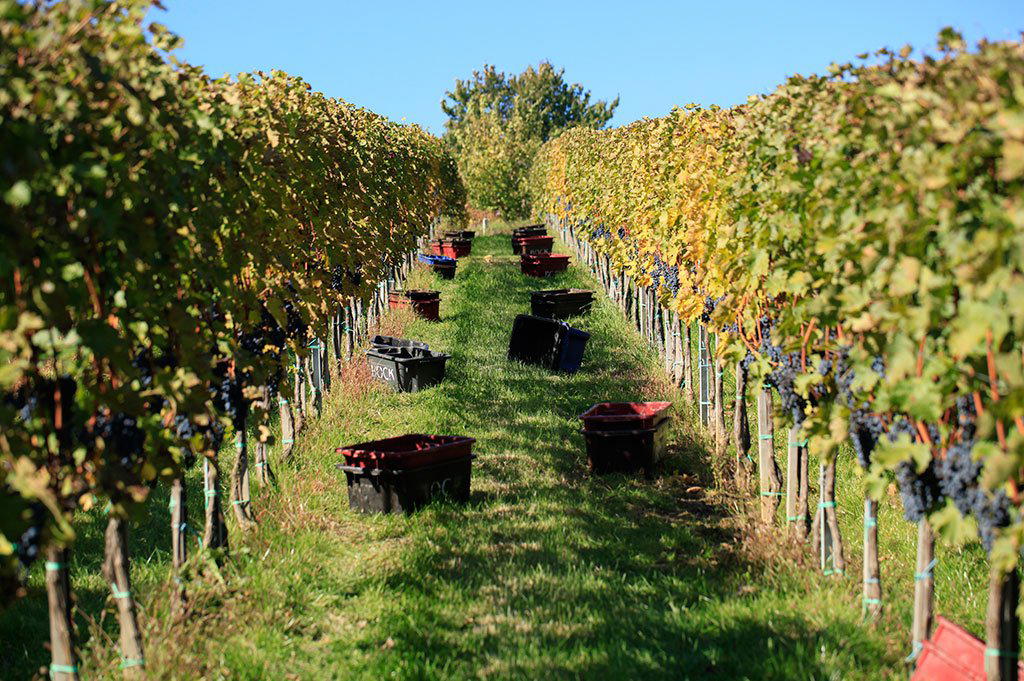
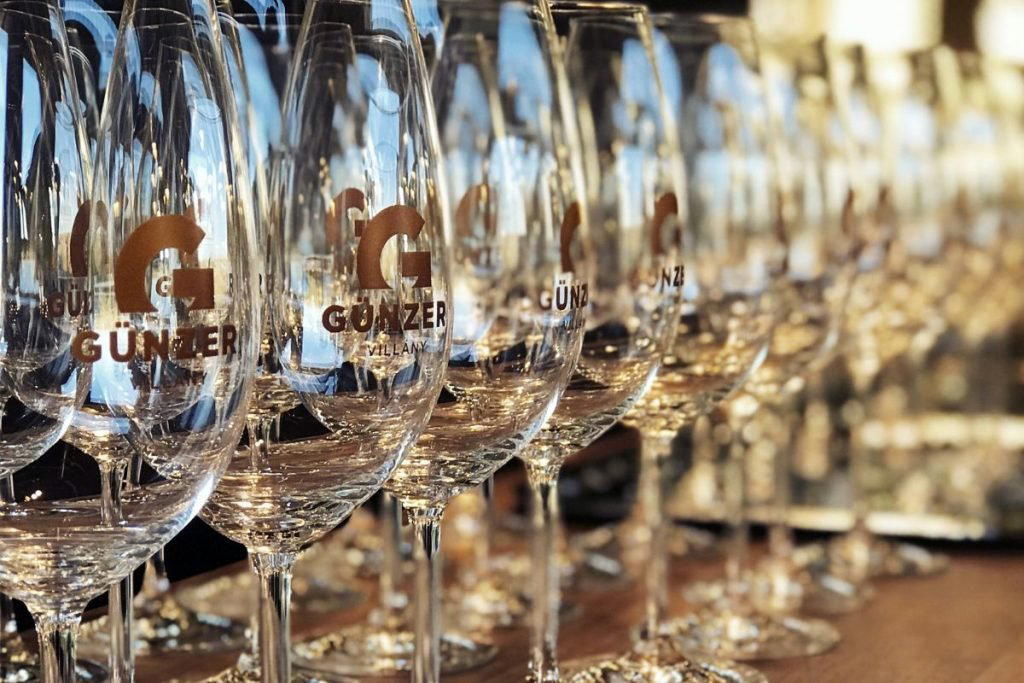
Warm and refined, with a wine-country atmosphere that feels intimate and guest-focused, shaped by the Gere family and Villány’s vineyard setting.