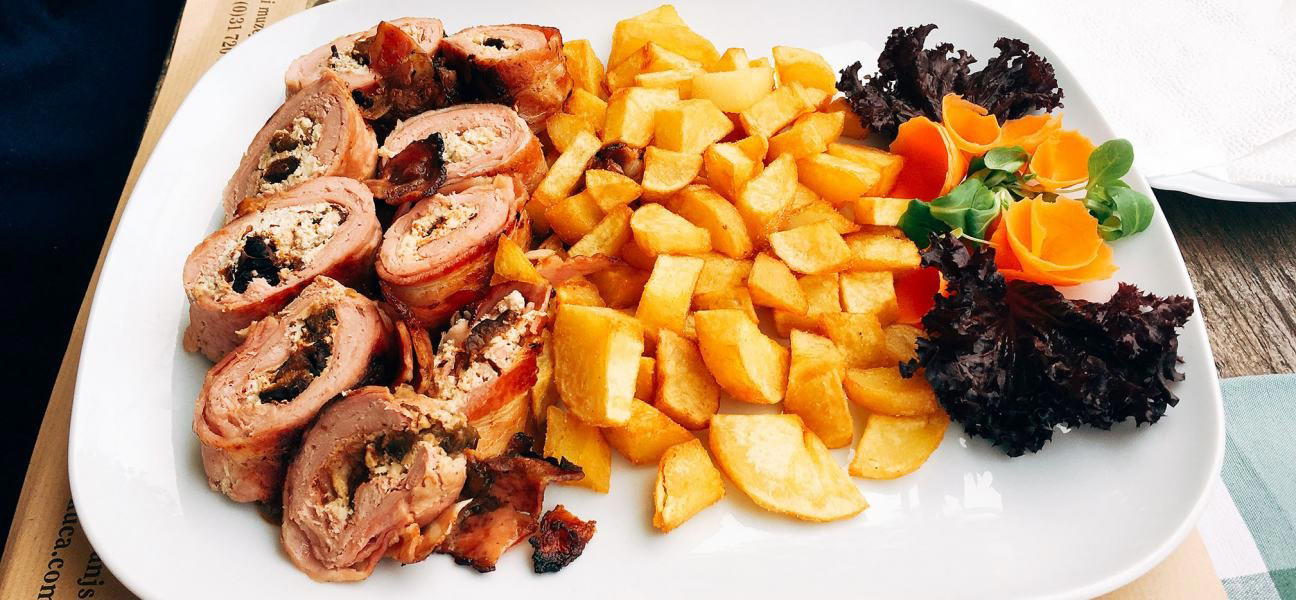
On Villány's main wine-country corridor, Oportó Étterem occupies a modest address that pulls in visitors arriving to taste the region's Cabernet and Merlot-forward reds. The kitchen works within the Hungarian provincial dining tradition, where the rhythm of the meal matters as much as what arrives on the plate. For travellers moving through southern Baranya on a wine itinerary, it functions as a practical, grounded stop between cellar visits.
Pearl is the En Primeur Club membership app — saves, bookings, and concierge access live there. Same editors, same standards.
- Address
- Villány, Baross Gábor u. 33, 7773 Hungary
- Phone
- +36303203277
- Website
- oporto.hu
- Directions
- Get directions
 Saves & bookings on Pearl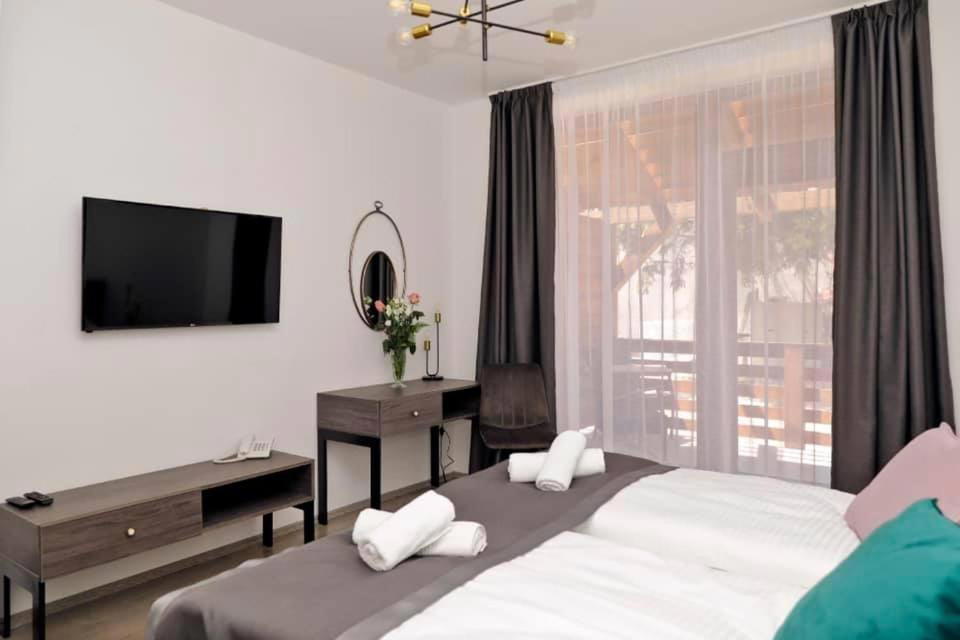
Dining in the Vines: How Villány Sets the Table
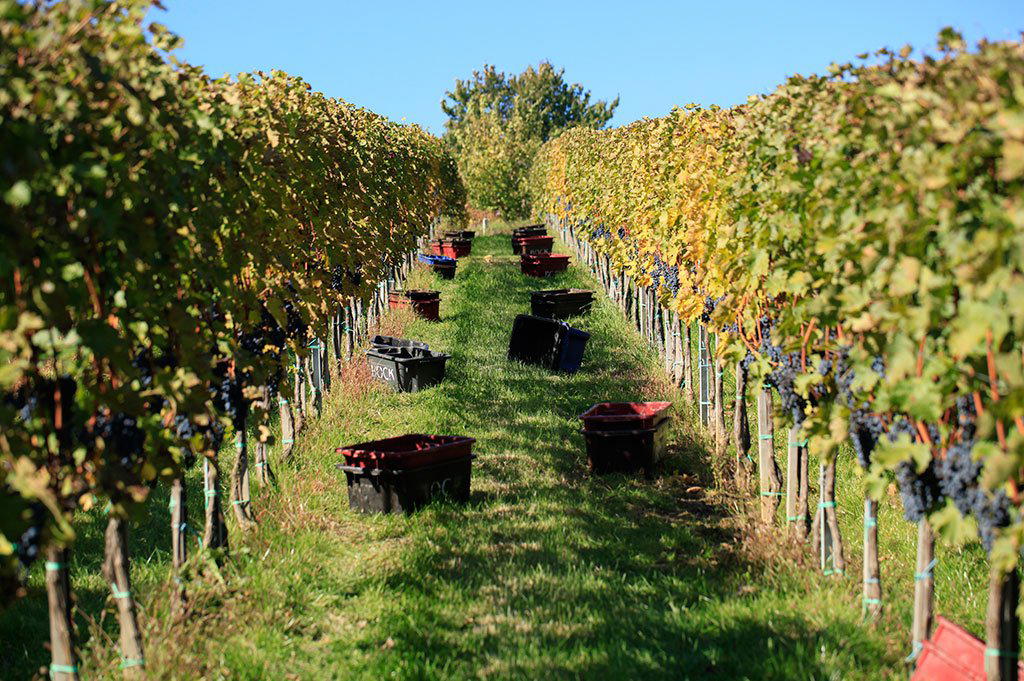
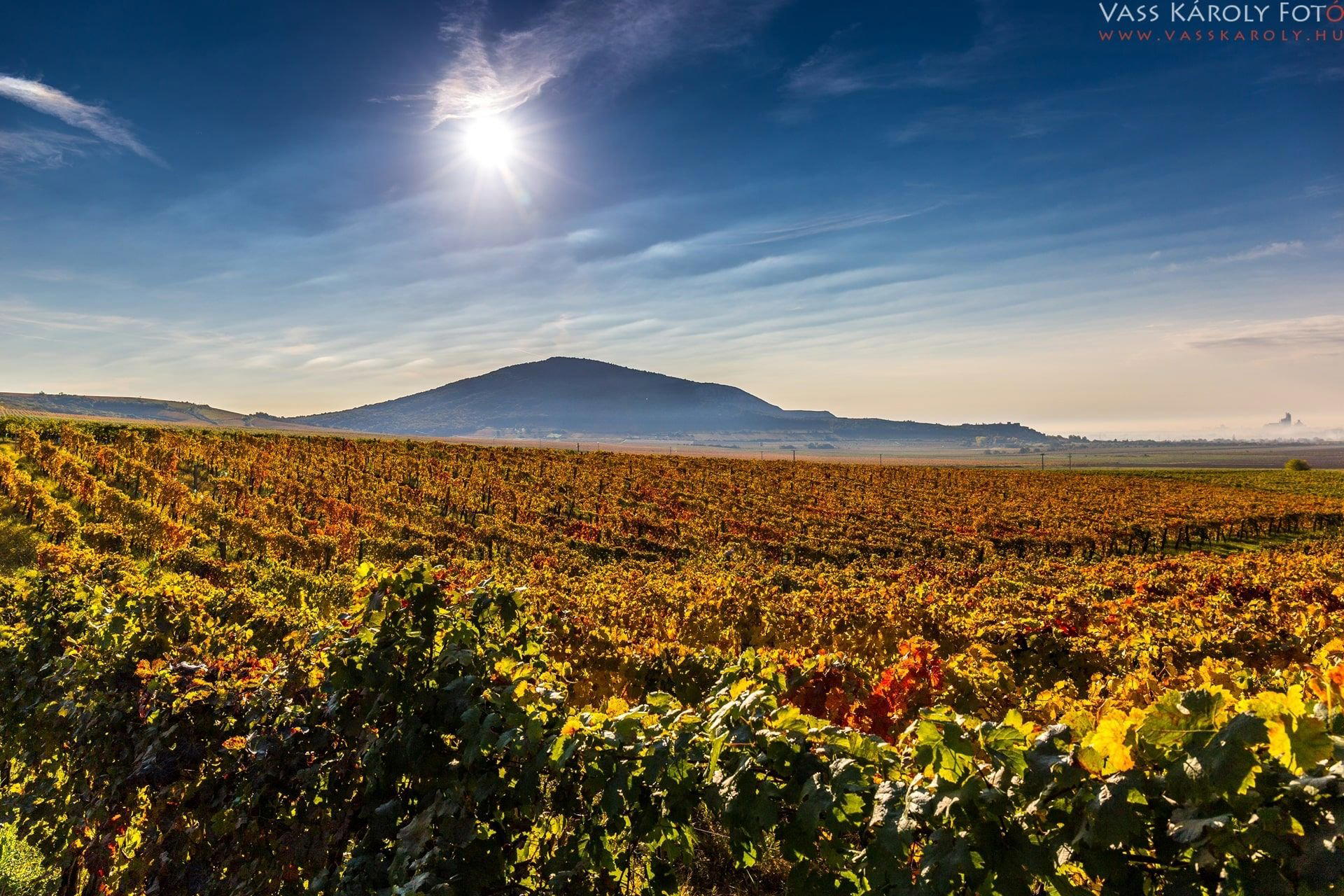
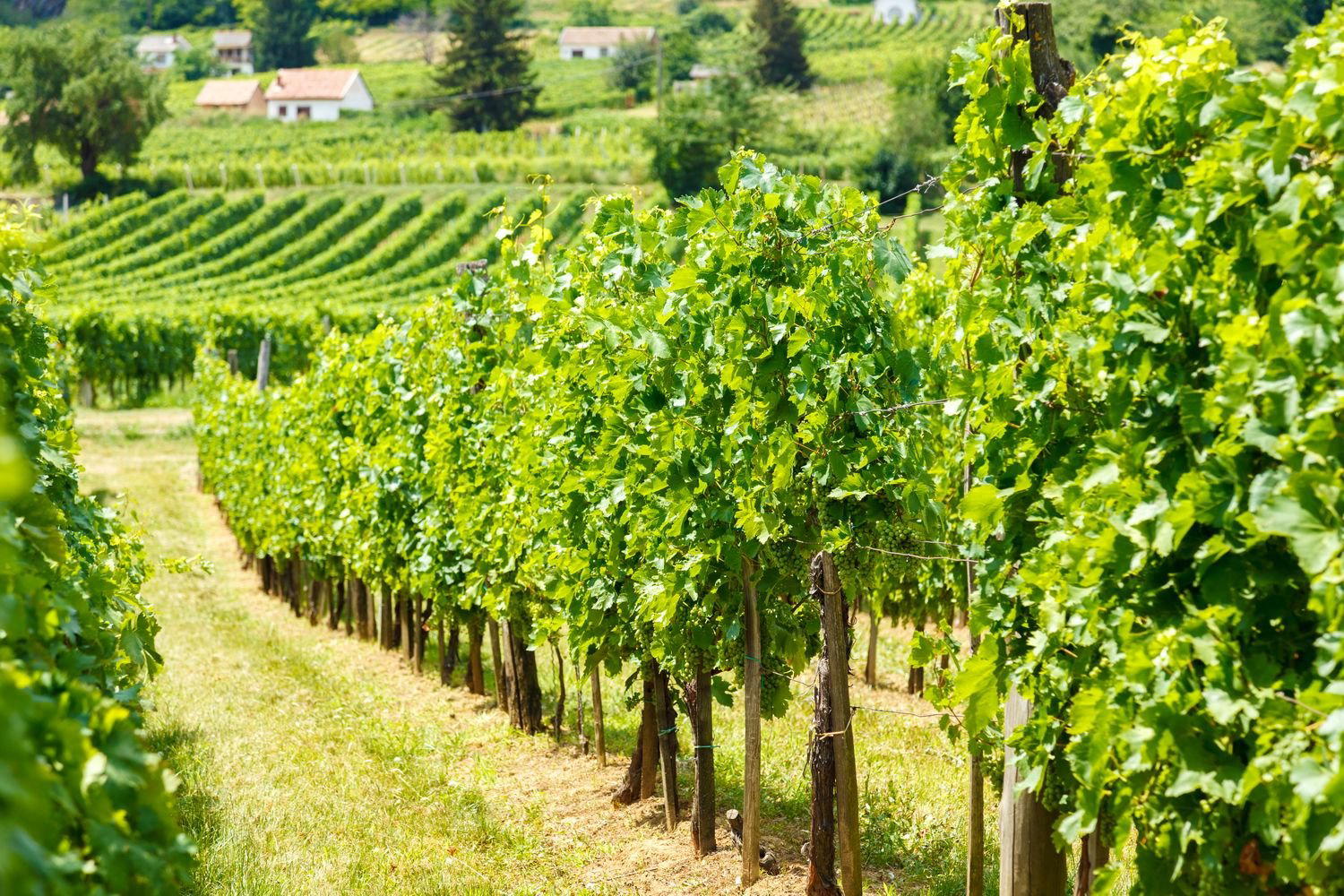
Southern Hungary's wine country has developed a dining culture that mirrors its winemaking: deliberate, unpretentious, and anchored to the land. Villány, the compact town that gives the region its name, sits close to the Croatian border in Baranya County, and its restaurant scene has grown organically around the annual rhythm of harvest visitors, wine-route tourists, and the local producers who put Villány Cabernet Franc and Portugieser on the European map. Oportó Étterem, at Baross Gábor u. 33 in Villány, is a Modern Hungarian restaurant with a casual dress code and recommended reservations. It occupies a position along one of the town's principal streets, placing it squarely in the path of anyone working through the region's wine estates.
What defines dining in a town this size is the absence of intermediary formats. There is no late-night bar scene, no tasting-menu arms race, no celebrity-chef outpost parachuted in from Budapest. The restaurants that work here are the ones that understand the ritual of a Hungarian provincial meal: a proper soup course, a main built around local pork or game or fish from the Duna tributaries, and enough time between courses that the conversation can catch up with the wine. That pacing is not accidental. It reflects a dining culture that treats the table as a social institution rather than a delivery mechanism.
The Structure of a Hungarian Wine-Country Meal
Across the better-regarded provincial dining rooms of Hungary, from Platán Gourmet in Tata to Pajta in Őriszentpéter, the meal structure follows a recognisable logic: arrive with an appetite sharpened by morning cellar visits, begin with something warming and stock-based, move through a main that justifies the reds you have been pouring since eleven, and finish without hurry. Villány kitchens, by and large, respect this sequence. The region's identity as a red-wine appellation, one of Hungary's most internationally recognised, shapes what ends up on local menus. Dishes that match Kékfrankos, the local name for Blaufränkisch, or the Cabernet-dominant blends that producers like Sauska and Bock have championed, tend to anchor the cooking.
At Sauska 48, the wine-estate restaurant format reaches a more polished register, with modern cuisine explicitly positioned against the estate's premium allocations. Bock Óbor Étterem and Mandula Étterem represent the broader mid-market, where the focus is reliable regional cooking rather than innovation. Halasi Pince Panzió layers accommodation into the equation for visitors who want to extend their stay. Oportó Étterem sits within this network as a street-level option for those who want to eat without committing to a full wine-estate experience.
The Ritual Dimension: Why Pacing Matters Here
Hungarian provincial dining operates on a slower clock than most international visitors expect. This is not inefficiency. It is a cultural preference for the meal as an extended event, where the table is held as long as conversation and wine continue. In wine regions specifically, that preference intensifies: guests arrive from tastings, carry their own impressions of the morning's pours, and want a table that accommodates discussion. The leading provincial rooms in Hungary, from Aranysárkány Vendéglő in Szentendre to Forst-Ház Étterem és Kávézó in Eger, understand that the meal is part of a larger itinerary and pace themselves accordingly.
Villány's compact geography reinforces this. The town can be walked end to end in fifteen minutes, which means that choosing where to eat is also choosing a base of operations for several hours. Restaurants here are not competing with a city's distractions. They are the destination for that stretch of the afternoon. That places a quiet pressure on kitchens to hold attention through quality and hospitality rather than novelty or spectacle. The dining ritual itself carries the experience.
For comparison, when you look at the ambition of restaurants operating at a different scale, such as Stand in Budapest, or internationally at Le Bernardin in New York City or Atomix, the contrast clarifies what provincial wine-country dining does differently. The goal is not tasting-menu precision or technique-forward cooking. It is a form of hospitality calibrated to the rhythm of a wine route: relaxed, seasonal, and anchored to what grows and is raised in the region.
Villány's Restaurant Scene in Regional Context
Hungary's secondary cities and wine towns have produced a dining tier that sits between Budapest's increasingly sophisticated restaurant culture and the purely rural. Towns like Eger, with its Bull's Blood wine identity, Gyöngyös, home to BoriMami, and Szeged, where spots like Classic Grill Serbian Restaurant Underground reflect cross-border culinary influence, each have their own dining character shaped by local wine or agricultural identity. Villány belongs to one wine-forward end of that spectrum, where the appellation's reputation for structured reds has drawn enough wine tourism to support a range of dining options.
That wine-tourism engine matters for understanding how restaurants here operate. Visitors arrive with specific intent, they are not passing through accidentally. They have come to taste the wines and, by extension, to eat food that makes sense alongside them. La Pizza Del Lupo in Onga and Almalomb in Hosszúhetény, both operating in the broader southern Transdanubia region, offer a sense of the varied formats that have emerged in rural Hungary as agri-tourism has grown. Fiume Étterem in Békéscsaba District and Astro Tea & Kávéház in Győr show how radically formats can differ across Hungarian cities. Villány's format is, by contrast, unusually consistent: almost every dining room here is, at some level, in the business of supporting a wine experience.
Planning a Visit
The address at Baross Gábor utca 33 places the restaurant within walking distance of several of Villány's key producer cellars, making it a logical anchor for a midday meal on a cellar-to-cellar itinerary.
Cuisine Lens
Comparable venues nearby, for context on price, style, and recognition.
| Venue | Cuisine | Price | Awards | Notes |
|---|---|---|---|---|
| Oportó ÉtteremThis venue — the venue you are viewing | Modern Hungarian | $$ | Not listed | Not listed |
| Halasi Pince Panzió | Hungarian Wine Bar | $$ | Not listed | Villany |
| Mandula Étterem | Modern Hungarian Fine Dining | $$$ | Not listed | Villany |
| Sauska 48 | Modern Hungarian | $$$$ | Michelin Plate | Villány |
| Bock Óbor Étterem | Traditional Hungarian with Villány Wines | $$ | Not listed | Villány |
| Bagolyvár | Traditional Hungarian with Game Specialties | $$ | Not listed | Felsőhavi dűlő |
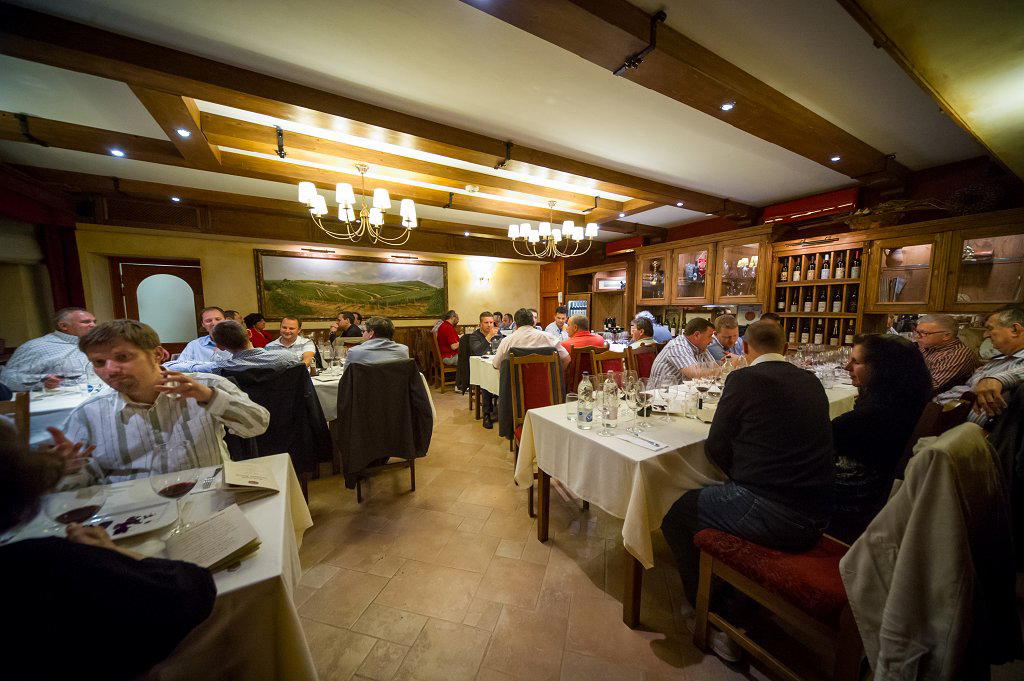
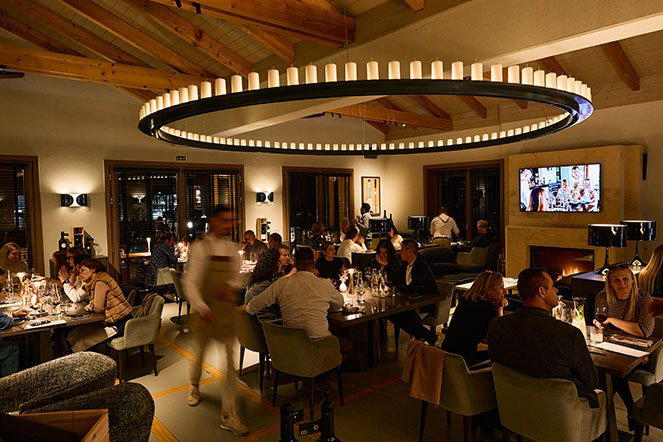
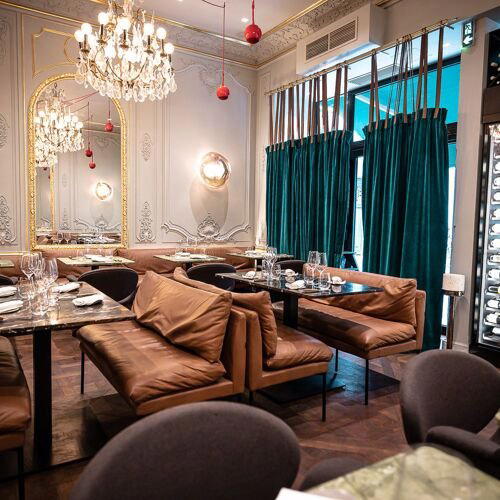
At a Glance
- Cozy
- Rustic
- Family
- Casual Hangout
- Hotel Restaurant
- Extensive Wine List
- Local Sourcing
Current opening hours
- Monday
- Closed
- Tuesday
- Closed
- Wednesday
- Closed
- Thursday
- 12–8 PM
- Friday
- 12–10 PM
- Saturday
- 12–10 PM
- Sunday
- 12–8 PM
Hours can change for holidays and private events. Last verified .
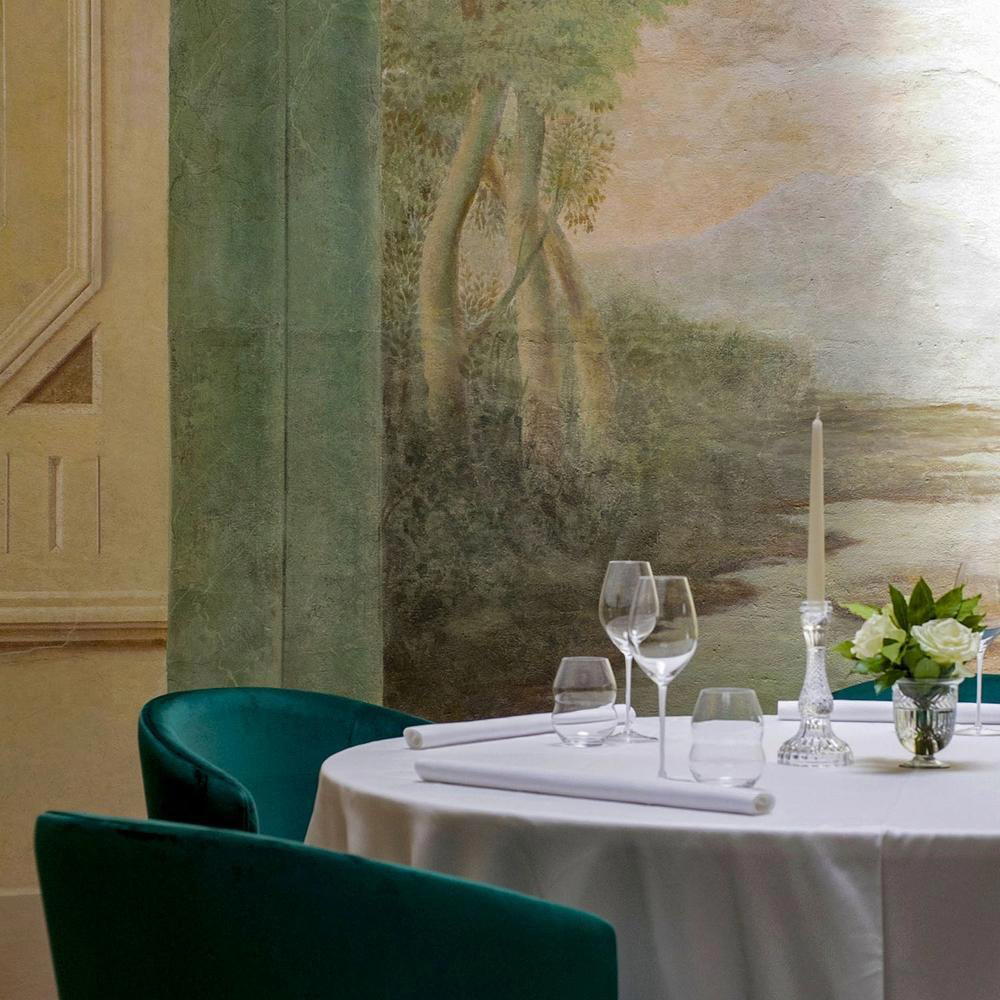
Comfortable and welcoming atmosphere in a small hotel setting with wellness facilities nearby.