Our verdict
Baranjska kuća sits in Karanac, a small village in the Baranja region of eastern Croatia where the Drava and Danube rivers shape both the agriculture and the table. The kitchen draws on the dense larder of the Pannonian plain: game, freshwater fish, paprika-laced stews, and cured meats that reflect centuries of Central European and Slavic influence. For visitors tracing serious regional cooking outside the Adriatic circuit, it is a telling stop.

Pearl is the En Primeur Club membership app — saves, bookings, and concierge access live there. Same editors, same standards.
- Address
- Kolodvorska ul. 99, 31315, Karanac, Croatia
- Phone
- +38531720180
- Website
- baranjska-kuca.com
- Directions
- Get directions
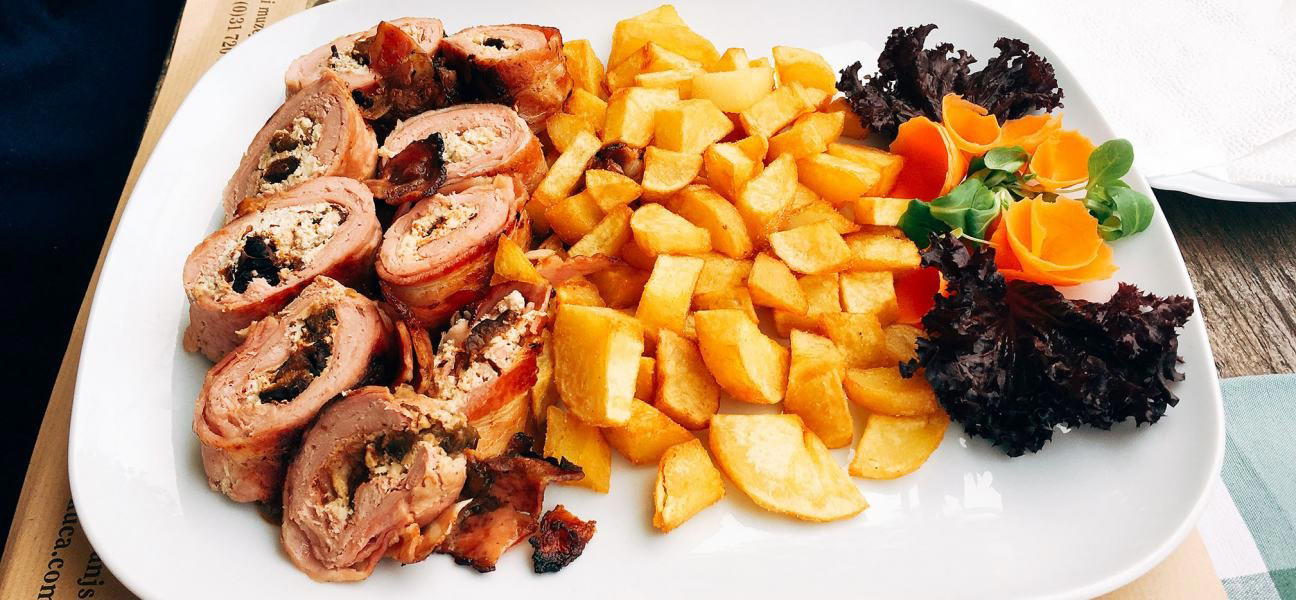
The menu
What to order
- Fiš paprikaš
- Šaran u rašljama
- Čobanac
- Puževi u umaku od kopriva
Where the Pannonian Plain Meets the Plate
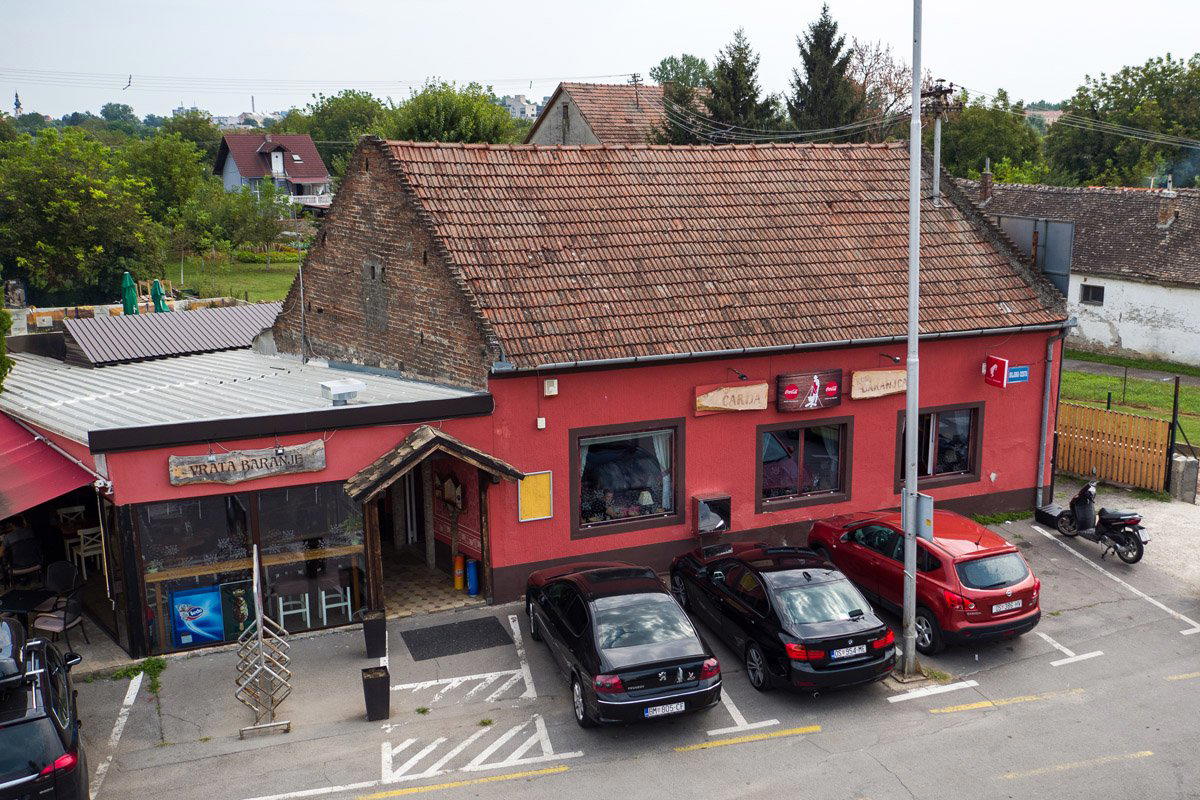
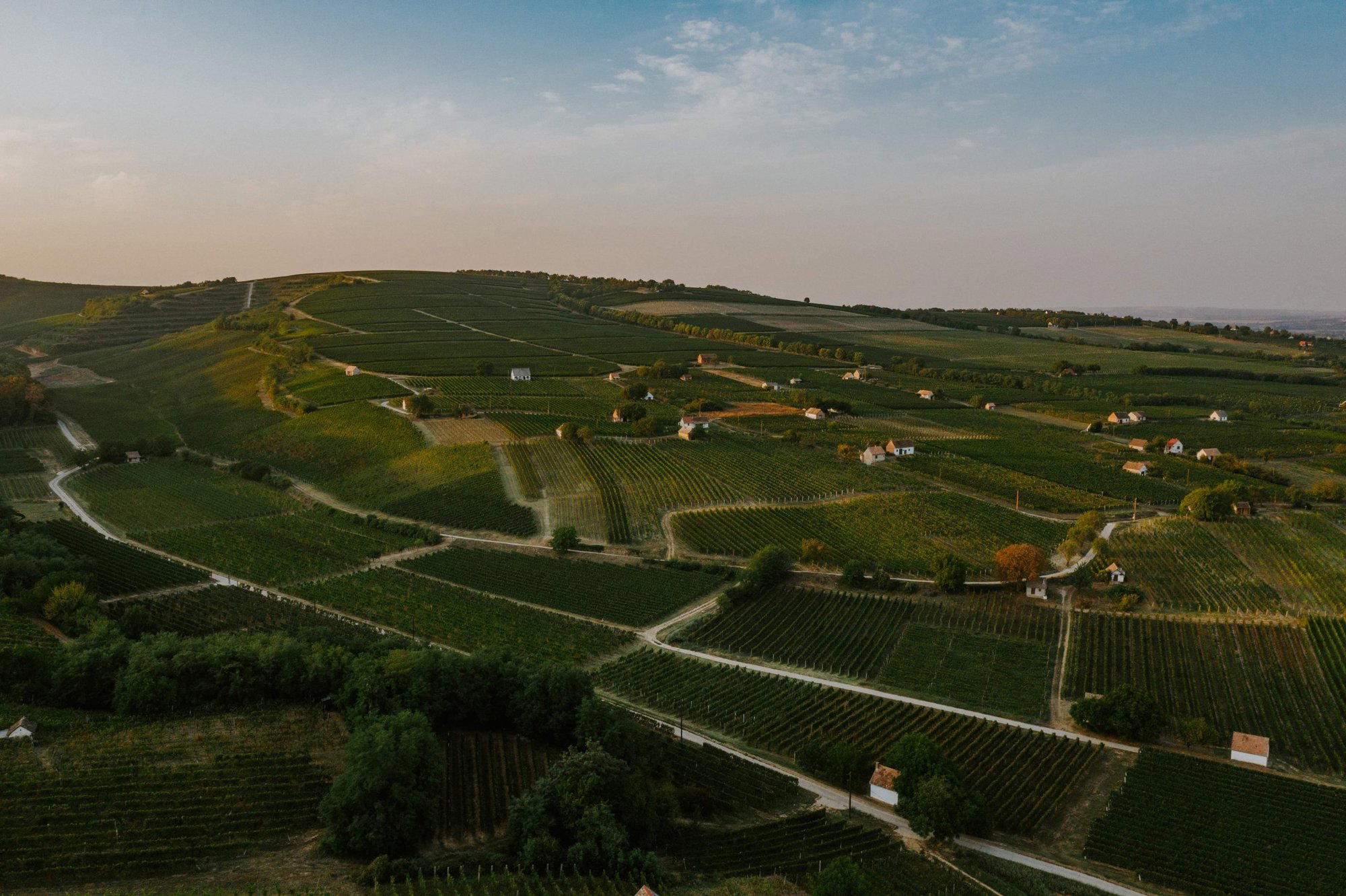
Arriving in Karanac requires a conscious decision to leave Croatia's coastal reflex behind. The village sits in Baranja, the wedge of land between the Drava and Danube rivers in the country's far northeast, and it reads like Central Europe rather than the Adriatic. The architecture is low and whitewashed, the fields broad and flat, and the air in autumn carries the smell of ripening maize and wood smoke rather than salt. Baranjska kuća occupies a traditional farmhouse on Kolodvorska ulica, and the approach tells you something immediately: this is a place shaped by the agricultural logic of its region, not by the expectations of coastal tourism.
That distinction matters more than it might first appear. Croatia's restaurant conversation is heavily weighted toward the Dalmatian coast, where venues like Pelegrini in Sibenik, Restaurant 360 in Dubrovnik, and Agli Amici Rovinj operate at the top of the country's fine-dining tier. Baranja operates on a different register entirely: rural, ingredient-driven, and rooted in a cuisine that owes as much to Hungarian influence as to anything Zagreb would recognise as Croatian. For diners interested in how geography and agricultural history shape what ends up on a plate, the region's cooking is genuinely instructive.
The Larder of the Baranja
Understanding what drives the kitchen at Baranjska kuća requires a short survey of what the Baranja produces. The region is one of Croatia's most fertile agricultural zones: black-soil farmland yields grain, sunflowers, and vegetables at a scale that the rocky karst of Dalmatia cannot match. The rivers supply freshwater fish, particularly carp and catfish, that form the backbone of the local table. Game is abundant in the surrounding forests. And the Hungarian influence that shaped the region for centuries left a culinary vocabulary built around paprika, rendered lard, slow-cooked stews, and cured meats that differ sharply from the olive oil and seafood grammar of the Adriatic coast.
This is the larder a kitchen in Karanac works from. Dishes in Baranja's traditional restaurants tend to feature fish paprikash, kulen (the region's spiced, air-dried pork sausage that carries Geographical Indication status in Croatia), roasted game, and stews that have been thickened and coloured with sweet and hot paprika. The ingredients come from close: the fishermen and farmers and smallholders who operate in the Baranja are the supply chain. That proximity is not a marketing point here; it is simply how provisioning has always worked in a region too far from the coast to rely on anything else.
Among Croatian cured products, Baranjski kulen occupies a distinct position. The sausage is made from pork shoulder and fat, heavily seasoned with garlic and paprika, and air-dried over several months. The leading examples circulate within the region rather than reaching national distribution, and sitting in a farmhouse in Karanac eating kulen produced within a few kilometres is a different experience from encountering a commercial version in a Zagreb delicatessen. Visitors planning a stay in Slavonia and Baranja more broadly should read our full Karanac restaurants guide for context on where this fits within the local offer.
Atmosphere and Setting
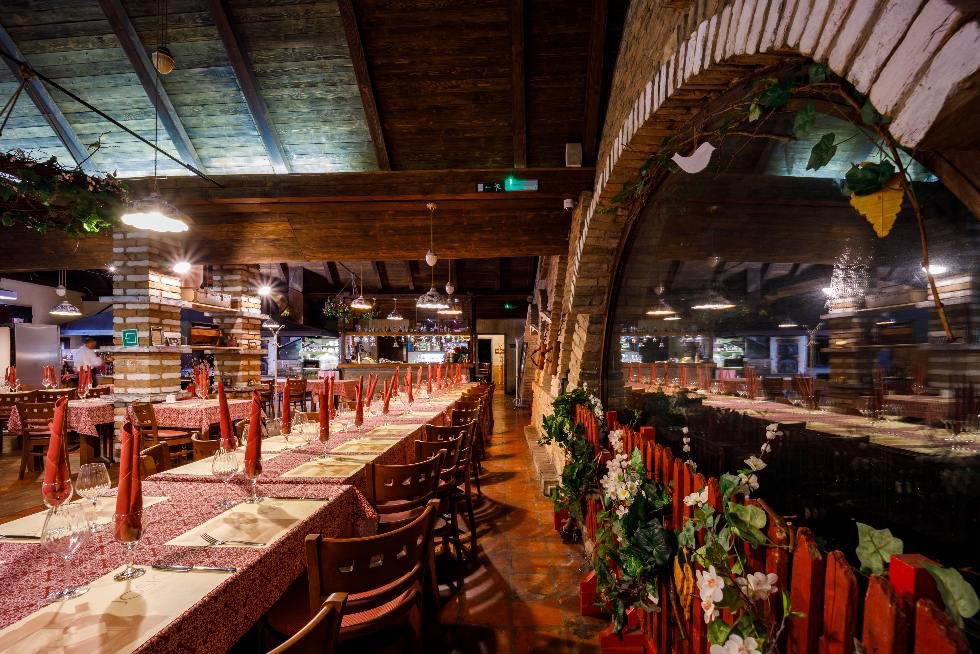
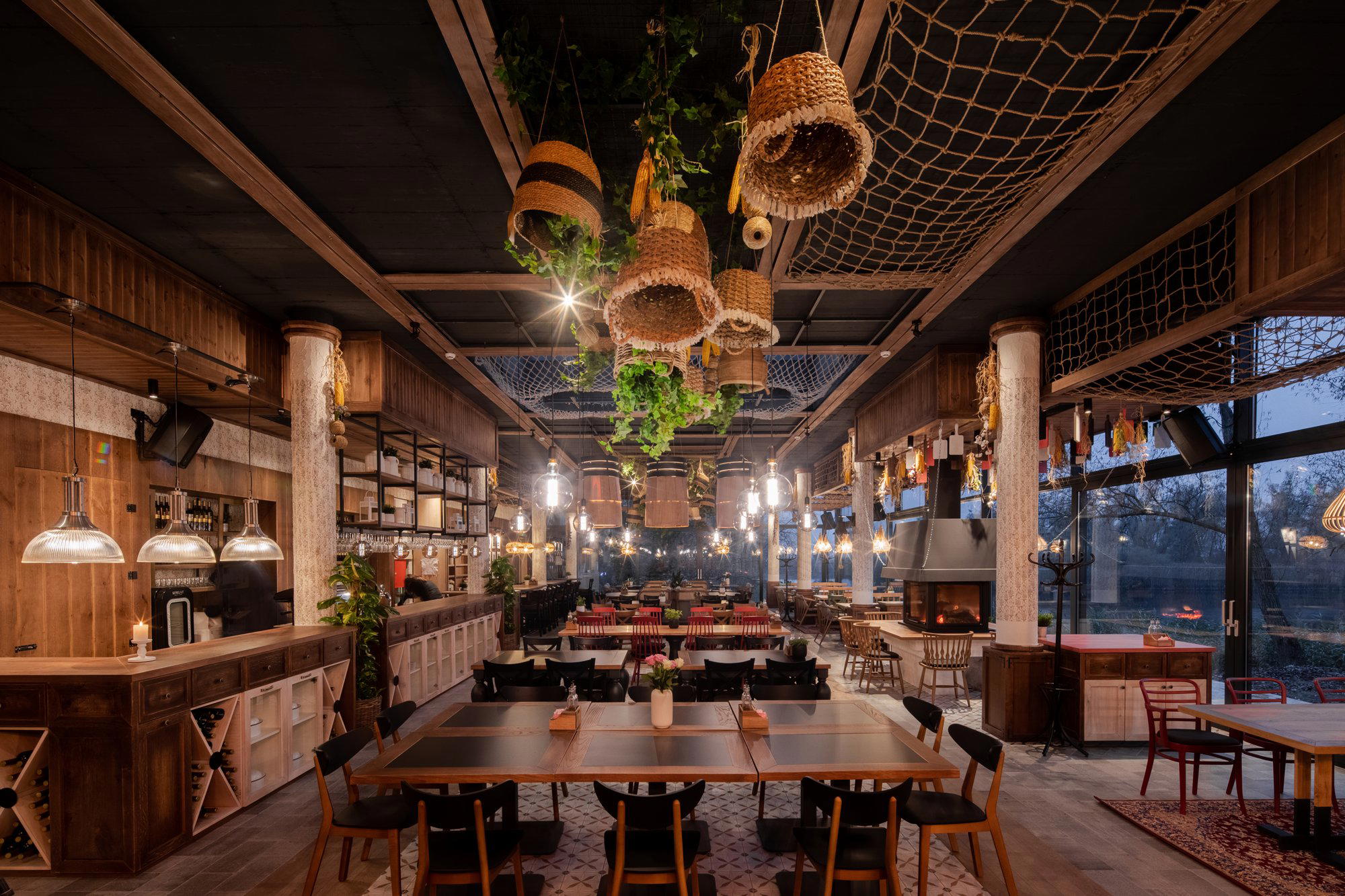
The farmhouse format is common in Baranja's better-known ethno-restaurants, and it sets a tone that differs from both the coastal konoba and the urban fine-dining room. Expect thick walls, wooden furniture, and interiors that reference rural domestic life rather than restaurant design. The atmosphere is deliberate without being theatrical; the setting is the argument, not the decoration. Meals here tend to run long, in the Central European tradition, with courses arriving without urgency and the expectation that the table is yours for the duration.
This format sits at the opposite end of the spectrum from the structured tasting menus and harbour views that define Croatia's most-discussed dining experiences. Properties like Boskinac in Novalja or LD Restaurant in Korčula operate with a very different set of conventions. Neither approach is superior; they reflect different regional traditions and different relationships between the kitchen and its landscape.
Croatian cooking more broadly has produced ambitious fine-dining work across multiple regions, from Nebo by Deni Srdoč in Rijeka to Dubravkin Put in Zagreb to Alfred Keller in Mali Lošinj. What Baranja offers is something these venues are not trying to offer: cooking that remains entirely inside its own agricultural and cultural logic, without modernising pressure or tourist-facing adjustment.
Regional Context: Istria, Slavonia, and the Inland Turn
Visitors with a serious interest in Croatian regional cooking have begun looking beyond Dalmatia and Istria. Istrian dining has its own strong tradition, represented by venues including San Rocco in Brtonigla, EatIstria in Pluj, and Humska Konoba in Hum. Slavonia and Baranja represent the inland counterpart: equally defined by regional ingredients, but shaped by a completely different climate, soil, and cultural history. The comparison is useful because it demonstrates how thoroughly Croatian cooking fragments into distinct regional systems once you step away from the Adriatic.
Further along the Adriatic, Krug in Split, Restaurant Filippi in Curzola, and Trg Sv. Stjepana 3 in Lesina each work within coastal ingredient logic. Korak in Jastrebarsko represents a different inland register, closer to Zagreb. Baranjska kuća operates in a category that has few national-level peers precisely because Baranja sits outside the circuits most food travellers use. For those building a picture of what Croatian cooking actually is across its full geography, that gap is worth closing. International reference points like Le Bernardin in New York City or Lazy Bear in San Francisco illustrate how ingredient provenance has become central to premium dining globally; in Baranja, that relationship between land and table has simply always been the operating assumption.
Planning Your Visit
Karanac is approximately 25 kilometres from Osijek, the largest city in eastern Croatia and the practical base for visiting Baranja. The village is reachable by car; public transport connections are limited, and hiring a vehicle or arranging a transfer from Osijek is the realistic approach for most visitors. The region draws visitors for its ethnographic villages, wine cellars, and the Kopački Rit nature reserve, which sits a short drive to the west and ranks among Central Europe's largest wetlands. Baranjska kuća sits on Kolodvorska ulica 99, within the village itself. Booking details and current hours are best confirmed through direct contact or local tourism sources, as specific operational information is not available through this listing. The strongest period for Baranja's table is autumn, when game season is open, the kulen cycle has produced its cured meats, and the harvest gives the kitchen its fullest range of ingredients.
Frequently asked questions
Is Baranjska kuća okay with children?
The farmhouse format in Karanac is generally well-suited to families. Baranja's ethno-restaurant tradition tends toward communal, relaxed settings rather than formal dining rooms, which makes them more accommodating than urban fine-dining venues. Confirming directly before arrival is advisable, as opening hours and group arrangements in smaller village restaurants often require advance coordination.
What should I expect atmosphere-wise at Baranjska kuća?
Baranjska kuća operates in the farmhouse format typical of Baranja's better-regarded ethno-restaurants, which places it firmly outside the coastal konoba tradition and far from urban bistro styling. Expect a setting that reflects the agricultural character of the Pannonian plain: heavier timber, rural vernacular architecture, and a pace set by the region rather than by a city dining crowd. The village address on Kolodvorska ulica in Karanac places it within a settled agricultural community, not a tourist strip.
How does Baranjska kuća compare to other regional restaurants in Baranja, and is it worth the drive from Osijek?
Karanac has developed a reputation among Croatian food writers as one of the more coherent destinations for Baranja's farmhouse dining tradition, and Baranjska kuća sits within that village's established scene rather than as an isolated outlier. The drive from Osijek runs around 25 kilometres through flat Pannonian countryside and is the standard approach for visitors using eastern Croatia's largest city as a base. For anyone with a serious interest in how inland Croatian cooking differs from the Adriatic model, Baranja represents a distinct regional identity built on freshwater fish, game, and Central European spice traditions rather than olive oil and seafood.
What's the signature dish at Baranjska kuća?
Baranja's culinary identity is built around the produce of one of Croatia's most fertile inland regions: freshwater fish from the Drava and Danube, game, paprika-driven stews, and cured meats rooted in the region's Hungarian and Slavonian influences. While specific menu details for Baranjska kuća are best confirmed directly with the venue, the kitchen draws on this same larder. Dishes in this tradition tend toward slow-cooked preparations rather than the grilled seafood repertoire that defines the Dalmatian coast.
What part of town is Baranjska kuća in?
Baranjska kuća is located at Kolodvorska ul. 99, 31315, Karanac, Croatia, Karanac.
What's the best way to book Baranjska kuća?
Karanac is a small village roughly 25 kilometres from Osijek, and restaurants of this format often operate on a reservations-preferred or reservations-required basis, particularly for groups.
Side-by-Side Snapshot
| Venue | Cuisine | Price | Awards | Notes |
|---|---|---|---|---|
| Baranjska kućaThis venue — the venue you are viewing | Traditional Baranja Ethno Cuisine | $20–30 | Not listed | Not listed |
| Pelegrini | Modern Dalmatian Fine Dining | $100–150 | 1 Michelin Star · La Liste Top Restaurants | Mediterranean, Modern Cuisine |
| Restaurant 360 | Modern Mediterranean with Asian and French Influences | $200–300 | 1 Michelin Star · La Liste Top Restaurants | International, Modern Cuisine |
| Foša | Modern Seafood | $50–100 | Michelin Plate | Croatian, Classic Cuisine |
| Nautika | Traditional Mediterranean Seafood | $100–150 | Michelin Plate · Star Wine List | Modern European, Classic Cuisine |
| Agli Amici Rovinj | Modern Mediterranean Fine Dining | $200–300 | 2 Michelin Stars · La Liste Top Restaurants | Italian Contemporary |
Details
- Rustic
- Cozy
- Scenic
- Family
- Group Dining
- Casual Hangout
- Celebration
- Garden
- Live Music
- Historic Building
- Beer Program
- Local Sourcing
- Vineyard
- Garden
- A La Carte
- Vegetarian Friendly
Rustic and traditional under old walnut trees in open-air dining, with live tambura music in evenings and bird chirps by day.