
On Pécs's central Royal Street, Palatinus Boutique Hotel occupies a building that carries the city's layered architectural history in its fabric. Selected by the Michelin Guide for Hotels 2025, it positions itself in the smaller tier of design-conscious Central European properties where physical character and city-centre placement matter more than resort-scale amenity.
Pearl is the En Primeur Club membership app — saves, bookings, and concierge access live there. Same editors, same standards.
- Address
- Király utca 3., Pécs, Hungary
- Website
- palatinusboutiquehotel.hu
 Saves & bookings on Pearl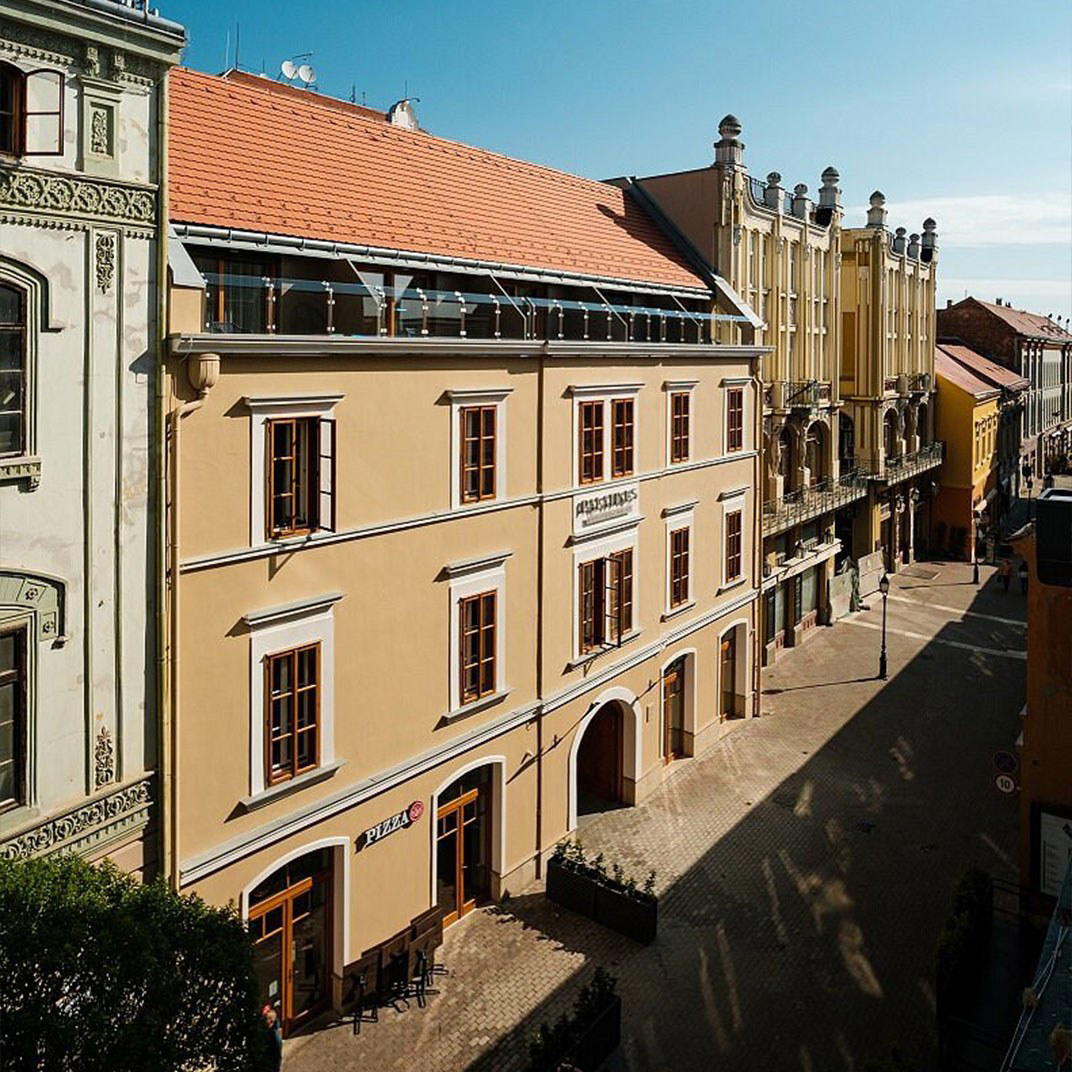
Architecture as Address: What Király utca Signals Before You Check In
In Pécs, location is rarely incidental. Király utca, Royal Street, runs through the compressed historic core of a city that has absorbed Roman, Ottoman, and Habsburg layers without resolving any of them into a tidy narrative. Buildings here tend to carry that accumulation on their facades, and arriving at Palatinus Boutique Hotel at number 3 means engaging with that physical record immediately. The street is predominantly pedestrianised in this stretch, which gives the approach a quality that larger Hungarian cities can rarely replicate: quiet enough to read stonework, busy enough to feel embedded in actual civic life rather than a sanitised tourist corridor.
Boutique hotel development across Central Europe has split in recent years between properties that use historical buildings as aesthetic backdrop, all original ceilings, new glass extensions, contemporary furniture, and those where the architecture is more genuinely integrated into how the rooms feel and function. Palatinus sits in the latter category. The building fabric is part of the proposition, not a frame around it.
Palatinus Boutique Hotel is a 4-star hotel at Király utca 3. Pécs, Hungary, with 29 rooms. The Michelin hotel selection does not operate on the star logic of its restaurant guide. Instead, it identifies properties that meet a consistent standard of comfort, character, and service without mandating a particular scale or price tier. Being selected alongside larger urban properties, smaller urban properties in Budapest and beyond, tells you something about what the guide values when it looks at smaller markets: that boutique character, when delivered with genuine consistency, carries weight independent of room count or amenity breadth.
Pécs is the kind of Central European city that rewards proximity. The Early Christian Necropolis, a UNESCO World Heritage Site, sits within walking distance of the city centre. The Mosque of Pasha Gazi Kasim, converted into a church after the Ottoman withdrawal in the late seventeenth century, occupies Széchenyi tér at the heart of the city. The Zsolnay Cultural Quarter, built around the famous ceramics manufactory whose pyrogranite tiles appear on buildings across the country, requires time rather than transport. None of this is best experienced from a car or a distant resort.
For context on how boutique accommodation performs differently from resort formats in Hungary, the contrast with properties like Mövenpick Balaland Resort Lake Balaton in Szantod is instructive. Resort-scale hotels deliver self-contained experience; city-centre boutique properties like Palatinus function as bases from which the city itself becomes the programming. The hotel's position on Király utca means the significant architectural and cultural infrastructure of Pécs is on foot, which changes how a stay here works in practice.
The Villány wine region, producing some of Hungary's most recognised red wines from Cabernet Franc, Merlot, and the indigenous Kadarka grape, lies roughly thirty kilometres south of Pécs. Day trips into this wine country are a realistic addition to a Pécs stay, and properties like Viale Boutique Hotel in Villány offer an alternative base for those prioritising vineyard access over city-centre proximity. Both approaches are coherent; they are simply different trips.
Design Philosophy in the Boutique Tier: What the Category Demands
The term boutique has been stretched past usefulness in much hotel marketing, applied to any property below a hundred rooms that has deployed some wallpaper. In the context of Central European historic city centres, it carries more specific meaning: these are buildings where rooms vary considerably in character because the structure does not permit uniformity, where common areas tend to reflect the original function of the building, and where the sense of place is architectural rather than manufactured through soft furnishings and scent diffusers.
Palatinus operates within that tradition. Király utca 3 is a city-centre address in a city with significant architectural heritage, and the hotel occupies that address in a way that connects the stay to the building's history rather than abstracting from it. Among Hungary's Michelin-selected boutique properties, this positions Palatinus alongside a cohort that includes 1552 Boutique Hotel in Eger and Viale Boutique Hotel in Villány, smaller-scale properties in cities outside Budapest where the physical character of the building is central to the proposition.
The broader Hungarian boutique hotel tier also includes design-driven properties in landscapes rather than historic urban cores, such as Mandilla in Köveskál in the Balaton Highlands, and castle conversions like BOTANIQ Castle of Tura in Tura. Palatinus's distinction within this varied group is its urban embeddedness: it is city fabric, not countryside escape.
Pécs is served by direct trains from Budapest Keleti station, with journey times typically in the two-to-two-and-a-half-hour range depending on service. The city is a manageable day trip from the capital but loses much of its value at that compression; the architectural layers of the historic centre, the ceramic heritage at the Zsolnay Quarter, and any excursion into the Villány or Szekszárd wine regions benefit from at least two nights.
For travellers building a wider Hungarian itinerary, Pécs and Palatinus fit logically between a Budapest base and a southward route into Villány wine country. Those extending northeast might consider Minaro Hotel Tokaj in Tokaj for wine-region contrast, or Hotel Palota Lillafüred in Miskolc for a different register of historic property entirely.
At-a-Glance Comparison
Comparable venues nearby, for context on price, style, and recognition.
| Venue | Cuisine | Price | Awards | Notes |
|---|---|---|---|---|
| Palatinus Boutique HotelThis venue — the venue you are viewing | Contemporary boutique hotel housed in a meticulously renovated 18th-century scheduled monument, combining heritage preservation with modern design sensibilities. | $$$ | 4-Star | Not listed |
| Pest-Buda Design Hotel | Boutique design hotel in a preserved 1696 historic mansion. | $$$ | 4-Star | Varhegy |
| Baltazár Boutique Hotel | Family-owned bohemian-chic design hotel with art-inspired interiors and strong gastronomic focus | $$$ | 4-Star | Buda Castle District |
| Sirius Hotel | Modern resort-style spa hotel | $$$ | 4-Star | Keszthely |
| Park Plaza Budapest | Trendy lifestyle hotel with artistic flair and riverfront elegance. | $$$ | 4-Star | Varhegy |
| Hotel Rum Budapest | Contemporary boutique blending authentic 1920s townhouse with bold modern design. | $$$ | 4-Star | Belvaros |
Recognition history
Dated appearances from independent guides and award organizations, with the underlying list record or original source where available.
Michelin Selected
Michelin
Continue exploring
More in Pecs
At a Glance
- Modern
- Elegant
- Sophisticated
- Intimate
- Romantic Getaway
- Weekend Escape
- Business Trip
- Historic Building
- Design Destination
- Terrace
- Wi Fi
- Bar
- Room Service
- Luggage Storage
- EV Charging
- Laundry Service
- Street Scene
- Wi Fi
- Bar
- Room Service
- Luggage Storage
- EV Charging
- Laundry Service
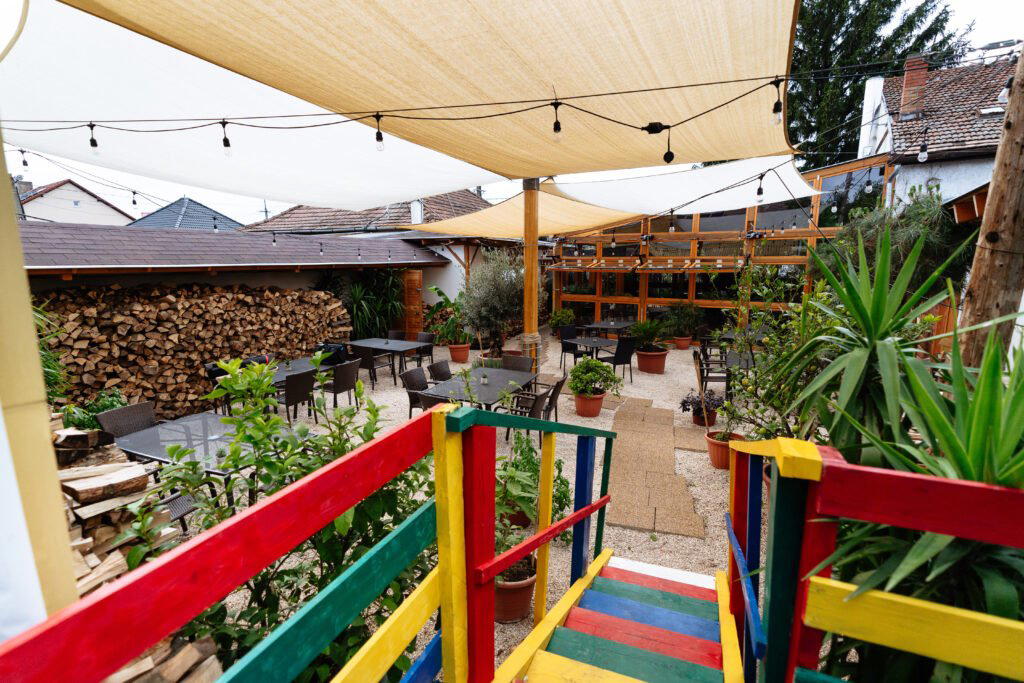
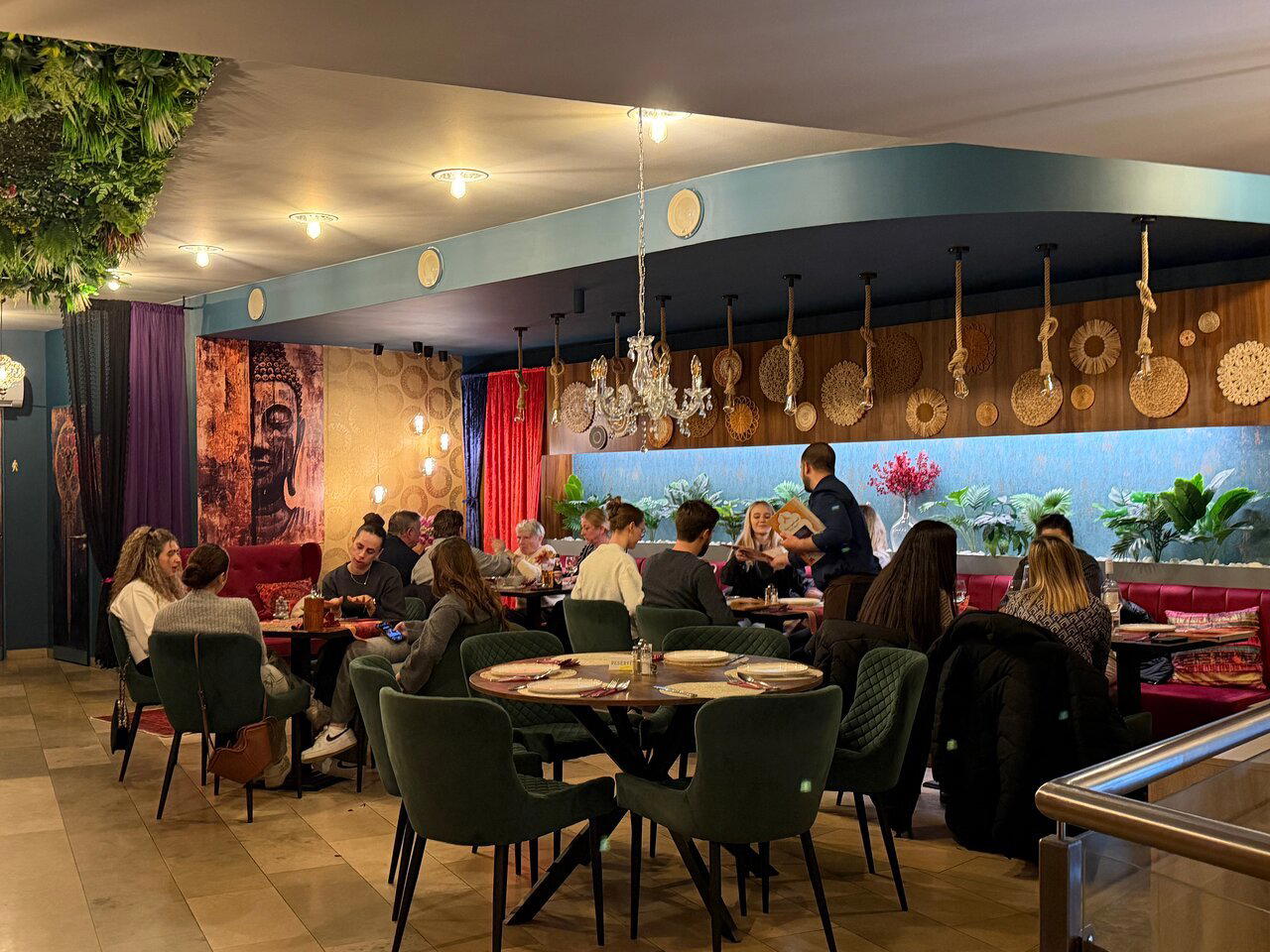
Stylish and contemporary with saturated colors, modern furnishings, and historical photographs adorning walls; warm and welcoming with a friendly, humane atmosphere.