
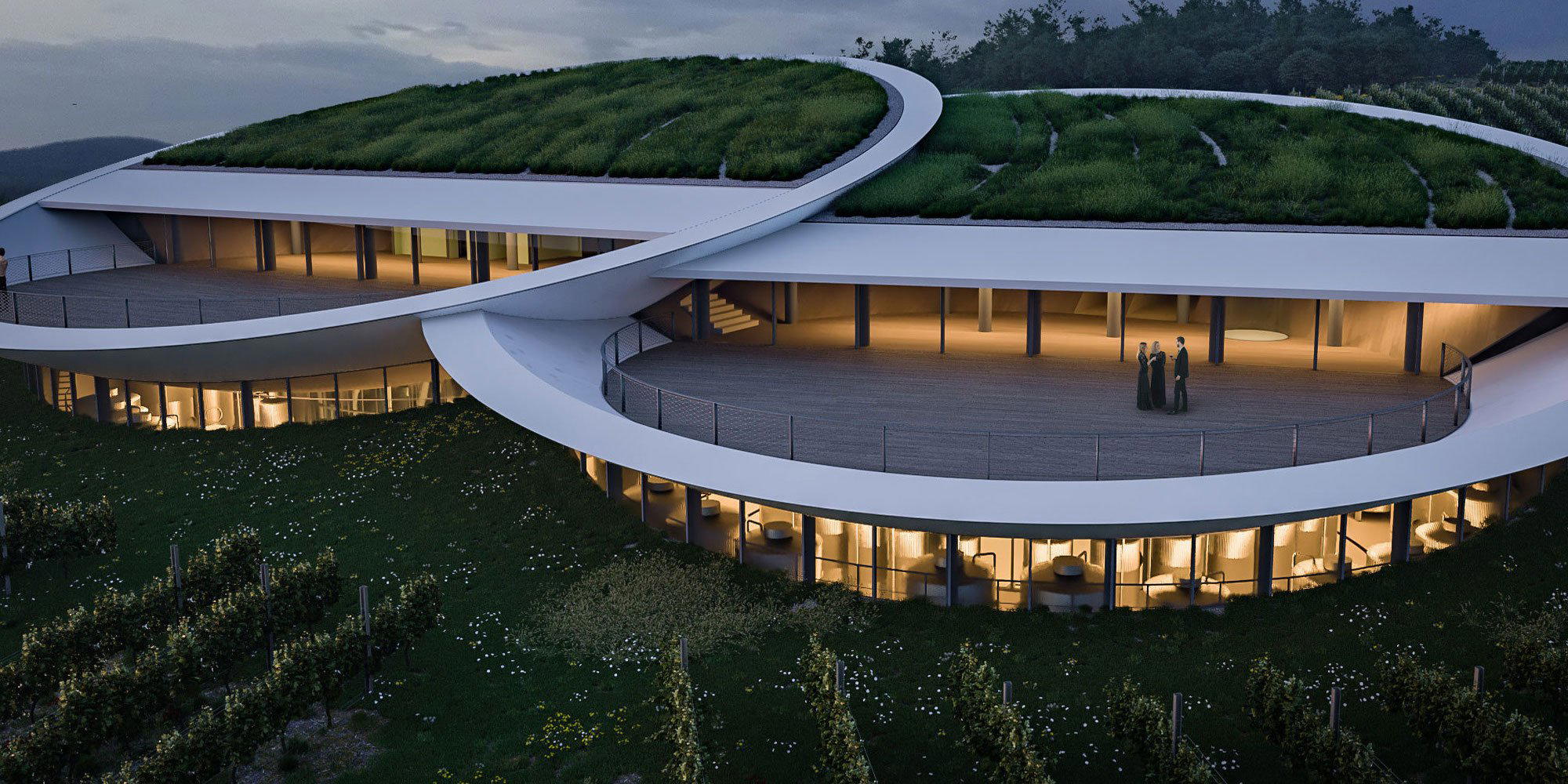
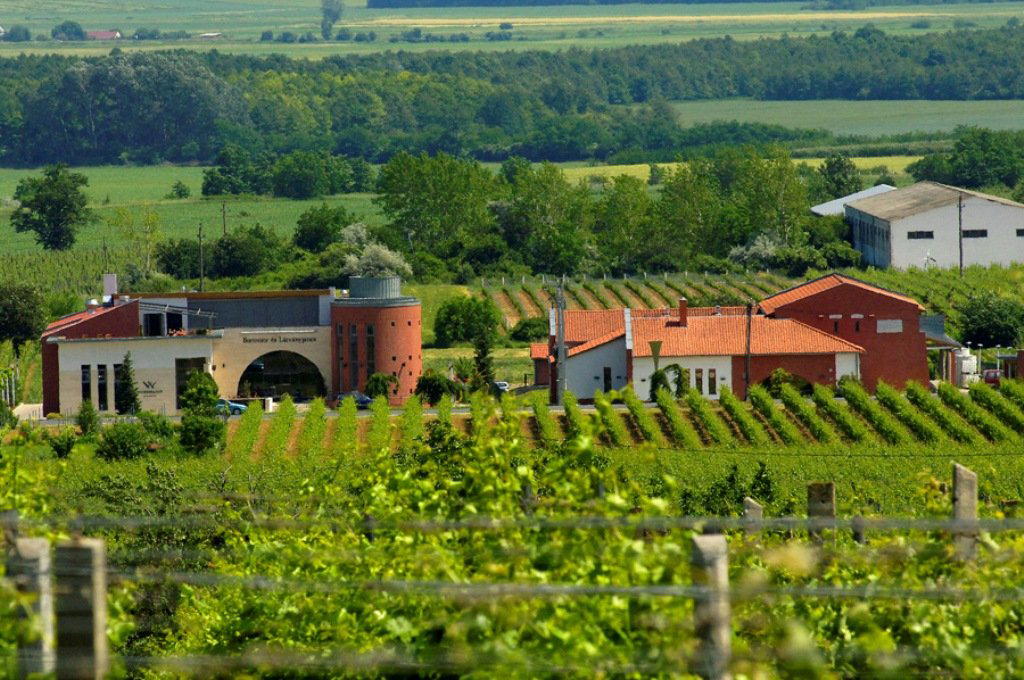
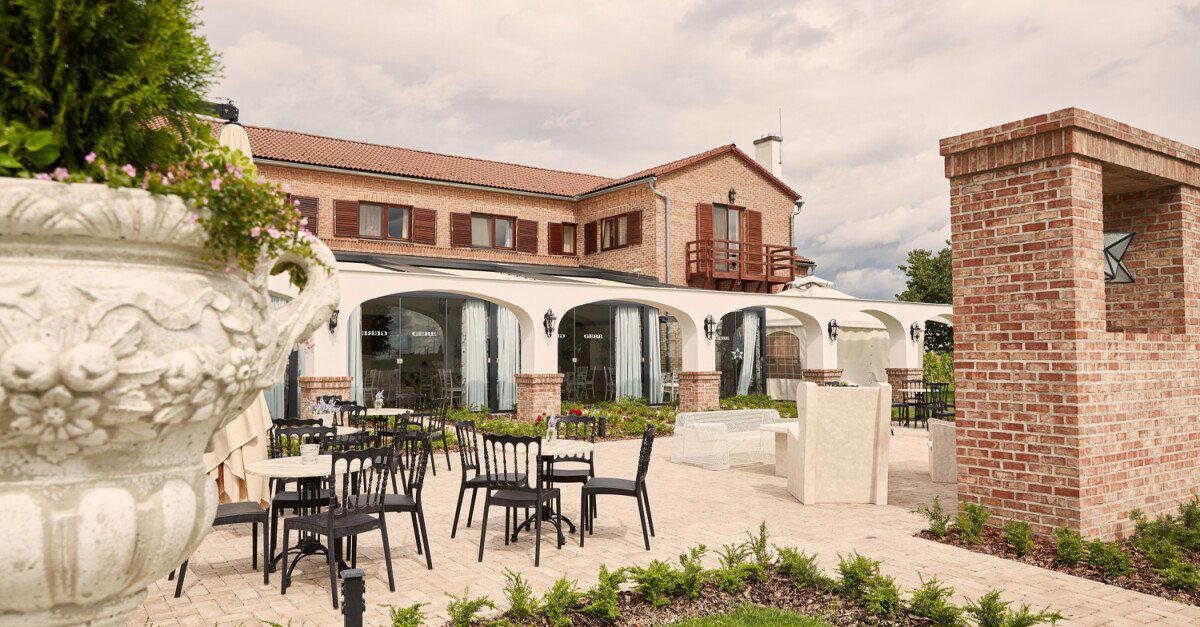
Set among the vineyards of Villány, Sauska 48 earns its 2025 Michelin Plate with a concise menu of contemporary Hungarian cooking served on a terrace that looks directly onto the estate's vines. The wine list pulls from both the Villány reds and rosés visible from your seat and the owners' Tokaj whites, making ingredient provenance the defining logic of the meal.
Pearl is the En Primeur Club membership app — saves, bookings, and concierge access live there. Same editors, same standards.
- Address
- Villány, 048 10 hrsz, 7773 Hungary
- Phone
- +36 30 220 1339
- Website
- sauska.hu
- Directions
- Get directions
 Saves & bookings on Pearl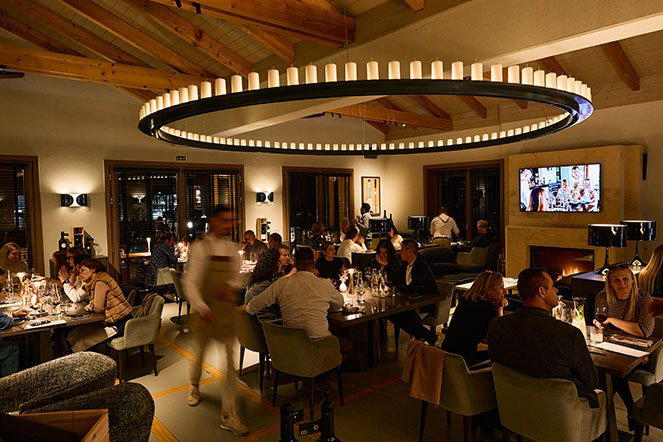
Where the Food and the View Share the Same Source
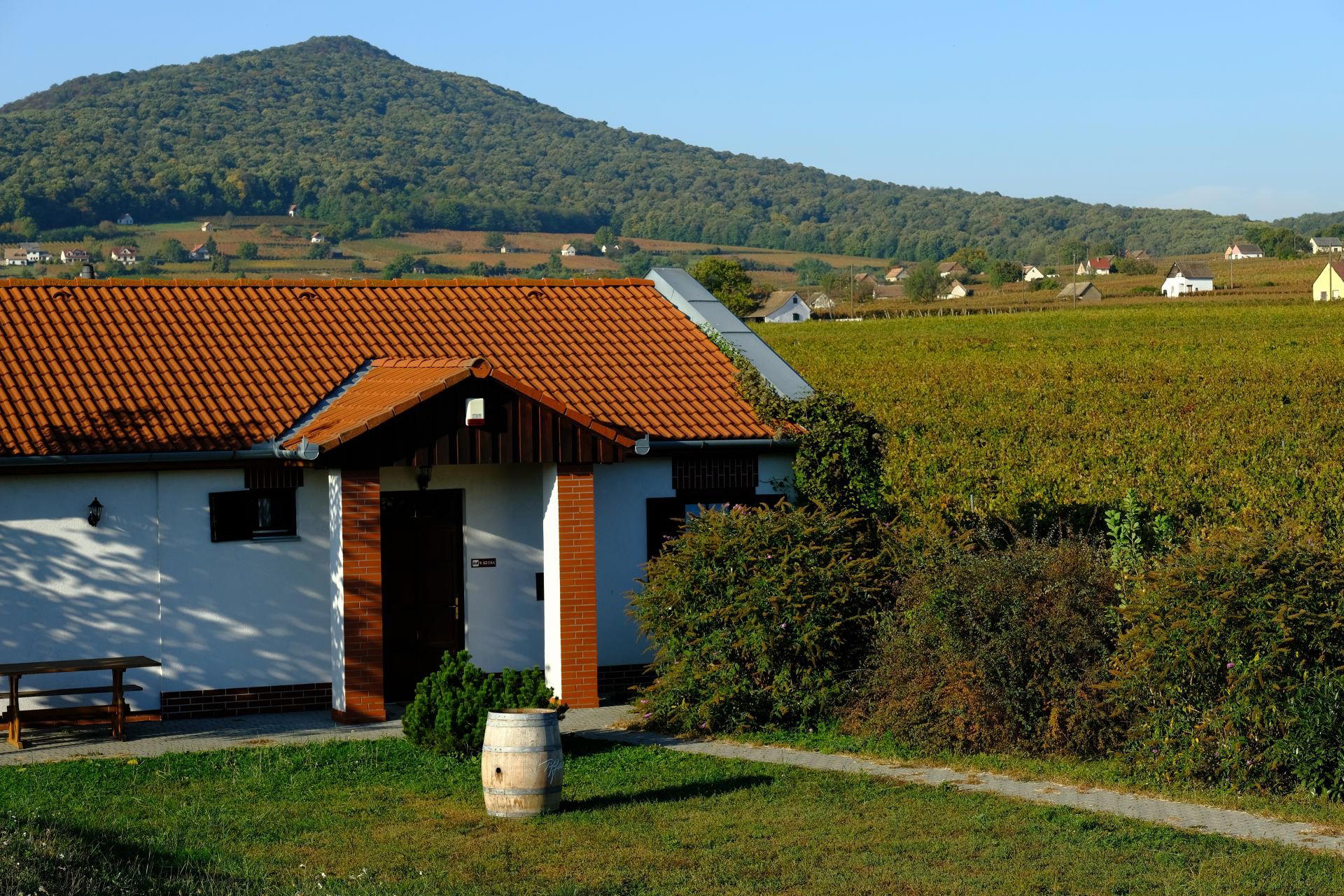
Villány sits at the southern tip of Hungary, close to the Croatian border, and its wine tradition runs deep enough that the region has its own protected designation for Cabernet Franc, Merlot, and Portugieser blends that have shaped the area's identity for decades. The town itself is small, the main street lined with wine houses and cellars, and the surrounding hills carry the kind of unbroken vineyard cover that makes the origin of what ends up on your plate unusually easy to trace. That connection between landscape and table is not incidental at Sauska 48.
The terrace at Sauska 48 looks directly across the estate's vines and toward the Villány hills beyond. On a warm afternoon, the sightline from your seat to the source of the wine in your glass is unobstructed. That physical proximity is what separates a winery restaurant from a restaurant that happens to have a wine list: here, the provenance is visible, not just described.
Hungarian Ingredients Read Through a Contemporary Lens
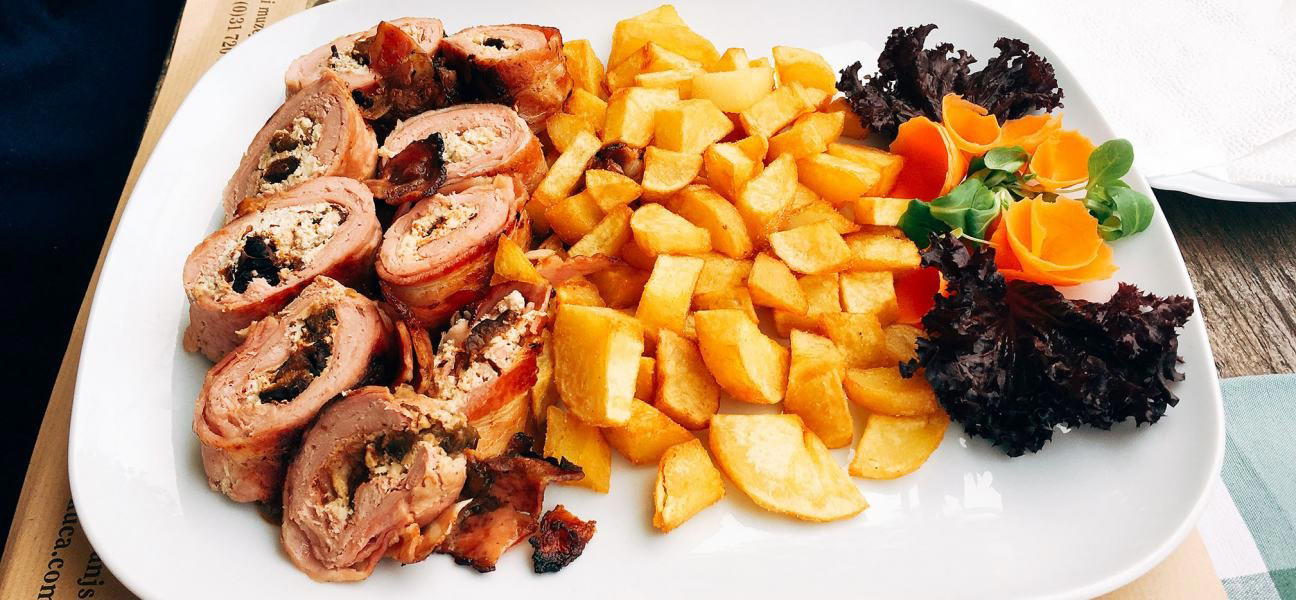
The menu at Sauska 48 is concise, which in this context is an editorial decision about focus rather than a constraint. Contemporary Hungarian cooking, at its leading, takes ingredients that carry genuine regional identity and handles them with enough technical care that the origin reads clearly on the plate without the cooking becoming nostalgic or folkloric. Hungary's larder is specific: Mangalica pork, freshwater fish from the Tisza and Danube, paprika in its many grades, foie gras from the Great Plain, stone fruits from orchards across the country. A kitchen that roots itself in that tradition and then applies modern technique has a credible claim to the kind of refined creativity noted in the Michelin recognition.
2025 Michelin Plate designation places the restaurant within a growing cohort of regional Hungarian restaurants that have drawn critical attention outside Budapest in recent years. Venues like Pajta in Őriszentpéter and Andrassy Restaurant in Tarcal reflect the same pattern: high-quality cooking emerging from destinations defined primarily by their wine or agricultural heritage, where the food program becomes an extension of what the land produces. Anyukám Mondta in Encs and A Konyhám Stúdió 365 in Fonyód represent further points in that regional spread, each grounding contemporary technique in locally specific ingredients.
At the €€€€ price tier, the restaurant sits in the same bracket as Borkonyha Winekitchen in Budapest, which has held Michelin recognition for its own wine-forward approach to Hungarian cooking. The comparison is instructive: both operate at a price point that reflects serious kitchen technique and serious wine buying, but the Villány setting adds a dimension that a city restaurant cannot replicate. The vines are part of the experience in a way that a cellar wall of bottles is not.
The Wine Logic: Villány Reds, Tokaj Whites, and the Value of One Owner
The wine list at the restaurant draws from two distinct programs under the same ownership: the reds and rosés from the Villány estate whose rows you look across from the terrace, and whites from the owners' separate winery in Tokaj. That dual-region structure is not common, and it gives the list a vertical depth that single-estate restaurant programs often lack. Tokaj's oxidative whites, sweet Aszú wines, and increasingly serious dry Furmints occupy a completely different register from Villány's structured reds, which means a pairing progression across a meal can draw on genuinely contrasting styles without leaving the house list.
Villány's red wine reputation rests largely on Cabernet Franc and Bordeaux-variety blends that have developed a regional style distinct from their French counterparts: riper fruit profiles, firmer tannin, and wines with the structure to age. Drinking them at the estate where they were made, looking at the specific parcel that produced them, is a different act from encountering the same bottle in a Budapest restaurant. The team's willingness to guide guests through pairings makes that context available to visitors. For those who are, the list offers the kind of producer-specific depth that serious wine tourists come to Villány to find.
Placing Sauska 48 in Hungary's Wider Restaurant Picture
Budapest remains the centre of Hungary's fine dining conversation. Venues like Stand in Budapest and Borkonyha Winekitchen hold sustained Michelin recognition in a competitive city market where the €€€ tier is well populated and ambitious. Outside the capital, the picture is more spread out. Platán Gourmet in Tata, 42 Restaurant in Esztergom, and 67 Sigma in Székesfehérvár are among the regional restaurants that have built cases for serious cooking away from the capital. Alkimista Kulináris Műhely in Szeged and Avalon Ristorante in Miskolc extend that pattern to Hungary's provincial cities.
The restaurant operates in a different frame from all of them: it is a winery restaurant first, a destination meal second. That ordering matters. Guests do not arrive primarily because they are tracking the Michelin Plate list; they arrive because they are in Villány for the wine. The kitchen's quality makes the meal worth planning around, rather than treating it as an optional stop between cellar visits. Botanica in Dánszentmiklós operates in a similarly rural, nature-proximate register, suggesting that Hungary's most interesting regional cooking is consistently emerging from places where the sourcing story is built into the setting.
Planning the Visit
Villány is accessible from Budapest by road and by rail, with the journey taking roughly two to two and a half hours in either direction. The town's concentration of wineries makes it practical to organise a full day or overnight trip without needing to move between areas. The terrace at the restaurant is the draw in warmer months. Visitors combining the meal with cellar visits across the region should account for Villány's walkability: the main strip of wine houses covers a short distance, and Sauska's vineyard address sits within the estate itself rather than on the town's central stretch.
At-a-Glance Comparison
Comparable venues nearby, for context on price, style, and recognition.
| Venue | Cuisine | Price | Awards | Notes |
|---|---|---|---|---|
| Sauska 48This venue — the venue you are viewing | Modern Hungarian | $$$$ | Michelin Plate | Not listed |
| Oportó Étterem | Modern Hungarian | $$ | Not listed | Villány center |
| Halasi Pince Panzió | Hungarian Wine Bar | $$ | Not listed | Villany |
| Bock Óbor Étterem | Traditional Hungarian with Villány Wines | $$ | Not listed | Villány |
| Mandula Étterem | Modern Hungarian Fine Dining | $$$ | Not listed | Villany |
| Hosszú Tányér | Modern Hungarian Fine Dining | $$$$ | Michelin Plate | Hosszúhetény |
Recognition history
Dated appearances from independent guides and award organizations, with the underlying list record or original source where available.
Michelin Plate
Michelin
Michelin Plate
Michelin
At a Glance
- Elegant
- Modern
- Scenic
- Sophisticated
- Date Night
- Special Occasion
- Celebration
- Terrace
- Open Kitchen
- Extensive Wine List
- Sommelier Led
- Local Sourcing
- Vineyard
- Mountain
Current opening hours
- Monday
- Closed
- Tuesday
- Closed
- Wednesday
- Closed
- Thursday
- 10 AM–10 PM
- Friday
- 10 AM–10 PM
- Saturday
- 10 AM–10 PM
- Sunday
- 10 AM–4 PM
Hours can change for holidays and private events. Last verified .
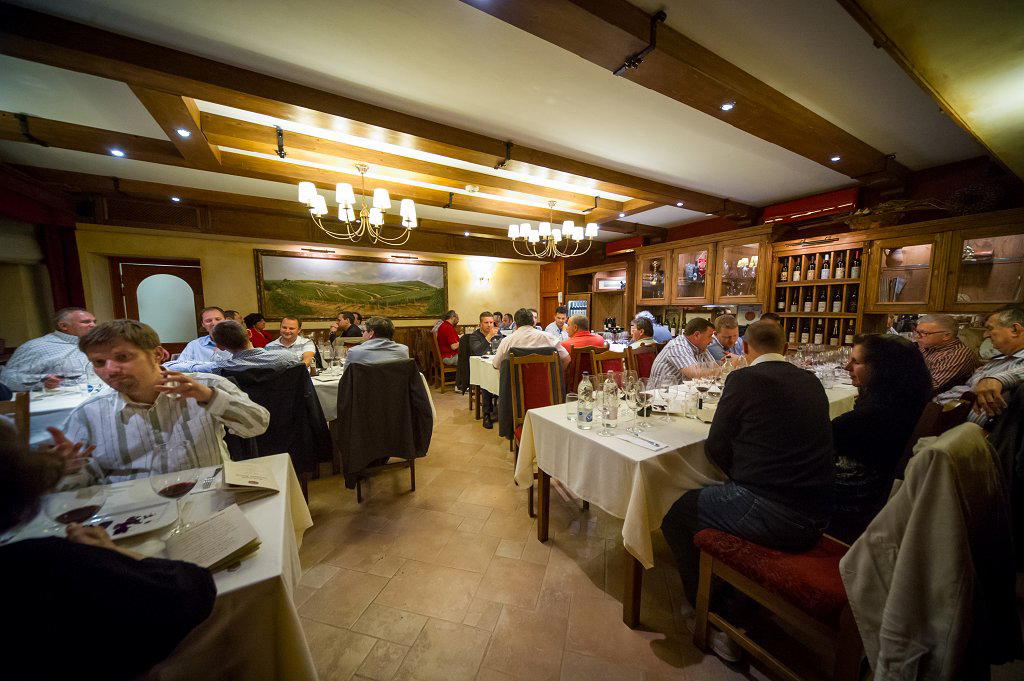
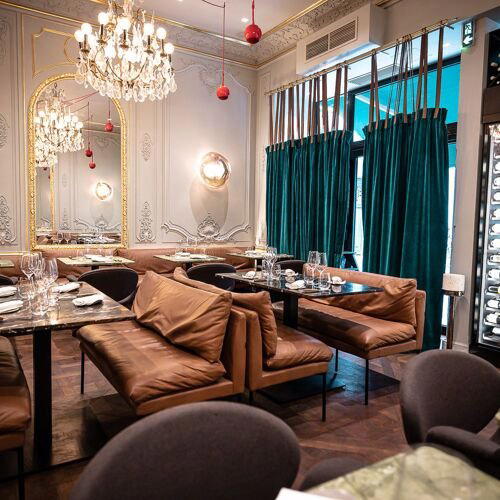
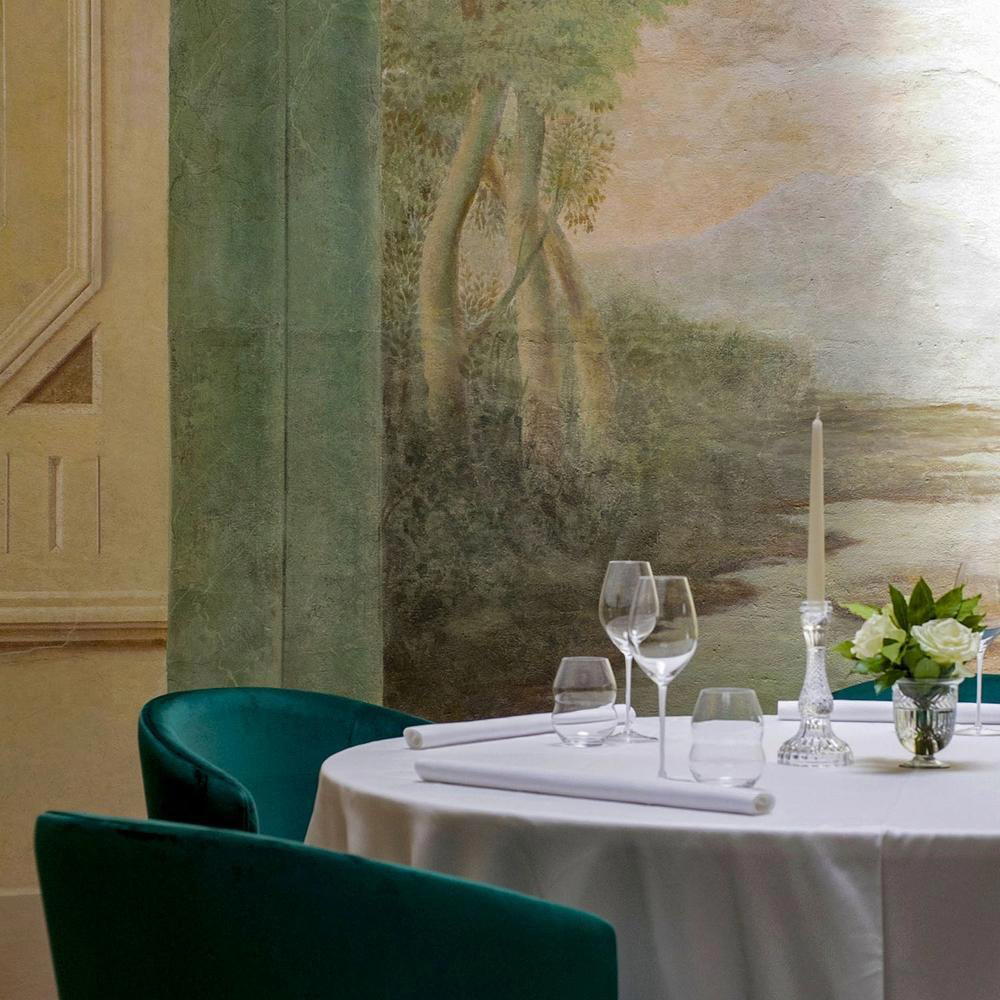
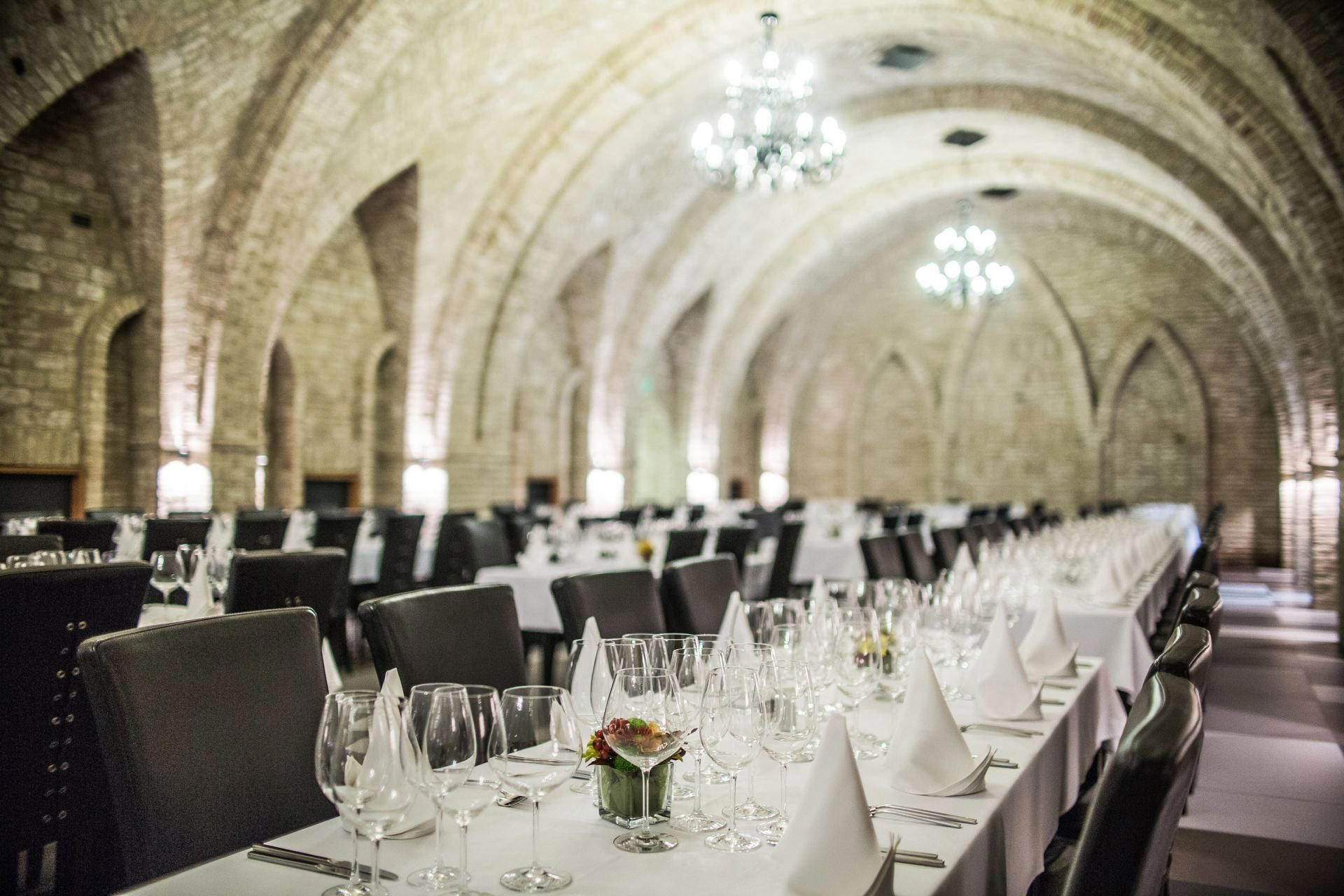
Pleasant lighting, stylish modern interior with industrial exterior, and relaxed yet elegant atmosphere enhanced by vineyard surroundings.