
Yoshokuya Yuuki belongs to Kobe’s democratic yoshoku tradition: Japanese-style Western cooking built around hamburger steak, croquettes, and everyday prices rather than ceremony. Its selection for Tabelog’s Yoshoku WEST 100 in 2025, along with a prior 2023 selection, gives the small Shinkaichi address a reputation that reaches beyond the neighbourhood.
Pearl is the En Primeur Club membership app — saves, bookings, and concierge access live there. Same editors, same standards.
- Address
- 兵庫県神戸市兵庫区湊町4-2-12 リビース湊川 1F
- Phone
- +81785762055
- Website
- tabelog.com
 Saves & bookings on Pearl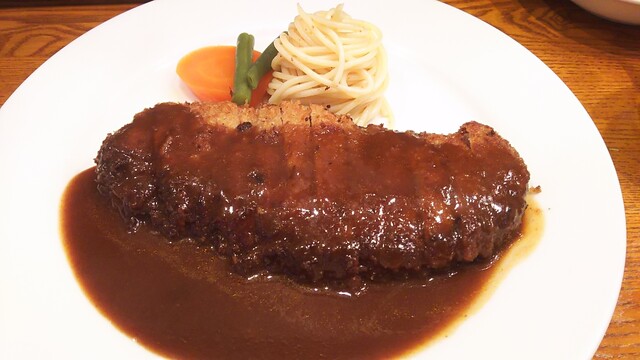
Shinkaichi has a different dining rhythm from Kobe’s polished waterfront and Kitano hillside rooms. The appeal here is practical, compact, and local: short menus, small rooms, lunch traffic, and food traditions that grew from port-city appetite rather than luxury performance. Yoshoku fits that character neatly. It is Western cooking translated through Japanese technique, portioning, and sauce culture, with hamburger steak and croquettes treated as serious comfort rather than nostalgia alone.
Yoshokuya Yuuki sits inside that Kobe register, not as a grand destination restaurant but as a small-format counter-and-table room whose reputation has travelled because the category itself rewards consistency. Tabelog selected it for the Yoshoku WEST 100 in 2025 and also listed it in the yoshoku 100 in 2023. In a field where many restaurants compete around familiar dishes, that kind of repeat recognition matters: it signals that the cooking has enough local confidence and category precision to be judged against regional peers, not merely nearby lunch options.
Kobe yoshoku, judged by consistency rather than ceremony
Yoshoku is often misunderstood by visitors who read it as a minor branch of Western food. In Kansai, and especially in port cities such as Kobe, it has its own grammar. Demi-glace, minced beef, frying technique, cabbage, rice, and set-meal pacing all carry the weight that sushi rice or dashi might carry elsewhere. The genre is accessible by design, but the better addresses are not casual in execution. They survive on repeat orders and comparison, not novelty.
That is why recognition in a yoshoku-specific list is more useful than a generic popularity marker. The 2025 Tabelog Yoshoku WEST 100 places the restaurant inside a regional conversation that includes other Kobe names operating in the same everyday price band, including Grill Ippei Shinkaiti honten, Fumi, Fuji, Place de Pasto, and Yoshoku no Fuji. The point is not hierarchy. The point is density: Kobe supports enough serious yoshoku cooking for comparison to become meaningful, and Shinkaichi remains one of the city’s more convincing neighbourhoods for it.
EP Club readers building a broader Kobe food map should treat this as a different kind of stop from beef-led rooms such as Aburi Niku Kobo Wakkoku Shinkobe ten or Aburi Niku Kobo Wakkoqu Kitano Sakamoto Ten. Kobe beef restaurants tend to frame the city through premium ingredient culture; yoshoku frames it through adaptation, habit, and the lunch-counter economy. Both belong to Kobe, but they answer different questions.
The small-room format keeps the cooking in focus
The room is scaled for quick judgment: 18 seats, split between six counter seats and 12 table seats. That format changes the expectation. This is not a drawn-out tasting-menu environment, and it is not built around theatrical service. The compact scale suits dishes that depend on timing, frying, sauce, and turnover. In yoshoku, that intimacy is functional rather than decorative; it keeps the kitchen close to the dining room and makes inconsistency harder to hide.
The listed categories give a clear read on the kitchen’s lane: Japanese-style Western cuisine, hamburger steak, and croquette. Those categories matter because they define the restaurant more sharply than a broad “Western” label would. Hamburger steak in Japan is not a burger without a bun; it is a set-meal staple with its own expectations around texture, sauce, and rice. Croquettes carry a similar burden. They look simple until the crust, filling, and temperature expose weak technique.
For travellers used to chasing omakase counters and hotel dining rooms, this is a useful corrective. Kobe’s food identity is not only expensive beef, sake bars, and harbour-view dining. It also includes low-cost specialist rooms where a narrow menu can carry more local meaning than a formal dégustation. The same itinerary might include coffee culture at Akaneya Coffee Ten, casual local cooking at Akari, or a dietary-specific option such as Ali's Halal Kitchen; yoshoku fills another slot, grounded in Japan’s 20th-century urban dining habits.
How to place it in a Kobe itinerary
The right way to use Yoshokuya Yuuki is as a reputation-led neighbourhood meal, not as a luxury anchor. Its price band sits in the JPY 1,000 to JPY 1,999 range for both lunch and dinner, which makes the critical reception more interesting. Awards in this tier do not usually reflect rare ingredients or elaborate service; they reflect whether a restaurant delivers familiar cooking with enough conviction to earn repeat attention.
That makes it particularly useful for visitors who want Kobe beyond the obvious circuits. Shinkaichi adds texture to a city itinerary because it sits apart from the more polished visitor zones, and the food culture there rewards directness. Pairing a yoshoku meal with a broader scan of Kobe restaurants gives a clearer sense of the city than staying only with premium beef. For travellers planning the full trip architecture, EP Club’s Kobe hotels, Kobe bars, Kobe wineries, and Kobe experiences guides help separate a meal stop from the rest of the day.
National context also helps. Yoshoku belongs to a broader Japanese habit of absorbing foreign forms and making them local, the same instinct that lets a traveller move from -Grilled beef Sukiyaki- KAMAKURA TANUKIAN 鎌倉 たぬき庵 in Kamakura to. 鮪と炭火焼き うお炭 秋葉原店 in Tokyo.cafe in Osaka.know in Kumamoto, (Shoku) Vietnam in Kawasaki, or [Curry Senmon Ten] Maruyama Kyoju. in Sapporo and see how imported ideas are localized city by city. Even outside Japan, places such as Jōdo Saké Bar in Los Angeles and Onigiri Time in Pasadena show how Japanese dining formats travel in the opposite direction. In Kobe, yoshoku is not export culture. It is local comfort food with enough technical discipline to earn regional scrutiny.
Pricing, Compared
Comparable options at the same price tier.
| Venue | Cuisine | Price | Notes |
|---|---|---|---|
| Yoshokuya YuukiThis venue — the venue you are viewing | Not listed | $$ | Not listed |
| Soba Mae Nakate Touha | Not listed | $$ | Chūō, Traditional soba & soba-mae counter |
| Yoshoku GURa | Not listed | $$ | Chūō, Japanese Western (Yoshoku) |
| Stand Classic | Not listed | $$ | Chūō, Japanese standing bar (tachinomi) with a sake focus |
| Sansho An | Hyōgo, Udon and curry udon shop | $ | Not listed |
| Grill Ippei Sannomiya ten | Not listed | $$ | Chūō, Classic Kobe yoshoku (Japanese-style Western food) |
Recognition history
Dated appearances from independent guides and award organizations, with the underlying list record or original source where available.
Tabelog 100 #44 · No. 44
Tabelog · Tabelog 100 - Yoshoku - WEST - 2025
Continue exploring
More in Kobe


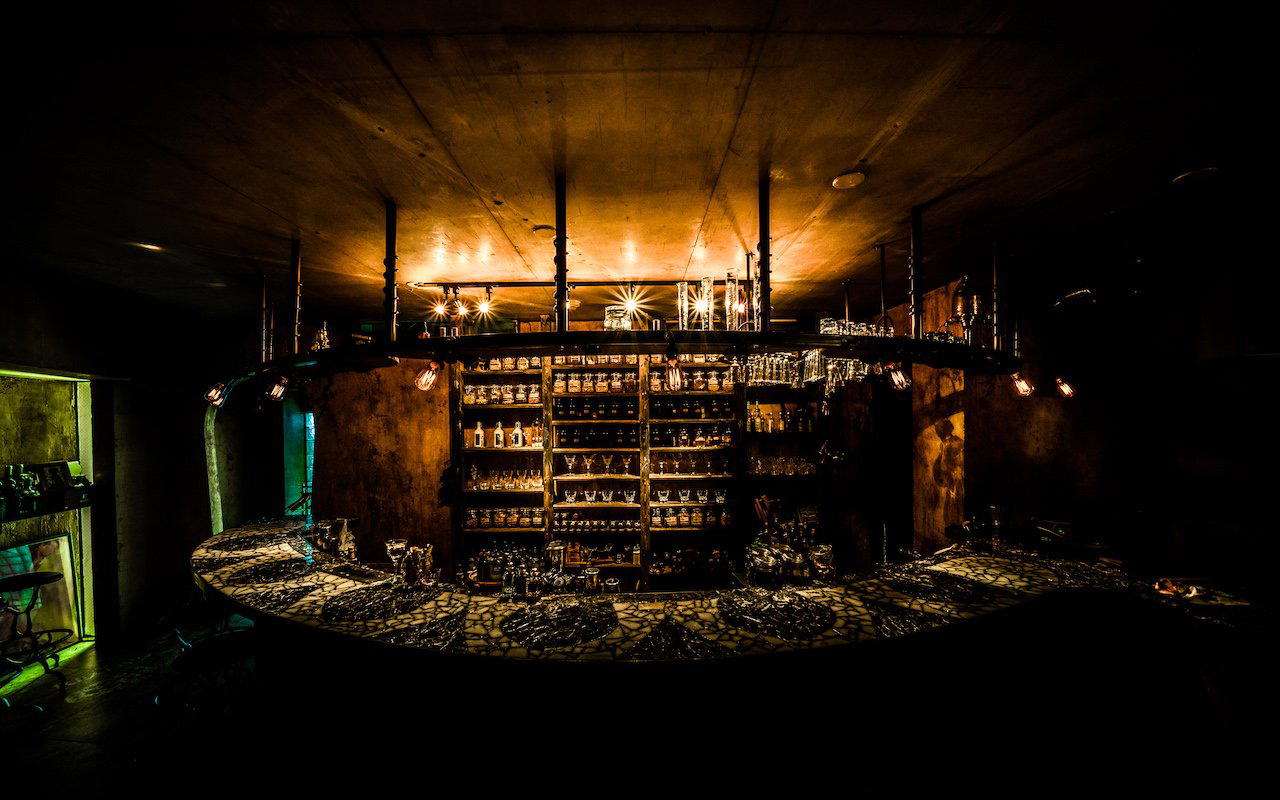
Bars in Kobe
Browse all →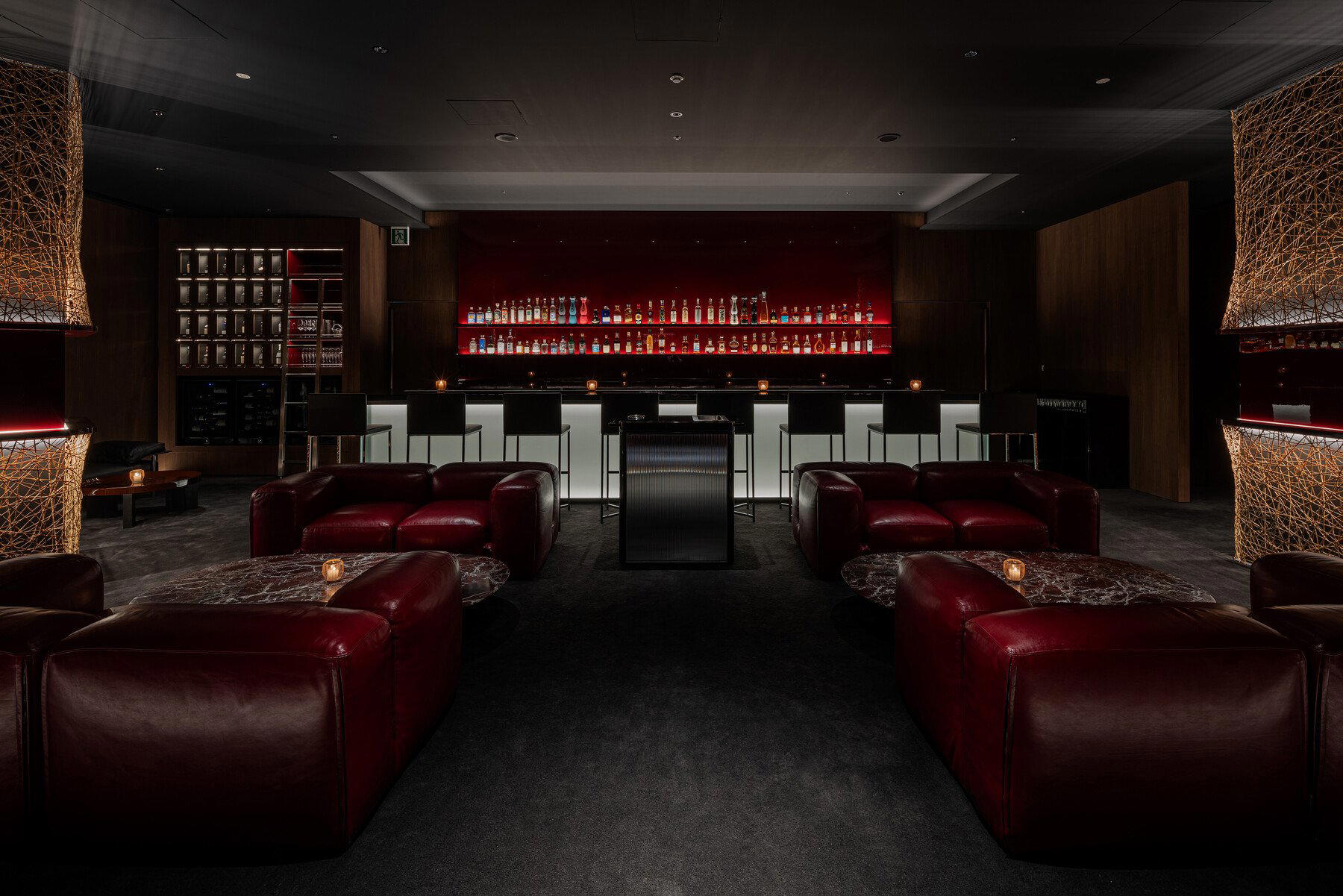



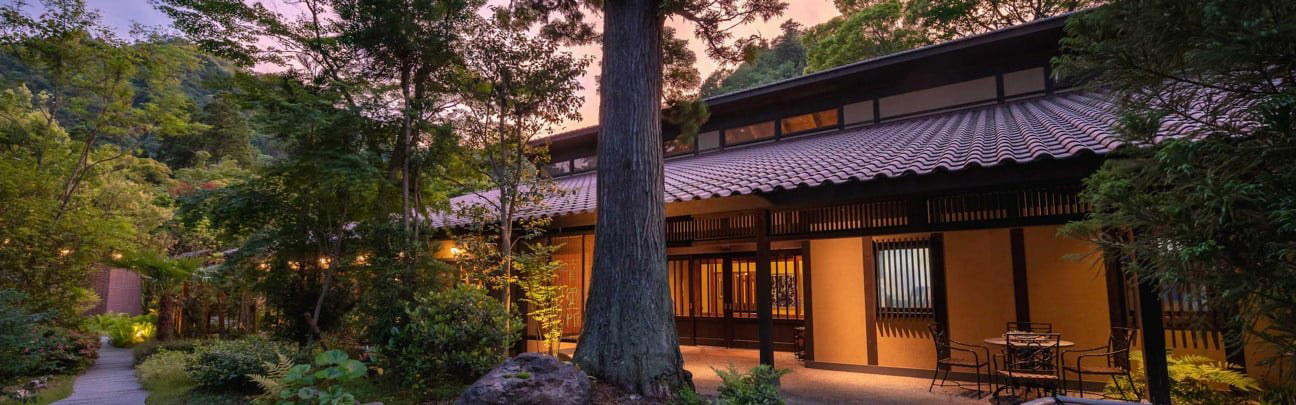
Hotels in Kobe
Browse all →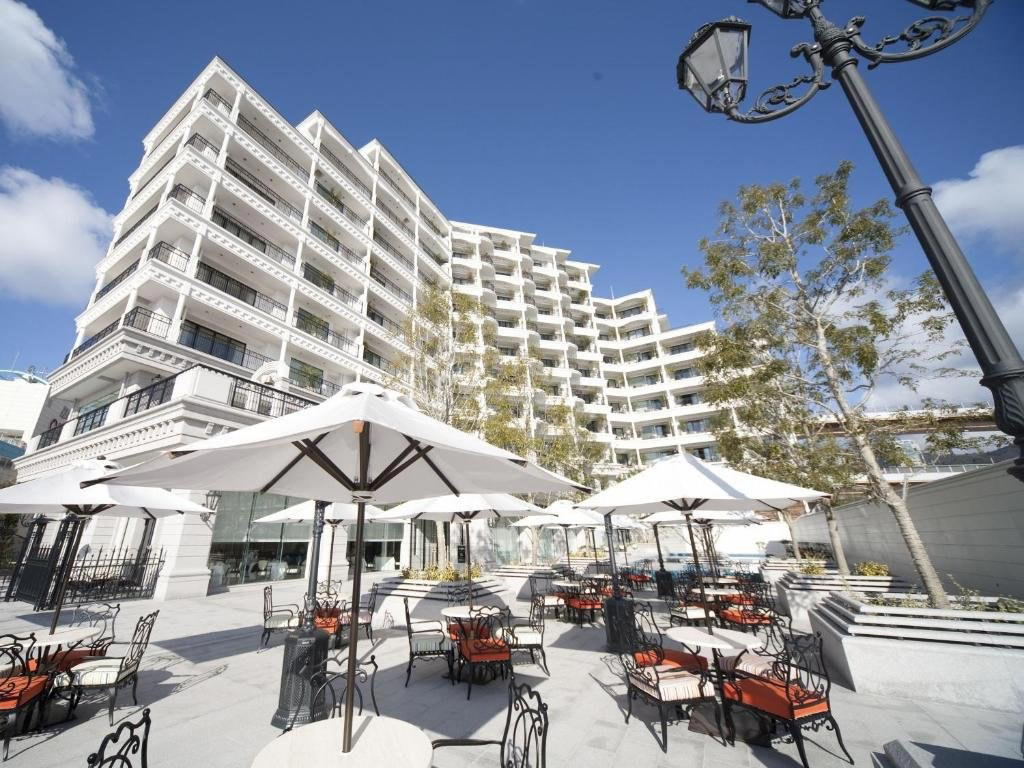

Wineries in Kobe
Browse all →
At a Glance
- Cozy
- Classic
- Casual Hangout
- Solo
- Family
- After Work
- Standalone