
QUATTRO puts Kobe’s yoshoku tradition into a compact Motomachi setting, with the meal built around familiar Western-influenced Japanese cooking rather than luxury theater. Its Tabelog 100 Yoshoku WEST 2025 selection and modest JPY 1,000–1,999 range make it a useful read on how everyday Kobe dining can carry serious local credibility without moving into tasting-menu territory.
Pearl is the En Primeur Club membership app — saves, bookings, and concierge access live there. Same editors, same standards.
- Address
- 兵庫県神戸市中央区元町通3-12-3 日国ビル 1F
- Phone
- +81783918633
- Website
- quattro-kobe.com
 Saves & bookings on Pearl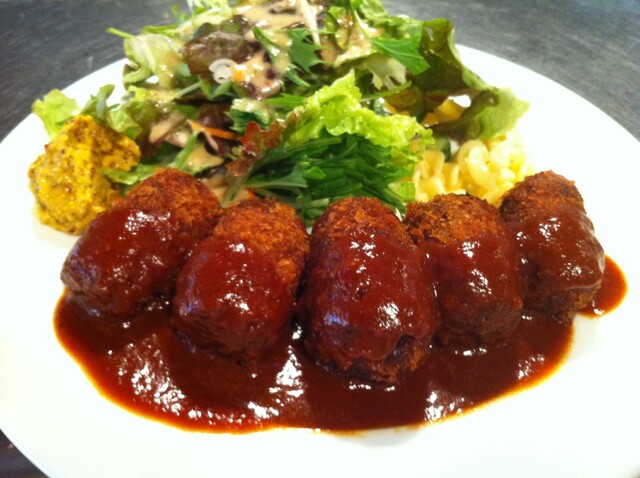
Motomachi’s dining rhythm is different from Kobe’s steak-house circuit. Around the station, meals tend to be practical, quick to understand, and rooted in the city’s long habit of translating Western food into Japanese comfort. QUATTRO belongs to that lineage: a yoshoku room where the ritual is not omakase silence or hotel dining formality, but choosing a plate, settling into a compact 32-seat space, and letting the meal move at the pace of a neighbourhood restaurant.
Yoshoku in Kobe carries particular weight because the city has long absorbed foreign influence through its port, merchant history, and old foreign settlement. The category is often misunderstood by visitors as retro Western food. In practice, it is a Japanese dining language of its own: sauces, frying, rice, seafood, meat, and set-meal logic adapted into a form that feels domestic rather than imported. That is why a restaurant in this bracket can matter as much to understanding Kobe as a beef counter or a high-spec French room.
Motomachi yoshoku, priced for repeat dining rather than ceremony
The serious signal here is not luxury pricing. The listed range is JPY 1,000–1,999, placing the meal in a daily-use band rather than the special-occasion bracket occupied by Kobe’s premium grills. That distinction matters. Kobe dining is often flattened into beef tourism, but Motomachi has a quieter grammar: lunch queues, regulars, compact rooms, and yoshoku plates that can be eaten on a weekday without turning the meal into an event.
Recognition sharpens the point. QUATTRO was selected for Tabelog 100 Yoshoku WEST 2025, with earlier Tabelog 100 Yoshoku recognition in 2023. Tabelog’s Hyakumeiten lists are useful in this category because they identify depth in genres that do not always travel well internationally. A yoshoku room can lack the exportable drama of sushi or wagyu and still be a serious address inside Japan’s own dining hierarchy.
That context separates it from nearby casual options. Gyoza Daigaku sits in a lower spend pattern, while Grill Ippei Motomachi ten occupies an adjacent yoshoku conversation at JPY 2,000–2,999 for dinner and JPY 1,000–1,999 for lunch. Tachinomi ZUTTO, by contrast, belongs to Kobe’s standing-drink and small-plate culture at JPY 2,000–2,999. For a higher-budget meal, legno moves into the JPY 8,000–9,999 dinner bracket, and bb9 points toward a grilling-focused format outside the immediate comparison. QUATTRO’s usefulness is that it shows the middle of the city’s table, where recognition and accessibility overlap.
The ritual is casual, but the category has rules
A yoshoku meal rewards a different kind of attention from fine dining. The first decision is not tasting-menu versus à la carte; it is how much appetite belongs to rice, sauce, fish, or meat, and how the plate functions as a complete meal. Kobe’s yoshoku tradition prizes satisfaction and familiarity, but the better rooms in the genre avoid turning comfort into heaviness. The discipline sits in proportion, timing, and the kitchen’s ability to make a familiar format feel purposeful.
The room’s configuration reinforces that social mode. With 32 seats divided between tables and sofa seating, plus a semi-private room for up to 12 people, the format accommodates friends, families, and small group meals rather than counter-only concentration. Children are welcome, which also places the experience inside Japan’s everyday restaurant culture rather than a hushed destination model. Non-smoking operation is another practical marker for travelers comparing older yoshoku rooms with newer, cleaner-feeling dining spaces.
Drinks also place the meal outside a simple lunch-counter frame. Wine and cocktails are listed, which gives the room a broader evening use than many low-priced yoshoku restaurants. That does not turn the meal into bar dining; it simply means the ritual can stretch beyond a quick plate when the occasion calls for it. The service note allowing parties over 2.5 hours supports the same reading: casual in price, but not engineered only for turnover.
For readers mapping Kobe beyond one address, the useful move is to treat Motomachi as a base rather than a single stop. EP Club’s full Kobe restaurants guide gives the wider dining frame, while the city’s hospitality context sits in the Kobe hotels guide. Drinking culture, wineries, and cultural planning sit separately in the Kobe bars guide, Kobe wineries guide, and Kobe experiences guide.
How it fits a Kobe eating day
QUATTRO makes the clearest sense when placed against Kobe’s other dining rituals. Beef specialists such as Aburi Niku Kobo Wakkoku Shinkobe ten and Aburi Niku Kobo Wakkoqu Kitano Sakamoto Ten answer the city’s premium meat question. Coffee rooms such as Akaneya Coffee Ten reflect Kobe’s kissaten and café habits. Neighbourhood meals at Akari or international casual cooking at Ali's Halal Kitchen fill different parts of the day. Yoshoku sits between them: local, flexible, and legible without being generic.
The reservation pattern is part of the decision. Dinner reservations are available, while lunch is not taken by reservation, and both services can end once sold out. Monday closure also makes it a poor fallback for travelers who leave planning until the start of the week. The address in Motomachidori, Chuo-ku, puts it close to Motomachi Station, so it works well as a meal folded into central Kobe rather than a cross-city detour.
The editorial case is simple: this is not where to chase spectacle. It is where to read Kobe through a plate category that locals understand intuitively and visitors often underrate. The Tabelog 100 Yoshoku WEST 2025 selection gives the room external credibility; the price band keeps it grounded. In a city too often reduced to steak, that combination is the point.
For a broader Japan dining map beyond Kobe, compare how regional habits shift at -Grilled beef Sukiyaki- KAMAKURA TANUKIAN 鎌倉 たぬき庵 in Kamakura. 鮪と炭火焼き うお炭 秋葉原店 in Tokyo.cafe in Osaka.know in Kumamoto, (Shoku) Vietnam in Kawasaki, and [Curry Senmon Ten] Maruyama Kyoju. in Sapporo. Outside Japan, Jōdo Saké Bar in Los Angeles and Onigiri Time in Pasadena show how Japanese formats change when transplanted into American dining cities.
Cuisine and Recognition
Side-by-side context: comparable cuisine and price.
| Venue | Cuisine | Price | Notes |
|---|---|---|---|
| QUATTROThis venue — the venue you are viewing | Kobe yoshoku (Japanese-style Western) | $$ | Not listed |
| Tachinomi ZUTTO | Japanese Tachinomi Izakaya | $$ | Chūō |
| Koube Kitano Asahi Yaseinikuten | Kobe beef diner & butcher eat-in | $$ | Chūō |
| Soba Mae Nakate Touha | Traditional soba & soba-mae counter | $$ | Chūō |
| Yakiniku Horumon Bar Bovin | Yakiniku & Horumon Bar | $$ | Chūō |
| Banshu Jizake Hino | Japanese Izakaya | $$ | Chūō |
Recognition history
Dated appearances from independent guides and award organizations, with the underlying list record or original source where available.
Tabelog 100 #25 · No. 25
Tabelog · Tabelog 100 - Yoshoku - WEST - 2025
Continue exploring
More in Kobe
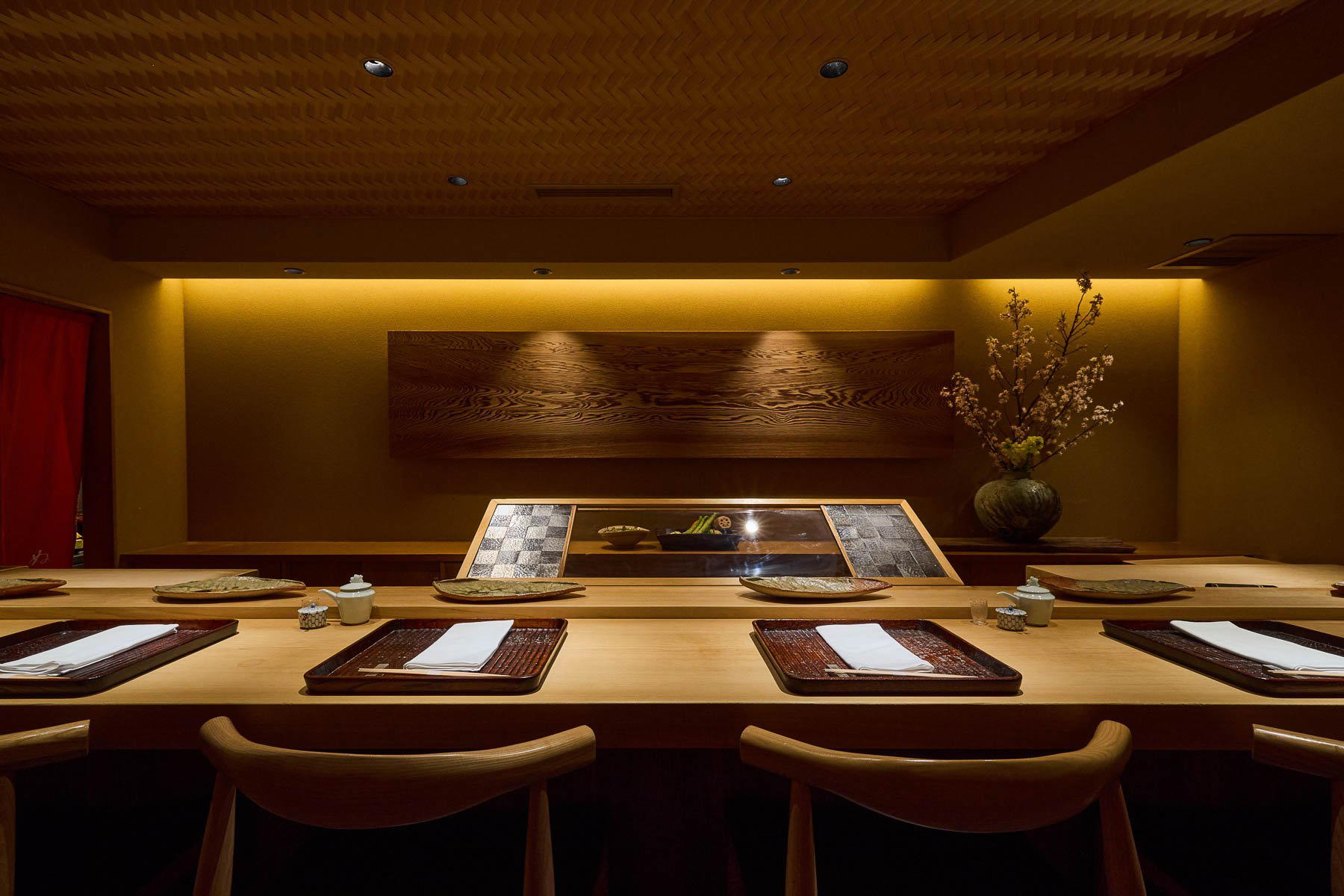
Restaurants in Kobe
Browse all →
Bars in Kobe
Browse all →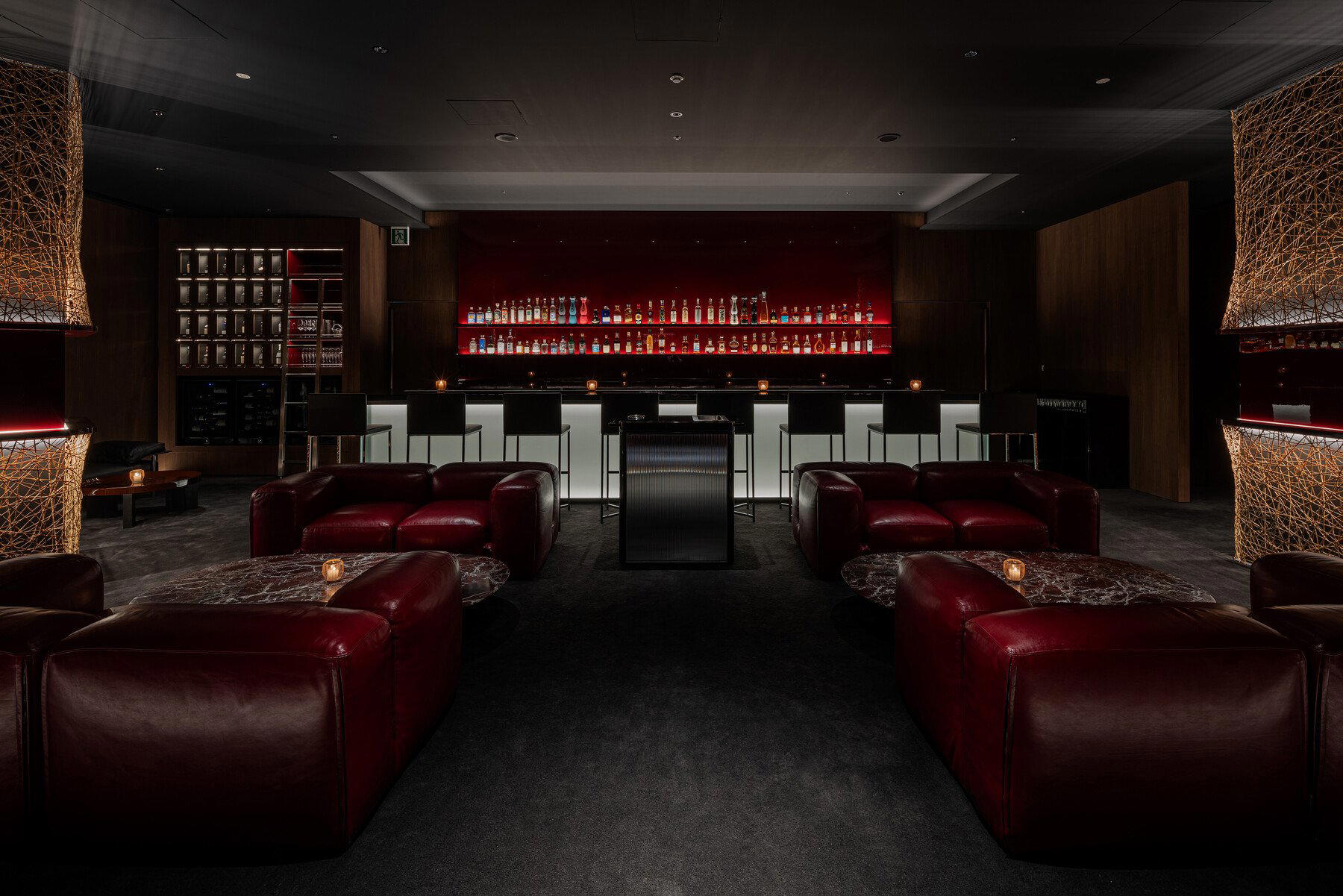



Hotels in Kobe
Browse all →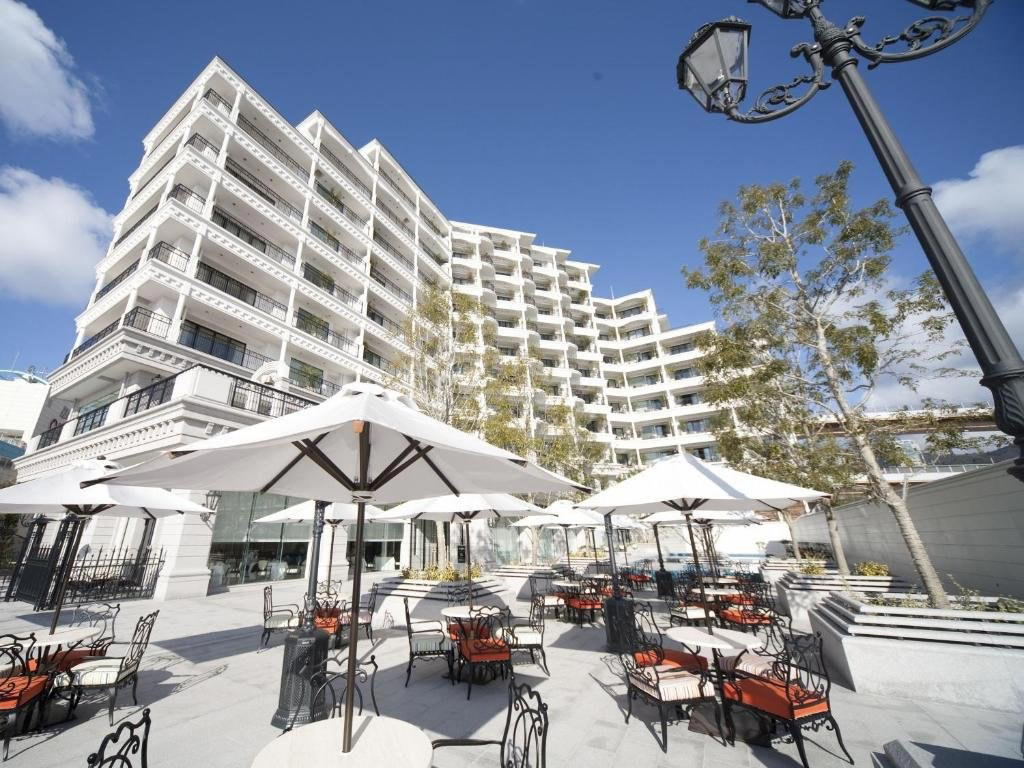


At a Glance
- Cozy
- Classic
- Intimate
- Date Night
- Casual Hangout
- Family
- Solo
- Group Dining
- Standalone
A small, stylish yet unpretentious yoshoku restaurant with a mature, relaxed atmosphere that feels cozy and somewhat nostalgic rather than flashy, making it comfortable for dates or quiet meals.