
Kobe’s Chinese dining scene is often read through two lenses: Chinatown’s high-turnover street food and polished hotel dining. Shinshin occupies a quieter middle lane near Kenchomae, with Chinese rice porridge, pork buns, fish-led cooking, sake and shochu, and repeated Tabelog Chinese WEST 100 selections placing it in a serious local conversation rather than a tourist shorthand.
Pearl is the En Primeur Club membership app — saves, bookings, and concierge access live there. Same editors, same standards.
- Address
- 4 Chome-13-14 Shimoyamatedori, Chuo Ward, Kobe, Hyogo 650-0011, Japan
- Phone
- +81 78-322-3339
- Website
- xingxing.jp
 Saves & bookings on Pearl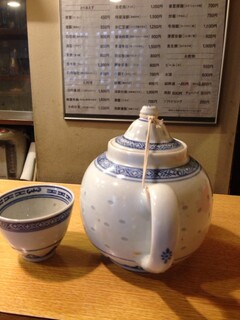
Shimoyamatedori does not announce itself with Nankinmachi’s neon volume. Around the prefectural-office side of central Kobe, the mood is lower-key: offices, residential blocks, small dining rooms, and addresses where a meal depends less on spectacle than on how the kitchen and floor keep pace with a compact room. That suits Kobe’s quieter Chinese tradition, a strand of city food culture running alongside beef counters, coffee salons, bakeries, and port-city cosmopolitanism without imitating them.
Chinese cooking in Kobe is not a novelty. The city’s foreign-settlement history and Nankinmachi’s visibility give it a civic foothold, but the more interesting meals are not always in the busiest tourist corridors. They often sit in neighborhood-scale rooms where regulars know the rhythm: rice porridge at lunch, pork buns as a familiar marker, fish and vegetable-led dishes that read differently from the richer banquet vocabulary many travelers associate with Chinese restaurants in Japan.
Kobe Chinese cooking, scaled to a small room rather than a banquet hall
Read Shinshin as part of Kobe’s non-flashy Chinese tier: modest in scale, recognized by Japanese diners, and disciplined enough to hold attention beyond convenience. Its categories are Chinese, Chinese rice porridge, and pork bun, setting it apart from the city’s beef-first shorthand. A Tabelog score of 3.67 and selection for Tabelog 100 - Chinese cuisine - WEST - 2026 give the room a concrete signal in a field where local repeat custom often matters more than international guidebook visibility.
That recognition matters because the Tabelog Chinese WEST list spans western Japan, not just Kobe. Shinshin appeared in the Chinese WEST 100 selections for 2021, 2023, 2024, and 2026, suggesting consistency rather than a single-year spike. In a city where visitors may default to steak, sushi, or harbor-view dining, this is another read of Kobe: Chinese food as everyday craft, not imported decoration.
The compact format shapes the experience. The room has 18 seats, split between counter seating and tables, changing the service equation. In larger Chinese dining rooms, momentum comes from banquet pacing and group ordering. Here, the kitchen must keep dishes moving without the insulation of scale, while front-of-house timing matters because a small room exposes every delay. The drink frame, sake and shochu rather than an encyclopedic wine program, keeps the meal grounded in Japan’s neighborhood dining habits.
Comparisons within Kobe clarify the lane. Yoshoku GURa sits in a lower-priced western-style comfort-food bracket, while yokoyama is far higher-tier. La Pierre Blanche Motomachi ten belongs to a casual sweets-and-café conversation. Shinshin’s dinner budget is JPY 4,000 to JPY 4,999, with lunch at JPY 1,000 to JPY 1,999, placing it in a useful middle: more intentional than a quick snack stop, less ceremonious than a special-occasion counter. For travelers mapping a broader Kobe itinerary, that tier can be more revealing than another trophy reservation.
Rice porridge, pork buns, fish, and the virtue of restraint
The menu categories point toward comfort, not laziness. Chinese rice porridge in Japan can be restorative, breakfast-adjacent, or a lighter counterpoint to richer shared dishes. Pork buns signal a different register, closer to Kobe’s casual Chinese vocabulary and to the city’s habit of making imported forms local over time. The fish emphasis adds another clue. Kobe sits between mountains and sea, and Chinese cooking here makes sense when it acknowledges that geography rather than pretending to be generic big-city banquet cuisine.
That is where team dynamic becomes more than a staff chart. A small Chinese restaurant built around rice porridge, buns, fish, sake, and shochu depends on coordination between kitchen judgment and floor reading. The appeal is not a chef biography or theatrical counter performance; it is the collective ability to make a concise format feel complete. Counter seats make that discipline visible, while tables keep the room accessible for families and friends rather than pushing it into rarefied tasting-menu territory.
Shinshin also complicates how many visitors rank Kobe meals. Beef specialists such as Aburi Niku Kobo Wakkoku Shinkobe ten and Aburi Niku Kobo Wakkoqu Kitano Sakamoto Ten answer the obvious Kobe question. Coffee rooms such as Akaneya Coffee Ten, neighborhood kitchens like Akari, and cross-cultural addresses such as Ali's Halal Kitchen show the city’s range. Chinese cooking belongs on that map, particularly when the room is small enough for craft to matter and established enough to have repeat recognition.
For wider planning, Our full Kobe restaurants guide gives the dining context, while Our full Kobe hotels guide, Our full Kobe bars guide, Our full Kobe wineries guide, and Our full Kobe experiences guide place the meal within the city rather than treating dinner as an isolated booking. Travelers building a Japan route can compare how regional comfort formats shift at -Grilled beef Sukiyaki- KAMAKURA TANUKIAN 鎌倉 たぬき庵 in Kamakura. 鮪と炭火焼き うお炭 秋葉原店 in Tokyo.cafe in Osaka.know in Kumamoto, (Shoku) Vietnam in Kawasaki, and [Curry Senmon Ten] Maruyama Kyoju. in Sapporo. Outside Japan, Jōdo Saké Bar in Los Angeles and Onigiri Time in Pasadena offer another lens on how Japanese drinking and casual-food formats translate abroad.
How to fit it into a Kobe day
The practical case is simple: this is a small, recognized Chinese room near Kenchomae and Motomachi, not a sprawling destination restaurant. Reservations are available, counter seating is part of the format, take-out is listed, and payment is cash-oriented, with credit cards, electronic money, and QR payments not accepted. The room is non-smoking, children are welcome, and parking is not provided, so treat it as a central Kobe meal folded into a day around Motomachi, the prefectural-office area, or a slower circuit away from harborfront crowds.
A Tight Comparison
Comparable venues by category and price.
| Venue | Cuisine | Price | Notes |
|---|---|---|---|
| ShinshinThis venue — the venue you are viewing | Not listed | $$ | Not listed |
| Yun Ki | Not listed | $$ | Chūō, Traditional Hong Kong-style dim sum & congee |
| Juntoku | Chūō, Traditional Cantonese restaurant | $$ | Not listed |
| Rakkanki | Chūō, Chinese Xiaolongbao | $$ | Not listed |
| Canton Ryori Chinese Shuka Toa rodo ten | Not listed | $$$ | Chūō, Traditional Cantonese (Kobe) |
| Tachinomi ZUTTO | Chūō, Japanese Tachinomi Izakaya | $$ | Not listed |
Recognition history
Dated appearances from independent guides and award organizations, with the underlying list record or original source where available.
Tabelog 100 #50 · No. 50
Tabelog · Tabelog 100 - Chinese cuisine - WEST - 2026
Continue exploring
More in Kobe
Restaurants in Kobe
Browse all →
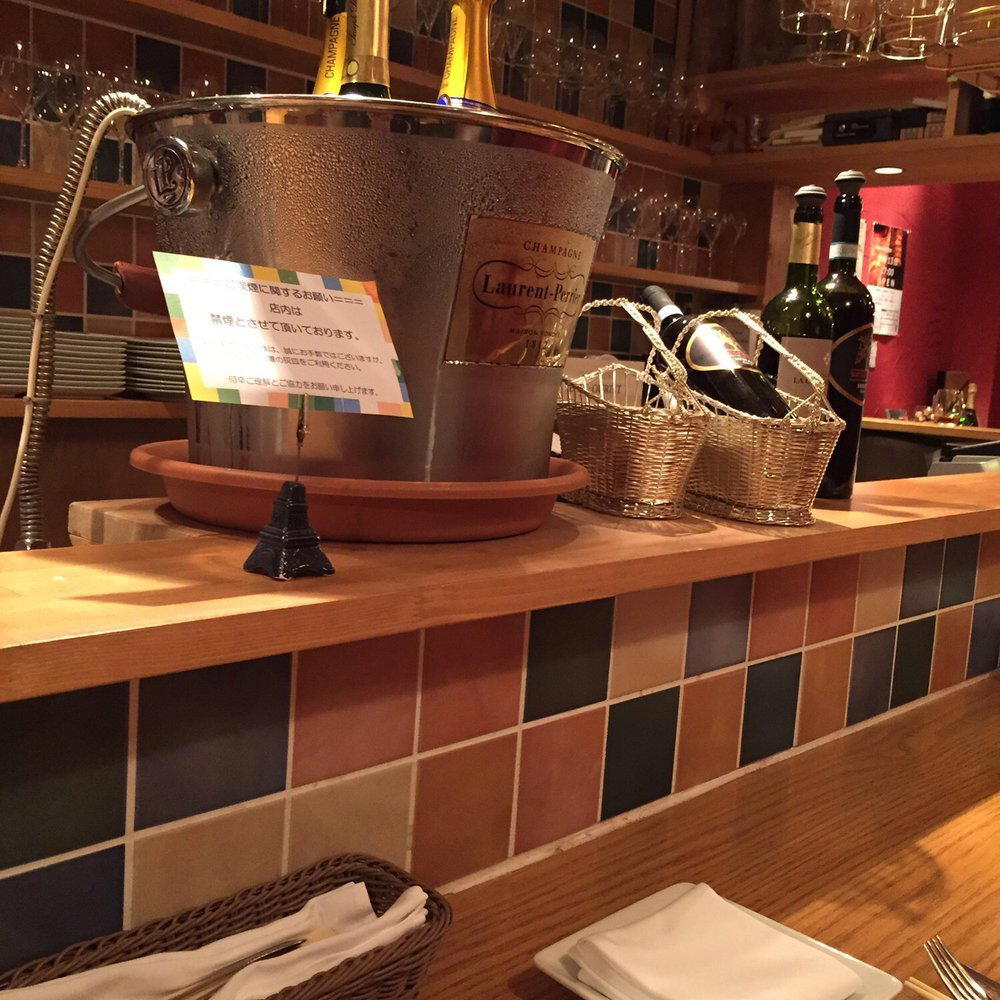
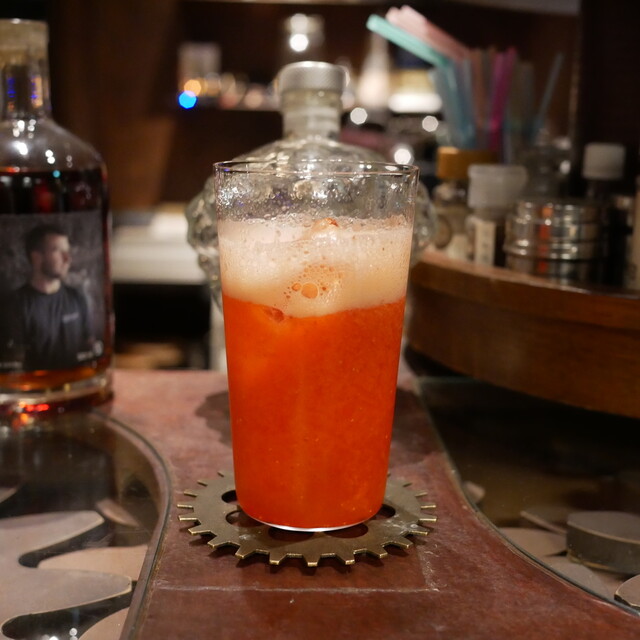
Bars in Kobe
Browse all →
Hotels in Kobe
Browse all →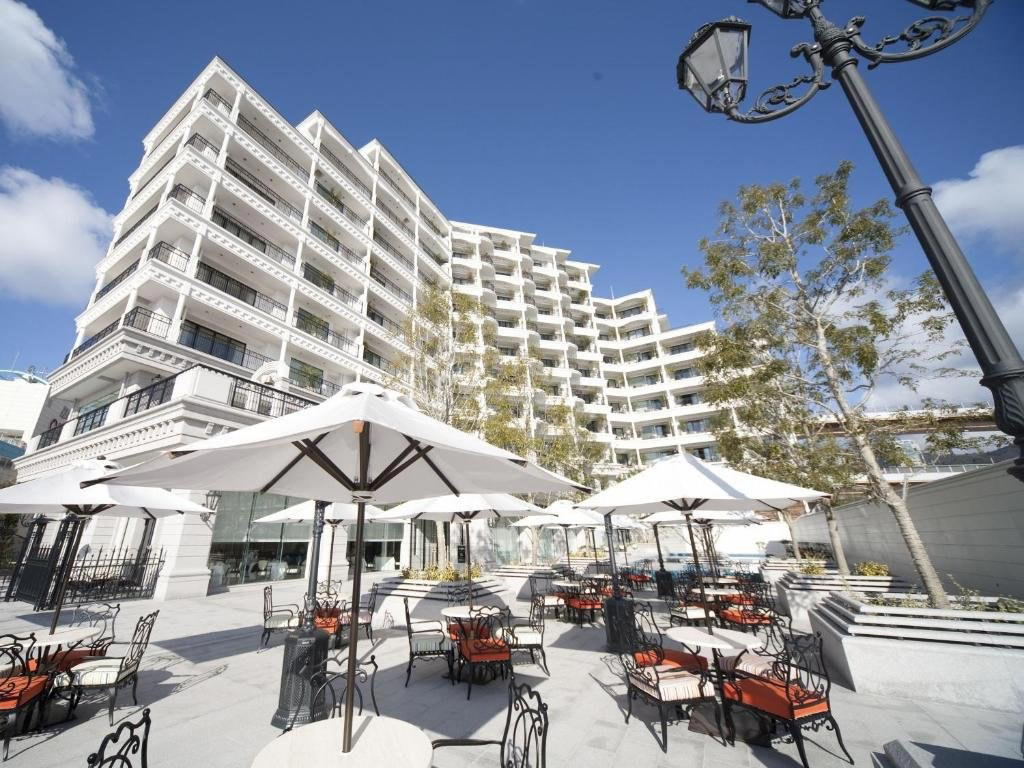


At a Glance
- Cozy
- Quiet
- Classic
- Intimate
- Family
- Solo
- Casual Hangout
- Group Dining
- Standalone
Current opening hours
- Monday
- 11:30 AM–2 PM, 5–9 PM
- Tuesday
- 11:30 AM–2 PM, 5–9 PM
- Wednesday
- 11:30 AM–2 PM, 5–9 PM
- Thursday
- 11:30 AM–2 PM, 5–9 PM
- Friday
- 11:30 AM–2 PM, 5–9 PM
- Saturday
- 11:30 AM–2 PM, 5–9 PM
- Sunday
- 11:30 AM–2 PM, 5–9 PM
Hours can change for holidays and private events. Last verified .
A small, non-smoking space centered on a counter with just a few seats, creating a quiet, relaxed atmosphere that feels like a neighborhood workshop more than a formal restaurant; lighting and decor are simple and classic, with a focus on the food and friendly, family-welcoming service.