
Grill Ippei Shinkaiti honten gives Kobe’s yoshoku tradition a grounded Shinkaichi address: Western-derived comfort cooking shaped by Japanese technique, modest pricing, and local repeat use rather than ceremony. Its Tabelog 100 Yoshoku WEST 2025 selection places it among the region’s notable yoshoku rooms, with omurice, croquette, and other洋食 staples anchoring the case.
Pearl is the En Primeur Club membership app — saves, bookings, and concierge access live there. Same editors, same standards.
- Address
- Japan, 〒652-0811 Hyogo, Kobe, Hyogo Ward, Shinkaichi, 2 Chome−5−5 リオ神戸 2F
- Phone
- +81 78-575-2073
- Website
- grill-ippei.co.jp
 Saves & bookings on Pearl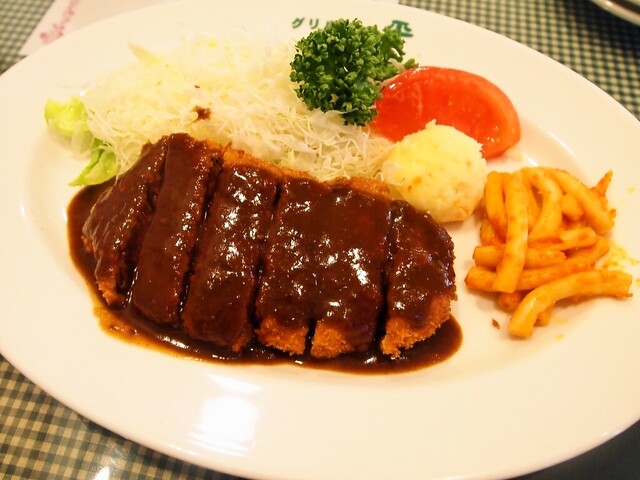
Shinkaichi is not postcard Kobe. The mood is lower-rise, lived-in, and practical, a district where restaurants are judged less by polish than by whether the plate justifies the return trip. That suits yoshoku, Japan’s long-running adaptation of Western cooking into something domestic: omelette rice, croquettes, cutlets, hamburger steaks, demi-glace, fried seafood, and spaghetti handled as local craft rather than European dining.
In Kobe, yoshoku carries extra weight because the city has spent more than a century absorbing foreign foodways through its port, settlement history, and appetite for Western-style dining. The leading rooms are not imitations of French or Italian restaurants. They are Japanese restaurants built from imported ideas, with sauces, frying oils, rice, eggs, and minced meat doing the cultural work. Grill Ippei Shinkaiti honten belongs in that lineage, and its Tabelog 100 Yoshoku WEST 2025 selection gives the address a useful external marker in a category that often lives on neighborhood loyalty rather than international awards language.
Yoshoku in Kobe is about sourcing, sauce, and repetition
The ingredient story is not the farm-name recital of contemporary tasting-menu dining. Yoshoku depends on prosaic, revealing choices: egg quality for omurice, minced-meat handling, the sweetness and depth of demi-glace, croquette texture, frying medium, and protecting seafood from heaviness. Those decisions separate serious counters and dining rooms from nostalgic cooking coasting on memory.
The publicly listed categories, Yoshoku, Omurice, and Croquette, point to that grammar. Omurice is often misunderstood by travelers as novelty, but in a serious yoshoku room it tests timing: rice, egg, and sauce must arrive as one argument, not three components. Croquette is just as unforgiving. The shell needs structure, the interior softness, and the oil no dull aftertaste. Recognition in a regional Tabelog 100 list signals not luxury but consistency across familiar dishes.
That matters in Kobe because the city already claims beef dining, coffee culture, Chinatown grazing, and port-city Western influence. Travelers who only chase steak miss the ordinary, durable food culture underneath. For beef-focused itineraries, nearby Kobe coverage can include Aburi Niku Kobo Wakkoku Shinkobe ten and Aburi Niku Kobo Wakkoqu Kitano Sakamoto Ten, but yoshoku explains a different Kobe: less ceremonial, more everyday, and often more revealing of how the city eats between splurge meals.
A modest-price room with regional recognition
The competitive set is tightly priced. Yoshokuya Yuuki, Fumi, Fuji, Place de Pasto, and Yoshoku no Fuji all sit in the same broad JPY 1,000 to JPY 1,999 bracket, keeping the category democratic even as recognition accumulates. That price band changes the standard: not whether the room performs luxury, but whether familiar food is executed carefully enough to justify crossing town instead of settling for the nearest lunch set.
Grill Ippei Shinkaiti honten answers through format as much as menu. The room has 33 seats, including counter seating and tables, a scale for quick meals, family use, and repeat neighborhood traffic rather than destination-only pacing. Take-out is available, drinks include sake, shochu, and wine, and the setting is non-smoking. None makes it a formal occasion; it places the restaurant inside Japan’s stronger everyday dining tradition, where operational clarity and tight cooking can matter more than grand service architecture.
Accessibility is part of the editorial picture, not a footnote. Elevator access and barrier-free interior space make the room easier to use than many older second-floor restaurants in dense Japanese neighborhoods. Children are welcome, strollers are welcome, and child chairs are listed, reinforcing its role as a local yoshoku room rather than a hushed specialist counter. That is a different kind of Kobe value: a recognized kitchen still usable for ordinary meals.
For a broader city map, the contrast helps. Akaneya Coffee Ten speaks to Kobe’s kissaten and coffee rhythm, Akari and Ali's Halal Kitchen show different casual registers, and the wider edit sits in our full Kobe restaurants guide. For planning beyond meals, EP Club also separates the city through Kobe hotels, Kobe bars, Kobe wineries, and Kobe experiences, keeping yoshoku in proportion rather than treating it as a lone attraction.
How to read the room, and when it makes sense
This address works when a Kobe itinerary needs a grounded meal between heavier commitments. It is not for a chef-driven narrative, rare counter choreography, or a wine-led evening. Read it as Kansai yoshoku: affordable, compact, recognized, and built around dishes whose success depends on repetition. The Tabelog 100 Yoshoku WEST 2025 listing matters because it identifies regional strength inside a genre rarely translated well for visitors.
There is also a sourcing lesson in the absence of luxury signaling. Yoshoku’s credibility often comes through ordinary inputs treated with discipline. Eggs, rice, ground meat, potatoes, frying fat, and sauce bases do not announce themselves with provenance cards, but they expose careless kitchens quickly. In a city where premium beef can dominate the dining conversation, that quieter ingredient logic gives Grill Ippei Shinkaiti honten its relevance.
Travelers comparing Japan’s casual dining forms can place it alongside other category-specific rooms across the country and abroad: -Grilled beef Sukiyaki- KAMAKURA TANUKIAN 鎌倉 たぬき庵 in Kamakura. 鮪と炭火焼き うお炭 秋葉原店 in Tokyo.cafe in Osaka.know in Kumamoto, (Shoku) Vietnam in Kawasaki, and [Curry Senmon Ten] Maruyama Kyoju. in Sapporo. Outside Japan, Jōdo Saké Bar in Los Angeles and Onigiri Time in Pasadena show how Japanese formats travel, but Kobe yoshoku is better understood at the source, where the measure is not novelty but repeatable comfort with technical control.
At-a-Glance Comparison
Nearby venues at a similar price tier for orientation.
| Venue | Cuisine | Price | Notes |
|---|---|---|---|
| Grill Ippei Shinkaiti hontenThis venue — the venue you are viewing | Yoshoku (Japanese-Style Western Cuisine) | $$ | Not listed |
| Yakiniku Possam Chip | Kobe beef & offal yakiniku with Korean-style cold noodles | $$ | Hyōgo |
| Tachinomi ZUTTO | Japanese Tachinomi Izakaya | $$ | Chūō |
| Yakiniku Horumon Bar Bovin | Yakiniku & Horumon Bar | $$ | Chūō |
| Okada Shokuhin Kabushiki Gaisha | Japanese BBQ / Yakiniku | $$ | Chūō |
| Kitanosaka Kobayashi | Traditional Soba (Buckwheat Noodles) | $$ | Chūō |
Recognition history
Dated appearances from independent guides and award organizations, with the underlying list record or original source where available.
Tabelog 100 #27 · No. 27
Tabelog · Tabelog 100 - Yoshoku - WEST - 2025
Continue exploring
More in Kobe


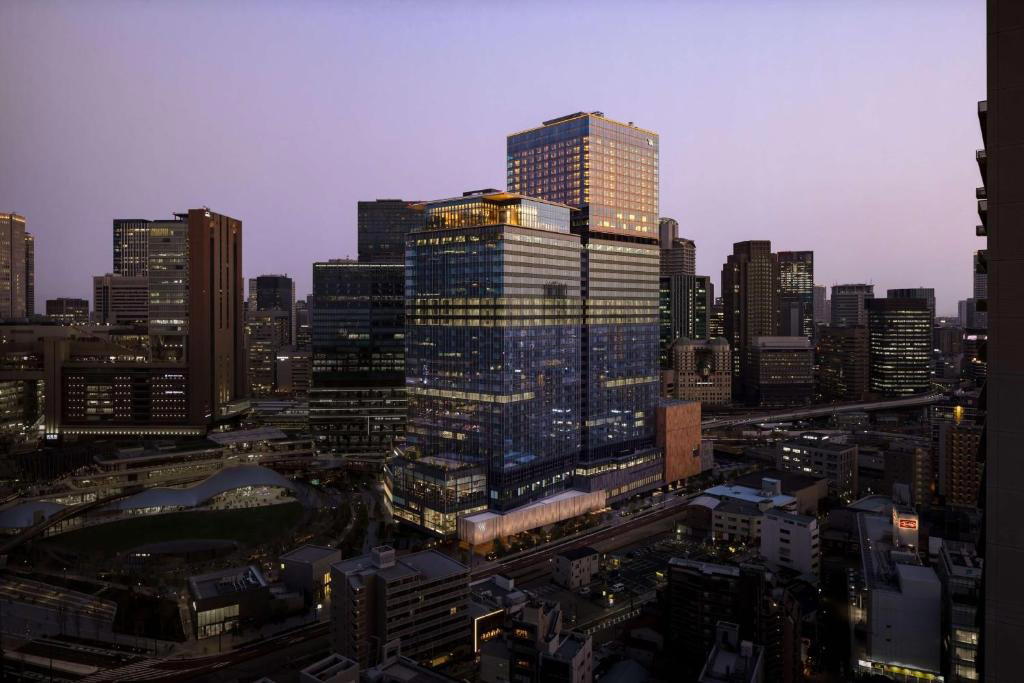
Bars in Kobe
Browse all →



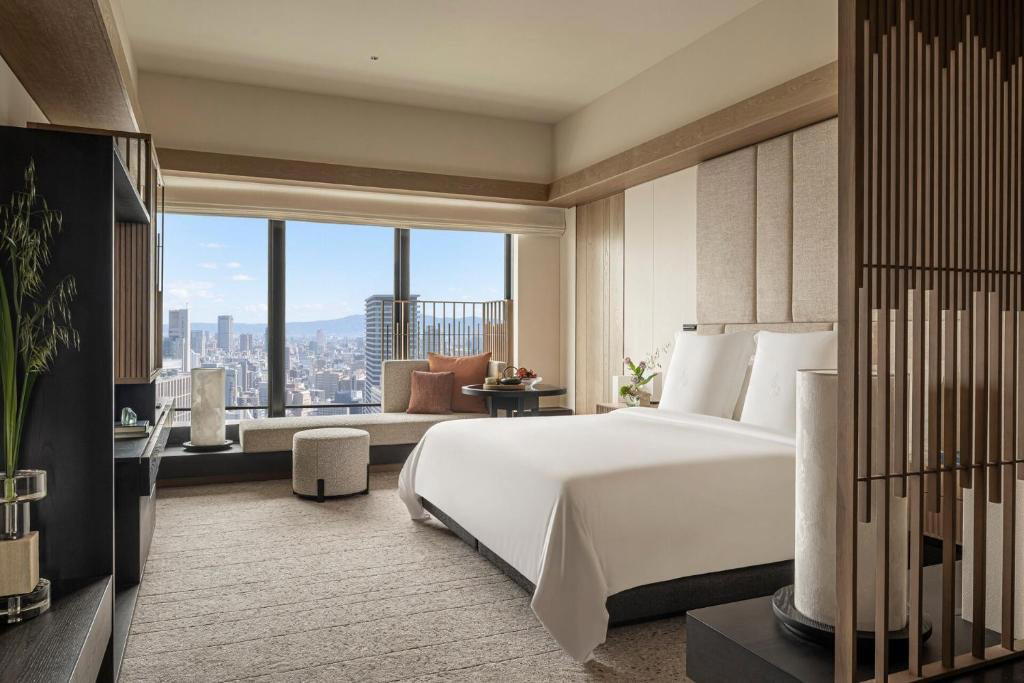
Hotels in Kobe
Browse all →

Wineries in Kobe
Browse all →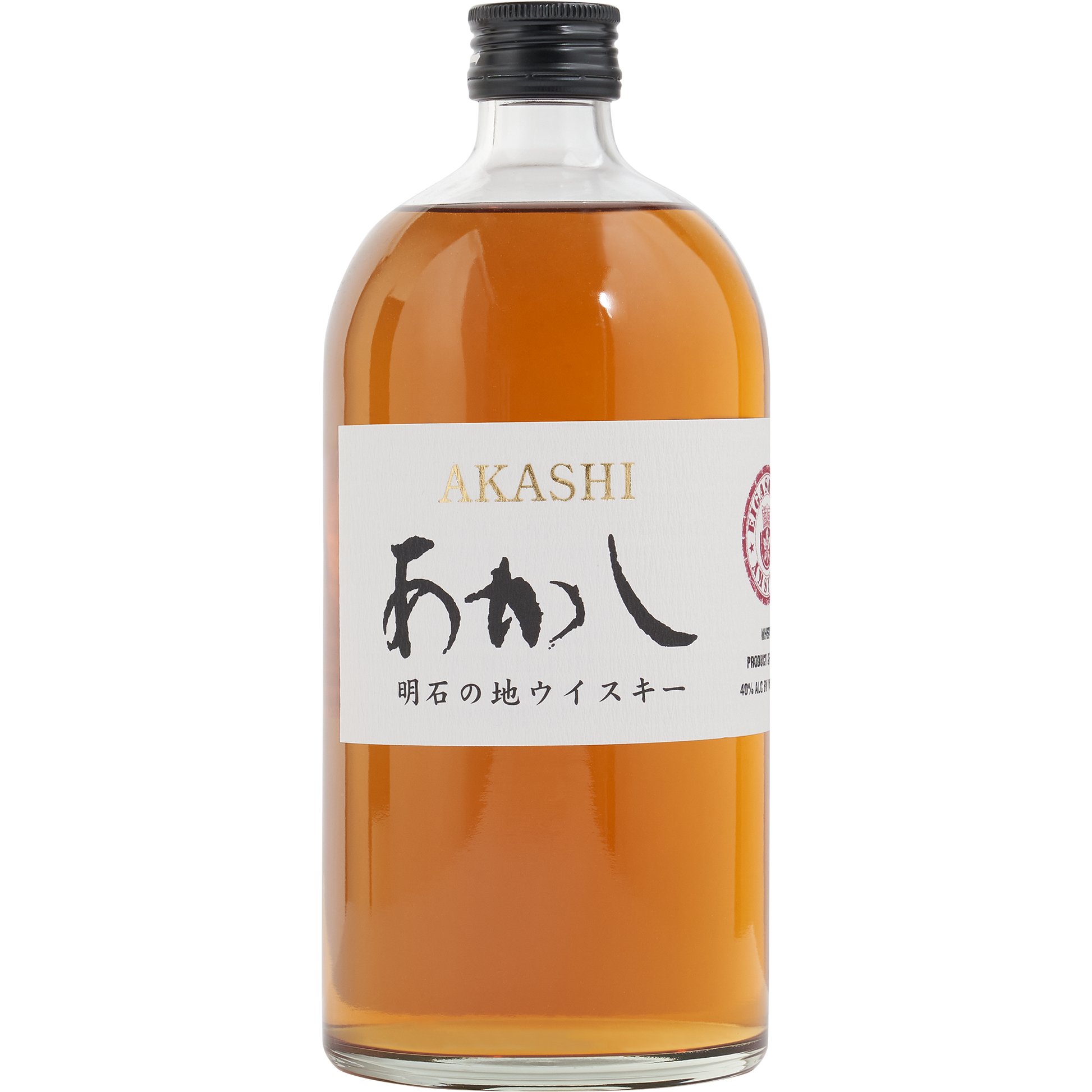
At a Glance
- Classic
- Cozy
- Well Known
- Family
- Casual Hangout
- Group Dining
- Historic Building
- Standalone
Current opening hours
- Monday
- 11 AM–2:30 PM, 5–7:30 PM
- Tuesday
- 11 AM–2:30 PM, 5–7:30 PM
- Wednesday
- Closed
- Thursday
- Closed
- Friday
- 11 AM–2:30 PM, 5–7:30 PM
- Saturday
- 11 AM–2:30 PM, 5–7:30 PM
- Sunday
- 11 AM–2:30 PM, 5–7:30 PM
Hours can change for holidays and private events. Last verified .
A long-established, classic Japanese-Western restaurant with a traditional, comforting atmosphere centered on heritage and craftsmanship.