On Elgin Street in Central, Leaf Dessert occupies a stretch of SoHo that has become one of Hong Kong's most concentrated corridors for dessert-focused dining. The address places it within walking distance of some of the city's most decorated dinner tables, making it a natural stop before or after a longer evening out. For visitors tracing Hong Kong's dessert culture, this is a practical and well-positioned entry point.
Pearl is the En Primeur Club membership app — saves, bookings, and concierge access live there. Same editors, same standards.
- Address
- 2 Elgin St, Central, Hong Kong
- Phone
- +852 9149 9870
- Directions
- Get directions
 Saves & bookings on Pearl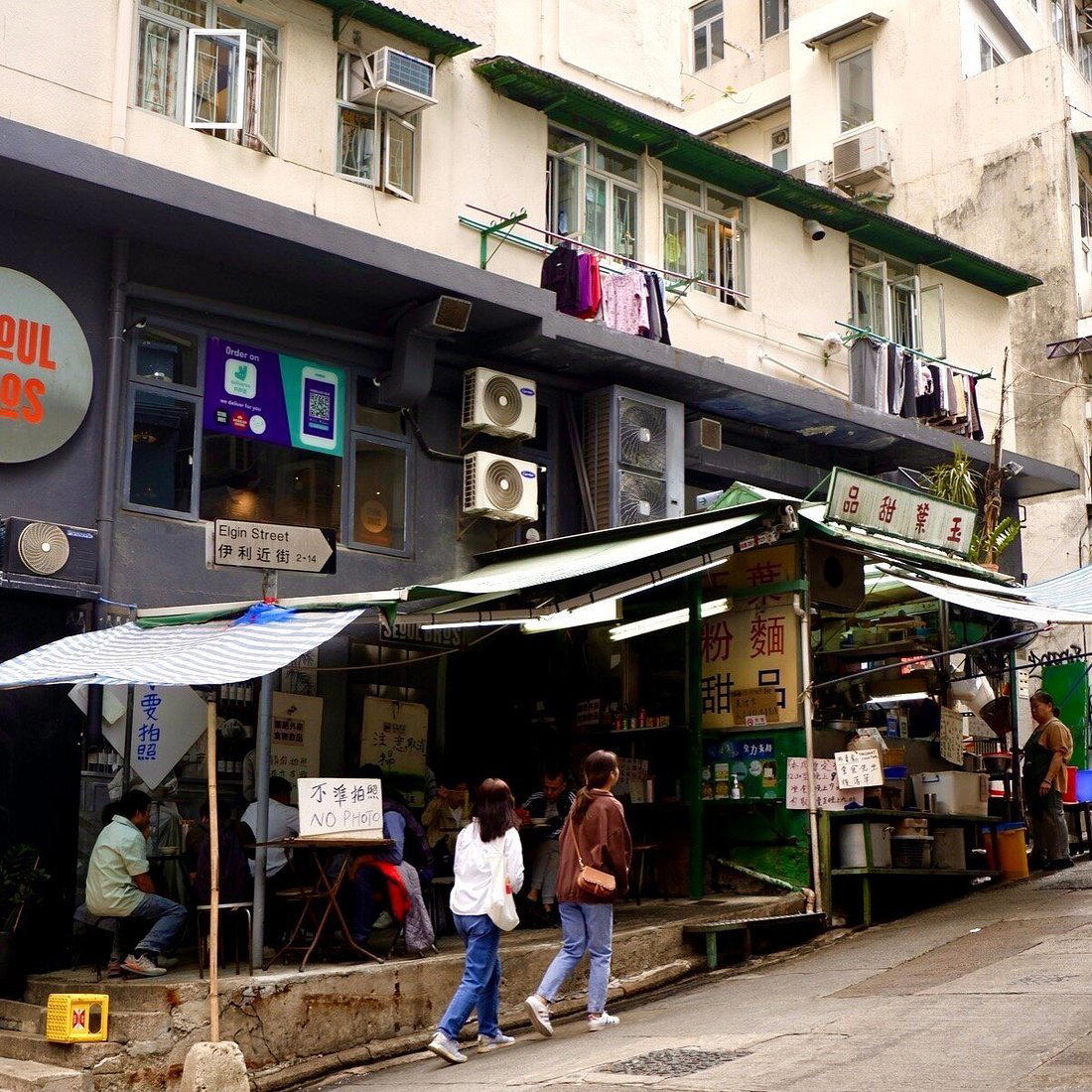
SoHo's Dessert Tier: Where Elgin Street Fits In
Central's SoHo district has developed one of Hong Kong's most layered dining corridors over the past two decades. Elgin Street, which climbs from the Mid-Levels Escalator toward Hollywood Road, concentrates an unusual range of dining formats within a few hundred metres: tasting menu restaurants, neighbourhood wine bars, and smaller specialty operators that occupy the spaces between. Leaf Dessert, at number 2 Elgin Street, sits at the lower end of that climb. In a city where dessert culture has real depth, from traditional tong sui houses in older residential neighbourhoods to the newer wave of Japanese-influenced kakigori and mochi specialists, a dedicated dessert address in Central occupies a specific and commercially sensible niche.
The Sourcing Logic Behind Hong Kong Dessert Culture
Understanding where Hong Kong's dessert ingredients come from matters more than it might in other cities. The territory's own agricultural output is minimal, which means the quality of any dessert operation is almost entirely a function of sourcing decisions made upstream. The leading operators in this category distinguish themselves not through local farming, as a Californian restaurant might, but through selection rigour: which farms in mainland China supply the fresh douhua and red bean, which Japanese distributors handle the matcha and azuki, which local suppliers move the freshest mango from the Philippines or Thailand. Hong Kong has historically been a trading port, and its food culture still reflects that: the leading ingredients arrive from across the region, and the operator's skill lies in knowing which sources to trust across seasonal cycles.
This sourcing logic shapes the character of Central's dessert tier. Addresses that survive in a high-rent district like SoHo do so by maintaining consistent ingredient quality that justifies repeat visits from a local clientele that eats out frequently and has a long comparative memory. The tourist trade alone does not sustain a dessert address on Elgin Street. Regulars do, and regulars notice when a mango pudding is made from fruit that has sat too long, or when the grass jelly has lost its faint bitterness to over-sweetening.
How This Address Sits Within Central's Broader Dining Circuit
The density of serious restaurants in Central means that dessert-focused venues on Elgin Street are often visited as satellites to longer meals elsewhere in the neighbourhood. Within a short walk, diners finishing at Amber or Caprice in the Upper House or Four Seasons respectively, or stepping out of the more intimate rooms at Ta Vie, will find that SoHo's smaller operators pick up the post-dinner circuit naturally. The Le Salon de Thé de Joël Robuchon Hong Kong at ifc mall represents the formal patisserie end of this spectrum, while addresses like Leaf Dessert occupy a more casual, walk-in register. Neither format is inherently superior; they serve different moments in an evening and different visitor types. For AMMO regulars or those finishing dinner in the Central and Western district, a dessert stop on Elgin Street is a logical continuation rather than a detour.
Hong Kong's dessert culture extends well beyond this neighbourhood, of course. Across the city, from Yau Tsim Mong to Tsuen Wan and out to the Islands, local dessert traditions run deep and vary by district. The Central SoHo version is a higher-rent, more internationally inflected expression of that same culture, calibrated for a clientele that also eats at 8½ Otto e Mezzo Bombana and Forum. That doesn't make it more authentic than a tong sui shop in Tuen Mun or a soybean specialist in Wong Tai Sin, but it does make it more legible to visitors arriving without deep neighbourhood knowledge.
Seasonal Timing and When to Visit
Hong Kong's dessert calendar has clear seasonal pressure points. Summer, roughly May through September, is when mango-forward menus peak: the combination of humidity, heat, and abundant supply from Southeast Asian harvests makes fresh mango preparations the dominant draw at dessert addresses across the city. Visitors arriving in this window will find one fully expressed version of fruit-driven dessert menus. Winter brings a shift toward warmer, denser preparations: sesame, peanut, and red bean dishes that are better suited to the cooler months, even in a city where winter temperatures rarely require a heavy coat. Spring, when lychee and strawberry supplies improve, occupies a transitional register. For anyone planning around ingredient quality rather than calendar convenience, summer and early autumn represent the period when Hong Kong's dessert culture is most visibly at its seasonal height.
The Elgin Street location is accessible year-round via the Mid-Levels Escalator system, which runs uphill from Central MTR from mid-morning and makes the SoHo stretch walkable without the climb that would otherwise deter visitors in summer heat. Internationally, the discipline of sourcing-led dessert menus has parallels at restaurants like Le Bernardin in New York and Lazy Bear in San Francisco, where ingredient provenance shapes the editorial identity of the menu even in non-dessert contexts.
Planning Your Visit
Leaf Dessert's address at 2 Elgin Street places it at the junction of Elgin and Shelley Street, directly accessible from the Mid-Levels Escalator at the Staunton Street exit. The venue sits in a part of SoHo where walk-in dining is standard practice for casual dessert addresses. Price range is modest, in line with the venue's value-focused profile.
City Peers
Comparable venues nearby, for context on price, style, and recognition.
| Venue | Cuisine | Price | Notes |
|---|---|---|---|
| Leaf DessertThis venue — the venue you are viewing | Traditional Chinese Desserts & Noodles | $ | Not listed |
| Lin Heung Tea House | Traditional Cantonese Dim Sum | $ | Central |
| Tsui Wah Restaurant (翠華餐廳) | Hong Kong Cha Chaan Teng | $ | Central |
| Lan Fong Yuen (蘭芳園) | Hong Kong Cha Chaan Teng | $ | Central |
| Superior Steamed Rice Roll Pro Shop (第一腸粉專賣店) | Hong Kong Steamed Rice Rolls | $ | Yau Tsim Mong North |
| Tak Yu Restaurant (德如茶餐廳) | Hong Kong Cha Chaan Teng | $ | Wan Chai |
Continue exploring
More in Hong Kong
Restaurants in Hong Kong
Browse all →
Bars in Hong Kong
Browse all →

At a Glance
- Rustic
- Cozy
- Casual Hangout
- Standalone
- Street Scene
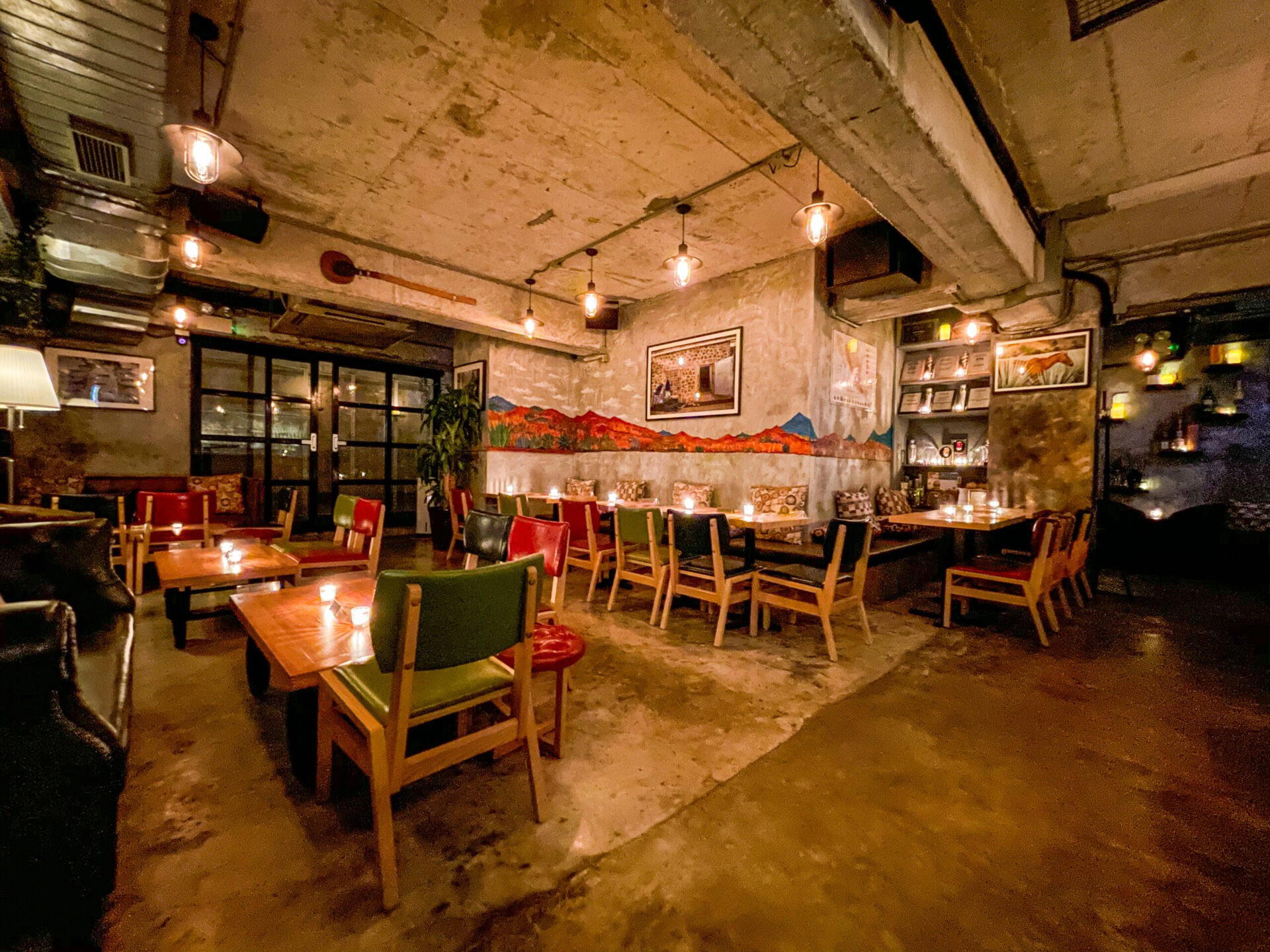
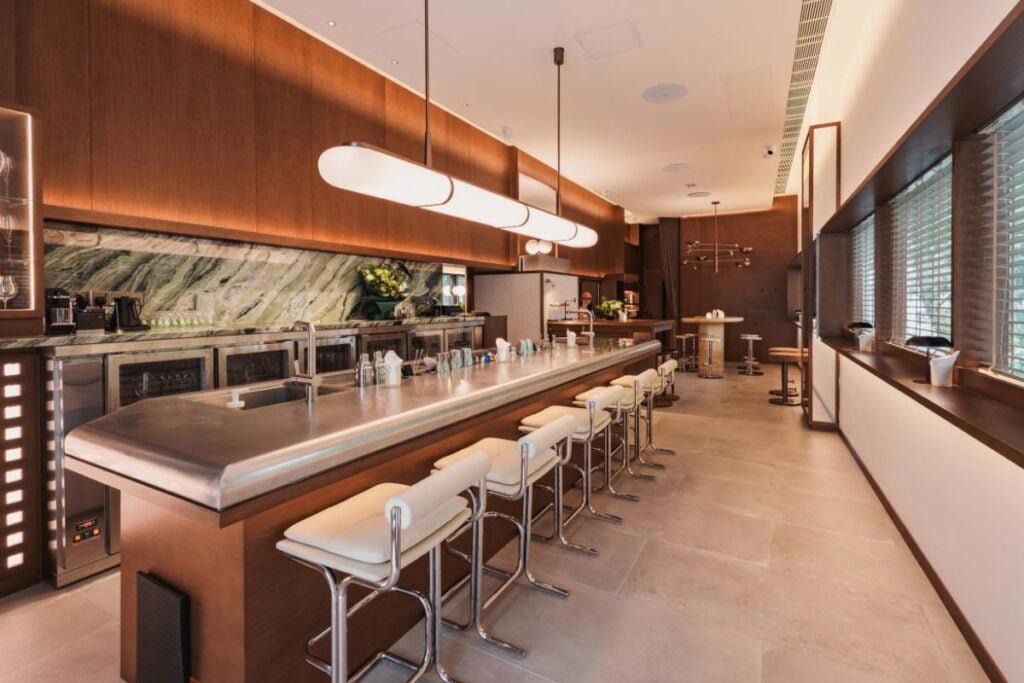
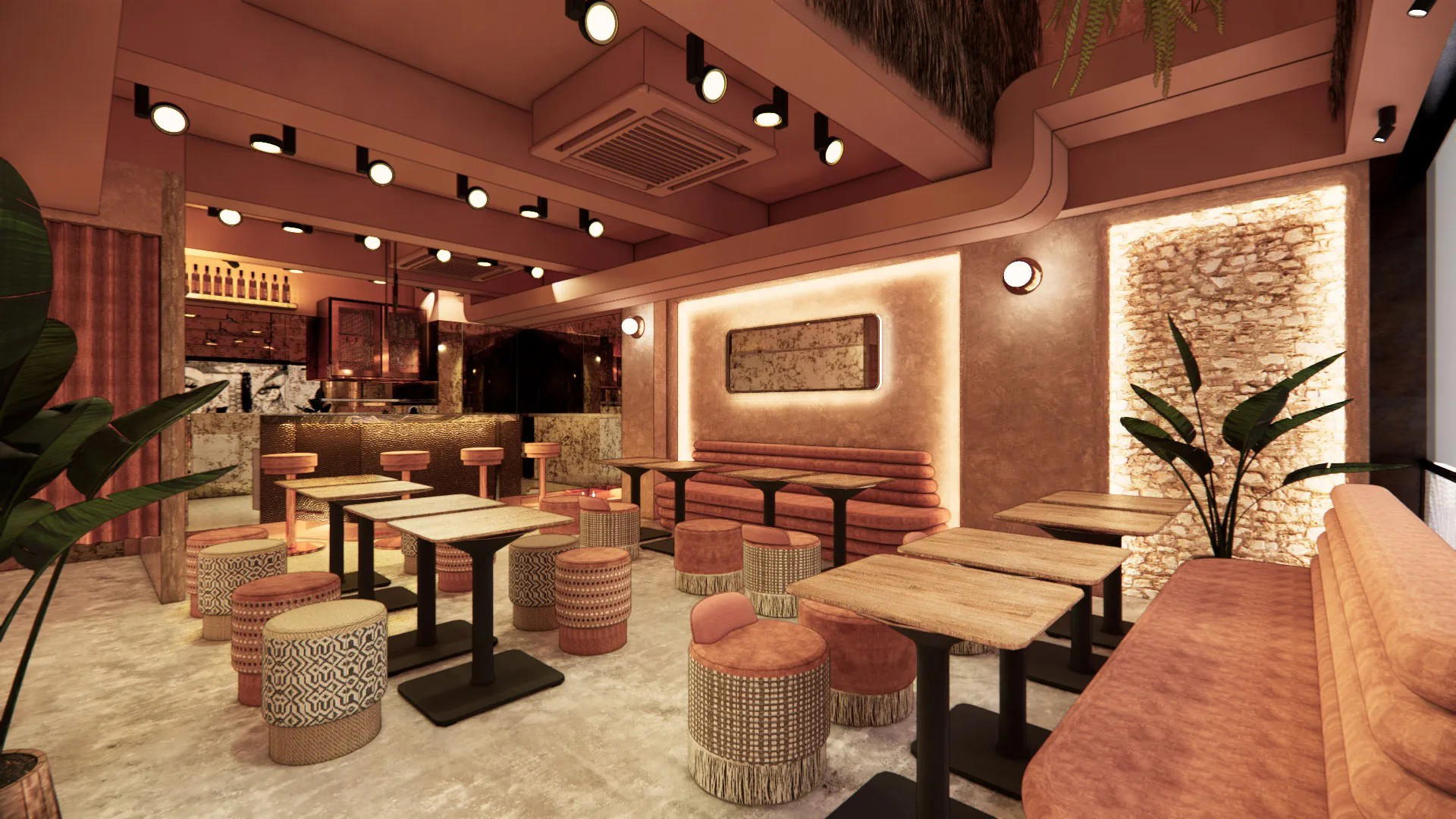
Casual open-air street stall with plastic seating on uneven pavement, basic metal structure, and fast-paced no-frills atmosphere.