
1 Michelin Star
Our verdict
A Michelin-starred counter restaurant on the ninth floor of a Ginza building, Makiyaki Ginza Onodera brings wood-fire cooking to the heart of Tokyo's most concentrated fine-dining district. Fish, vegetables, and meat are cooked over an open hearth, placing the restaurant in a small category of French addresses in Japan that treat live-fire technique as the organizing principle of the menu rather than an accent.

Pearl is the En Primeur Club membership app, where members save venues, book tables and use the concierge.
The menu
What to order
- Firewood-grilled Wagyu beef
- Basque-style cheesecake
Wood Fire and French Discipline in Tokyo's Most Competitive Dining District
Ginza has operated as Tokyo's proving ground for imported fine-dining traditions since at least the postwar period, when European-trained Japanese chefs began returning home and opening rooms that could hold their own against Paris. The district now carries more Michelin stars per square kilometre than almost any comparable address in the world, and within that density a clear hierarchy has formed. Counter restaurants with a defined technical identity, not simply omakase sushi but French and creative formats built around a single animating principle, sit in a category that rewards specificity. Makiyaki Ginza Onodera, which holds a Michelin one-star rating as of the 2024 guide, belongs to that category. Its organising principle is the hearth.
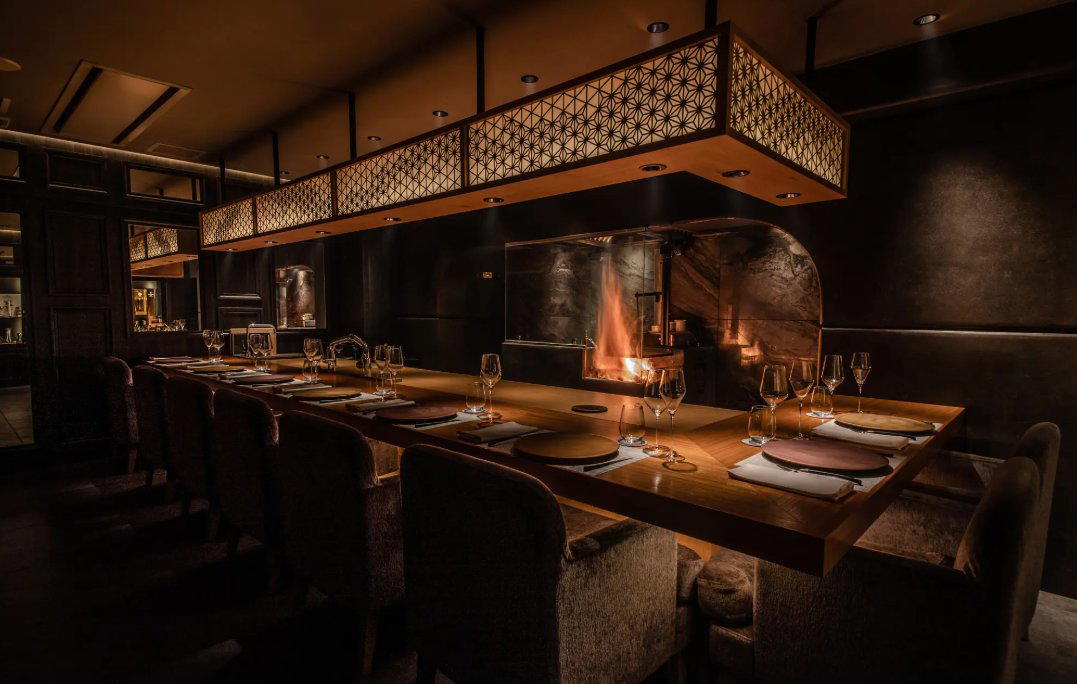
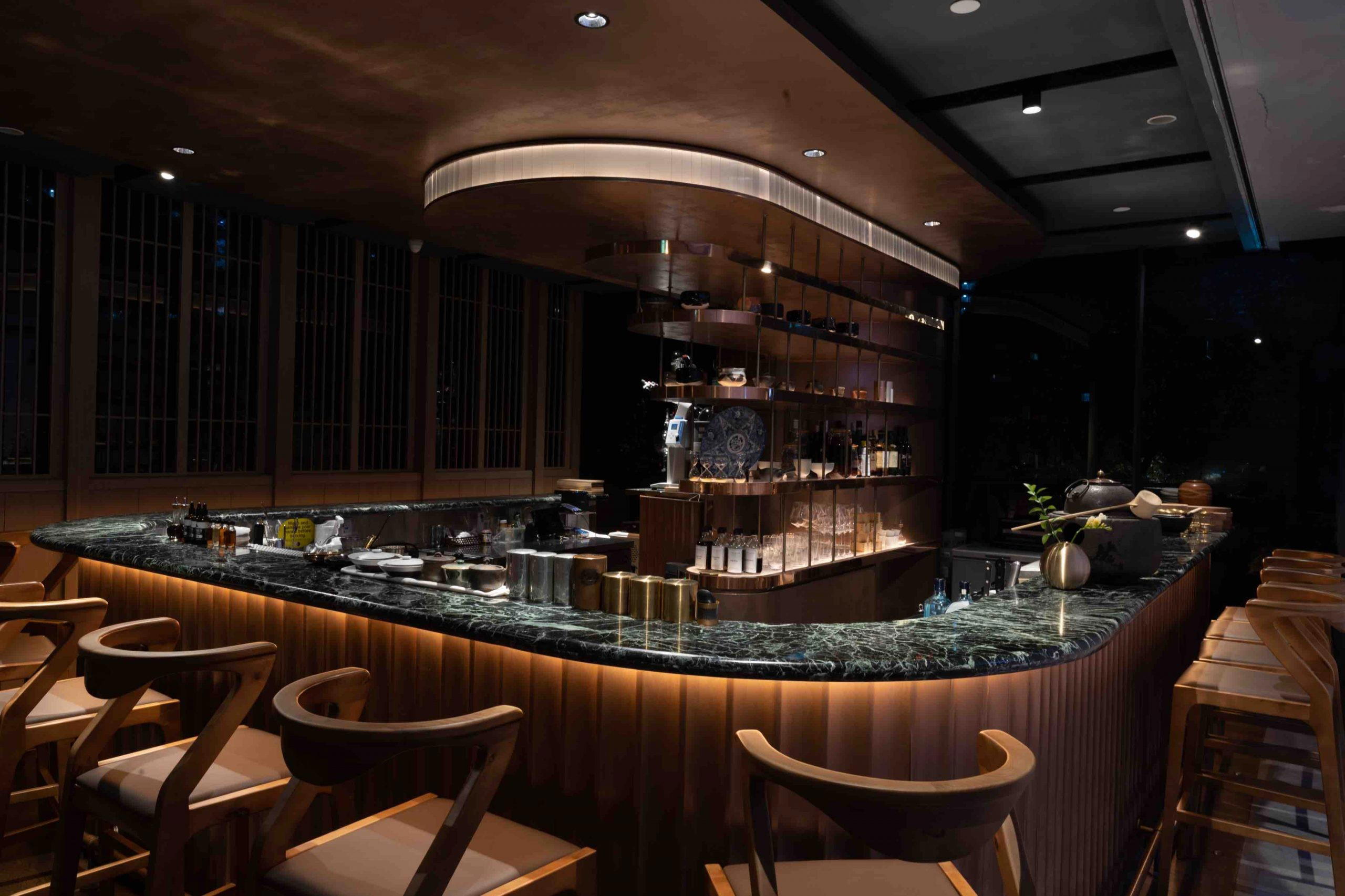
The restaurant occupies the ninth floor of Sunlit Ginza Building III on Chome 5-14-14, which places it above the street-level retail traffic that defines lower Ginza and in the quieter, purpose-driven tier where serious dinner reservations tend to live. The format is counter seating, meaning guests eat facing the kitchen and the wood fire directly. In Tokyo's French scene, this arrangement carries specific implications: it signals a preference for dialogue between kitchen and table over the formality of a closed brigade, and it removes the distance that separates a Michelin-starred room from the cooking itself.
The Hearth as Method, Not Decoration
Live-fire cooking in a French context occupies a more complicated position in Tokyo than it might in, say, the Basque Country or rural France. The city's premium French addresses, L'Effervescence, Sézanne, ESqUISSE, Florilège, are largely defined by precision, technique, and a particular kind of restraint. The hearth at Makiyaki Ginza Onodera introduces a different variable: unpredictability managed through experience rather than eliminated through equipment. Fish and vegetables are roasted simply and directly over the flame, with the structural decision to keep preparation minimal so that the fire itself becomes legible in the final dish. Meat is handled differently, cooked slowly to allow the heat to penetrate without char overwhelming the result.
The word makiyaki in the restaurant's name signals this commitment plainly. It refers to the rolling, rotating style of fire cooking, and its presence in the name rather than a subtitle or marketing description indicates that the technique is the identity, not an embellishment. This positions Makiyaki Ginza Onodera differently from French restaurants in Tokyo that incorporate Japanese technique or ingredient philosophy as a bridge between traditions. Here, the bridge runs in the opposite direction: a French menu structure delivered through a method that has deep roots in Japanese grilling culture.
The progression of the meal moves from hearth-cooked fish and vegetables through a slow-cooked meat course, then into noodle or rice dishes as a concluding savoury element, a format that borrows from kaiseki pacing more than from classical French sequencing. Desserts are finished over the wood flame, which closes the meal with the same aromatic register it opened with. The smoky undertone that runs through the evening is not incidental; it is the connective tissue of the experience.
Ginza's French Tier: Where Makiyaki Onodera Fits
French restaurant category in Tokyo's ¥¥¥¥ price tier is internally stratified in ways that are not always visible from outside. At the upper end sit multi-star rooms with international name recognition, where menus price against the global luxury market. Château Restaurant Joël Robuchon represents that bracket. One-star counter restaurants with a defined format and loyal following occupy a different position: accessible relative to two- and three-star peers, but still operating in a price range that signals genuine commitment from the guest.
Onodera Group, which operates the restaurant, has built a portfolio of Japanese-influenced French and Japanese dining concepts across Tokyo and internationally. That institutional backing matters in Ginza, where fit-out costs, prime-floor real estate, and the credibility signals required to attract a Michelin assessment are all substantial. The group's track record provides the infrastructure; the hearth format provides the differentiation.
Planning a Visit: Practical Considerations
Makiyaki Ginza Onodera sits in Ginza's 5-chome block, within walking distance of Ginza Station on the Tokyo Metro Ginza, Marunouchi, and Hibiya lines, a direct approach for guests arriving from the broader Tokyo network. The ninth-floor location means the entrance is not street-visible, so first-time visitors should confirm the building address before arriving. At the ¥¥¥¥ price tier and with a Michelin star, advance reservations are the expected route in; walk-in availability at this level in Ginza is not something to rely on. Booking through the Onodera Group's reservation infrastructure or a concierge with established Tokyo relationships is the practical approach. For guests building a broader Tokyo itinerary around serious dining, the EP Club Tokyo restaurants guide provides context across the full range of price tiers and formats, and the Tokyo hotels guide covers accommodation options positioned for Ginza and central Tokyo access. The Tokyo bars guide, wineries guide, and experiences guide round out the broader picture.
French Fine Dining Beyond Tokyo
For travellers extending their Japan itinerary, the French influence on Japanese fine dining is not confined to Tokyo. HAJIME in Osaka operates in a different register entirely, with a three-star rating and a philosophy rooted in ecosystem thinking. Gion Sasaki in Kyoto approaches kaiseki with French-influenced precision. akordu in Nara brings a Spanish-French hybrid to a city better known for temples than tasting menus. Further afield, Goh in Fukuoka and 6 in Okinawa represent the spread of serious European-influenced cooking across the archipelago, while 1000 in Yokohama is worth the short journey from central Tokyo for those building a multi-day programme. For international comparison, Hotel de Ville Crissier in Crissier and Les Amis in Singapore illustrate how French fine dining translates into very different local contexts, useful reference points for understanding what makes the Tokyo version of the form distinct.
Frequently asked questions
What should I eat at Makiyaki Ginza Onodera?
Can I walk in to Makiyaki Ginza Onodera?
What's the signature at Makiyaki Ginza Onodera?
Peers You’d Cross-Shop
Comparable options at a glance, pulled from our tracked venues.
| Venue | Cuisine | Price | Awards | Notes |
|---|---|---|---|---|
| MAKIYAKI GINZA ONODERAThis venue (the venue you are viewing) | Wood-Fired French | $200–300 | 1 Michelin Star | Not listed |
| Harutaka | Edo-Style Omakase Sushi | $200–300 | 3 Michelin Stars · World's 50 Best #76 | Sushi |
| RyuGin | Modern Kaiseki | $500+ | 3 Michelin Stars · World's 50 Best #41 | Kaiseki, Japanese |
| L'Effervescence | Modern French with Japanese Influences | $200–300 | 3 Michelin Stars · World's 50 Best #69 | French |
| HOMMAGE | Modern French with Japanese Influences | $150–200 | 2 Michelin Stars · World's 50 Best #78 | Innovtive French, French |
| MAZ | Innovative Peruvian-Japanese Fusion | $150–200 | 2 Michelin Stars · World's 50 Best #28 | Innovative |
Recognition history
Dated appearances from independent guides and award organizations, with the underlying list record or original source where available.
Michelin 1 Star
Michelin
Full recognition history (2 entries)
Michelin 1 Star
Michelin
Continue exploring
More in Tokyo
Restaurants in Tokyo
All restaurants in Tokyo →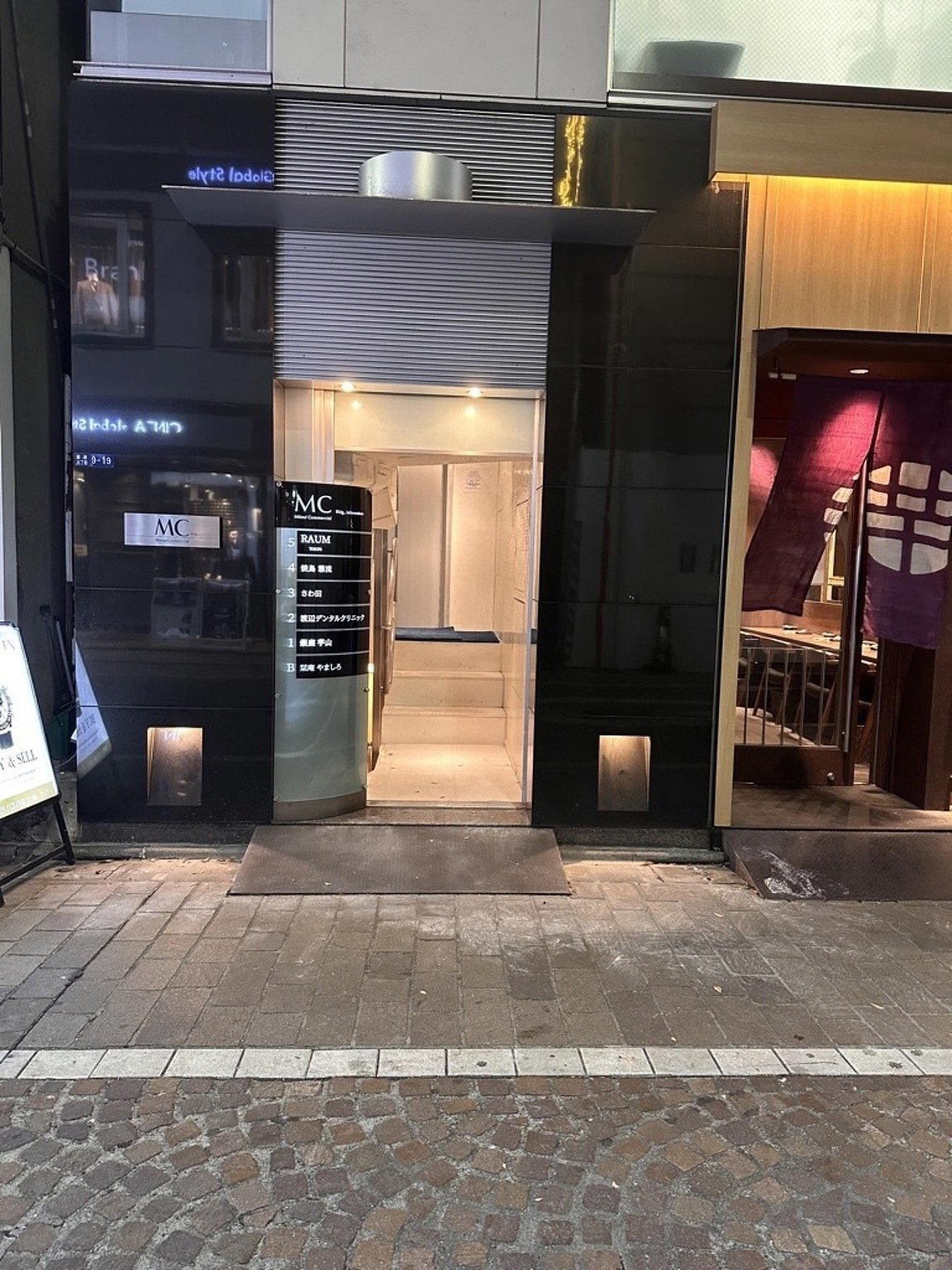







Details
- Elegant
- Sophisticated
- Intimate
- Date Night
- Business Dinner
- Special Occasion
- Chefs Counter
- Open Kitchen
- Sake Program
- Omakase
- Counter Dining
- Wine
Current opening hours
- Monday
- 12–3 PM, 6–10 PM
- Tuesday
- 12–3 PM, 6–10 PM
- Wednesday
- 12–3 PM, 6–10 PM
- Thursday
- 12–3 PM, 6–10 PM
- Friday
- 12–3 PM, 6–10 PM
- Saturday
- 12–3 PM, 6–10 PM
- Sunday
- 12–3 PM, 6–10 PM
Hours can change for holidays and private events. Hours as of .
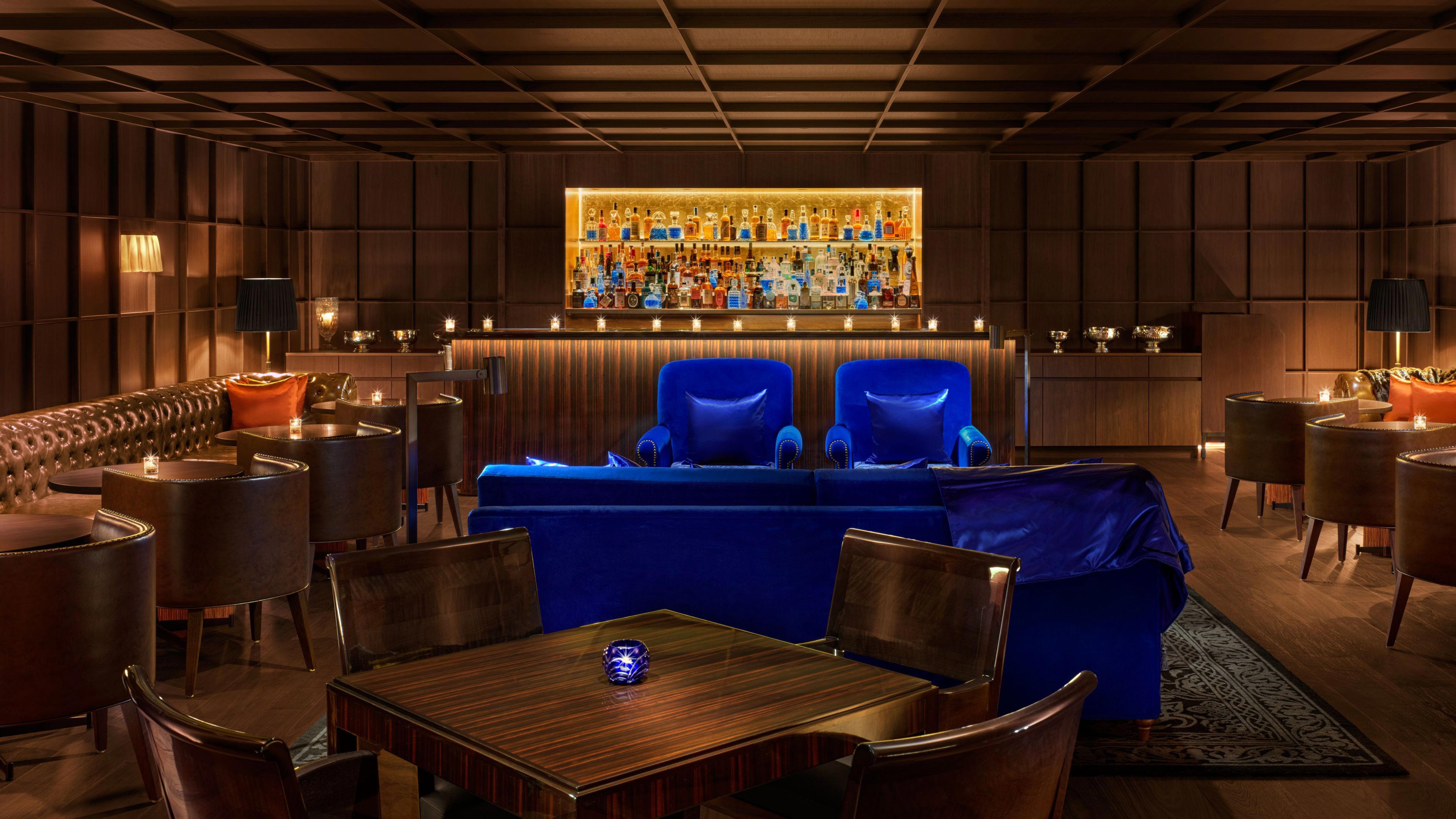
Calm space with subdued lighting, smoky wood fire aroma, and live open kitchen views stimulating all five senses.