Makers Union
Makers Union occupies a spot along Washington's Maine Avenue SW waterfront, placing it inside a stretch of the city where development and dining have moved in tandem over the past decade. The address puts it in conversation with a broader Southwest Waterfront scene that has drawn casual and mid-range dining concepts to fill gaps left by the area's rapid residential growth.
Pearl is the En Primeur Club membership app — saves, bookings, and concierge access live there. Same editors, same standards.
- Address
- 664 Maine Ave SW, Washington, DC 20024
- Phone
- +12028646396
- Website
- makersunionpub.com
- Directions
- Get directions
 Saves & bookings on Pearl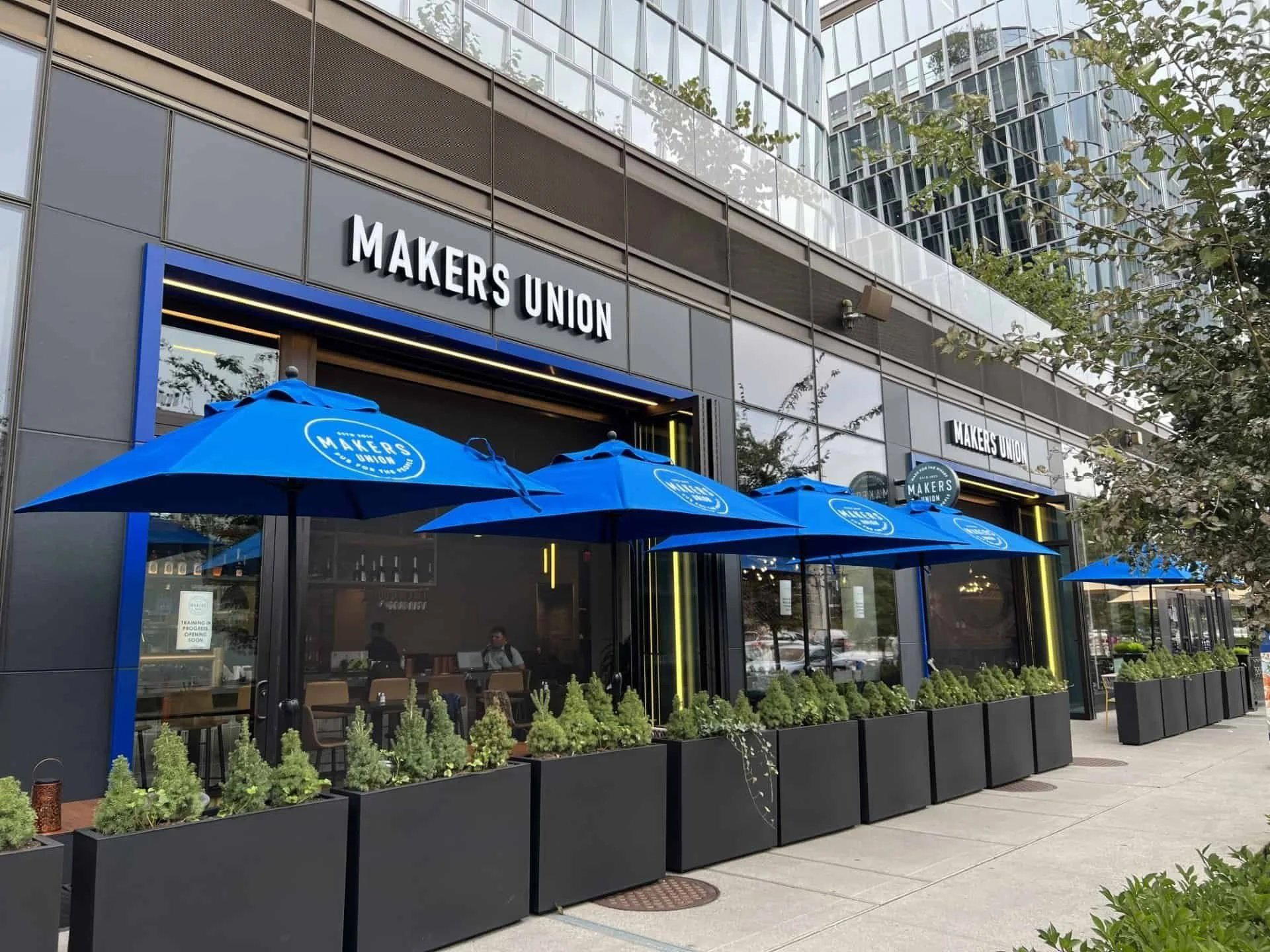
The Southwest Waterfront's Spatial Logic
Washington's Southwest Waterfront has gone through one of the more deliberate urban reimaginings in recent American city planning. The Wharf development, which anchors Maine Avenue SW, transformed what was largely a municipal and industrial edge into a walkable mixed-use district with direct water access. That physical context matters when thinking about what kind of dining scene takes root here: the architecture of the waterfront is generous, open, and oriented toward movement, and the venues that work leading within it tend to match that register. Makers Union, at 664 Maine Ave SW, sits inside this broader spatial logic rather than apart from it.
The Southwest Waterfront's dining tier sits below the tasting-menu intensity of Penn Quarter or 14th Street, but that gap is by design rather than by default. Spots like Jônt and minibar occupy the upper register of D.C. dining, where counter seats and multi-course precision formats define the experience. The Wharf corridor operates differently, drawing a wider cross-section of the city's population and accommodating groups, families, and casual evenings alongside the more deliberate dining occasions that define the Penn Quarter and Shaw scenes.
What the Space Signals
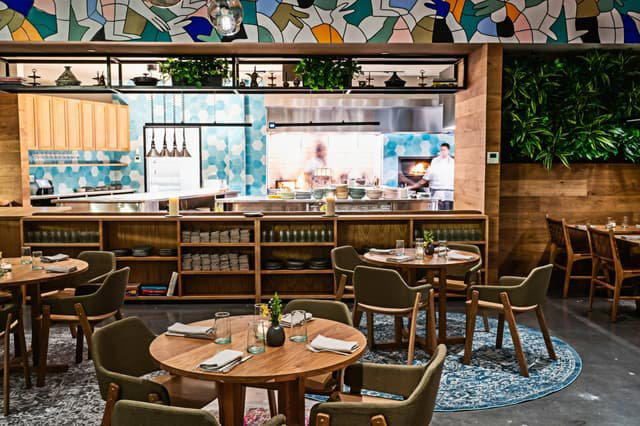
Makers Union is a modern American gastropub in Washington, D.C. at 664 Maine Ave SW, with a $25 per-person price point. The Wharf's design language runs to exposed materials, generous ceiling heights, and street-level permeability, with interiors that read outward toward the water rather than inward toward an intimate room. Concepts that perform well in this format tend to operate with an open floor plan and a visual energy that holds up under natural light, evening crowds, and the foot traffic of a destination waterfront.
This is a different spatial brief than the one faced by, say, Causa in its tighter, more controlled room, or Oyster Oyster, where the compact scale reinforces a philosophy around intimacy and constraint. Waterfront venues like Makers Union are asked to absorb volume, handle ambient noise, and deliver consistency at a pace that smaller concept-driven rooms never need to match. That is a genuine operational discipline, even if it reads less dramatically in critical coverage.
The Waterfront Dining Pattern in American Cities
American cities that have invested in waterfront redevelopment tend to produce a recognizable dining pattern in the years after opening. The first wave brings anchor food-and-beverage tenants, often casual-to-mid-range, designed to draw foot traffic and establish neighborhood credibility. A second wave brings more concept-driven operators who benefit from the audience that the first wave built. Washington's Southwest Waterfront has followed this arc, and the restaurant's address on Maine Avenue places it inside the generation of venues that helped define the initial character of the strip.
That pattern has precedent in other American cities. The Ferry Building in San Francisco, the developments around Boston's Seaport, and the Chicago Riverwalk all produced similar sequences, where accessible dining formats gave way over time to more differentiated programming. For comparison, venues like Lazy Bear in San Francisco or Alinea in Chicago operate far from the waterfront volume model, but their scenes were built partly on the foot traffic that accessible neighborhood dining created. The broader national context also includes places like Le Bernardin in New York City and Providence in Los Angeles, which represent the opposite end of the formality spectrum, and which clarify by contrast what the casual-waterfront format is and is not trying to do.
Positioning Within D.C.'s Casual Tier
Within Washington's mid-range dining set, the Southwest Waterfront competes on location as much as on menu. Venues that anchor destination developments carry an inherent advantage in foot traffic but face a corresponding pressure to perform at volume without the premium pricing that covers the margin of error at tasting-menu counters.
For context on how D.C.'s dining range maps across neighborhoods and price points, the EP Club Washington, D.C. restaurants guide covers the full spectrum, from high-formality experiences like The Inn at Little Washington to the mid-range creativity of Albi and the vegetable-forward precision at Oyster Oyster. The restaurant operates in a different register from all of these, one oriented toward accessibility and setting over formal culinary ambition.
Nationally, comparable waterfront-casual concepts have found audiences in cities with similar development trajectories. Emeril's in New Orleans, Addison in San Diego, Single Thread Farm in Healdsburg, Blue Hill at Stone Barns in Tarrytown, and Atomix in New York City all represent different points on the formality spectrum, but they collectively illustrate how varied the American dining scene has become in how it uses space, setting, and neighborhood identity to differentiate. At the international level, venues like 8 1/2 Otto e Mezzo Bombana in Hong Kong show how waterfront and high-formality formats can occasionally overlap, though that model is far from what Southwest D.C. is building toward. The French Laundry in Napa represents the furthest possible extreme of controlled, place-specific dining intensity, which, again, sets the contrast clearly.
Planning a Visit
The Maine Avenue SW address is accessible via the Waterfront Metro station on the Green Line, which puts the venue within a short walk of the platform. The Wharf is a high-foot-traffic area, particularly on weekends and during summer months when the waterfront draws large numbers of visitors alongside residents. For that reason,
Cuisine-First Comparison
Comparable venues nearby, for context on price, style, and recognition.
| Venue | Cuisine | Price | Notes |
|---|---|---|---|
| Makers UnionThis venue — the venue you are viewing | Modern American Gastropub | $$ | Not listed |
| L'Enfant Plaza SW | American Food Court | $$ | Southwest Federal Center |
| Kramers | Modern American with French influences | $$ | Dupont Circle |
| Chef Geoff's West End | Contemporary American | $$ | West End |
| The Hamilton | Modern American Steakhouse with Sushi | $$ | East End |
| Peacock Café | American Fusion with Persian Influences | $$ | West Village Georgetown |
Continue exploring
More in Washington DC
Restaurants in Washington DC
Browse all →
Bars in Washington DC
Browse all →
Hotels in Washington DC
Browse all →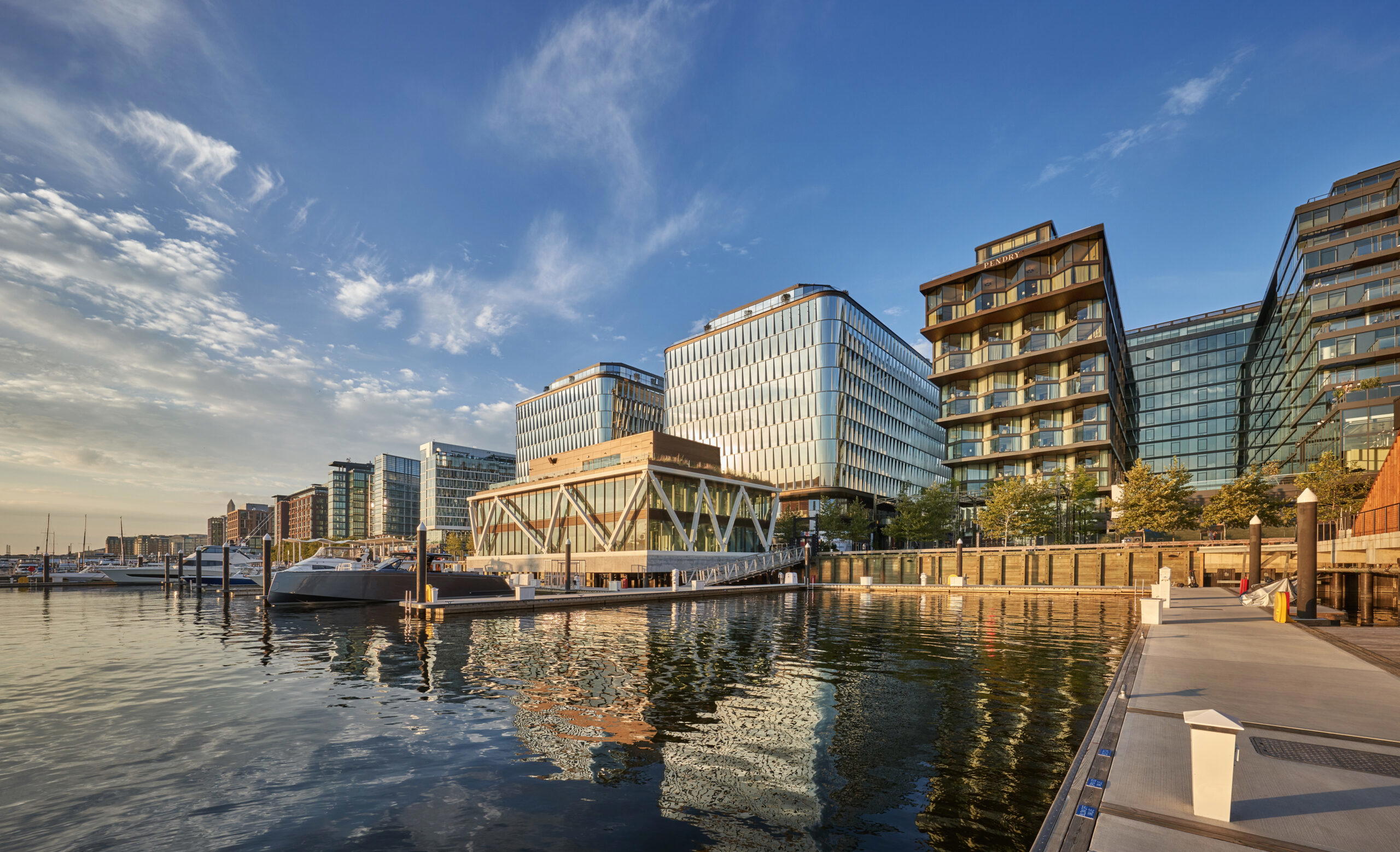
At a Glance
- Lively
- Modern
- Trendy
- Brunch
- Group Dining
- Casual Hangout
- Open Kitchen
- Beer Program
- Craft Cocktails
- Local Sourcing
- Street Scene
Current opening hours
- Monday
- 11 AM–9 PM
- Tuesday
- 11 AM–9 PM
- Wednesday
- 11 AM–9 PM
- Thursday
- 11 AM–9 PM
- Friday
- 11 AM–11 PM
- Saturday
- 10 AM–11 PM
- Sunday
- 10 AM–9 PM
Hours can change for holidays and private events. Last verified .
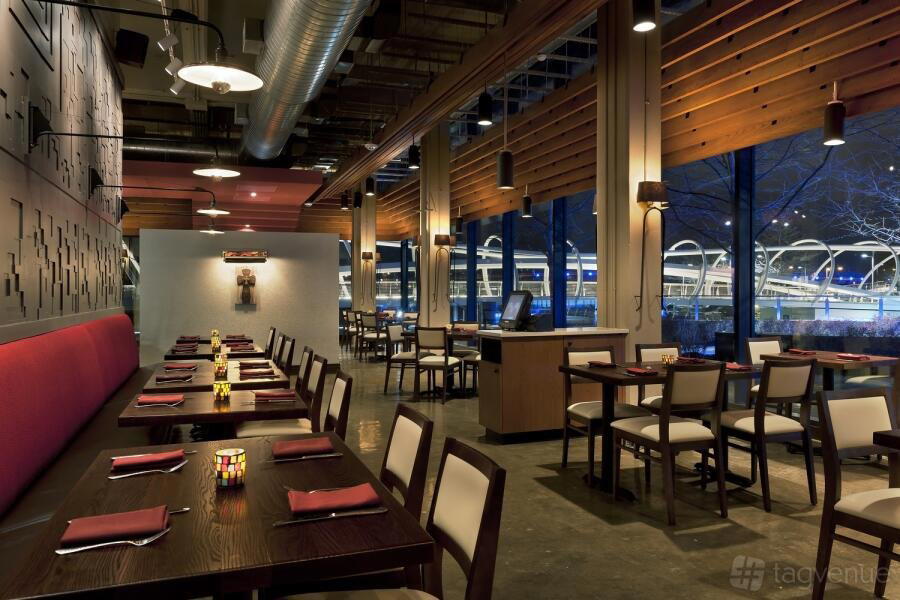
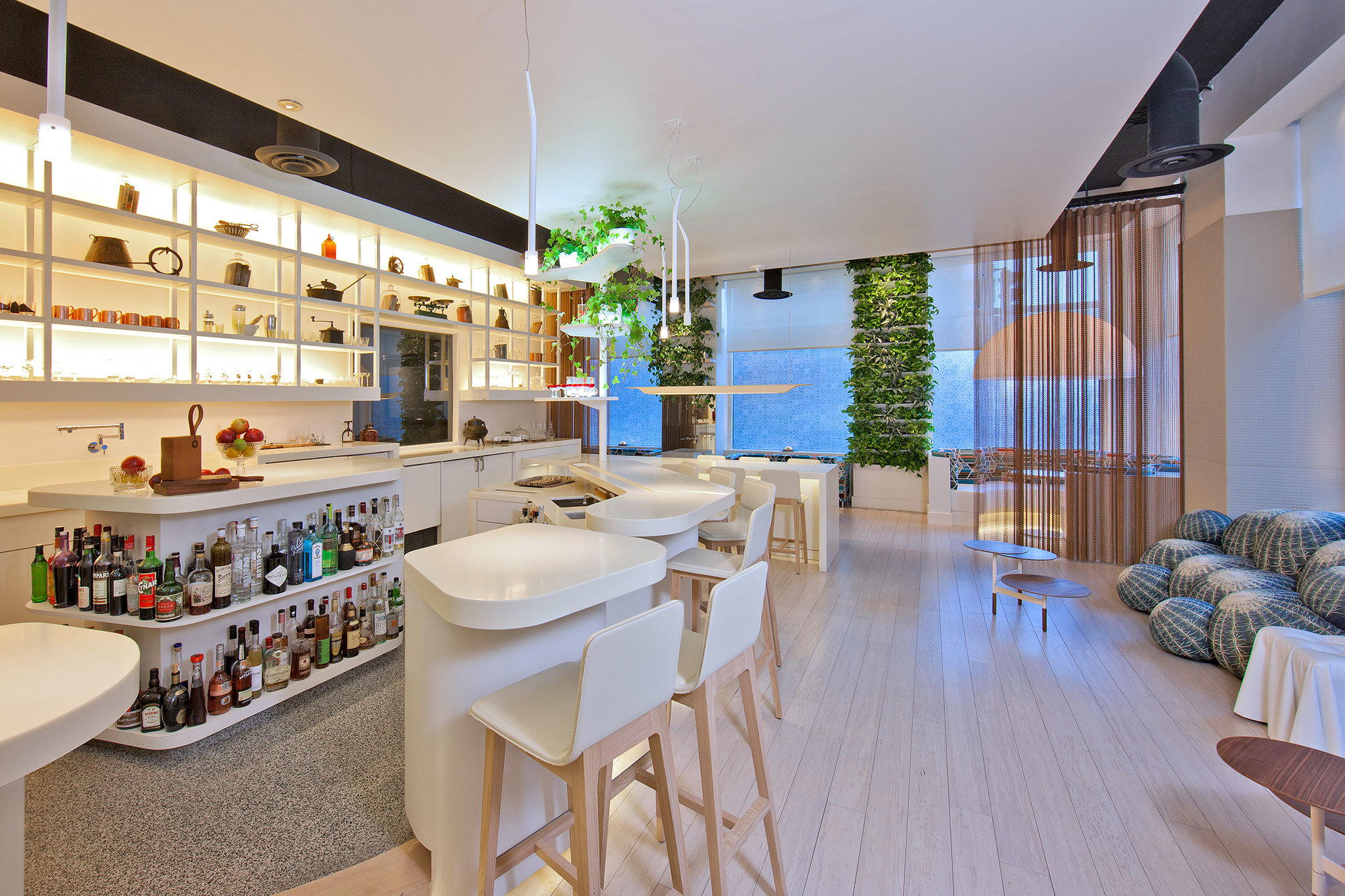
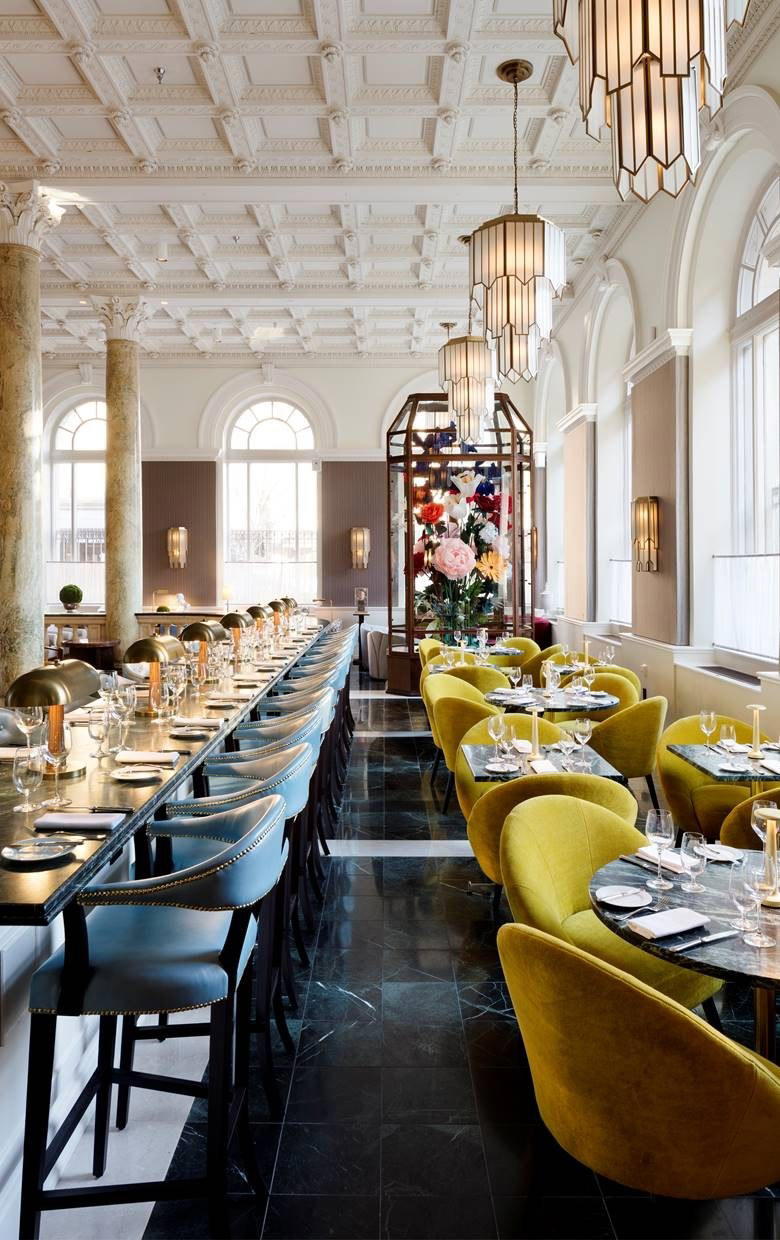
Bright natural light from large windows, simple clean modern interior with low noise and bar/restaurant feel.