Chef Geoff's West End
American Dining in the West End: Where the Neighborhood Sets the Tone The West End sits at a particular intersection in Washington, D.C., corporate enough for a working lunch, residential enough for a regular dinner crowd, and close enough to...
Pearl is the En Primeur Club membership app — saves, bookings, and concierge access live there. Same editors, same standards.
- Address
- 2201 M St NW, Washington, DC 20037
- Phone
- +12025247815
- Website
- chefgeoff.com
- Directions
- Get directions
 Saves & bookings on Pearl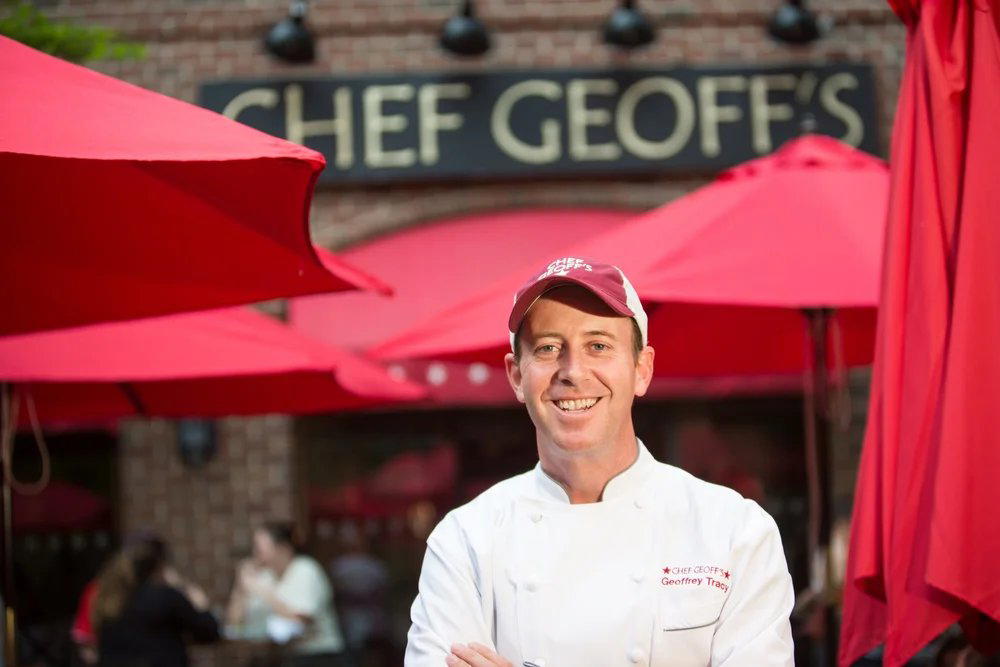
American Dining in the West End: Where the Neighborhood Sets the Tone
The West End sits at a particular intersection in Washington, D.C. corporate enough for a working lunch, residential enough for a regular dinner crowd, and close enough to Georgetown and Foggy Bottom that its restaurants must perform across a range of occasions rather than a single narrow demographic. The dining rooms here tend toward the reliable rather than the experimental, and that character shapes how a meal unfolds from the moment you arrive on M Street.
Chef Geoff's West End, at 2201 M St NW, occupies that middle register of American dining that D.C. has always depended on: approachable without being generic, calibrated for a clientele that includes government professionals, hotel guests from the nearby properties, and neighborhood residents who want a consistent experience rather than a surprise. In a city whose dining conversation is increasingly dominated by tasting-counter formats, there is real utility in a room that lets you order what you want, at a pace you control, without a prix-fixe commitment.
The Ritual of the American Dinner in D.C.
American restaurants operating in this register tend to organize the meal around a familiar and well-understood ritual: cocktails or wine at the bar, a table in due course, appetizers that arrive promptly, entrees that anchor the experience, and a dessert menu that most tables skip. The pacing is attentive rather than theatrical. The room speaks rather than performs. This is a dining format that suits Washington's particular culture, a city that eats early by East Coast standards, values discretion at neighboring tables, and tends to treat dinner as a social occasion rather than a gastronomic event.
That said, the specific cadence of a meal at Chef Geoff's West End reflects broader trends in mid-tier American dining. Where restaurants at the upper end of the D.C. market, Albi in Navy Yard or Causa further afield, have built their identities around a defined culinary tradition and a specific chef's point of view, the West End location of this group occupies a different function: it serves the occasion rather than defining it. The meal takes its shape from the guest's needs, not from an imposed structure.
That flexibility is not a lesser achievement. In cities like New York, Chicago, and San Francisco, the equivalent tier, anchored, neighborhood-integrated American restaurants that work across multiple day-parts, is precisely what most diners use most often, regardless of where Le Bernardin, Smyth, or Lazy Bear sit in the critical conversation.
The West End's Position in D.C.'s Dining Geography
Washington's dining geography has reorganized considerably over the past decade. Shaw, Navy Yard, and NoMa have attracted most of the newer critical attention, while established corridors like the West End and Georgetown retain their functional importance for a working city that still eats close to the office, the hotel, and the power meeting. The restaurant at 2201 M St NW sits in a neighborhood that sees more corporate and hotel-adjacent traffic than most of the newer dining clusters, and its format reflects that reality.
By comparison, Oyster Oyster has staked out a different position, sustainability-driven, explicitly vegetable-forward, priced at the $$$ tier, while also working within the American dining tradition. The contrast is useful: where Oyster Oyster makes its editorial case through ingredient sourcing and format, Chef Geoff's West End makes its case through accessibility and occasion-flexibility. Both are legitimate positions in a city that needs both.
For a broader map of where D.C.'s dining sits right now, the the guide Washington, D.C. restaurants guide covers the full range from counter-format omakase to neighborhood staples.
How This Compares Nationally
The chef-founded, multi-location American restaurant group is a familiar structure in major U.S. cities. From Emeril's in New Orleans to Providence in Los Angeles, the model works when the individual locations maintain enough operational discipline to deliver consistent results across the dining room. The alternative, where a group's flagship earns the recognition and the satellite locations coast on the name, is a well-documented failure mode in American dining.
The restaurants that have navigated this most credibly tend to be those where the format, price point, and neighborhood match are tightly aligned. Addison in San Diego, Blue Hill at Stone Barns, Single Thread Farm in Healdsburg, and The Inn at Little Washington are examples where location, format, and program are fully integrated. The restaurant operates at a different ambition level, which is not a criticism, it is a description of a different, and widely needed, segment of the dining market.
For those whose interest runs toward the counter-format or chef-driven precision end, Atomix in New York City and Atelier Moessmer Norbert Niederkofler in Brunico represent what that commitment looks like at its most resolved.
What to Expect from the Experience
The specific dishes are not something to assess with confidence here. What the address and format suggest is a mid-register American dining room designed for multiple use cases: the business dinner that needs a quiet table, the neighborhood meal that wants no surprises, and the out-of-town guest who wants a dependable experience in a walkable West End location.
The dining ritual here follows the logic of the room rather than an imposed program. You set your own pace. The menu spans starters, proteins, vegetables, and desserts without a fixed sequence. That format rewards the guest who knows what they want and allows the staff to move accordingly. It is the opposite of the omakase or tasting-menu model, where the kitchen drives the experience. Here, the guest does.
Know Before You Go
- Address: 2201 M St NW, Washington, DC 20037
- Neighborhood: West End, close to Georgetown and Foggy Bottom
- Format: American à la carte dining room; suitable for business and social occasions
- Reservations: Recommended for dinner; walk-in availability more likely at lunch
- Getting there: The Foggy Bottom-GWU Metro station (Blue, Orange, Silver lines) is within walking distance of M Street NW
Standing Among Peers
Comparable venues nearby, for context on price, style, and recognition.
| Venue | Cuisine | Price | Notes |
|---|---|---|---|
| Chef Geoff's West EndThis venue — the venue you are viewing | Contemporary American | $$ | Not listed |
| L'Enfant Plaza SW | American Food Court | $$ | Southwest Federal Center |
| No Goodbyes | American Cafe with Chesapeake Bay Sourcing | $$ | Lanier Heights |
| Willowsong | Seasonal American with Local Seafood & Steakhouse Elements | $$ | Southwest Waterfront |
| Mitsitam Cafe | Native American Regional Foods | $$ | National Mall |
| GATSBY | Upscale American Diner | $$ | Near Southeast |
Continue exploring
More in Washington DC
Restaurants in Washington DC
Browse all →
Bars in Washington DC
Browse all →
Hotels in Washington DC
Browse all →
At a Glance
- Lively
- Cozy
- Group Dining
- Brunch
- Casual Hangout
- Open Kitchen
- Terrace
- Private Dining
- Craft Cocktails
- Beer Program
- Local Sourcing
- Street Scene
Current opening hours
- Monday
- 6:30 AM–10 PM
- Tuesday
- 6:30 AM–10 PM
- Wednesday
- 6:30 AM–10 PM
- Thursday
- 6:30 AM–10 PM
- Friday
- 6:30 AM–10 PM
- Saturday
- 7 AM–10 PM
- Sunday
- 7 AM–10 PM
Hours can change for holidays and private events. Last verified .
Lively bar with cozy dining rooms and open-air patio for people-watching.