Peacock Café
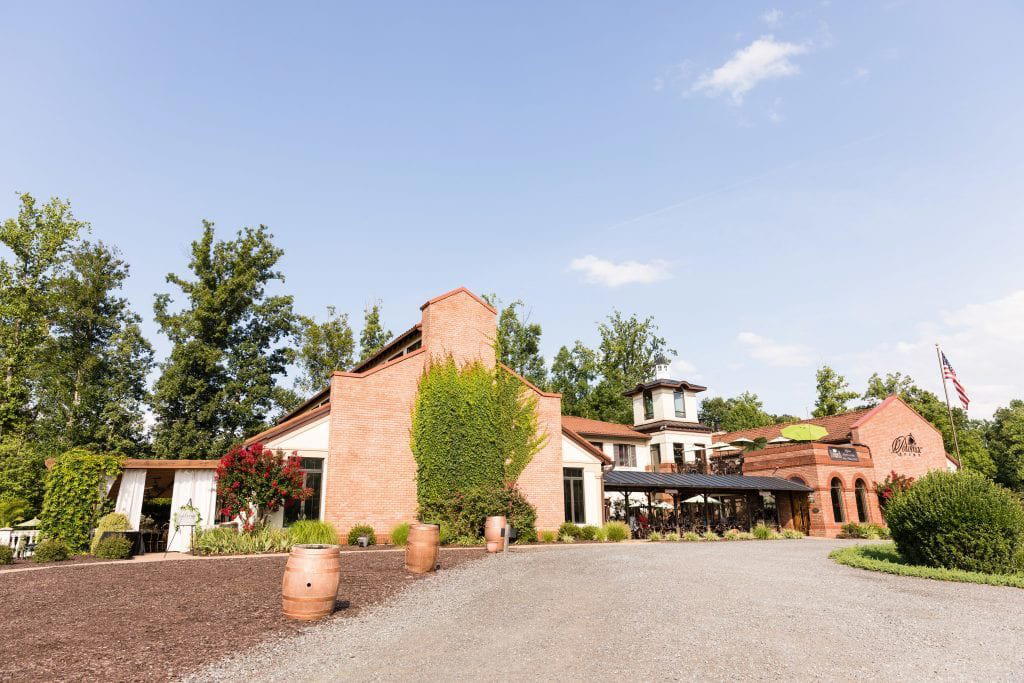
Peacock Café occupies a corner of Georgetown's Prospect Street that has long drawn the neighborhood's professional and academic crowd. The café format places it in a different tier from Georgetown's more formal dining rooms, offering a setting where the pace is unhurried and the room reflects the residential character of one of Washington's most architecturally coherent quarters. For visitors orienting themselves in the city's broader dining scene, it reads as a neighbourhood anchor rather than a destination in isolation.
Pearl is the En Primeur Club membership app — saves, bookings, and concierge access live there. Same editors, same standards.
- Address
- 3251 Prospect St NW, Washington, DC 20007
- Phone
- (202) 625-2740
- Website
- peacockcafe.com
- Directions
- Get directions
 Saves & bookings on Pearl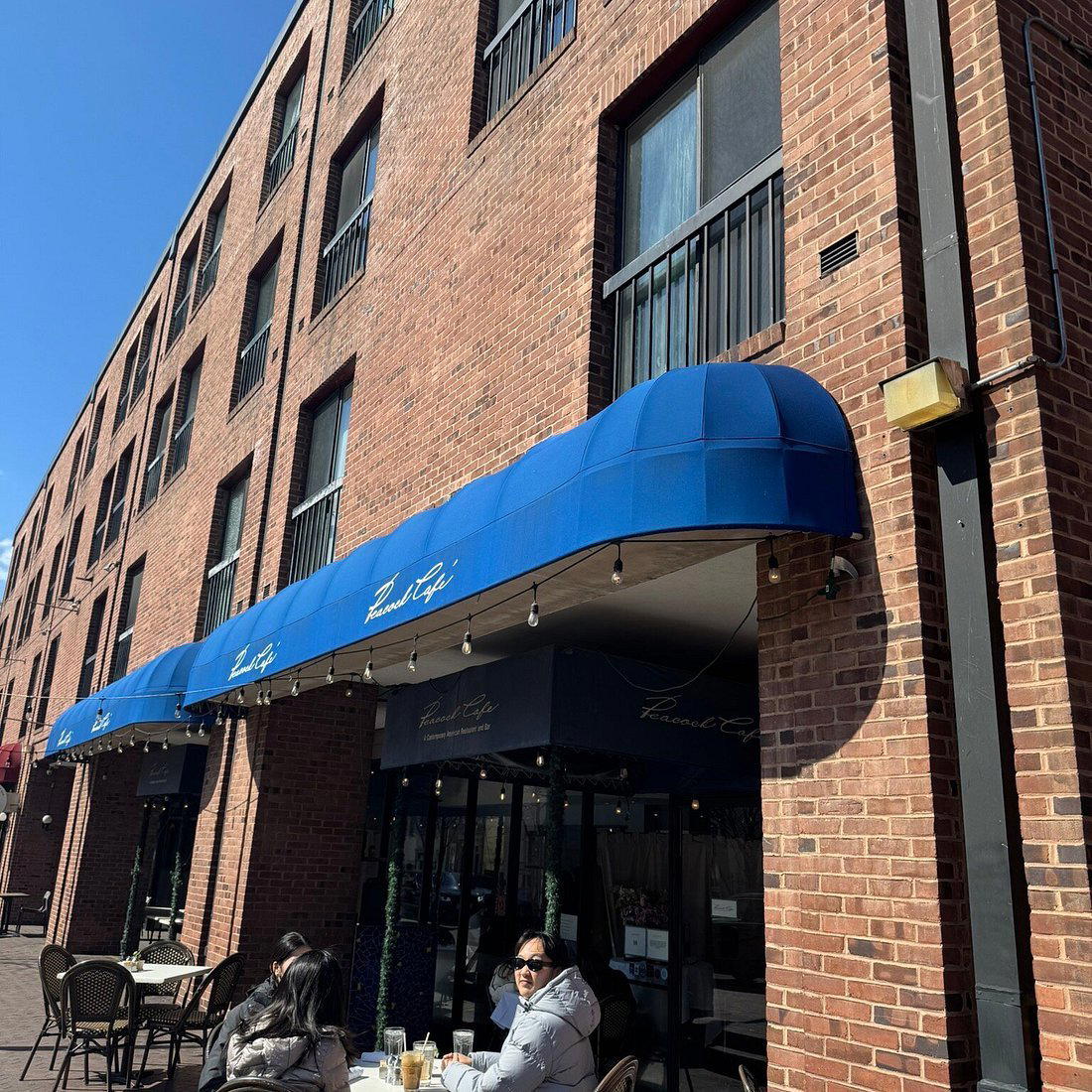
Georgetown's Café Tradition and Where Prospect Street Fits
Peacock Café is a restaurant in Georgetown, Washington, D.C. While the Penn Quarter and Shaw corridors have absorbed most of the city's ambitious new openings, places like Albi in the Middle Eastern register, or Causa pushing Peruvian technique into serious tasting-menu territory, Georgetown has largely resisted the tide of format experimentation. The neighbourhood's identity is rooted in its Federal architecture, its proximity to the university, and a residential density that makes the street-level café a durable institution rather than a trend.
Peacock Café sits on Prospect Street NW, a stretch that climbs away from the M Street commercial corridor into quieter, more domestic territory. That address matters. This is not a café positioned to catch foot traffic from tourists crossing the C&O; Canal; it draws from the immediate neighbourhood, from the Georgetown University community, and from the kind of long-standing resident who values a room that does not change dramatically from year to year. In a city where dining concepts arrive and recalibrate constantly, that consistency carries its own editorial weight.
The Ethical Sourcing Conversation in Washington Dining
Washington's restaurant scene has developed a credible thread of sustainability-conscious dining over the past decade, and it runs across price tiers. At the higher end, Oyster Oyster has built its entire identity around regenerative sourcing and a vegetable-forward framework that treats supply chain transparency as a menu feature. That approach demands significant operational investment and a clientele willing to pay $$$ for the commitment behind the plate.
A neighbourhood café serving Georgetown's daily rhythm cannot restructure its sourcing around the same model as a destination restaurant with a curated reservation list. But the conversation happening at the upper end of the market does exert downward pressure. Diners who eat at Jônt or minibar on special occasions carry their expectations about ingredient provenance back into their daily dining choices. The cafés and neighbourhood spots that absorb those expectations, without the tasting-menu budget to execute them at scale, are working through a quieter, less publicised version of the same ethical sourcing question.
Blue Hill at Stone Barns in Tarrytown has made farm-to-table sourcing an architectural principle rather than a marketing footnote. Single Thread Farm in Healdsburg integrates its inn, restaurant, and farm into a single supply chain. These are outlier models, but they establish a reference point that shapes how sourcing is discussed and expected across the broader hospitality industry, including at casual neighbourhood formats where the economics are far less forgiving.
The Georgetown Café as a Dining Format
The café occupies a specific position in a city's dining ecosystem that is easy to undervalue. Washington has invested heavily in its destination dining tier: The Inn at Little Washington operates at the apex of the region's formal dining tradition, and a wave of technically ambitious openings has positioned D.C. alongside cities like New York, where Le Bernardin and Atomix anchor different ends of the fine-dining spectrum, and Chicago, where Alinea has long held the benchmark for experiential formats.
Its value is not in the ambition of its kitchen but in its availability, the low threshold for entry, the absence of a reservation requirement, the permission to linger over coffee on a Tuesday afternoon without a tasting menu's time commitment. For a neighbourhood like Georgetown, which generates a consistent daily demand from residents, students, and congressional-adjacent professionals, that format fills a different need than the destination tier. Neither is more important to the city's dining character; they serve different moments in the same diner's week.
Positioning Peacock Café in the Competitive Set
The relevant comparable set is the neighbourhood café category: accessible, repeatable, low-ceremony. What distinguishes entries within that category is usually consistency of execution, physical comfort, and the degree to which the room feels calibrated to its specific street rather than transplanted from a generic hospitality template.
At the other end of the Georgetown price bracket, venues like those that command $$$$ price points, a tier represented across the city by Causa and Albi, are making different promises about experience, labour, and sourcing. A café on Prospect Street is not competing in that arena. It is competing for the daily occasion: the working lunch, the post-walk coffee, the low-key dinner that does not require planning three weeks ahead. Within that frame, location and atmosphere do most of the work that technique and provenance do at the destination tier.
Emeril's in New Orleans and The French Laundry in Napa represent an older generation of American fine dining that established much of the ingredient-quality conversation now filtering down into everyday formats.
Know Before You Go
Address: 3251 Prospect St NW, Washington, DC 20007
Neighbourhood: Georgetown, Washington, D.C.
Price tier: $$
Reservations: recommended
Hours: Mon: 11:30 AM-9:30 PM; Tue: 11:30 AM-9:30 PM; Wed: 11:30 AM-9:30 PM; Thu: 11:30 AM-10 PM; Fri: 11:30 AM-10 PM; Sat: 9 AM-10 PM; Sun: 9 AM-9:30 PM
Getting there: Georgetown has no Metro station; the nearest is Foggy Bottom-GWU on the Blue, Orange, and Silver lines, approximately a 15-minute walk. The DC Circulator Georgetown Route also serves the neighbourhood directly.
Reputation Context
Comparable venues nearby, for context on price, style, and recognition.
| Venue | Cuisine | Price | Notes |
|---|---|---|---|
| Peacock CaféThis venue — the venue you are viewing | American Fusion with Persian Influences | $$ | Not listed |
| Station 4 | Modern American Bistro with Mediterranean Influences | $$ | Southwest Waterfront |
| Little Engine | Revved-Up Rotisserie & Wings | $$ | Eastern Market |
| Clyde's of Georgetown | Classic American Saloon | $$ | West Village Georgetown |
| Springbone Kitchen | Gluten-Free Bone Broth Bowls | $$ | West Village Georgetown |
| Founding Farmers | Farm-to-Table American Comfort Food | $$ | Foggy Bottom |
Continue exploring
More in Washington DC
Restaurants in Washington DC
Browse all →
Bars in Washington DC
Browse all →
Hotels in Washington DC
Browse all →
At a Glance
- Lively
- Cozy
- Brunch
- Date Night
- Casual Hangout
- Craft Cocktails
- Street Scene
Current opening hours
- Monday
- 11:30 AM–9:30 PM
- Tuesday
- 11:30 AM–9:30 PM
- Wednesday
- 11:30 AM–9:30 PM
- Thursday
- 11:30 AM–10 PM
- Friday
- 11:30 AM–10 PM
- Saturday
- 9 AM–10 PM
- Sunday
- 9 AM–9:30 PM
Hours can change for holidays and private events. Last verified .
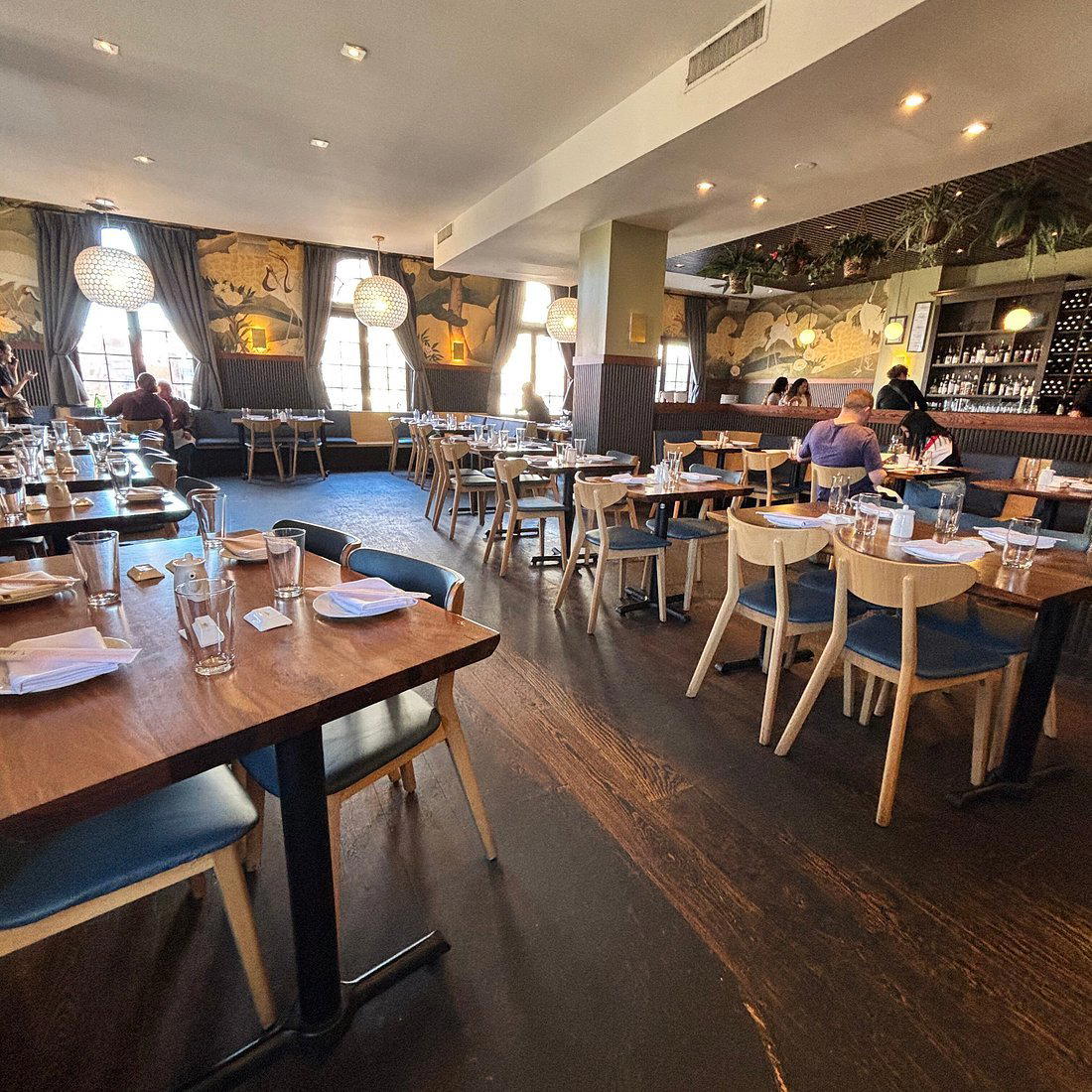
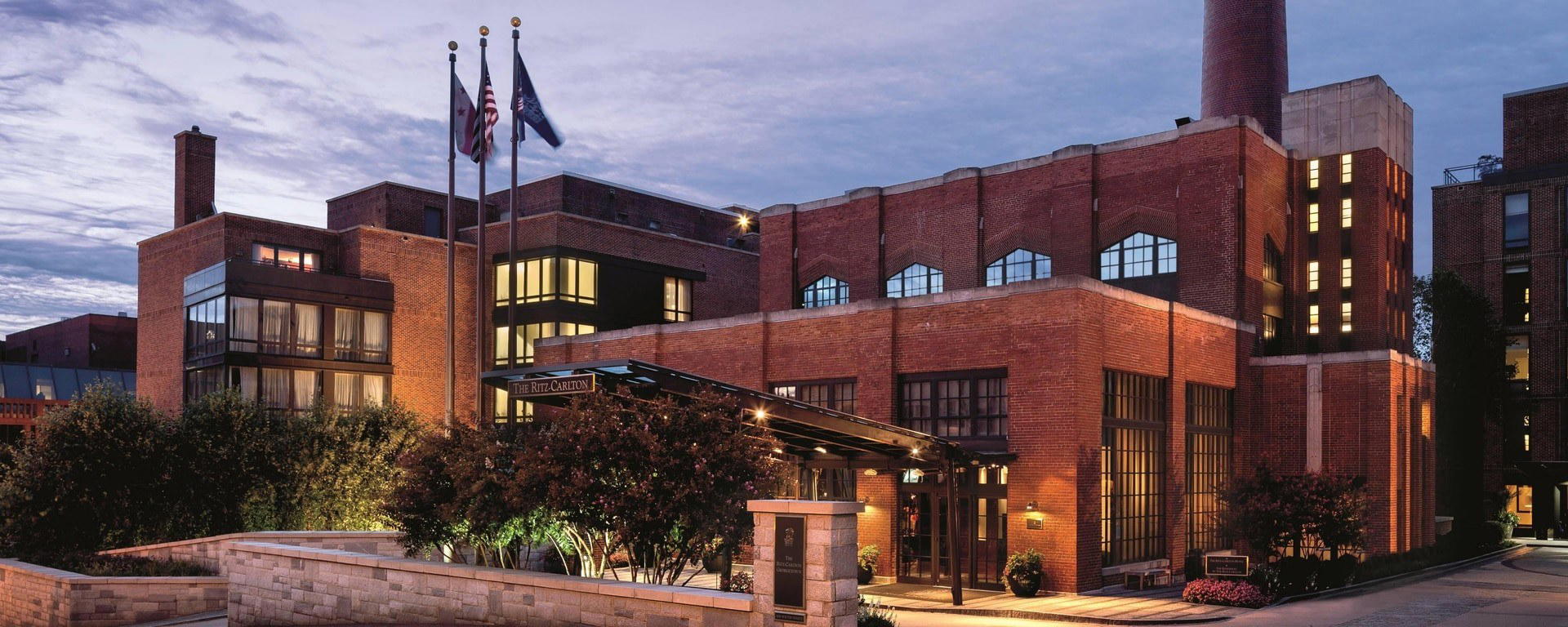
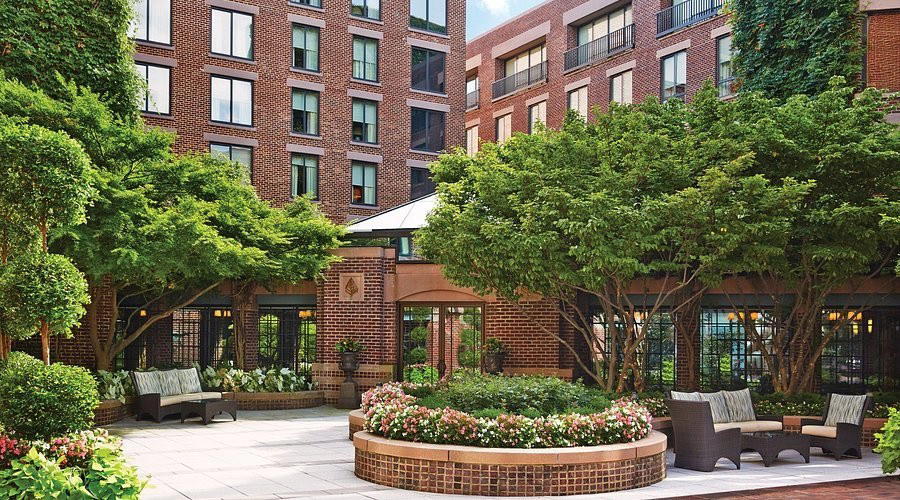
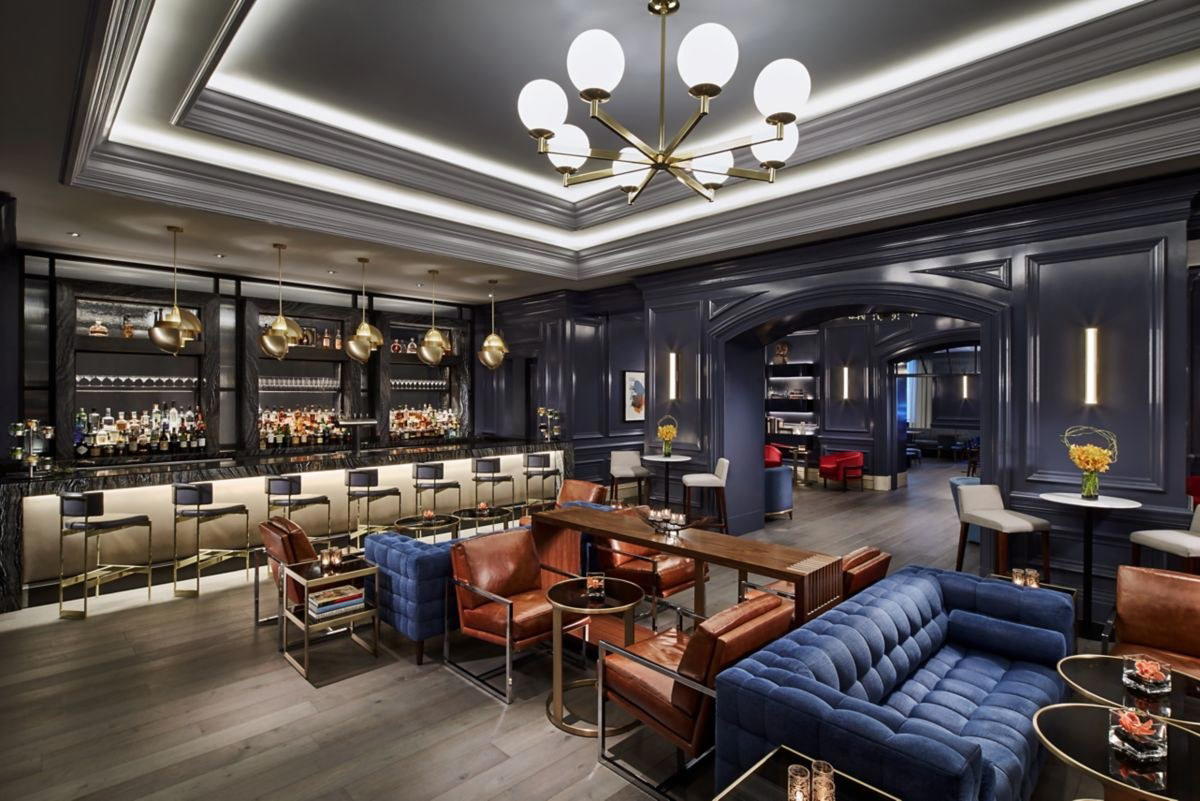
Colorful and lively atmosphere with bold decor inspired by its peacock namesake, creating a proud and inviting space for all-day dining.