Maison Kammerzell
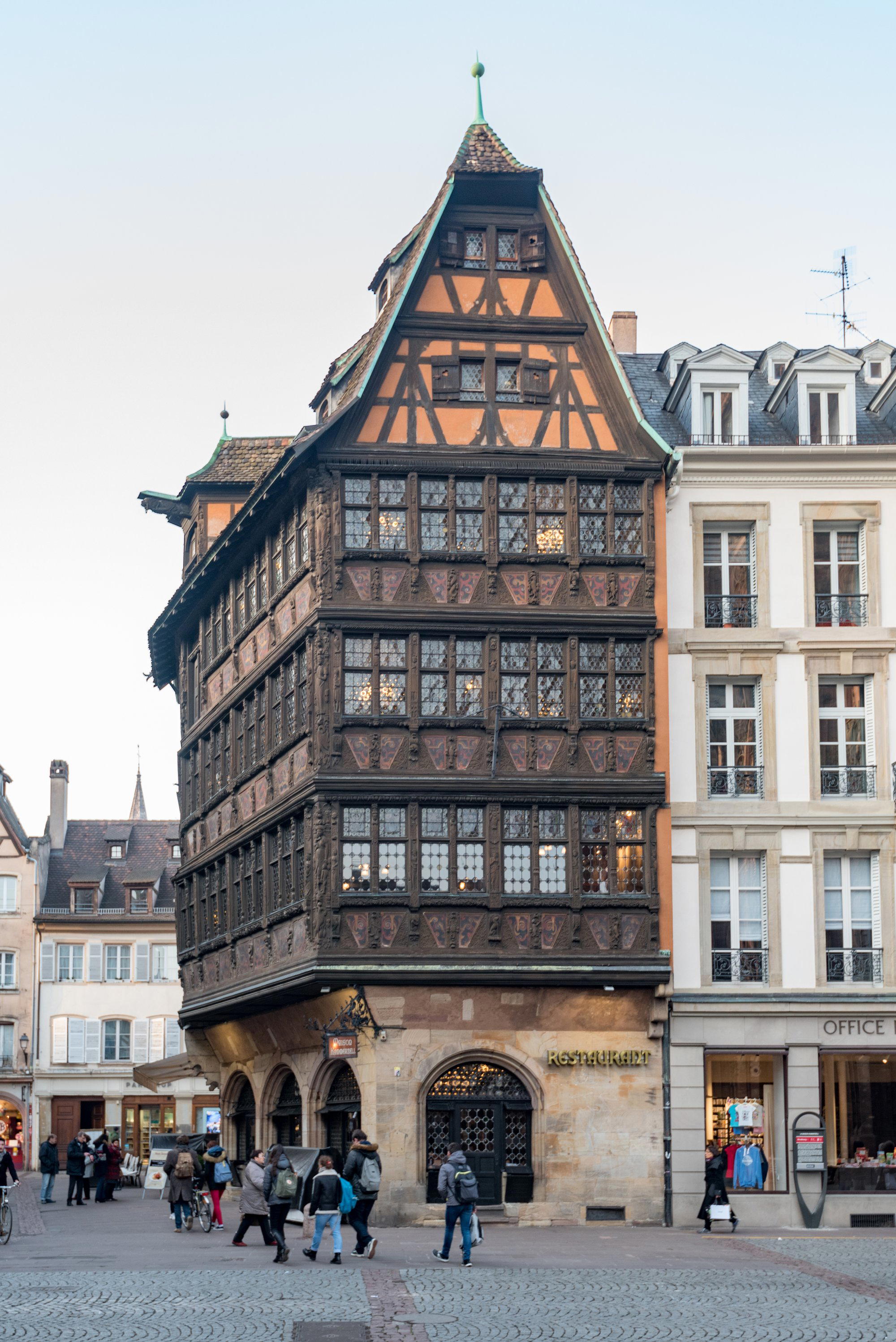
One of Strasbourg's most recognisable addresses, Maison Kammerzell occupies a late-medieval timber-framed building directly facing the cathedral on Place de la Cathédrale. The kitchen draws on Alsatian tradition, choucroute, game, freshwater fish, framed for a dining room where carved Renaissance woodwork sets the scene before the first course arrives. It belongs to the category of French regional institutions where the architecture and the food are inseparable arguments.
 Discover on Pearl
Pearl is the En Primeur Club membership app — saves, bookings, and concierge access live there. Same editors, same standards.
- Address
- 16 Pl. de la Cathédrale, 67000 Strasbourg, France
- Phone
- +33388324214
- Website
- maison-kammerzell.com
A Cathedral Square Address and What It Demands
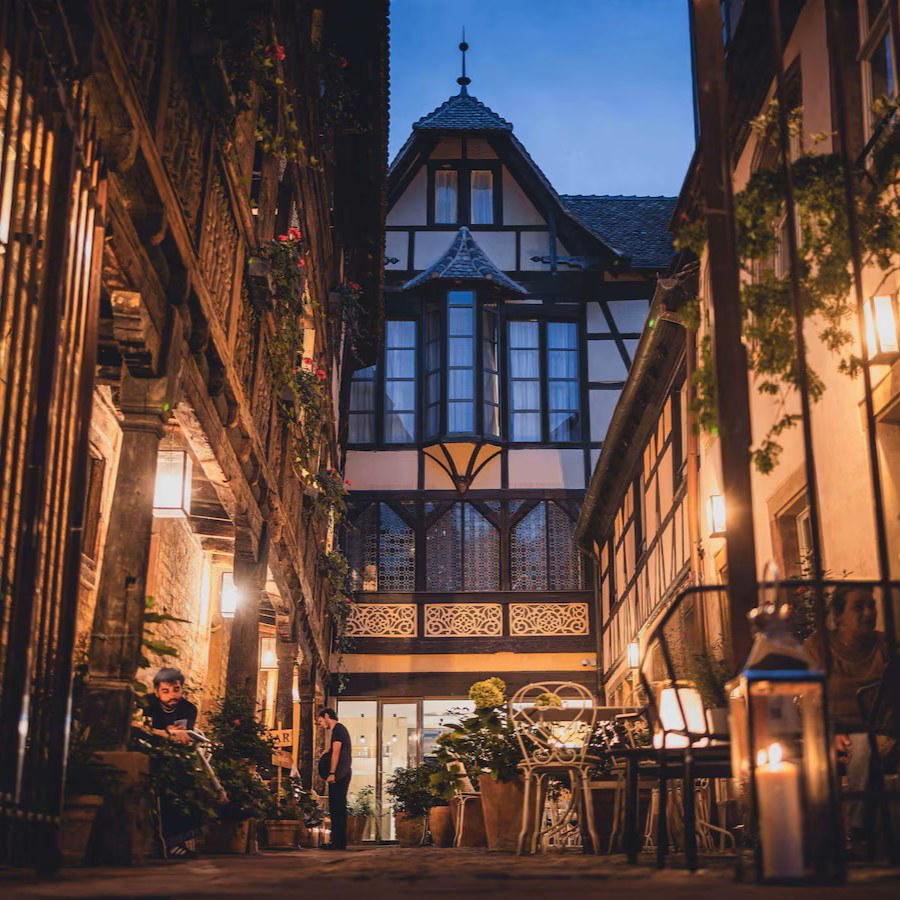
Few dining rooms in France front-load their proposition as directly as Maison Kammerzell, an Alsatian brasserie in Strasbourg, sits at 16 Pl. de la Cathédrale. its upper storeys projecting outward in the carved timber style that makes the Alsatian townscape so immediately legible to visitors arriving from Germany or Switzerland. Before anyone has ordered a glass of Riesling or unfolded a napkin, the facade is already performing. The restaurant operates inside one of the most scrutinised pieces of medieval civil architecture in France, and that context shapes everything: the seating experience, the price expectation, the type of cuisine that makes sense here, and the comparison set against which the kitchen is measured.
Strasbourg's dining scene in 2024 splits between two clear registers. On one side, a cluster of modern and creative restaurants, de:ja, Umami, and Les Funambules, push toward contemporary European formats, tasting menus, and ingredient-driven minimalism. On the other, the traditional Alsatian winstub and brasserie model holds firm, anchored by institutions that serve choucroute garnie, baeckeoffe, and tarte flambée to regulars who expect a defined regional vocabulary. Maison Kammerzell sits at the upper end of that second register, where the address carries historical weight and the menu reads as a sustained argument for why Alsatian cuisine deserves to be taken as seriously as any other French regional tradition.
The Architecture as First Course
Walking into the ground-floor room feels closer to entering a museum than a restaurant, until the smell of braised meat and warm bread reasserts the point. The carved wooden panels, the low beamed ceilings, and the stained glass windows from the late nineteenth-century restoration create an interior that most contemporary designers would struggle to replicate at any budget. The building's layered history, medieval foundations, Renaissance additions, nineteenth-century interventions, produces a dining environment where the physical fabric is doing real atmospheric work. For visitors arriving from the cathedral square after dark, with the illuminated Gothic stonework behind them, the transition into the wood-panelled interior is one of those rare moments in European dining where the setting amplifies the act of sitting down to eat.
This is the structural logic behind the OS-1 approach to any serious assessment of Maison Kammerzell: the environment is not decorative backdrop but the opening argument. Comparable dynamics operate at Auberge de l'Ill in Illhaeusern or Paul Bocuse's Auberge du Pont de Collonges, where the building, the lineage, and the cuisine form a single argument about French regional identity. At Maison Kammerzell, that argument is Alsatian, particular, border-crossing, and deeply tied to a cuisine that absorbs German and French influences without fully belonging to either.
The Alsatian Kitchen and Its Progression
The meal at Maison Kammerzell moves through the established grammar of Alsatian cuisine, which rewards visitors who understand the sequence. Starters lean on the region's charcuterie tradition and its freshwater fish, the Rhine and its tributaries have long supplied pike, trout, and eel to Alsatian kitchens. Main courses gravitate toward the slow-cooked, the braised, and the robustly seasoned: choucroute garnie remains the dish most closely identified with this kitchen and with the regional tradition it represents. Game in autumn, river fish year-round, and the particular sweetness of Alsatian onions in a tarte flambée each mark seasonal shifts in what the kitchen emphasises.
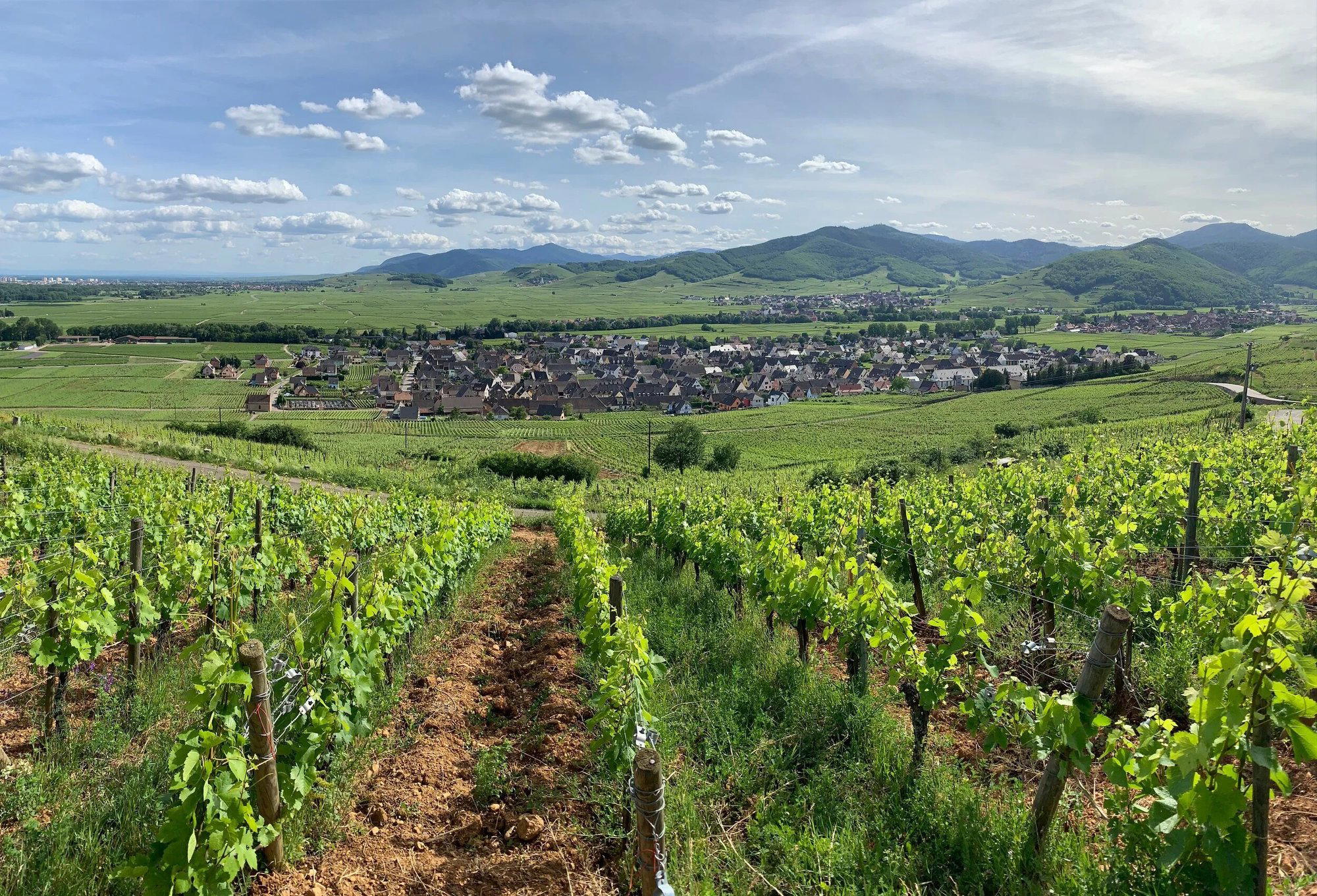
The regional wine list follows the same logic. Alsace produces France's most Germanic whites, bone-dry Riesling and Sylvaner alongside the richer textures of Pinot Gris and Gewurztraminer, and a meal at Kammerzell becomes, for visitors willing to work through a proper pairing, an argument for why Alsatian wine deserves more serious attention than its reputation as an easy regional match sometimes implies. Strasbourg sits within reach of the Route des Vins d'Alsace, a producer circuit that runs south through Colmar toward the Haut-Rhin; the wine list here draws on that geography with the confidence of an address that can assume its guests have either just come from, or are about to go to, the vineyards themselves.
Among Strasbourg's €€€€-tier restaurants, Maison Kammerzell positions against different criteria than Au Crocodile or 1741. Those addresses compete on modern technique and tasting menu architecture. Kammerzell competes on tradition, setting, and the conviction that Alsatian cooking at its most confident needs neither deconstruction nor apology.
Where It Sits in the French Dining Conversation
French regional cuisine has had a complicated decade. The template of Michelin-chasing haute cuisine still pulls considerable gravity, as addresses like Mirazur in Menton, Alléno Paris au Pavillon Ledoyen, Assiette Champenoise in Reims, and Troisgros in Ouches demonstrate. But at the same time, there has been a visible reassertion of confidence in traditional regional formats, the kind of cooking that Bras in Laguiole or Auberge du Vieux Puits in Fontjoncouse represent in their own regional registers. Maison Kammerzell belongs to that broader conversation: an institution making the case that place, product, and tradition constitute a legitimate answer to the question of what French dining should do.
For visitors who have covered the full range of contemporary European fine dining, Le Bernardin in New York, Atomix, Flocons de Sel in Megève, AM par Alexandre Mazzia in Marseille, the Kammerzell proposition can read as deliberately counter-cyclical. It does not try to participate in the same competition. The carved wood, the cathedral square address, and the choucroute are making a different argument about what a meal should be.
Planning the Visit
For anyone building a broader Alsace itinerary, Maison Kammerzell pairs naturally with the wine villages south of the city and with the other addresses in Strasbourg's current scene, Visitors wanting to experience the building during daylight for the full cathedral-square context should book accordingly; evening service under the Gothic illumination is a different proposition. Given the address and footfall,
Recognition Snapshot
Comparable venues nearby, for context on price, style, and recognition.
| Venue | Cuisine | Price | Awards | Notes |
|---|---|---|---|---|
| Maison KammerzellThis venue — the venue you are viewing | Alsatian Brasserie | $$$ | , | |
| Tante Liesel | Traditional Alsatian French | $$$ | , | Centre |
| La Maison des Tanneurs | Traditional Alsatian Winstub | $$$ | , | Centre |
| Zuem Strissel | Traditional Alsatian Winstub | $$ | , | Centre |
| Porcus | Alsatian Charcuterie & Choucroute | $$ | , | Centre |
| Au Cruchon | Traditional Alsatian Winstub | $$ | , | Centre |
Continue exploring
More in Strasbourg
Restaurants in Strasbourg
Browse all →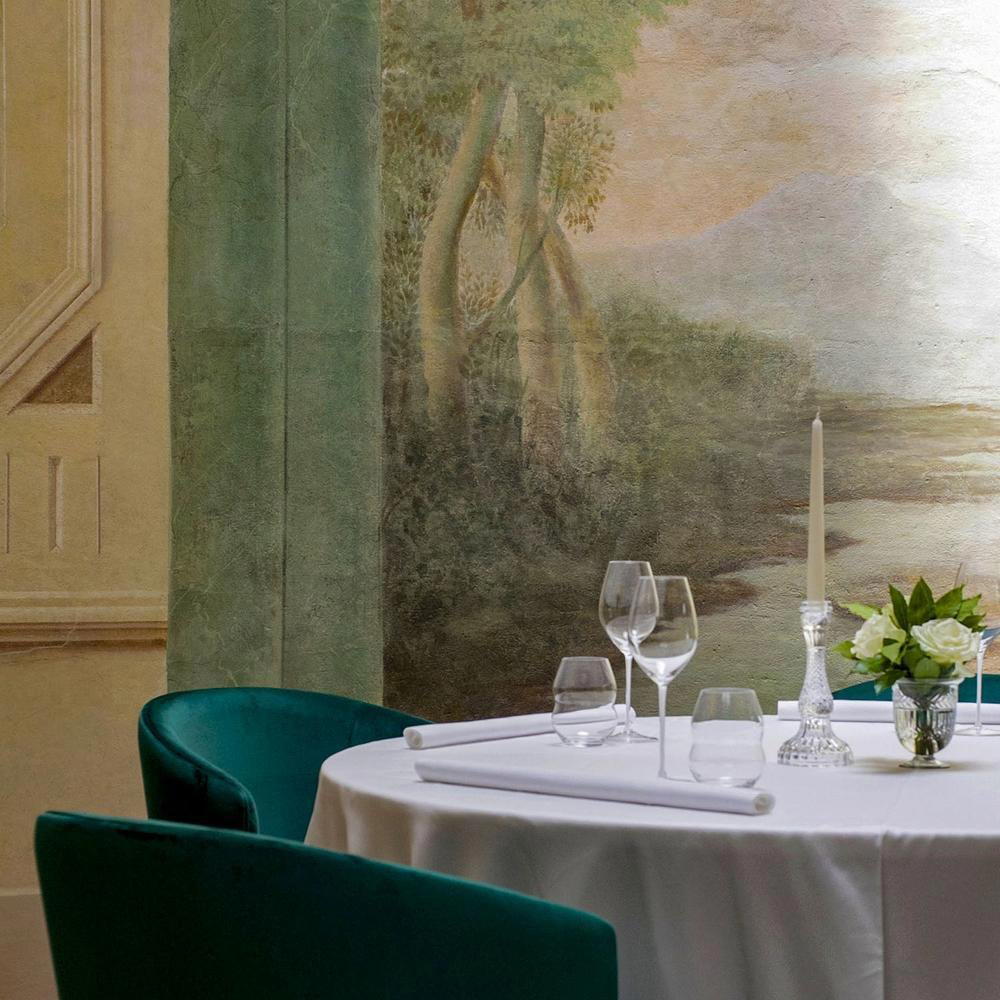

Bars in Strasbourg
Browse all →
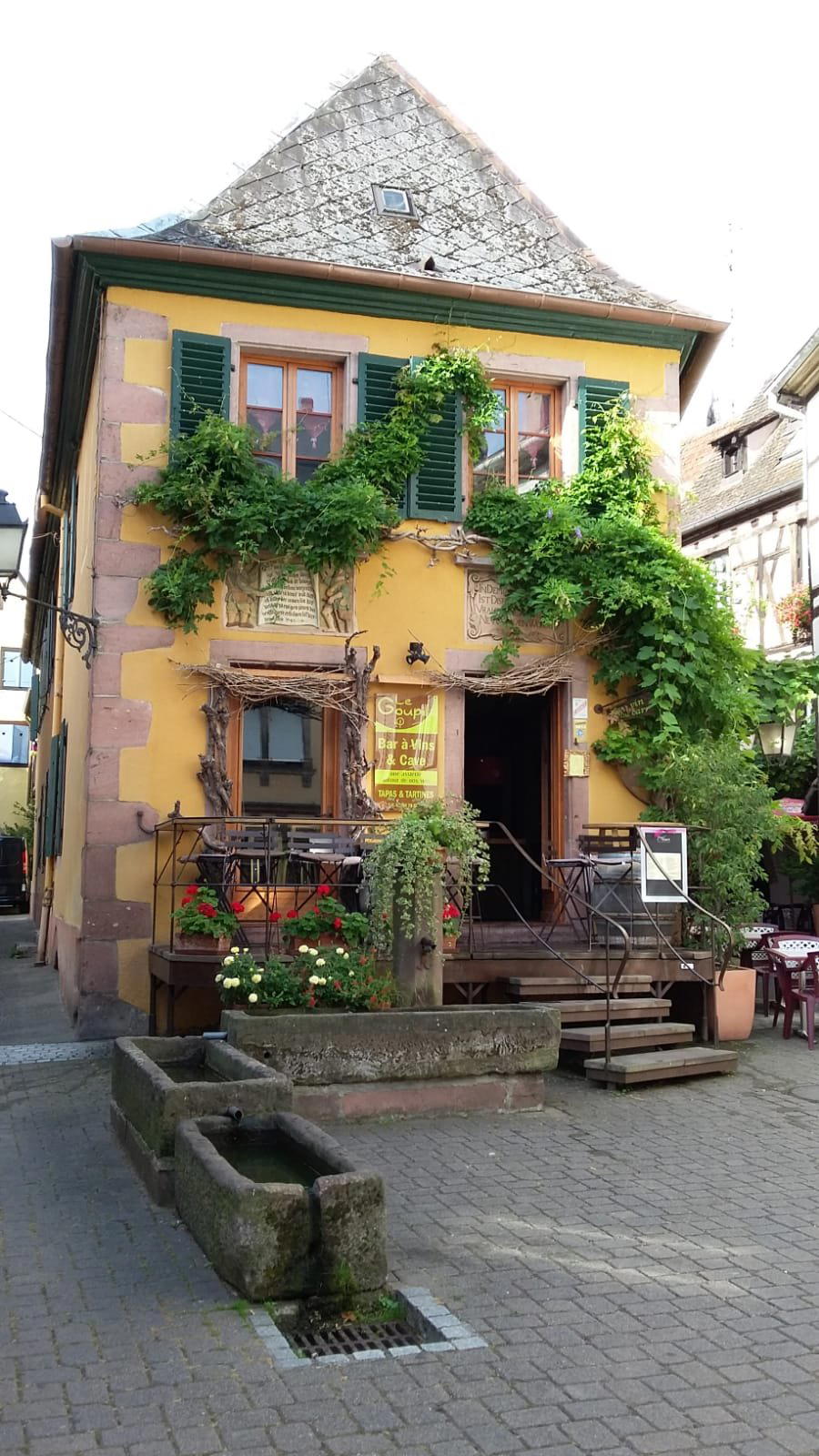
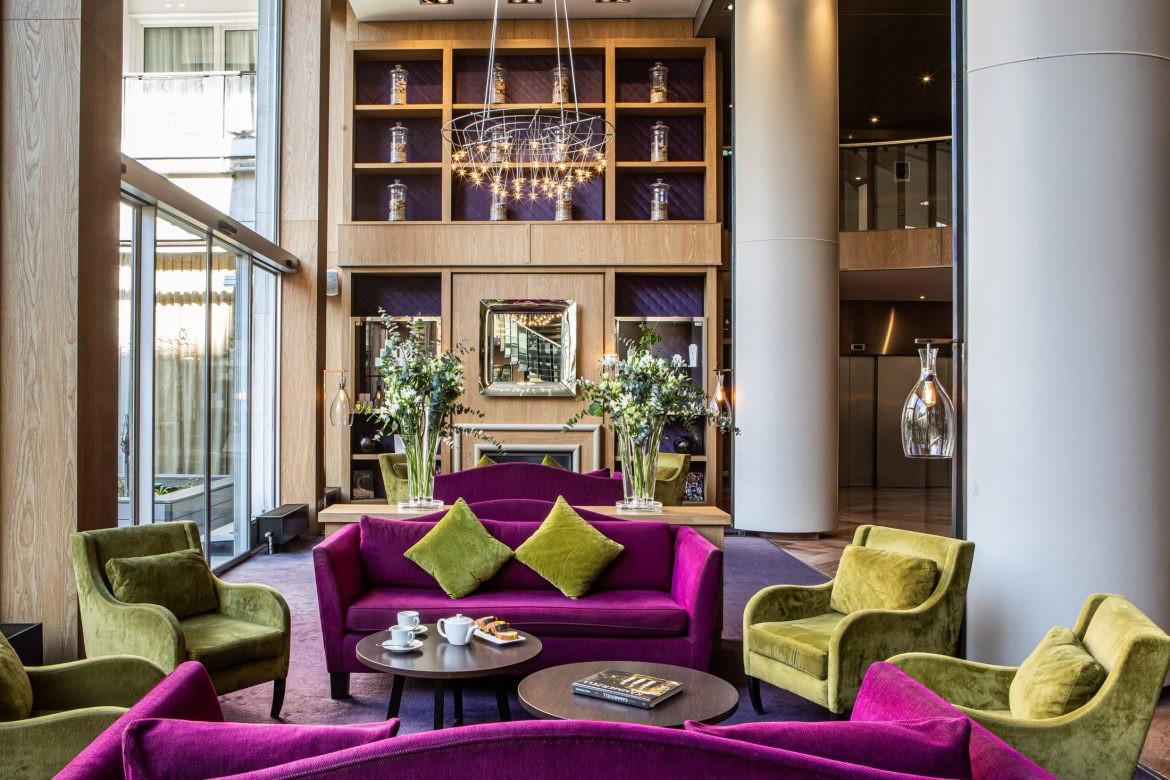
Hotels in Strasbourg
Browse all →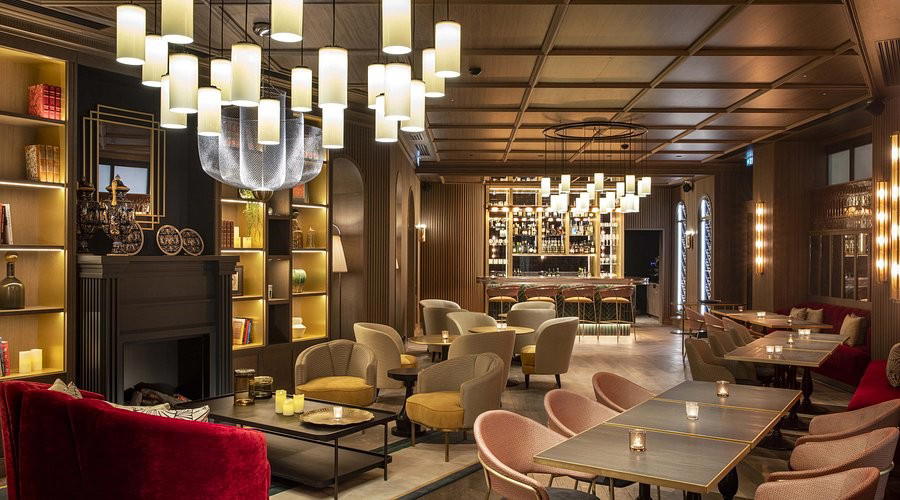

At a Glance
- Classic
- Elegant
- Iconic
- Historic
- Sophisticated
- Special Occasion
- Date Night
- Group Dining
- Historic Building
- Private Dining
- Terrace
- Extensive Wine List
- Street Scene
Warm, richly decorated historic interiors with wooden carvings and frescoes creating a timeless, opulent atmosphere.