Au Cruchon
Au Cruchon occupies a quiet address at 11 Rue des Pucelles in Strasbourg's historic core, where Alsatian dining culture runs deepest. The restaurant draws on a tradition that predates most of France's celebrated regional cuisines, placing it inside a city where the line between French and Germanic cooking has always been deliberately blurred. For visitors calibrating their Strasbourg itinerary, it belongs on the shortlist alongside the city's more decorated addresses.
Pearl is the En Primeur Club membership app — saves, bookings, and concierge access live there. Same editors, same standards.
- Address
- 11 Rue des Pucelles, 67000 Strasbourg, France
- Phone
- +33388357882
- Website
- module.thefork.com
- Directions
- Get directions
 Saves & bookings on Pearl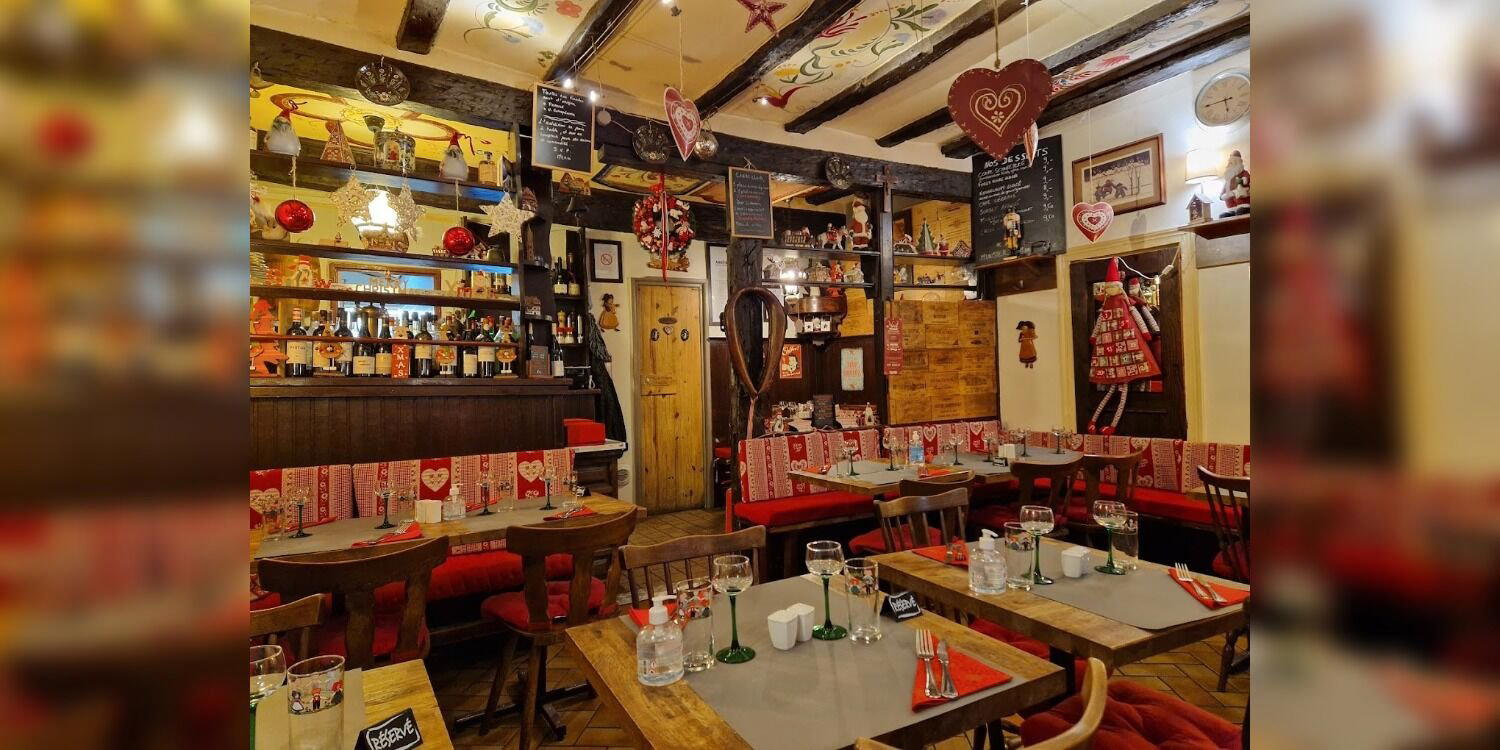
A Street Where Alsatian Cooking Has Always Made Sense
Rue des Pucelles sits in the kind of Strasbourg quarter where the architecture does half the storytelling. Timber frames, sandstone facades, and the occasional glimpse of the cathedral spire remind you that this city spent centuries exchanging identities between France and Germany, and that its cuisine absorbed every transition. Au Cruchon, at number 11, occupies that historically layered setting, a physical address that signals something about the cooking before you have seen a menu.
Alsace produces one of France's most codified regional cuisines, built on choucroute, baeckeoffe, flammekueche, and a roster of preparations that owe as much to Rhineland Germany as to Gallic tradition. The region's wine culture runs parallel: Riesling, Gewurztraminer, and Pinot Gris grown on the eastern slopes of the Vosges have defined local pairing logic for generations. Any restaurant working in this tradition operates against a reference set that includes Auberge de l'Ill in Illhaeusern, one of France's most enduring three-star addresses, and closer to the city, Au Crocodile, which has carried the Alsatian-modern banner through multiple decades of critical attention. Au Cruchon works at a different register, less formal in ambition, more rooted in the everyday expression of Alsatian hospitality.
What Alsatian Dining Tradition Means in Practice
The cultural weight behind Alsatian cooking is often underestimated by visitors arriving from Paris or Lyon. This is not a simplified provincial cuisine. It is a precise, ingredient-forward tradition where the fermenting of cabbage, the slow braising of meat and root vegetables in earthenware, and the production of fruit brandies (eaux-de-vie) all represent accumulated technical knowledge passed between generations. The region's position as a geopolitical border zone gave its cooks access to two culinary vocabularies simultaneously, and particularly interesting Alsatian tables have always drawn from both without losing coherence.
Strasbourg functions as the administrative and gastronomic capital of this tradition. The city holds a density of winstubs, brasseries, and table restaurants that together represent something close to a complete portrait of Alsatian eating culture. At the formal end, addresses like 1741 and de:ja apply contemporary technique to local ingredients, while the winstub tradition prioritises conviviality and portion scale over refinement. Au Cruchon reads as a participant in that broader civic dining culture rather than as a destination built on credential accumulation.
Elsewhere in France, the restaurants that define regional identity at the highest level include Troisgros - Le Bois sans Feuilles in the Loire region, Bras in Laguiole, and Les Prés d'Eugénie in the southwest, each a product of a specific landscape, each inseparable from the cooking philosophy of its region. Alsace holds its own in that comparison: its culinary identity is too specific and too historically grounded to dissolve into generic French fine dining.
Strasbourg's Dining Tiers and Where Au Cruchon Fits
The city's restaurant scene currently separates into three legible tiers. At the leading, Michelin-starred or near-starred addresses pursue modernist or contemporary Alsatian cooking with seasonal menus, wine pairings, and booking windows that can extend weeks in advance. In the middle, a substantial layer of brasseries and table restaurants provides the daily infrastructure of Strasbourg's eating culture, with menus anchored in regional classics and priced accessibly for locals. Below that, the tourist-facing winstubs along the Grande Île deliver the postcard version of Alsatian food with variable execution.
The restaurant occupies this civic middle ground alongside addresses like Les Funambules and Umami, both of which demonstrate that Strasbourg's mid-tier is not simply a staging post toward the fine dining bracket but a valid destination in its own right. The winstub and cruchon formats, the latter named for a small earthenware pitcher associated with Alsatian wine service, carry their own internal logic of generosity, directness, and seasonal grounding.
For international context, the appetite for specific, place-rooted cooking has been visible across markets from New York, where Le Bernardin built its reputation on a single product category with absolute focus, to San Francisco, where Lazy Bear works the communal-table format with technical rigour. The common thread is legibility: dining rooms that know what they are and execute it without equivocation. That logic applies in Strasbourg as much as anywhere.
Planning Your Visit
The restaurant is at 11 Rue des Pucelles in Strasbourg's historic centre, reachable on foot from the Grande Île and the cathedral district. Given the scale typical of addresses in this category, walk-in availability is plausible outside peak service times, but Strasbourg's busier tourist periods, particularly the Christmas market season from late November through December and the summer months, compress capacity across the city's mid-tier restaurants. A reservation is recommended.
Visitors building a longer French itinerary around serious regional cooking might also consider Flocons de Sel in Megève, Paul Bocuse - L'Auberge du Pont de Collonges, Alléno Paris au Pavillon Ledoyen, Mirazur in Menton, Georges Blanc in Vonnas, or La Table du Castellet in Provence. Each maps to a distinct regional tradition and collectively they trace the geographic scope of French cooking at its most articulate.
Cost and Credentials
Comparable venues nearby, for context on price, style, and recognition.
| Venue | Cuisine | Price | Notes |
|---|---|---|---|
| Au CruchonThis venue — the venue you are viewing | Centre, Traditional Alsatian Winstub | $$ | Not listed |
| Au Brasseur | Centre, Traditional Alsatian Brasserie | $$ | Not listed |
| Muensterstuewel | Centre, Traditional Alsatian Winstub | $$ | Not listed |
| Pfifferbriader | Centre, Traditional Alsatian Winstub | $$ | Not listed |
| L'Oignon | Centre, Traditional French Alsatian | $$ | Not listed |
| Madeleine | Not listed | $$ | Bourse-Esplanade-Krutenau, Modern Alsatian-Breton Bistro |
Continue exploring
More in Strasbourg
Restaurants in Strasbourg
Browse all →

Bars in Strasbourg
Browse all →


Hotels in Strasbourg
Browse all →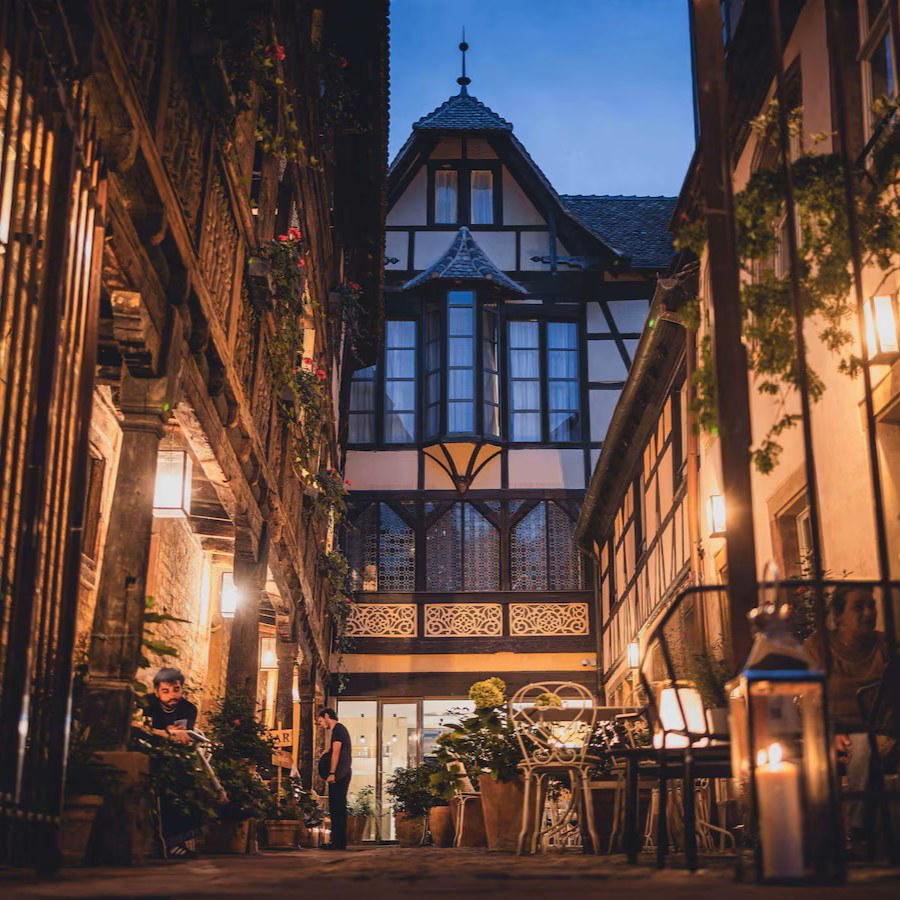
At a Glance
- Cozy
- Rustic
- Intimate
- Classic
- Casual Hangout
- Special Occasion
- Historic Building
- Local Sourcing
Current opening hours
- Monday
- Closed
- Tuesday
- 6–9:30 PM
- Wednesday
- 11:45 AM–1:15 PM, 6–9:30 PM
- Thursday
- 11:45 AM–1:15 PM, 6–9:30 PM
- Friday
- 11:45 AM–1:15 PM, 6–9:30 PM
- Saturday
- 11:45 AM–1:15 PM, 6–9:30 PM
- Sunday
- 12–2:30 PM
Hours can change for holidays and private events. Last verified .
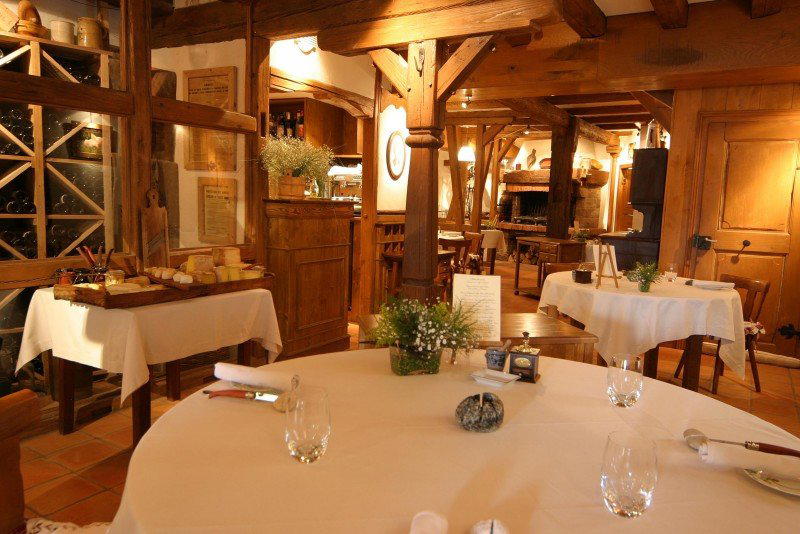
Warm, cozy, and quaint with a typical small Alsatian room and close-together tables fostering an authentic, family-like atmosphere.