Pavillon Régent Petite France
Set within Strasbourg's medieval Petite France quarter, Pavillon Régent offers a hotel bar experience shaped by the neighbourhood's half-timbered architecture and the city's position at the crossroads of French and Alsatian drinking culture. The address at 6 Rue des Moulins places guests within walking distance of the city's most characterful canalsides, making it a natural stopping point for those exploring the region's wine and spirits traditions.

Pearl is the En Primeur Club membership app, where members save venues, book tables and use the concierge.
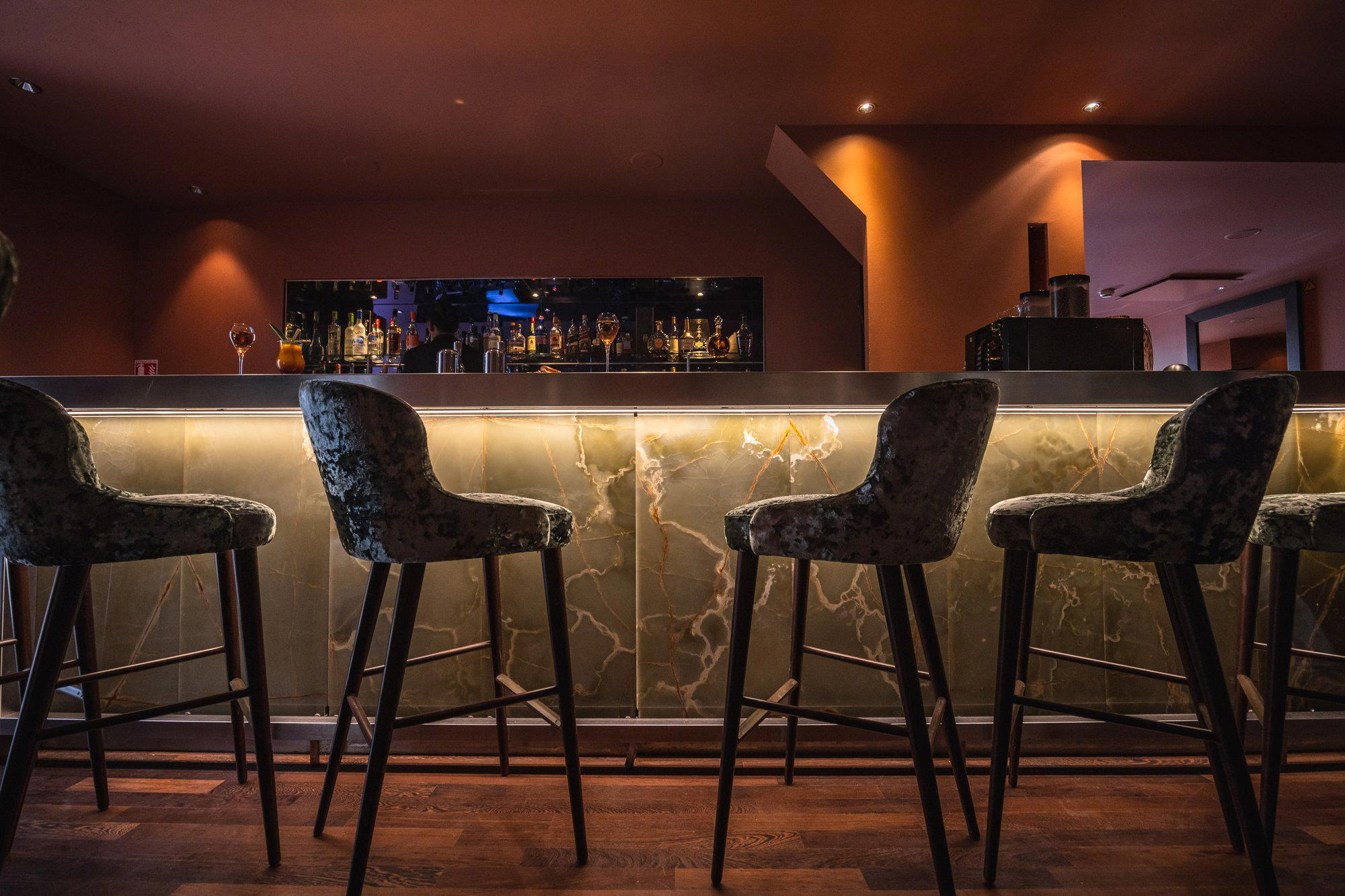
Where the Canal District Meets the Back Bar
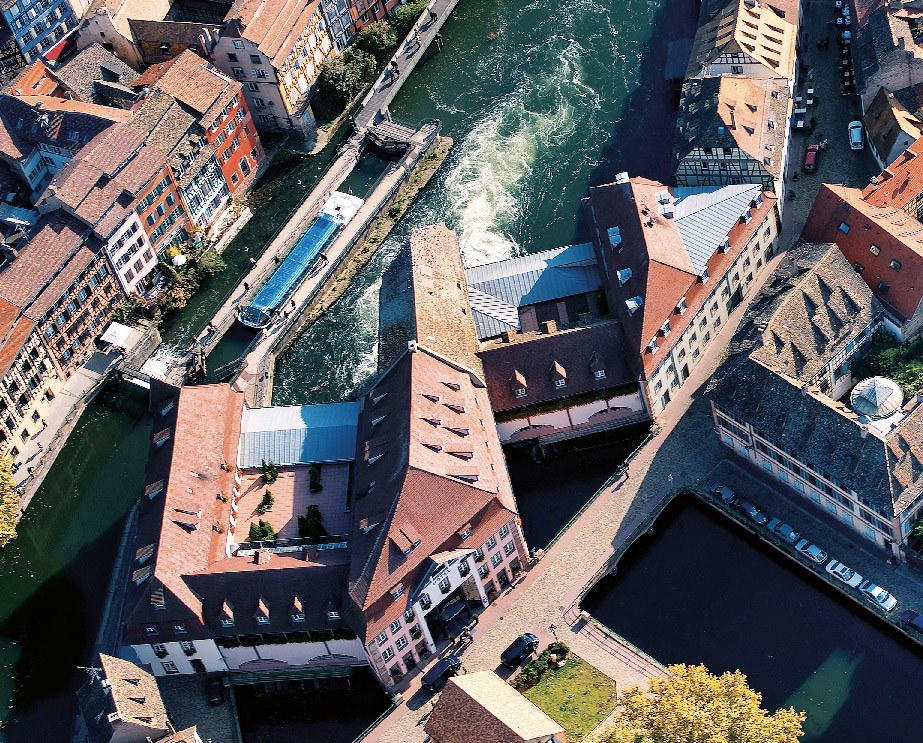
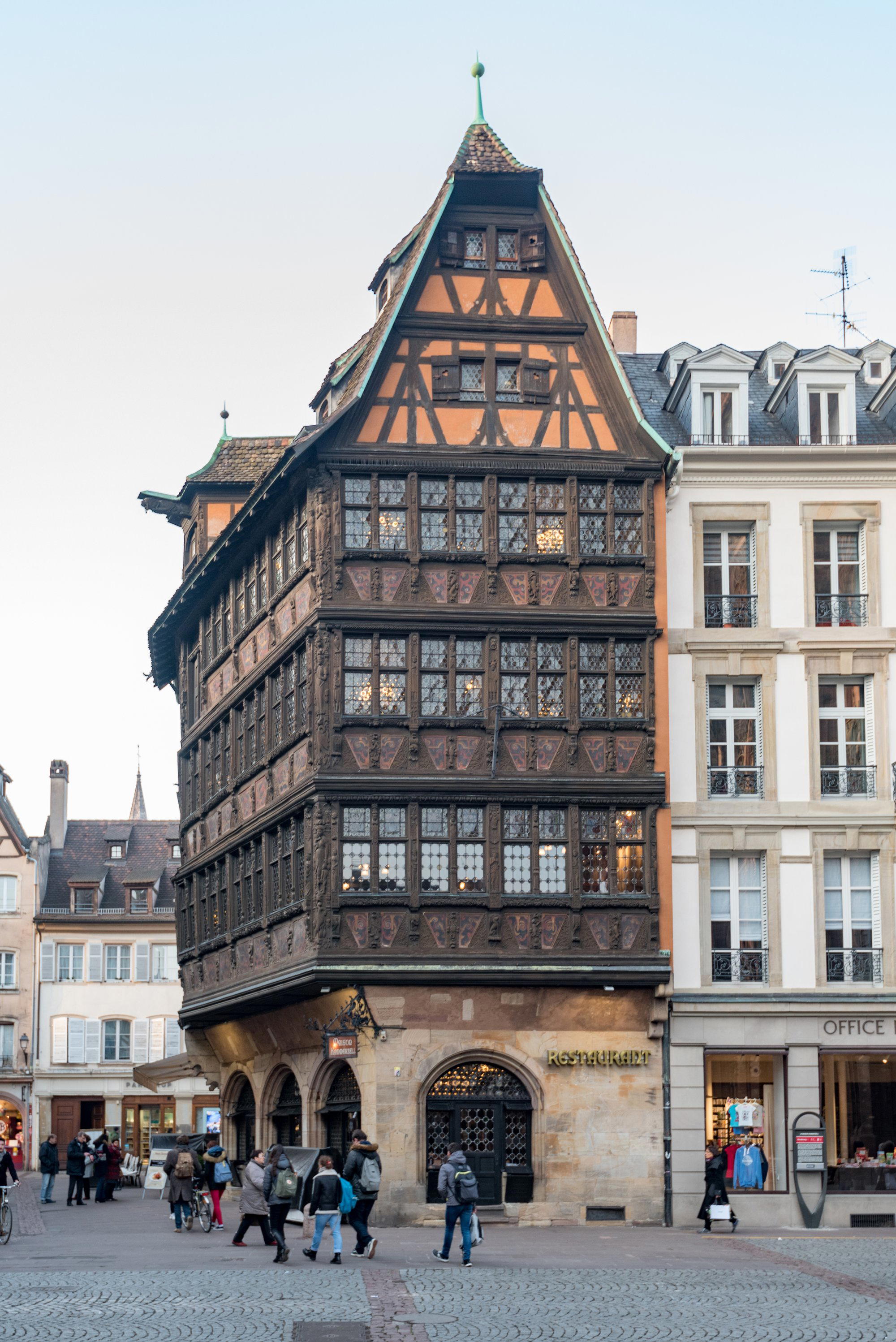
Petite France is the most architecturally concentrated neighbourhood in Strasbourg, a district of sixteenth-century tanners' houses, lock-gates, and narrow waterways that the city has preserved with unusual rigour. Hotels here occupy buildings that were trading posts and guild houses long before hospitality became the business, and the bars that operate within them inherit a particular atmospheric weight: low ceilings, thick stone, and windows that frame the Ill River rather than open onto it. Pavillon Régent Petite France, at 6 Rue des Moulins, sits inside this context. The address is not incidental. It places the property in the tightest part of the old quarter, where the density of preserved medieval fabric is highest and the distance from the tourist-facing souvenir circuit is shortest.
For a drinks-focused traveller, the quarter matters because it frames expectations before you arrive at the bar. Alsace has one of France's most distinctive drinking cultures, built on white wine production that runs from the dry mineral Rieslings of the Grand Cru slopes to the richer Gewurztraminers of the southern villages, and on a tradition of fruit brandy distillation, eau-de-vie, that predates cocktail culture by centuries. A bar operating in this neighbourhood has access to a regional drinks vocabulary that most French cities simply do not have.
The Spirits Collection as Curatorial Statement
Across France's serious bar scene, the back bar has become a credentialling device. In Paris, addresses like Bar Nouveau in Paris have built identities around depth of selection and the logic behind it. The question worth asking of any hotel bar in a wine and spirits region is whether the collection reflects the place or merely performs it. A bottle of local marc on a shelf between international blended Scotches is decoration. A structured selection of Alsatian eaux-de-vie, distilled from quetsch, mirabelle, and poire williams, positioned alongside aged Armagnac and a considered range of Cognac, signals something different: a bar programme that takes provenance seriously.
Alsace's eau-de-vie tradition is worth understanding on its own terms. These are high-proof, unaged fruit spirits distilled to capture varietal character rather than to accumulate wood influence. They sit outside the standard cocktail toolkit and require a bar willing to explain them and serve them correctly, typically chilled, in a tulip glass, as a digestif. A hotel bar in Petite France that stocks these properly is making an argument about what this city's drinking culture actually is, rather than defaulting to the international spirits list that any airport lounge could replicate.
For context on what depth-of-selection looks like in comparable French bar contexts, La Maison M. in Lyon and Coté vin in Toulouse both demonstrate how regional identity can anchor a drinks programme without reducing it to a local-curiosity shelf. Bar Casa Bordeaux in Bordeaux shows what happens when a wine-producing city takes its hotel bar format seriously at a structural level.
Strasbourg's Drinking Geography
Within Strasbourg, the bar scene divides broadly between neighbourhood drinking rooms and hotel-anchored spaces. The former tend to skew towards Alsatian wine by the glass and local lager from the city's own brewing tradition. Au Brasseur represents that brewery-rooted strand of the city's culture, while Le Purgatoire operates in a different register. A hotel bar in Petite France occupies neither extreme: it has access to a guest base that is already primed for a considered drinks experience and a location that rewards staying rather than moving on quickly.
Strasbourg's position as the seat of the European Parliament has historically kept a layer of international travellers moving through the city who are accustomed to high-specification bar programmes. That audience, combined with the city's own educated drinking culture, makes it a more demanding market for hotel bars than its size might suggest. For broader context on what the city offers across its food and drink addresses, see our full Strasbourg restaurants guide.
The Physical Register
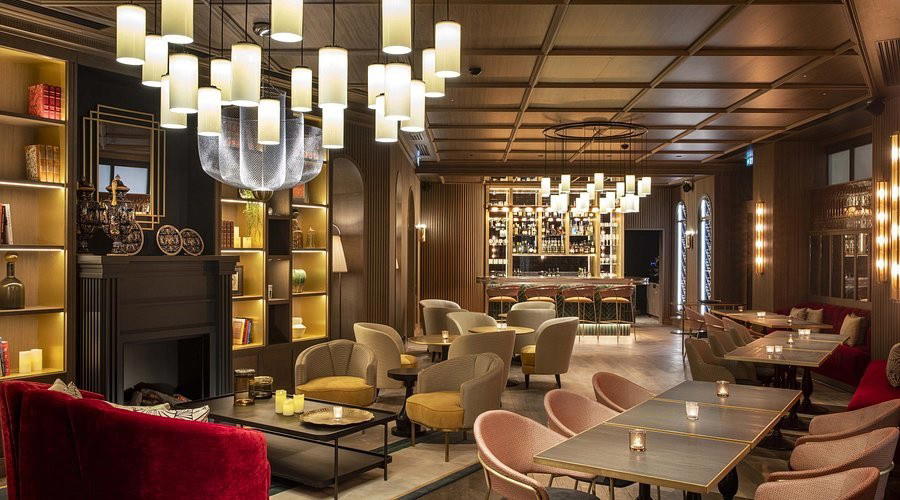
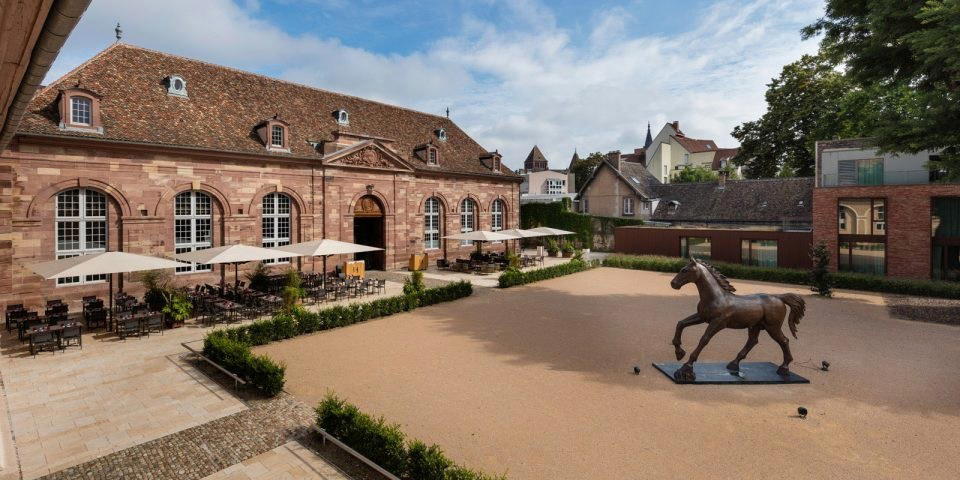
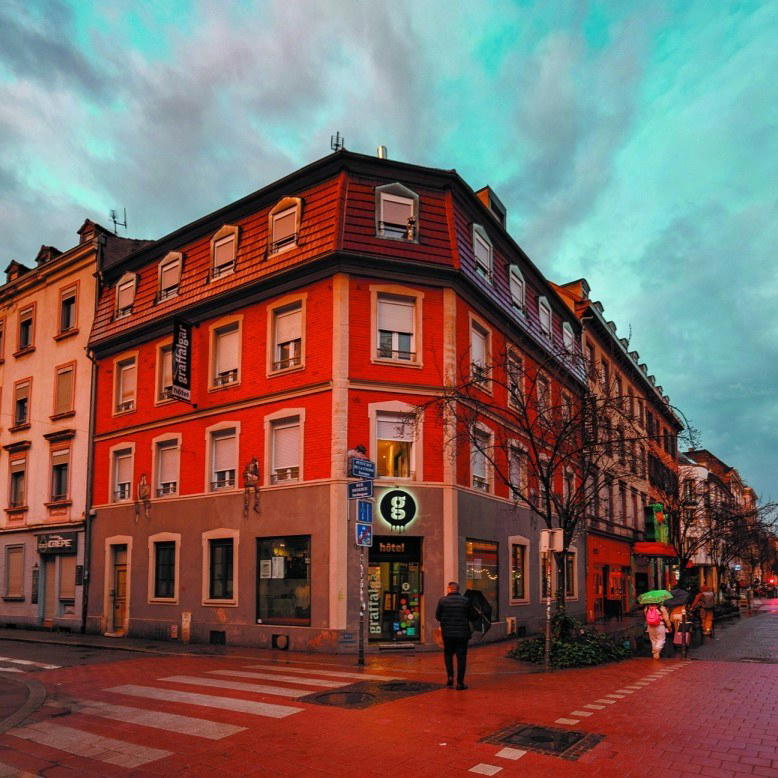
Walking towards the property along the Rue des Moulins, the neighbourhood asserts itself before the building does. The canal runs close, the half-timbered facades stack upwards, and the scale is consistently human: narrow street fronts, projecting upper storeys, the occasional covered passageway. Hotel bars in settings like this face an architectural gift and a discipline problem simultaneously. The gift is that any interior inherits the character of the exterior. The discipline problem is that heritage interiors can become stage sets rather than functioning spaces if the curation of the programme does not match the quality of the shell.
The atmospheric expectation at an address like this is stone, wood, candlelight, and the particular quiet that comes from being insulated by several centuries of masonry from the noise of the surrounding city. Whether the bar programme rises to that architectural context is the operative question for a drinks-focused visitor.
French Bar Formats in Comparison
For travellers building an itinerary around serious bar programmes across France, the regional variation is significant. Papa Doble in Montpellier operates in a Mediterranean register with a different spirits emphasis. Le Café de la Fontaine in La Turbie sits in an entirely different terrain. At the more formally appointed end of the French spectrum, Le Petit Nice Passedat in Marseille shows what a Relais and Châteaux property does with a bar context. The through-line across serious French bar addresses is that the strongest programmes find a way to make the local drinks tradition legible without reducing it to regionalist kitsch.
Internationally, the same curatorial logic applies. BOUVET LADUBAY in Saumur and Bar Leather Apron in Honolulu both demonstrate how address-specific identity can anchor a drinks programme at different ends of the price and formality spectrum.
Planning a Visit
The property sits at 6 Rue des Moulins in Strasbourg's Petite France quarter, reachable on foot from the cathedral district in under fifteen minutes. Strasbourg's tram network connects the main train station to the old city efficiently, and the city is a direct TGV from Paris in under two hours, making it a realistic destination for a long weekend built around wine, spirits, and architecture. The Petite France quarter is busiest in December during the Christmas market season, when the neighbourhood fills well beyond its usual pedestrian capacity; late September through early November offers the same architecture with considerably less foot traffic and the benefit of Alsace's harvest period, when the region's wine culture is at its most present.
A Pricing-First Comparison
| Venue | Cuisine | Price | Awards |
|---|---|---|---|
| Pavillon Régent Petite FranceThis venue (the venue you are viewing) | Not listed | Not listed | Not listed |
| Bar Nouveau | Not listed | $30–50 | World's 50 Best #5 · Top 500 Bars Best Bars #18 |
| Buddha Bar | Not listed | $100–150 | World's 50 Best #20 |
| Candelaria | Mexican-Cocktails | $20–30 | World's 50 Best #42 · Pinnacle Guide 1 Pin |
| Danico | Not listed | $20–30 | World's 50 Best #19 · Top 500 Bars Best Bars #17 |
| Harry's Bar | Not listed | $30–50 | World's 50 Best #27 · Top 500 Bars Best Bars #60 |
Continue exploring
More in Strasbourg
Bars in Strasbourg
All bars in Strasbourg →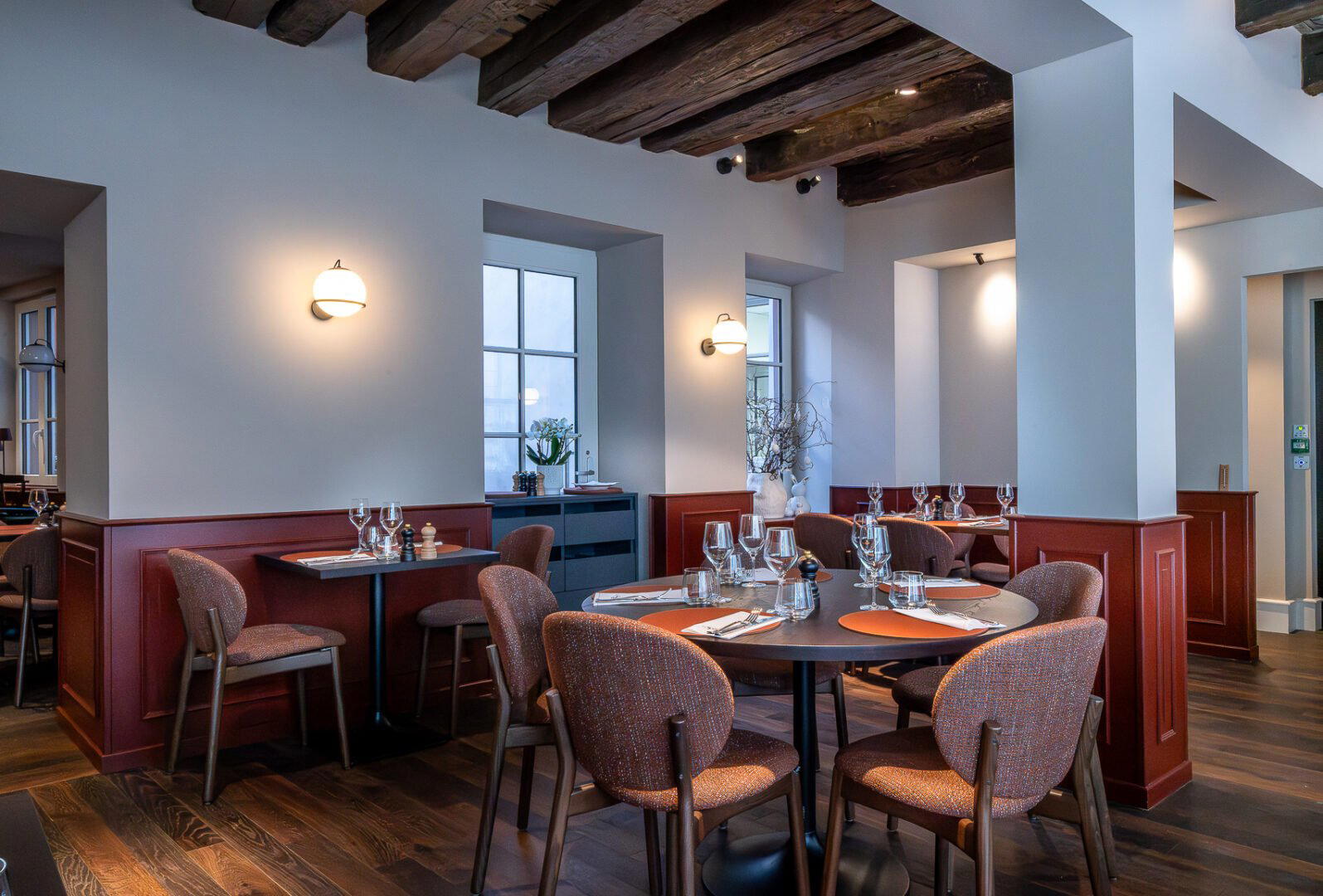
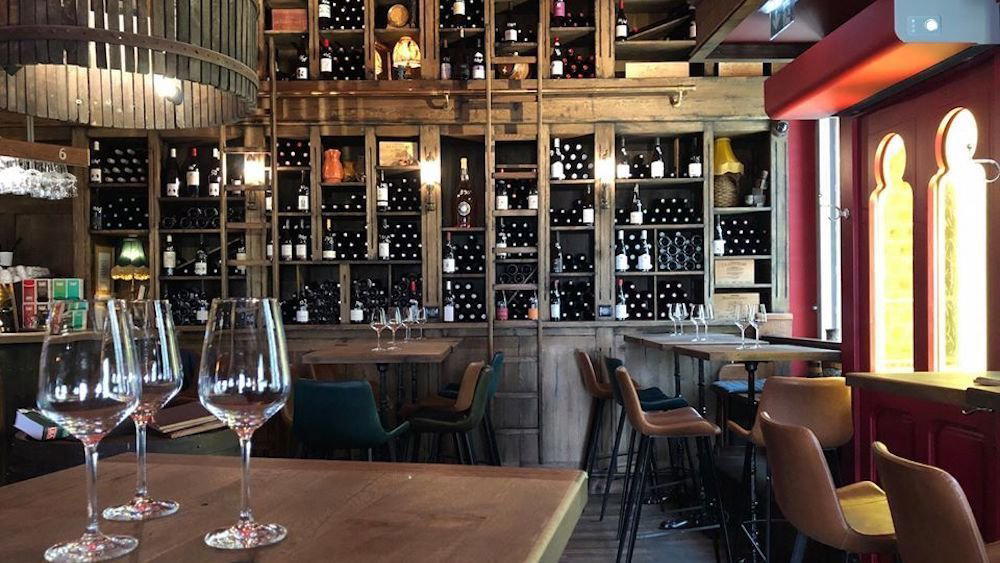
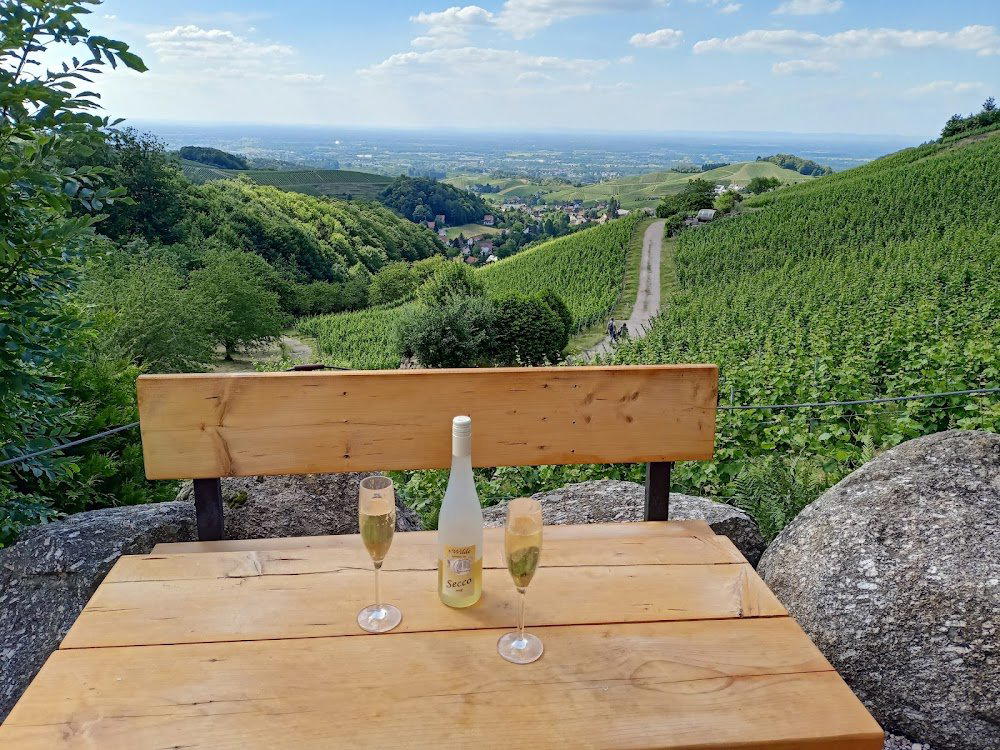
Restaurants in Strasbourg
All restaurants in Strasbourg →

Pavillon Régent Petite France
The drinks
- Craft cocktails
- Classic cocktails
Signature drinks: champagne, cocktails.
Details
- Intimate
- Elegant
- Sophisticated
- Quiet
- Scenic
- Date Night
- After Work
- Special Occasion
- Solo
- Hotel Bar
- Waterfront
- Historic Building
- Seated Bar
- Lounge Seating
- Conventional Wine
- Craft Cocktails
- Classic Cocktails
- Waterfront
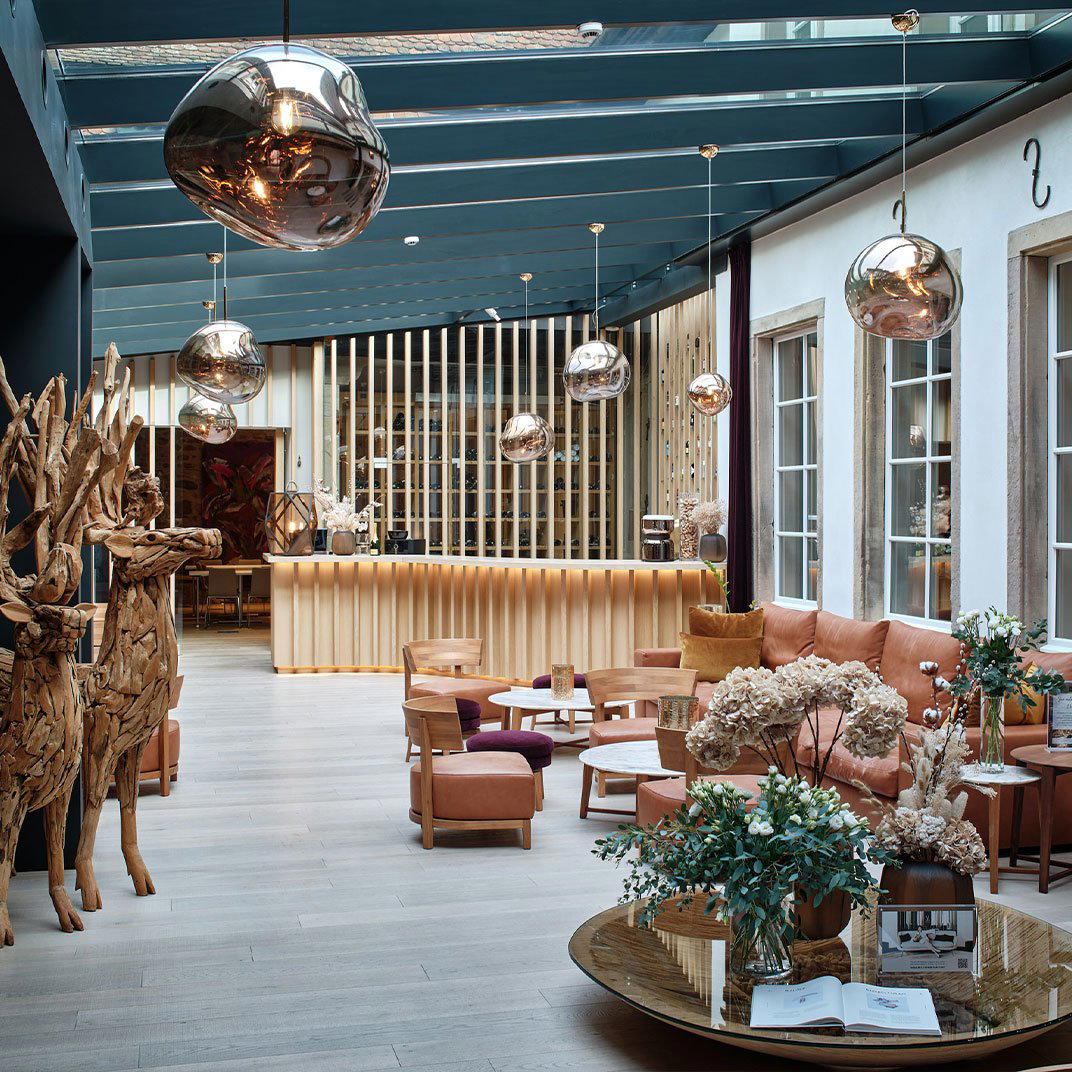
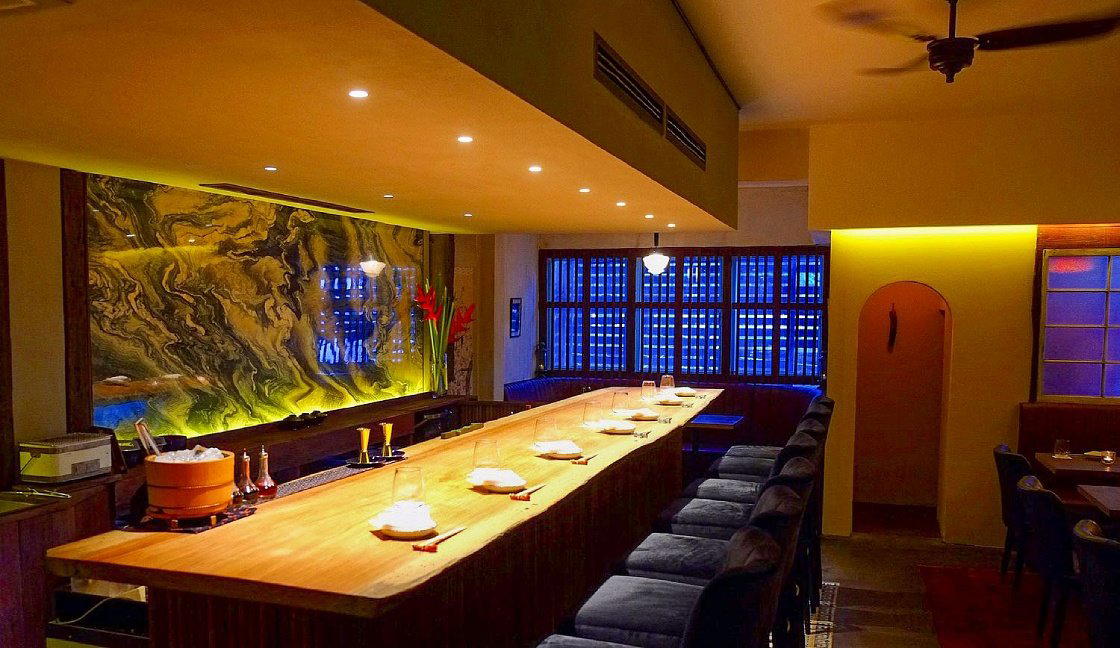
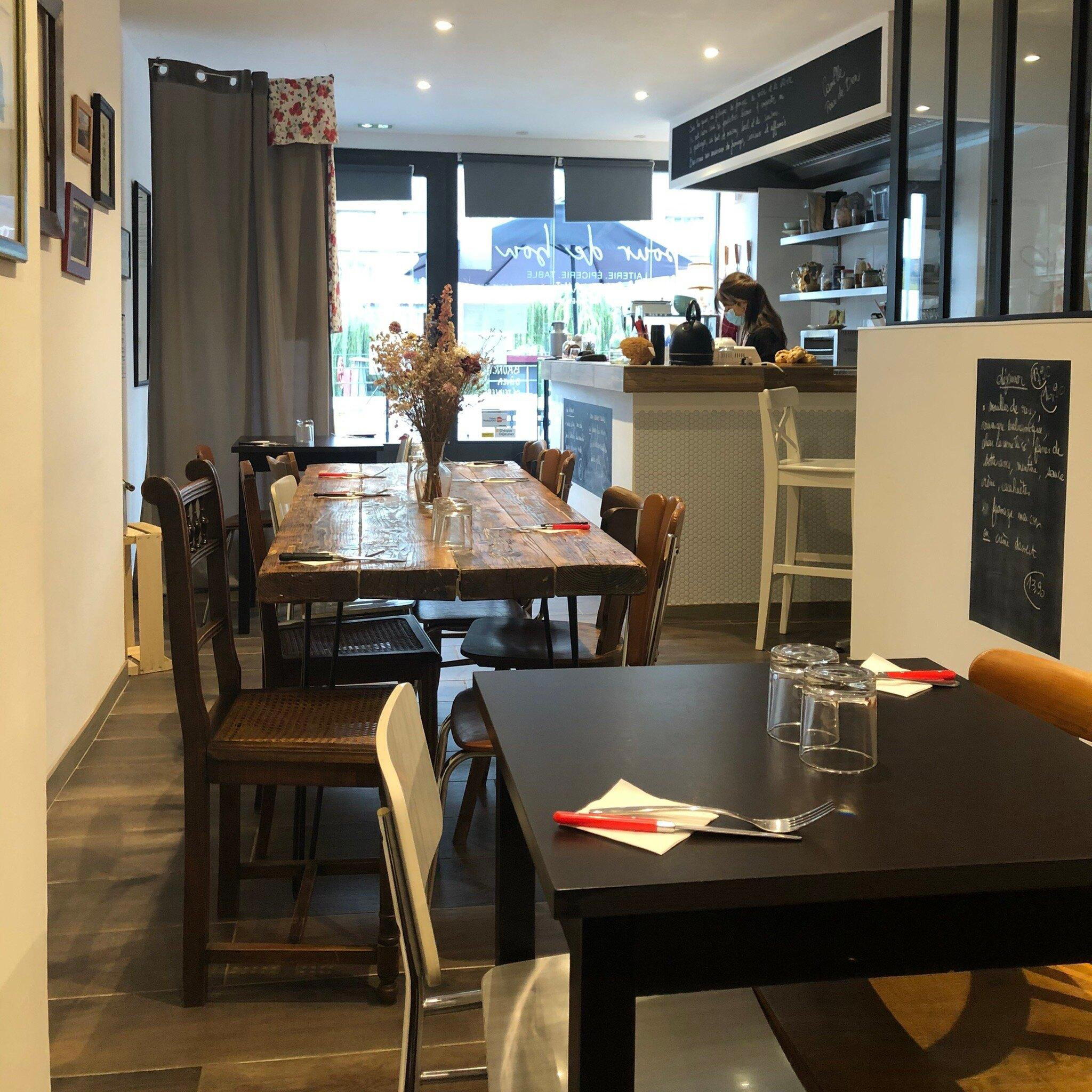
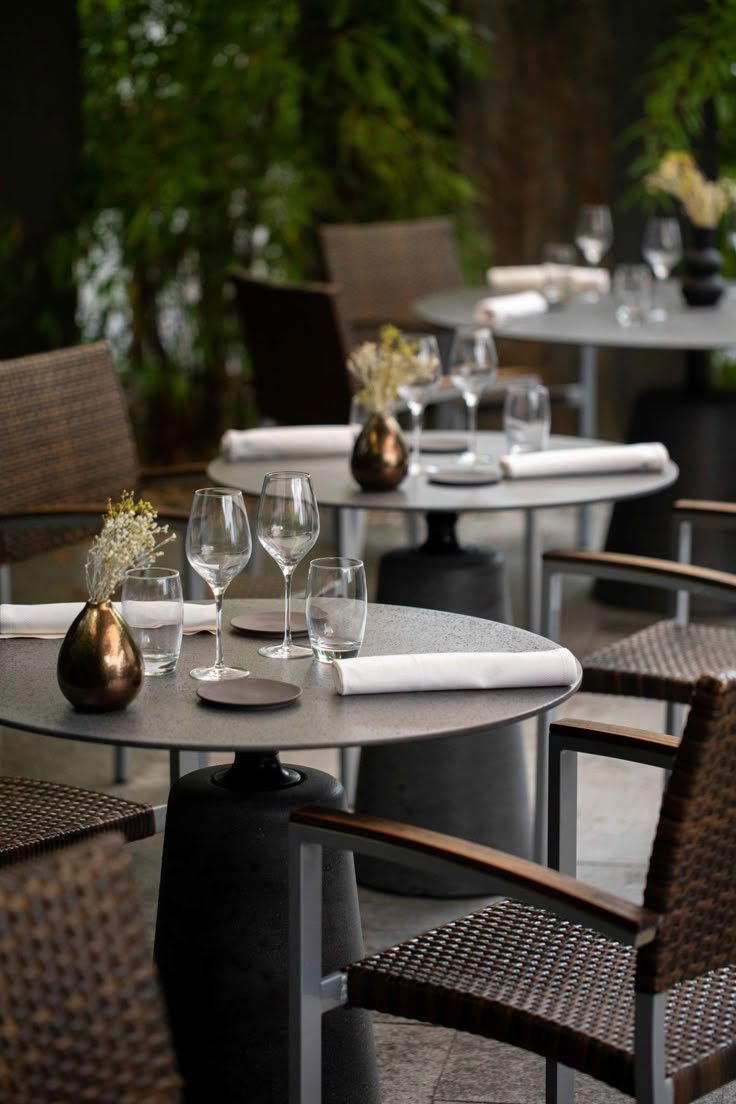
Warm, intimate, and slightly subdued, with a scenic waterfront feel overlooking Petite France and the Ill.