Au Gourmet

1 Michelin Star
Our verdict
A Michelin-starred country inn on the Alsatian plain, Au Gourmet earns its star through rigorous sourcing — chef Ludovic Kientz draws vegetables from his own garden and applies techniques honed at Au Crocodile in Strasbourg to produce a menu where classical French architecture meets precise modern execution. Paired with sommelier Sandie Ling's wine direction, it sits well above its rural postcode.

Pearl is the En Primeur Club membership app — saves, bookings, and concierge access live there. Same editors, same standards.
- Address
- 4 Rte de Herrlisheim, 67410 Drusenheim, France
- Phone
- +33 3 88 53 30 60
- Website
- au-gourmet.fr
- Directions
- Get directions
- Booking
- Book on TheFork
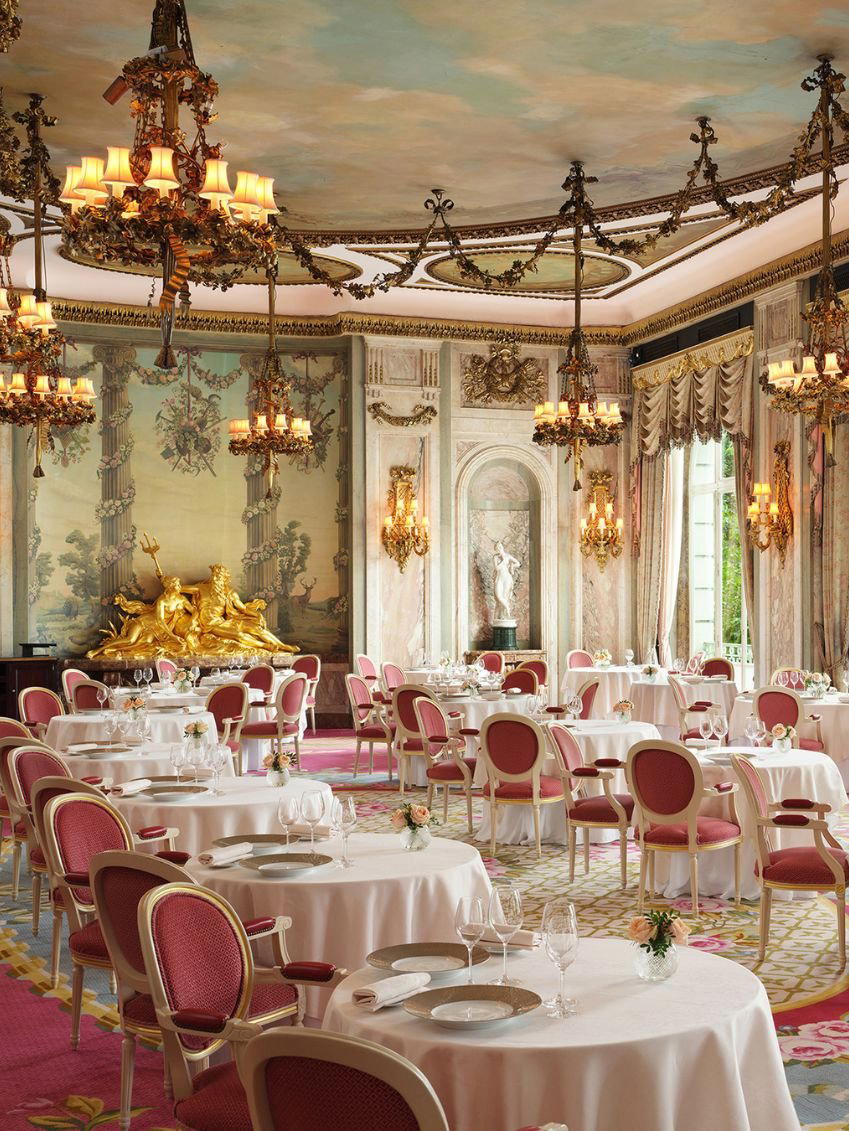
A Country Road, a Garden, and a Star
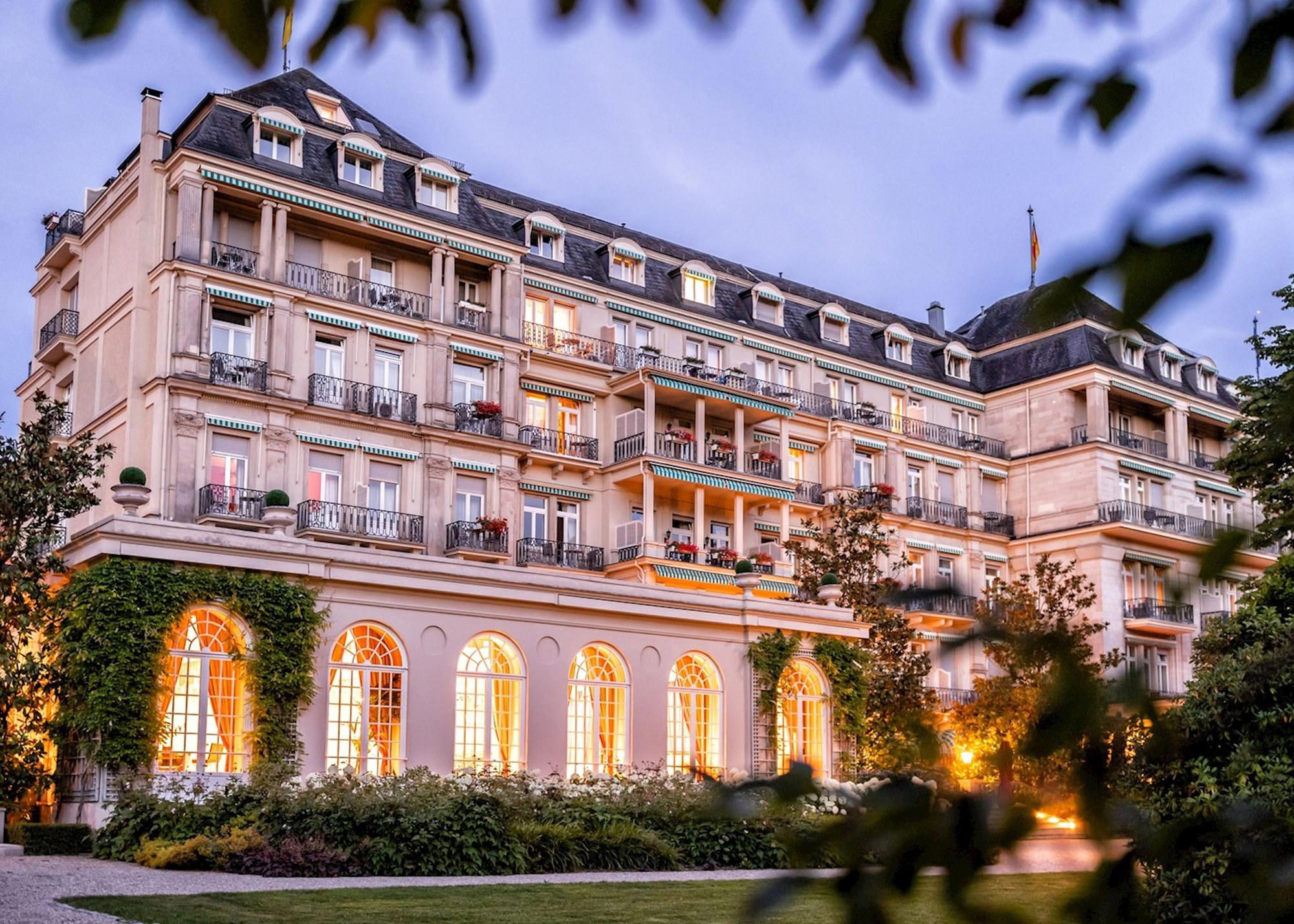
The village of Drusenheim sits on the Rhine plain northeast of Strasbourg, in the flat agricultural corridor between the Vosges foothills and the German border. There are no grand boulevards here, no tourist infrastructure, no obvious reason to pull off the route nationale — which is precisely what makes the arrival at Au Gourmet instructive. The restaurant occupies a large country inn set within a garden, the kind of setting that in France tends to signal either solid bourgeois tradition or quiet ambition. At Au Gourmet, it is the latter. The property holds a Michelin star (2024), a credential that tells you something important about how the French guide thinks about geography: proximity to a city is not the criterion, cooking is.
For context on the dining scene surrounding this stretch of Alsace, see our full Drusenheim restaurants guide, along with guides to bars, hotels, wineries, and experiences in the area.
The Logic of the Garden
In French fine dining, the garden-to-table credential has become so widely claimed that it risks losing meaning. At Au Gourmet, the claim is structural rather than decorative. Chef Ludovic Kientz grows vegetables on-site and builds the menu around what that garden produces, which imposes a genuine constraint on what appears at the table and when. This is a different relationship with ingredient sourcing than sourcing from a preferred regional supplier — it means the chef's planning horizon is tied to growing conditions, and the menu shifts accordingly.
This matters because Alsatian cooking, at its serious end, has always had a strong relationship with the land. The region's cuisine draws on Germanic larder traditions, game, river fish, root vegetables, fermented preparations, as well as on the refinement of French classical technique. The leading Alsatian tables treat local produce not as a regional branding exercise but as a technical challenge: how do you apply sauce work and precise cookery to ingredients that have an inherent character? Au Gourmet is working in that tradition, but with a contemporary lightness that separates it from the heavier register of older Alsatian grand restaurants.
The menu signals this approach directly. Scallop carpaccio appears with young vegetables, caviar, quinoa salad, and lime gel, a construction that requires the seafood to carry itself without thermal cooking, relying entirely on quality and preparation. Duck fillet comes with truffled potato, a red wine jus sharpened with ginger and juniper berries, a sauce that references classical Alsatian spicing (juniper is native to the Vosges) while reaching toward something more contemporary in its acidity and aromatics. These are not dishes that announce themselves loudly. They are precise.
The Lineage Behind the Plate
In Alsace, culinary lineage carries weight. Au Crocodile in Strasbourg under Émile Jung was one of the region's defining restaurants for decades, a Michelin three-star house that represented classical Alsatian cuisine at its most technically rigorous. Kientz trained there, and that background is apparent in the structural confidence of the cooking: the sauce work, the attention to temperature and texture, the respect for classical form even as the menu gestures toward modern lightness.
This pattern of chef training at regional grandes maisons before establishing smaller, independent tables is well established across French provincial fine dining. You see it at Auberge de l'Ill in Illhaeusern, where the Haeberlin family legacy continues to shape the next generation of Alsatian cooks, and at properties like Auberge du Vieux Puits in Fontjoncouse, where a deeply rural address has not prevented the development of serious, nationally recognized cooking. The trajectory, grande maison apprenticeship, then independent country table, produces a specific kind of restaurant: technically grounded, locally rooted, operating at a scale where the chef can maintain close oversight of every element.
Sommelier Sandie Ling brings comparable institutional depth to the front of house. Her background includes Michel Bras, the Aubrac property that has shaped how France thinks about landscape-driven cuisine for three decades, and which you can read about at Bras in Laguiole. A sommelier trained in that environment understands wine as part of an integrated experience rather than as an add-on service, and at a restaurant where the menu is built around garden produce and precise saucing, the wine program is not incidental.
Where Au Gourmet Sits in the Wider French Fine Dining Map
The Michelin one-star bracket in provincial France is a large and varied category. It includes everything from ambitious urban bistros to long-established bourgeois houses. What distinguishes Au Gourmet within that bracket is the combination of its rural address and its metropolitan training pedigree. This is not a restaurant that has drifted upward from a solid regional baseline, it is a restaurant built from the leading down, with Strasbourg grand-restaurant technique transplanted to a country inn format.
That format is worth considering as a category in itself. The country inn with a serious kitchen is a French institution that operates differently from city restaurants. Lunch service runs Thursday through Saturday from midday, dinner Wednesday through Saturday from 7 PM, with Sunday lunch extending to 3 PM. Monday and Tuesday are closed. These hours reflect a deliberate rhythm: this is a destination, not a convenience, and the kitchen produces food that requires preparation time and attention that a longer weekly service would compromise.
At the €€€ price tier, Au Gourmet is accessible relative to the three-star houses it is connected to by lineage. Alléno Paris au Pavillon Ledoyen, Mirazur in Menton, and Assiette Champenoise in Reims all operate at €€€€, as does Flocons de Sel in Megève. A one-star provincial table with this level of institutional DNA represents a different value proposition, you are accessing a similar depth of technique at a meaningfully different price point, in exchange for the journey.
The Case for the Drive
The relevant comparison for a decision about Au Gourmet is not other Drusenheim restaurants, there are none at this level, but rather the broader question of what provincial French fine dining offers that city alternatives do not. In a country inn with a garden, the kitchen's relationship with its ingredients is visible in a way it cannot be in an urban address. The seasonal constraints are real. The pace is different: a Sunday lunch that runs to 3 PM is a different proposition than a timed city service.
Strasbourg is approximately 30 kilometres to the southwest, making Au Gourmet plausible as a lunch or dinner excursion from the city. The restaurant's address, 4 Route de Herrlisheim, 67410 Drusenheim, requires a car; there is no practical public transport connection. Reservations are essential at this level of recognition, and the limited weekly hours mean lead time matters.
For readers who place France's three-star institutions in their reference frame, the kind of cooking represented by Troisgros in Ouches, Paul Bocuse in Collonges-au-Mont-d'Or, or internationally at Frantzén in Stockholm and FZN by Björn Frantzén in Dubai, Au Gourmet is not a substitute but a complement: what rigorous technique looks like when applied at a smaller scale, with a kitchen garden visible from the dining room and a wine program built by someone trained in one of France's most demanding culinary environments. Equally, for those interested in the creative end of modern French cuisine as explored at AM par Alexandre Mazzia in Marseille, Au Gourmet offers a point of comparison in how classical discipline can accommodate modern precision without abandoning its foundations.
Frequently asked questions
Is Au Gourmet suitable for children?
Au Gourmet is a Michelin one-star restaurant operating a formal dinner and weekend lunch service, with the kitchen producing refined seafood, sauces, and garden vegetables in a classic French style with modern technique. The setting is a country inn with a large garden, which provides more space and ease than a city fine-dining room. Families with older children who are comfortable in a formal dining environment will find the format manageable; the €€€ price point and the deliberate pace of a tasting-style service make it less suited to very young children.
What is the atmosphere like at Au Gourmet?
The restaurant occupies a country inn set in a large garden on the outskirts of Drusenheim, on the Rhine plain northeast of Strasbourg — a setting that reads as rural and unhurried rather than urban or theatrical. The combination of chef Ludovic Kientz's kitchen background (Au Crocodile under Émile Jung) and sommelier Sandie Ling's service pedigree (Michel Bras) gives the room a level of precision that sits above the casual country-inn expectation. Dress accordingly: this is a one-star table, and the service register reflects that.
What distinctions does Au Gourmet have?
Au Gourmet has received recognition including: Ludovic Kientz (who previously worked at Au Crocodile in Strasbourg under the great Émile Jung) and sommelier Sandie Ling (his partner, ex Michel Bras notably) have turned this country inn set in a large garden into a taste sensation. The c….
What's the must-try dish at Au Gourmet?
The Michelin citation calls out two dishes that define Kientz's approach: scallop carpaccio with young vegetables, caviar, quinoa salad, and lime gel; and duck fillet with truffled potato and a red wine jus spiked with ginger and juniper berries. Both illustrate the kitchen's focus on seafood and sauces built on a classical French base, inflected with precise modern detail. Vegetables from the chef's own garden appear throughout, so the menu shifts with what the garden is producing.
At-a-Glance Comparison
| Venue | Cuisine | Price | Awards |
|---|---|---|---|
| Au GourmetThis venue — the venue you are viewing | Modern French Fine Dining | $50–100 | 1 Michelin Star |
| Alléno Paris au Pavillon Ledoyen | Creative | Not listed | Michelin 3 Star |
| Kei | Contemporary French, Modern Cuisine | Not listed | Michelin 3 Star |
| L'Ambroisie | French, Classic Cuisine | Not listed | Michelin 3 Star |
| Le Cinq - Four Seasons Hôtel George V | French, Modern Cuisine | Not listed | Michelin 3 Star |
| Plénitude | Contemporary French | Not listed | Michelin 3 Star |
Recognition history
Dated appearances from independent guides and award organizations, with the underlying list record or original source where available.
Michelin 1 Star
Michelin
Full recognition history (3 entries)
Michelin 1 Star
Michelin
Michelin 1 Star
Michelin
Continue exploring
More in Drusenheim
Restaurants in Drusenheim
Browse all →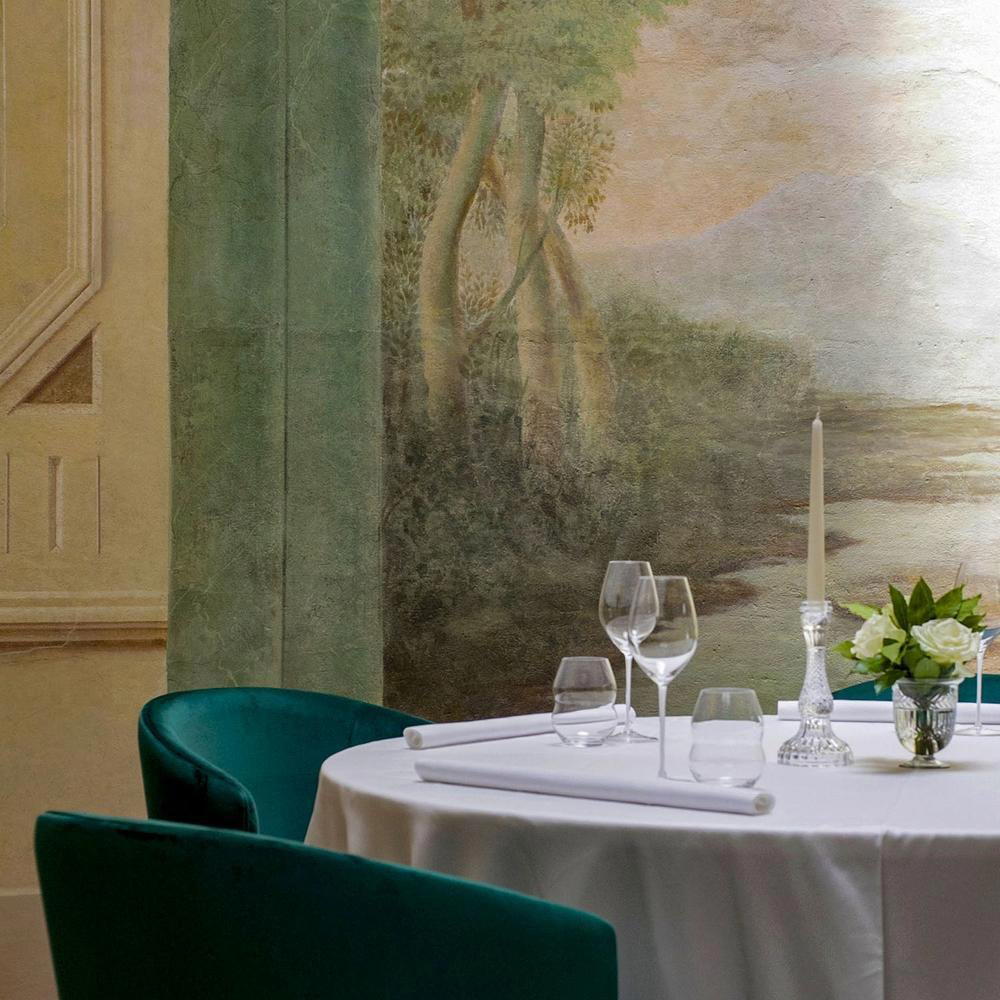
Bars in Drusenheim
Browse all →

Hotels in Drusenheim
Browse all →
Details
- Elegant
- Cozy
- Sophisticated
- Date Night
- Special Occasion
- Family
- Extensive Wine List
- Sommelier Led
- A La Carte
- Tasting Menu
- Vegetarian Friendly
- Gluten Free Options
- Allergy Accommodating
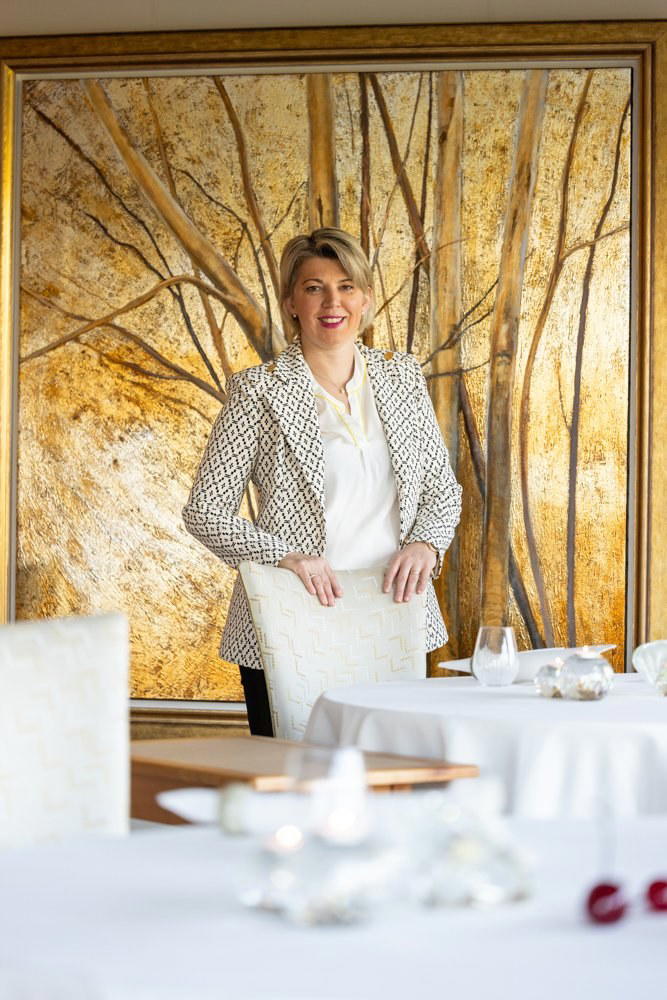
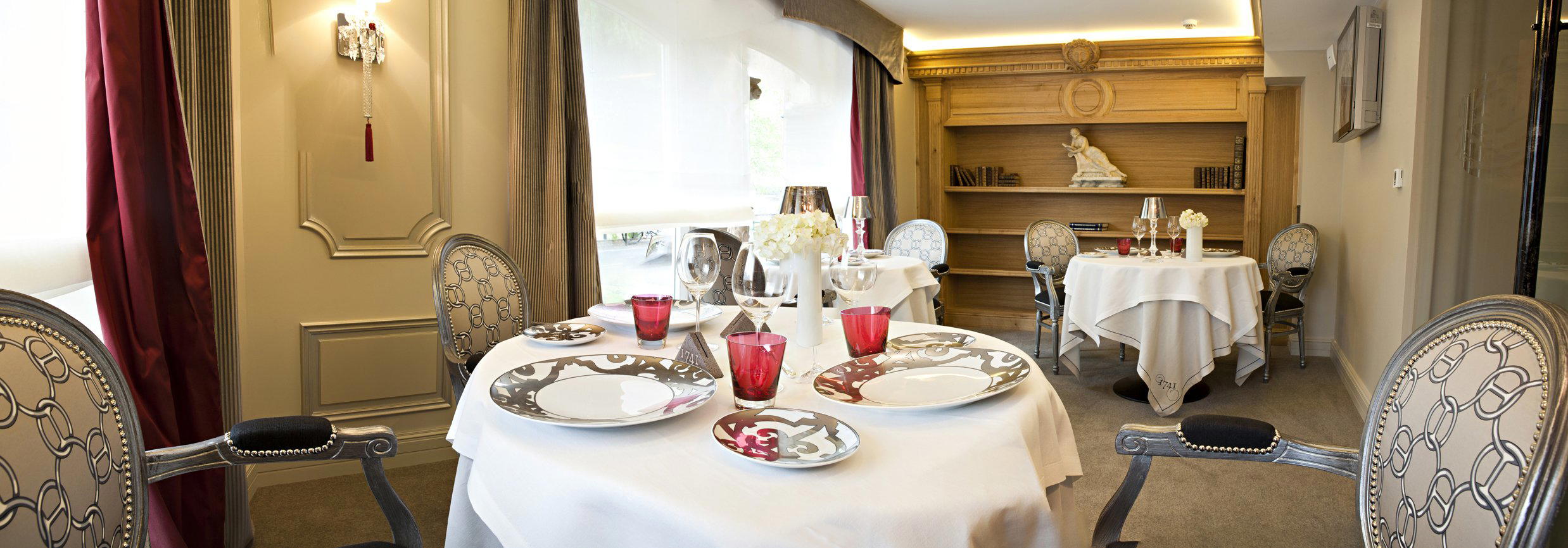
Welcoming light-filled dining room with white walls, round tables, white linen, colorful LED candles, and seasonal floral arrangements creating an elegant yet cheery and convivial atmosphere.