Tante Liesel
Tante Liesel occupies a half-timbered address at 4 Rue des Dentelles, deep in Strasbourg's Grande Île, where the architecture is as much the draw as what arrives at the table. The restaurant sits within the tradition of Alsatian winstub dining, a format defined by close rooms, dark wood, and a menu built around regional staples. For visitors tracking the city's dining character, it is a reference point for the older, more grounded strand of Strasbourg hospitality.
Pearl is the En Primeur Club membership app — saves, bookings, and concierge access live there. Same editors, same standards.
- Address
- 4 Rue des Dentelles, 67000 Strasbourg, France
- Phone
- +33388230216
- Website
- cheztanteliesel.com
- Directions
- Get directions
 Saves & bookings on Pearl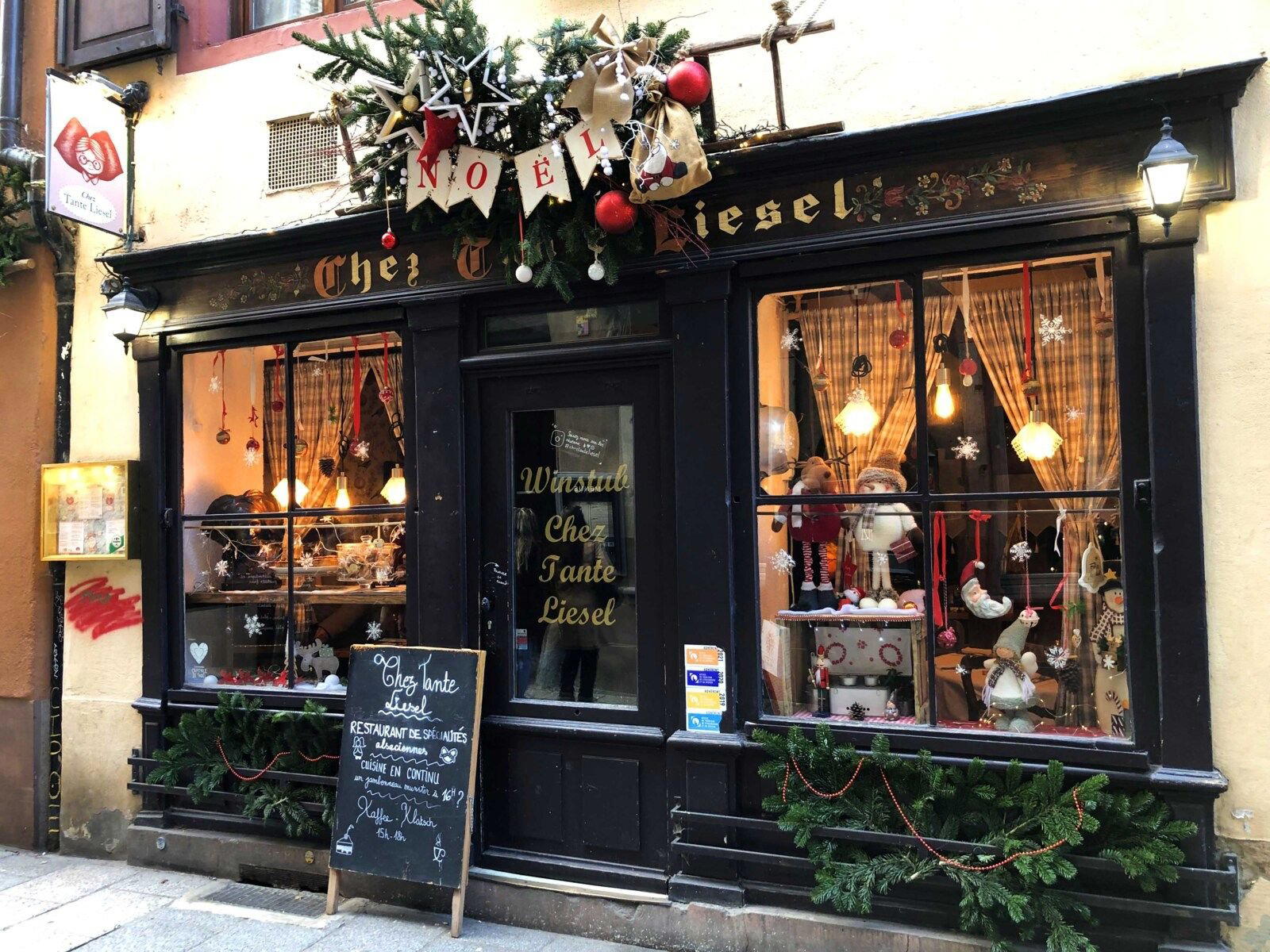
A Room That Sets the Terms
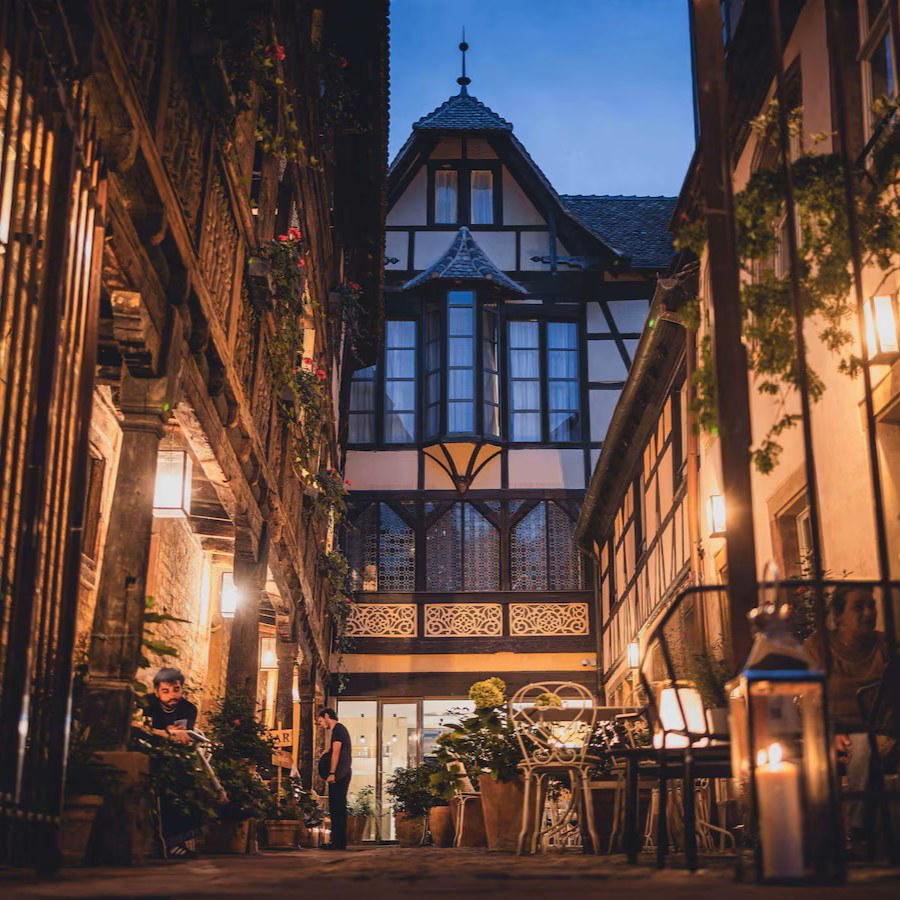
Rue des Dentelles is one of those Strasbourg streets where the buildings do most of the talking. The half-timbered façades along this stretch of the Grande Île date to a period when Alsace was still building in wood and plaster, and the interiors of the restaurants and winstubs that line it tend to follow the same logic: low ceilings, panelled walls, tables close enough together that neighbouring conversations become ambient sound. Tante Liesel is a restaurant serving traditional Alsatian French cuisine at 4 Rue des Dentelles, 67000 Strasbourg, France. The physical container here is not decorative, it is structural to the experience. The proportions of the room determine how service moves, how noise settles, and how the evening feels from arrival to last glass.
This matters more in Strasbourg than in most French cities, because the winstub format is not just a restaurant category, it is a spatial argument about how people should eat together. Small rooms, shared warmth, and a menu that does not require sustained attention to decode: these are design decisions as much as cultural ones. Tante Liesel operates in that tradition, and its address on Rue des Dentelles places it at the geographic and atmospheric centre of the format's original geography.
The Winstub Tradition and Where Tante Liesel Sits Within It
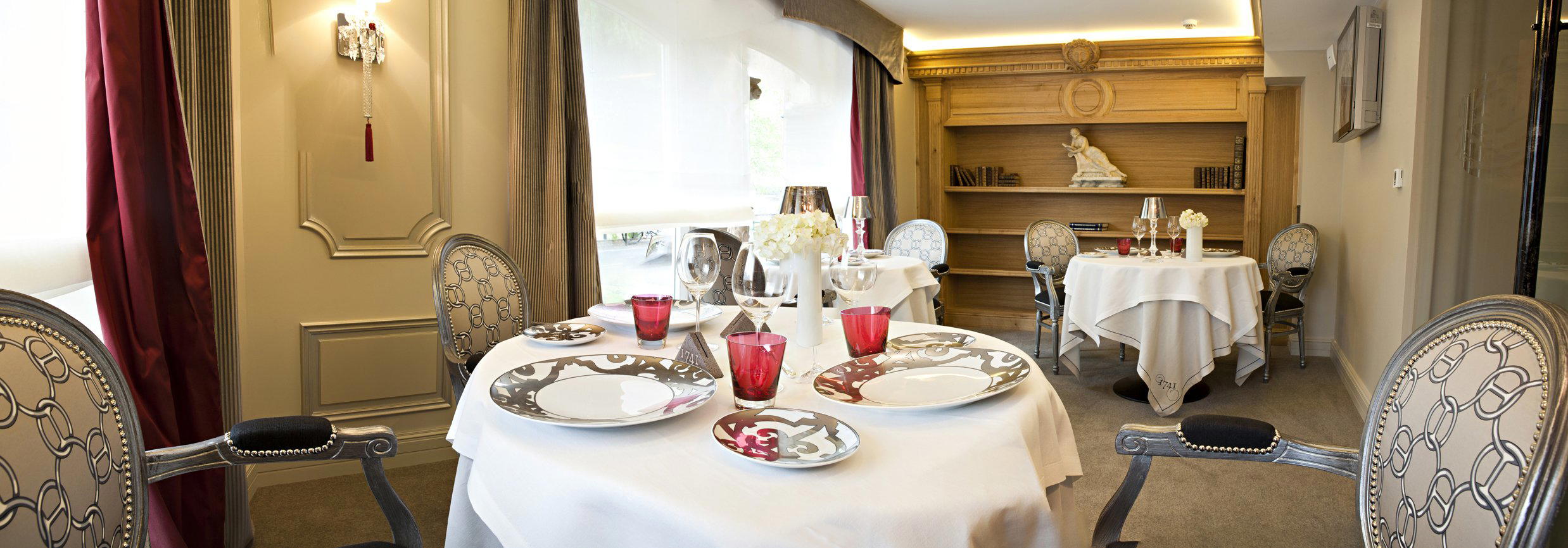
Strasbourg's dining scene divides roughly into three tiers. At the leading, a small group of addresses, including Au Crocodile and 1741, compete in the French fine dining register, with tasting menus, wine lists priced against Parisian peers, and Michelin recognition as the primary trust signal. Below that, a layer of modern bistros and creative kitchens, among them de:ja, Les Funambules, and Umami, work a more contemporary idiom. The winstub sits at a different angle to both: it is not trying to ascend toward fine dining, and it is not interested in reinvention for its own sake. Its authority comes from consistency of format and fidelity to Alsatian ingredients.
Alsatian cuisine is among France's most internally coherent regional traditions. Choucroute garnie, baeckeoffe, flammekueche, and the region's particular treatment of freshwater fish from the Rhine tributaries form a canon that has changed in surface texture but not in underlying logic across generations. The leading winstubs in Strasbourg function as custodians of that canon rather than as museums: the food is alive, the wines are from Alsace, and the rooms fill with people who want the thing itself rather than a commentary on it. That is the category Tante Liesel occupies on Rue des Dentelles.
Interior Logic: What the Space Communicates
The design vocabulary of a traditional Alsatian winstub is spare and deliberate. Exposed wooden beams and panelling absorb light rather than reflect it, which is part of why these rooms feel warm even when they are busy. The furniture tends toward solid, unornamented wood, chairs and benches built for durability rather than display. Tablecloths, where they appear, are checked or plain linen. Nothing in the room signals aspiration toward another register of dining; the aesthetic is complete in itself.
At 4 Rue des Dentelles, the building's age is part of the material. Alsace's half-timbered architecture was built to a human scale, which means ceilings that sit closer to the head than in most modern dining rooms, and windows that frame the street rather than open the room to light. The effect is enclosure rather than expansiveness, which is precisely what the winstub format requires. You are not eating in a space designed for visibility or spectacle. You are eating in a room designed for a particular kind of concentration on food, wine, and the people across the table.
This spatial approach places the restaurant in a different conversation from the grand brasserie format that defines another tier of Strasbourg hospitality. High-ceilinged brasseries in the city's historic core trade on a different kind of theatre: long marble bars, mirrored walls, the geometry of a room that performs its own importance. The winstub refuses that logic entirely. Its authority is domestic in register, which is not a lesser ambition, it is a different one.
Alsatian Cooking in Context
Strasbourg sits at the cultural intersection of French and German culinary traditions, and Alsatian cooking reflects both without fully belonging to either. The region's wine production, overwhelmingly white, structured around Riesling, Gewurztraminer, Pinot Gris, and Muscat, has shaped a food culture that treats acidity and aromatic intensity as partners rather than contrasts. Choucroute is the obvious example: the fermentation, the acidity of the cabbage, and the richness of the pork cuts it accompanies require a wine with enough structure and fruit to hold the pairing together. Alsace's Rieslings, particularly at the Grand Cru level, do exactly that.
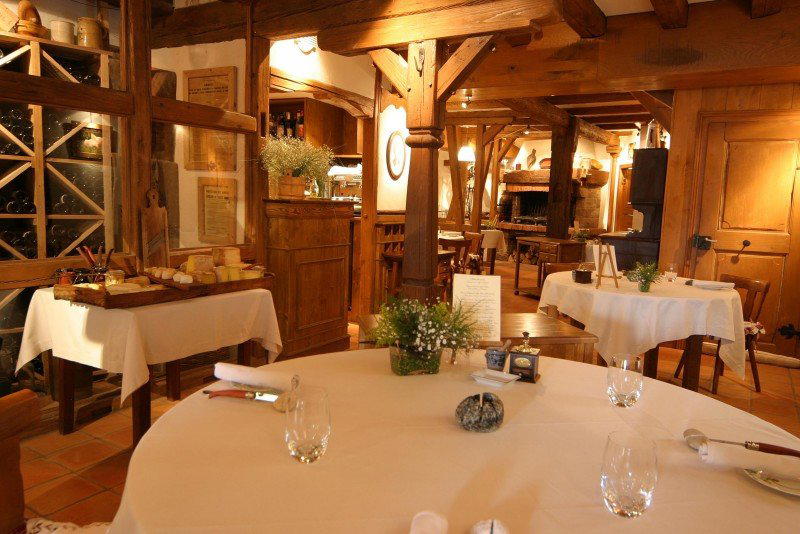
Across France, the regional fine dining tradition that has produced institutions such as Auberge de l'Ill in Illhaeusern, among the more durable three-star records in the Michelin guide, tends to express those regional ingredients through a formal tasting menu structure. The winstub operates at the opposite end of that spectrum: the same ingredients, a different frame. Whether that frame interests you depends on what you want from an evening in Strasbourg. For a reading of how the city's broader dining map connects to French gastronomy at scale, addresses like Alléno Paris au Pavillon Ledoyen, Mirazur in Menton, or Troisgros in Ouches represent the formal apex. The restaurant is not competing in that register, and does not need to.
Further afield, regional French cooking has produced some of the country's most durable restaurant institutions: Bras in Laguiole, Auberge du Vieux Puits in Fontjoncouse, and Paul Bocuse's Auberge du Pont de Collonges. All operate in a formal register that the winstub explicitly rejects. The winstub's argument is that not every meal should aspire to monumentality, and that the proper measure of a room's success is whether it delivers the specific thing it promises, reliably, night after night.
Planning a Visit: What to Know Before You Go
Rue des Dentelles sits in the Grande Île, Strasbourg's central island, within easy walking distance of the cathedral and the city's most concentrated cluster of half-timbered residential streets. The neighbourhood around it, Petite France, draws significant tourist traffic in summer and during the Christmas market season (typically late November through late December), which is among the largest and most attended in Europe. Timing matters: visiting outside the market weeks means a less pressured room and more direct access to tables. Spring and early autumn are generally the more settled seasons for a first visit to the city's dining scene. For the broader range of what Strasbourg offers across price points and styles,
Cuisine and Recognition
Comparable venues nearby, for context on price, style, and recognition.
| Venue | Cuisine | Price | Notes |
|---|---|---|---|
| Tante LieselThis venue — the venue you are viewing | Traditional Alsatian French | $$$ | Not listed |
| La Maison des Tanneurs | Traditional Alsatian Winstub | $$$ | Centre |
| L'Oignon | Traditional French Alsatian | $$ | Centre |
| Pierre Bois et Feu | Modern French Bistronomique with Premium Beef | $$$$ | Centre |
| La Nouvelle Poste | French Brasserie | $$ | Centre |
| La Vignette | French Bistro | $$ | Robertsau |
Continue exploring
More in Strasbourg
Restaurants in Strasbourg
Browse all →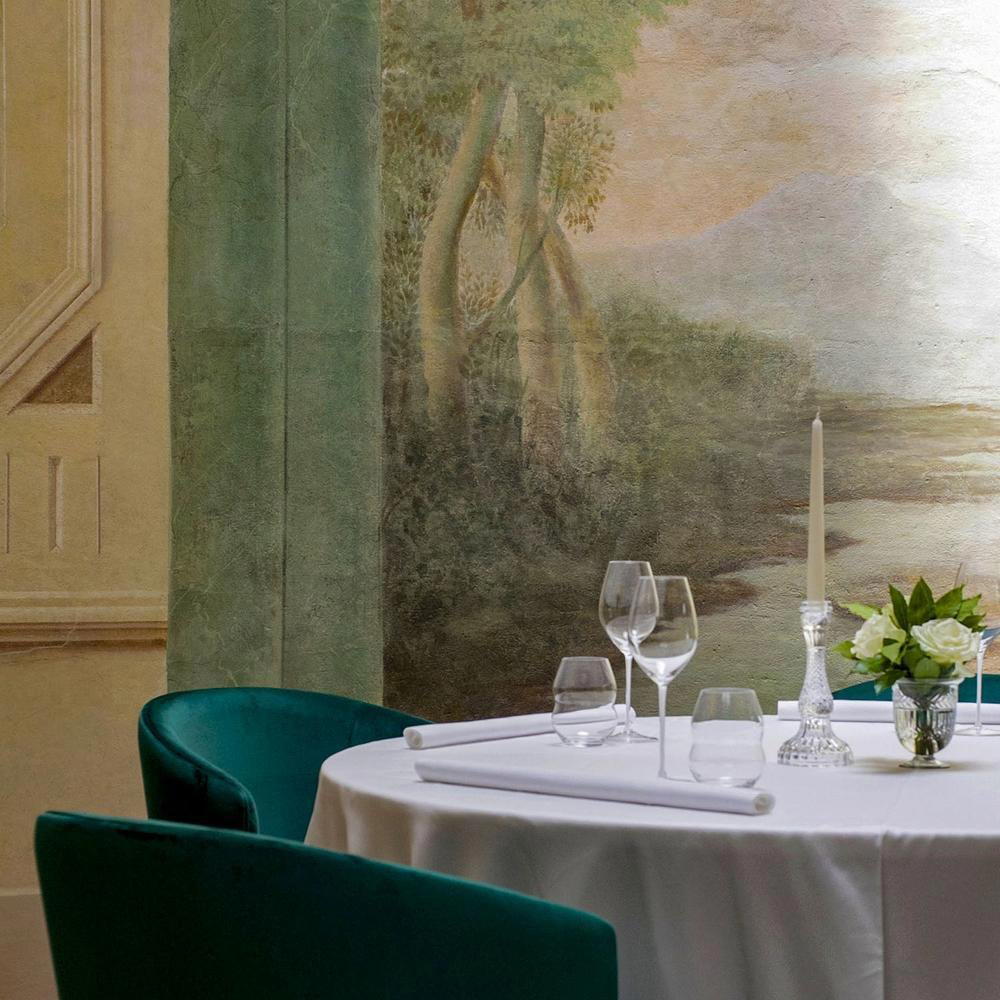

Bars in Strasbourg
Browse all →


Hotels in Strasbourg
Browse all →
At a Glance
- Cozy
- Classic
- Rustic
- Family
- Casual Hangout
- Historic Building
- Street Scene
Current opening hours
- Monday
- 12–9:30 PM
- Tuesday
- 12–9:30 PM
- Wednesday
- 12–9:30 PM
- Thursday
- 12–9:30 PM
- Friday
- 12–9:30 PM
- Saturday
- 12–9:30 PM
- Sunday
- 12–9:30 PM
Hours can change for holidays and private events. Last verified .
Cozy and typically Alsatian with warm, familial atmosphere.